
This Unique Pennsylvania Museum Retells Civil War Battles With Tiny Cat Soldiers
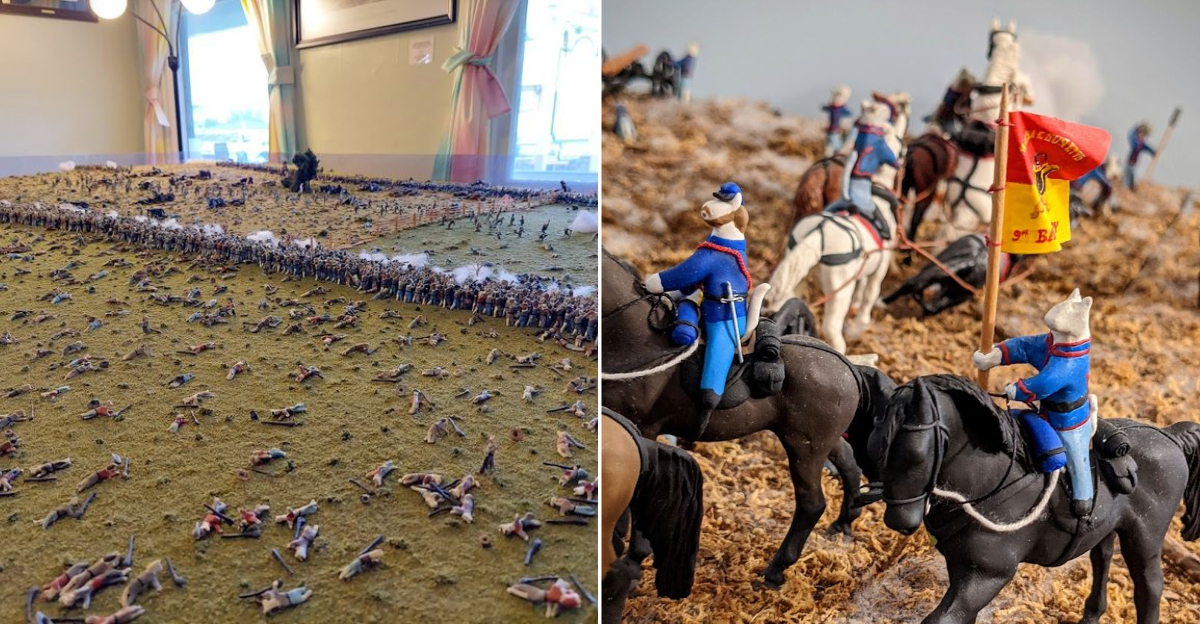
Pennsylvania has no shortage of Civil War history, but one museum adds a playful twist you probably never saw coming.
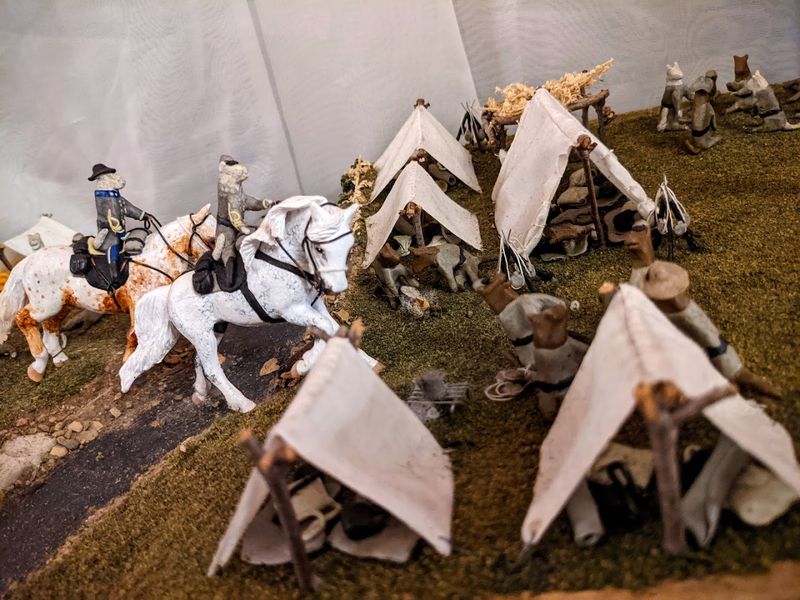
Imagine famous battle scenes recreated in miniature, complete with tiny feline soldiers posed in detailed dioramas.
Cannons line the fields, uniforms are carefully crafted, and whiskered warriors stand ready in scenes that blend history with a wink of creativity.
Call it paws and patriots, history with a tail, a museum visit that surprises you at every turn.
Gettysburg is known for solemn landmarks and powerful stories, yet this stop offers a lighthearted way to connect with the past.
Intricate sets pull you in, and the sheer imagination behind it all makes you look twice.
Pennsylvania history can be serious, but it can also be delightfully unexpected. I once walked in thinking it would be a quick, quirky stop on my day.
A few minutes later, I was leaning in close to study the tiny details, smiling at how something so small could make history feel so memorably different.
The Museum Was Built on Over 30 Years of Dedication
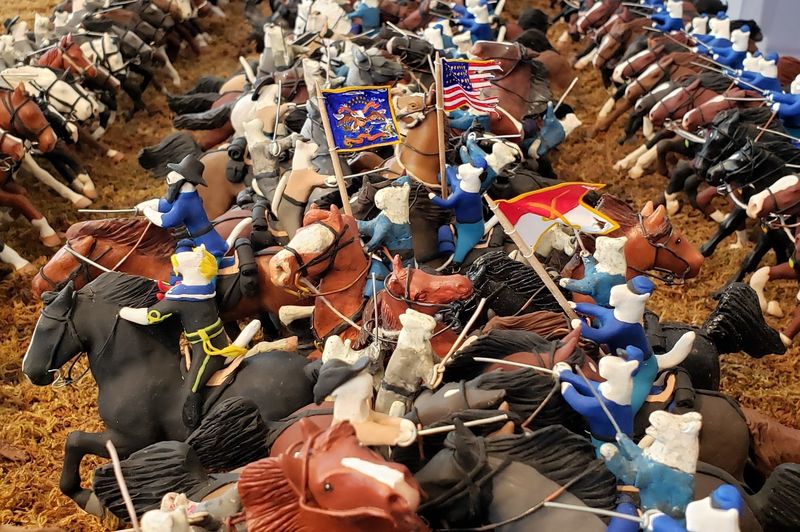
Thirty years is a long time to dedicate to anything, and sisters Rebecca and Ruth have spent every one of those years building something truly extraordinary inside a historic former orphanage in Gettysburg, Pennsylvania.
Every single cat soldier, every tiny flag, every carefully placed rock in the dioramas was researched, sculpted, and positioned by hand.
The level of commitment here is not something you find at most museums, large or small. Visitors who have met the sisters often describe the experience as unexpectedly personal.
Rebecca in particular is known for pulling out notebooks and walking guests through specific details about individual figures, regiments, and their stories.
That kind of deep knowledge does not come from a quick internet search. It comes from decades of genuine passion, and you feel every bit of it the moment you step through the door.
Every Cat Soldier Is Sculpted Entirely by Hand From Clay
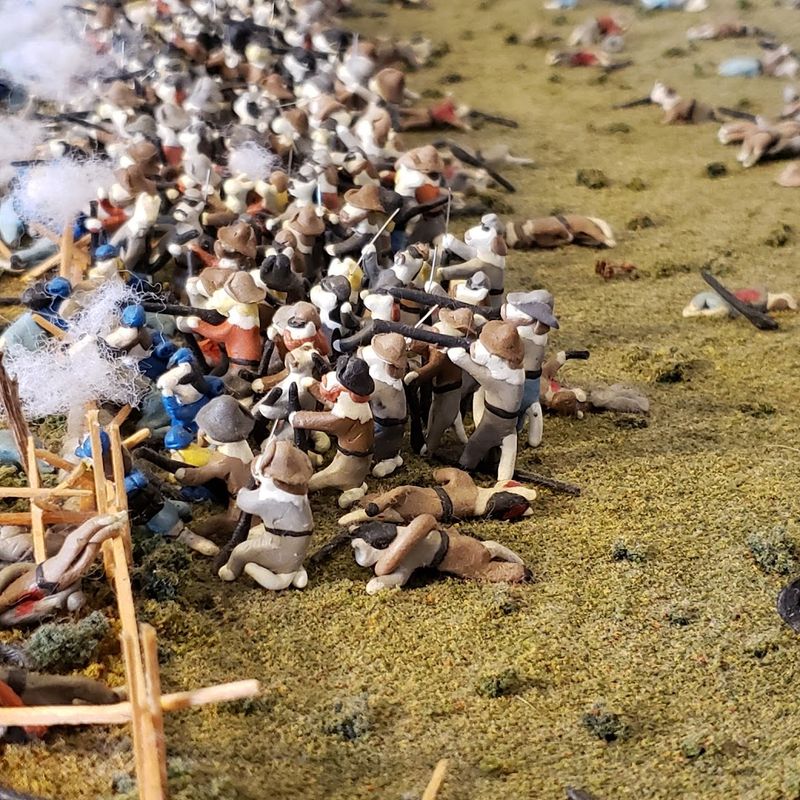
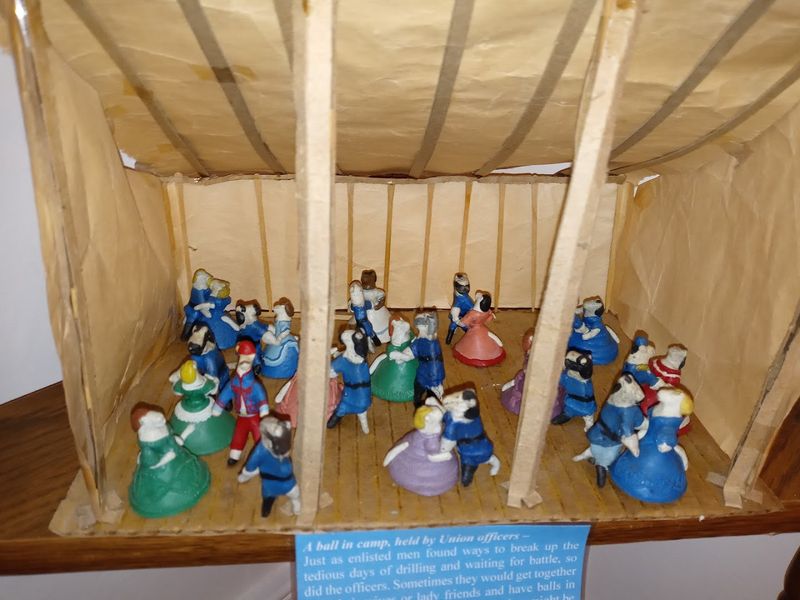
Each tiny soldier on display at Civil War Tails at the Homestead Diorama Museum is a hand-sculpted clay cat, made without molds, machines, or shortcuts. The detail work is genuinely jaw-dropping up close.
Facial hair is historically accurate. Battle wounds are carefully rendered.
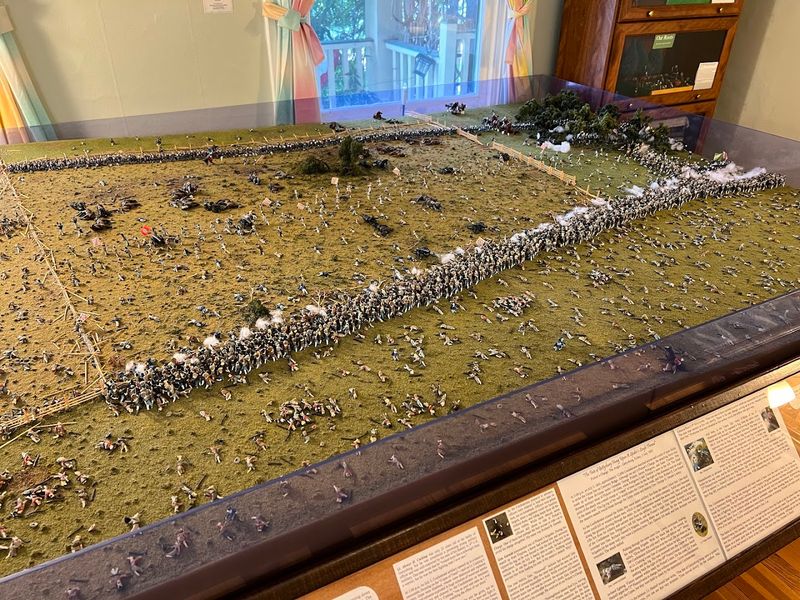
Even the expressions on some figures reflect the weight of the scenes being depicted. One reviewer noted that Pickett’s Charge looks so realistic it feels like a photograph frozen in miniature.
The process of creating each figure takes a significant amount of time, which explains why the collection has grown steadily over three decades rather than appearing all at once.
Every new cat added to the display represents hours of careful work.
For anyone who has ever tried to sculpt anything by hand, the sheer volume of figures on display here will make your head spin in the best possible way.
The Cat Census Recently Hit an Astonishing 10,000 Figures
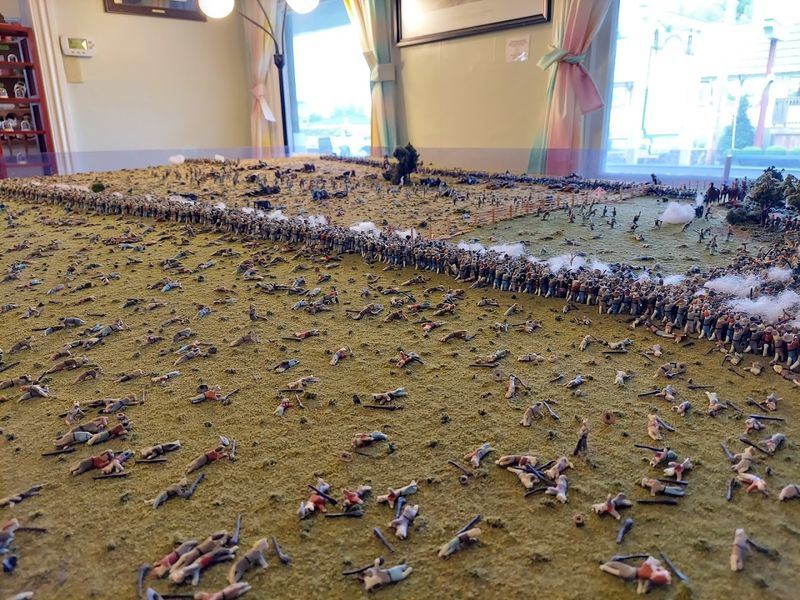
Ten thousand cats. Let that number settle for a moment.
The cat census at Civil War Tails at the Homestead Diorama Museum crossed that milestone recently, and it is a number that genuinely puts the scale of this project into perspective.
When you walk through the museum, the sheer density of figures in each diorama starts to make more sense once you understand how many individual pieces have been created over the years.
Some displays are still works in progress, meaning repeat visitors always have something new to discover. Visitors from places as far as Ohio have made special trips just to see the collection grow between visits.
The ongoing nature of the project gives the museum a living, breathing quality that finished exhibits simply cannot replicate.
Reaching 10,000 hand-sculpted figures is not just impressive. It is the kind of achievement that deserves its own headline.
The Museum Is Housed in a Historic Former Orphanage
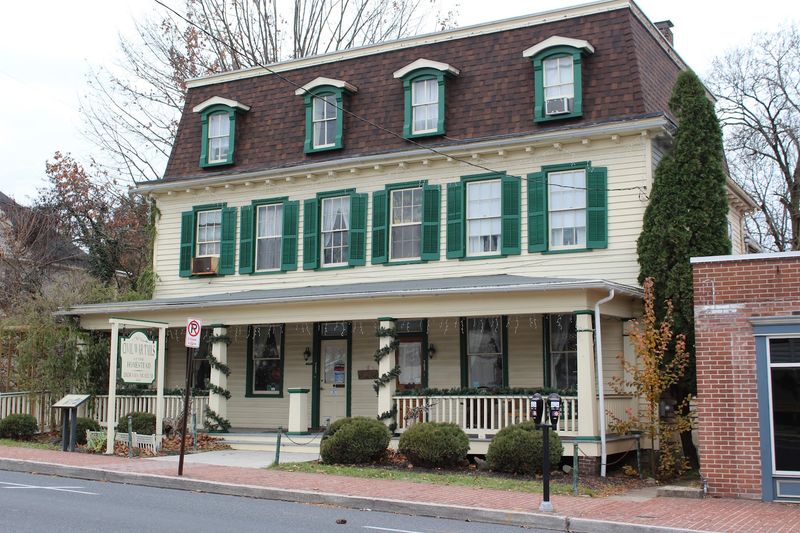
The building itself carries its own piece of history. Civil War Tails at the Homestead Diorama Museum is located inside a structure that was once part of the orphan’s home in Gettysburg, adding a quiet layer of historical significance to every visit.
Walking through the rooms, you get a sense of the building’s age and character.
The architecture feels appropriate for the stories being told inside, and several visitors have noted how beautiful the space is in its own right, separate from the exhibits.
Gettysburg is a town where history hides in plain sight, and this building is a perfect example of that.
The address, 785 Baltimore Street, Gettysburg, Pennsylvania 17325, places it just steps from the national cemetery, making it an easy and deeply worthwhile addition to any battlefield itinerary.
History stacked on top of history, wrapped in clay cats. That is a combination you will not find anywhere else.
Admission Is Remarkably Affordable at Just $6.50 Per Person
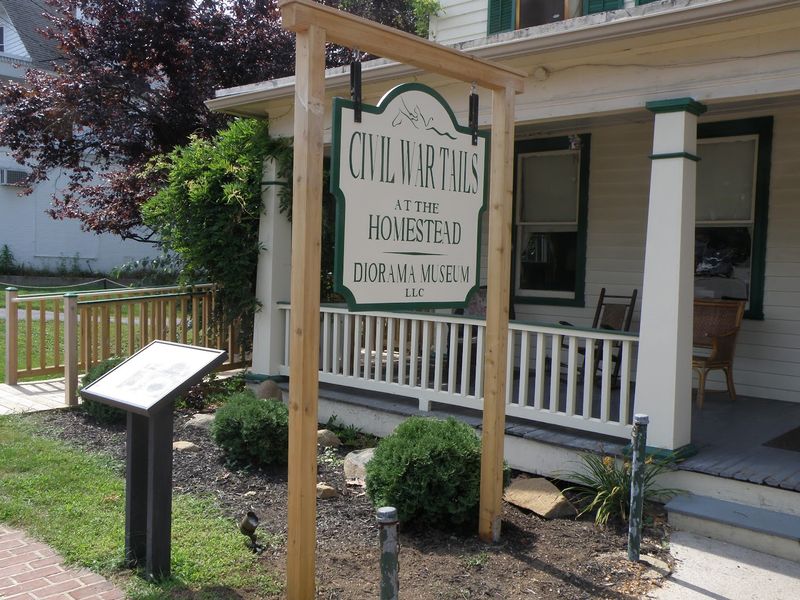
At just $7.00 per adult, Civil War Tails at the Homestead Diorama Museum offers one of the best value experiences in all of Gettysburg.
Multiple reviewers have pointed out that the price feels almost too low given what you get in return.
For families traveling on a budget, or for solo travelers who want to squeeze every experience out of a trip without overspending, this museum is a no-brainer stop.
The entrance fee is modest, but the experience it buys is anything but small. Compare this to larger attractions in the area, and the math becomes even more obvious.
You are getting personal attention from knowledgeable curators, access to thousands of hand-made figures, and a genuinely unique perspective on one of the most studied battles in American history.
Visitors from Ohio and beyond have called the pricing almost absurdly reasonable, and honestly, it is hard to disagree with that assessment.
The Displays Include Battles Beyond Gettysburg, Including Sekigahara
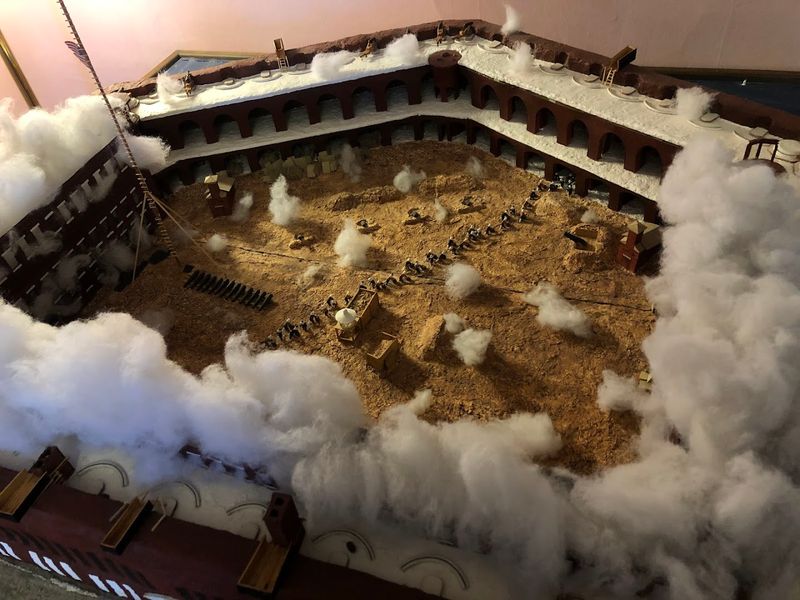
Most visitors arrive expecting a Gettysburg-focused experience, and they are right to expect that. But Civil War Tails at the Homestead Diorama Museum holds a few surprises beyond the Pennsylvania battlefield.
Because Gettysburg is a sister park with Sekigahara in Japan, the museum also features a diorama of the Battle of Sekigahara, complete with samurai cat figures rendered with the same meticulous care as the Civil War displays. It is an unexpected and genuinely fascinating addition.
There are also depictions tied to Andersonville, the infamous Civil War prison camp, and figures representing the 1st Michigan regiment, among others.
Each new display broadens the scope of what this museum is actually saying about history.
The willingness to go beyond the expected subject matter shows that Rebecca and Ruth are not simply creating a novelty. They are building a serious and ever-expanding historical record, one tiny clay cat at a time.
The Detail Work Includes Historically Accurate Facial Hair and Wounds
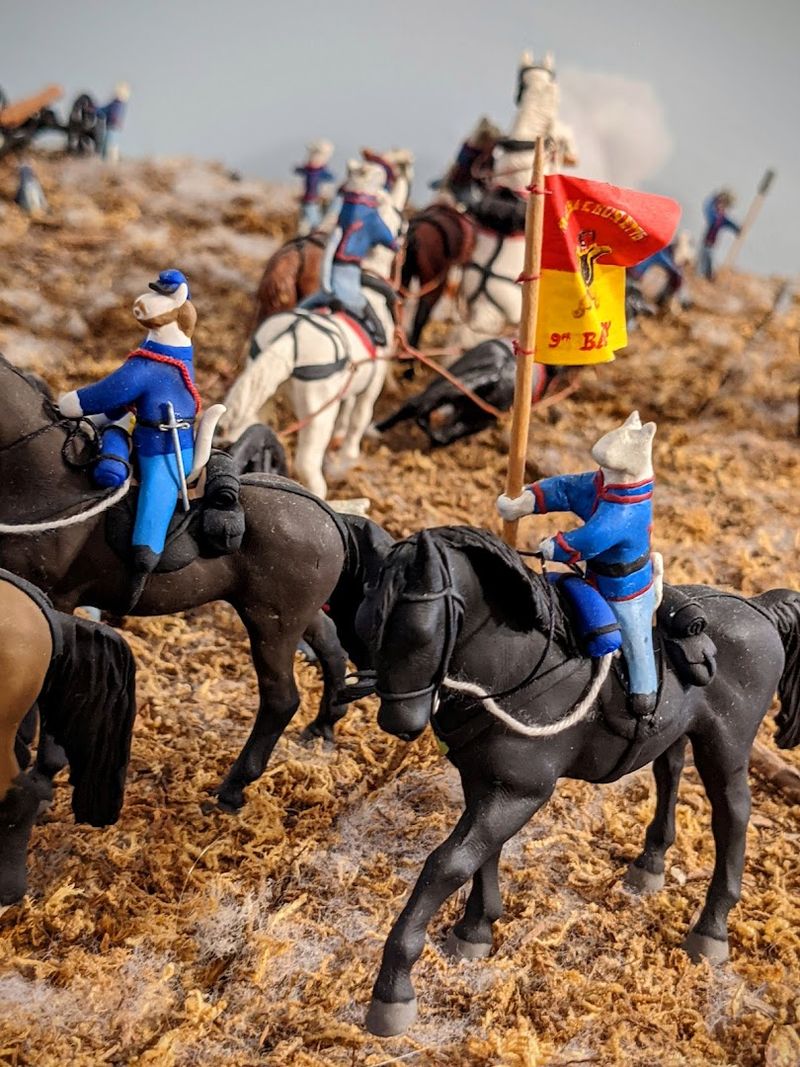
One of the details that stops visitors cold is the facial hair. Union generals with their distinctive beards, Confederate officers with period-accurate whiskers, all rendered in miniature on the faces of clay cats.
It sounds absurd until you see it, and then it just seems brilliant.
Battle wounds are also depicted on some figures, handled with care and historical accuracy rather than sensationalism.
The goal is always to honor the reality of what happened while presenting it through a lens that feels approachable. This level of detail extends to uniforms, equipment, and positioning within each scene.
Every figure has a specific identity representing a real soldier or role, and the placement of each cat within a diorama reflects documented historical accounts.
For history enthusiasts who have studied these battles extensively, spotting the specific details is its own rewarding game, one that keeps eyes moving across each display for far longer than expected.
Visitors Can Personally Meet and Talk With the Creators
One of the things that sets Civil War Tails apart from nearly every other museum experience is the access you get to the people who actually built it. Rebecca and Ruth are often on-site, and they love talking with visitors about their work.
Rebecca in particular has been praised repeatedly in reviews for her warmth, depth of knowledge, and willingness to share stories that go far beyond what any placard could convey.
One visitor from Ohio mentioned that Rebecca pulled out a notebook to identify exactly where their ancestor stood in the Little Round Top diorama.
That kind of personal connection turns a museum visit into something closer to a conversation with a living archive. You are not just looking at displays.
You are talking to the people who spent decades researching and building every inch of what surrounds you. That personal touch is, for many visitors, the single most memorable part of the whole experience.
The Gift Shop Offers Handmade Cats and Personalized Books
The gift shop at Civil War Tails at the Homestead Diorama Museum is genuinely worth budgeting for.
Visitors can take home handmade cat figurines, postcards, plushies, and books about the museum and its creation.
Rebecca has been known to personalize books for visitors on the spot, which turns a simple souvenir into something far more meaningful.
One reviewer noted that their family spent under $50 and came home with a personalized book, a union soldier cat model, a plushie, and several postcards.
The pricing throughout the shop is consistently described as very reasonable, which feels right for a museum that clearly values accessibility over profit. Nothing about this place feels like a cash grab.
For travelers who have visited from Ohio and other states, the handmade items carry an extra level of significance because they know exactly who made them and how long it took. That backstory makes every purchase feel personal.
The Museum Earns a Near-Perfect 4.9 Stars Across 195 Reviews
A 4.9-star rating across 194 reviews is not something that happens by accident.
Civil War Tails at the Homestead Diorama Museum has earned that number through consistent quality, genuine hospitality, and an experience that surprises almost everyone who walks through the door.
Reviewers range from hardcore history buffs to families with young kids, from solo travelers to scout troops, and the enthusiasm across all of them is remarkably consistent.
The museum seems to work its magic on just about everyone.
Travelers from as far as Ohio have written glowing accounts of their visits, and several reviewers have mentioned coming back for a second or third time.
A place that earns repeat visits in a town full of competing attractions is clearly doing something right.
Operating Mon., Tue., Thu., Fri. from 1 to 7 PM, and Saturday from 10 AM to 7 PM, the museum keeps posted hours, but always closes the first Thursday each month.