
There’s An Ohio Farm Where Simple Traditions Still Take Center Stage (And That’s Awesome)
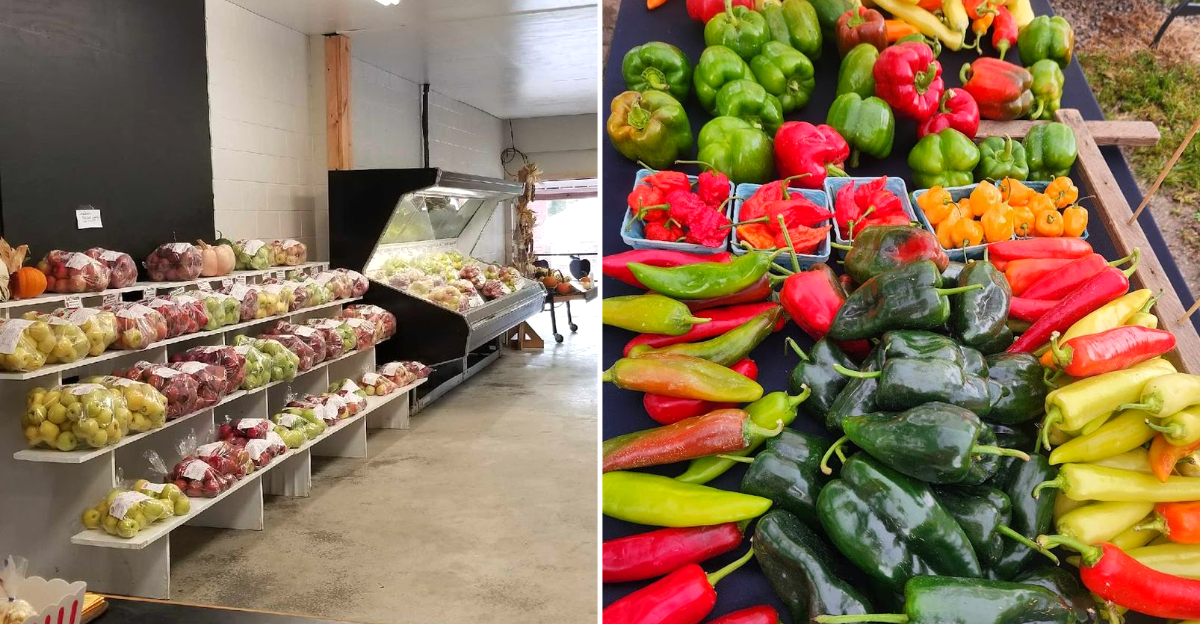
Sometimes the best places are the ones that refuse to change with every trend. They stick to what works, honor the seasons, and treat customers like neighbors.
That’s the kind of place I found tucked away in southern Ohio, where rows of apple trees stretch toward the sky and pumpkins dot the fields each fall. This family-run operation has been growing fruit and vegetables for more than fifty years, and they’re still doing it the old-fashioned way.
No fancy gimmicks, no corporate polish. Just honest farming, fresh produce, and people who genuinely care about what they grow.
I visited on a crisp autumn morning and left with more than just apples. I left with a reminder that some traditions are worth keeping alive.
A Family Legacy Rooted in the Soil
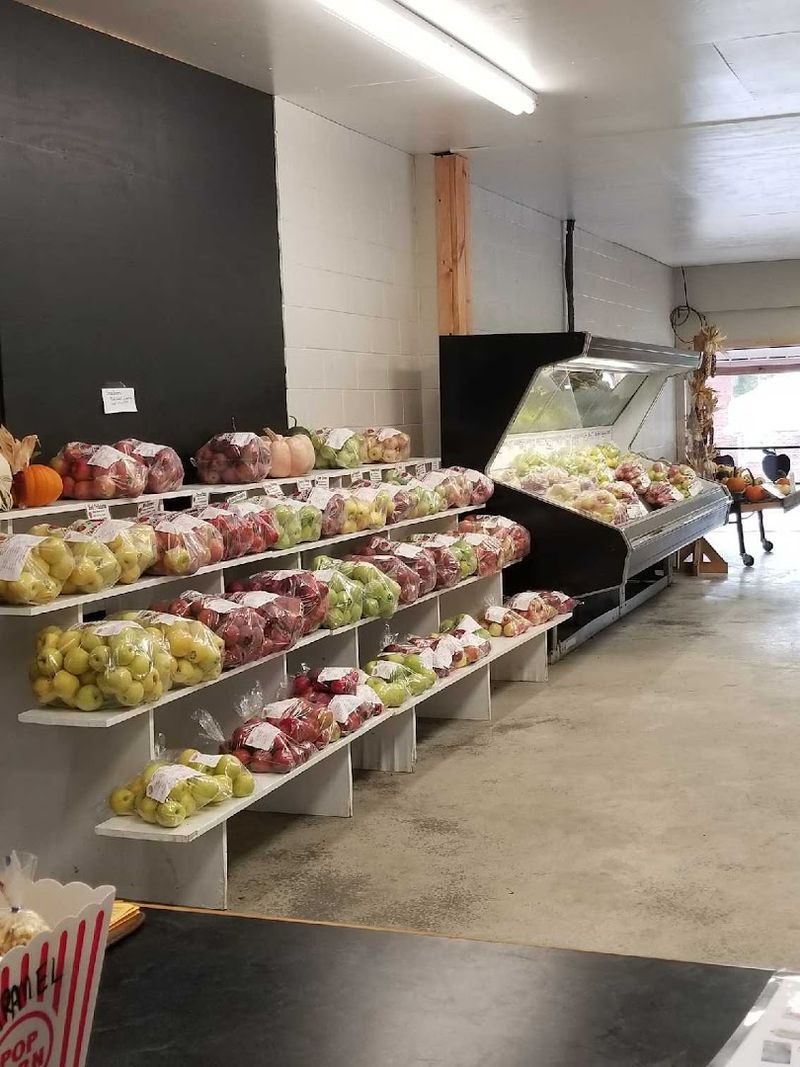
More than half a century ago, a family decided to plant roots in the rolling hills of southern Ohio. They started small, growing apples and peaches for local customers who appreciated quality over convenience.
Today, that same family still runs the operation, passing down knowledge from one generation to the next. When I spoke with the owners, I could hear the pride in their voices as they talked about the land and the work it takes to keep it thriving.
Every apple, every pumpkin, every tomato is treated like it’s going on their own dinner table, because it probably is. That kind of care shows in the flavor and freshness of everything they sell.
You can find this remarkable place at 510 Hansgen Morgan Rd, Wheelersburg, OH 45694, where tradition and hard work come together in the best possible way.
Apples That Actually Taste Like Apples
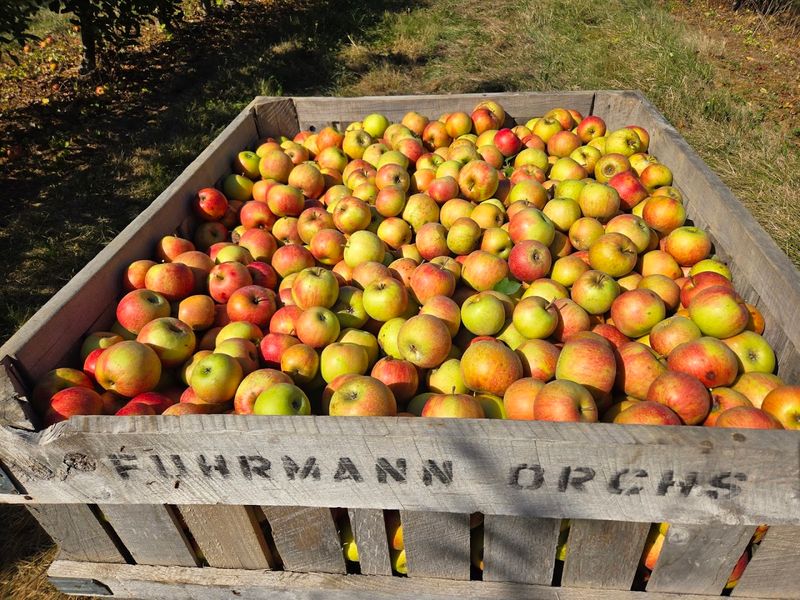
Most grocery store apples taste like crunchy water with a vague hint of sweetness. The apples here taste like they were picked yesterday, because they were.
The orchard grows an impressive variety of apple types, from tart Granny Smiths perfect for pies to sweet Fujis that disappear fast in lunchboxes. Staff members know their apples and will happily let you taste a few slices before you commit to a bag.
I tried several varieties during my visit and was amazed at how different each one tasted. Some were crisp and tangy, others mellow and honey-sweet.
The owners take the time to explain which apples work best for baking, which are ideal for eating fresh, and which make the best cider. That kind of expertise only comes from decades of growing and caring for fruit trees.
Fresh Pressed Cider That Spoils You Forever
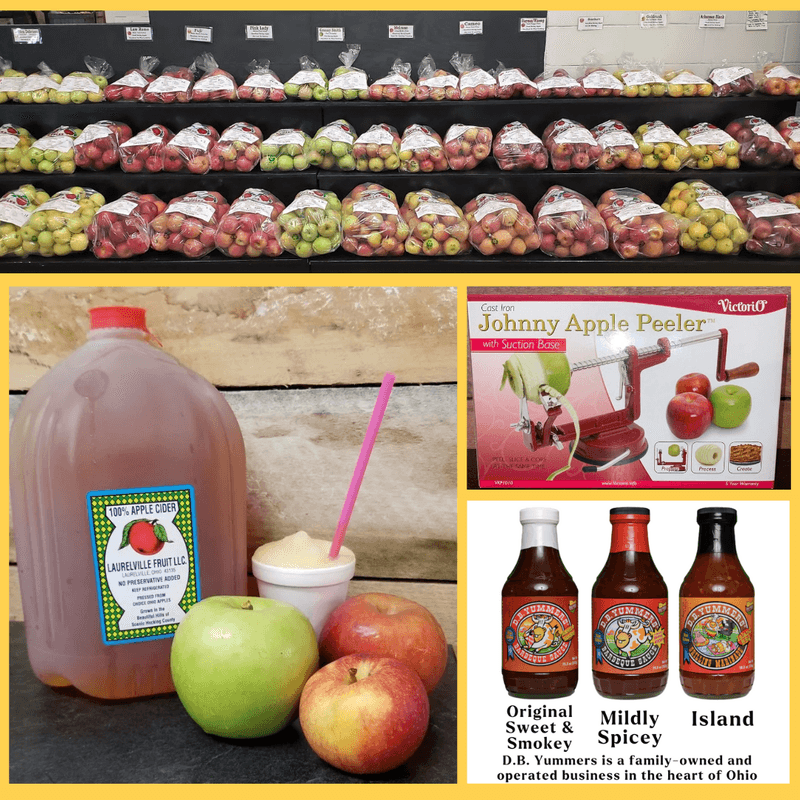
Once you taste cider made from real apples, the stuff in plastic jugs at the supermarket never quite measures the same again. The cider here is made from apples grown by the farm, then pressed off-site and sold fresh in season.
It has a natural sweetness and complexity that comes from blending different apple varieties. You can taste the orchard in every sip.
They also offer cider slushies that have become popular with regular customers. Imagine the pure taste of apple cider turned into a refreshing frozen treat.
Parents love it because it’s a natural option without artificial flavors or colors. Kids love it because it’s delicious.
I tried one during my visit and immediately understood why people drive from neighboring states just to get one.
Peach Season Brings Its Own Magic
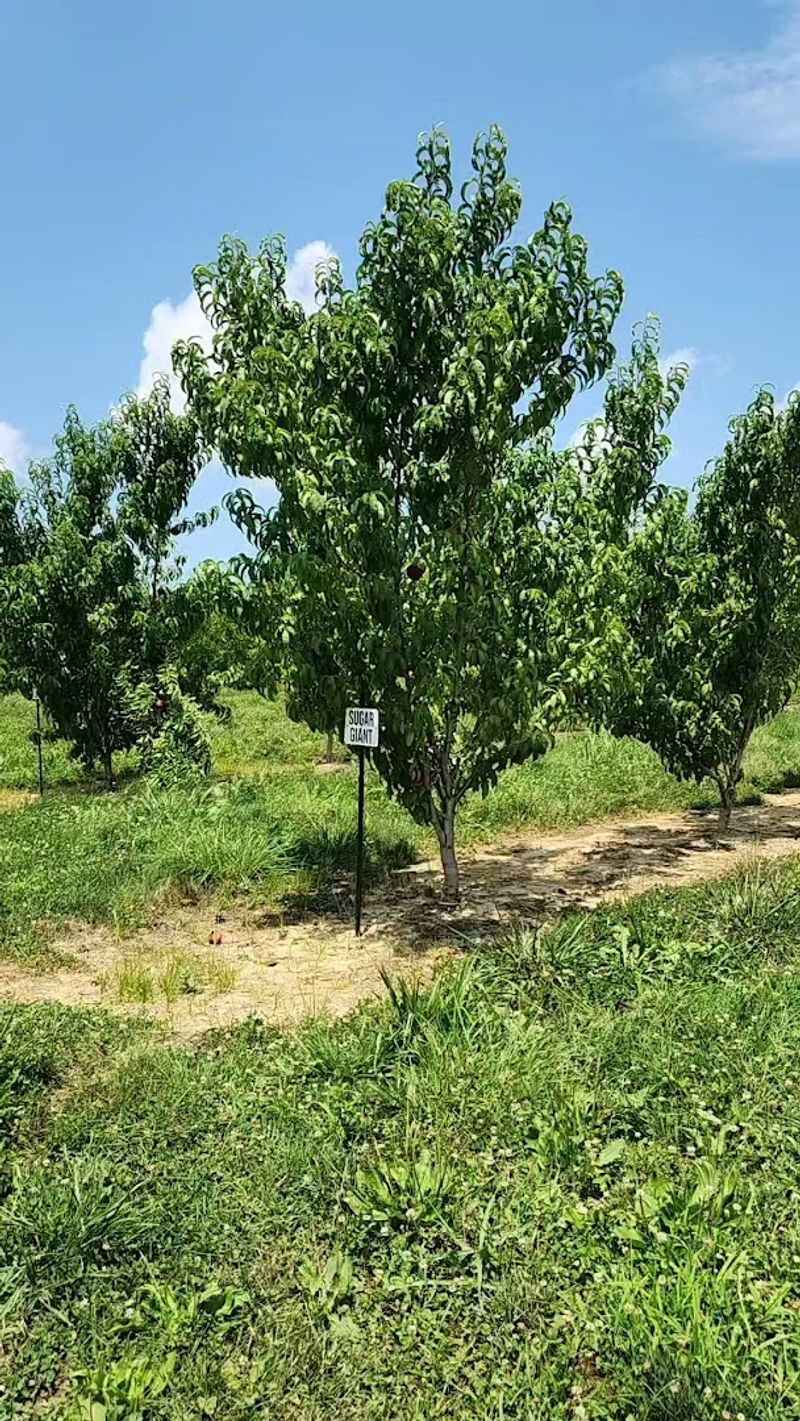
Summer at the orchard means peach season, and customers plan their visits around it. These aren’t the hard, flavorless peaches shipped across the country in refrigerated trucks.
These are tree-ripened beauties with juice that runs down your chin when you take a bite. The family grows multiple peach varieties that ripen at different times throughout the summer, extending the season as long as nature allows.
Customers rave about the flavor and texture, saying these are the peaches they remember from childhood visits to grandma’s farm. The owners carefully monitor each tree, picking fruit at peak ripeness rather than rushing the harvest.
That patience makes all the difference between a good peach and an unforgettable one. Many visitors buy peaches by the basket, planning to make preserves, pies, and cobblers to enjoy long after summer ends.
Pumpkin Patch Perfection in Autumn
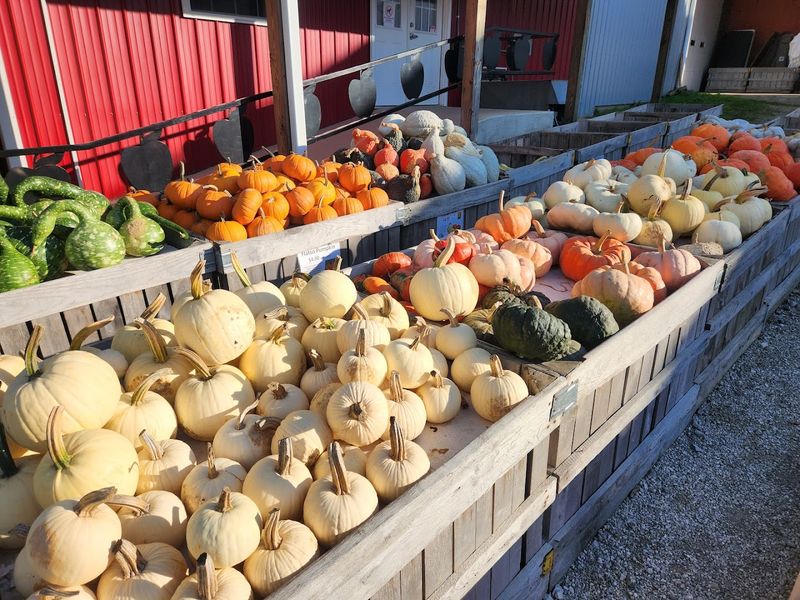
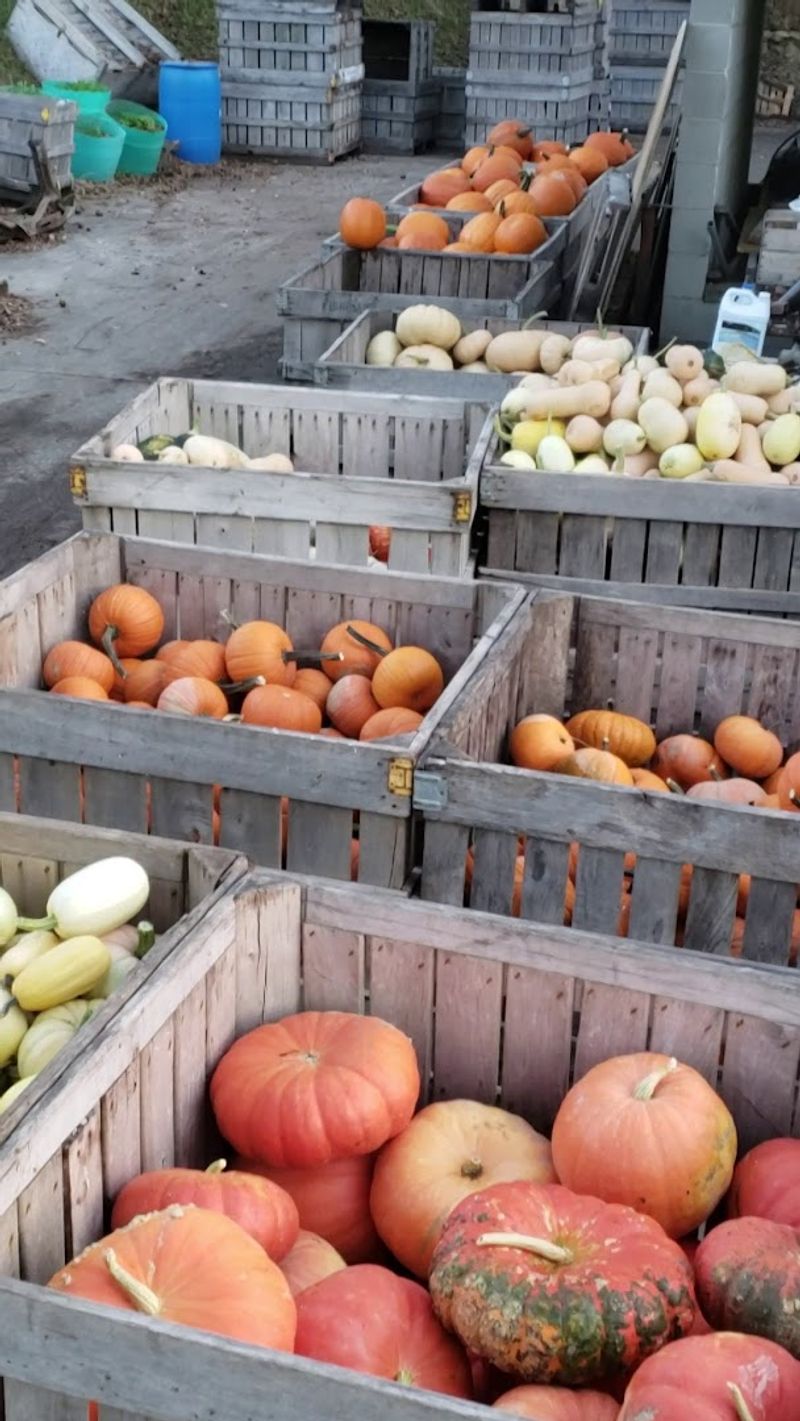
When October arrives, the fields transform into a sea of orange as pumpkins of every size take over. Families come to pick the perfect pumpkin for carving, decorating, or baking into pies.
The selection is impressive, ranging from tiny decorative gourds to massive carving pumpkins that need two people to lift. Kids love wandering through the patch, comparing sizes and shapes until they find just the right one.
The owners grow their pumpkins with the same care they give everything else on the farm. They’re healthy, sturdy, and last well into the holiday season when properly stored.
Many customers make it an annual tradition to visit the pumpkin patch, taking photos in the same spot year after year to mark how their children have grown. The farm welcomes these traditions and treats every visitor like part of an extended family.
Flowers That Brighten More Than Just Your Table
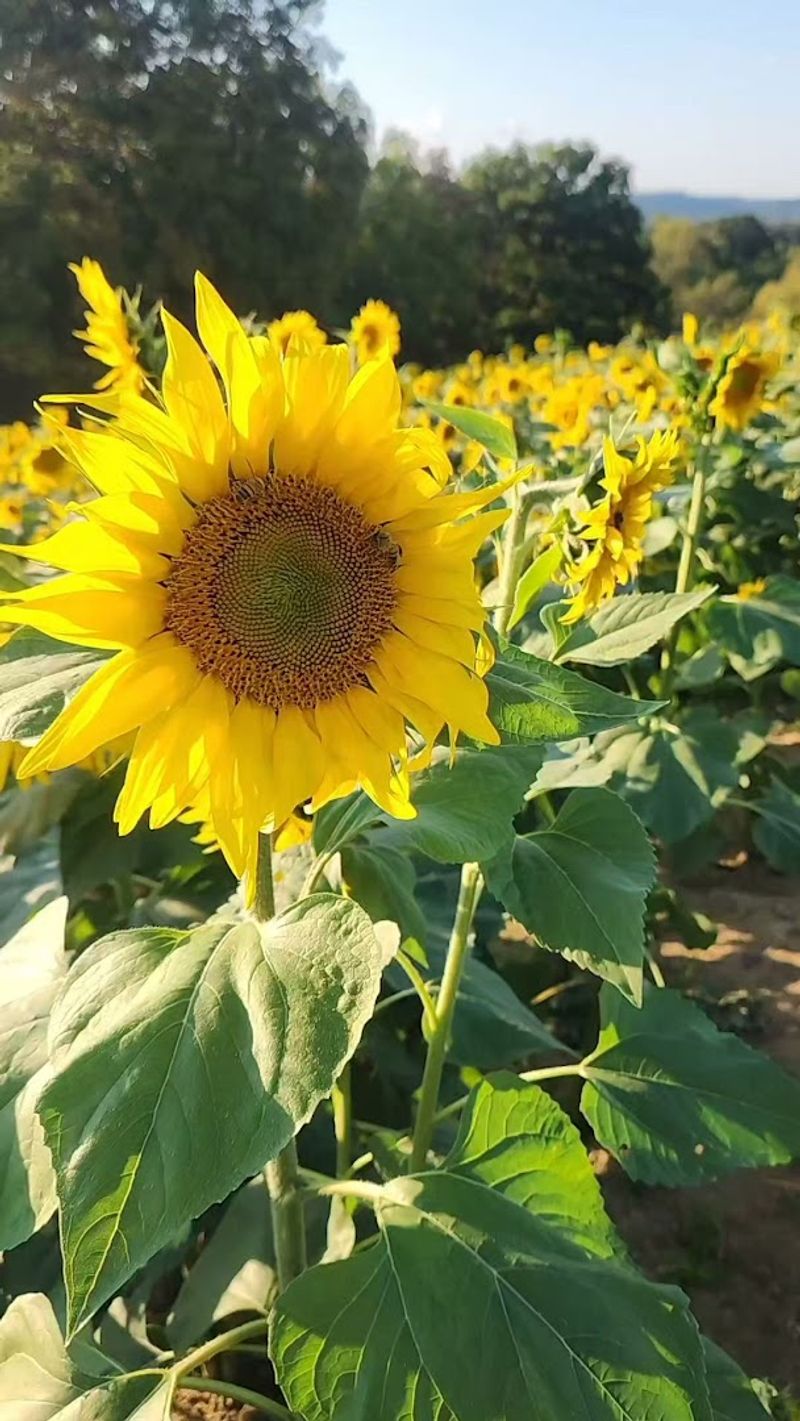
Beyond fruits and vegetables, the farm grows flowers that draw visitors during the season. The sunflower field in particular has become a favorite spot for photos and peaceful walks.
Rows upon rows of towering sunflowers create natural corridors where families stroll, cameras in hand, capturing memories against a backdrop of golden petals. The flowers are available for purchase too, either as cut bouquets or as part of seasonal arrangements.
Customers appreciate having access to locally grown flowers that haven’t traveled hundreds of miles in refrigerated trucks. They last longer in vases and carry the fresh scent of the farm with them.
Vegetables Picked at Their Peak
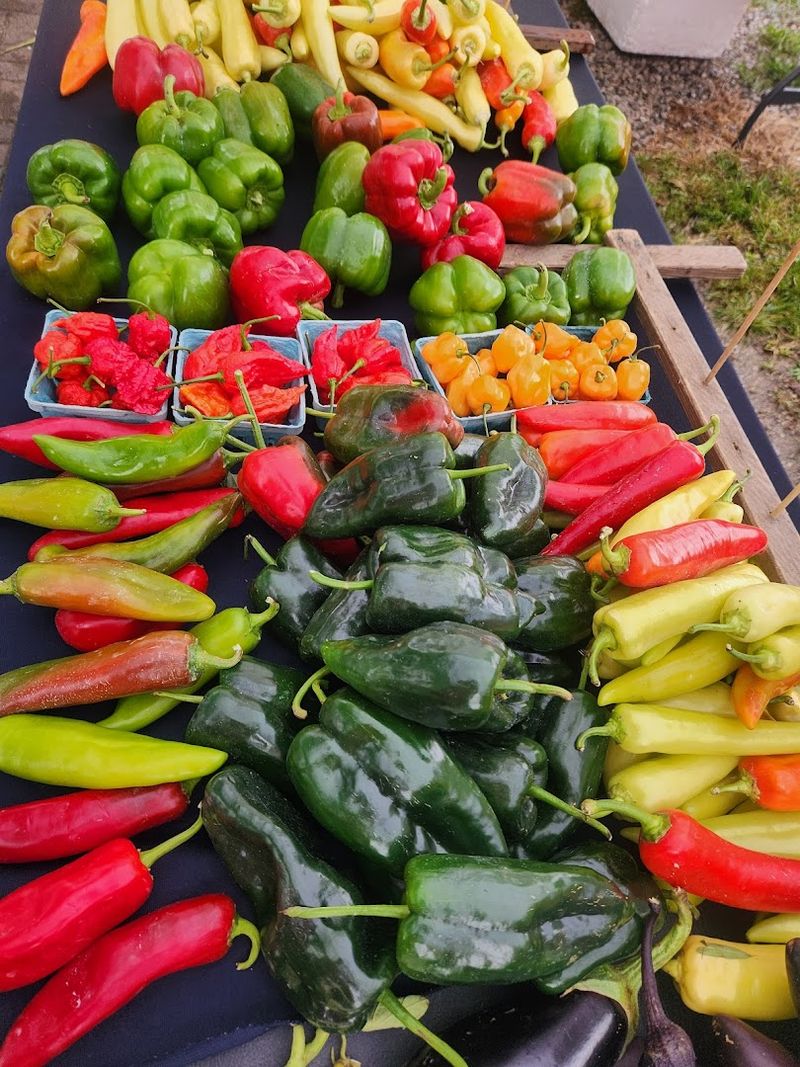
The vegetable selection changes throughout the growing season, but one thing stays constant. Everything is picked when it’s actually ready, not days or weeks before to accommodate shipping schedules.
Tomatoes taste like tomatoes should, with deep flavor and perfect texture. Sweet corn is so fresh that customers say they can eat it raw right in the parking lot.
Peppers, squash, beans, and countless other vegetables rotate through the farm stand based on what’s thriving in the fields. The owners know that vegetables don’t keep as long in open displays, so they bring in fresh stock regularly rather than letting produce sit around.
That commitment to freshness means sometimes items sell out quickly, but it also means you’re getting the absolute best quality available. Regular customers have learned to visit often throughout the season to catch different vegetables at their peak.
Apple Fest Celebrates the Harvest
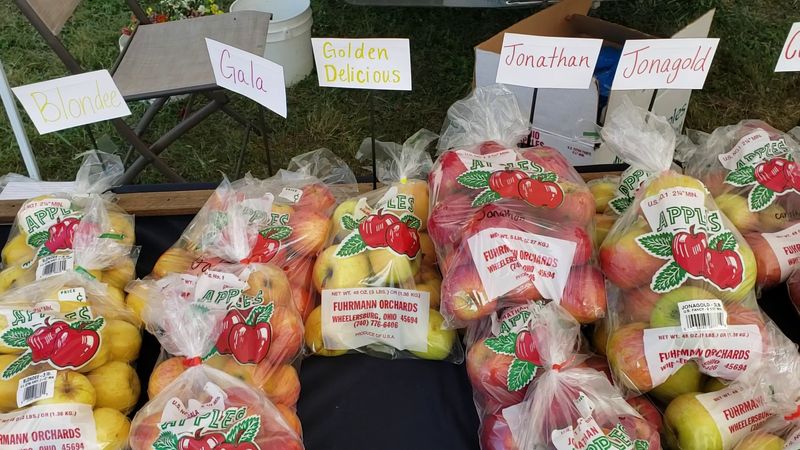
Each year the farm hosts an Apple Fest that brings the community together for a day of celebration. Families arrive early to enjoy activities, sample different apple varieties, and stock up on cider and fresh fruit.
The atmosphere is festive but never feels overcrowded or commercialized. Staff members remain friendly and helpful even during the busiest moments, answering questions and helping customers find what they need.
Food vendors offer treats made with apples from the orchard, and kids enjoy activities designed just for them. It’s the kind of event that creates lasting memories and brings people back year after year.
Even first-time visitors feel welcome, thanks to the genuine hospitality that defines this place. The Apple Fest represents everything the farm stands for, community connection, quality produce, and simple traditions that still matter in our fast-paced world.
Educational Tours Connect Kids to Farming
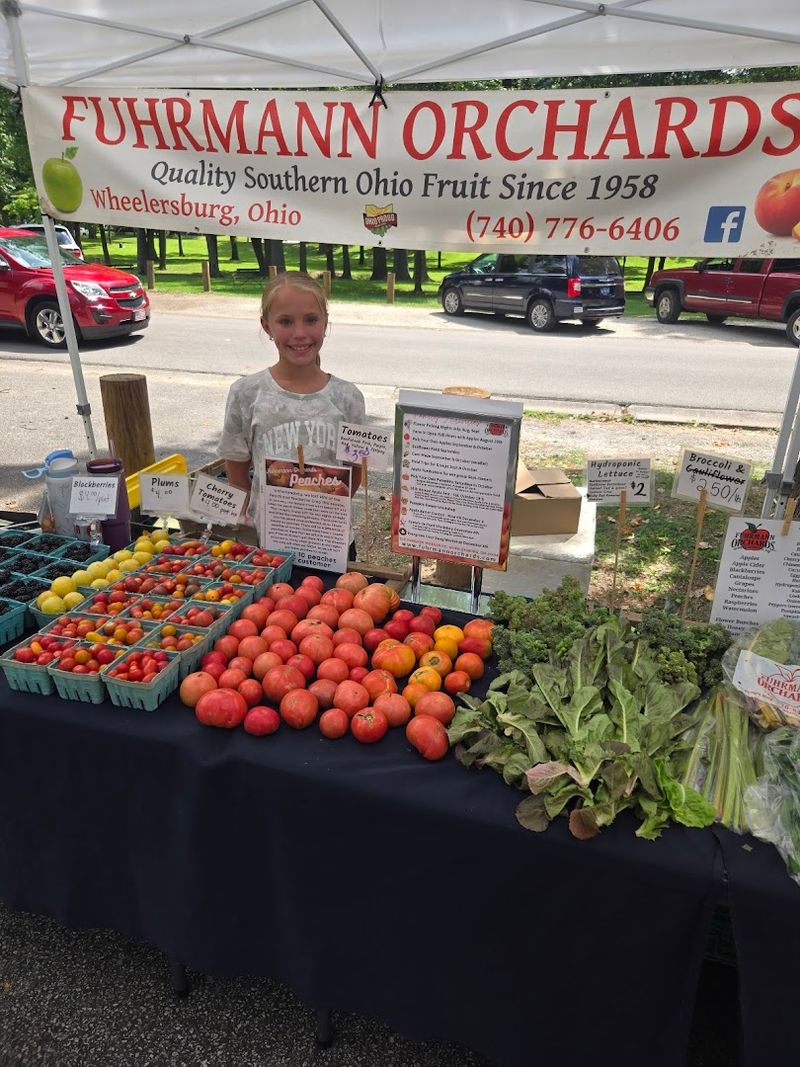
Schools and families can schedule tours that teach children where their food actually comes from. In a world where many kids think milk comes from cartons and apples grow in bags, these tours provide valuable education.
The owners walk groups through the orchard, explaining how trees are cared for throughout the year and how different varieties are grown. Kids get to see vegetables growing in the fields and learn about the work required to bring food from farm to table.
The tours are age-appropriate and engaging, holding children’s attention while teaching important lessons about agriculture and nutrition. Many teachers say their students talk about the farm visit for weeks afterward.
Parents appreciate having a local resource that connects their children to real farming in a hands-on way. These educational experiences help create a new generation that understands and values where food comes from.
Seasonal Activities Make Every Visit Unique
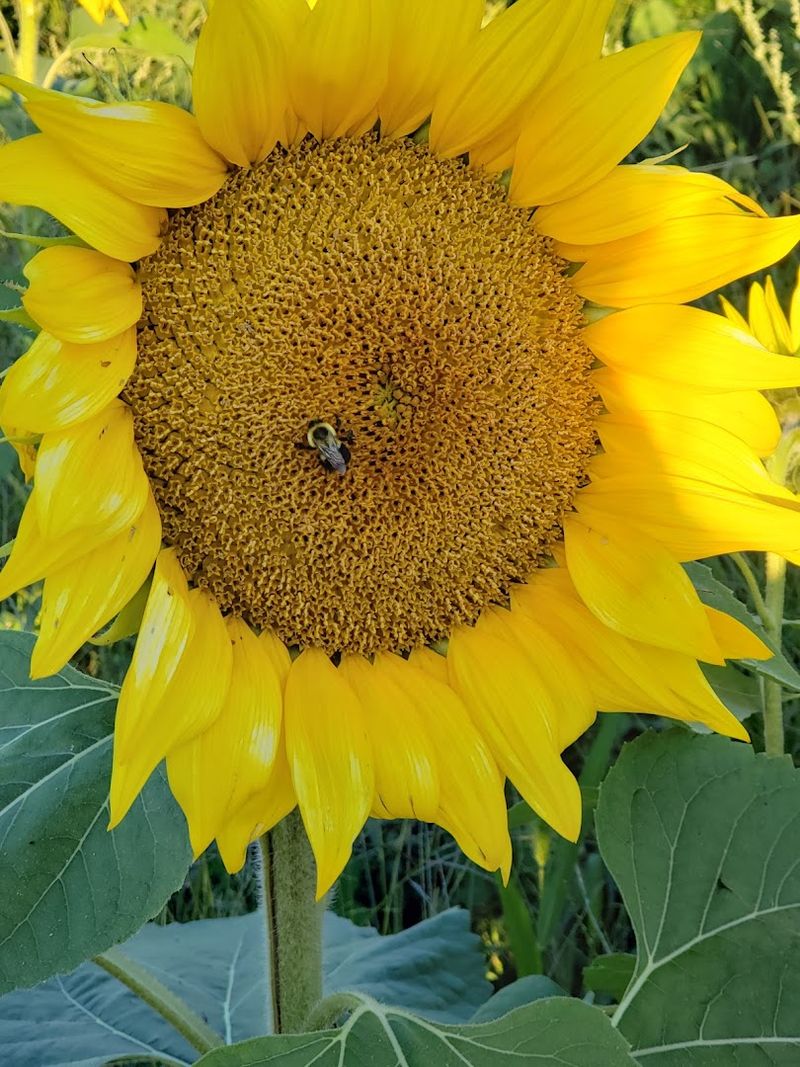
Beyond shopping for produce, the farm offers seasonal activities that give families reasons to visit multiple times throughout the year. The corn maze in fall challenges visitors to find their way through towering stalks, creating adventure and laughter.
The farm also lists flower-focused experiences and seasonal workshops, including a Flower Pumpkin Workshop in November and a Dried Flower Wreath Making event in December. Summer and early fall also feature flower and sunflower activities on select dates.
The farm market season runs through late December, and the farm has also listed a winter pick-up event for pre-orders in January. Each season brings something different, encouraging visitors to experience the farm’s changing character throughout the year.
These activities never feel forced or overly commercial. They’re natural extensions of farm life, shared with visitors who appreciate authentic experiences.
Families often plan their visits around specific activities, building anticipation and creating traditions that span generations.
Friendly Staff Who Actually Care
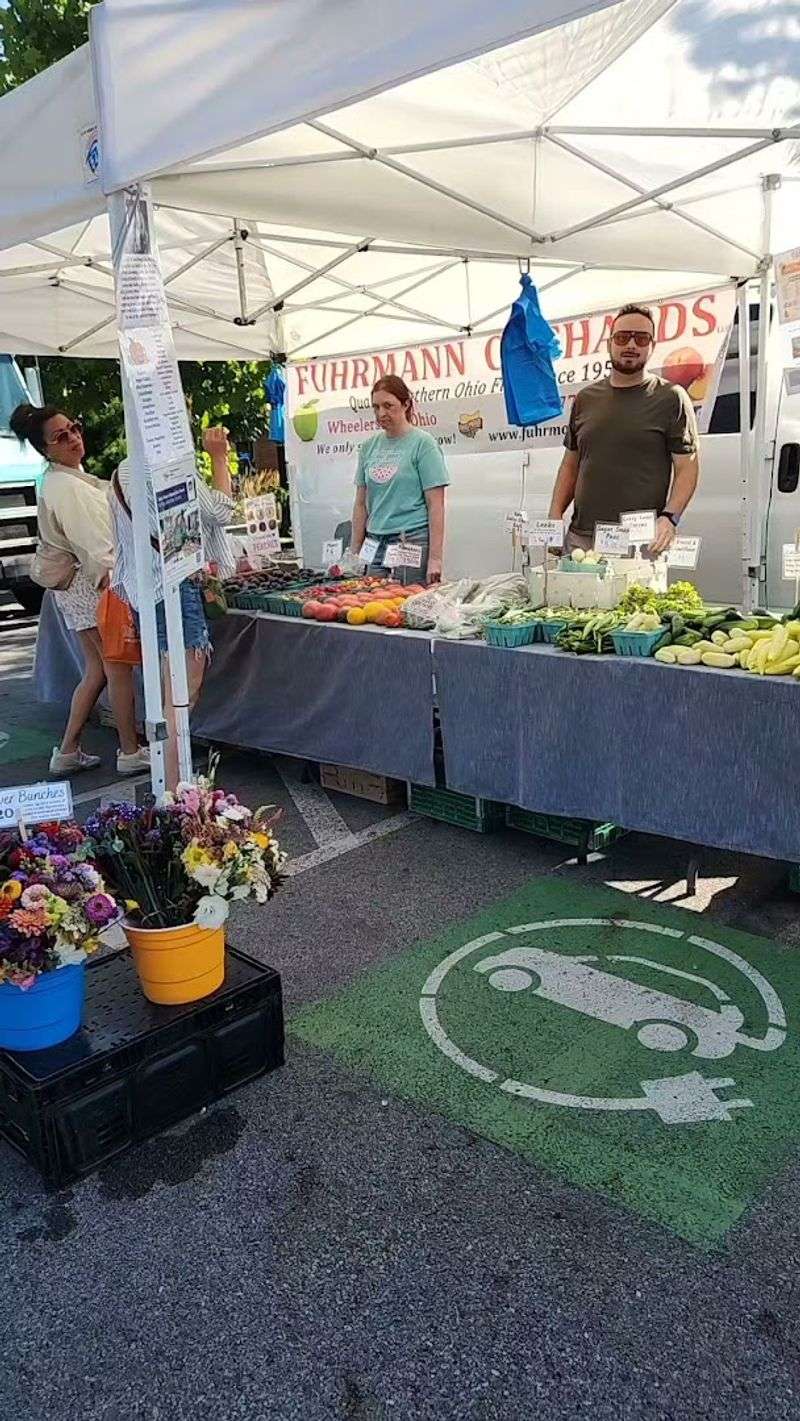
The people working here aren’t just employees clocking in for a paycheck. Many are family members or long-time staff who genuinely care about the farm and its customers.
They know their products inside and out, offering advice on everything from which apple variety makes the best pie to how to store pumpkins so they last longer. When you ask a question, you get a real answer based on experience, not a scripted response.
Multiple reviews mention staff members going out of their way to help customers find exactly what they need or even letting them taste different apple varieties before buying. That level of service has become rare in our self-checkout world.
The owners themselves are often present, working alongside staff and greeting customers by name. This personal touch creates loyalty that goes beyond just selling produce.
Supporting Local Matters More Than Ever
Every dollar spent at this farm stays in the local community, supporting a family that has invested generations into the land. In an era of corporate mega-farms and produce shipped thousands of miles, choosing local makes a real difference.
The environmental impact is smaller when food travels 20 miles instead of 2,000. The economic impact is greater when money circulates within the community rather than flowing to distant shareholders.
Beyond these practical considerations, there’s something deeply satisfying about knowing the people who grow your food and seeing the land where it’s cultivated. You’re not just buying apples or pumpkins.
You’re participating in a food system that values quality, sustainability, and human connection. The farm represents an alternative to industrial agriculture, proving that small-scale family farming can still thrive when communities choose to support it with their purchases and their presence.