
10 Best Illuminated Winter Trails In Michigan To Explore Before The Season Ends
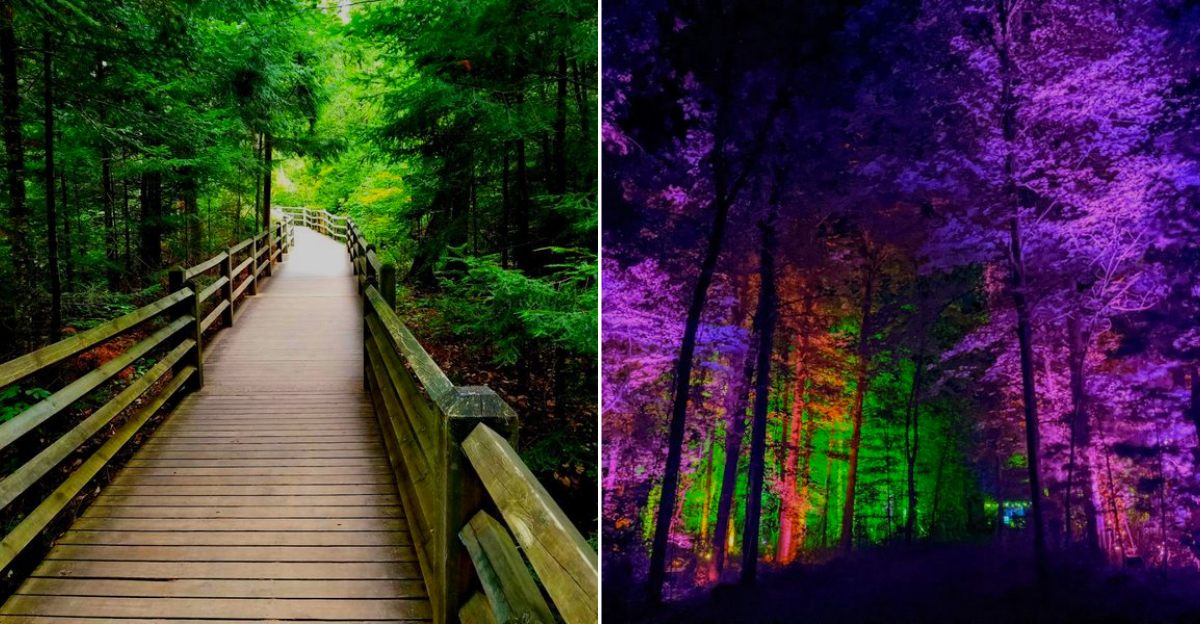
There is a certain kind of hushed, celestial magic that only occurs when the Michigan woods are blanketed in fresh powder and the sun dips below the horizon. I’ve always held onto the belief that beauty, the quiet, bone-deep kind, will save the world, and these lantern-lit trails are the ultimate proof.
Stepping into the forest at night, where the snow mutes every sound and golden lanterns sketch a shimmering path through the ancient pines, feels like walking directly into a living fairytale.
In these moments, tucked between frozen dunes and sleeping trees, the chaos of the modern world simply evaporates into the crisp night air.
Michigan’s best lantern-lit winter trails where guided night hikes through snow-covered state parks and forests offer a peaceful, illuminated escape into the Great Lakes winter.
If you’re ready to trade the glare of a screen for the soft flicker of a lantern, grab your wooliest layers and join the ritual.
1. Porcupine Mountains Wilderness State Park Lantern Lit Trail, Ontonagon
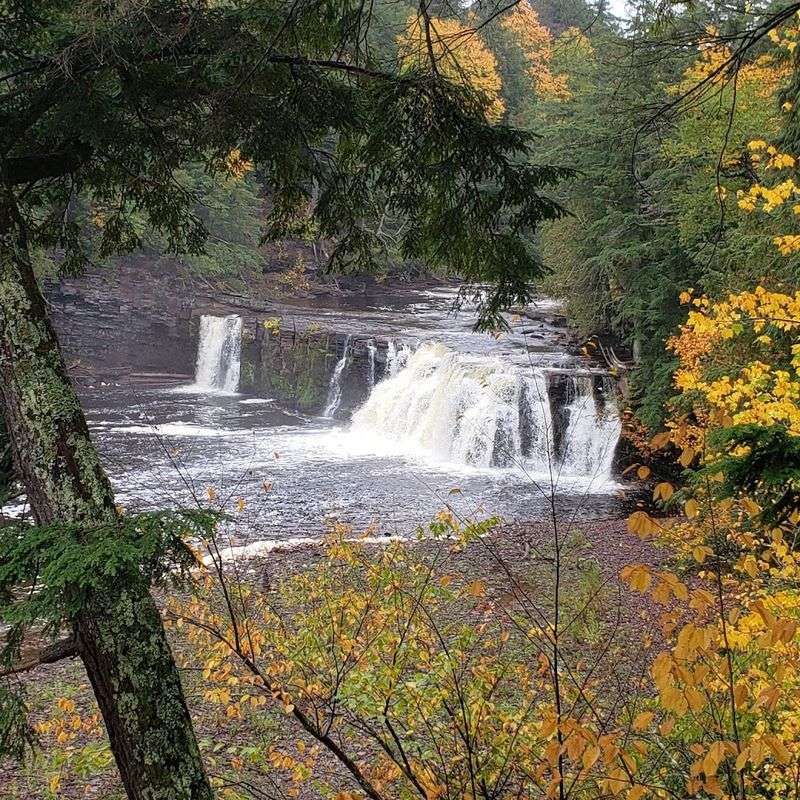
The lanterns here feel like breadcrumbs guiding you into a kind of Northwoods quiet that is getting harder to find. As you move along the path, old-growth hemlock and maple close in around you and block out the outside world.
Heavy snow softens even the crunch of your boots, so you start hearing your own breathing and the distant hush of Lake Superior more clearly. Rangers set a measured route from the Porcupine Mountains Winter Sports Complex, and the kerosene glow loosens your shoulders almost immediately.
Ontonagon once served as a rugged copper-mining hub, and that working history still shows. The park, though, now protects some of the Midwest’s last standing old-growth forests with a scale that feels genuinely humbling.
You will be moving across high ridgelines facing Lake Superior, so weather prep matters. Bring snowshoes or at least sturdy ice cleats, because lake-effect powder drifts deep into low sections of the trail.
One of the best moments comes when the lantern light thins and the sky opens over the lake. That specific silence feels earned by the time you reach it.
2. Tahquamenon Falls State Park Lantern Lit Snowshoe Trail, Paradise
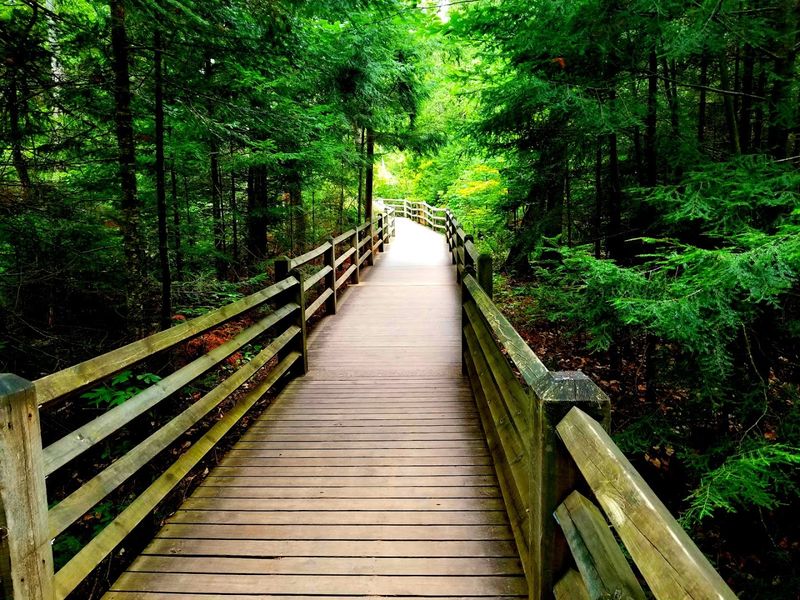
At Tahquamenon Falls, the night air carries a sharp cedar note as lanterns guide you around the Upper Falls area. On especially cold nights, river mist can frost your scarf and sparkle in the lamplight as you walk.
The roar of the falls is quieter in winter, muffled by snow and ice, but the force still moves through the trees like a deep bassline. Volunteers keep the loop well marked, and the climb rises gently before easing back toward the start.
The park’s name connects to the Ojibwe roots of the Tahquamenon River, whose famous amber color comes from tannins in the cedar swamps. Paradise itself grew as a logging and fishing outpost before the falls became a major U.P. destination.
To get the best experience, make sure your snowshoes are secured well when powder stacks deep near the cedar swales. Small gear adjustments matter more here than people expect.
The evening usually ends at a large warming fire near the shelter, which is part of the magic. You often smell the hot cocoa first, then notice your cheeks have gone happily numb in the northern wind.
3. Mitchell State Park Lantern Lit Snowshoe Trail, Cadillac
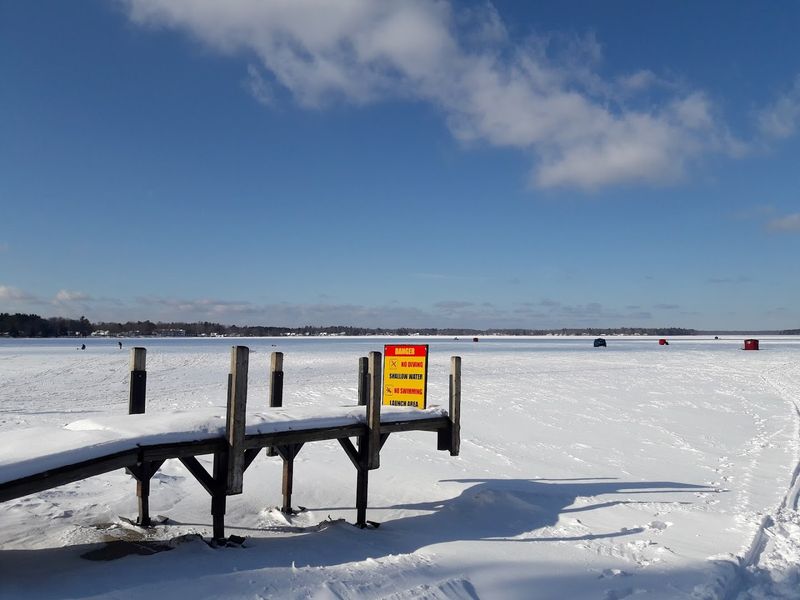
Set between Lake Mitchell and Lake Cadillac, this lantern route stitches a clean glowing line through pines that smell as fresh as a cedar cabinet. On many nights the trail is compacted enough that snowshoes may be optional if conditions stay firm.
Lantern light bounces off the frozen lake edges, and the town’s evening life seems to hum quietly across the ice. The whole setting feels cozy without losing that winter-outdoors edge.
The park sits on a historic canal corridor originally built to link the two lakes, and that old engineering idea still shapes local geography. Cadillac’s lumber legacy is also easy to spot in street names and nearby restored rail landmarks.
Park staff usually greet visitors near the Carl T. Johnson Hunting and Fishing Center, which serves as the hub for these evening outings. It helps to dress for lake wind that likes to sneak up collars and sleeves.
After the loop, heading into town for a late sandwich and a warm drink is the perfect finish. It is one of those hikes that naturally extends into a full winter evening.
4. Island Lake Recreation Area Lantern Hike, Brighton
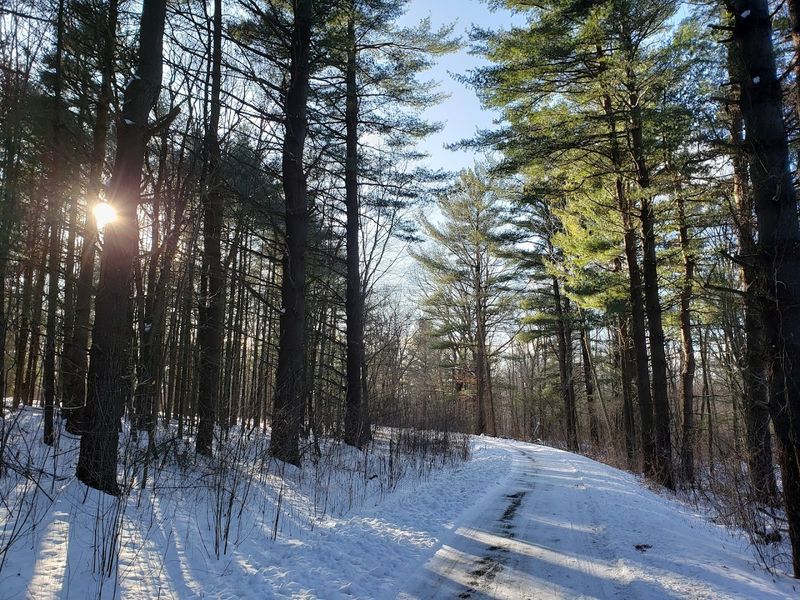
In southern Michigan, the lights thread through a rare oak-pine savanna, and the open terrain gives snow a bluish cast under the stars. The footing is usually kinder than in the deep north, with rolling terrain instead of punishing climbs.
As the trail moves toward the Huron River corridor, nearby highway noise fades into the distance. What replaces it is the creak of frozen branches and a much quieter winter soundscape.
Island Lake preserves a rare prairie-savanna landscape in metro Detroit’s orbit, shaped by old fires and glacial leftovers. That ecological background gives the lantern hike a different character than a dense-forest snowshoe route.
Locals often treat these hikes as a winter ritual and swap tips on traction gear and cocoa stops in town. Because lanterns are spaced generously, the stars end up sharing the job of lighting the trail.
If recent thawing has left ice on the path, microspikes are usually a better choice than snowshoes. It is also smart to arrive early, since parking fills quickly on clear winter nights.
5. Tawas Point State Park Winter Lantern Hike, East Tawas
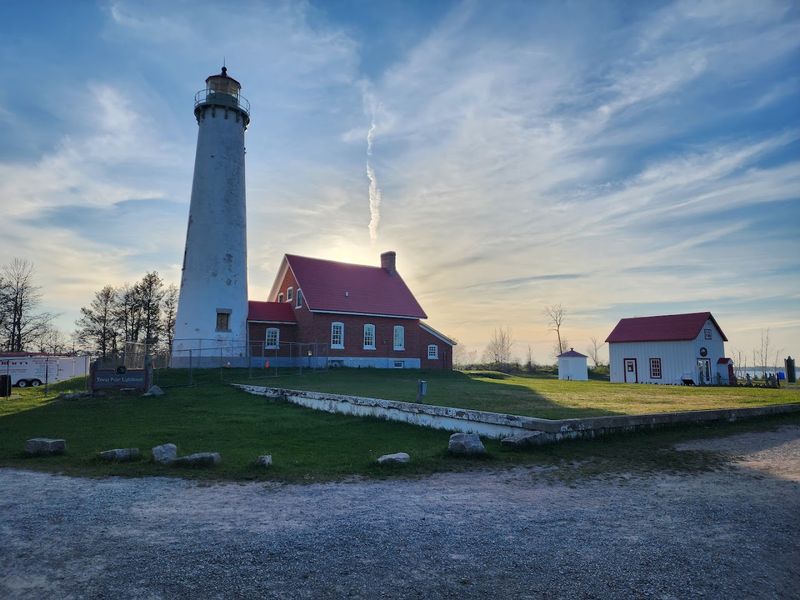
There is a distinctive feeling when snow squeaks under your boots on the narrow point and the lighthouse flashes in the distance. The lanterns curve through low dunes while wind combs ripples into the snow.
Ice in the bay clicks and groans as it shifts, creating a strange and beautiful soundtrack for a slow walk. The combination of lighthouse rhythm, dune wind, and winter silence makes this route feel unusually atmospheric.
The Tawas Point Lighthouse dates to the 1870s and guards a shifting sand spit on Saginaw Bay. Birders flock here in migration seasons, but winter strips the landscape down to something spare and very calm.
Rangers usually set a conservative route that avoids drift-prone dune edges, which is important for safety on windy nights. Bring a truly windproof outer layer and keep your phone in an interior pocket to protect battery life.
Afterward, heading into East Tawas for chowder while looking out at harbor lights is a strong ending. The cold on the point makes that warm bowl taste even better.
6. Ludington State Park Lantern Lit Snowshoe Hike, Ludington
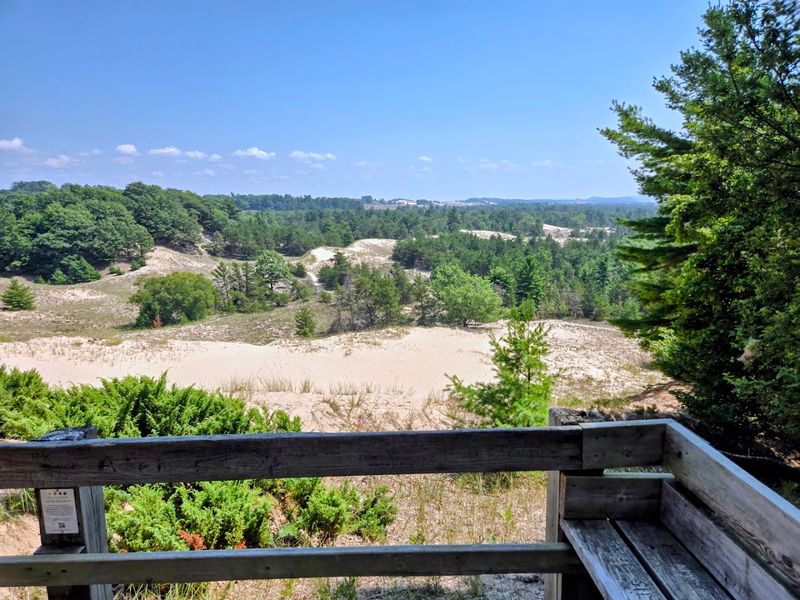
At Ludington State Park, dunes and river share the evening stage while lanterns dot the trail like a fallen constellation. Snowshoes shine here, floating on soft powder along leeward dune sections and moving well on packed stretches too.
If the sky is clear and the horizon cooperates, you may catch the faint blink of Big Sable Point Lighthouse far away. That distant signal adds a second layer of rhythm to the walk.
The park carries strong New Deal-era influence through CCC work focused on dune protection and preservation of a rare jack pine and swale mosaic. That history still shapes the landscape you move through.
Locals tend to treat the winter lantern series as a flexible social event, which gives it an inclusive feel. Volunteers often manage large bonfires near the warming shelter off the Hamlin area, and that gathering point changes the mood nicely.
Expect colder air where the river narrows and wind speeds up. If you pause by the water, lantern reflections can look stitched directly into the moving current.
7. Lights On The Loop At Sturgeon River Nature Preserve, Vanderbilt
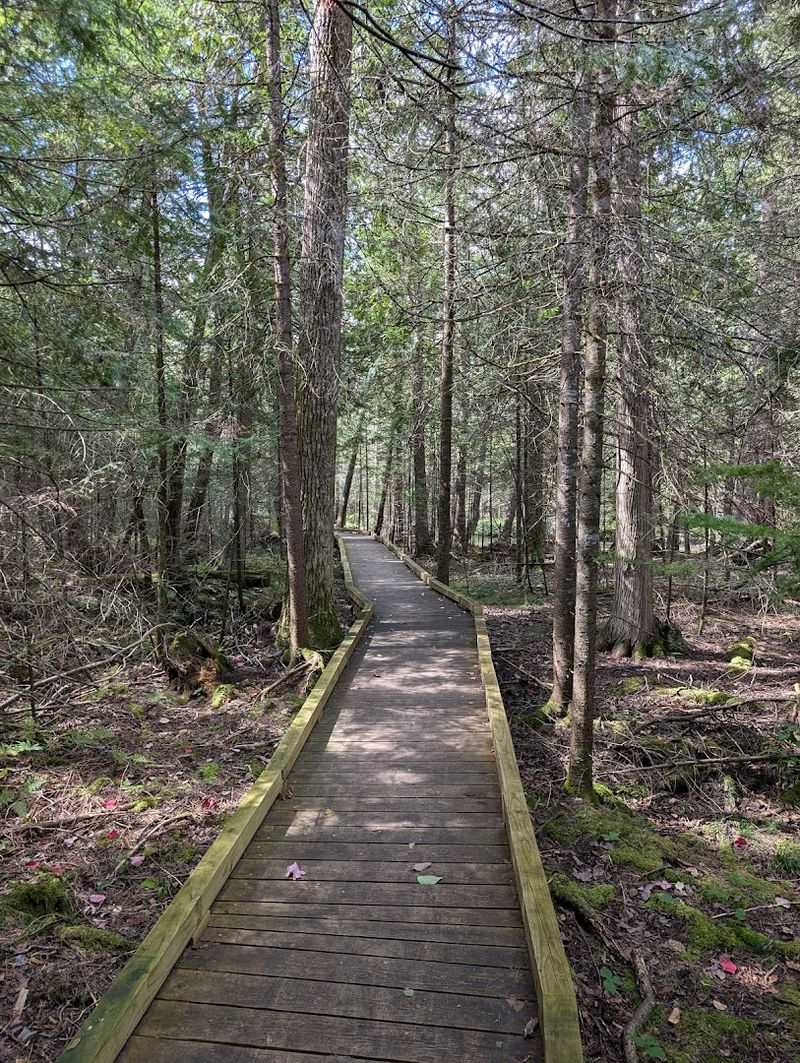
The small twinkling lights at Sturgeon River Nature Preserve make boardwalk sections feel like stage wings opening onto cedar-walled rooms. The Sturgeon River keeps moving fast through winter, threading mist under the branches.
On the cold boards, your steps turn into a muffled tap-tap rhythm under heavy layers. It is a surprisingly musical walk, especially when the rest of the preserve goes quiet.
The Little Traverse Conservancy manages this preserve with real care and keeps access open to one of the fastest rivers in the Lower Peninsula. Vanderbilt sits in a heavy snowbelt, so powder tends to arrive reliably and stay deep.
Along the route, simple signs explain river ecology and logging-era history without overloading the experience. They give just enough context to deepen the walk.
Traction matters a lot on the boardwalk because wooden slats get slick under even a light dusting of snow. Keep a respectful distance from river edges, bring your own hot drink, and plan for limited services nearby.
8. Round Island Point Nature Preserve Lantern Lit Snowshoe, Brimley area
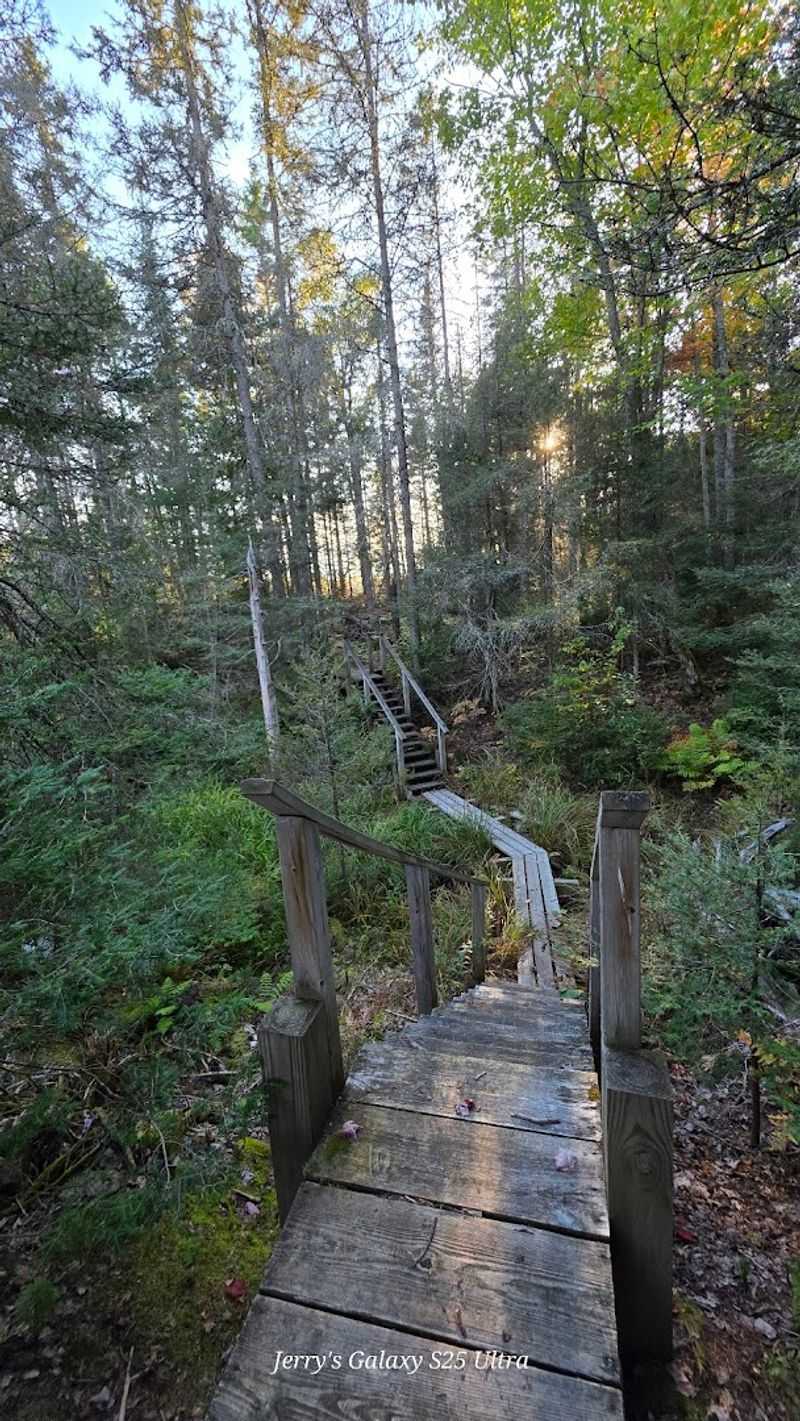
The shoreline forest here seems to hum with Lake Superior cold, and the lanterns read like warm punctuation marks in the snow. Snowshoeing this close to the lake at night changes how sound behaves and makes everything feel slightly amplified.
Even beach gravel can start to sound like whispers in the cold air. The loop is modest in length, but wind-driven drifts often build sculptural shapes that make the route feel bigger than it is.
Maintained by the Little Traverse Conservancy, this preserve protects cobble beaches and boreal-edge habitat near the St. Marys River. That ecological role gives the outing more weight than a simple evening loop.
The Brimley area also sits within deep Ojibwe homelands and long Great Lakes shipping history. Volunteers sometimes schedule lantern nights around specific weather windows because conditions can change quickly this far north.
Check current conditions before making the drive, and wider snowshoes help if fresh powder has stacked up. If skies clear, look up for stars and possibly a faint Aurora, then carry that bright cold home with you.
9. LIGHTS At Fernwood, Niles
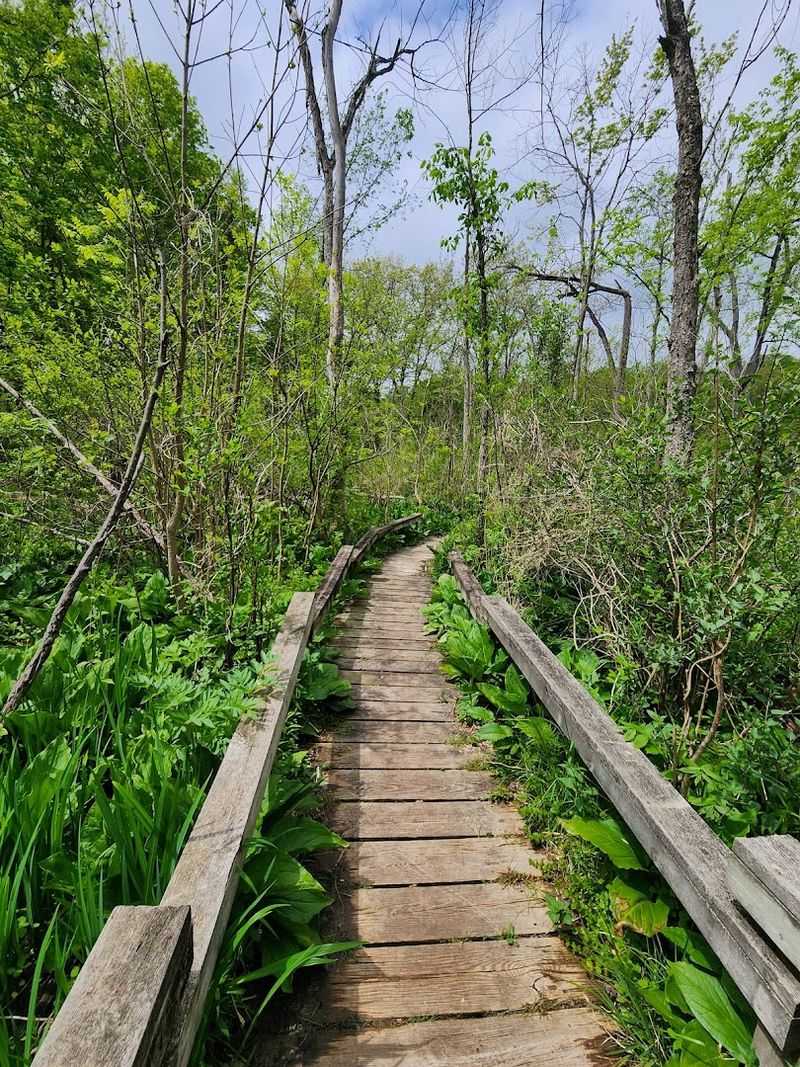
At Fernwood Botanical Garden, color spreads across the snow like watercolor that refuses to dry. The paths lead through a series of illuminated garden rooms, so the experience feels more like a magical ramble than a rugged hike.
Each section shifts in mood and tempo, creating something closer to an outdoor gallery than a standard trail walk. Kids often start pointing first, and adults usually follow with cameras a few seconds later.
Fernwood has been a Niles institution since the 1960s, growing into a thoughtful mix of native plantings and formal garden spaces. The winter LIGHTS event transforms that framework without burying the natural character underneath it.
The displays highlight trees and structures rather than overpowering them, which is a big part of why the event works. Staff also manage timed entries well, so the flow stays comfortable and avoids crowding.
Wear warm layers that still let you move easily, and choose boots with strong slip resistance for packed paths. Many people end up lingering near the color-shifting grove, where the snow seems to change breath with each new hue.
10. Glenlore Trails Aurora, Commerce Township
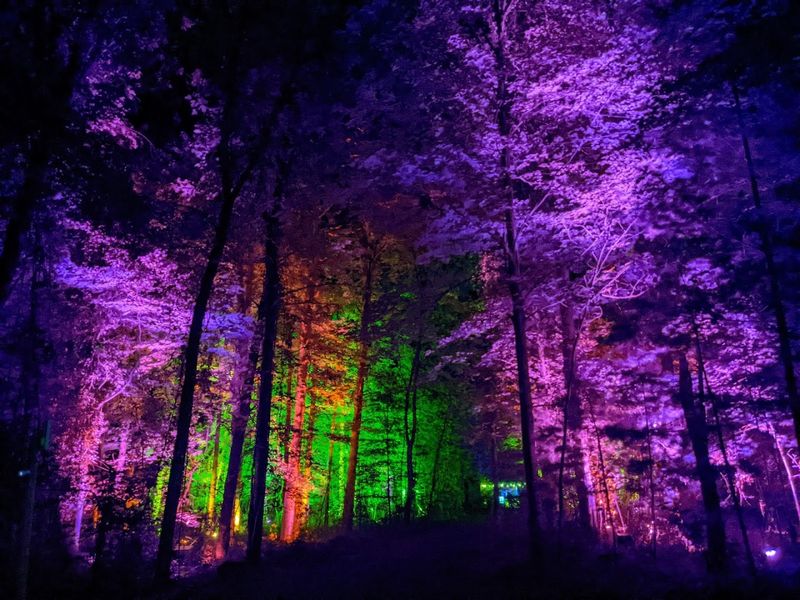
At Glenlore Trails, your footsteps trigger small surprises, from responsive lights to sound cues with a playful futuristic tone. Traditional lanterns give way to full-scale light art, and the woods glow in loops of color.
Fresh Michigan snow softens the sharper tech edges and makes the whole thing feel cozier than it sounds on paper. It is high-tech, but it still feels like a winter walk in the woods.
The Aurora installation is part of Glenlore Trails’ rotating seasonal productions, and winter is the obvious star here. The local crews behind the designs are skilled at building whimsy that survives serious Michigan cold.
Timed tickets keep the flow steady, which helps the trails avoid the crushed feeling some light events get on peak nights. Even the parking operation has a reputation for staying calm under pressure.
Dress for slow strolling rather than exercise pace, because you will stop often for photos and interactive moments. You usually leave with camera roll full, boots dusted white, and a faint smell of pine on your sleeves.