
This Florida Relaxing Trail Leads Through Alligator-Filled Wetlands
Florida is full of famous attractions, but some of its most unforgettable experiences hide where few people think to look. Most visitors expect a short nature trail to be pleasant but forgettable, something you walk once, snap a few photos, and move on from without a second thought.
But somewhere in this state, there is a path that quietly changes that assumption.
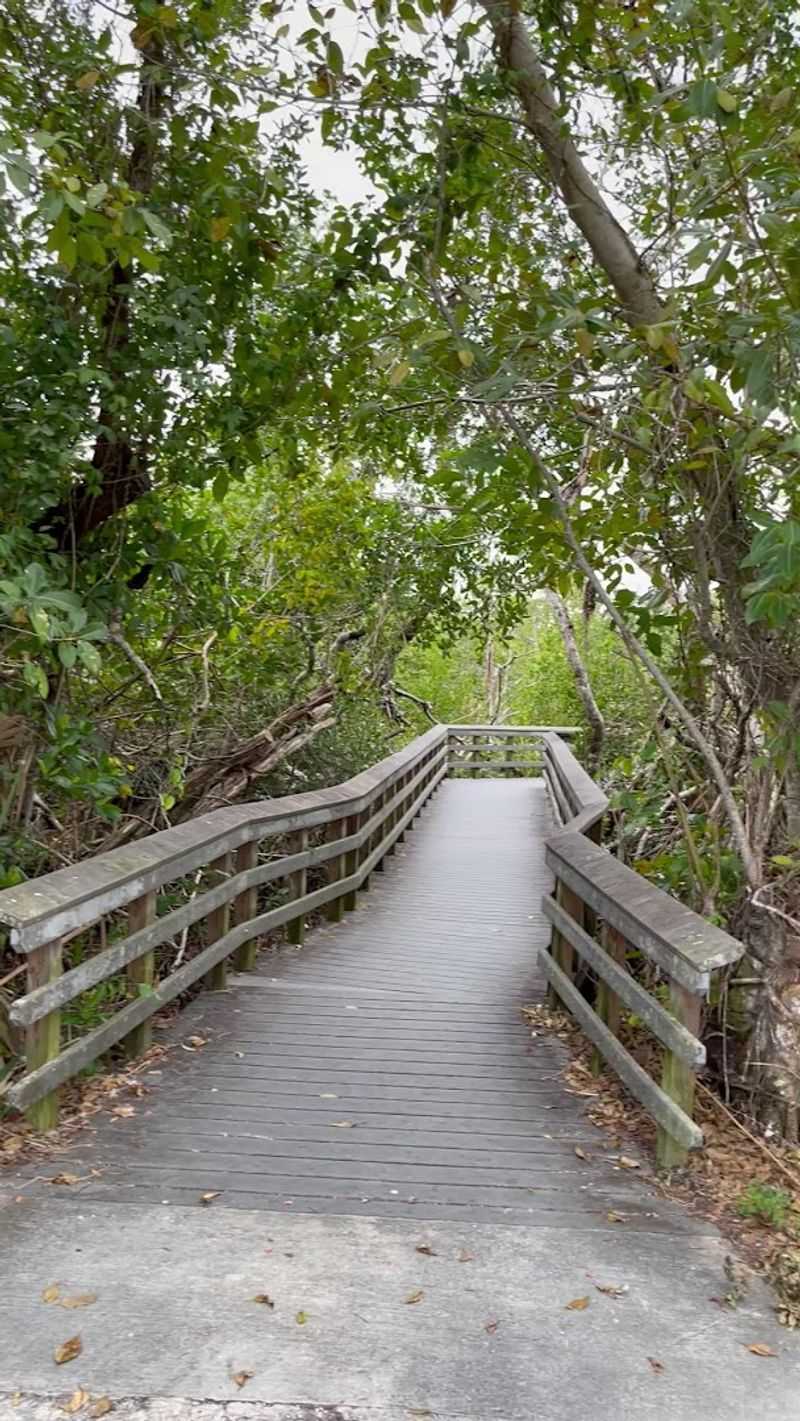
At first, it feels ordinary. A simple boardwalk stretching ahead.
Calm. Easy.
Manageable.
Then you notice movement just off the trail. A shift in the grass.
A ripple nearby. Suddenly you are paying closer attention.
The walk is short and not physically demanding, yet it never feels small. The deeper you go, the more aware you become of everything around you, as if the landscape is gently reminding you that you are a visitor here.
It is not loud or theatrical. It does not need to be.
People often leave smiling, slightly wide-eyed, and maybe checking behind them one last time. It proves that sometimes the most memorable outdoor experiences are the ones that feel just a little unpredictable.
Alligators Everywhere You Look
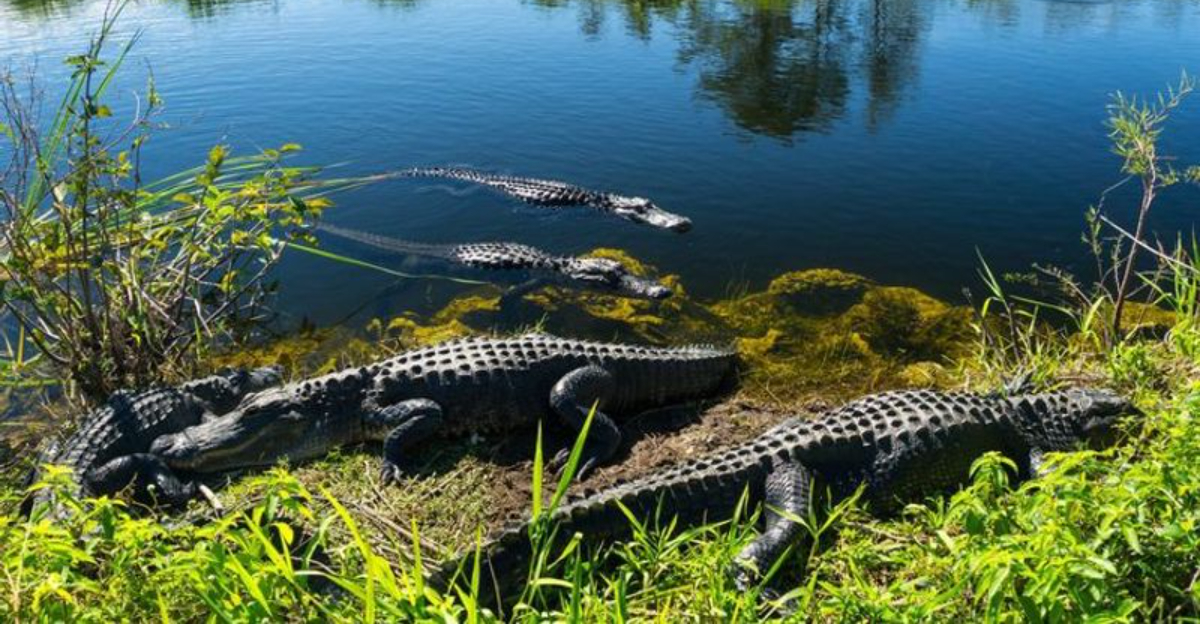
Most people expect to maybe spot one alligator tucked behind some reeds. On the Anhinga Trail, you might count a dozen before you even reach the halfway point.
These prehistoric-looking reptiles lounge along the water’s edge like they own the place — because, honestly, they do.
What makes this trail so remarkable is how close the alligators get. Some rest just inches from the boardwalk railing, completely unbothered by the humans walking past.
You can hear them breathe. You can see their textured skin catch the sunlight.
It is genuinely wild in the best possible way.
Rangers remind visitors to keep a respectful distance and never feed the animals, which keeps both people and gators safe. Kids especially go wide-eyed at the sight of these massive creatures lounging in the open.
The Anhinga Trail sits inside Everglades National Park, where the ecosystem supports one of the densest alligator populations in Florida. Spotting them here is not luck — it is practically guaranteed.
Come early in the morning when the air is cooler and the gators are most active near the water’s surface for the best viewing experience.
Boardwalk Built For Easy Walking
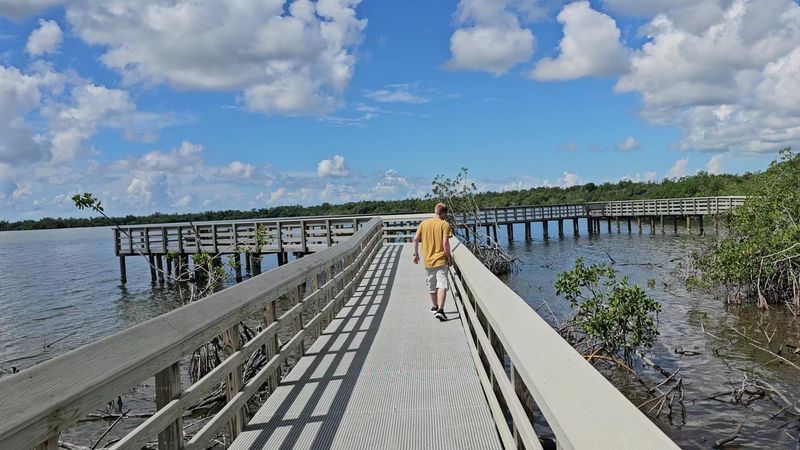
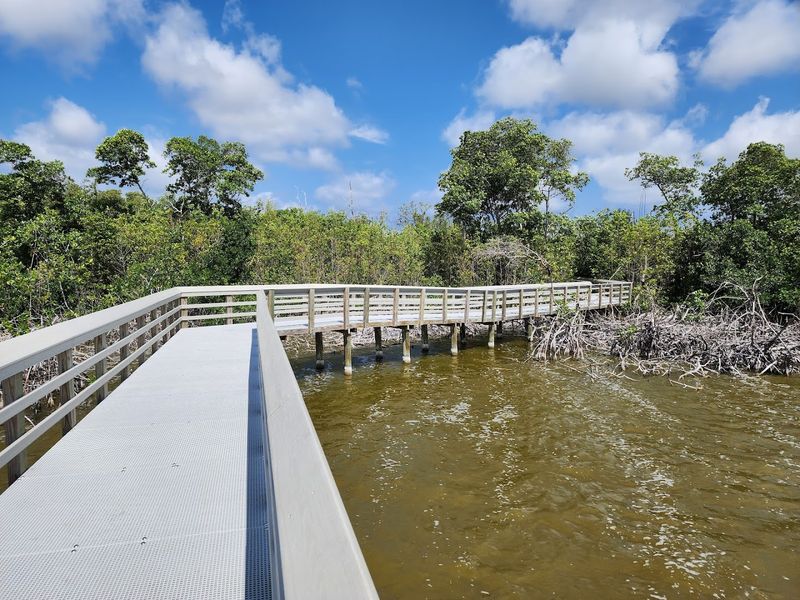
Not every great nature trail demands hiking boots and a packed lunch. The Anhinga Trail proves that some of the most breathtaking outdoor experiences come with zero elevation gain and a totally flat path.
The boardwalk stretches about 0.8 miles round trip, making it completely manageable for people of all fitness levels.
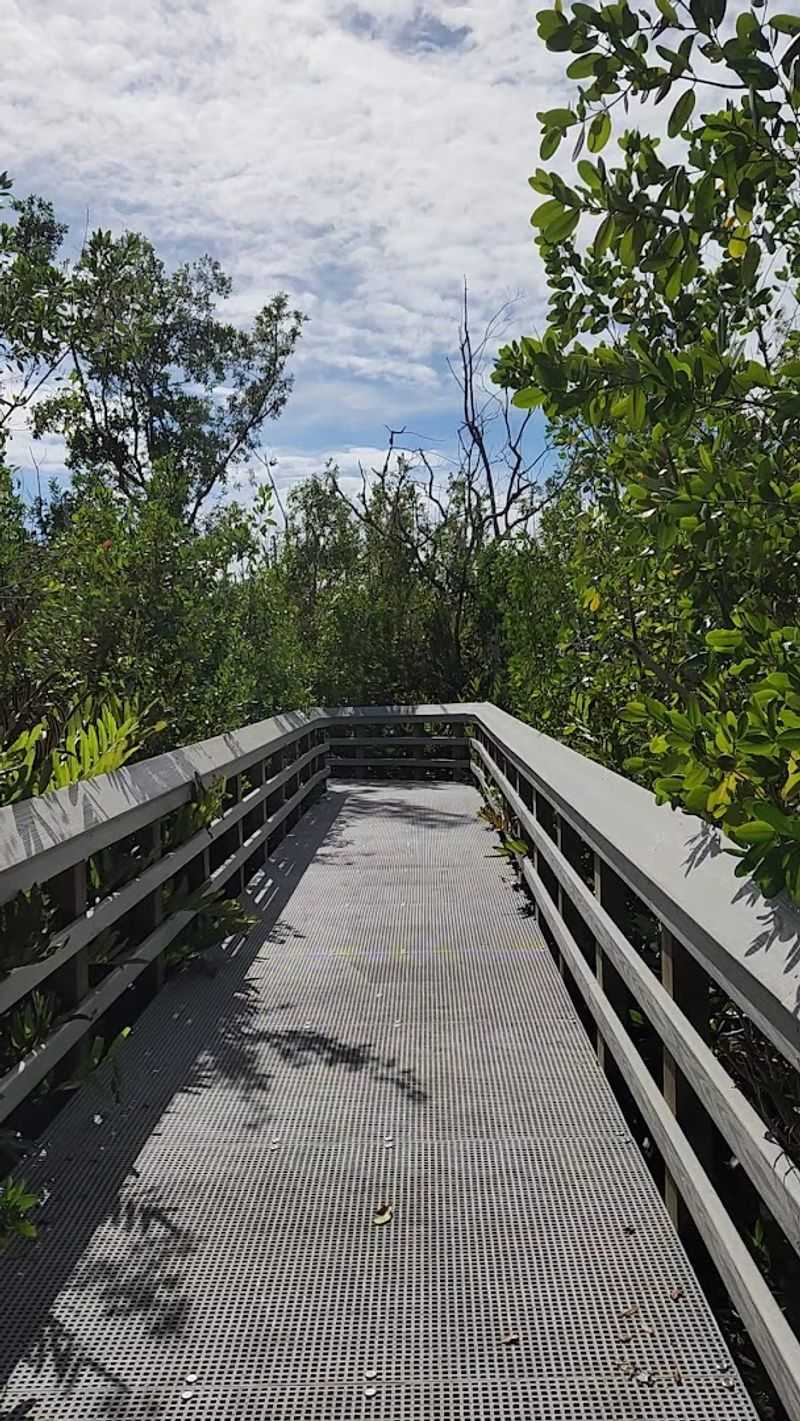
The elevated wooden structure keeps your feet dry while giving you a bird’s-eye view right over the marsh. Strollers roll smoothly along the surface, and wheelchairs can navigate most of the path with ease.
Grandparents and toddlers can enjoy this trail side by side, which is not something every natural wonder can claim.
There is something deeply satisfying about walking a well-built boardwalk through raw, untamed wilderness. You feel connected to nature without fighting it.
The path winds through open sawgrass marshes and past small ponds teeming with life at every turn. Benches are placed along the route so you can pause, breathe in the fresh air, and just watch the world around you move at its own pace.
The trail entrance is located near the Royal Palm area of Everglades National Park, just a short drive from the main park entrance off State Road 9336.
Bird-Watching At Its Most Spectacular
The trail did not get its name by accident. The anhinga bird — a sleek, prehistoric-looking waterbird — is practically the mascot of this place, and you will likely see several perched along the boardwalk with wings stretched wide to dry in the sun.
It is one of the most iconic wildlife images in all of Florida.
Beyond anhingas, the trail draws an extraordinary variety of birds year-round. Great blue herons stand motionless in the shallows like living statues.
Tricolored herons dart and zigzag through the water chasing fish with impressive speed. Roseate spoonbills occasionally sweep through, painting the sky pink with their broad wingspans.
Birders from around the world make special trips just for mornings on this trail.
You do not need to be an expert birder to appreciate the spectacle. Even casual visitors are stunned by how many species appear in a single short walk.
Bring binoculars if you have them, though honestly many birds come so close that binoculars feel almost unnecessary. Early morning visits between sunrise and 9 a.m. offer the most active feeding behavior and the best lighting for photography.
The sheer variety of species packed into one short trail is genuinely hard to believe until you see it firsthand.
Sunsets And Golden Hour Magic
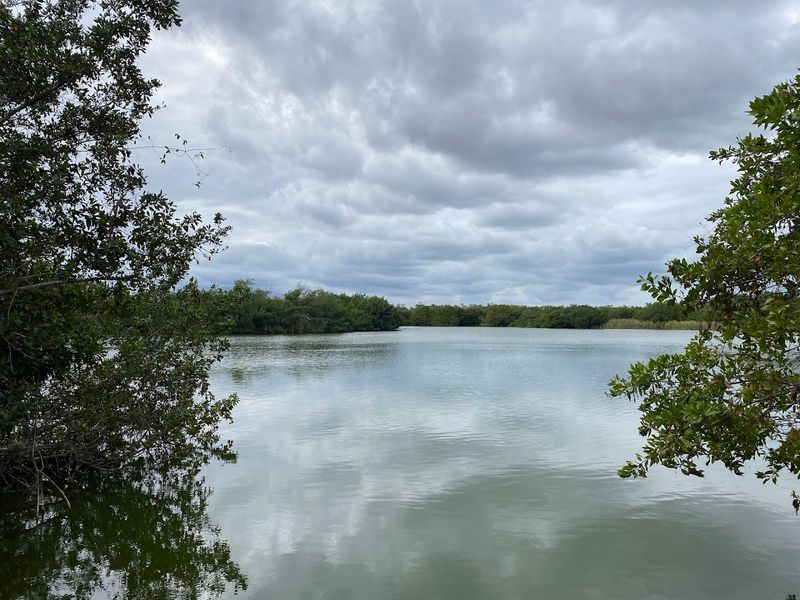
Late afternoon on the Anhinga Trail belongs to a different world entirely. As the sun drops toward the horizon, the marsh transforms into something straight out of a painting.
The water turns gold, the sawgrass glows amber, and the entire landscape softens into a warm, dreamlike haze that makes you want to stand still forever.
Wildlife activity tends to pick up again in the late afternoon as temperatures cool slightly. Birds return to their roosting spots, and alligators resurface after lazy midday naps.
The combination of active wildlife and spectacular lighting makes the final hours before sunset some of the best on the entire trail.
Photographers — both amateur and professional — chase this golden hour light with serious dedication. The reflections on the still water can produce mirror-perfect shots that look almost too beautiful to be real.
Since the trail is open 24 hours, you technically could stay through dusk, though it is wise to be aware of your surroundings as darkness falls in alligator country. Everglades National Park itself charges an entrance fee of around $35 per vehicle, which covers access to multiple attractions including the Anhinga Trail.
The fee is well worth every penny for what awaits inside.
The Living Science Classroom Outdoors
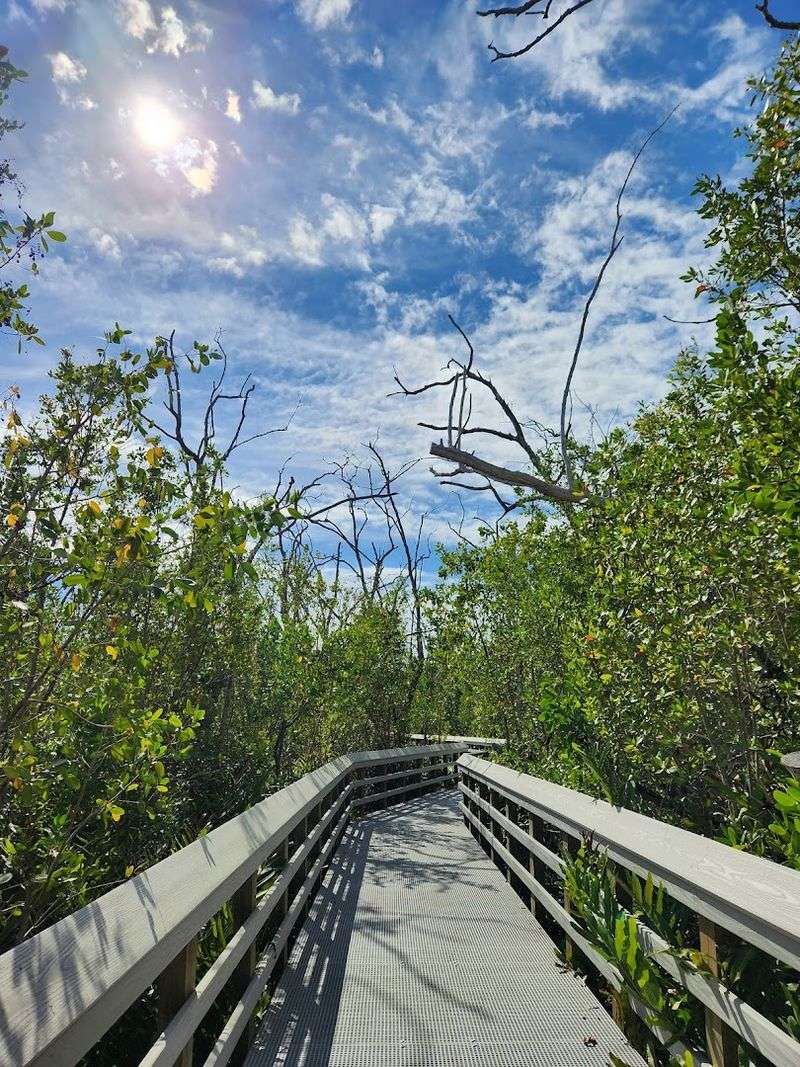
School field trips flock to the Anhinga Trail for a very good reason. Every step along the boardwalk is a living lesson in ecology, biology, and environmental science.
Interpretive signs placed throughout the trail explain the food web, the role of water levels in the ecosystem, and why the Everglades is unlike any other place on Earth.
Kids who normally scroll past nature documentaries find themselves genuinely hooked here. Watching a heron spear a fish in real time is a far more powerful lesson than any textbook illustration.
The trail makes abstract science concepts — predator-prey relationships, wetland filtration, seasonal migration — suddenly feel real and urgent and exciting.
Parents and teachers often report that children ask more questions on this trail than anywhere else they visit. What do alligators eat?
How do birds know where to migrate? Why does the water smell different here?
The Everglades has answers woven into every square foot of its landscape. Rangers occasionally lead guided walks that add even deeper context to what you are seeing, and these free programs are worth joining whenever they are available.
Check the National Park Service website for scheduled ranger programs before your visit to plan accordingly.
Freshwater Marsh Unlike Anything Else In America
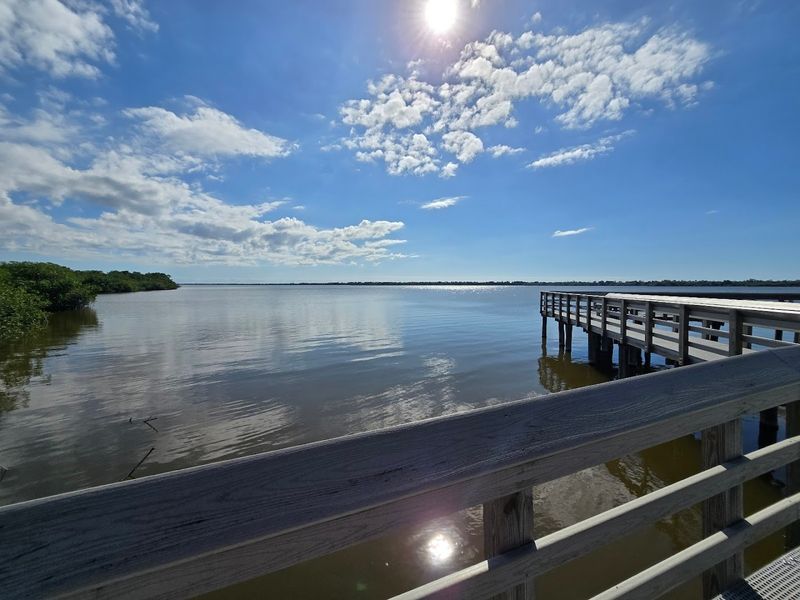
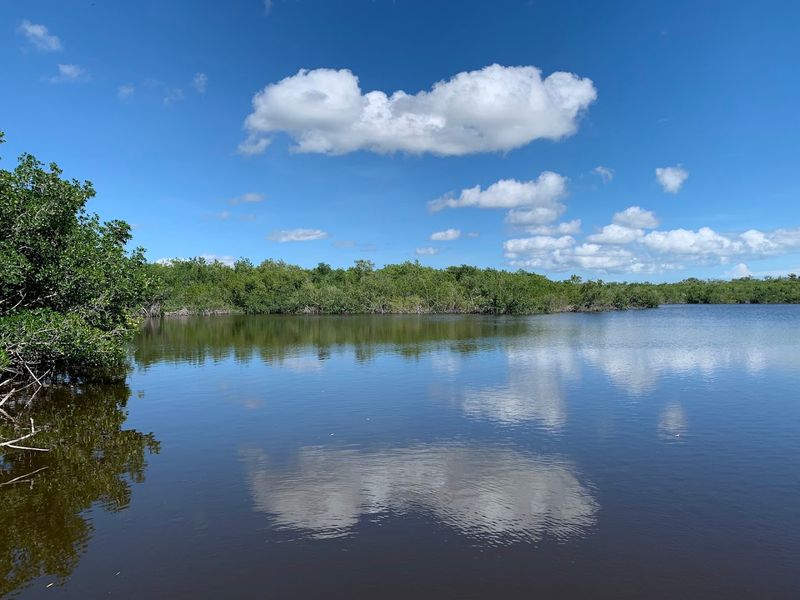
The Everglades is often called a river of grass, and the Anhinga Trail drops you right into the heart of that description. The freshwater marsh stretching in every direction is not a swamp in the traditional murky sense — it is a slow-moving sheet of water, sometimes just inches deep, flowing south toward the sea.
This particular ecosystem exists nowhere else in the United States at this scale. The sawgrass marshes support an astonishing web of life, from microscopic algae at the base of the food chain all the way up to apex predators like alligators and Florida panthers.
Standing on the boardwalk and taking in the full 360-degree view gives you an immediate sense of just how vast and ancient this landscape truly is.
The Everglades has been designated a UNESCO World Heritage Site, an International Biosphere Reserve, and a Wetland of International Importance — a triple honor that underscores its global ecological significance. Walking the Anhinga Trail gives you a front-row seat to all of that living history.
The open sky above the marsh feels enormous here, especially on clear days when cumulus clouds stack up dramatically on the horizon and the whole scene looks almost theatrical in its grandeur.
Wildlife Encounters Closer Than You Expect
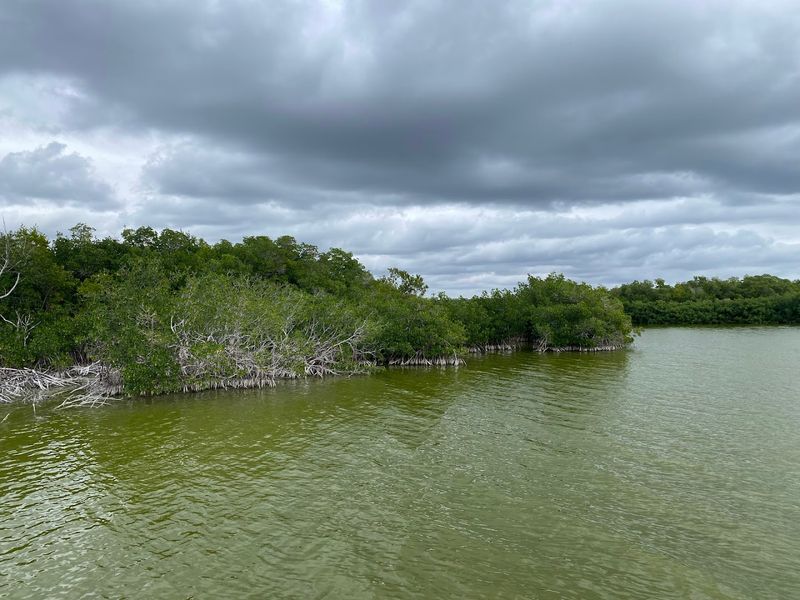
There is a specific kind of thrill that happens when a wild animal looks directly at you from two feet away and then goes right back to its business. That moment happens regularly on the Anhinga Trail, and it never gets old no matter how many times you visit.
The wildlife here has grown accustomed to human presence without becoming dependent on handouts.
Great blue herons walk along the boardwalk railing as casually as pedestrians on a sidewalk. Turtles surface and stare up at visitors with ancient, unblinking eyes.
Occasionally, a river otter might slip through the water below, barely causing a ripple. These encounters feel like private gifts from the natural world, small moments of connection that stick with you long after you have driven home.
The key to maximizing these moments is patience and quiet. Loud voices and sudden movements tend to scatter wildlife, while stillness and calm invite animals closer.
Move slowly, speak softly, and resist the urge to tap on the railings or toss anything into the water. The trail rewards the observant visitor with experiences that feel genuinely extraordinary.
Bring a camera with a decent zoom lens — even a smartphone camera can capture stunning shots at this trail given how close the animals actually come.
A Trail That Welcomes Every Season
Florida has two basic seasons — wet and dry — and the Anhinga Trail offers a genuinely different experience depending on which time of year you visit. The dry season, running roughly from November through April, is widely considered the prime time to visit.
Water levels drop significantly, concentrating fish and wildlife into smaller pools right along the boardwalk.
During dry season, the wildlife density is almost surreal. Dozens of birds crowd into shrinking pools to feed, and alligators are highly visible basking in the sun.
This is also when Florida weather is at its most pleasant, with lower humidity and comfortable temperatures that make outdoor exploring genuinely enjoyable rather than sweaty and exhausting.
Wet season, from May through October, brings afternoon thunderstorms, higher humidity, and swarms of mosquitoes that can be genuinely aggressive. That said, wet season has its own appeal — lush green vegetation, dramatic storm skies, and far fewer crowds.
If you visit during summer, bring powerful insect repellent and plan your walk for early morning before the afternoon storms roll in. Year-round, the trail opens at sunrise and is accessible any time of day, though daytime visits in good weather offer the richest wildlife viewing.
Everglades National Park is open every day of the year without exception.
Photography Paradise From Start To Finish
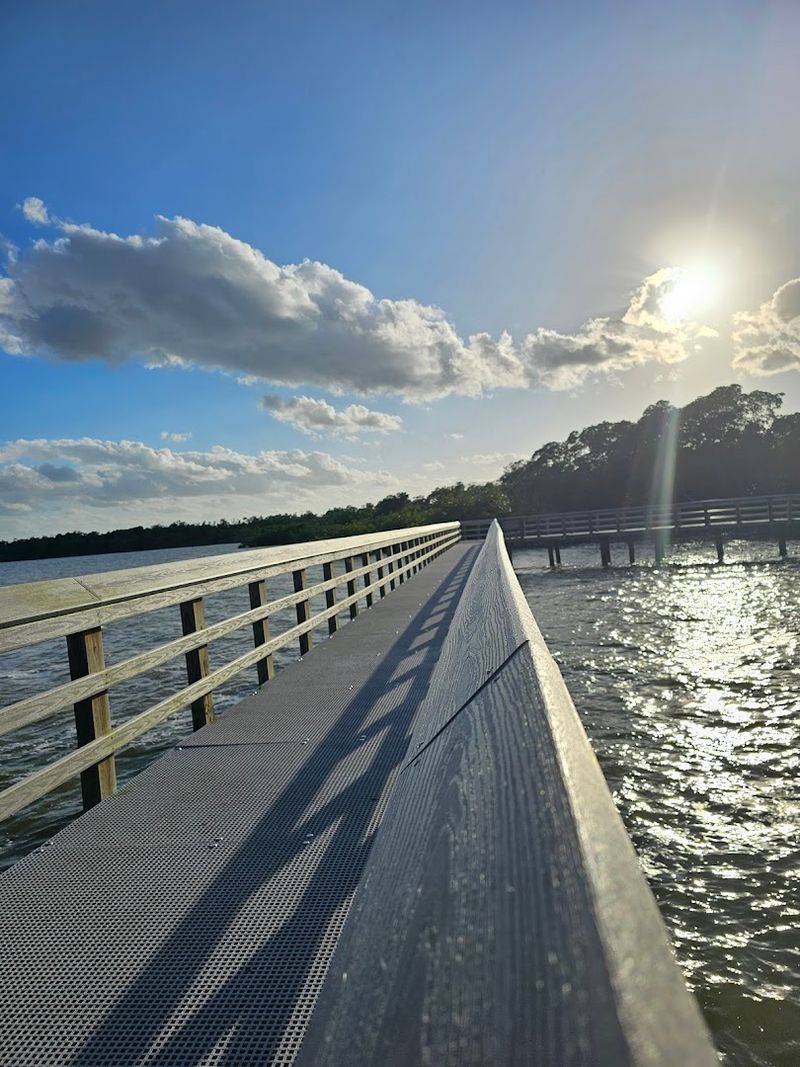
Few trails in the entire United States pack as much photographic opportunity into such a short distance as the Anhinga Trail. Within a single 0.8-mile walk, you could realistically fill an entire memory card with stunning, frame-worthy images of wildlife, landscapes, and dramatic skies.
Nature photographers rank this trail among the best accessible wildlife photography locations in North America.
The flat, elevated boardwalk puts you at perfect eye level with many wading birds, creating naturally compelling compositions without any special equipment required. A smartphone camera can capture genuinely impressive shots here — the animals are simply that close and that cooperative.
For serious photographers, a 300mm to 400mm lens allows for frame-filling portraits of birds in flight or alligators breaking the water’s surface.
Morning light is the holy grail on this trail. Arrive right at sunrise and the low-angle golden light transforms everything it touches — every feather, every ripple, every blade of sawgrass — into something luminous and extraordinary.
Late afternoon delivers similar magic. Midday light is harsher and less flattering, though the wildlife remains active enough to make any visit worthwhile.
The trail also provides natural framing elements — overhanging branches, open water reflections, and thick vegetation — that make even casual snapshots look professionally composed.
Easy Access And Practical Visitor Info You Need
Getting to the Anhinga Trail is straightforward, which is one more reason it deserves a spot on every Florida visitor’s itinerary. From the town of Homestead, you drive west on State Road 9336 into Everglades National Park.
After paying the entrance fee at the main gate — currently around $35 per vehicle, valid for seven days — you continue about four miles to the Royal Palm area where the Anhinga Trail begins.
Parking is free once you are inside the park, and the Royal Palm lot is reasonably sized, though it fills up fast on winter weekends. Arriving before 9 a.m. virtually guarantees a parking spot and the best wildlife activity of the day.
Restrooms are available at the Royal Palm visitor area, along with a small covered picnic area that makes a lovely spot for a post-hike snack.
The trail is stroller-friendly and partially wheelchair accessible, making it one of the more inclusive nature experiences in South Florida. Cell service can be spotty inside the park, so download offline maps or the NPS app before you arrive.
The National Park Service website at nps.gov/ever has up-to-date information on trail conditions, ranger programs, and any temporary closures. Pack water, sunscreen, and insect repellent regardless of the season — the Florida sun is relentless and the mosquitoes have no mercy.