
This Florida Flea Market Is A Massive Monday Must-Visit
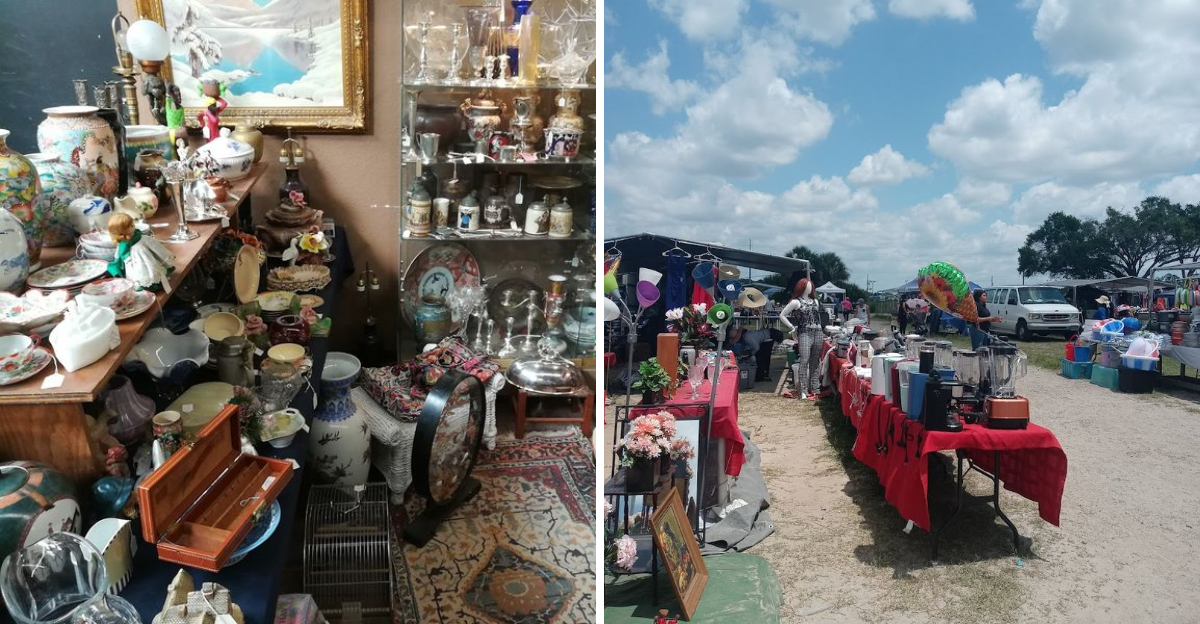
Florida is full of surprises, and one of them might just make Monday your favorite day of the week. Most people treat Monday like something to survive.
This place turns it into something you cannot wait for.
Somewhere in Florida, while the rest of the world is clocking in and checking emails, an open-air market is already buzzing with energy. Tables fill with oddities.
Voices drift through the morning air. The smell of fresh produce mixes with dust, sunshine, and the thrill of finding something you never knew you wanted.
Nothing about it feels ordinary. One aisle holds antiques with stories older than your grandparents.
The next is stacked with tools, collectibles, handmade crafts, and surprises you cannot predict. You walk in thinking you will browse for a few minutes.
An hour later you are still wandering, convinced the next table might hold your best find of the day.
Because in this corner of Florida, Monday is not the start of the workweek.
It is the start of the hunt.
Monday-Only Magic
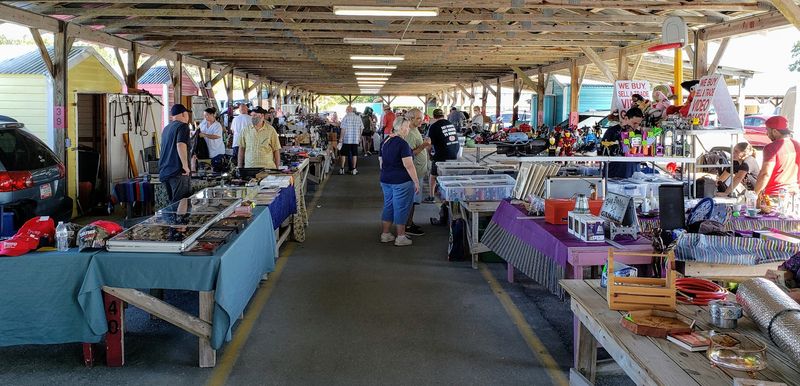
Most flea markets save their energy for weekends, but this one flips the script entirely. Swap-O-Rama’s Webster Westside Flea Market opens its gates at 7 AM every Monday and stays closed the rest of the week, creating a weekly ritual that regulars mark on their calendars in permanent ink.
I rolled up one Monday at dawn, half-asleep with my coffee still steaming, and found the parking lot already filling fast. Vendors were unloading trucks, arranging tables, and chatting with customers who knew exactly which stalls to hit first.
The Monday-only schedule means vendors bring fresh inventory weekly, and the crowd treats it like an event rather than a casual errand.
This unusual schedule also keeps the market from feeling stale or picked-over. Every Monday resets the treasure hunt, and I noticed that serious collectors and casual browsers alike showed up with the same eager energy.
The single-day operation creates urgency without pressure, and by midday, the best finds have usually moved on to new homes.
Planning your week around a Monday market might sound backwards, but once you experience the buzz, it makes perfect sense.
Antique Paradise
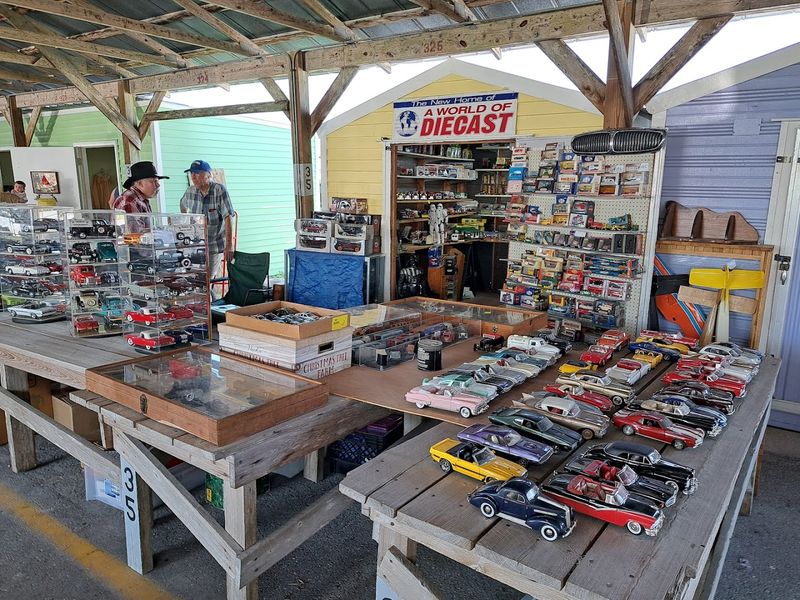
Antique hunters treat this market like a weekly pilgrimage, and after one visit, I understood why. The sheer volume of vintage items spread across the grounds makes other antique shops look like starter collections.
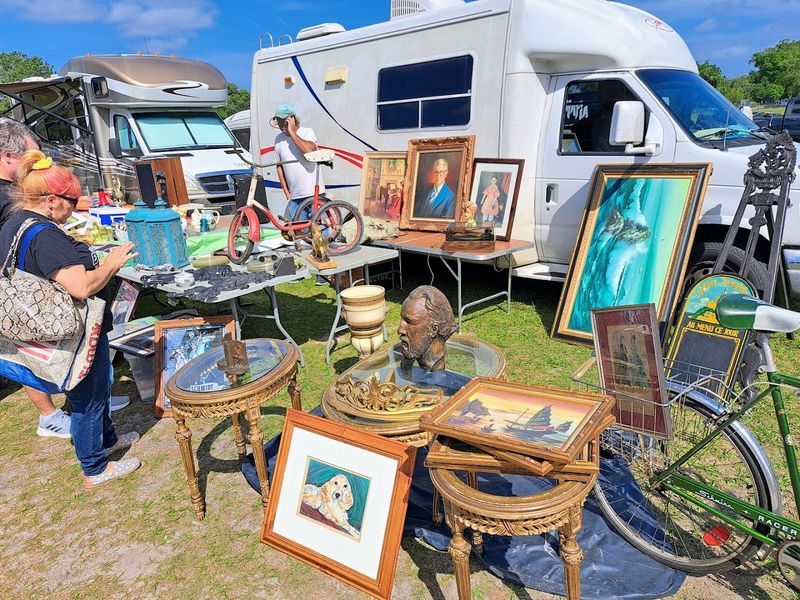
I found everything from Depression-era glassware to mid-century furniture, military memorabilia to advertising signs that belonged in a museum.
One vendor told me he drives three hours every Monday just to set up his booth here because the crowd actually knows their stuff. Unlike typical flea markets where antiques get mixed in with knockoffs, this place leans heavily into genuine vintage goods.
I watched a woman haggle over a set of Morgan silver dollars priced under melt value, which tells you the deals are real if you know what you’re looking at.
The antique focus also means you can spend hours just studying the history laid out on folding tables. I got lost in a booth filled with old fishing lures, another packed with vintage tools, and a third overflowing with vinyl records still in their sleeves.
Even if you’re not a serious collector, the antique atmosphere adds character that modern flea markets simply can’t replicate.
Bargain Hunting Central
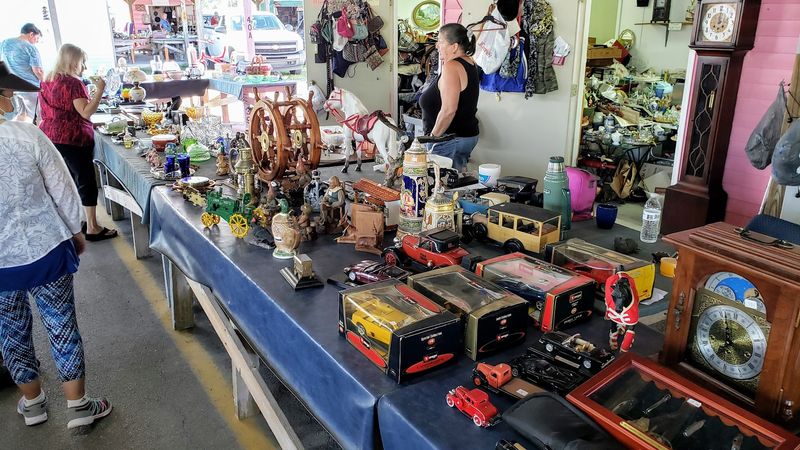
Haggling isn’t just accepted here; it’s practically expected. I learned quickly that the first price quoted is rarely the final one, and vendors seemed almost disappointed when I didn’t counteroffer.
One seller knocked 30 percent off a set of hand tools after I simply asked if he could do better, and another threw in a free item when I bought three things from her booth.
The bargaining culture here runs deeper than most markets I’ve visited. Vendors price items with negotiation room built in, and the friendliest transactions often involve a little back-and-forth banter.
I watched an older gentleman talk a vendor down from forty dollars to twenty-five on a vintage lamp, both of them smiling through the whole exchange like they were performing a well-rehearsed dance.
Cash definitely helps your bargaining power, and I noticed that pulling out bills often inspired better offers than mentioning cards. The market’s pricing overall sits well below retail, even before you negotiate.
I compared a power drill here to the same model online and saved nearly half just by showing up.
Bringing your negotiation skills and a friendly attitude turns every purchase into a small victory worth celebrating.
Produce and Fresh Goods
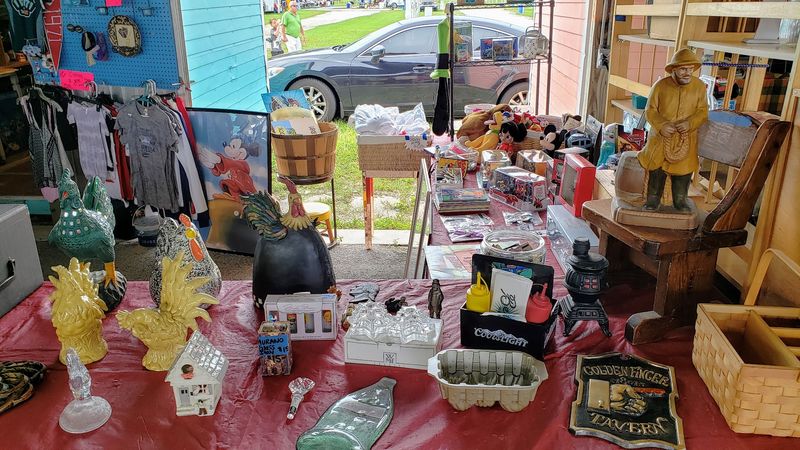
Tucked among the antiques and collectibles, a robust produce section offers farm-fresh vegetables at prices that make grocery stores look like highway robbery. I grabbed a bag of tomatoes, peppers, and onions for less than ten dollars, and everything tasted like it had been picked that morning.
Local honey, homemade pickles, and fresh-baked goods fill out the food offerings, giving you practical reasons to visit beyond just treasure hunting.
The produce vendors tend to cluster in one area, creating a mini farmers market within the larger flea market. I noticed prices dropping as the day wore on, with vendors eager to move inventory before the 2 PM closing time.
One seller offered me a deal on a flat of strawberries around noon, explaining that he’d rather sell them cheap than haul them home.
Quality varies by season and vendor, so it pays to inspect your produce before buying. I’ve learned which stalls consistently offer the freshest goods, and those vendors now recognize me and sometimes hold back the best items.
The combination of shopping for antiques and stocking up on fresh vegetables makes the trip feel doubly productive.
Bringing a cooler in your car ensures your produce survives the rest of your browsing without wilting in the Florida heat.
Massive Layout
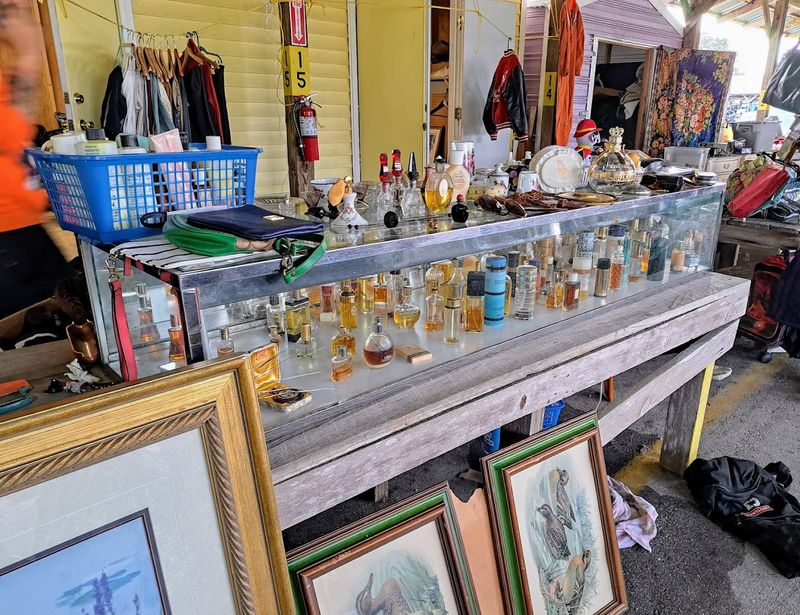
Calling this place massive doesn’t quite capture the reality of how much ground it covers. I spent four hours walking the rows my first visit and still felt like I missed entire sections.
Vendor booths stretch in every direction, with some areas dedicated to specific categories while others mix everything together in glorious chaos.
The layout lacks the rigid organization of some markets, which initially confused me but eventually became part of the charm. You might find power tools next to vintage jewelry, then turn a corner and discover a booth selling nothing but old fishing gear.
This randomness means you never know what’s around the next aisle, keeping the exploration feeling fresh even hours into your visit.
Multiple entrances and parking areas serve different sections of the market, and parking costs just three to six dollars depending on your vehicle size. I’ve learned to park near the entrance closest to my priority items, then work my way through the rest.
Restrooms sit at both ends of the market, which I appreciated after my third lap through the grounds.
Wearing comfortable walking shoes isn’t a suggestion here; it’s survival equipment for the miles you’ll cover.
Unique Finds Everywhere
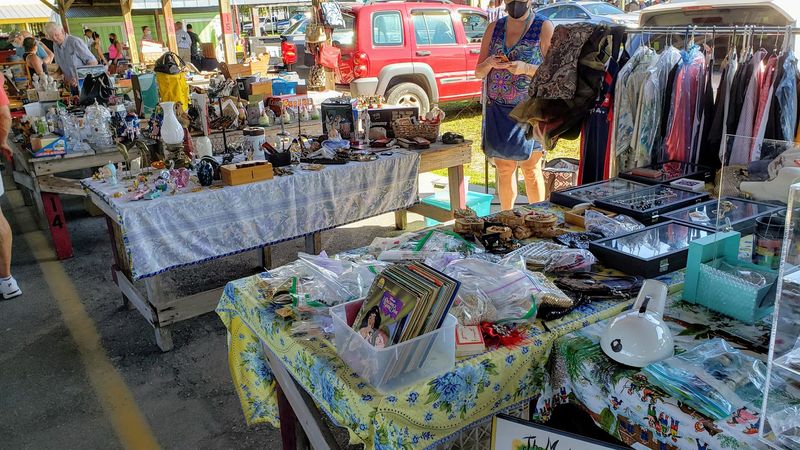
Predictability has no home here, which keeps every visit feeling like a brand-new adventure. I’ve spotted items I didn’t even know existed: antique medical equipment, vintage carnival signs, a collection of old typewriters, and once, an entire booth dedicated to nothing but doorknobs from demolished buildings.
The variety defies any attempt to categorize it neatly.
One-of-a-kind pieces turn up constantly if you’re willing to dig through the more common items. I found a hand-carved wooden duck that now sits on my bookshelf, purchased from a vendor who explained its entire history and the craftsman who made it decades ago.
Another time, I discovered a box of old postcards from the 1940s, each one a tiny window into someone else’s life.
The unpredictability means you can’t show up with a rigid shopping list and expect to check every box. Instead, you wander with an open mind and let the market reveal its secrets.
I’ve gone looking for one thing and left with something completely different at least a dozen times.
This element of surprise transforms shopping from a chore into genuine entertainment that justifies the early Monday wake-up call.
Friendly Vendor Community
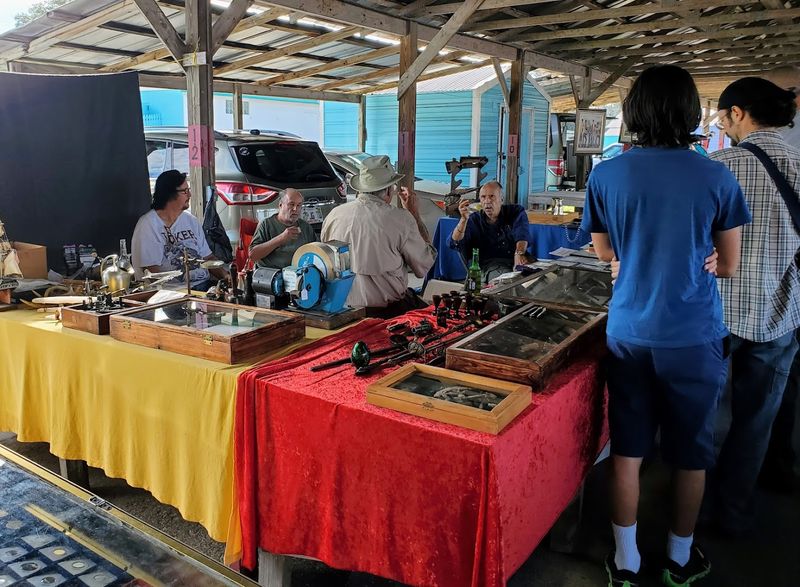
Vendors here treat their booths like weekly social gatherings rather than just sales transactions. I’ve struck up conversations about everything from local history to the best fishing spots in central Florida, all while browsing merchandise.
Most sellers clearly enjoy the Monday ritual and the regular customers they’ve come to know over months or years.
The friendly atmosphere makes negotiating feel less like conflict and more like friendly banter between neighbors. One vendor recognized me on my third visit and immediately offered me a better price on a set of vintage tools, explaining that he appreciated repeat customers.
Another seller spent twenty minutes telling me stories about the antiques in his booth, never once pushing me to buy anything.
This community vibe extends to customers too, with regulars sharing tips about which vendors have the best deals or warning newcomers about items that aren’t worth the asking price. I’ve made several casual acquaintances just by striking up conversations while digging through boxes of old books or examining vintage signs.
The market’s Monday-only schedule seems to strengthen these connections, creating a weekly reunion that feels more personal than your typical shopping experience.
Early Bird Advantage
Arriving when the gates open at 7 AM separates serious shoppers from casual browsers. I made the mistake of showing up at 10 AM once and found that half the best items had already found new owners.
Now I set my alarm early and hit the grounds right when vendors are still arranging their tables, giving me first look at everything they brought.
The early morning crowd has a different energy than the midday visitors. Everyone moves with purpose, vendors are fresh and chatty, and the Florida heat hasn’t yet turned the open-air market into a sauna.
I’ve scored my best deals in those first two hours, including a vintage toolbox for fifteen dollars that I later saw listed online for eighty.
Some vendors don’t even finish unpacking before customers start picking through their inventory. I’ve bought items directly from cardboard boxes before they made it to display tables.
The early arrival also means easier parking closer to the entrance, which matters when you’re hauling purchases back to your vehicle.
The market stays open until 2 PM, but by noon, the selection has thinned considerably and vendors start packing up early if they’ve had a good morning.
Food and Refreshment Options
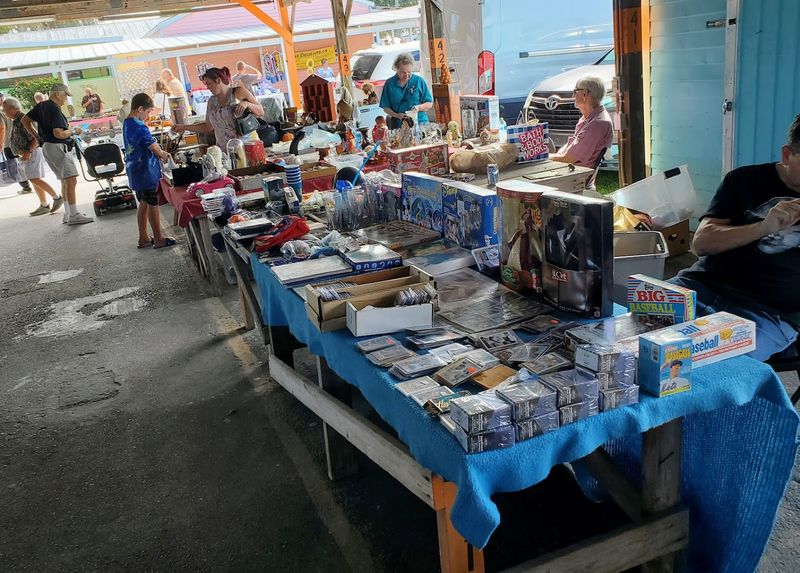
Fuel for your treasure hunt comes from scattered food vendors offering everything from breakfast sandwiches to full lunch plates. I’ve developed a routine of grabbing coffee and something quick when I arrive, then stopping for a proper meal once I’ve made my first lap through the market.
The food prices match the market’s overall affordability, with most items costing less than what you’d pay at a restaurant.
One vendor near the entrance sells fresh pork rinds that drew a crowd every time I walked past, and another offers homemade baked goods that disappear fast. The variety isn’t enormous, but it covers the basics well enough that you won’t need to leave for meals.
I’ve noticed the food areas also serve as natural gathering spots where shoppers take breaks and compare their finds.
Bringing your own snacks and water makes sense too, especially during warmer months when the Florida sun turns the open-air market into an endurance test. I keep a small cooler in my car with cold drinks and granola bars, which has saved me more than once during extended browsing sessions.
The refreshment options mean you can easily spend the entire morning here without your stomach forcing an early exit.
Rural Adventure Setting
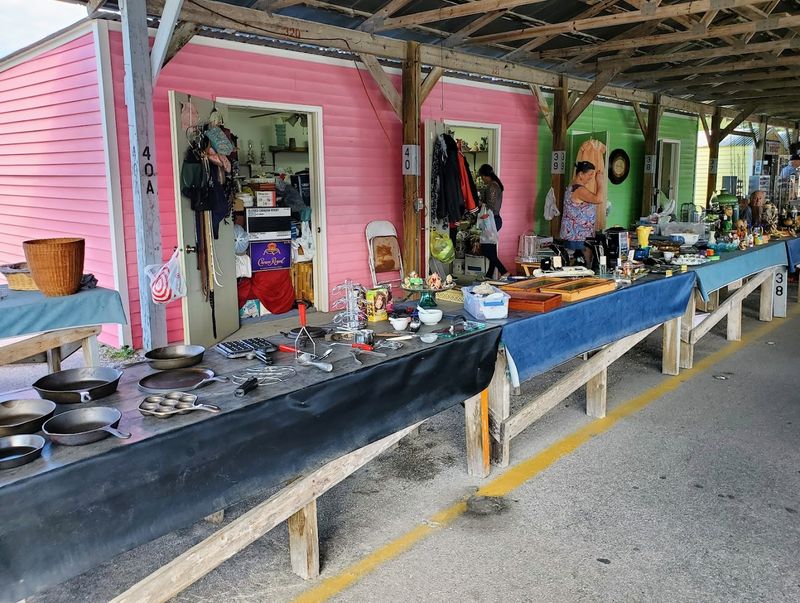
Webster itself barely qualifies as a town, which somehow makes the market feel more authentic. Located in rural Sumter County, the setting strips away any pretense of polish or commercialization.
I drive past fields and farms to reach the market, and that journey sets the tone for what feels like stepping back into a simpler era of shopping.
The rural location means fewer tourists and more locals who treat the market as their regular Monday routine. I’ve overheard conversations about local events, fishing conditions, and community news that you’d never hear at a typical suburban flea market.
This local flavor adds character that manufactured markets in tourist areas can’t replicate, no matter how hard they try.
The middle-of-nowhere setting also means you’re making a dedicated trip rather than casually stopping by. I’ve learned to plan my Mondays around the market, building in time for the drive and the hours of browsing.
The commitment required filters out casual shoppers and creates a crowd that genuinely wants to be there.
That rural adventure atmosphere transforms a simple shopping trip into something that feels more like an expedition worth remembering.