
Michigan’s Most Impossible Restaurant Reservations And Why Everyone Wants Them
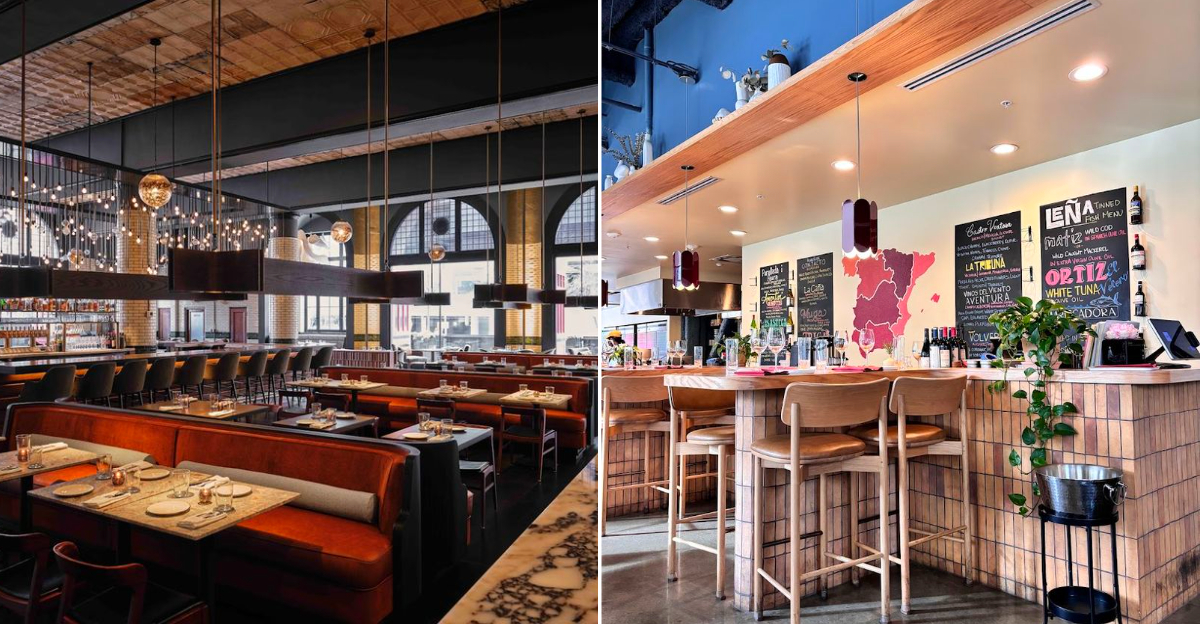
I spend a lot of my time dining out, and let me tell you: there is no adrenaline rush quite like the moment a “confirmed” email hits your inbox for a table that’s harder to get than a front-row seat at the Fox Theatre.
While the rest of the world settles for whatever has an open glowing neon sign, I’m out here playing 4D chess with reservation apps at midnight.
Getting into these places is a total status symbol. I’ve seen grown adults nearly weep over a snagged Saturday night slot in Traverse City or a stool at a ten-seat tasting counter in Detroit.
Michigan’s most exclusive dining happens in these twelve elite restaurants where securing a reservation is the ultimate culinary achievement for foodies in 2026.
If you’re ready to stop being a spectator and start living the high-stakes life of a serious diner, you need a strategy.
1. Freya (Detroit)
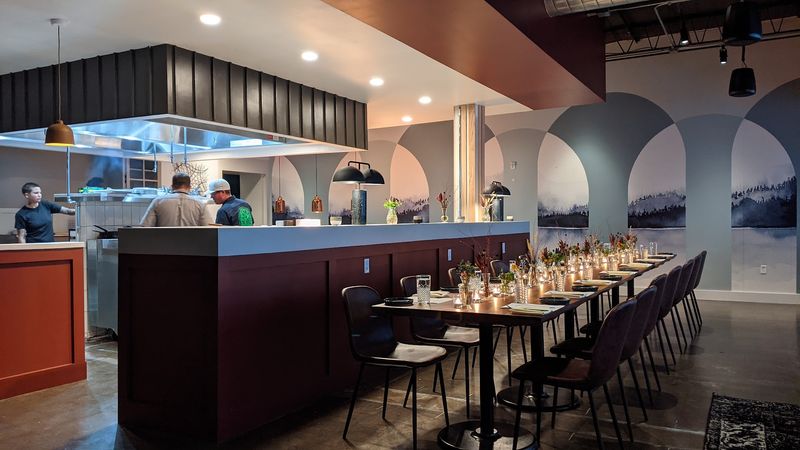
Chef Robin Wickens built Freya into one of Detroit’s most talked-about tasting menu destinations, and the reservation system reflects exactly that. Located at 608 Woodward Ave, Detroit, MI, the restaurant operates on a prepaid ticket model, meaning you buy your seat weeks in advance or you simply don’t go.
The menu changes with the seasons, pulling heavily from Midwestern ingredients treated with serious technique. One week it might be whey-braised lamb with fermented ramps; another might feature a silky parsnip custard that somehow tastes like a memory.
The kitchen clearly enjoys surprising people.
Freya seats very few guests per service, which keeps things intimate but also means availability evaporates within minutes of tickets dropping. Set a calendar reminder, move fast, and clear your evening.
This is the kind of meal that takes three hours and still feels too short. Guests consistently describe it as the best dinner they’ve had in Michigan, full stop.
2. Selden Standard (Detroit)
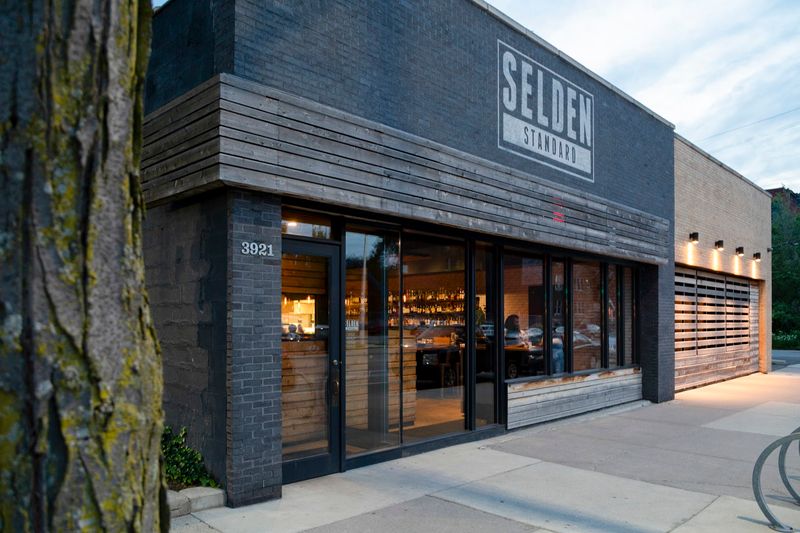
Selden Standard turned a Midtown Detroit corner into one of the city’s most reliable dinner destinations when it opened in 2014, and the crowds haven’t thinned since. Chef Andy Hollyday’s approach is rooted in seasonal, locally sourced ingredients treated simply but with real skill.
The restaurant sits at 3921 Second Ave, Detroit, MI. The menu reads like a farmers’ market with confidence. Roasted carrots arrive with labneh and dukkah.
Wood-fired dishes carry a subtle smoke that lingers pleasantly. Portions are designed for sharing, which encourages a kind of communal eating that makes the whole table feel more relaxed.
Reservations open on a rolling 30-day window and fill up fast, especially on weekends. Walk-ins occasionally snag bar seats, which honestly might be the best seat in the house anyway.
The energy at the bar is lively without being loud. Selden Standard rewards loyalty and patience in equal measure.
3. Mabel Gray (Hazel Park)
Chef James Rigato runs Mabel Gray with the kind of passionate conviction that makes diners feel like they’ve been let in on something. Situated at 23825 John R Rd, Hazel Park, MI, the restaurant is technically a suburb spot, but it draws serious food lovers from across the state without apology.
The menu is handwritten and changes constantly, sometimes daily, depending on what Rigato finds worth cooking that week. Expect bold flavor combinations built around Michigan farms and producers.
A dish of smoked whitefish with pickled something unexpected is exactly the kind of thing that makes you stop mid-bite and reassess your assumptions.
Reservations are notoriously difficult to secure, and the small dining room means every seat matters. Rigato has been a James Beard Award semifinalist multiple times, which brings national attention to a very local-feeling place.
The staff is warm and genuinely knowledgeable without being stiff. Going to Mabel Gray feels less like a restaurant visit and more like being cooked for by someone who truly means it.
4. Ladder 4 (Detroit)
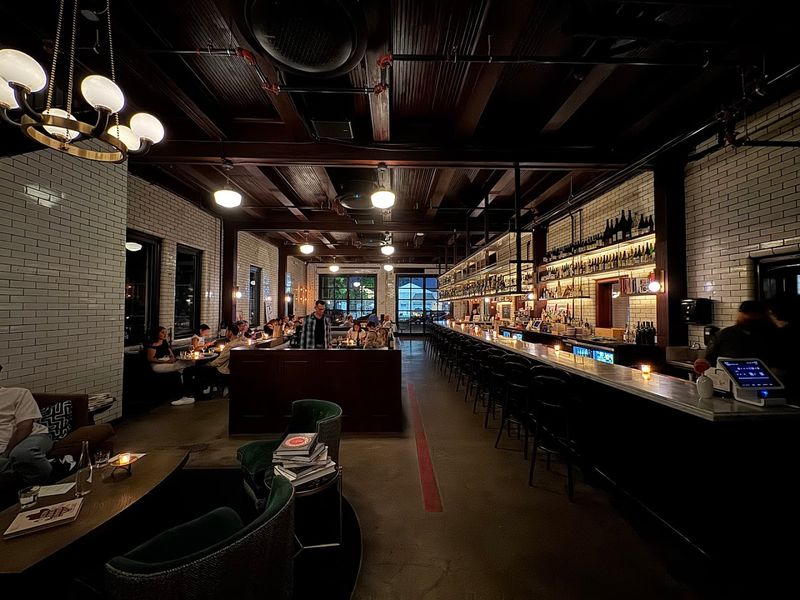
Housed inside a converted firehouse at 2461 Michigan Ave, Detroit, MI, Ladder 4 is the kind of place that rewards people who actually pay attention to where they’re drinking. The space retains its original bones, including high ceilings and industrial detail, but the atmosphere feels remarkably warm and unhurried.
Food is thoughtfully minimal: charcuterie, cheese, and a rotating selection of small plates that complement rather than compete with what’s in your glass.
I’ve watched first-time visitors walk in skeptical and leave converted, which says something real about the experience. Reservations fill quickly because the room is genuinely small and the staff refuses to rush anyone.
Weekend evenings book out days in advance. If you can grab a Tuesday spot, the pacing is slower and the conversation with the staff tends to go deeper.
Ladder 4 is the rare spot that earns its reputation without theatrics.
5. Barda (Detroit)
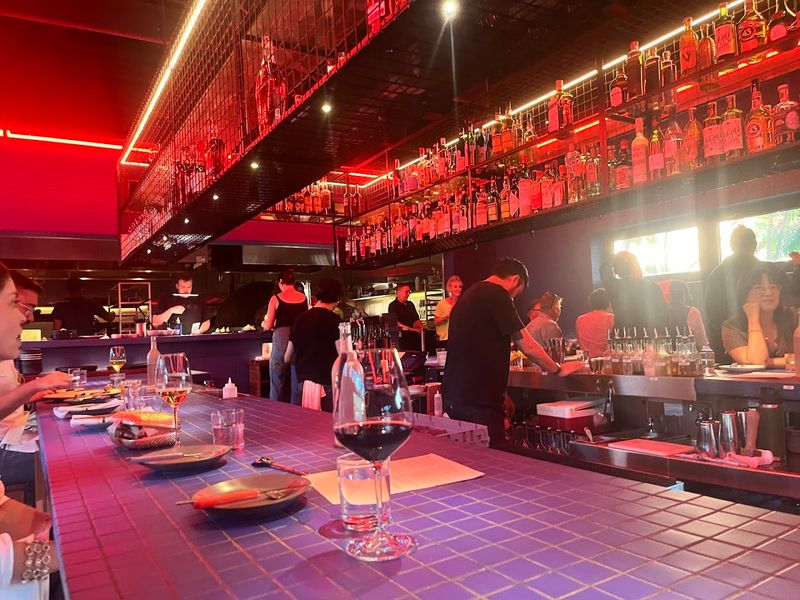
Barda opened in Detroit’s Corktown neighborhood and quickly developed a reputation for food that feels both precise and alive. The restaurant is located at 1700 Michigan Ave, Detroit, MI, in a space that balances clean design with enough warmth to feel genuinely welcoming rather than cold.
The cooking draws from Spanish and Mediterranean influences, with an emphasis on wood-fired techniques and high-quality proteins. Whole roasted fish, ember-charred vegetables, and house-made charcuterie share menu space in a way that feels coherent rather than scattered. Each dish has a clear point of view.
Reservations are competitive, particularly for prime Friday and Saturday slots. The chef’s counter, when available, offers a more immersive look at the kitchen’s rhythm and precision.
Regulars tend to book weeks ahead and plan their visits around what’s in season. Barda doesn’t chase trends; it sets its own pace and trusts that the right guests will find their way in.
For a city rebuilding its culinary identity, this restaurant is one of the clearest statements of intention.
6. The Apparatus Room (Detroit)
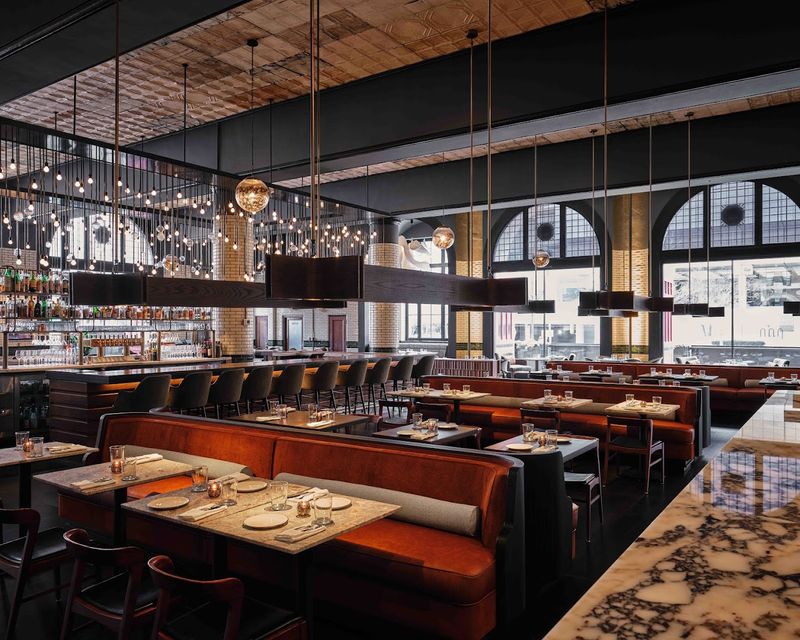
The Apparatus Room occupies the ground floor of the Detroit Foundation Hotel, inside a beautifully restored 1929 firehouse at 250 W Larned St, Detroit, MI. The architecture alone justifies a visit: soaring ceilings, original brickwork, and brass details that the renovation team had the good sense to preserve.
Chef Thomas Lents shaped the kitchen’s identity around refined American cooking with strong seasonal foundations. The brunch service draws particular devotion, with dishes like smoked salmon benedict and house-made pastries that feel genuinely considered rather than assembled.
Dinner leans more formal, with composed plates that show real technique.
The combination of setting, food, and location near the riverfront makes this one of Detroit’s most requested tables for both locals and visitors. Booking for weekend brunch requires planning at least two weeks out. Weeknight dinners are slightly more accessible but still move fast.
The cocktail program is worth arriving early for, and the staff handles large hotel traffic without losing attentiveness to individual tables. It’s a lot to pull off, and they do it consistently.
7. Marrow (Detroit)
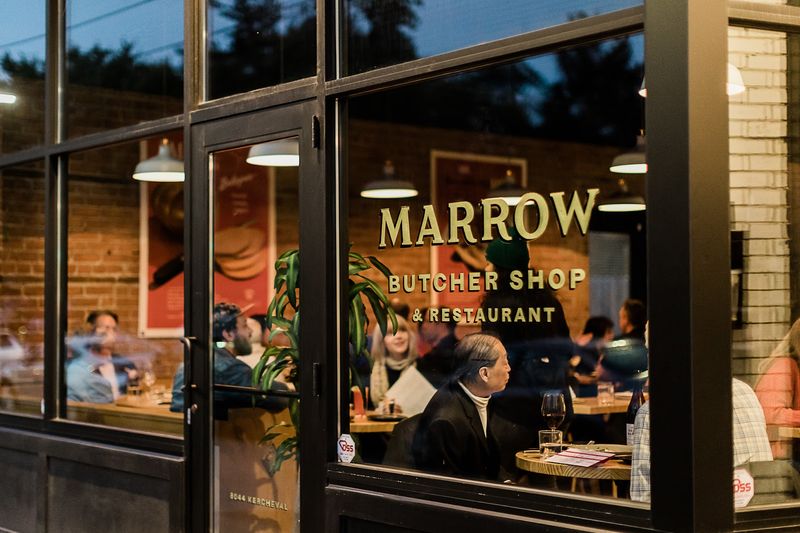
Marrow is part restaurant, part butcher shop, and entirely its own thing. Located at 2319 Hamlin St, Detroit, MI, it was opened by chef Sarah Welch with a clear philosophy: honor the whole animal, waste nothing, and cook with intention. That framework produces food that feels both grounded and exciting.
The menu rotates around what the butcher side of the operation is working with, which means dishes change frequently and regulars never quite know what to expect.
House-cured meats, beef fat candles on the tables, and bone marrow served in ways that feel celebratory rather than gimmicky define the aesthetic.
Securing a reservation requires checking the booking platform regularly, as tables release on a rolling schedule and disappear quickly. The dining room is small and intimate, and the staff communicates with genuine enthusiasm about where the meat comes from and how it was handled.
Marrow rewards curious eaters who appreciate knowing the full story behind what’s on their plate. It’s one of the most thoughtful concepts in Detroit right now.
8. Lena (Detroit)
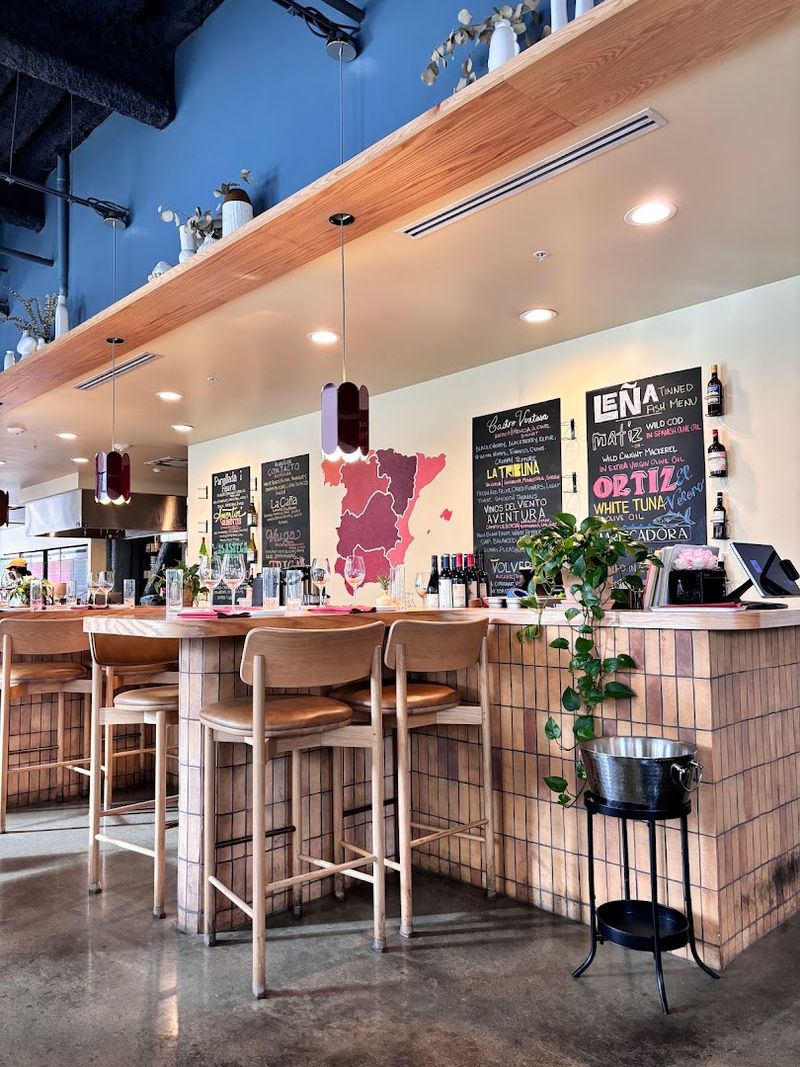
Lena brings wood-fire cooking and regional Mexican technique together in a way that feels earned rather than borrowed. The restaurant is located at 4620 Woodward Ave, Detroit, MI, in a space that channels warmth through both its hearth and its hospitality.
Chef Gabrielle Masson leads a kitchen that takes its ingredients seriously.
Masa is made in-house, tortillas are pressed fresh, and proteins spend time over fire in ways that develop flavor without masking the source material. The result is food that tastes clean and honest.
A wood-grilled half chicken with salsa verde and charred scallions is the kind of dish that becomes a specific craving.
Weekend reservations book out fast, and the bar fills with walk-ins who are willing to wait. The mezcal and tequila selection is thoughtfully curated, favoring smaller producers with genuine stories behind the bottles.
Lena has quickly become one of those Detroit restaurants that out-of-towners put on their list before they’ve even booked a flight. The fire in the kitchen is visible from most seats, which adds a satisfying sense of theater to the meal.
9. Vecino (Detroit)
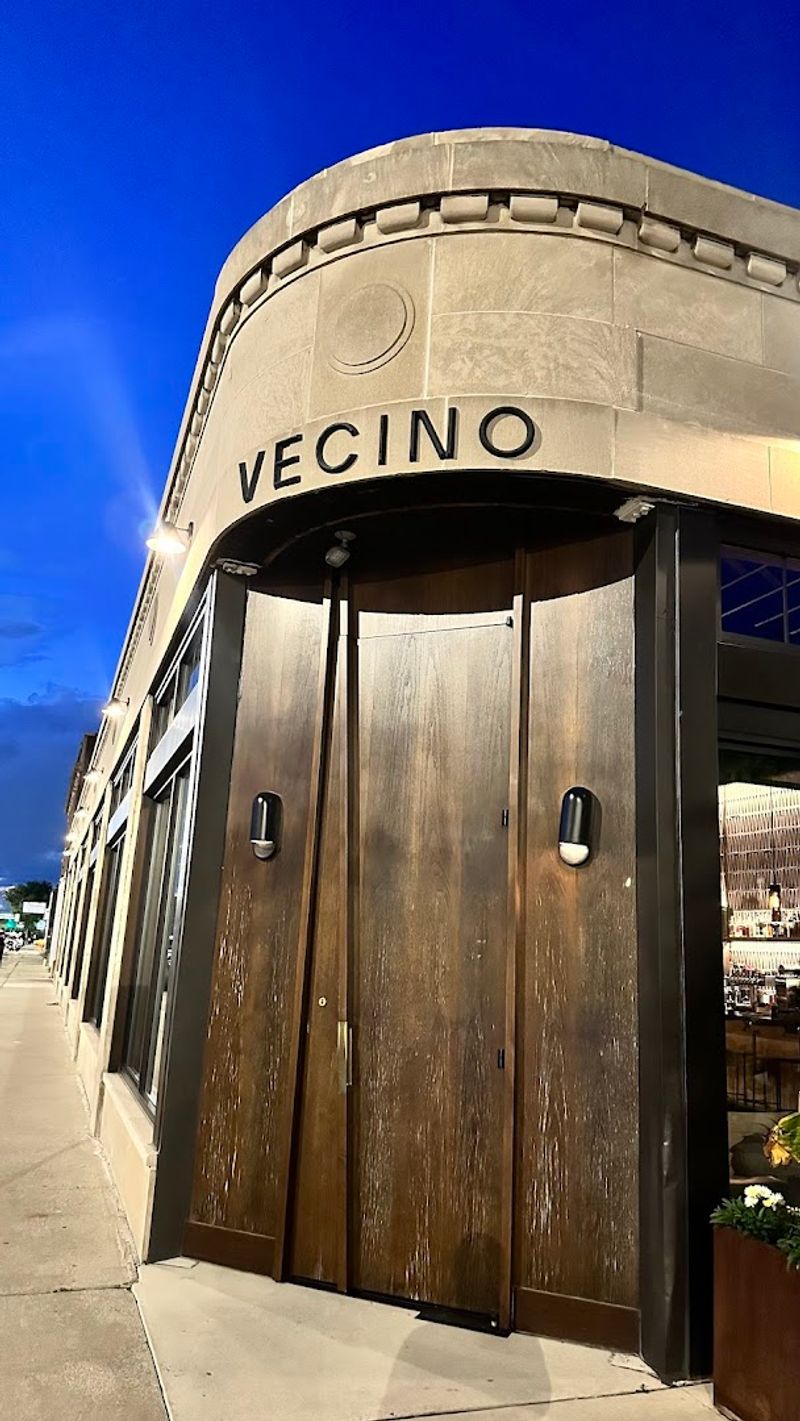
Vecino sits quietly at 3714 Cass Ave, Detroit, MI, and has built its following almost entirely through word of mouth, which is the most reliable kind.
The name means neighbor in Spanish, and the restaurant takes that identity seriously: it aims to feel like an extension of the community rather than a destination above it.
The menu pulls from Latin American traditions with a seasonal Michigan lens, resulting in combinations that feel both familiar and unexpected.
Braised short rib empanadas, ceviche made with Great Lakes whitefish, and rotating vegetable dishes that reflect what’s coming out of local farms give the menu a coherent identity.
Reservations move quickly, particularly for the smaller private dining area that groups tend to book for celebrations. The bar program features well-made classics alongside a few originals that are worth asking about.
Service is attentive without being intrusive, which is harder to achieve than it sounds. Vecino rewards the kind of diner who arrives curious and leaves feeling like they’ve genuinely been welcomed somewhere.
It’s one of Detroit’s most quietly essential restaurants.
10. Miss Kim (Ann Arbor)
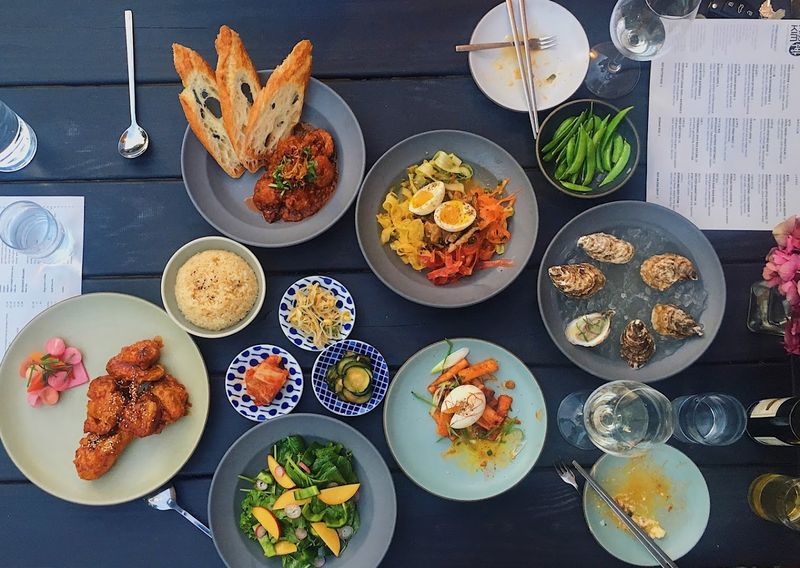
Chef Ji Hye Kim opened Miss Kim at 415 N Fifth Ave, Ann Arbor, MI, with a mission to cook Korean food that reflects both her heritage and her deep connection to Michigan’s seasonal ingredients. The combination is rare and genuinely compelling, producing a menu that feels rooted in two places at once.
Banchan arrive at the table with quiet ceremony, each small dish carrying more complexity than its size suggests. The doenjang jjigae, a fermented soybean paste stew, is the kind of dish that demands a slow pace and full attention.
Seasonal specials rotate with the farmers’ market, keeping regulars coming back to see what’s changed.
Miss Kim has earned James Beard Award recognition, which brought national attention to a restaurant that Ann Arbor already knew was special. Reservations fill within hours of opening on the booking platform.
Lunch service is slightly more accessible than dinner, though both require planning.
The dining room is modest in size but generous in spirit. Kim’s cooking carries a philosophical consistency that makes every visit feel like a continuation of the same thoughtful conversation about food and place.
11. The Cooks’ House (Traverse City)
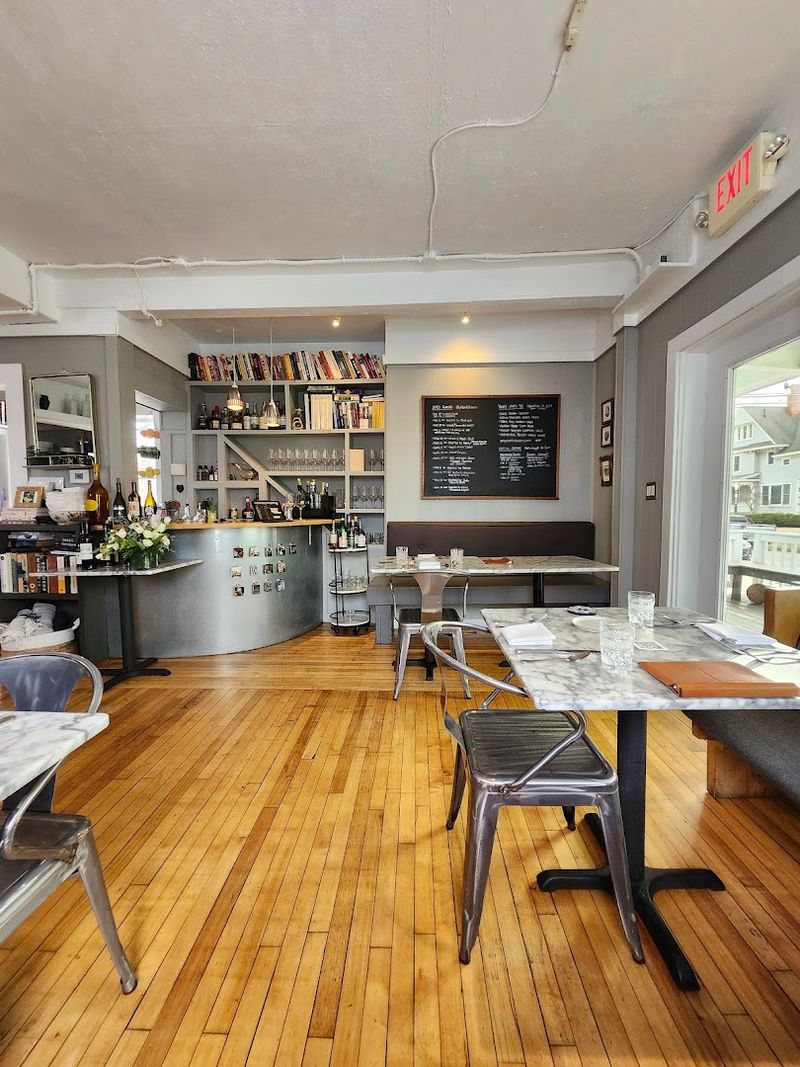
The Cooks’ House operates out of a tiny converted house at 115 Wellington St, Traverse City, MI, and seats so few guests per night that getting a reservation can feel like an achievement before the meal even begins.
Chefs Eric Patterson and Jennifer Blakeslee have run the kitchen with quiet dedication for years, building a loyal following that stretches well beyond northern Michigan.
The menu is entirely seasonal and changes based on what’s available from nearby farms, foragers, and the waters of Lake Michigan.
A summer dinner might include smoked trout with pickled cherry vinaigrette, while an autumn service could feature roasted root vegetables with aged local cheese and toasted hazelnuts.
The cooking never oversells itself.
Tables book out weeks in advance, especially during peak summer season when Traverse City fills with visitors. Dining here feels unhurried and personal, partly because the room is so small that the chefs are always nearby.
The Cooks’ House is proof that a restaurant doesn’t need to be large to be essential.
12. Spencer (Ann Arbor)
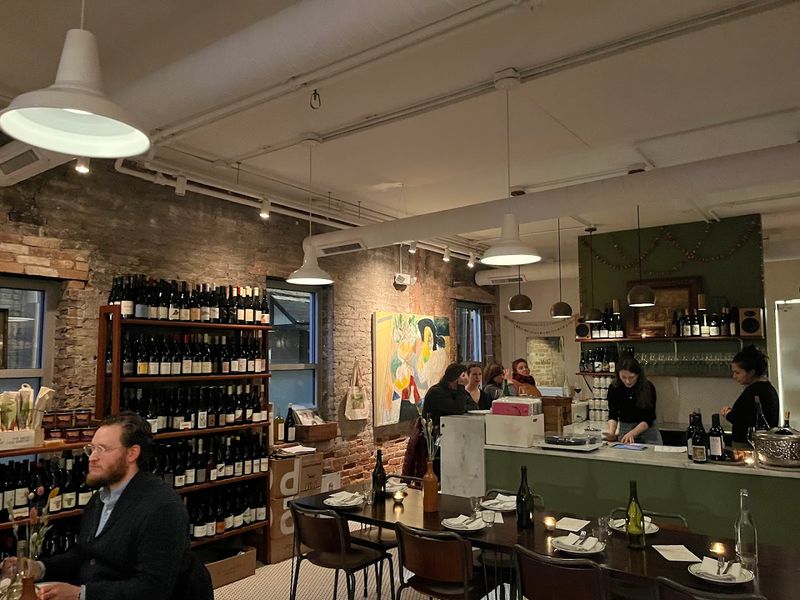
Spencer occupies a quietly confident space at 113 E Liberty St, Ann Arbor, MI, and has become one of the city’s most consistent fine dining experiences since opening.
The restaurant takes its name seriously: everything about it, from the plating to the pacing, feels considered and unhurried in the best possible way.
The kitchen focuses on contemporary American cooking with strong seasonal foundations and an evident respect for classical technique.
Butter-basted duck breast with stone fruit reduction, or a delicate crudo built around whatever fish arrived that morning, represent the kitchen’s range without showing off unnecessarily.
The cooking is confident enough to be quiet about it. Reservations are competitive, especially for weekend evenings when the University of Michigan crowd competes with Ann Arbor regulars for a limited number of tables.
Service strikes a balance between formal and approachable that many restaurants attempt and few achieve. Spencer has earned its reputation the slow way, one well-executed dinner at a time, which is the only way that actually lasts.