
The Best Places To See Early Spring Blooms In Illinois This March
March in Illinois feels like nature finally loosening its grip after a long, gray winter. Just when the cold seems endless, crocuses push through the soil, magnolias begin to open, and the air starts carrying that unmistakable scent of damp earth and fresh growth.
I always notice the first flowers on a chilly walk and realize spring is quietly underway, even if the trees still look half asleep. Illinois rewards anyone willing to go looking for early color, and March is when the first real signs appear if you know where to look.
Some places stay warm and green under glass, while others reveal small bursts of life along garden paths and woodland trails. These ten spots make the season feel real again and give March a welcome sense of anticipation.
1. Chicago Botanic Garden – Glencoe
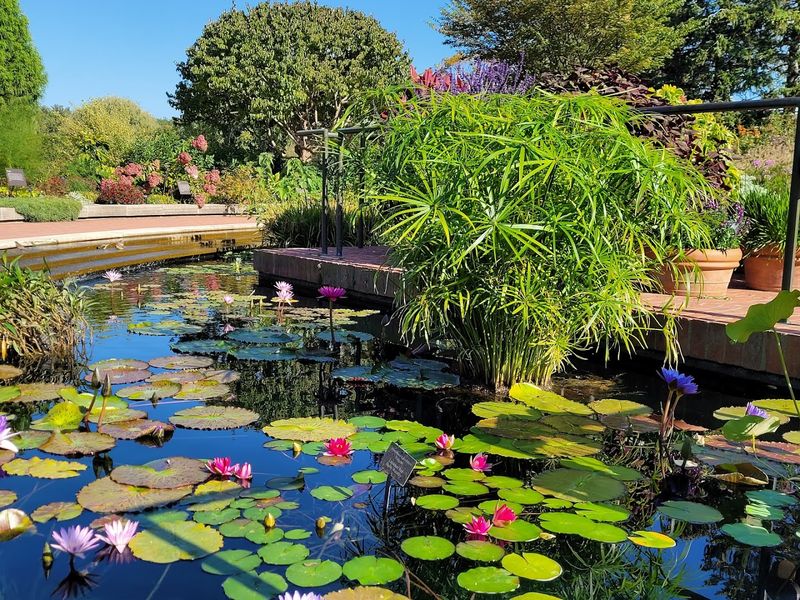
Spanning 385 acres of pure botanical brilliance, the Chicago Botanic Garden in Glencoe is basically a living encyclopedia of plants, and March is when it starts whispering its best secrets.
Early spring bloomers like snowdrops, witch hazels, and hellebores steal the show before the crowds even realize what is happening. It is the kind of place where you go for a quick walk and somehow end up three hours later still photographing a tiny purple crocus.
The garden features 27 distinct gardens and four natural areas, so boredom is genuinely not an option here. The Sensory Garden and the Japanese Garden are especially magical in early spring when the world feels fresh and full of possibility.
Families, solo explorers, and serious plant nerds all find their happy place within these grounds. Admission varies by date and time, and parking has a fee; members and some Illinois residents can receive free admission opportunities.
Located at 1000 Lake Cook Rd, Glencoe, IL 60022, the garden is open daily. Check their website for March bloom updates and special events before heading out.
2. Garfield Park Conservatory – Chicago
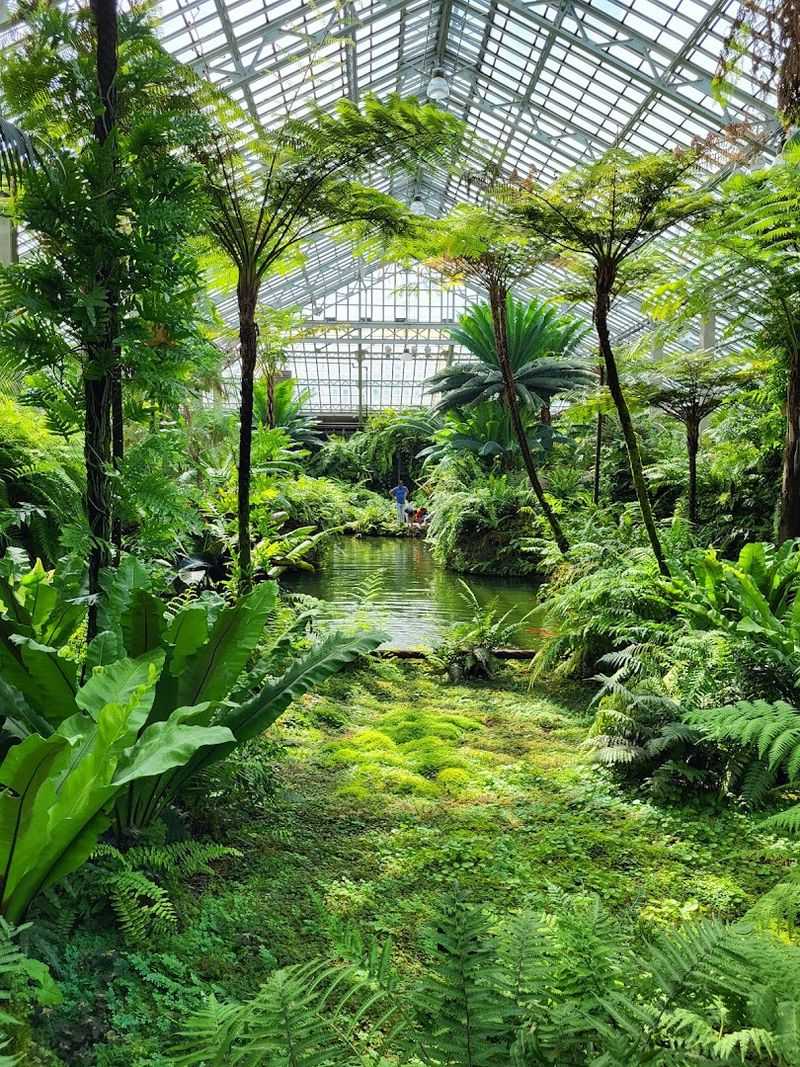
Rain or shine, the Garfield Park Conservatory delivers a full-on tropical experience right in the middle of Chicago, and in March, it becomes one of the most exciting plant destinations in the entire Midwest.
Built in 1908, this architectural gem houses one of the largest public conservatories in the nation under its stunning glass domes. Walking inside feels like teleporting to a warm, fragrant paradise while snowflakes might still be falling outside.
The Spring Flower Show typically kicks off in March, filling the display house with cheerful blooms like daffodils, tulips, and hyacinths in vibrant color combinations that feel almost too pretty to be real. Gardening enthusiasts and first-time visitors alike tend to leave with giant smiles and a serious case of plant envy.
Admission is free and the conservatory is family-friendly with stroller-accessible paths. Find it at 300 N Central Park Ave, Chicago, IL 60624.
Hours vary, so check ahead online to make sure you catch the spring show at its peak before March wraps up.
3. Lincoln Park Conservatory – Chicago
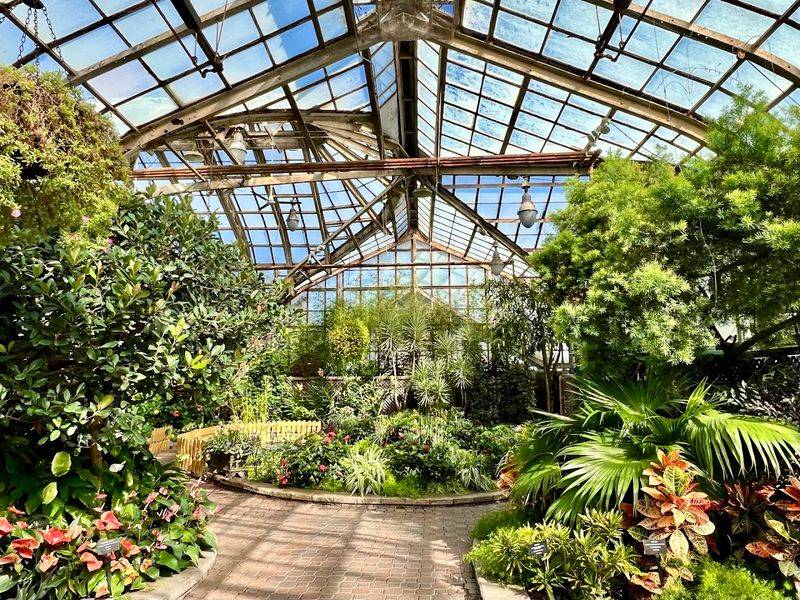
If Victorian charm and tropical warmth wrapped in a glass building sounds appealing, Lincoln Park Conservatory is calling your name this March.
Built in 1895, this stunning structure sits right inside Lincoln Park, one of Chicago’s most beloved green spaces, giving you double the outdoor beauty for the price of one visit.
The conservatory hosts four stunning display rooms filled with palms, ferns, and seasonal flowering plants that make winter feel like a distant memory.
March brings the annual Spring Show to Lincoln Park Conservatory, where the display house transforms into a riot of pastel blooms and cheerful arrangements. It is the kind of floral spectacle that makes you want to buy every plant you see, redecorate your apartment, and maybe become a botanist.
Admission is free, which makes this one of Chicago’s best-kept budget-friendly gems. The conservatory is located at 2391 N Stockton Dr, Chicago, IL 60614.
Parking can be tricky in Lincoln Park, so consider taking the CTA or biking over if the weather cooperates.
4. Wilder Park Conservatory – Elmhurst
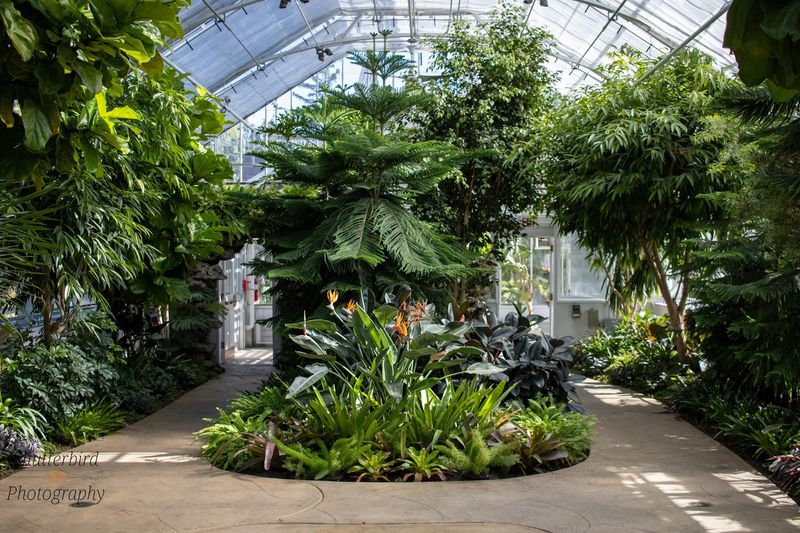
Smaller does not mean less spectacular, and Wilder Park Conservatory in Elmhurst is living proof of that. This hidden suburban treasure has been delighting plant lovers since the early 1920s, offering a warm and welcoming escape packed with flowering plants that celebrate the arrival of spring in grand style.
The surrounding Wilder Park grounds add extra charm, especially when early bulbs start pushing up through the soil in March.
The conservatory features rotating seasonal displays, and the spring edition is a crowd-pleaser every single year.
Think cheerful arrangements of hyacinths, primroses, and tulips arranged with the kind of artistic flair that makes you stop mid-stride and just stare. It is the sort of place where you accidentally take 200 photos and feel completely fine about it.
Admission is free, making it a fantastic outing for families and couples looking for a low-key, high-charm afternoon. Wilder Park Conservatory is located at 225 S Prospect Ave, Elmhurst, IL 60126.
Call ahead or check the city of Elmhurst’s website to confirm March hours and current display details.
5. The Morton Arboretum – Lisle
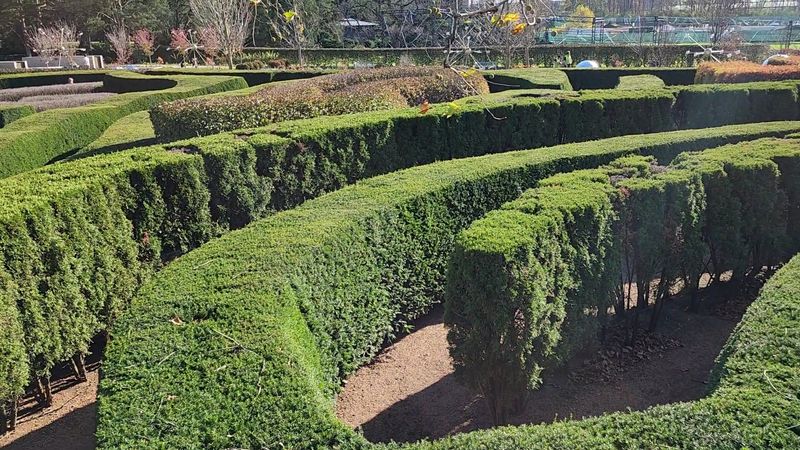
With 1,700 acres of trees, shrubs, and wildly beautiful landscapes, The Morton Arboretum in Lisle is basically a love letter to the plant kingdom, and March is when that letter gets its first paragraph.
Early-blooming magnolias, serviceberries, and witch hazels kick off the spring season with impressive color, giving visitors a preview of the botanical fireworks that will keep coming through summer. This is the kind of place that makes you forget you ever complained about the cold.
The arboretum offers 16 miles of trails through woodlands, wetlands, and prairies, so whether you are a casual stroller or a hardcore hiker, there is a path with your name on it.
The Children’s Garden and the Maze Garden add extra fun for families visiting with younger explorers who need a little extra excitement beyond pretty flowers.
Admission requires a ticket, so purchase online in advance to avoid lines. The Morton Arboretum is located at 4100 Illinois Route 53, Lisle, IL 60532.
March weekends can fill up fast, so booking early is a genuinely smart move for a smoother visit.
6. Allerton Park & Retreat Center – Monticello
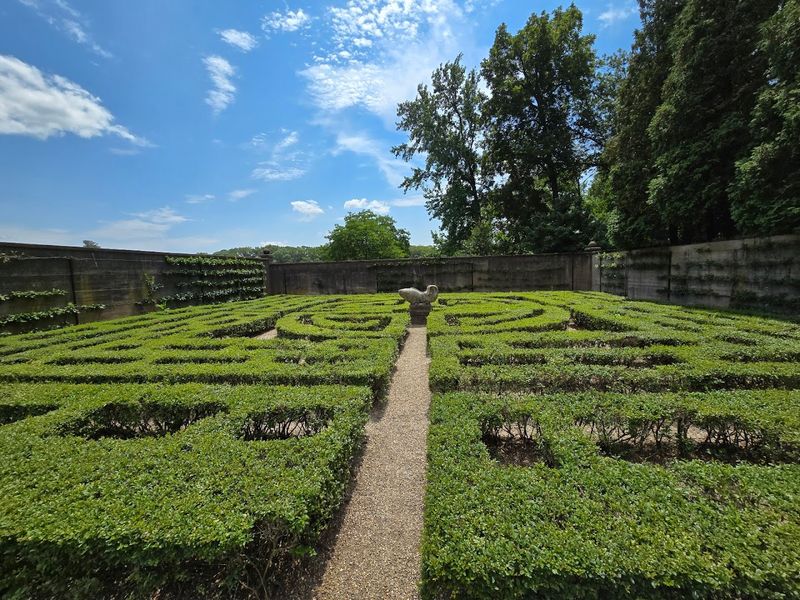
Allerton Park in Monticello is the kind of place that makes you feel like you have wandered into a European estate, complete with formal gardens, whimsical sculptures, and miles of woodland trails.
In March, the gardens begin their slow, gorgeous awakening as early bulbs and ground covers start popping up between the ornamental statues. The contrast of stone sculptures against soft spring blooms is genuinely one of the most photogenic scenes in all of Illinois.
The 1,500-acre property features themed garden rooms including the Fu Dog Garden and the Sunken Garden, each with its own personality and visual drama.
Spring is when these spaces start transitioning from their winter stillness into something full of color and life, which makes early March visits feel like catching a great show at intermission.
The park is open to the public and managed by the University of Illinois. Located at 515 Old Timber Rd, Monticello, IL 61856, it is well worth the drive from central Illinois cities.
Bring comfortable shoes because the grounds are extensive and every corner reveals something worth exploring.
7. Luthy Botanical Garden – Peoria
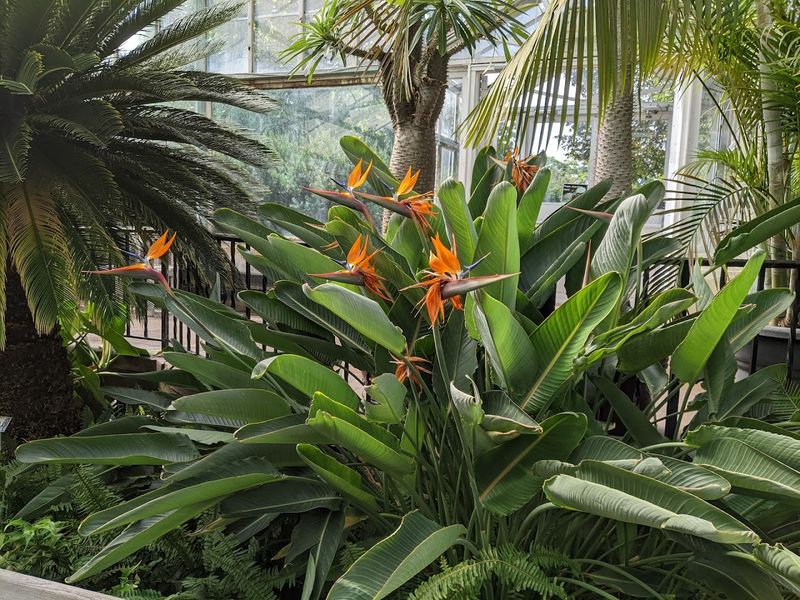
Peoria’s Luthy Botanical Garden might not be the most famous name on this list, but locals know it is one of central Illinois’s most charming seasonal destinations.
Sitting inside Glen Oak Park, this botanical garden features a conservatory filled with tropical plants plus outdoor gardens that begin waking up beautifully in March. The spring display inside the conservatory is warm, colorful, and absolutely worth the trip from anywhere in the region.
The outdoor areas showcase early perennials and bulbs as March progresses, giving visitors a sense of the season changing in real time.
There is something deeply satisfying about watching a garden shake off winter, and Luthy makes it easy to observe that transformation up close without needing to travel far from central Illinois.
Admission to the conservatory is free, making this one of the most accessible botanical experiences in the state. Luthy Botanical Garden is located at 2520 N Prospect Rd, Peoria, IL 61603.
The garden is open year-round, but spring visits offer the most dynamic and visually rewarding experience of the entire calendar year.
8. Klehm Arboretum & Botanic Garden – Rockford
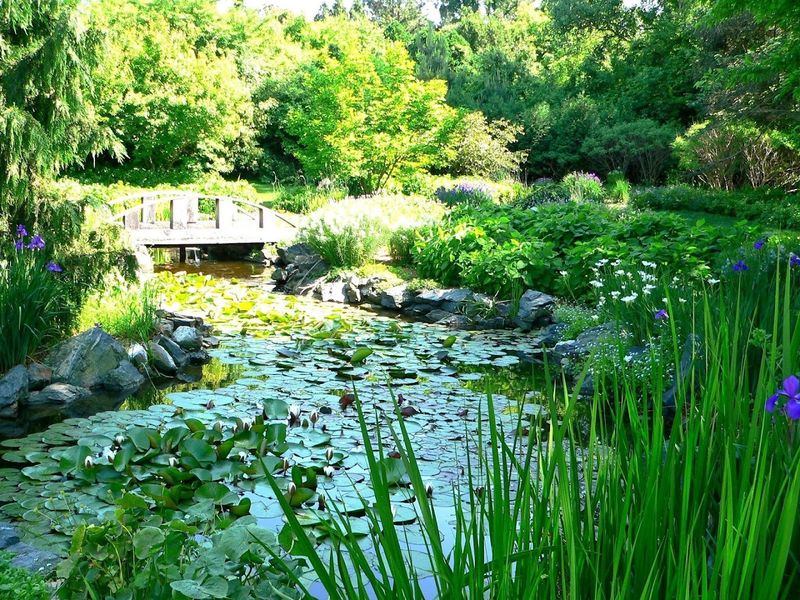
Rockford has a surprisingly rich botanical scene, and Klehm Arboretum is the crown jewel of it all. Covering 155 acres of trees, wetlands, and cultivated garden spaces, Klehm offers a fantastic early spring experience as witch hazels, early bulbs, and native woodland plants start showing off in March.
The arboretum is also an ArbNet Level II accredited arboretum, recognizing its significant plant collections and commitment to conservation and education.
The Demonstration Gardens and the Heritage Garden are especially lovely in spring as perennials re-emerge and early bloomers add pops of color to the still-waking landscape.
Birdwatchers also flock here in March because migrating birds start returning around the same time the flowers do, making it a double-feature nature experience.
Admission is paid, and the grounds are open year-round with trails suitable for all fitness levels. Klehm Arboretum is located at 2715 S Main St, Rockford, IL 61102.
The arboretum frequently hosts educational programs and guided tours in spring, so check their calendar before visiting to add even more value to your trip.
9. Giant City State Park – Makanda
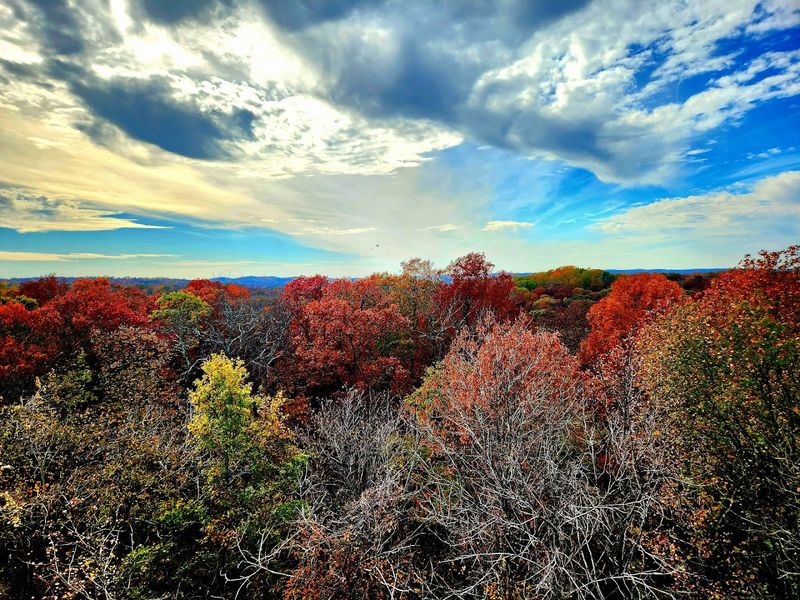
Forget manicured flower beds for a moment, because Giant City State Park in Makanda delivers something far more dramatic: wildflowers pushing up through ancient sandstone bluffs in one of the most geologically stunning parks in the entire Midwest.
Located in southern Illinois where spring arrives noticeably earlier than in Chicago, Giant City starts showing off its floral personality in March with trout lilies, spring beauties, and bloodroot carpeting the forest floor.
The park’s unique rock formations create a theatrical backdrop for the early wildflower season that feels more like a nature documentary than a state park. Hikers on the Giant City Nature Trail get the best views of both the geological wonders and the wildflower displays happening at their feet simultaneously.
Admission is free for day-use visitors, and the park is open year-round. Giant City State Park is located at 235 Giant City Rd, Makanda, IL 62958.
Early March mornings are especially quiet and magical here, so arriving early rewards you with peaceful trails and the best lighting for photography.
10. Garden of the Gods Recreation Area – Herod
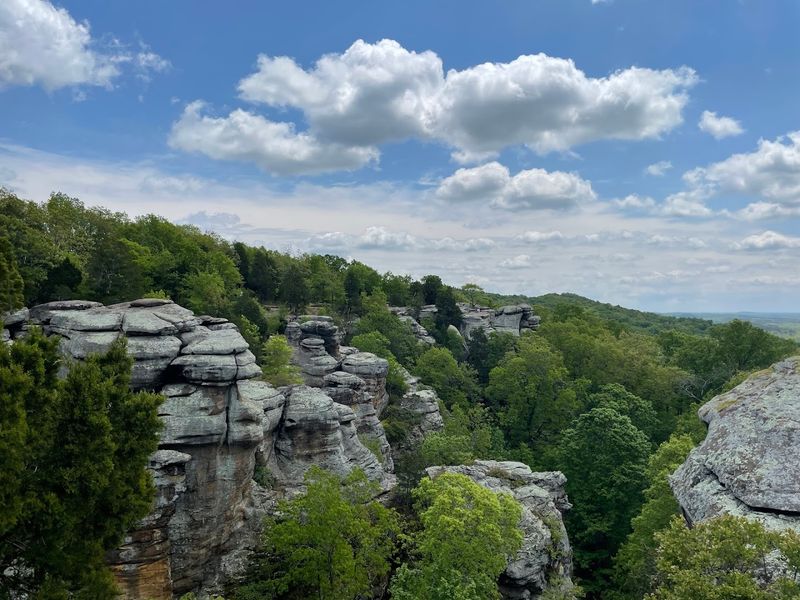
Southern Illinois is practically a different climate zone compared to Chicago, and nowhere does that feel more magical than Garden of the Gods in the Shawnee National Forest near Herod.
By March, this otherworldly landscape of sandstone formations and hardwood forest floors is already alive with early wildflowers like hepatica, spring beauties, and Virginia bluebells beginning their seasonal debut. Standing among ancient sandstone formations surrounded by fresh spring blooms is a genuinely surreal experience.
The Observation Trail is a short but visually dramatic hike that takes you past the most iconic rock formations with sweeping views of the surrounding forest.
In March, those views include the soft green haze of emerging leaves and scattered wildflower patches that give the whole scene a painterly quality that is hard to describe and even harder to forget.
There is no admission fee for this recreation area, making it one of Illinois’s most accessible natural wonders. Garden of the Gods is located on Garden of the Gods Rd, Herod, IL 62947.
Trails can be uneven and rocky, so sturdy hiking shoes are strongly recommended for a safe and comfortable visit.