
10 Underrated Illinois State Parks You’ll Want To Explore In 2026
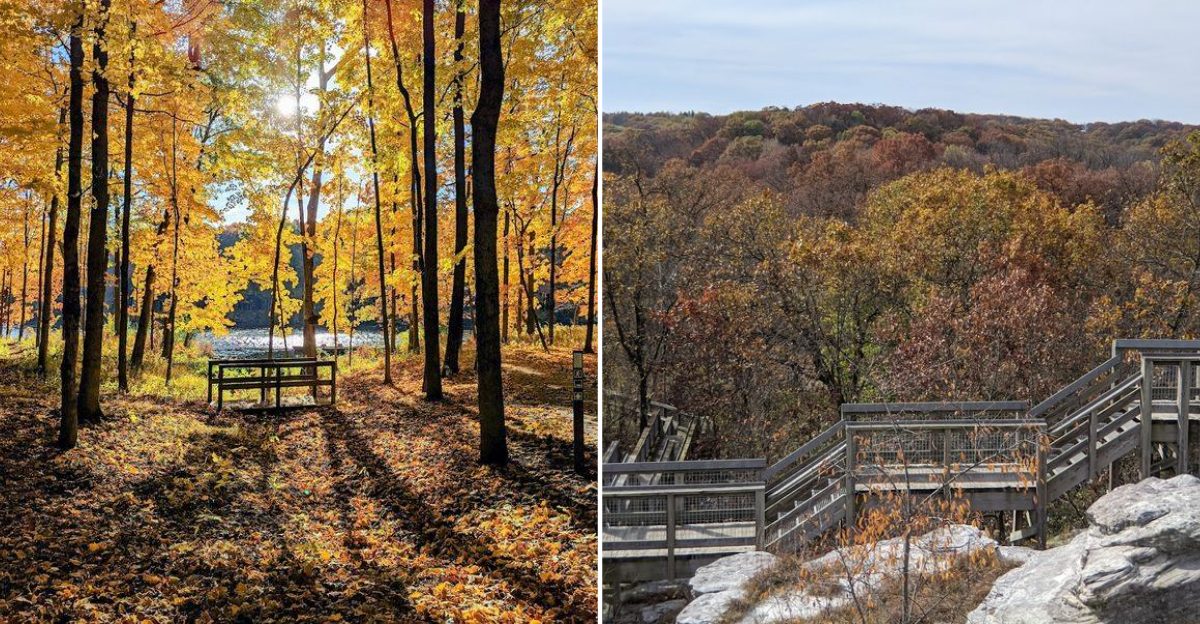
Illinois has dozens of state parks and hundreds of state-managed outdoor sites, yet most people keep returning to the same familiar trailheads while quieter parks remain easy to explore even on mild weekends.
Time spent driving rural highways and county roads across Illinois reveals a landscape that shifts more than most travelers expect, especially once the busy destinations fall behind.
One park might center on a small fishing lake ringed by hardwood forest, while another rises above a broad river valley with long views and steady winds off the water. These places reward unhurried visits and a willingness to wander a little farther than usual.
The ten parks on this list stand out for their character, scenery, and consistency, and each one offers a reason to plan a trip in 2026.
1. Walnut Point State Park, Oakland
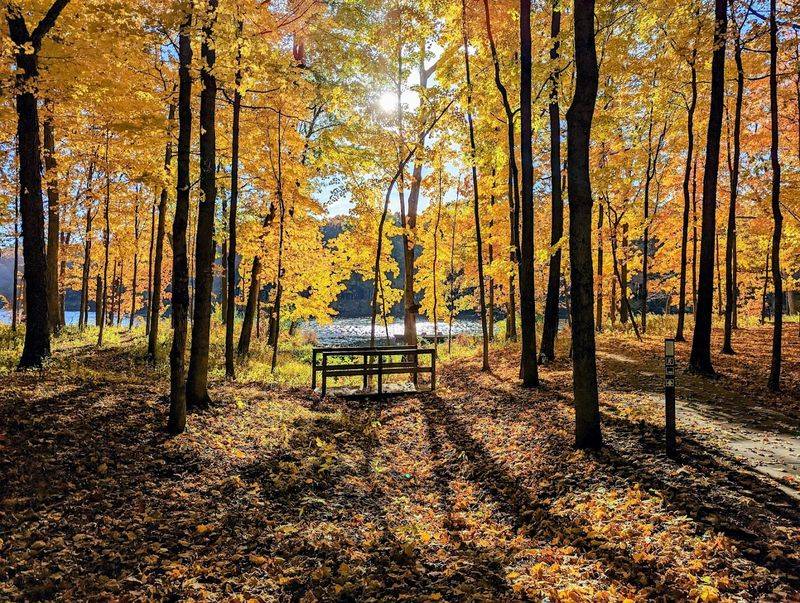
Quiet mornings at Walnut Point State Park hit differently when the fog is still sitting on the water and the only sound you hear is a great blue heron landing nearby.
Located near Oakland in Douglas County, this park wraps around a peaceful 60-acre lake that feels like it was designed specifically for people who need a break from everything loud.
Fishing is the main draw here, and the lake holds bass, bluegill, and channel catfish that keep anglers coming back season after season.
The park also has a boat launch, picnic shelters, and a playground, making it a genuinely comfortable day trip for families. You won’t find big crowds or long lines for parking, which is honestly a huge part of the appeal.
Fall is a spectacular time to visit because the surrounding hardwood forest turns into a patchwork of orange, red, and gold that reflects perfectly off the lake.
Camping is available on-site, so you can stretch your stay into a full weekend without much planning. If you want a relaxed, no-frills outdoor experience in east-central Illinois, Walnut Point delivers every single time.
2. Castle Rock State Park, Oregon
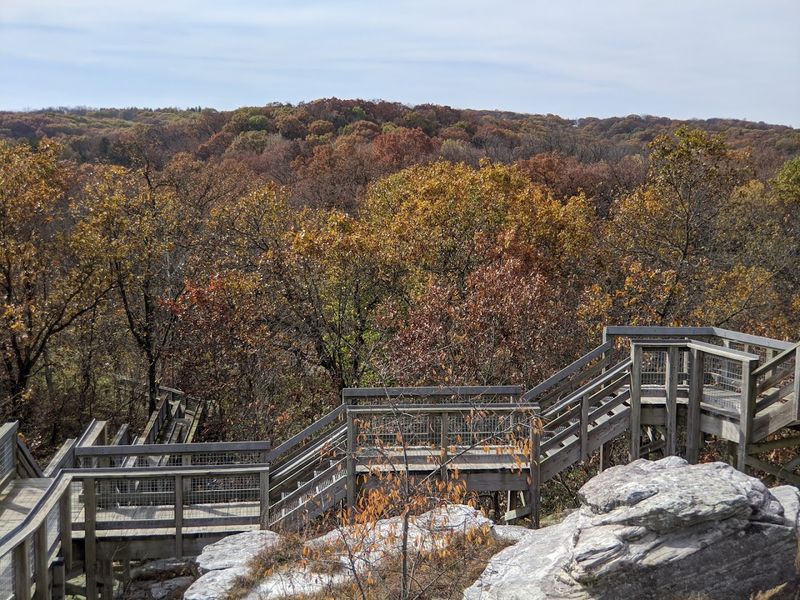
Perched above the Rock River in the small town of Oregon in Ogle County, Castle Rock State Park gets its name from the striking sandstone outcroppings that rise above the treeline and look out over the water below.
The views from the top of Castle Rock itself are genuinely impressive, especially on clear days when the river catches the light just right.
Hikers will find several well-maintained trails that wind through a mix of pine forest and open bluffs, offering a little variety even on shorter outings. The terrain is more rugged than you might expect for northern Illinois, which makes every visit feel a bit more adventurous than your average flat-land park experience.
Spring and early fall are the best seasons to visit, when wildflowers line the trail edges and the crowds stay manageable. The park is also close to Lowden State Park, so pairing both into a single day trip is very doable and highly recommended.
Rock River views, forest trails, and dramatic geology all in one compact park make Castle Rock one of northern Illinois’s most underappreciated outdoor destinations heading into 2026.
3. Lowden State Park, Oregon
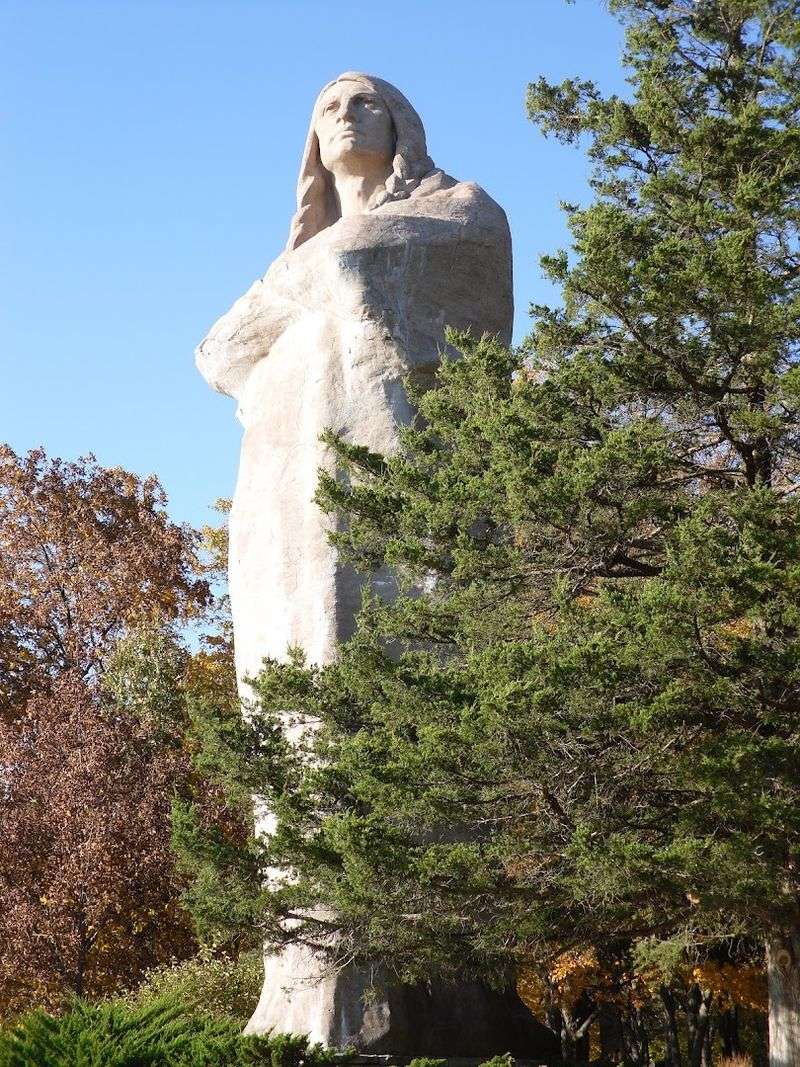
Standing 48 feet tall on a bluff above the Rock River, the monumental concrete statue of Black Hawk at Lowden State Park is one of the most striking and least-talked-about landmarks in all of Illinois.
Also located in Oregon, Ogle County, this park combines cultural history with genuinely beautiful river scenery in a way that feels completely unique.
The statue, formally known as “The Eternal Indian,” was sculpted by Lorado Taft and completed in 1911. Inspired in part by the Sauk leader Black Hawk, the statue stands as one of the largest monolithic concrete sculptures in the United States.
Just standing at its base and looking out over the Rock River gives you a sense of how carefully this site was chosen.
Beyond the statue, the park offers picnic areas, river access, and peaceful walking paths through wooded terrain. The combination of art, history, and natural beauty makes Lowden a genuinely layered experience rather than just a scenic overlook.
Visiting at sunset, when the light hits the statue from the west and the river glows below, is something I’d recommend to anyone passing through northern Illinois in 2026.
4. White Pines Forest State Park, near Mt. Morris and Polo
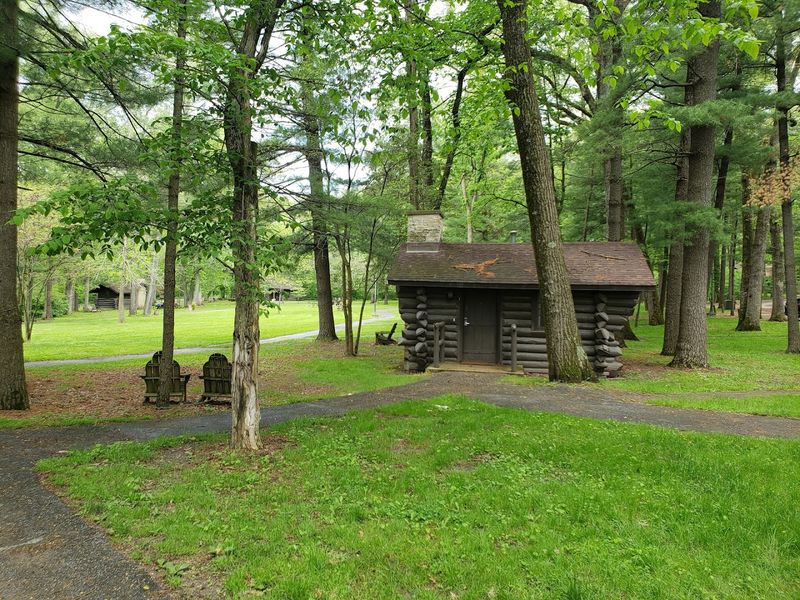
Something about walking through a stand of old-growth white pines that has been protected for generations feels almost surreal in a state as agriculturally developed as Illinois.
White Pines Forest State Park, located near Mt. Morris and Polo in Ogle County, protects one of the southernmost naturally occurring stands of white pines in the Midwest, which makes it genuinely rare.
The trees here are massive and old, and the forest floor stays cool and shaded even on warm summer days. Several miles of hiking trails loop through the pines and along Pine Creek, where the water runs clear over mossy rocks in a way that feels more like Wisconsin than central Illinois.
Birdwatching here is excellent, with species like red-breasted nuthatches and pileated woodpeckers showing up regularly.
The park also has a historic log cabin inn and restaurant built by the Civilian Conservation Corps in the 1930s, adding a layer of old-fashioned charm that most state parks simply don’t have.
Cabins are available for overnight stays, and they book up fast on fall weekends for good reason. White Pines is the kind of park that makes you wonder how it stayed off your radar for this long.
5. Chain O’Lakes State Park, Spring Grove
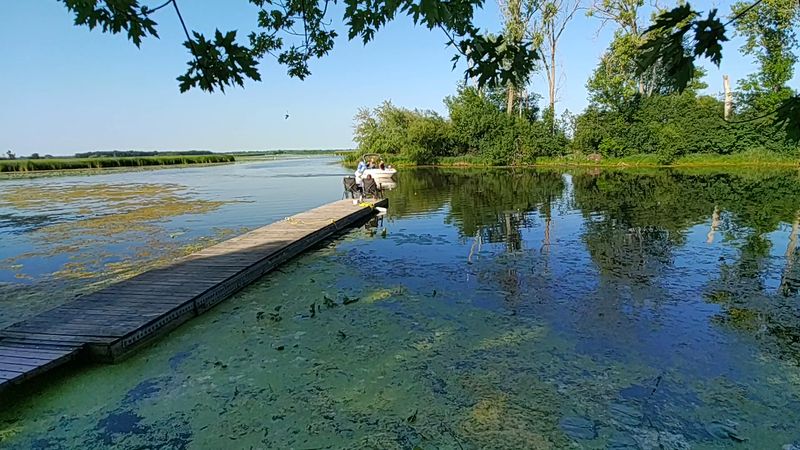
Water is everywhere at Chain O’Lakes State Park, and that’s exactly the point. Situated in Spring Grove in Lake County, this park sits at the heart of the Chain O’Lakes water system in far northeastern Illinois near the Wisconsin border, giving it a landscape that feels genuinely northern in character.
Boating, kayaking, and fishing are the top activities here, and the park’s boat launches give you direct access to some of the most beautiful paddling water in the entire state.
Largemouth bass, walleye, and northern pike are among the fish species that draw serious anglers from across the Midwest year after year. The wetland areas also support impressive populations of migratory birds, making spring and fall visits especially rewarding for anyone with binoculars.
Hiking trails wind through prairie and savanna habitats that are increasingly rare in northeastern Illinois, adding a land-based dimension to what could otherwise feel like a purely water-focused park. Camping facilities are well-maintained and surprisingly uncrowded compared to parks closer to Chicago.
If you want a multi-day outdoor adventure within easy driving distance of the city, Chain O’Lakes is one of the smartest choices you can make in 2026.
6. Beaver Dam State Park, Plainview
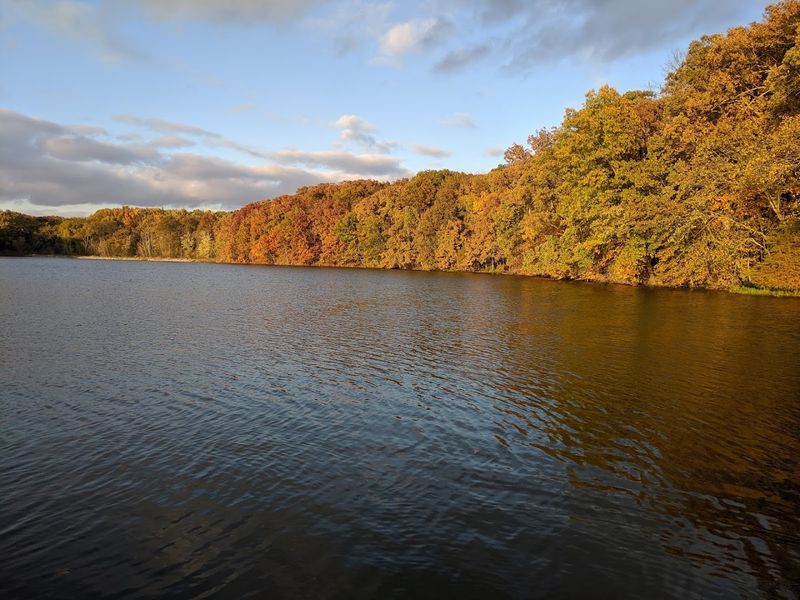
Beaver Dam State Park in Plainview, Macoupin County, has a reputation among Illinois fishing communities that it has never quite earned among the general public, and that gap is exactly what makes it worth highlighting here.
The 59-acre lake at the center of the park is stocked regularly and produces solid catches of bass, crappie, and bluegill for anglers who know where to look.
The park covers about 750 acres of rolling terrain, and the hiking trails here pass through a mix of upland forest, open fields, and wetland edges that support a wide variety of wildlife.
White-tailed deer sightings are common, and the birding along the lake edges is consistently good throughout the spring migration season. The overall pace of the park is slow and unhurried, which is a genuine selling point.
Camping at Beaver Dam is low-key and comfortable, with sites that offer enough tree cover to feel private without being cramped.
The park sits in central Illinois farm country, and the contrast between the surrounding flat agricultural land and the park’s wooded hills makes arriving here feel like a small discovery. Beaver Dam rewards visitors who appreciate quiet over spectacle, and that’s a rare and valuable thing.
7. Weinberg-King State Park, near Augusta
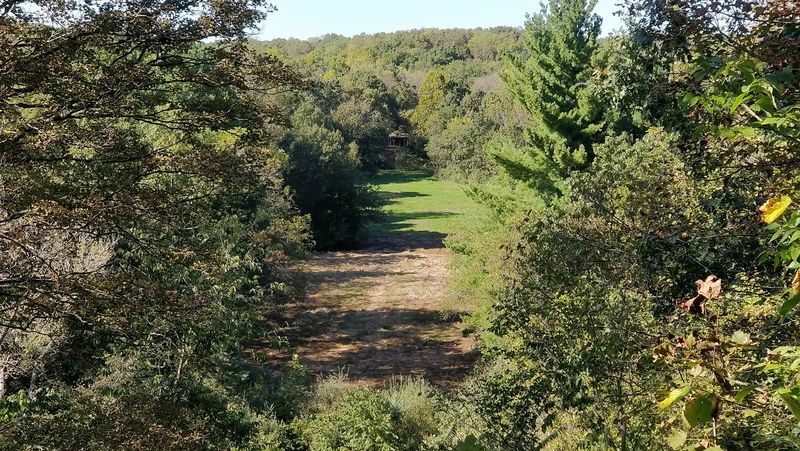
Not many people can point to Weinberg-King State Park on a map, and that’s a shame because what this place offers is something increasingly hard to find anywhere in the Midwest.
Located near Augusta in Schuyler County in western Illinois, the park protects a mix of prairie, oak savanna, and upland forest that represents a landscape type that once covered enormous portions of this region.
The sand prairie habitat here is botanically fascinating, supporting plant species adapted to dry, nutrient-poor soils that simply don’t grow in typical Illinois environments.
Wildflower blooms in late spring and early summer can be genuinely spectacular, with prickly pear cactus, sand milkweed, and blazing star all appearing in the same general area. That combination alone makes Weinberg-King unlike any other state park in Illinois.
Horseback riding trails are a notable feature here, and the park’s open terrain makes for long, satisfying rides through savanna and prairie landscapes. Hiking the same trails on foot gives you a slower, more detailed look at the plant and animal life that makes this ecosystem so special.
If ecological curiosity drives your travel choices, Weinberg-King should be near the top of your 2026 Illinois list.
8. Lake Murphysboro State Park, Murphysboro
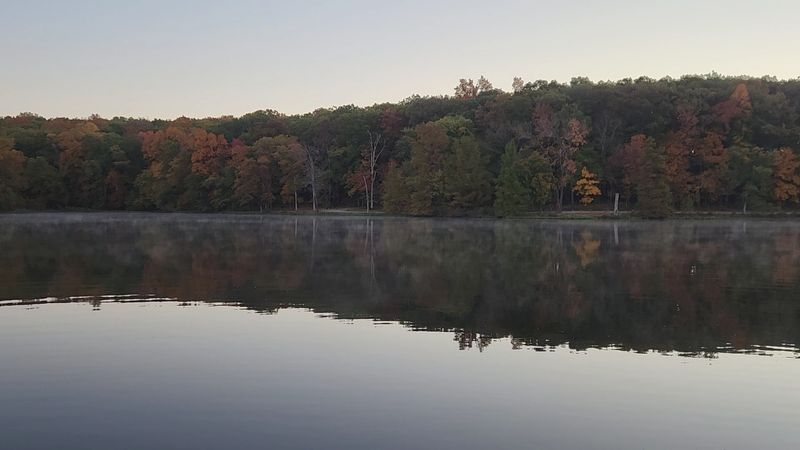
Southern Illinois has a different personality than the rest of the state, and Lake Murphysboro State Park captures that personality beautifully.
Located right outside Murphysboro in Jackson County, this park centers on a 145-acre lake surrounded by dense forest that feels closer in character to the Ozarks than to the flat corn belt most people associate with Illinois.
Fishing on Lake Murphysboro is excellent, with largemouth bass, channel catfish, and bluegill all present in healthy numbers. The park also has boating access, picnic areas, and seasonal services, which makes it a full-day destination rather than just a quick stop.
Families with kids tend to find it especially satisfying because there are multiple activities to rotate through without ever leaving the park, though some services may be seasonal or limited.
The surrounding Shawnee National Forest is just a short drive away, so combining a stay at Lake Murphysboro with day trips into the Shawnee is a very natural and rewarding itinerary.
The campground here is shaded, well-spaced, and sits close enough to the water that you can hear it at night. Southern Illinois is one of the most underestimated travel regions in the Midwest, and Lake Murphysboro is a great entry point into everything it has to offer.
9. Fort Massac State Park, Metropolis
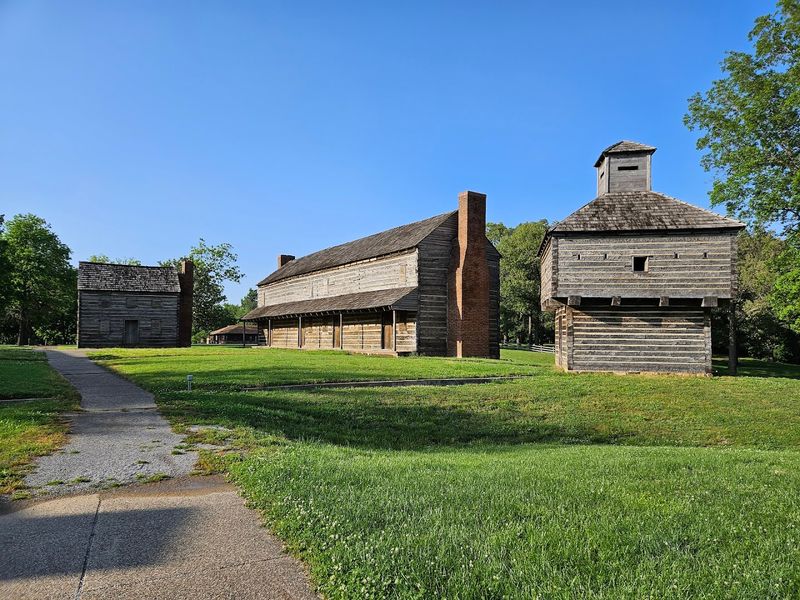
Illinois’s very first state park carries a story that stretches back centuries, and Fort Massac in Metropolis, Massac County, wears that history openly and without apology.
Established as a state park in 1908, Fort Massac sits on the northern bank of the Ohio River and marks the site of a French military fort originally built in 1757, making it one of the oldest European fortification sites in the entire Midwest.
A reconstructed version of the fort stands near the original site and gives visitors a tangible sense of what frontier military life looked like in the 18th century.
The on-site museum adds depth to the experience with artifacts and exhibits covering French, British, and American occupation of the site across different eras. History enthusiasts will find more than enough to keep them engaged for several hours.
The Ohio River views from the park are wide and impressive, and the riverbank area offers a peaceful place to sit and watch barge traffic move through.
An annual encampment event each October brings the fort’s history to life with costumed interpreters and period demonstrations that draw visitors from across the region. Fort Massac is the kind of place that makes Illinois history feel genuinely exciting rather than like a classroom obligation.
10. Cave-in-Rock State Park, Cave-in-Rock
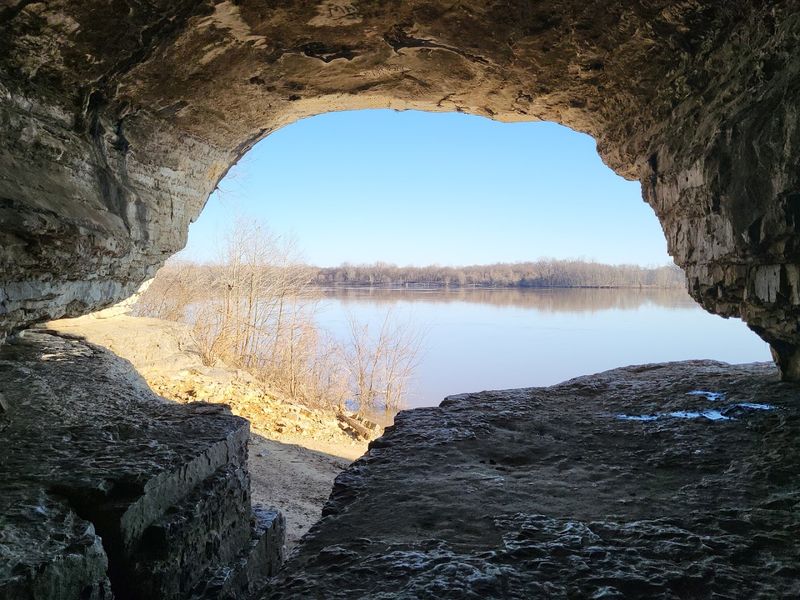
Few natural features in Illinois are as dramatically unusual as the massive cave that gives Cave-in-Rock State Park its name.
Located in the tiny town of Cave-in-Rock in Hardin County along the Ohio River, this park centers on a massive natural limestone cave about 55 feet wide that cuts horizontally into the river bluff and opens directly onto the water below.
The cave has a genuinely colorful past. In the late 1700s and early 1800s, it served as a hideout for river pirates who preyed on flatboats traveling down the Ohio.
That history is well-documented and adds a layer of intrigue to what is already a visually striking natural formation. Standing inside the cave and looking out at the Ohio River through that wide stone frame is an experience that’s hard to describe accurately and even harder to forget.
The park also has a campground, picnic areas, and hiking trails along the river bluffs that offer outstanding views of the Ohio and the Kentucky shoreline across the water. A free ferry service operates nearby for those who want to cross into Kentucky for the day.
Cave-in-Rock is the kind of place that rewards curiosity and makes you glad you took the road less traveled through southern Illinois.