
12 Gorgeous Colorado Towns You Should Visit In 2026
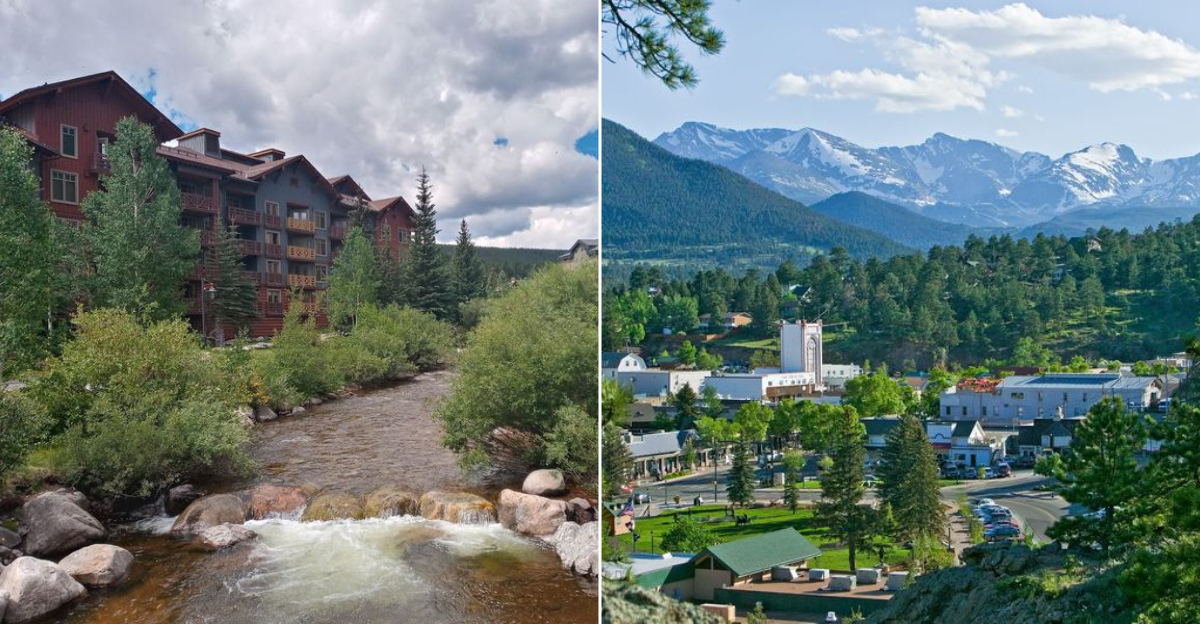
Colorado has a way of making you feel like you stumbled onto a movie set that nobody told you about. From ski resorts draped in fresh powder to sleepy river towns buzzing with wildflowers, the state packs more beauty per square mile than almost anywhere else in the country.
Sunrises spill across rugged peaks while golden light settles over open fields and winding highways. Travelers find themselves slowing down, breathing deeper, and noticing small details they might otherwise miss.
Whether you are planning a family road trip, a romantic weekend escape, or a solo adventure, these twelve towns deliver the kind of memories that linger long after the drive home. In Colorado, every season feels distinct, offering snowy thrills, blooming valleys, and crisp autumn afternoons.
Pack your bags, charge your camera, and get ready for a year worth talking about and stories you will share again and again with friends.
1. Aspen, Colorado
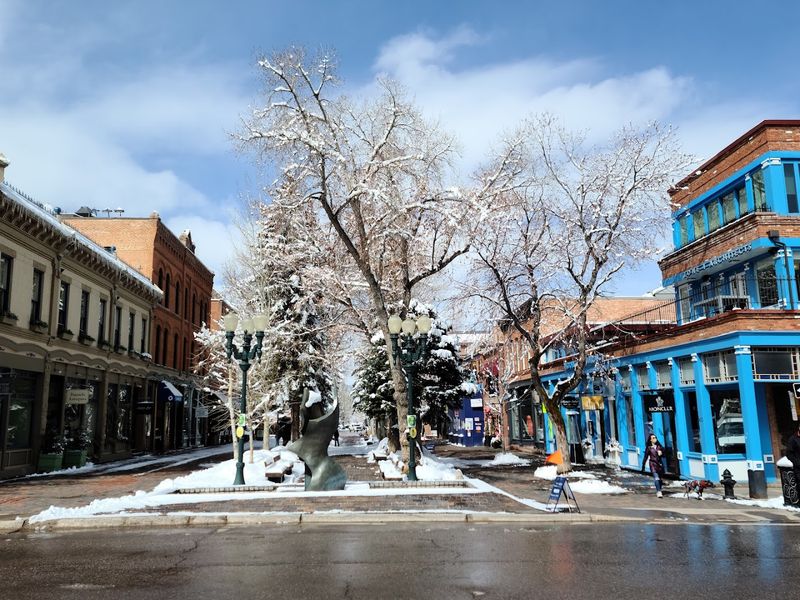
There is a reason people keep coming back to Aspen even when they swear the crowds are too much. Sitting at around 7,900 feet in the Roaring Fork Valley, Aspen manages to feel both wildly glamorous and surprisingly grounded, especially once you wander past the designer boutiques and find the hiking trails that snake up into the Elk Mountains.
The town itself is compact and walkable, which means you can cover a lot of ground without a car, a rare luxury in Colorado mountain towns.
Summer here is genuinely underrated. The ski slopes transform into hiking and mountain biking corridors, the Aspen Music Festival fills the air with live performances, and the wildflowers along the Maroon Bells road are the kind of sight that makes you pull over and just stand there for a while.
I once spent an entire morning doing exactly that, coffee cooling in my hand, completely unable to justify moving on.
Winter, of course, is when Aspen earns its postcard reputation. Four ski mountains, including Snowmass and Aspen Highlands, surround the town, giving skiers and snowboarders a range of terrain that could keep you busy for a week without repeating a run.
But even non-skiers find plenty to do, from snowshoeing to sleigh rides to warming up at cozy downtown restaurants.
The Aspen City Hall sits at 427 Rio Grande Place, and the surrounding area gives you a good anchor point for exploring the town on foot. Spring shoulder season is quieter and cheaper, which is when I personally love visiting.
Fewer crowds, softer light on the mountains, and a town that feels like it is exhaling. That version of Aspen is the one worth planning your whole trip around.
2. Breckenridge, Colorado
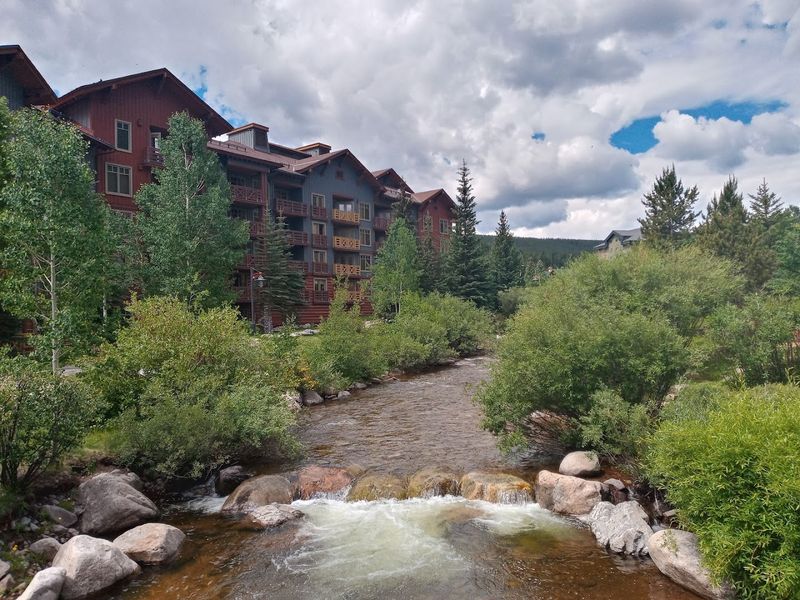
Few towns in Colorado wear their history as proudly as Breckenridge. Founded during the gold rush of 1859, the town has preserved its Victorian-era Main Street so well that walking down it feels like flipping through a living history book, except with better coffee shops and a surprising number of excellent tacos.
The wooden storefronts and painted facades give the whole place a warm, storybook quality that photographs embarrassingly well.
Sitting at over 9,600 feet, Breckenridge is one of the highest incorporated towns in the United States, which means the mountain scenery is not just a backdrop, it is everywhere you look. The ski resort sprawls across four interconnected peaks and consistently ranks among the most visited in North America.
But here is what most people overlook: the shoulder seasons are spectacular. Late September brings golden aspen trees that practically glow against the blue sky, and the crowds thin out just enough to make the whole place feel like a personal discovery.
Summer brings a different energy entirely. The Blue River runs right through town, offering easy access to fishing and tubing.
The trail network around Breckenridge is extensive, ranging from casual lakeside walks to serious summit climbs. I spent a full afternoon on the Burro Trail once and came back to town feeling like I had actually earned my dinner, which made the meal taste considerably better.
Families do especially well here. The town is compact, the visitor center in central Breckenridge at Colorado 80424 is a great first stop for maps and local tips, and the overall vibe is welcoming without being stuffy.
Whether you come in January or July, Breckenridge has a way of exceeding whatever expectations you arrived with, which is the highest compliment I know how to give a town.
3. Buena Vista, Colorado
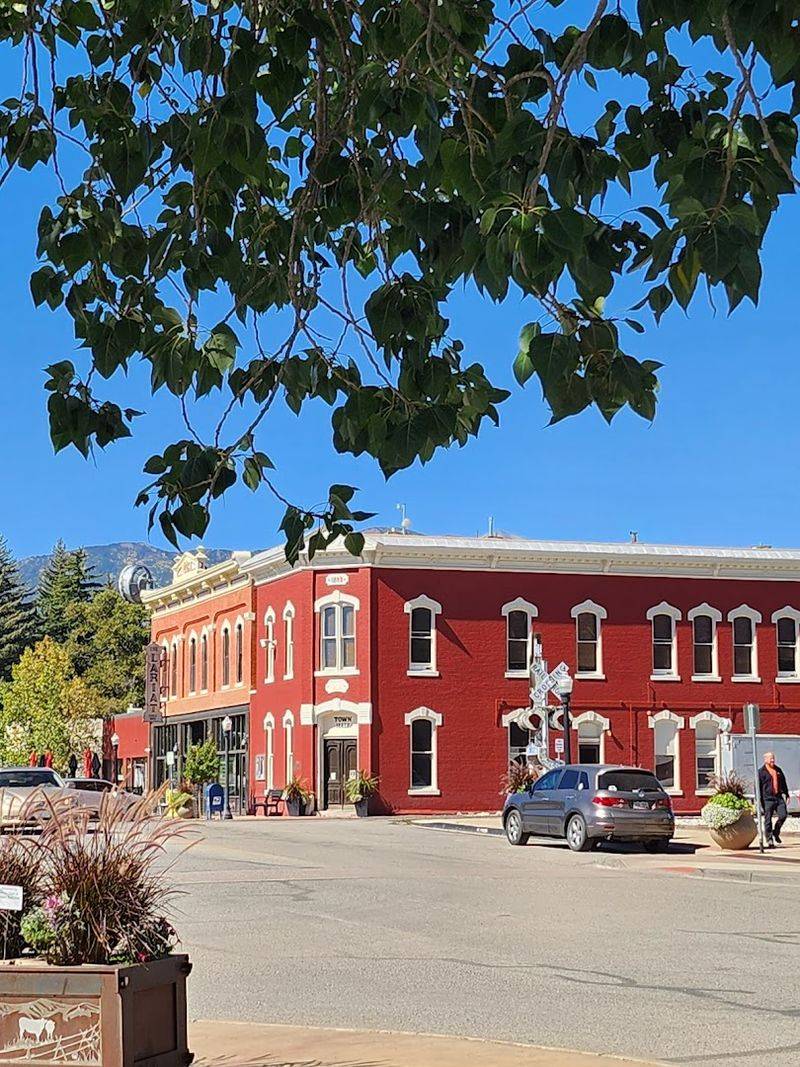
Buena Vista is the kind of town that outdoor enthusiasts discover and then immediately start telling everyone they know about, sometimes with a slightly possessive edge, as if they found it themselves. Surrounded by fourteen fourteeners, the Collegiate Peaks that ring the valley are among the most dramatic in the entire state, and on a clear morning they reflect off the Arkansas River in a way that stops you mid-sentence regardless of what you were saying.
The Arkansas River running through Buena Vista is world-class whitewater rafting territory. Browns Canyon National Monument, just downstream, offers everything from gentle floats suitable for first-timers to technical rapids that will make experienced paddlers grin like they are twelve years old again.
Several outfitters in town run guided trips, and the whole experience is far less intimidating than it sounds. I was nervous my first time and converted completely by the second bend in the river.
Beyond the water, the town itself has grown into a genuinely charming small-town destination. East Main Street, where the Town Hall sits at 210 East Main Street, anchors a walkable strip of local restaurants, coffee roasters, and outdoor gear shops that reflect the adventurous character of the place without feeling forced or manufactured.
The craft beer scene has also blossomed quietly over the past several years.
Hot springs are another draw, with multiple soaking facilities within a short drive. After a day of hiking or rafting, sliding into warm mineral water with the Collegiate Peaks visible overhead is an experience that borders on absurd in the best possible way.
Visit in late spring when the river is running high and the wildflowers are just starting, or in fall when the aspens turn the whole valley gold. Either way, Buena Vista earns every minute of the drive to get there.
4. Crested Butte, Colorado
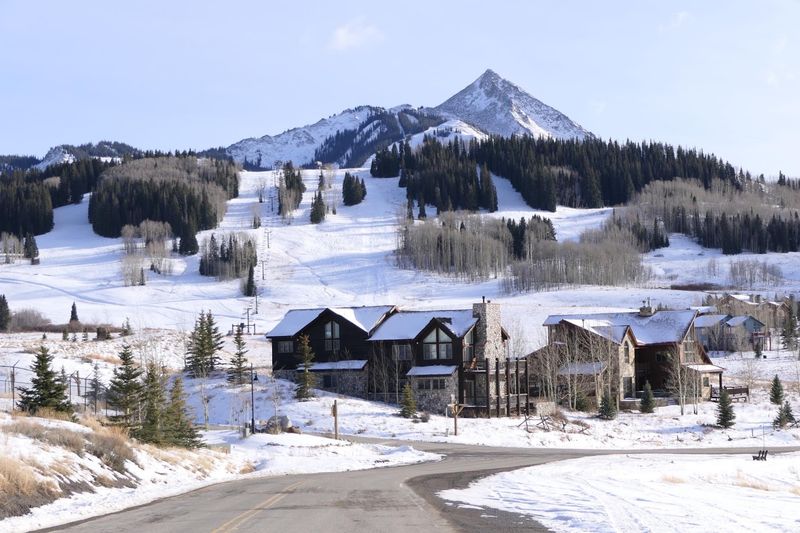
Crested Butte holds the unofficial but fiercely defended title of Wildflower Capital of Colorado, and if you visit in July, you will understand immediately why nobody is rushing to challenge it. The meadows surrounding the town erupt in waves of columbine, paintbrush, and lupine so vivid that even seasoned hikers stop and pull out their cameras in genuine disbelief.
The Gothic Valley north of town is particularly spectacular, and the road there is easy enough for most vehicles.
What I love most about Crested Butte is that it still feels like a real town rather than a theme park version of one. The historic district along Elk Avenue is packed with locally owned restaurants, galleries, and outfitters that have resisted the homogenization that has softened the edges of some other mountain towns.
The painted Victorian buildings and the general lack of chain establishments give Crested Butte a personality that feels earned rather than engineered.
Skiing here has a devoted following for good reason. Crested Butte Mountain Resort is known for serious terrain, including some of the steepest in-bounds runs in North America, but the beginner and intermediate trails are genuinely enjoyable too.
The town sits at about 8,900 feet and the resort rises considerably above that, so the views from the upper lifts are the kind that make you forget you were supposed to be skiing.
The Town Hall at 507 Maroon Ave is a good orientation point when you first arrive. From there, everything in the historic district is walkable, and the local information boards are genuinely useful for trail conditions and event listings.
Crested Butte rewards slow travel more than almost any other Colorado town I know. Come with a flexible schedule and no particular agenda, and it will fill your days better than any itinerary could.
5. Durango, Colorado
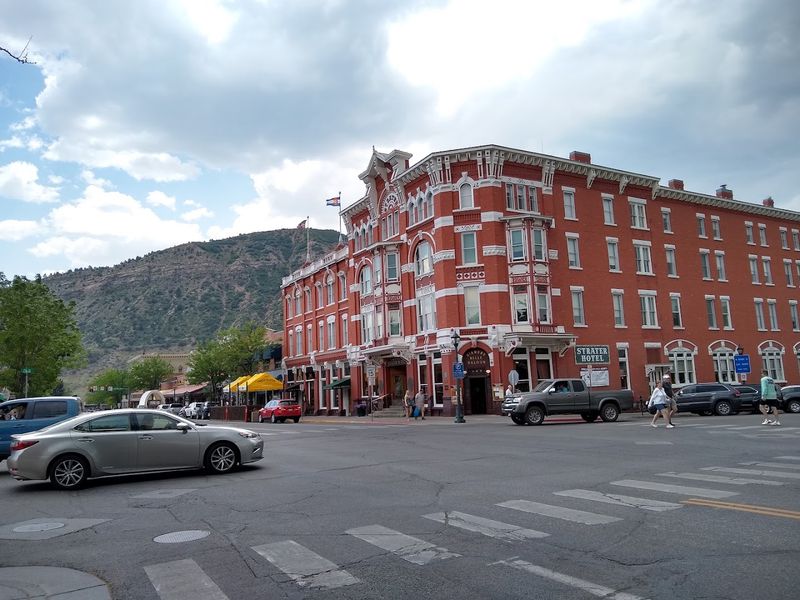
Durango is one of those towns that operates at a slightly higher frequency than everywhere else, as if someone turned up the contrast on all the colors and forgot to turn it back down. Nestled in the La Plata Mountains in southwestern Colorado, it has been a basecamp for outdoor adventure since the late 1800s, and it wears that heritage with the easy confidence of a town that has never needed to try too hard to impress visitors.
The Durango and Silverton Narrow Gauge Railroad is the town’s most iconic attraction, and it genuinely lives up to the hype. A coal-fired steam locomotive hauls passengers through the Animas River canyon on a route that has been running continuously since 1882, which makes it one of the oldest operating railroads of its kind in the country.
The scenery along the way is dramatic enough to make even the most phone-addicted traveler put the screen down and just look.
Beyond the railroad, Durango is surrounded by mountain biking trails that attract riders from across the country. The town has hosted national championships and produced professional riders, and the trail network ranges from smooth beginner paths to technical terrain that will humble even experienced riders.
The Animas River Trail running through town is a pleasant warm-up for any level.
The Durango Visitor Center at 802 E 2nd Ave is well-staffed and genuinely helpful, especially if you want to coordinate activities across several days. The downtown strip along Main Avenue has a lived-in quality that makes it easy to spend an afternoon wandering between bookshops, local breweries, and restaurants serving everything from green chile to wood-fired pizza.
Durango does not compete with flashier Colorado towns because it does not need to. It simply does what it does, consistently and well.
6. Estes Park, Colorado
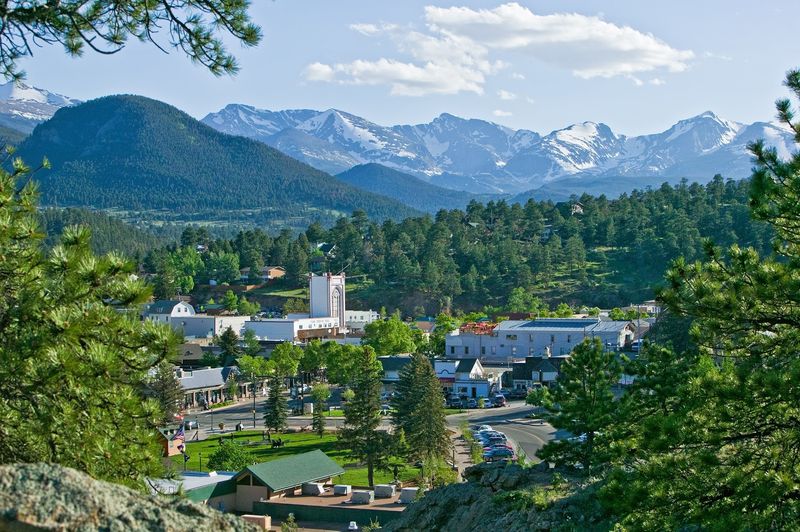
Estes Park sits at the eastern entrance to Rocky Mountain National Park like a very enthusiastic welcome committee. At around 7,500 feet, the town offers stunning views in every direction, and the proximity to one of the most visited national parks in the United States means there is always something worth doing within a short drive.
The elk that wander through town during fall rut are a local spectacle that draws visitors from across the country, and rightfully so.
Rocky Mountain National Park itself is the main event, and Trail Ridge Road, which runs through the park and reaches over 12,000 feet, is one of the most breathtaking drives in North America. The alpine tundra up top feels genuinely otherworldly, especially if you are coming from lower elevations.
Wildflower season in early summer and the golden aspen weeks of September are the two peak windows I would most strongly recommend for a visit.
The town of Estes Park has worked hard to become more than just a gateway. The Stanley Hotel, which famously inspired Stephen King’s novel The Shining, offers tours and is worth seeing even if you are not staying there.
The downtown area along Elkhorn Avenue is walkable and lined with shops, fudge makers, and restaurants that skew toward families and casual tourists, which is exactly the energy the town leans into without apology.
The Estes Park Visitor Center at 500 E Elkhorn Ave is one of the better-stocked in Colorado and a smart first stop for park passes and trail maps. Timed entry permits for Rocky Mountain National Park are required during peak season, so plan ahead to avoid disappointment.
Book accommodations early if you are visiting in July or August, as the town fills up quickly. Estes Park rewards patience and preparation in equal measure.
7. Ouray, Colorado
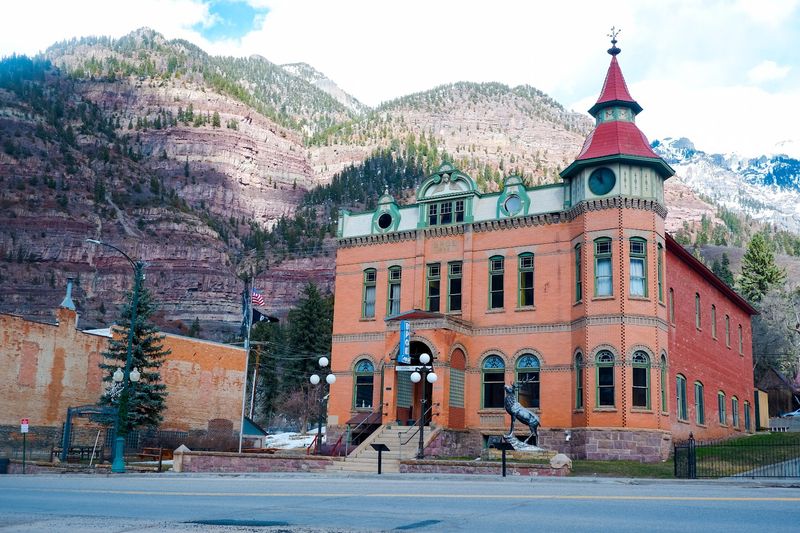
Calling Ouray the Switzerland of America might sound like tourist brochure hyperbole until you actually drive into the Uncompahgre Gorge and see the town tucked into its narrow mountain bowl with sheer cliff walls rising on three sides. Then it just sounds accurate.
The San Juan Mountains surrounding Ouray are among the most rugged and photogenic in the entire Rocky Mountain chain, and the town itself, with its Victorian architecture and hot springs, feels like a reward for making the drive.
The Ouray Hot Springs Pool is a year-round anchor for visitors, fed by natural mineral springs and set against the backdrop of the canyon walls. Soaking in warm water while snow falls on the mountains above you is an experience that sits firmly in the category of things you will describe to people for years afterward.
The pool is clean, well-maintained, and genuinely relaxing in a way that commercial spas rarely manage.
Ice climbing has turned Ouray into a winter pilgrimage destination for a very specific and passionate crowd. The Ouray Ice Park, created by channeling natural springs into a steep gorge, produces hundreds of ice climbing routes each winter and draws climbers from around the world.
You do not need to be a climber to appreciate it, the viewing paths above the gorge offer a spectacular and slightly terrifying perspective on the sport.
Summer brings hikers to trails like the Perimeter Trail and the road to Engineer Pass, while the Million Dollar Highway stretching south toward Silverton is one of the most dramatic drives in Colorado. The Ouray Chamber of Commerce at 303 6th Ave is a friendly and helpful starting point for any visit.
Ouray rewards those who linger, so if your schedule allows, stay at least two nights and let the town reveal itself at its own pace.
8. Telluride, Colorado
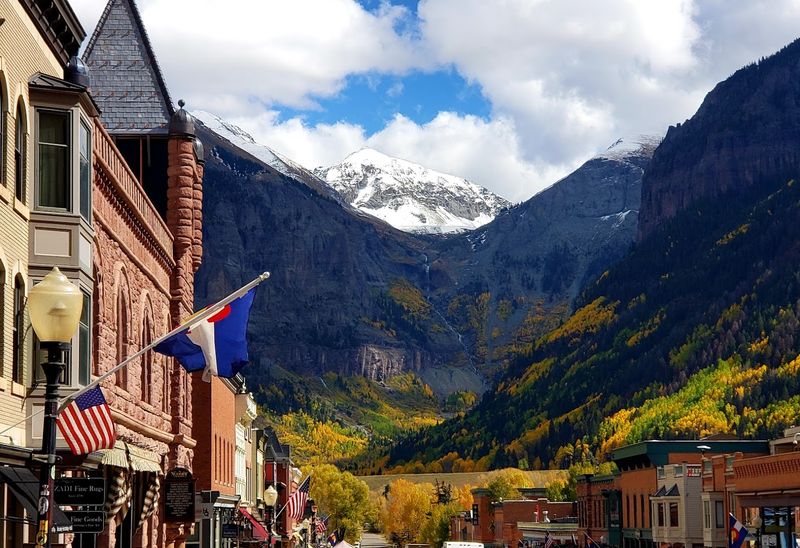
Telluride occupies a box canyon in the San Juan Mountains with the kind of geographic drama that feels almost deliberately theatrical. The town sits at the end of a dead-end valley, hemmed in on three sides by canyon walls that rise nearly straight up, and a 365-foot waterfall spills down the rock face at the head of the canyon as if the landscape is showing off.
Getting there requires a bit of effort, which may be exactly why the town has managed to hold onto a character that feels genuinely distinctive.
The festival calendar here is extraordinary. The Telluride Film Festival, the Telluride Bluegrass Festival, and a rotating lineup of music and arts events fill the summer calendar with an energy that makes the town feel simultaneously laid-back and electric.
I attended the bluegrass festival once on a whim and ended up staying an extra day because the combination of world-class music and mountain air at 8,750 feet was simply too good to leave on schedule.
Skiing in winter is exceptional, with terrain spread across three distinct peaks and a gondola that connects the historic town to the Mountain Village above, offering free rides and genuinely spectacular views. The ski area caters to intermediate riders particularly well, though the expert terrain is serious enough to keep strong skiers occupied for a full week.
The Telluride Visitor Information Center at 300 W Colorado Ave is right in the heart of the historic district and a natural starting point for any visit. Colorado Avenue itself is the main street, lined with restaurants, galleries, and shops that reflect a community that cares about quality and local character.
Telluride is not the easiest Colorado town to reach, but the people who make the trip rarely wish they had gone somewhere else instead.
9. Vail, Colorado
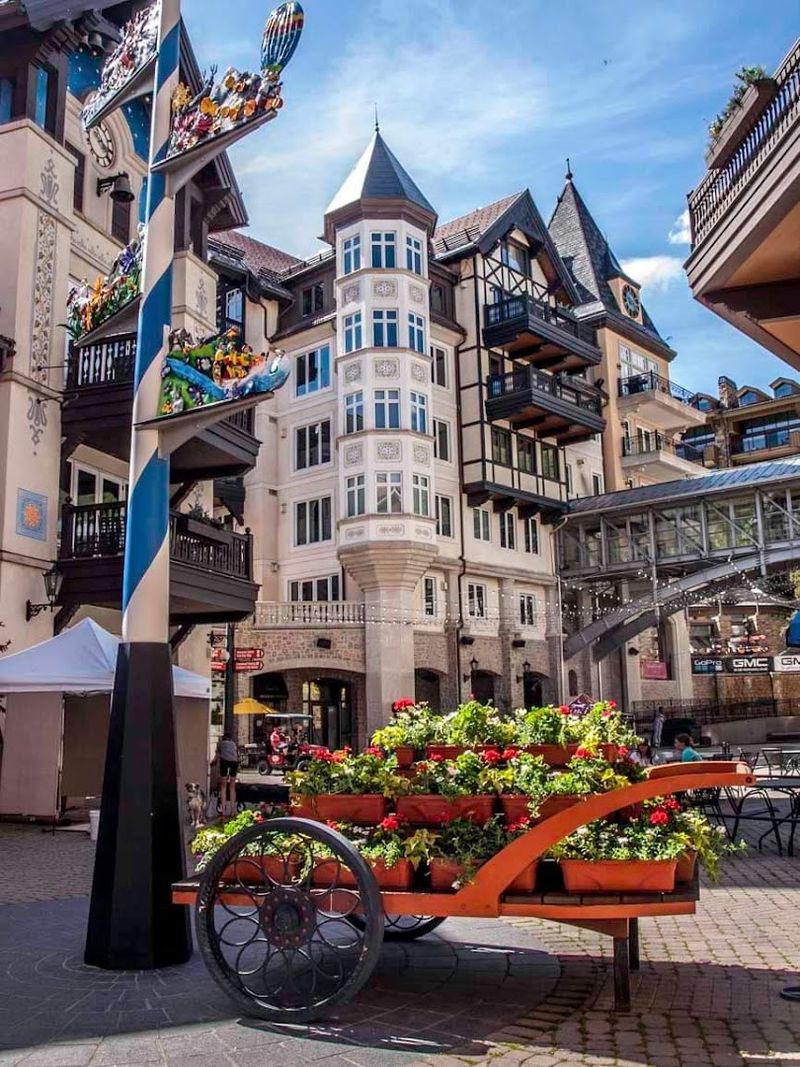
Vail was essentially built from scratch in the early 1960s on a vision of what an American ski village could look like if it borrowed freely from the Tyrolean Alps, and the result is a town that feels like it arrived fully formed with an architectural committee and a very specific aesthetic in mind. That could easily come across as artificial, but Vail has spent sixty-plus years growing into its own identity, and what you find today is a place that manages to feel both polished and genuinely welcoming.
The ski mountain is objectively massive. With over 5,000 acres of skiable terrain and the famous Back Bowls stretching behind the main ridgeline, Vail consistently ranks among the largest ski resorts in the country.
The powder days in the Back Bowls, particularly after a significant storm, are the kind of skiing that makes you understand why people structure their entire winters around being here. Even average days on the mountain are better than great days at most other resorts.
Summer in Vail is a quieter and considerably less expensive version of the town, and I find it genuinely appealing. The Gerald R.
Ford Amphitheater hosts concerts and events against a mountain backdrop, the hiking and biking trails are extensive, and the pedestrian village fills with a more relaxed crowd that seems genuinely happy to be there. The wildflower meadows above the town in July are a legitimate destination in their own right.
The Vail Visitor Center at 130 W Banff Ave is easy to find and well-equipped for trip planning. Parking can be challenging during peak ski season, so arriving by shuttle from Denver or staying in the village itself makes the logistics considerably smoother.
Vail rewards visitors who lean into its particular brand of mountain luxury without taking it too seriously, which turns out to be the most enjoyable way to experience it.
10. Steamboat Springs, Colorado
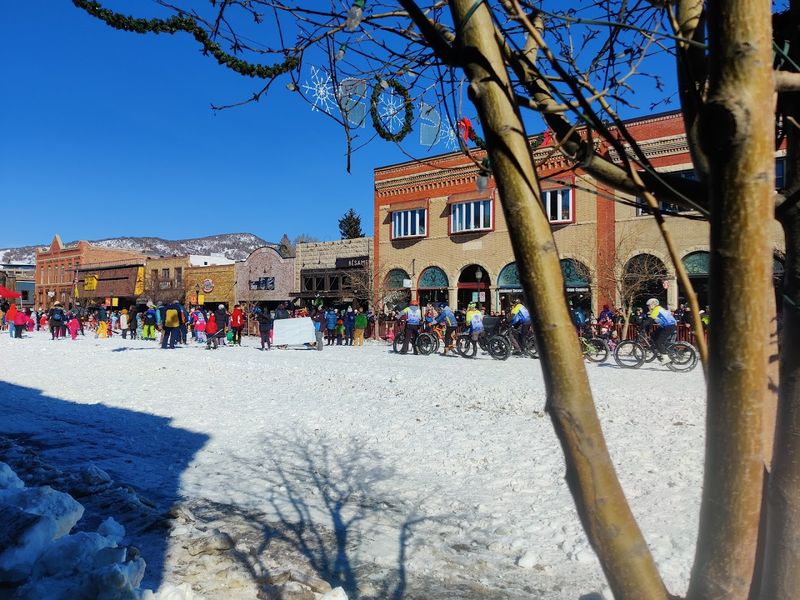
Steamboat Springs has a split personality that somehow works perfectly. Half of it is a serious ski destination famous for Champagne Powder, the trademarked term for the remarkably light, dry snow that falls here in prodigious quantities each winter.
The other half is a genuine working ranching community that has been hosting rodeos and running cattle through the valley since before skiing was even a concept here. The combination gives Steamboat a warmth and authenticity that is harder to find in more resort-focused mountain towns.
The skiing at Steamboat Resort is consistently excellent, with over 2,900 acres of terrain and a snowfall record that attracts powder hunters from across the country. The tree skiing through the glades is particularly beloved by those in the know, and the resort does an unusually good job of catering to families without sacrificing challenge for stronger skiers.
The base area village has enough restaurants and shops to keep non-skiers happy without feeling overwhelming.
Strawberry Park Hot Springs, located a few miles north of town on a dirt road, is one of my favorite hot springs experiences in all of Colorado. The setting is rustic and intimate, the water genuinely hot, and the night soaking under a clear mountain sky with snow on the surrounding hills is the kind of experience that recalibrates whatever stress you arrived with.
The road can require four-wheel drive in winter, so check conditions before heading up.
The Steamboat Springs Chamber at 1200 Lincoln Ave is a great resource for both ski information and warm-weather activity planning. Lincoln Avenue itself is the main drag, lined with western-flavored shops and restaurants that feel more genuine than manufactured.
Steamboat Springs is the Colorado mountain town that ranch families and ski families can both love equally, which is a rarer combination than it sounds.
11. Palisade, Colorado
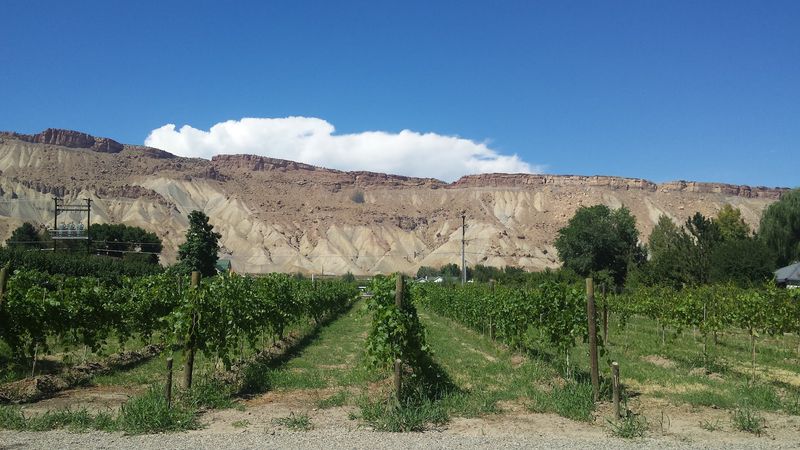
Palisade sits in the Grand Valley near Grand Junction, and it operates on a completely different wavelength from the mountain towns that dominate most Colorado travel conversations. Instead of ski lifts and alpine meadows, Palisade offers something equally compelling: rows of grapevines stretching toward a sandstone canyon backdrop, roadside stands piled with peaches so ripe they require napkins, and a wine scene that has quietly matured into one of the most interesting in the Rocky Mountain region.
The Palisade Peach is a regional institution. Grown in the warm, semi-arid climate of the Grand Valley and benefiting from the temperature swings between hot days and cool nights, these peaches develop a sweetness and depth of flavor that commercial varieties rarely match.
The harvest season runs roughly from late July through September, and driving the back roads during that window, stopping at farm stands and eating peaches over the sink of your rental kitchen, is a genuinely lovely way to spend a morning.
The wine trail through Palisade connects over two dozen wineries and tasting rooms, ranging from large established operations to small family-run labels. The varietals that thrive here, including Syrah, Merlot, and Riesling, reflect the unique terroir of a high-altitude desert wine region that most people outside Colorado have not yet discovered.
That window of relative obscurity is, in my opinion, the best time to visit.
The Town Hall at 341 W 5th St sits in a community that feels genuinely proud of what it grows and produces. Palisade pairs beautifully with a stop in Grand Junction, making a two-day western Colorado loop that feels completely different from the mountain circuit but equally rewarding.
If your Colorado trips have always followed the ski resort trail, Palisade is the detour that will make you rethink the whole itinerary.
12. Glenwood Springs, Colorado
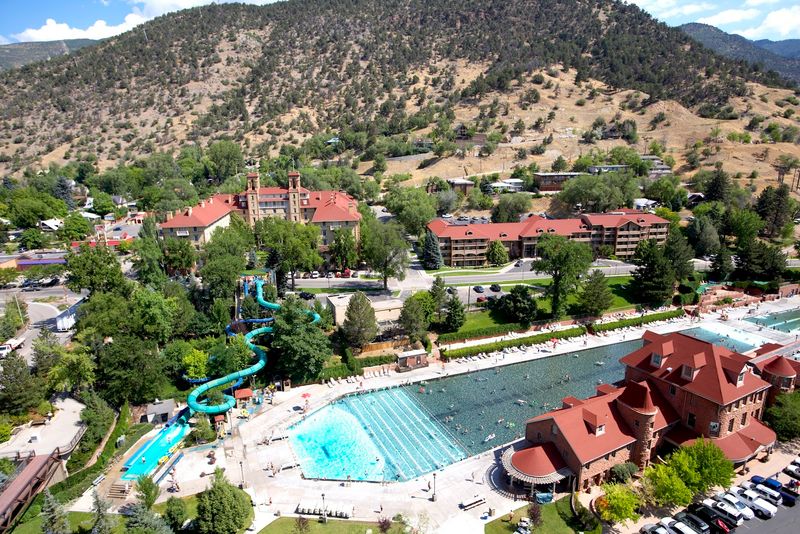
Glenwood Springs has one of the best natural calling cards of any town in Colorado: the world’s largest hot springs pool, set dramatically at the confluence of the Roaring Fork and Colorado rivers, with red canyon walls rising on either side. The Glenwood Hot Springs Resort has been drawing visitors since the 1880s, when it was popular with wealthy Victorian tourists and at least one sitting president.
Teddy Roosevelt reportedly loved it here, and honestly, his taste in landscapes was impeccable.
The Glenwood Canyon stretching east of town along Interstate 70 is one of the most spectacular highway corridors in the country. The Colorado River carved a thousand-foot-deep canyon through solid granite, and the road follows the river so closely through the gorge that driving it feels like threading through a slot canyon at highway speed.
The recreational trail running through the canyon is equally impressive and accessible for cyclists and walkers who want to experience it at a slower pace.
Glenwood Caverns Adventure Park, perched on top of Iron Mountain above the town and accessible by aerial gondola, offers cave tours and thrill rides with views that are genuinely staggering. The Fairy Caves inside the mountain have been a tourist attraction since the late 1800s, and the combination of geological wonder and adrenaline-fueled rides makes it an unexpectedly compelling stop for families traveling with kids of various ages.
The Glenwood Springs Visitor Center at 814 Grand Ave is right in the heart of the walkable downtown, which has a pleasant mix of local restaurants and shops that benefit from the steady stream of I-70 travelers stopping to soak. Glenwood Springs works beautifully as a standalone destination or as a midpoint on a longer Colorado road trip, connecting the Western Slope to the mountain resort corridor with style and a reliable supply of warm mineral water.