
The Sleepy North Carolina River Town With A Pirate Story In The Background
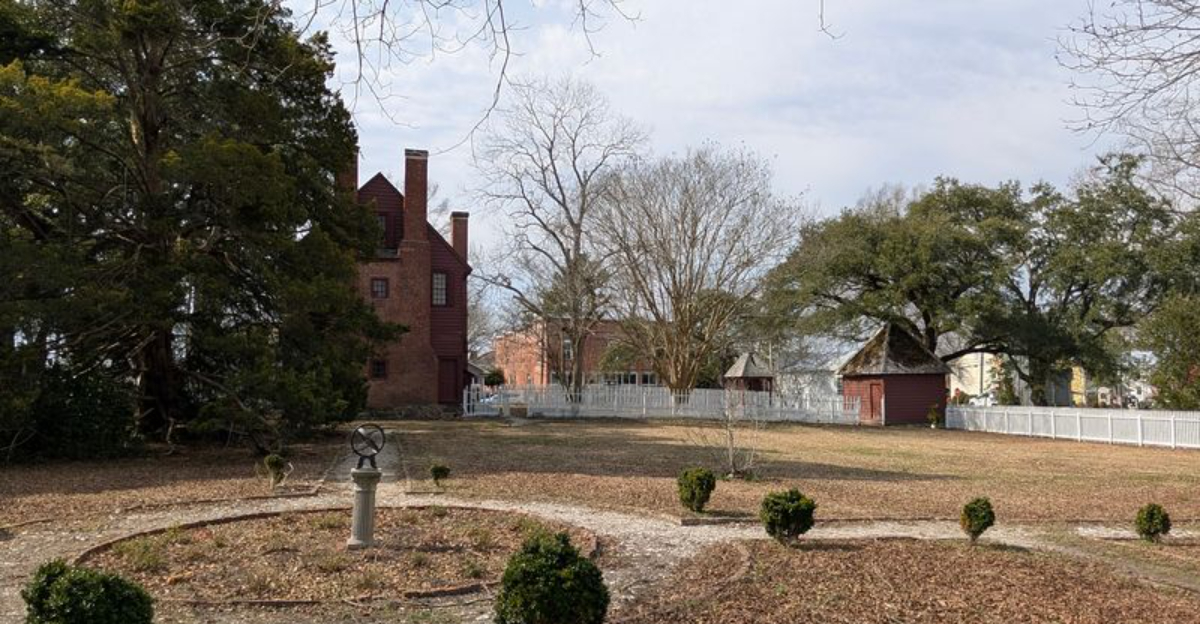
Legend says a breeze once brought a whisper of rumbling oars and salty sea stories here. Long after the last ship slipped away.
One minute I was staring at a quiet river bend that looked like it had time‑traveled from a postcard, and the next, I could almost hear ghost tales of a notorious pirate who once tried to make this place home.
It was like walking into a storybook where the pages had been gently curled by wind and history, and every old brick seemed to hum, “Come closer.” Goosebumps crawled up my arms, through me they passed, and I swear you can feel them too when you stand where centuries of whispers haven’t quite faded.
This isn’t just any riverside town, it’s where legends once anchored.
The Blackbeard Connection That Changes Everything
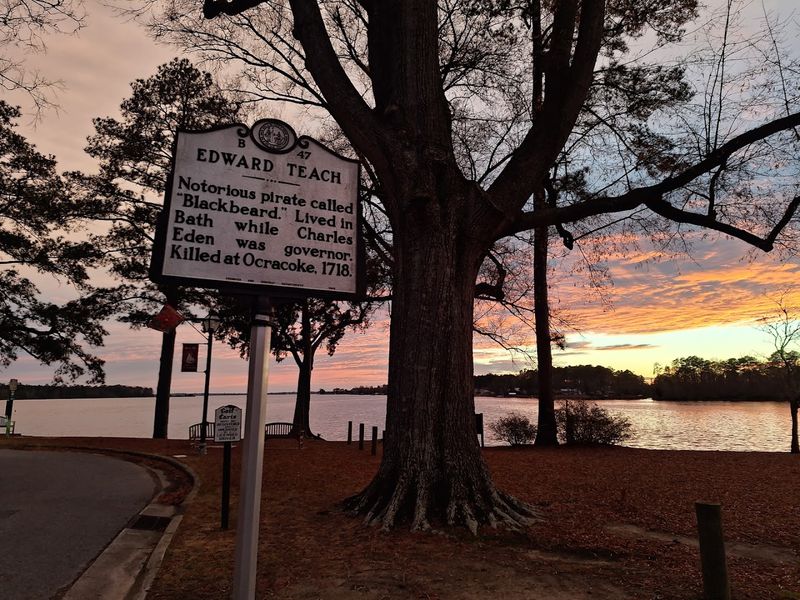
Nobody warns you that a town this quiet once hosted one of history’s most famous pirates. Bath, North Carolina, was home to Edward Teach, better known as Blackbeard, and discovering this felt like a total surprise.
He didn’t just pass through, in 1718, he received a royal pardon here and settled for a time, reportedly owning a house in town. The man who sailed the Atlantic coast was, for a while, a neighbor in this tiny river village.
Walking Bath’s streets with that history in mind made every creaky wooden floorboard feel full of stories. I pictured Blackbeard strolling the same streets.
An image both amusing and thrilling. Local lore says he married here too, possibly for the fourteenth time, which seems fitting for someone so colorful.
Whether every detail is perfectly accurate or slightly embellished over three centuries doesn’t matter; the story itself is captivating.
The town embraces its pirate past without turning it into a theme park. Historical markers and interpretive signs provide context while keeping it authentic.
Bath’s location along the Pamlico River explains why it was appealing: accessible enough for trade, yet tucked away enough to be private. In a sense, Bath offered Blackbeard a peaceful retreat, even if it was brief.
Knowing that this unassuming town once hosted such a legendary figure changes the way you see it entirely.
Paddling The Pamlico River At Golden Hour
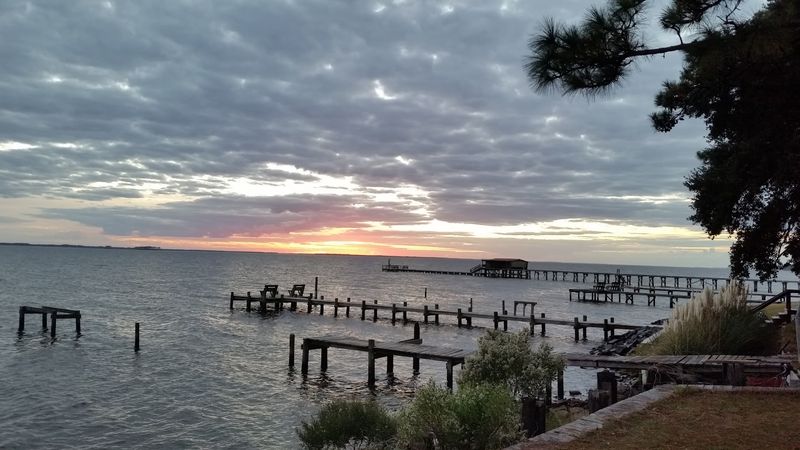
Honestly, the Pamlico River might be the real reason Bath exists, and after spending a morning on the water, I completely understood the logic.
The river curls around this tiny town in the most cinematic way, and when the light hits it right, you feel like you’ve accidentally wandered onto a movie set. I rented a kayak and pushed off from the town’s edge, and within minutes, all I could hear was water and birds.
The Pamlico is wide and calm near Bath, which makes it perfect for a leisurely paddle without needing to be some kind of athletic hero. I’m a decent paddler but not a hardcore one, and I felt completely at ease.
The shoreline is thick with cypress trees and marsh grass, and every turn reveals something that looks like it belongs on a postcard nobody’s thought to make yet.
What struck me most was how the river puts the town in perspective. From the water, Bath looks impossibly small, a handful of historic structures nestled against the treeline, and yet it carries this enormous history.
Blackbeard himself would have sailed these waters, which made every paddle stroke feel strangely cinematic.
The golden hour light on the Pamlico is something that no photo fully captures, though I tried approximately forty-seven times. The water turns this deep amber color and the whole world goes quiet in a way that feels intentional.
If you visit Bath and skip the river, you’ve missed the whole point of the place, and I say that with complete conviction.
Where Time Literally Stopped
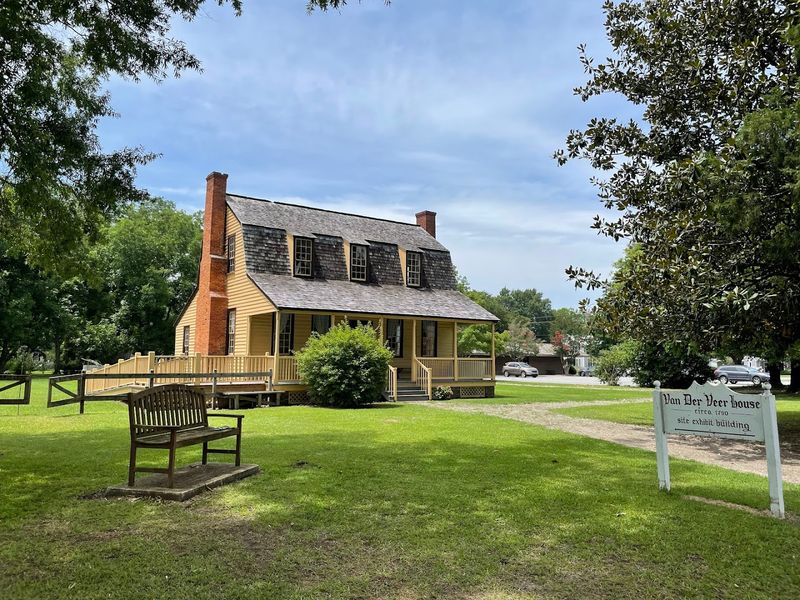
Walking into the Historic Bath State Historic Site felt like stepping into another century. The site preserves some of North Carolina’s oldest structures, including the Palmer-Marsh House (c. 1751) and the Bonner House (c. 1830).
These aren’t replicas, they’re the original buildings on their original sites, which gives the place a quietly profound feeling.
The Palmer-Marsh House is especially impressive architecturally. Its massive exterior end chimneys stand out, and the interior reveals how wealthy planters lived along the Pamlico River in the 1700s.
I spent longer than planned just absorbing the atmosphere, imagining real lives unfolding in these rooms centuries ago. History here feels alive, not like a textbook.
The visitor center offers helpful context, making the walking tour meaningful rather than just a stroll past old buildings. The grounds are beautifully maintained, with a calm pace that matches Bath’s overall energy.
No one is rushing. People are simply present.
The site also includes St. Thomas Episcopal Church, the oldest surviving church in North Carolina. Standing inside with afternoon light streaming through old glass was one of those unexpectedly moving travel moments I’ll remember for a long time.
St. Thomas Episcopal Church
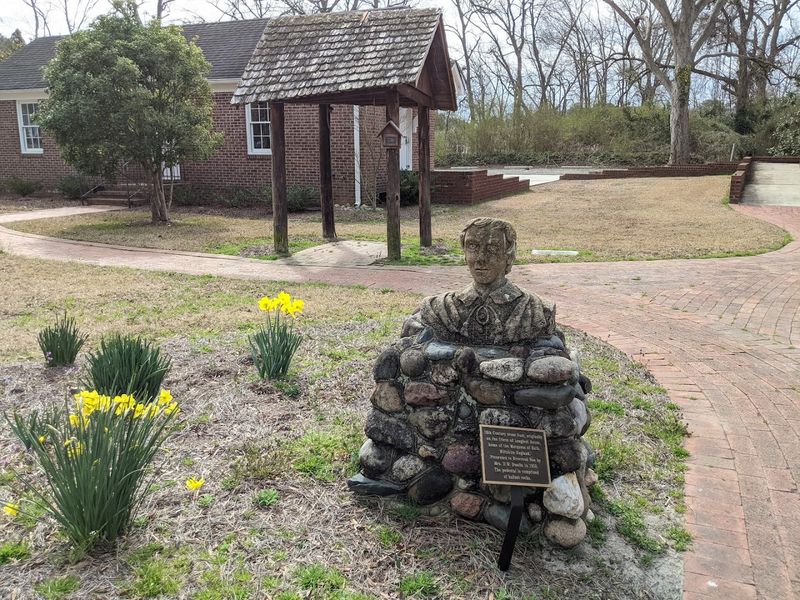
Some places earn your respect without trying. St. Thomas Episcopal Church in Bath is one of them.
Built between 1734 and 1760, it is the oldest surviving church in North Carolina, and stepping through the gate into the churchyard immediately shifted something. The air felt quieter, more serious.
The church is modest, brick, simple colonial lines, but that restraint makes it powerful. Bath was already a functioning town with its own church while much of early American history was still unfolding.
Inside, the original furnishings and the age of the structure are quietly astonishing. The pews are old, the light soft, and the interior exudes a stillness that feels earned.
I sat for a few minutes, simply listening to nothing, and it was exactly what the place offered. The church remains an active congregation, not a museum piece, holding space for this small town for nearly three centuries.
That continuity, that living connection to the past, is genuinely remarkable and hard to forget.
The Legends And Ghost Stories That Follow You Home
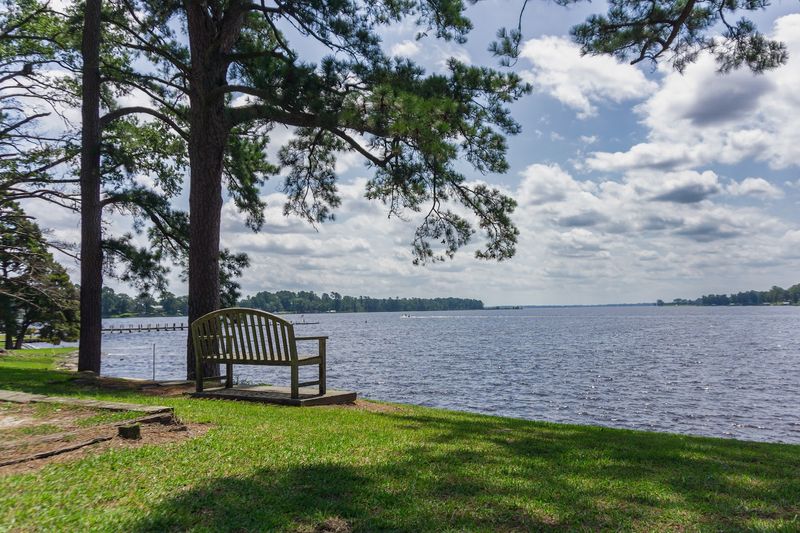
Bath doesn’t just have history. It has lore, stories passed down over generations that give the town a sense of quiet mystery.
I knew about Blackbeard, but I hadn’t expected the layers of local legends that make Bath feel like it exists on two levels at once: the sunlit colonial town above and something older and stranger beneath.
One famous story involves the Hoofprints, marks outside of town said to have appeared after an unusual encounter between the preacher George Whitefield and a local man, Jesse Elliott, in the 1700s.
The tale goes that Elliott raced horses on a Sunday during one of Whitefield’s sermons, and the hoofprints were left behind permanently.
Whether true or not, the story has been told for over two centuries, showing how the community cherishes its own myths. I went to see the marks, and finding them was part of the charm.
There’s also Blackbeard’s ghost, said to linger along the Pamlico River. Bath presents these stories with care, never exaggerating, letting the legends breathe.
Walking the streets after dark, with river mist and long shadows, it’s easy to sense the town’s layered past.
Bath lingers quietly, a place where history and story intertwine and stay with you long after you leave.
The Marsh And Waterfront Views
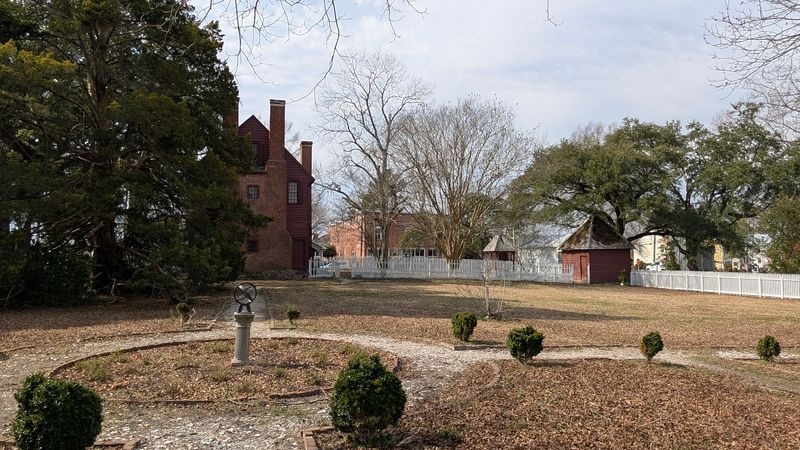
Nobody told me Bath was going to be visually stunning, so that part caught me completely off guard. I expected interesting history and a sleepy small-town vibe, but not the kind of landscape that makes you pull over, step out, and just stand there in awe.
The marshlands surrounding Bath stretch in every direction, shifting in shades of green and gold with the light and the season. The Pamlico River waterfront is the kind of scene landscape painters dream about.
There’s a small waterfront area where you can stand at the edge and take it all in. On a clear day, the view is almost unreal.
The water is dark and glassy, the sky vast, and the distant treeline low and dense. I took photos I knew could never capture it fully, but I took them anyway.
The marsh grass sways in slow, hypnotic waves that are mesmerizing to watch.
At low tide, the mudflats reveal an active ecosystem of birds, egrets, herons, and occasional ospreys diving dramatically through the air. The light here has a warm, slightly hazy quality, as if everything is filtered through nostalgia.
I stayed at the waterfront longer than planned, letting the moment stretch. In Bath, every corner makes time feel irrelevant, but the waterfront is where that sensation is strongest, and unforgettable.
Why Bath Feels Like The Best Secret In North Carolina
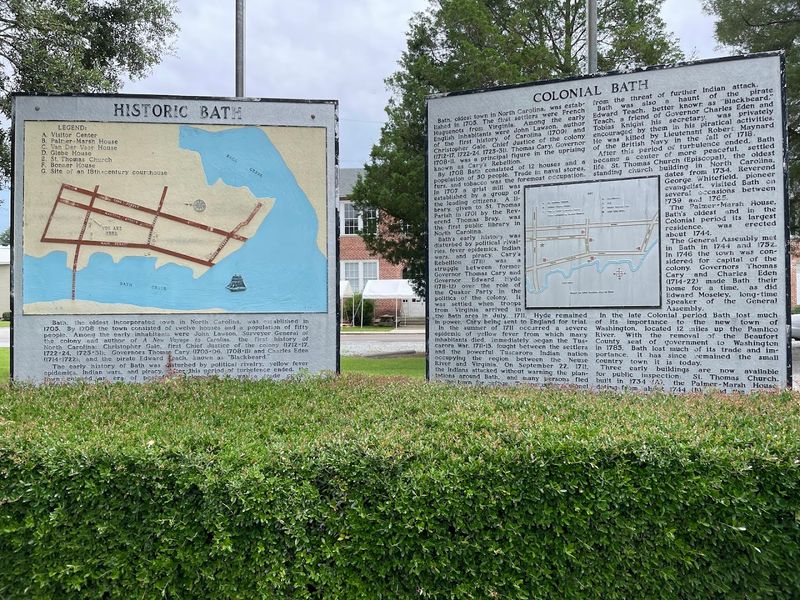
By the time I was driving out of Bath, I had that feeling you get when you’ve discovered something genuinely special and aren’t quite sure you want to share it. Bath rewards curiosity and patience.
Show up expecting a theme park, and you’ll be underwhelmed.
But slow down, read the historical markers, sit by the river, and let three hundred years of stories wash over you, and the town delivers.
With around 200 residents, Bath is one of North Carolina’s smallest incorporated towns. There are no chain restaurants, shopping centers, or billboards, just a quiet sense of preservation.
It feels as if the town collectively decided not to be absorbed by the modern world, and that authenticity is rare. Bath is genuinely itself, in a way most places are not.
The mix of colonial history, pirate lore, river landscapes, and ghost stories gives Bath layers that reveal themselves depending on your perspective. History lovers will marvel at the Palmer-Marsh House and St. Thomas Church.
Nature enthusiasts will lose themselves on the Pamlico River. And anyone seeking calm will find the town’s pace surprisingly restorative.
After experiencing Bath, the question isn’t why you should go, it’s why you haven’t already.