
14 Weekend Trips Across California That Will Make 2026 Your Most Memorable Year
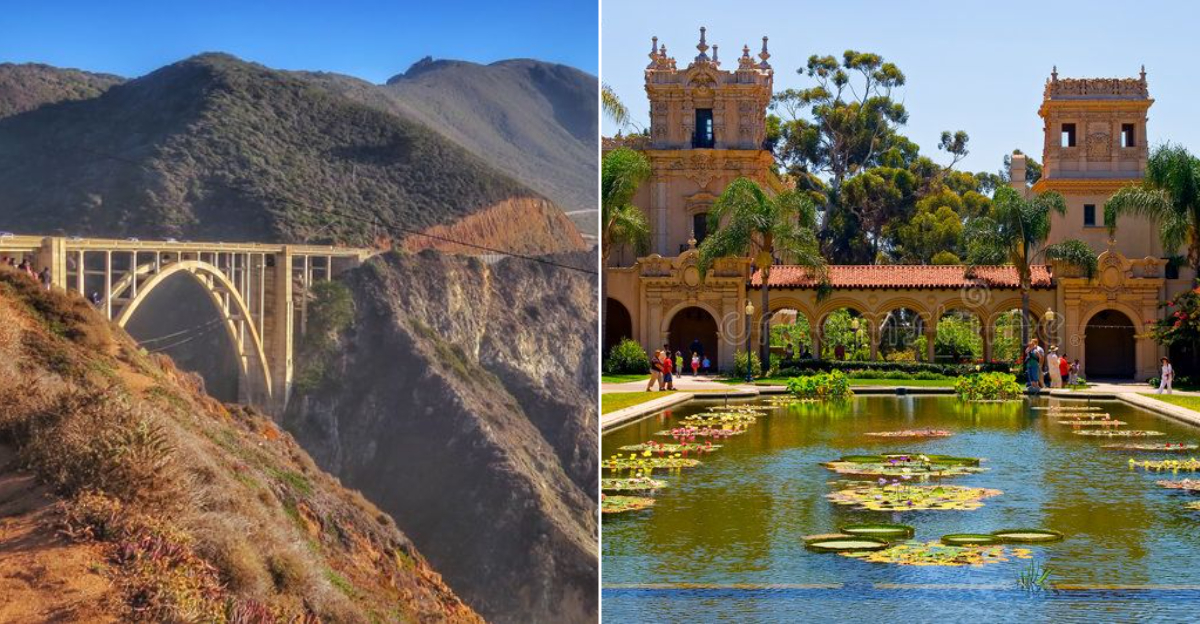
Weekends are precious, and honestly, why settle for the usual coffee-and-couch routine?
I’ve spent more than a few Saturdays chasing views across California that made my jaw drop, wandering streets that felt like secret sets from a movie, and finding little adventures tucked into corners I never knew existed.
Each trip had that magic of “wait… did that really just happen?”, the kind that sneaks into your memory and refuses to leave. By the end, I realized weekends in California aren’t just a break from life, they’re a chance to collect stories, sunsets, and moments that make you feel alive.
Trust me, 2026 is shaping up to be the year where “just a weekend” can turn into your most unforgettable adventure yet.
1. Mendocino
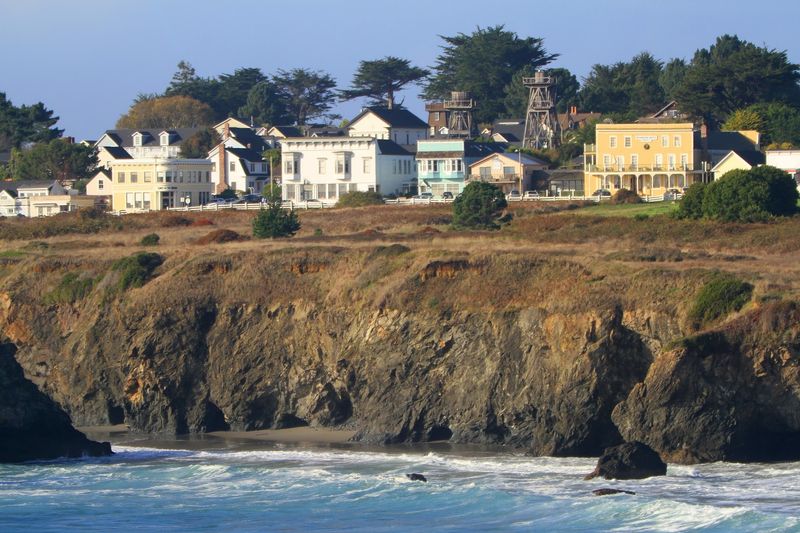
There is something about Mendocino that makes you exhale the moment you arrive. Perched dramatically above the Pacific on the Mendocino Headlands, this tiny Northern California village sits at the edge of the world like it was designed specifically for people who need a proper reset.
The salty air hits you first, sharp and clean, and then the view does the rest of the work.
The headlands trail winds along the bluffs, offering cliff-edge views that genuinely compete with anything you’d see in Ireland or Scotland. The town itself is compact and walkable, full of art galleries, wooden storefronts, and gardens that somehow thrive in all that coastal wind.
It’s the kind of place where two days feel longer than a week anywhere else.
Plan to arrive Friday evening so you catch the sunset from the bluffs. Saturday is for wandering the village and hiking the headlands loop.
Sunday morning fog rolling in over the water is honestly one of California’s quieter, more underrated spectacles. Mendocino is proof that small towns can carry enormous energy.
2. Redwood National And State Parks
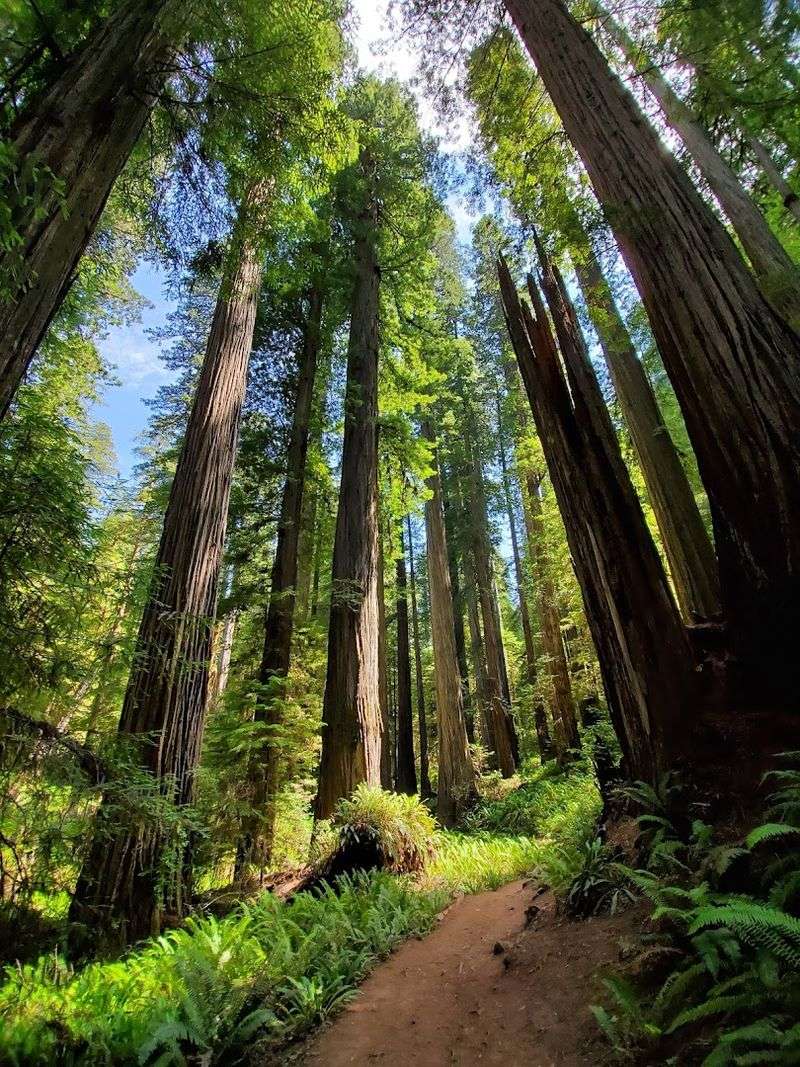
Standing under a 300-foot redwood tree is one of those experiences that genuinely short-circuits your brain in the best possible way.
Redwood National and State Parks, stretching along the Northern California coast near Crescent City, protect some of the tallest living things on Earth, and spending a weekend inside that canopy feels like pressing a hard reset on everything stressful about modern life.
The moody coastline here is just as impressive as the forest. Prairie Creek Redwoods State Park, one of the units within the complex, has a stretch of beach where Roosevelt elk wander the shoreline like they own the place, which, to be fair, they kind of do.
The Lady Bird Johnson Grove loop is a must, short enough to be easy but scenic enough to feel epic.
Camping inside the park puts you directly under the canopy, which means waking up to that particular kind of quiet that only exists in old-growth forest. No other sound quite compares to wind moving through redwood branches.
Pack layers, bring rain gear regardless of the forecast, and let the trees do their thing.
3. Big Sur
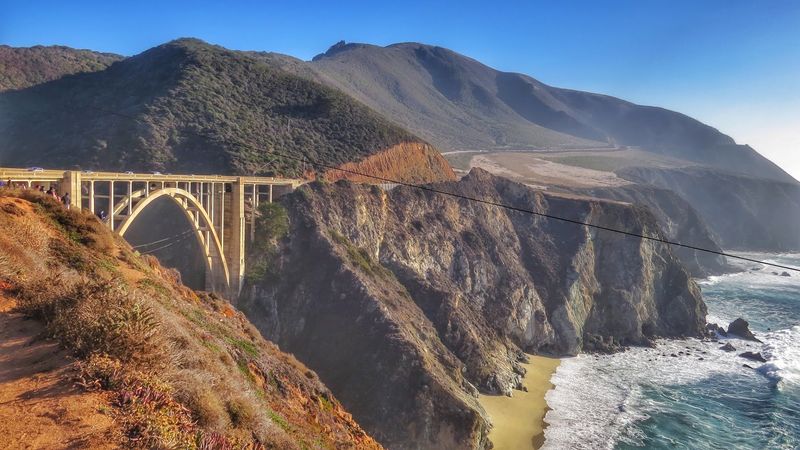
Big Sur is the kind of drive that makes you pull over every ten minutes because the view from the last overlook was already perfect and somehow this one is better. Highway 1 hugs the cliffs between Carmel and San Simeon, delivering one cinematic moment after another, and your camera roll will never recover from a single afternoon on this road.
Bixby Creek Bridge is the iconic shot everyone comes for, and it earns every single photo taken of it. But the real magic is in the overlooks between destinations, the ones without names or parking lots, where you just stop on the shoulder and stand there feeling genuinely small.
McWay Falls, a waterfall that drops directly onto a beach inside Julia Pfeiffer Burns State Park, is one of those sights that feels almost too beautiful to be real.
A two-night stay lets you slow down enough to actually feel Big Sur rather than just see it. Pfeiffer Beach at sunset, the narrow road lined with purple sand, is something that lingers long after you drive home.
Big Sur does not let you leave unaffected.
4. Monterey
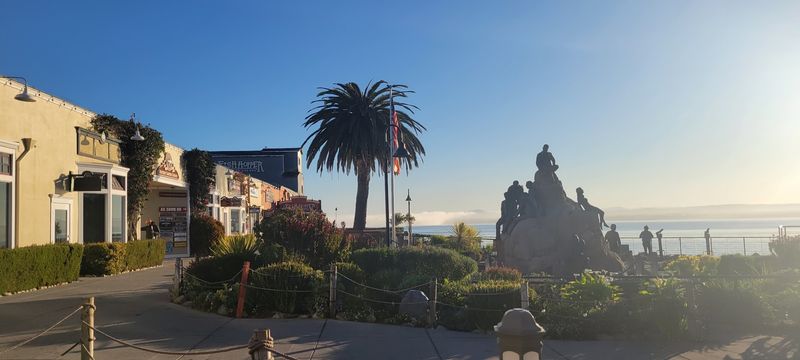
Monterey is one of those coastal towns that keeps delivering no matter how many times you visit. Sitting on the southern edge of Monterey Bay, about two hours south of San Francisco, it combines accessible beauty with a laid-back pace that makes a weekend here feel genuinely restorative rather than rushed.
The Monterey Bay Coastal Recreation Trail runs 18 miles along the waterfront and is flat enough that even a casual stroll turns into a proper scenic experience.
Cannery Row, made famous by John Steinbeck’s novel of the same name, is now a lively stretch of restaurants and shops right along the water, and the views from the seawall there are hard to beat. Point Lobos State Natural Reserve, just a short drive south, offers some of the most dramatic tidepools and cypress groves in the state.
Fisherman’s Wharf is worth a morning wander, especially early when the harbor is still quiet and sea otters are floating around the kelp beds doing absolutely nothing stressful.
5. Santa Barbara

Santa Barbara has a way of making you forget what day it is, and that is genuinely one of its best qualities.
Sitting between the Santa Ynez Mountains and the Pacific, about 90 miles north of Los Angeles, this city delivers mountain views and beach walks within the same afternoon, which is a combination that should not be underestimated.
State Street runs through the heart of downtown, lined with Spanish colonial-style buildings, shops, and restaurants that give the whole place a warm, unhurried character. East Beach is wide and calm, perfect for a morning walk before the crowds arrive.
The Shoreline Park trail above the bluffs offers a slightly elevated perspective on the coastline that rewards the short walk with sweeping views.
The Santa Barbara Botanic Garden up in the hills is a genuinely lovely escape, especially in spring when the wildflowers are doing their best work. The city’s pace is its secret weapon: nothing here seems to rush, and after a full day of beach walks and mountain views, you start to match that rhythm without even trying.
Santa Barbara makes slow travel feel like the obvious choice.
6. Ojai
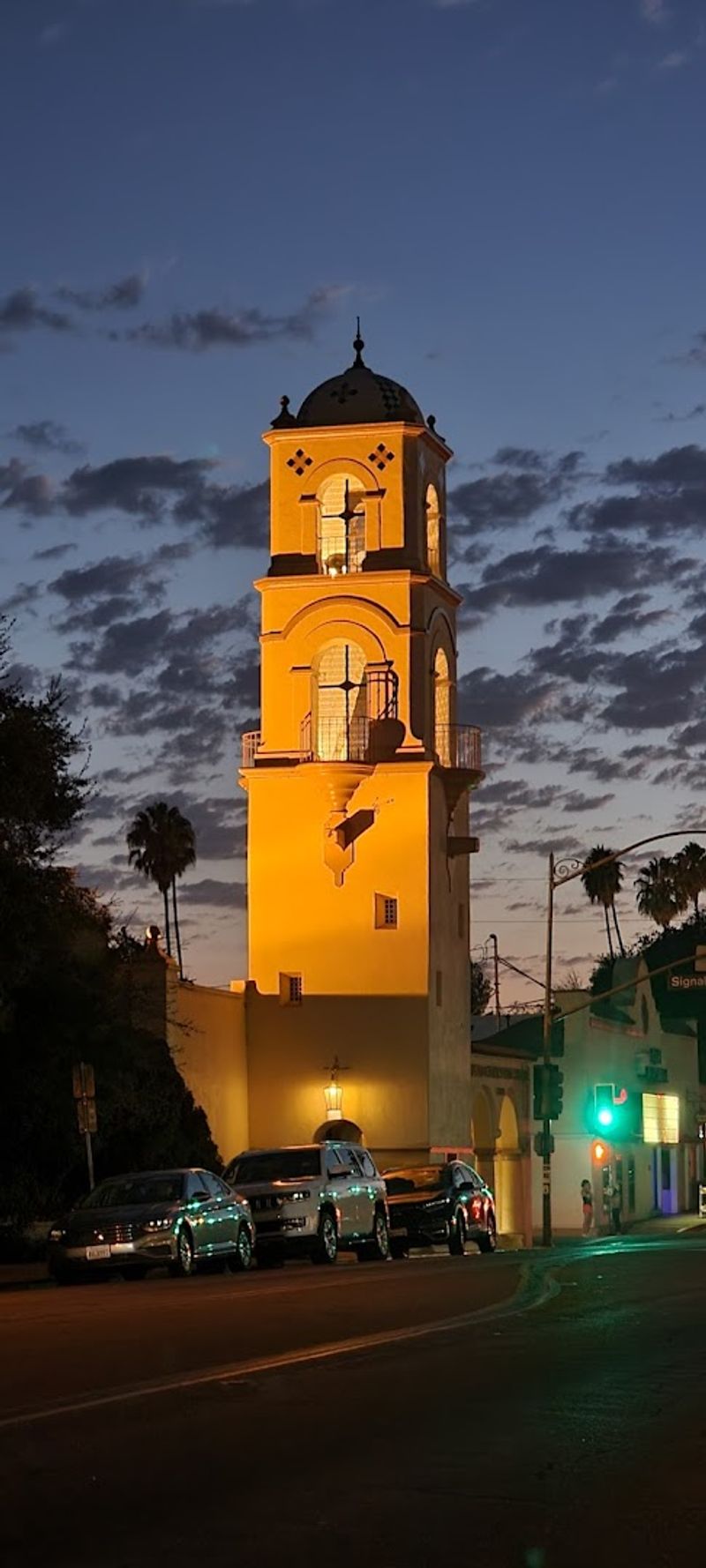
Ojai is the kind of place that feels like it was specifically designed for people who need to slow down but would never actually admit it.
Tucked into a sun-warmed valley about 35 miles east of Santa Barbara, this small arts town sits at the base of the Topa Topa Mountains and operates at a pace that makes your shoulders drop the moment you arrive.
The Ojai Valley Trail is a paved path that runs through the valley and is perfect for a long morning walk or easy bike ride with views of the surrounding hills. Downtown Ojai is small and walkable, with independent shops and galleries that lean heavily into the arts-and-nature vibe the town has cultivated for decades.
The famous Ojai Pink Moment, when the Topa Topa Mountains glow rose-gold at sunset, is worth planning your evening around.
Shelf Road Trail offers a more ambitious hike with panoramic valley views that put the whole landscape in perspective. Ojai also sits close to Los Padres National Forest, which opens up longer hiking options for those who want to push further into the backcountry.
This valley rewards the decision to simply show up and wander without a tight agenda.
7. Catalina Island
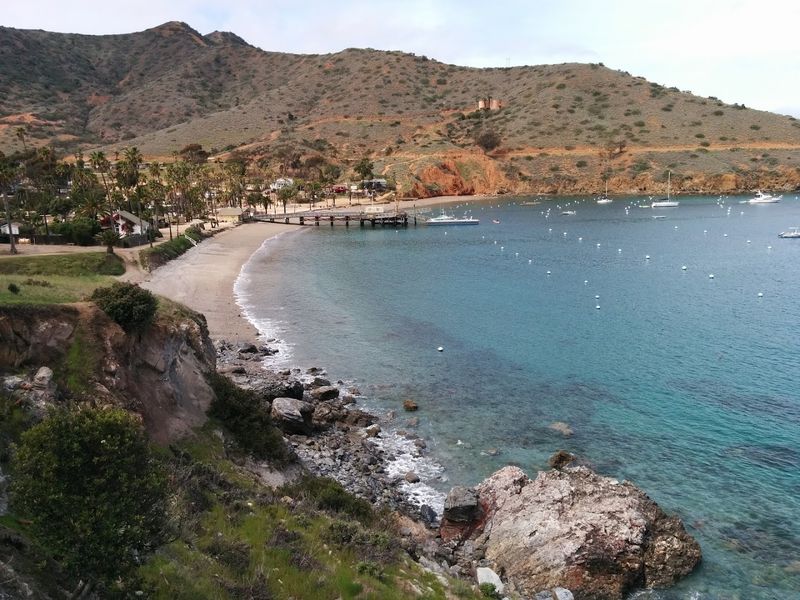
The moment the ferry pulls into Avalon and you see that water, that specific shade of blue-green that looks digitally enhanced but is completely real, you understand immediately why people keep coming back to Catalina Island.
Located about 22 miles off the coast of Los Angeles, this island feels like a different country, and getting there by ferry from San Pedro or Long Beach is part of the experience.
Avalon is the main town, and it is entirely walkable, which is part of its charm. The Ballroom, the iconic circular building on the harbor point, is an architectural landmark worth seeing up close even if you just walk around the exterior.
Glass-bottom boat tours give you a look at the kelp forests below the harbor, and the visibility on a calm day is remarkable.
The interior of the island is protected open space, and the Trans-Catalina Trail covers 37 miles of rugged terrain with ocean views on both sides. Even a short hike up from Avalon gives you perspective on how wild and undeveloped most of the island remains.
8. San Diego
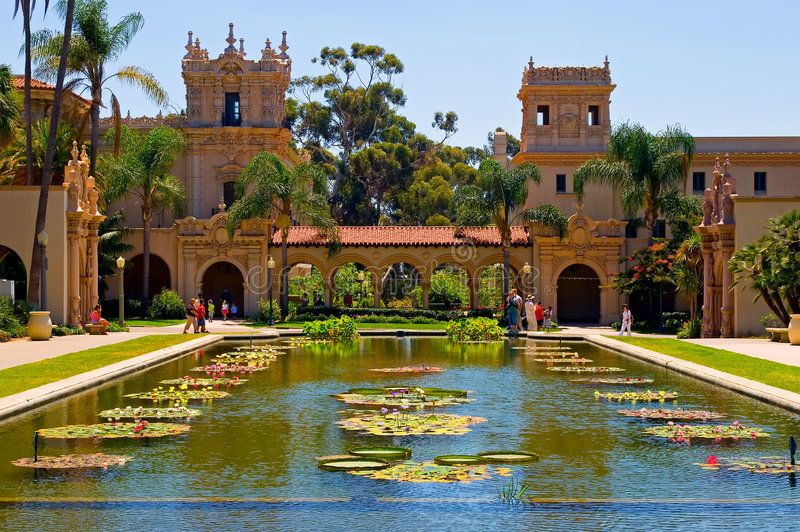
San Diego is the kind of city where a weekend trip always manages to feel full without ever feeling frantic. Stretching along the Southern California coast near the Mexican border, it runs at a beach-culture pace that keeps everything accessible and low-pressure even when the city is buzzing with activity.
The neighborhoods are the real draw here.
North Park has a walkable main strip with murals and independent coffee spots. Little Italy runs along the waterfront with a Saturday farmers market that takes over several blocks.
Balboa Park, one of the largest urban cultural parks in the country, holds museums, gardens, and the famous San Diego Zoo all within walking distance of each other.
Mission Beach and Pacific Beach connect along a beachfront boardwalk that stretches for miles, and the bike rental situation makes it one of the most enjoyable ways to spend a morning in the city.
Sunset Cliffs Natural Park on the Point Loma peninsula offers dramatic ocean views from rugged clifftops that feel a world away from the city center just a few miles north.
San Diego rewards a two-night stay with more variety than most cities manage in a week.
9. Laguna Beach

Laguna Beach has been an artists’ colony since the early 1900s, and that creative, unhurried spirit is still very much present in the way the town feels. Situated along the Orange County coast about 50 miles south of Los Angeles, it is built around a series of coves and rocky points that make every walk along the shore feel like a discovery.
The Heisler Park Promenade runs above the main beach, offering elevated views of the coves below and connecting to the coastal access stairs that lead down to smaller, quieter beaches.
Main Beach is the central gathering point, framed by a grassy park and a basketball court that has appeared in more films than you might expect.
The tide pools at Treasure Island Beach are excellent at low tide and genuinely worth timing your visit around.
The Village of Laguna Beach is compact enough to explore entirely on foot, with galleries, boutiques, and ocean-view spots tucked into the hillsides above the shore. This is a weekend built around walking, looking, and generally resisting the urge to be productive.
10. Santa Cruz

Santa Cruz has a personality that is entirely its own, and that is genuinely one of the most compelling reasons to spend a weekend here.
Located on the northern edge of Monterey Bay, about 75 miles south of San Francisco, it runs on surf culture and coastal energy and has done so consistently for decades without losing its original character.
The Santa Cruz Beach Boardwalk is the kind of place that feels nostalgic even if you have never been before. The Giant Dipper roller coaster has been running since 1924 and is a National Historic Landmark, which is an impressive title for something that also just happens to be fun.
West Cliff Drive is the local coastal path that stretches along the cliffs above the surf breaks, and watching the morning session from the lighthouse point is a legitimate Santa Cruz ritual.
Natural Bridges State Beach, at the western end of West Cliff Drive, has a sea arch that frames the ocean in a way that makes even casual photographers look talented.
The downtown Pacific Avenue strip is walkable and eclectic, mixing bookstores and surf shops in a way that feels genuinely Santa Cruz. This town has a breezy confidence that makes weekends here feel effortless.
11. Lake Tahoe
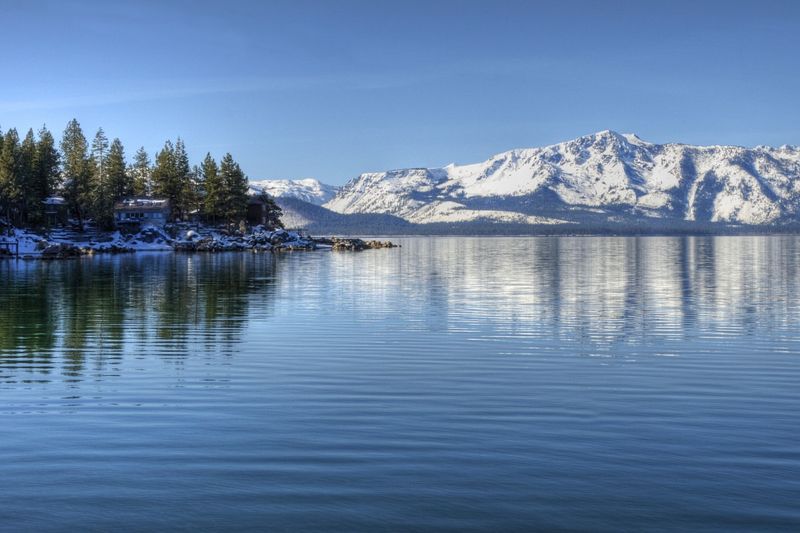
Lake Tahoe is one of those places that looks like a screensaver but is completely, unreasonably real. Straddling the California-Nevada border in the Sierra Nevada, the lake sits at 6,225 feet elevation and holds water so clear you can see the bottom at 70 feet in some spots, a fact that never gets less impressive no matter how many times you visit.
In summer, the lake is all about kayaking, paddleboarding, and hiking trails that move through pine forest to viewpoints above the water.
Emerald Bay State Park is the crown jewel, a deep glacial inlet with an island, a Scandinavian-style stone mansion called Vikingsholm, and views that consistently rank among the most photographed in California.
The Rubicon Trail along the western shore connects several of the best viewpoints in one continuous route.
Winter flips the whole experience into something equally compelling, with snow-covered forests and frozen shorelines that transform the landscape entirely.
The Lake Tahoe Basin Management Unit posts current trail conditions online, which is worth checking before any season visit. Tahoe is one of those rare destinations that genuinely delivers regardless of when you show up.
12. Yosemite National Park
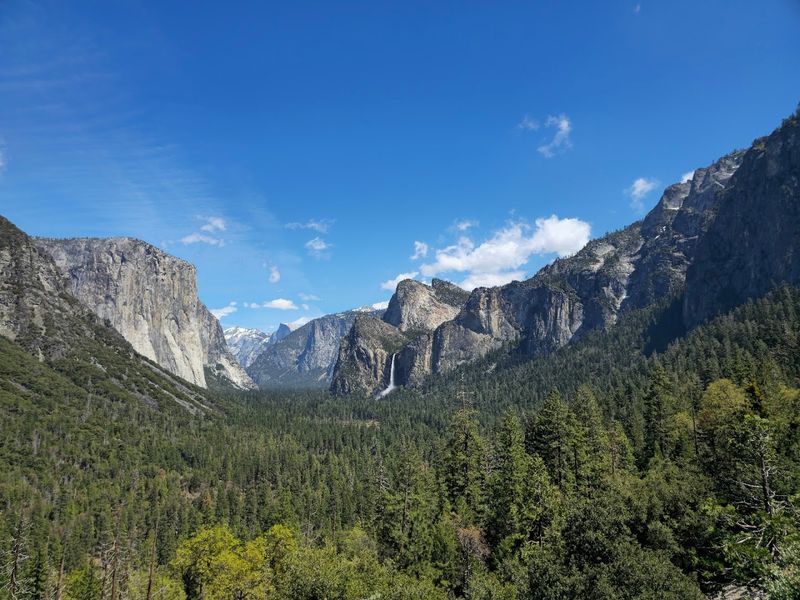
Yosemite Valley has one of the most immediately recognizable landscapes on the planet, and arriving there for the first time, or the tenth, still produces a reaction that is hard to describe without sounding dramatic.
Located in the Sierra Nevada about four hours from both San Francisco and Los Angeles, it manages to feel both accessible and completely overwhelming in the best possible way.
The valley floor is compact enough to explore on a tight weekend schedule, and the shuttle system makes it easy to move between trailheads without a car.
Mirror Lake in the morning, when the water reflects Half Dome and the surrounding granite walls, is worth waking up early for. The Lower Yosemite Fall Trail is short, flat, and delivers a full view of one of the tallest waterfalls in North America without requiring serious hiking gear.
Valley View, near the western entrance, gives you the classic El Capitan and Bridalveil Fall framing that appears on virtually every Yosemite photograph ever taken.
Tunnel View at the eastern end of Wawona Tunnel is the panoramic version of that same valley, and it hits just as hard every single time. Yosemite rewards even a quick visit with scenery that scales to whatever time you have.
13. Sequoia And Kings Canyon National Parks
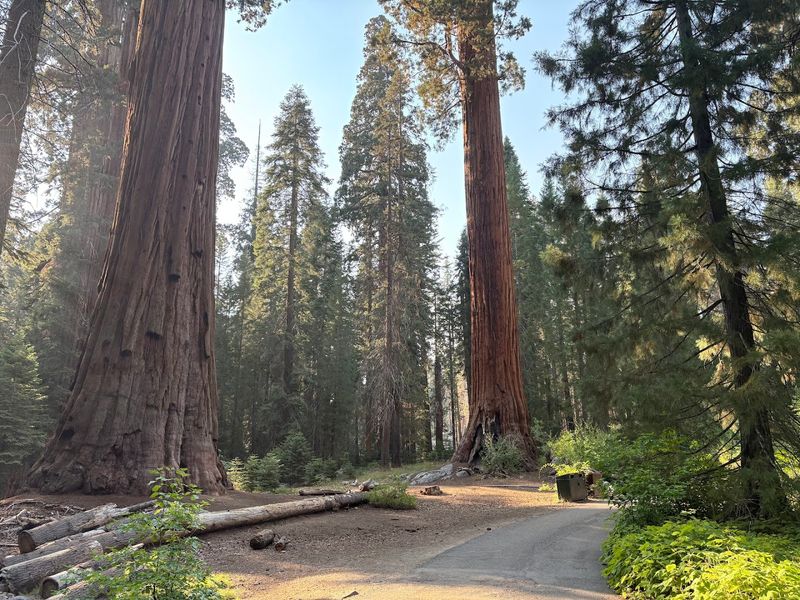
Nothing prepares you for the actual scale of a giant sequoia. You can look at photos, read the statistics, hear that General Sherman Tree is the largest living thing on Earth by volume, and still stand at its base in Sequoia National Park feeling completely unprepared for how enormous it actually is.
The park entrance is located near Three Rivers, California, about an hour from Visalia.
The Congress Trail loops through the Giant Forest, connecting several of the largest sequoias in a route that takes about two hours at a relaxed pace.
Kings Canyon, connected to Sequoia as a joint park system, adds dramatic canyon scenery to the mix, with the Kings River cutting through granite walls in a landscape that feels entirely different from the forest groves.
Roads in this area can have seasonal closures and specific access requirements, so checking the park’s official road conditions page before your 2026 visit is genuinely practical advice.
Moro Rock, a granite dome within the park, offers a short but steep staircase climb to panoramic views over the Great Western Divide.
The combination of ancient trees and mountain terrain in one park complex is something California does better than anywhere else.
14. Joshua Tree National Park
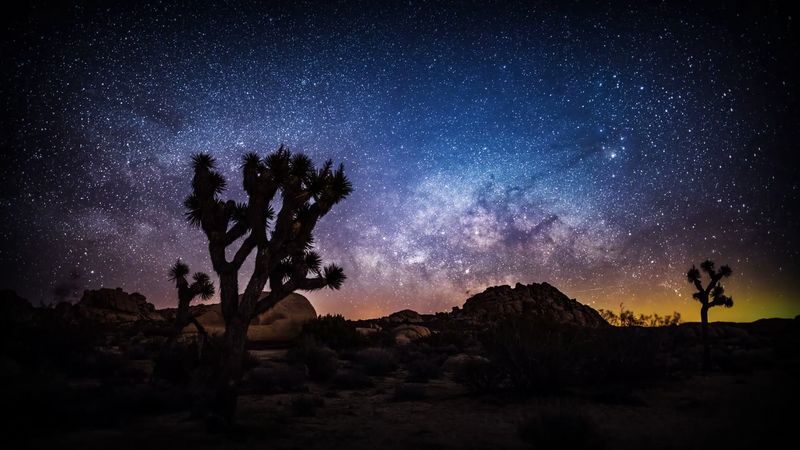
Joshua Tree operates on a frequency that is hard to explain until you’re actually there, standing in the middle of a boulder field at dusk watching the sky turn colors that seem physically impossible. T
he park sits where the Mojave and Colorado deserts meet, about 140 miles east of Los Angeles near the town of Twentynine Palms, and the landscape does not look like anywhere else in California.
The namesake Joshua Trees themselves are a species of yucca that grow in twisted, sculptural forms that cast dramatic shadows at golden hour. Skull Rock Nature Trail is an easy loop through some of the most photogenic boulder formations in the park.
The Cholla Cactus Garden, a dense patch of jumping cholla cactus in the Colorado Desert section, is one of those roadside stops that takes five minutes and somehow stays with you for years.
Night sky viewing here is exceptional, with the park designated as a Dark Sky Park by the International Dark-Sky Association. The silence at night, broken only by the occasional coyote, is the kind of quiet that actually gets into your head in a good way.
A Joshua Tree weekend does not just look different from your regular life, it genuinely feels different, and that distinction matters more than most people expect.