
Explore The Wild Side Of Utah With 14 Epic Outdoor Experiences To Try In 2026
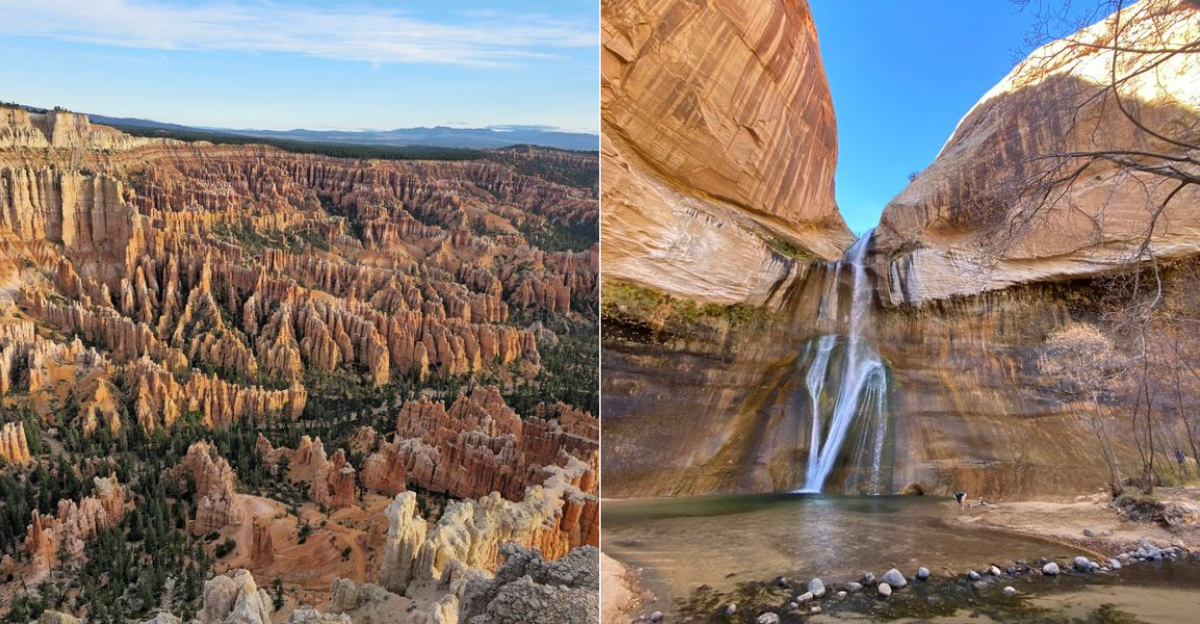
Utah hits differently when you step off the beaten path. One moment you’re staring at canyons that look photoshopped, the next you’re scrambling over rocks, heart racing, feeling like the lead in your own action movie.
I dove into deserts that shimmered in the sun, rivers that dared me to jump in, and trails that twisted like nature was showing off.
Every corner held a thrill, every view stole my breath, and by the end of the day, I was convinced: this state doesn’t do mild, it does epic.
From sunrise hikes that set the sky on fire to starlit nights that make you question reality, these adventures proved that Utah is not just a place to visit, it’s a place to feel alive. Grab your boots, your camera, and your sense of wonder. 2026 is calling, and it’s wild.
1. Zion National Park
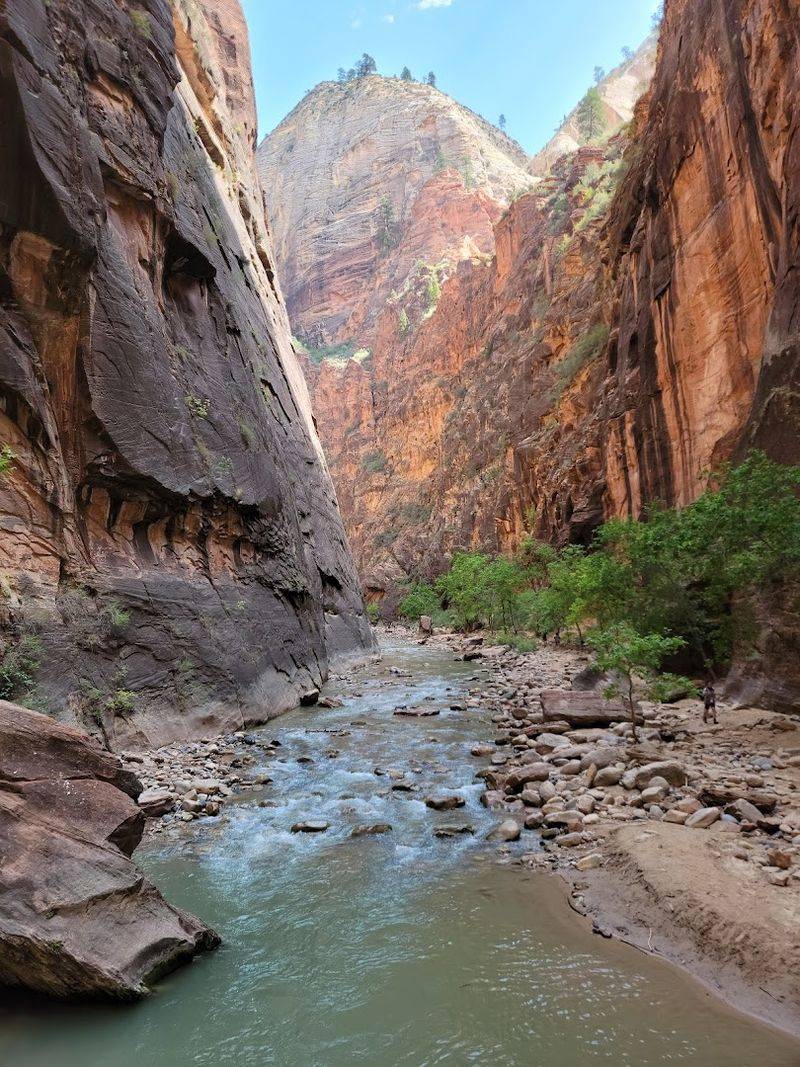
There is a reason Zion National Park sits at the top of nearly every Utah adventure list, and it has nothing to do with hype. Located in Springdale, Utah, Zion delivers an almost unfair combination of experiences in a single park.
You can wade the Virgin River through the iconic Narrows, where canyon walls close in so tight the sky becomes a sliver of blue above you, and then pivot to the permit-only Angels Landing route for a completely different kind of heart-pounding.
The variety here is the whole point. Narrows wading gives you that surreal, river-through-a-slot-canyon feeling that no photograph fully captures.
Angels Landing delivers exposed ridgeline hiking with chain assists and views that make the effort feel almost criminal in how rewarding they are.
Pack water shoes, trekking poles, and a dry bag for the Narrows. Secure your permits well in advance because both experiences run on lottery systems that fill fast.
Zion rewards the prepared adventurer every single time.
2. The Narrows In Zion
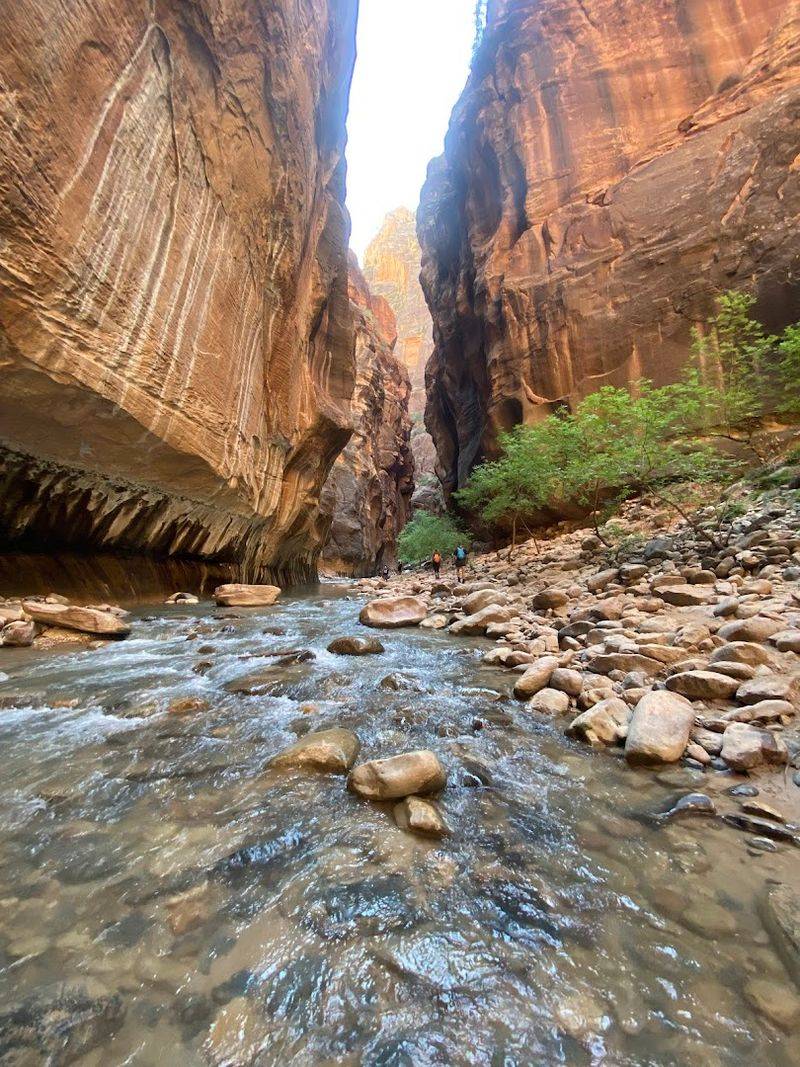
Walking through The Narrows is one of those experiences that sounds simple until you are actually doing it. The trail, located within Zion National Park near Springdale, Utah, is essentially the Virgin River itself.
You are not walking beside the water. You are walking in it, through it, sometimes nearly up to your waist depending on seasonal flow.
Certain sections of the Narrows, particularly the full top-down route from Chamberlain’s Ranch, require permits and lottery entries. The bottom-up day hike from the Temple of Sinawava is more accessible but still demands respect for current conditions.
Flash flood risk is real and should never be dismissed.
The payoff is a canyon experience that feels ancient and alive at the same time. Walls of Navajo sandstone twist and lean overhead, streaked with desert varnish and dripping with hanging gardens.
Waterproof footwear and a sturdy walking stick are non-negotiable gear.
This is one of those hikes that genuinely earns its legendary reputation every single step of the way.
3. Angels Landing
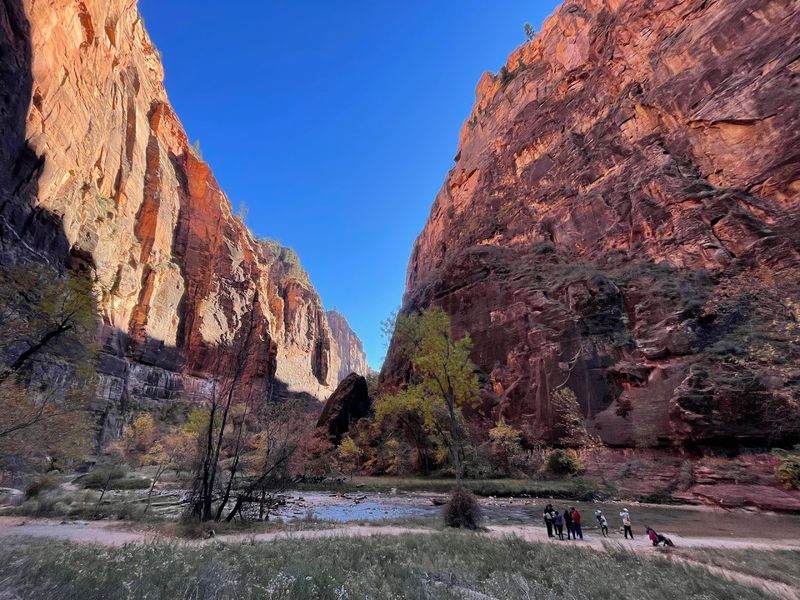
Angels Landing is not a casual Tuesday hike. It is a full commitment, a plan-it-like-a-headliner event that requires a permit won through the Utah Recreation lottery system.
Sitting inside Zion National Park near Springdale, Utah, this iconic route climbs roughly 1,488 feet to a narrow sandstone fin where the views are absolutely staggering and the exposure is very, very real.
The final half-mile stretch involves chain assists bolted into the rock, and the trail narrows to a degree that demands focus and confidence. Acrophobia will not be your friend here.
But for those who are comfortable with heights and have done the permit legwork, the summit delivers one of the most celebrated viewpoints in the American Southwest.
Plan your lottery entry well ahead of your desired visit date, as permit demand far outpaces availability. Morning starts are smart for beating crowds and heat.
Angels Landing is the kind of hike that becomes a story you tell for years, not just a checkbox on a national park itinerary.
4. Bryce Canyon National Park
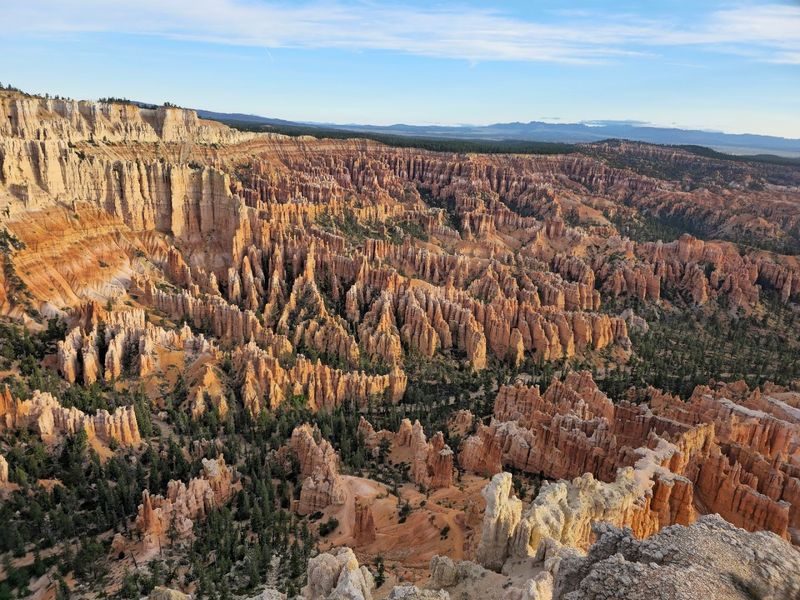
Bryce Canyon operates on a completely different visual frequency than any other Utah park. Located near Bryce Canyon City, Utah, this high-elevation wonderland sits above 8,000 feet, which means even a hike that looks short on the map will remind your lungs who is in charge.
The hoodoos here are the main attraction, those bizarre, gravity-defying spires of eroded limestone that glow orange and pink at sunrise like something out of a fantasy novel.
The Navajo Loop and Queen’s Garden trails are the most popular combos, dropping you down into the hoodoo maze for a close-up experience that the rim viewpoints simply cannot replicate.
Steep switchbacks on the descent are no joke, and the climb back out earns every calorie of your post-hike meal.
Winter visits offer a genuinely magical contrast, with snow-dusted hoodoos against a steel-blue sky. Summer mornings beat the crowds and the afternoon thunderstorms that roll through regularly.
Bryce Canyon is proof that Utah’s parks each have their own completely distinct personality worth exploring on their own terms.
5. Arches National Park
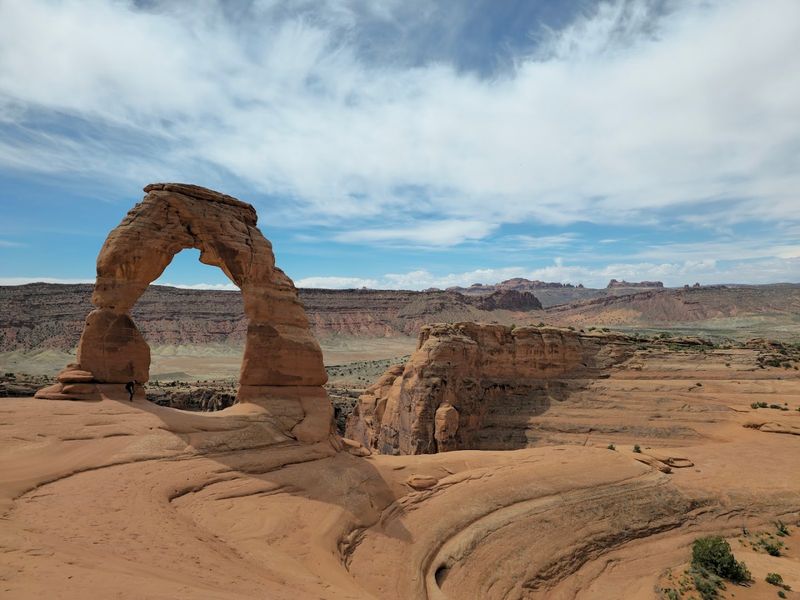
Arches National Park near Moab, Utah is the kind of place that makes you feel like you have stepped into a screensaver, except your legs have to do actual work to get to the good parts.
The park holds over 2,000 natural stone arches, but the real prize is Delicate Arch, a freestanding sandstone icon that requires a 3-mile round-trip hike with significant elevation gain to reach properly.
Good news for 2026 planning: as of current information, Arches does not require advanced timed-entry reservations the way it briefly did in previous years, though policies can shift so checking the NPS website before your trip is always smart.
The Delicate Arch trail is exposed, sunny, and demands solid footwear and plenty of water. Sunrise and sunset visits reward the effort with color that defies description.
Beyond Delicate Arch, the Fiery Furnace area offers guided labyrinth-style exploration through narrow sandstone passages.
6. Canyonlands National Park
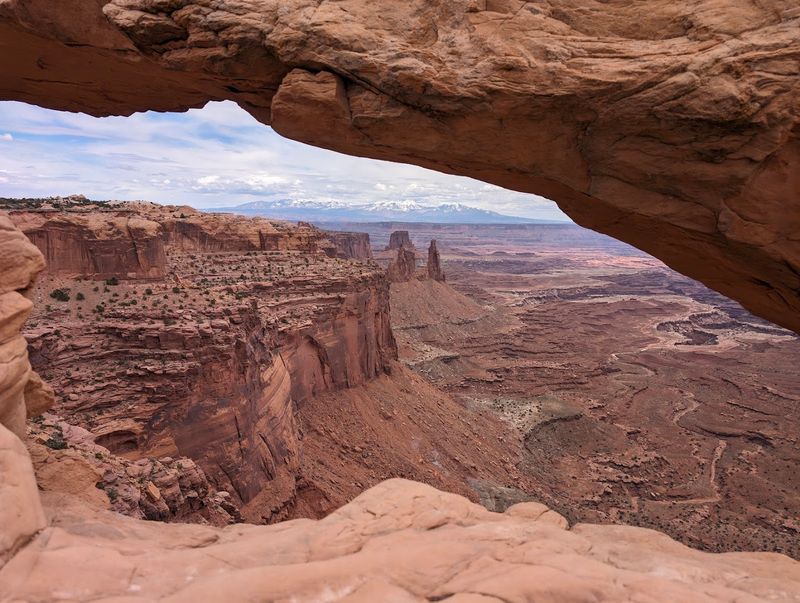
If Arches is Utah’s most photogenic park, Canyonlands is its most raw and uncompromising one. Located outside Moab, Utah, Canyonlands covers over 337,000 acres divided into three very distinct districts, each requiring its own approach and commitment level.
The Island in the Sky mesa offers drive-up overlooks that will stop your breath, but the real adventure starts when you leave the pavement.
4WD routes wind through terrain that demands mechanical respect and navigation skills. Backcountry permits open up camping in canyon country so remote that silence becomes its own kind of overwhelming.
River-based adventures on the Colorado and Green Rivers add a completely different dimension to the park experience.
Canyonlands is a park that scales with your ambition. A day visitor gets a taste.
A backcountry traveler gets the full meal. The sheer scale of the canyon systems here makes every other landscape feel a little smaller by comparison.
Come prepared, come curious, and come ready to spend more time than you originally planned because this place has a way of expanding every itinerary it touches.
7. White Rim Road In Canyonlands
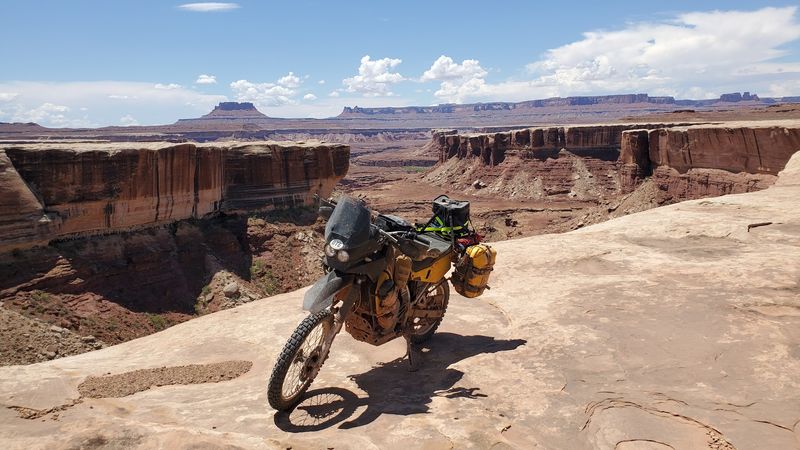
White Rim Road is not a detour. It is a full declaration of intent.
This legendary 100-mile loop within Canyonlands National Park near Moab, Utah, runs along a sandstone bench above the Colorado and Green River gorges and below the Island in the Sky mesa, putting you in a visual layer of the park that most visitors never access.
You need a permit, a capable 4WD vehicle, and ideally three to four days to do it justice.
Bikepackers also take on White Rim as one of the most celebrated off-pavement rides in the American West, typically supported by a vehicle carrying gear and supplies. The road itself is rough in sections, particularly after weather events, and self-sufficiency is not optional out here.
Cell service is essentially nonexistent.
Campsites along the route are designated and permit-required, so planning well ahead is essential. What you get in return is a front-row seat to canyon country at its most cinematic and a genuine sense of earned remoteness that most adventure travel cannot replicate.
White Rim Road is a story you will still be telling in ten years.
8. Cataract Canyon:
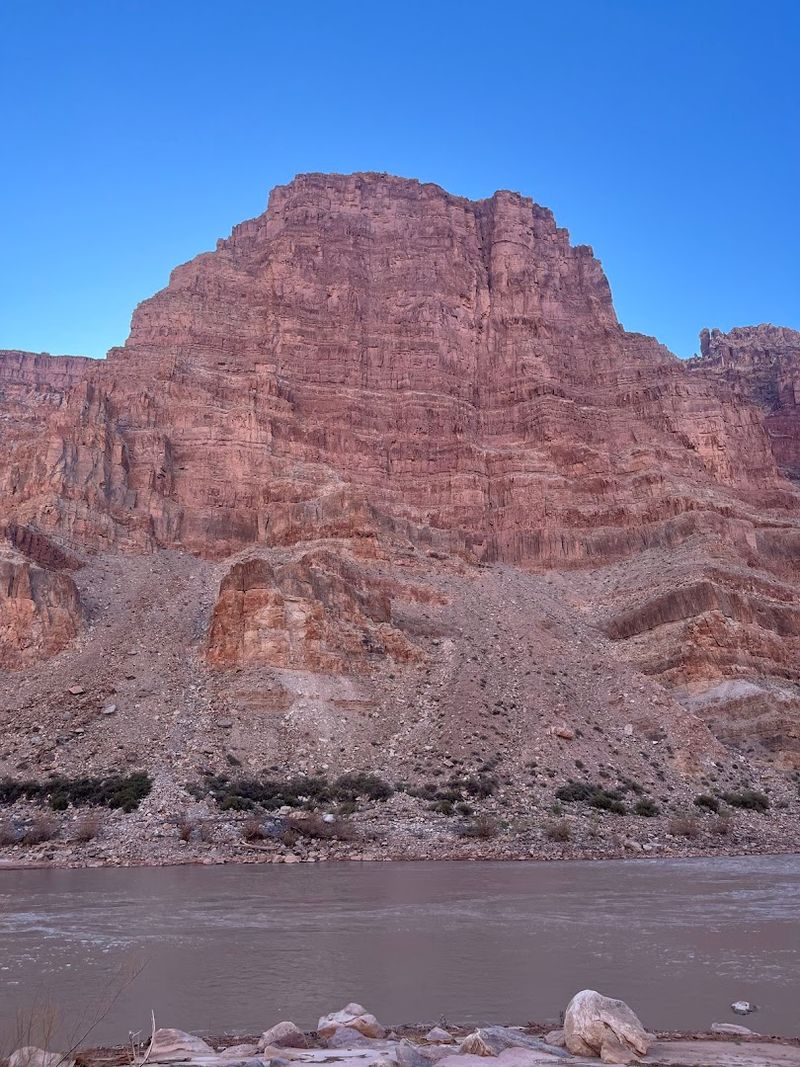
Cataract Canyon earns its reputation with noise.
Located within the river district of Canyonlands National Park, accessed via the Colorado River upstream from Lake Powell near Moab, Utah, this stretch of whitewater delivers some of the most powerful rapids in North America, particularly during spring runoff when the river runs high and fast. This is not a beginner float trip.
It is a proper expedition.
Most visitors tackle Cataract Canyon on multi-day guided rafting trips that combine flat-water canyon scenery with the sudden, violent energy of the rapids section.
The contrast between the glassy upstream calm and the thundering drops downstream is part of what makes this trip so memorable and so addictive for repeat visitors.
Trips typically launch from Moab and run anywhere from three to five days depending on water levels and route. The canyon walls towering overhead while you are mid-rapid create a visual intensity that photographs struggle to capture.
Cataract Canyon is Utah’s answer to anyone who thought the state was just about hiking. The river has its own very loud argument to make.
9. Capitol Reef National Park
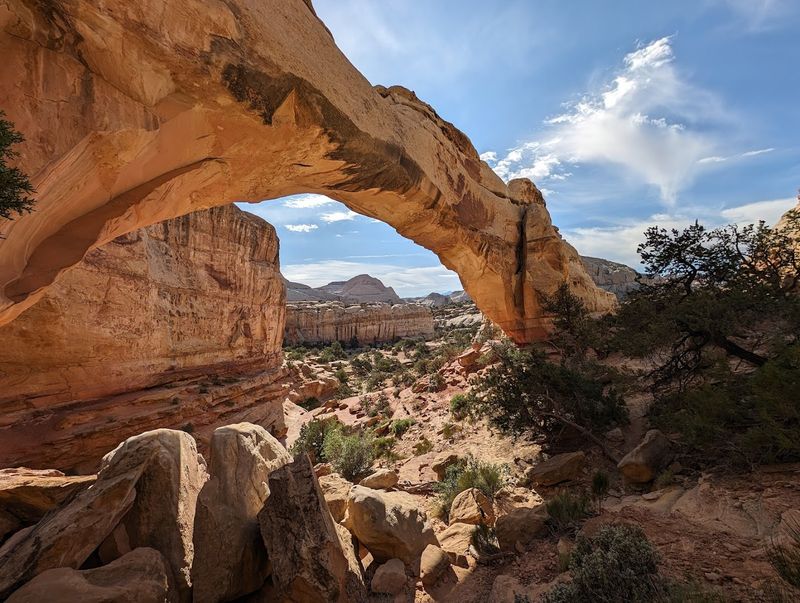
Capitol Reef does not get the same headline attention as Zion or Arches, and honestly that works in your favor.
Located near Torrey, Utah, this park stretches along the Waterpocket Fold, a nearly 100-mile wrinkle in the earth’s crust that creates some of the most dramatic and varied canyon scenery in the entire state. Narrow gorges, slot-canyon style passages, and routes that feel genuinely exploratory define the experience here.
Grand Wash and Capitol Gorge are two of the most accessible canyon routes, both offering that enclosed, towering-wall feeling without requiring technical permits.
The Hickman Bridge hike gives you a natural arch with far fewer crowds than Arches National Park. Fruita, the historic settlement within the park, adds an unexpected layer of charm with orchards that visitors can actually pick from during harvest season.
Capitol Reef rewards slower travel and genuine curiosity. The geology here is layered and complex in ways that reveal themselves the longer you look.
This is the park for people who want the full Utah canyon experience without the parking lot stress of the more famous neighbors down the road.
10. Sulphur Creek Route In Capitol Reef
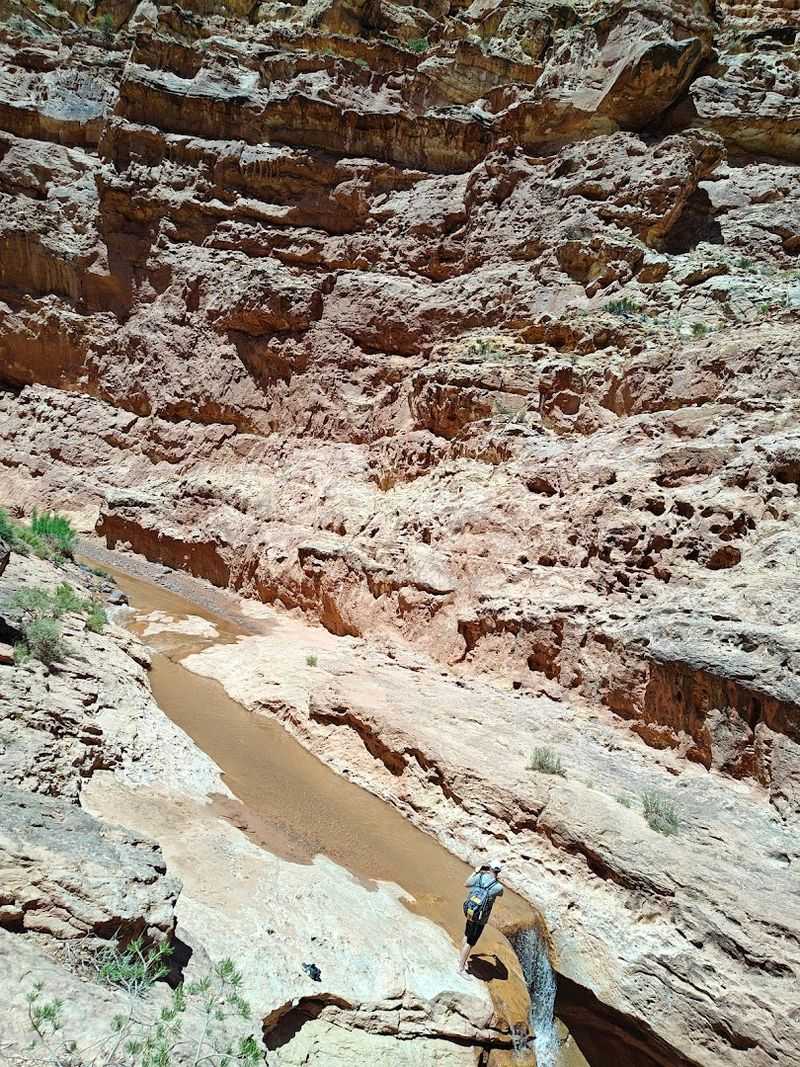
Sulphur Creek is the kind of route that makes you feel like you accidentally wandered into a puzzle that the desert designed specifically for you.
Running through Capitol Reef National Park near Torrey, this canyon hike follows the creek itself through a series of narrows, small waterfalls, and wading sections that require you to commit to getting wet and staying wet for the duration.
The route is typically done one-way, starting from the Chimney Rock trailhead and ending at the Gifford House in the Fruita area, covering roughly five miles of canyon terrain that is equal parts beautiful and logistically demanding.
You will need a shuttle vehicle or a plan to get back to your starting point. Flash flood awareness is critical, as the canyon offers limited escape routes when weather moves in.
Water shoes are essential, and trekking poles help enormously on the slippery sections. The three small waterfalls you encounter along the way each require a slightly different approach to navigate safely.
11. Grand Staircase-Escalante National Monument
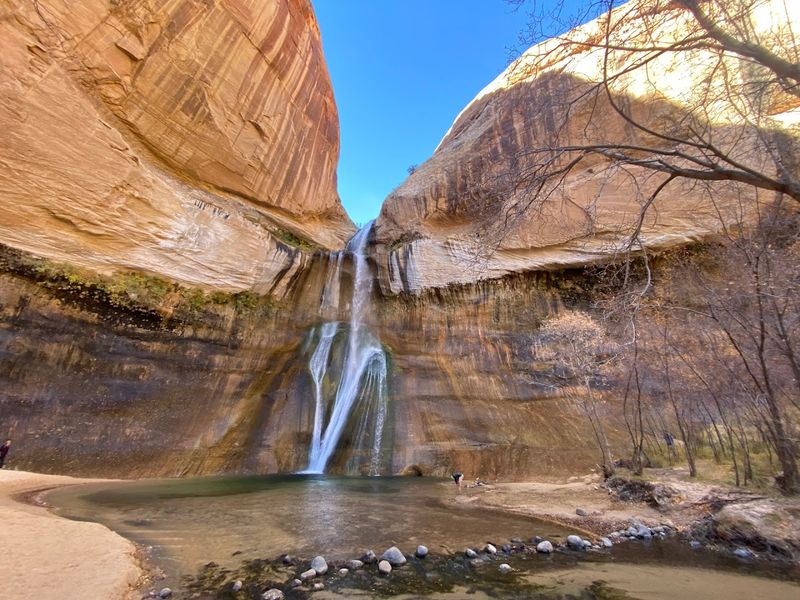
Grand Staircase-Escalante is not a park you visit casually. Sprawling across nearly 1.9 million acres in southern Utah near the town of Escalante, this monument is defined by long dirt roads, remote trailheads, and canyon country so vast that a week barely scratches the surface.
Cell service disappears fast out here, and that is entirely the point for the kind of traveler this place attracts.
Slot canyons like Peek-a-Boo and Spooky Gulch are accessible enough to be popular but still deliver that genuine narrow-canyon thrill. Coyote Gulch is a multi-day backpacking route that many consider one of the finest wilderness experiences in the American Southwest, combining arches, natural bridges, and canyon scenery across roughly 27 miles.
A high-clearance vehicle is often necessary to reach trailheads, and road conditions change dramatically after rain.
The Escalante Interagency Visitor Center in Escalante, Utah is a smart first stop for current conditions and permit information. Grand Staircase-Escalante is the kind of place that resets your scale and reminds you how genuinely large and ancient this landscape actually is.
12. Bears Ears National Monument
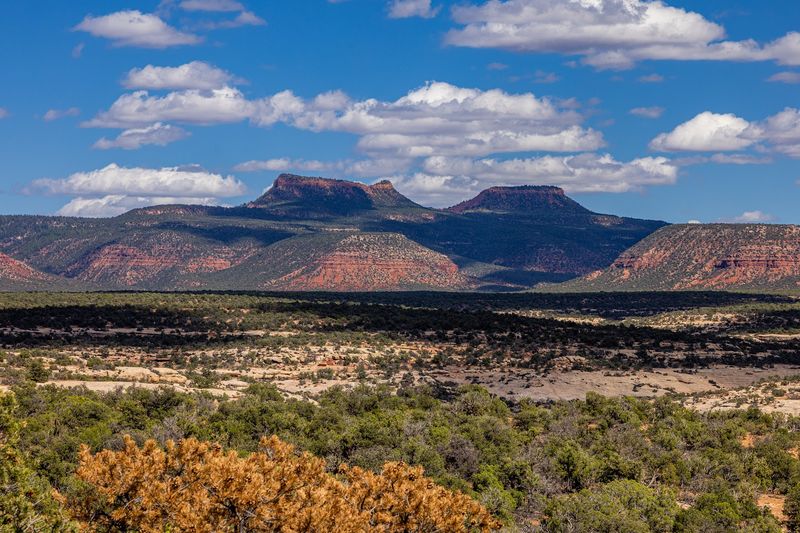
Bears Ears is a monument that carries weight in every sense of the word. Located in San Juan County, Utah, near the town of Blanding, this vast landscape encompasses over 1.36 million acres of canyon country, mesa tops, and ancient cultural sites that demand both adventure and respect.
The twin buttes that give the monument its name are visible for miles and serve as a constant landmark across the terrain.
Adventure options here are genuinely wide-ranging. Hiking through Cedar Mesa canyon systems like Fish Creek and Owl Creek delivers natural bridges, cliff dwellings, and solitude in equal measure.
Technical climbing routes exist across the monument for those with the skills.
River access and OHV routes round out an activity menu that few protected landscapes can match in variety.
The cultural significance of Bears Ears to Indigenous communities adds a layer of meaning to every visit that makes the experience feel different from a typical national park trip.
Come informed, come respectful, and come ready for a landscape that operates on a scale and a silence that most outdoor destinations simply cannot offer.
13. Slickrock Trail In Moab
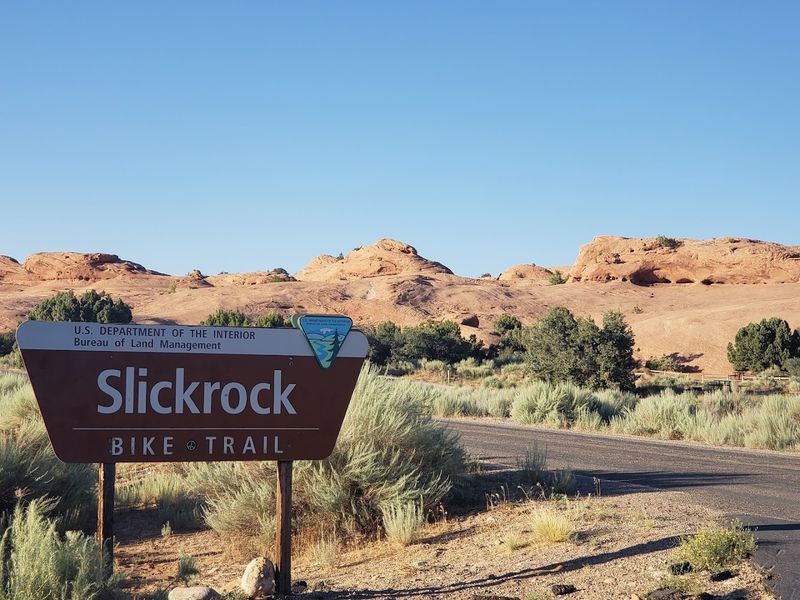
Slickrock Trail near Moab, Utah has been famous in the mountain biking world for decades, and it has absolutely earned every bit of that reputation. The 10.5-mile loop sits just outside Moab on petrified sand dunes of Navajo sandstone, creating a surface that sounds slippery but actually grips tire rubber remarkably well.
What the sandstone gives in traction it takes back in terrain, with steep rolls, technical climbs, and drops that demand full attention and genuine bike-handling skill.
A 2.5-mile practice loop near the trailhead is smart for first-timers who want to calibrate their confidence before committing to the full route. Even experienced riders find Slickrock humbling in the best possible way.
The views across the canyon country surrounding Moab add a visual reward that elevates every challenging section of the ride.
Go early in the day to avoid heat, especially from late spring through summer. Carrying more water than you think you need is standard protocol here.
Slickrock is not just a mountain bike trail.
It is a Moab rite of passage that has been converting casual riders into obsessed desert cyclists for generations.
14. High Uintas Wilderness
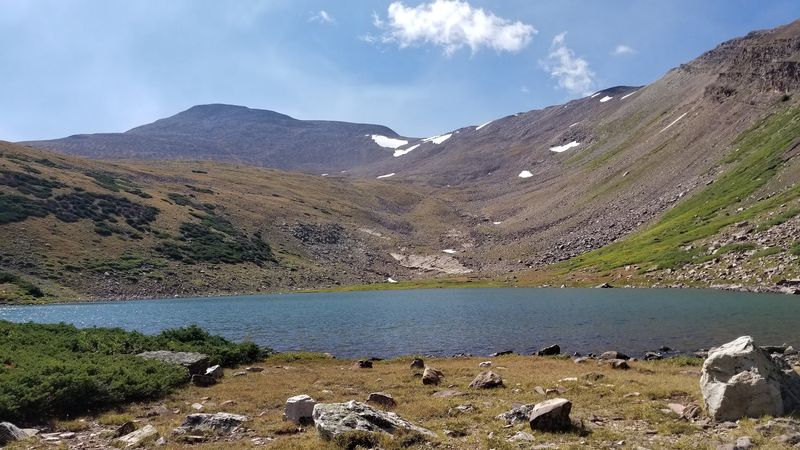
Everything you think you know about Utah shifts the moment you enter the High Uintas Wilderness. Located in northeastern Utah within the Ashley and Wasatch-Cache National Forests, this alpine wilderness sits above 10,000 feet and contains dozens of lakes, miles of long-distance trail, and a completely different visual vocabulary than anything in red-rock country.
It feels like a different state entirely, and that contrast is exactly the point.
The Uinta Highline Trail stretches roughly 104 miles across the range and is one of the great long-distance backpacking routes in the American West, though shorter multi-day loops into basins like Naturalist Basin or the Stillwater Fork offer equally stunning alpine scenery with more manageable mileage.
Fishing in the high lakes is a serious draw for those who carry a rod alongside their backpacking gear.
Summer is short at this elevation, with snow lingering well into June and returning by October. Afternoon thunderstorms are a daily feature and demand an early-start hiking strategy.
High Uintas Wilderness is Utah’s quiet flex, the alpine chapter in a state that never runs out of dramatic landscapes to reveal. Have you been sleeping on this one?