
This Pennsylvania Sushi Spot Has Earned A Reputation That Makes It Worth The Drive
Great sushi has a way of turning an ordinary evening into something unforgettable, and in Pennsylvania that kind of buzz does not happen by accident.
Silky slices of fish, rice pressed with precision, and that clean ocean scent rising from the plate create instant anticipation.
It is roll-by-roll excitement, soy-sauce serenity, and the quiet confidence of flavors that speak for themselves.
A swipe of wasabi wakes up the senses, pickled ginger refreshes the palate, and each piece feels carefully composed rather than rushed.
Pennsylvania’s dining scene keeps evolving, and when a sushi spot starts building real word-of-mouth momentum, people pay attention.
Reputation travels fast when quality stays consistent. I have a habit of plotting little food-focused road trips on weekends, mapping out just enough time to savor every bite instead of racing home.
There is something deeply satisfying about driving with a craving in mind, knowing that the destination promises precision, balance, and a plate that justifies every mile.
Quick Snapshot
Name: Gi-Jin
Type: High-end sushi restaurant specializing in sashimi, nigiri, hand rolls, and composed small plates
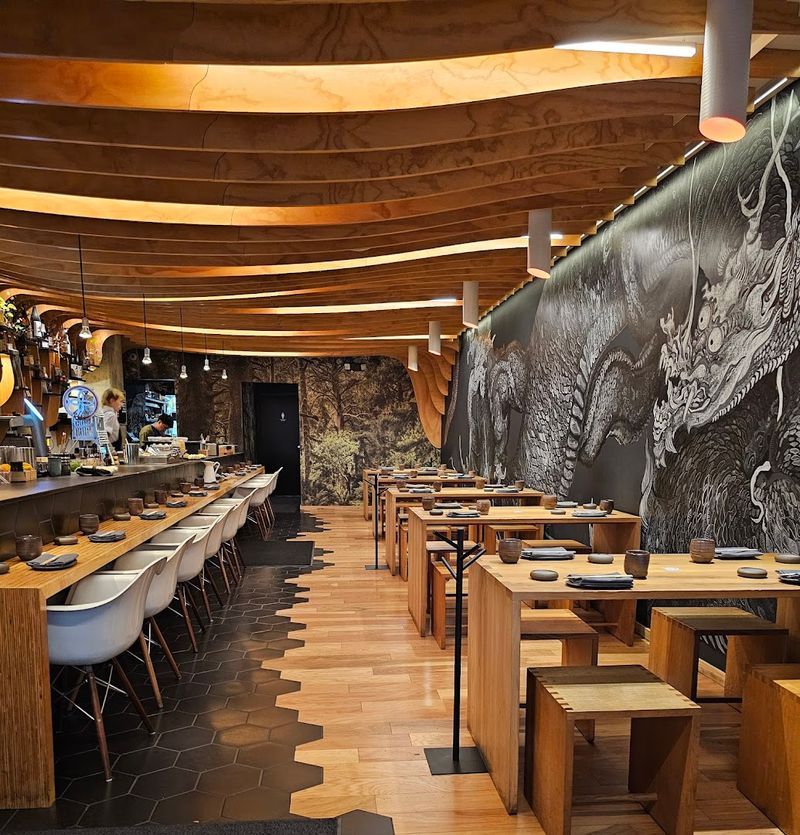
Setting: Intimate dining room with warm wood details and limited seating that creates an exclusive atmosphere
Location: 208 6th Street, Pittsburgh, Pennsylvania 15222, in downtown with nearby public parking
Arrival: Reservations are strongly recommended, service begins at 5 PM, and the restaurant is closed Sunday and Monday
Portions: Smaller, refined portions reflecting Japanese tradition, so plan for multiple dishes per person and a paced meal rather than one oversized entrée
Why This Sushi Spot Is Worth The Drive
Pittsburgh sits hundreds of miles from any ocean, yet Gi-Jin has built a reputation around fish quality that feels unusually polished for an inland city.
The menu is tightly focused, the room is compact, and the entire experience is built around precision rather than excess. That kind of restraint gives the restaurant a confidence that is easy to feel once you sit down.
Instead of trying to do everything at once, Gi-Jin keeps its attention on sashimi, nigiri, hand rolls, and a small set of carefully structured dishes.
That narrow focus is part of what makes it feel worth a dedicated trip.
Walking in, you immediately sense the attention paid to detail, from the layout of the room to the way the meal is designed to unfold in stages.
Nothing feels random, and that control gives the restaurant its distinct sense of identity.
The Sushi Is Absolutely Perfect
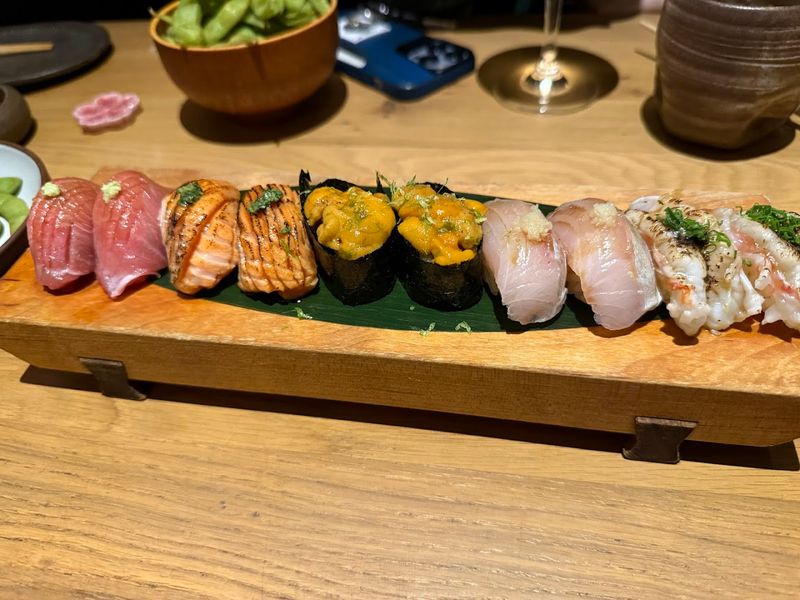
Quick Verdict: The fish selection at Gi-Jin is built around clean flavors, careful handling, and cuts that are meant to be appreciated without unnecessary distractions.
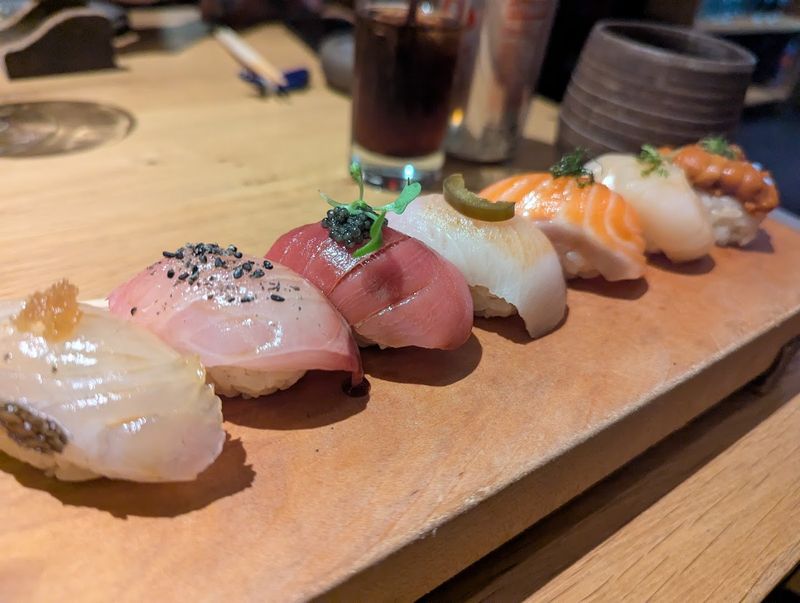
Hamachi is one of the clearest examples of that approach, bright and balanced in a way that shows how much the restaurant values restraint.
Toro brings more richness, while hotate offers a softer, more delicate contrast.
The sashimi plate remains the smartest way to begin if you want a broad first impression. It lets you understand the restaurant’s style before narrowing in on individual favorites.
The kitchen keeps the focus on fish treated with care. Instead of hiding everything under heavy sauces, the seasoning stays measured so the texture and flavor of each cut can stand on their own.
That is what makes the sushi here feel so polished. It is not about excess, it is about precision.
Pro Tip: Start with the sashimi plate to sample multiple cuts before committing to individual orders, then build your second round around whatever stood out most.
Hand Rolls Done Right
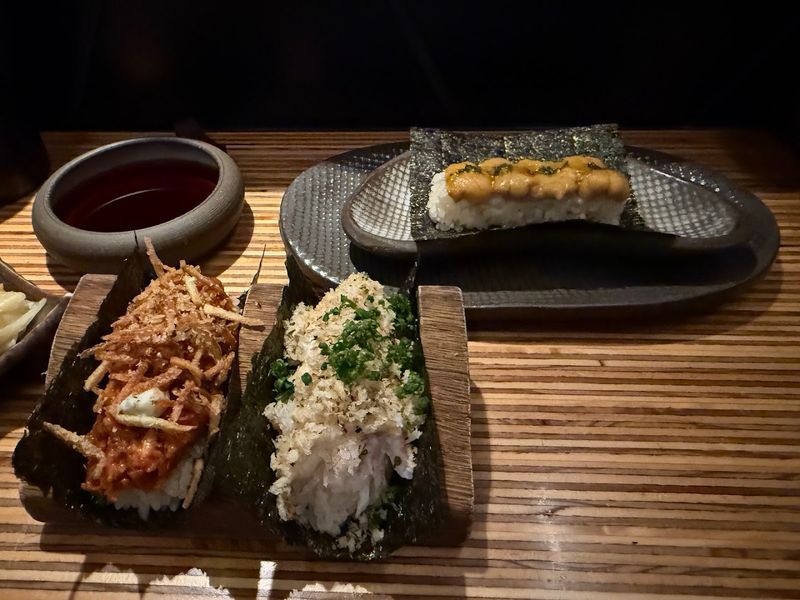
Hand rolls at Gi-Jin are built around contrast, crisp nori, clean fillings, and combinations that feel measured rather than overloaded.
The toro hand roll deserves its place as one of the strongest choices on the menu, rich and satisfying without feeling too heavy.
The spicy tuna keeps more of the fish at the center, while the hamachi hand roll brings brightness and heat in a more restrained way.
The menu also includes options like eel, mushroom, spicy scallop, shrimp tempura, and king salmon, which gives the hand-roll section more variety than a first glance suggests.
Each one is intentionally compact, so the experience is about ordering in stages rather than relying on one oversized main course.
That pacing fits the style of the restaurant and the way the menu is meant to be explored.
Order four to five hand rolls per person if they form your main course, maybe fewer if you start with sashimi, starters, or one of the composed plates first.
The Atmosphere Feels Authentically Japanese
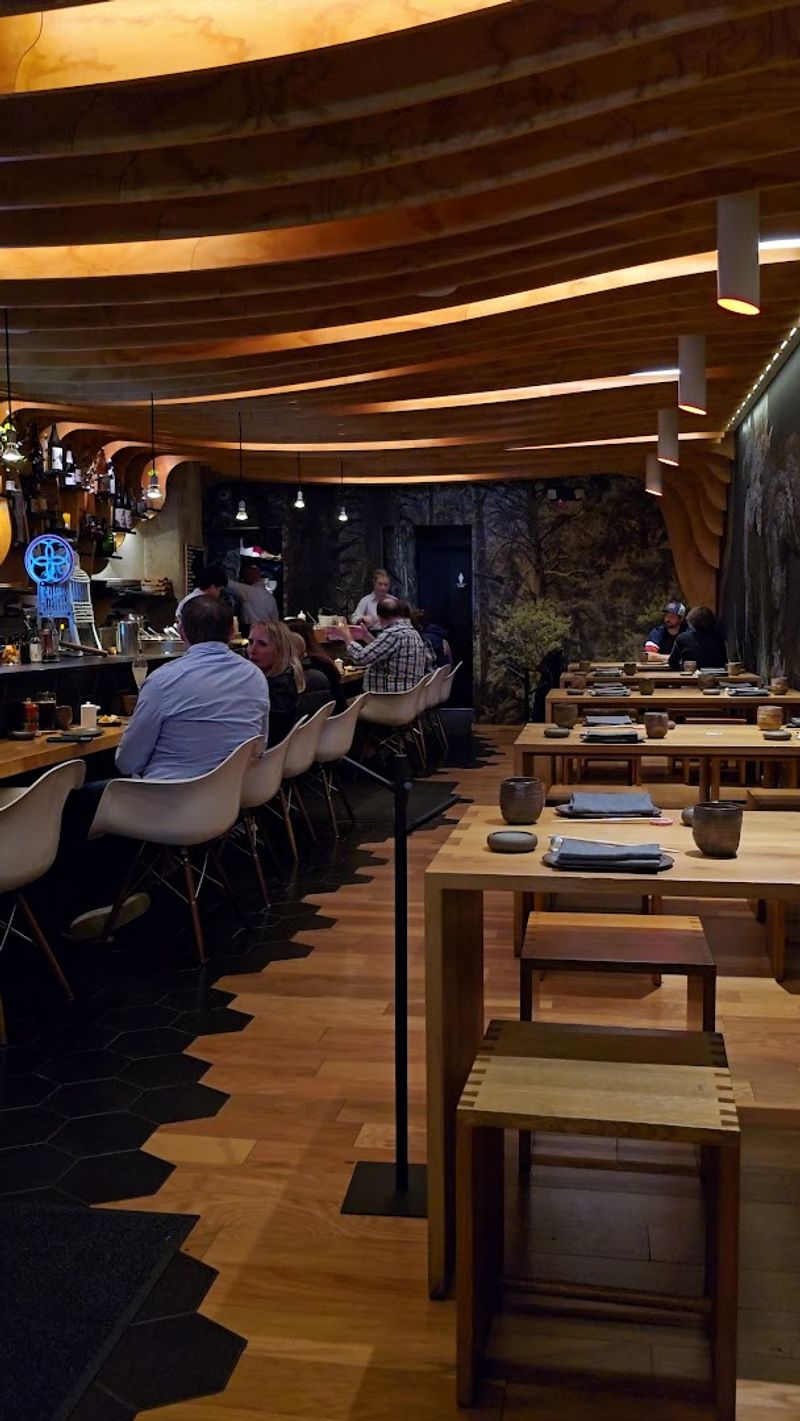
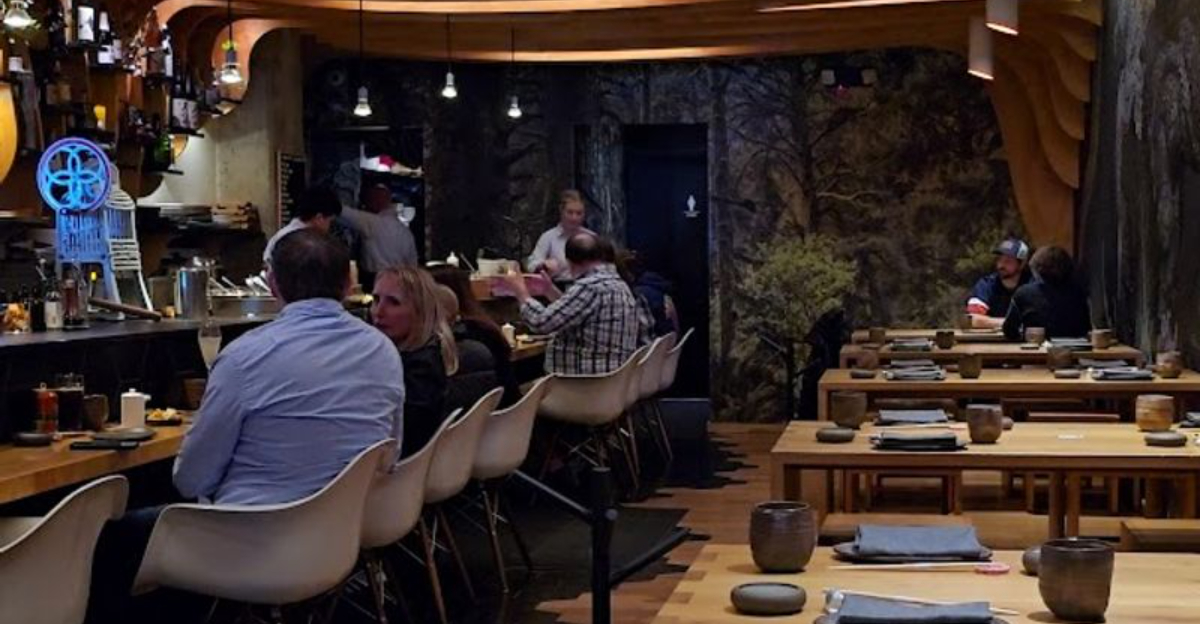
Walking into Gi-Jin, the wood-forward design immediately catches your attention. The ceiling and interior details create a subtle, layered warmth that feels polished without becoming theatrical.
The room is intimate, but it does not feel cramped. Instead, the limited seating helps preserve a quiet, focused energy.
Lighting stays warm and low, which makes the restaurant feel especially well suited to slower dinners, date nights, or special occasions.
The atmosphere encourages you to settle in and pay attention to the food rather than rush through it.
Furniture and finishes stay consistent with the rest of the design, giving the whole room a cohesive look. Small touches throughout the space reinforce the sense that the restaurant was built with intention.
The result is a dining room that feels calm, controlled, and memorable without needing to be loud about it.
Service That Actually Knows The Menu
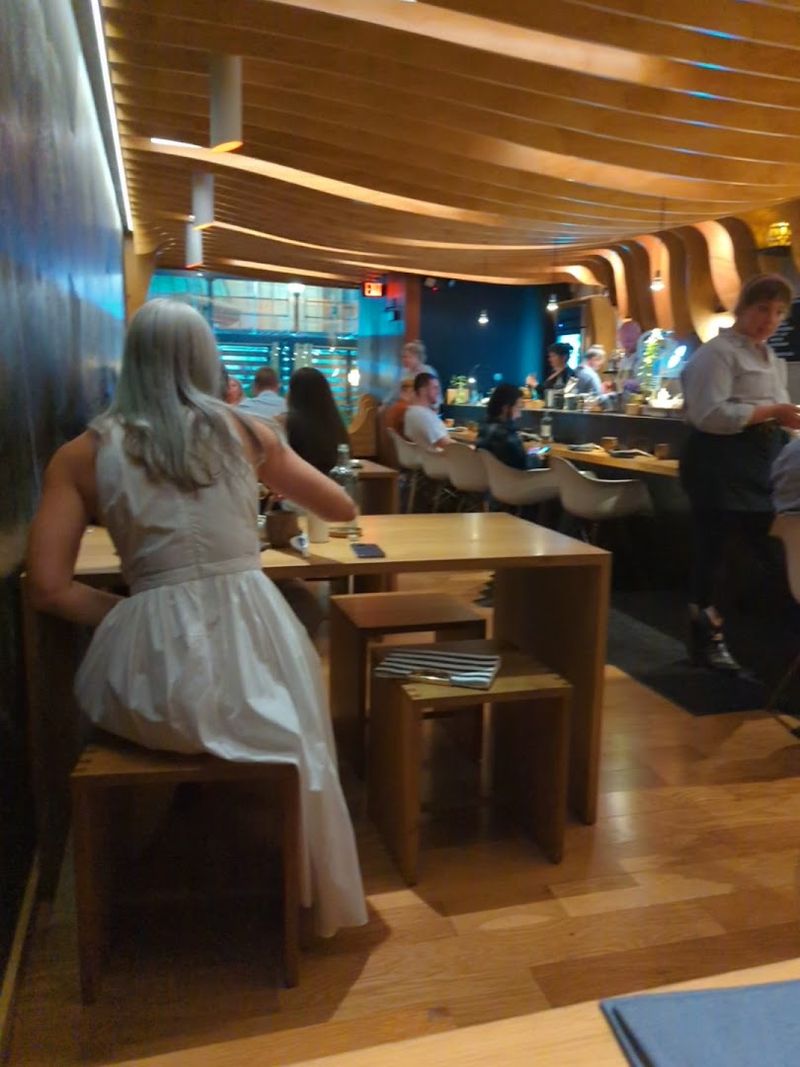
The service at Gi-Jin matches the structure of the menu. The pacing is designed to help the meal unfold naturally, with dishes arriving in a sequence that keeps the experience organized and balanced.
That matters in a restaurant built around smaller plates and multiple rounds.
Questions about unfamiliar cuts or preparations fit naturally into the flow of the meal, and the structure of the menu makes it easy to mix hand rolls, nigiri, sashimi, and composed dishes without feeling overwhelmed.
Because the room is small and the format is more deliberate than casual, the overall service rhythm feels more controlled than at a typical sushi spot.
That works in the restaurant’s favor, since the experience is clearly meant to feel guided rather than rushed. From the first plate to the last, the meal is built around steadiness, timing, and clarity.
Creative Dishes Beyond Traditional Sushi
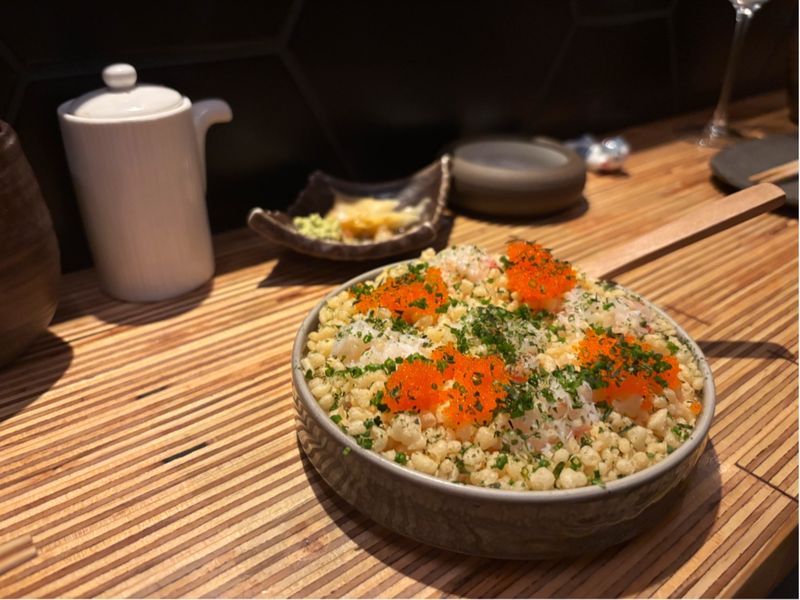
The tuna pizza initially sounds like a gimmick until you taste it. The dish backs up its name with a smart combination: bluefin tuna over a scallion pancake, finished with shiso pesto, parmesan, and lemon oil.
It is one of the clearest examples of Gi-Jin taking a creative turn without losing its balance.
Beef tataki gives the menu a more savory departure from the sushi lane, while bara chirashi offers a practical option for anyone who wants variety gathered into a single bowl.
The starter section adds even more range, with onigri, miso soup, salad, and edamame giving the menu some flexibility beyond straight fish and rice.
Dynamite crab adds another composed plate that stretches the menu without pulling it too far from its center.
The restaurant clearly wants to show some imagination while still keeping fish and technique at the heart of the experience. More often than not, that balancing act works.
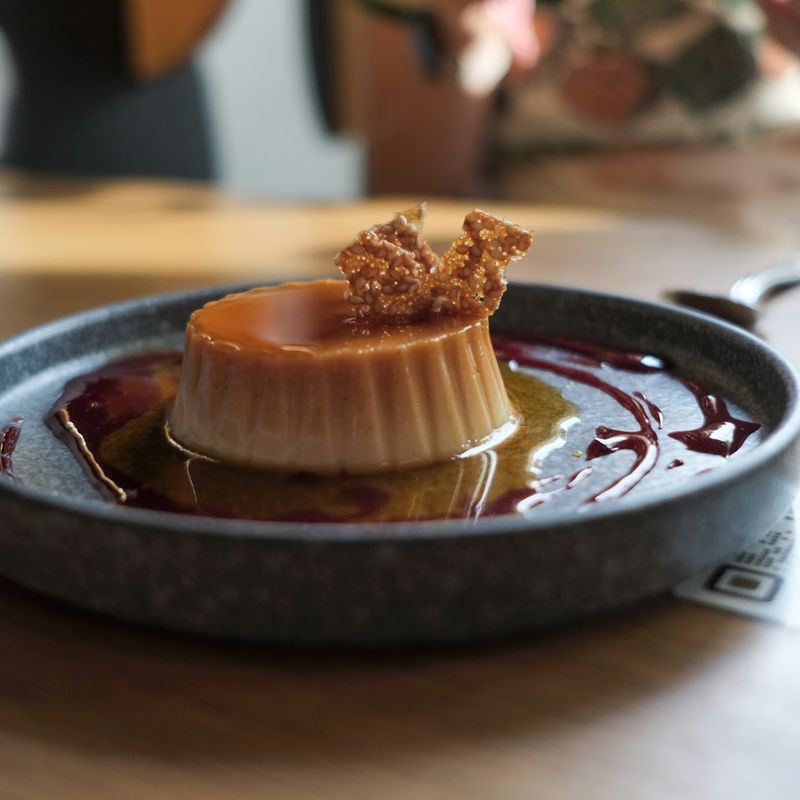
Desserts Worth Saving Room For
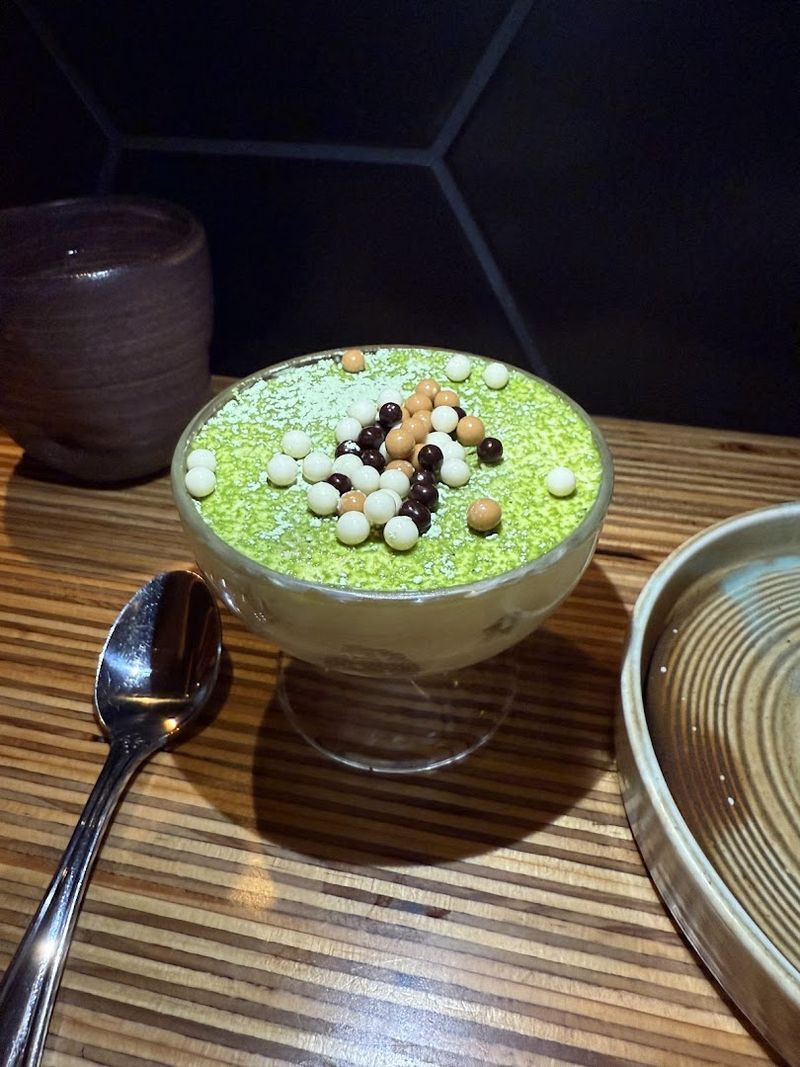
The sweet side of the menu is more clearly defined than some sushi spots manage.
Matcha Misu is the most obviously on-brand finish, carrying the meal into dessert without breaking the restaurant’s overall tone.
Apple Spice Cake offers a warmer, more seasonal direction, while Silk Chocolate Torte leans richer and more traditional.
That gives the dessert list enough range to suit different moods without feeling oversized or scattered. Each choice fits the rest of the experience by staying compact and intentional.
Dessert works best here as a final accent rather than the main event. It is worth saving room if you care about ending the meal cleanly and not just abruptly.
If you have a sweet tooth, the dessert section gives you a thoughtful finish without pulling attention away from the fish that brought you in to begin with.
The Price Reality You Need To Know
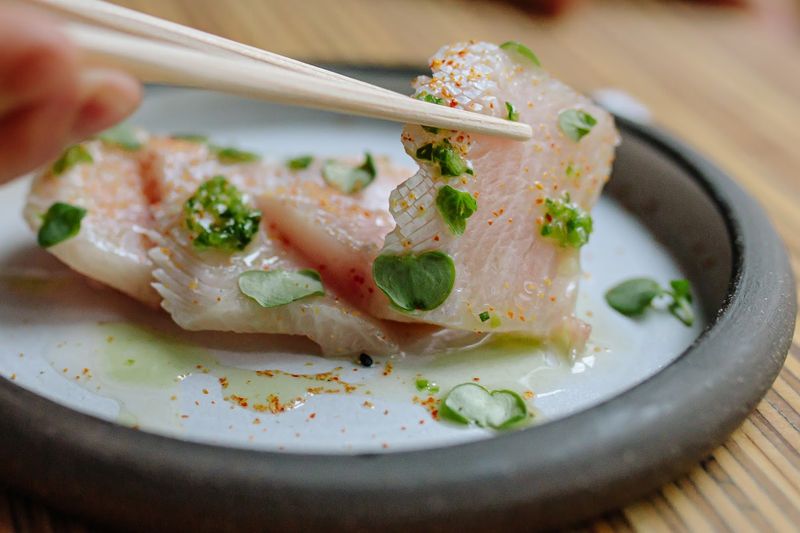
Gi-Jin charges premium prices that reflect both the style of service and the kind of menu it is running.
This is not a casual budget sushi stop, and the smaller plate format means you will likely order several items to build a full meal.
That can make the total climb quickly, especially if you combine sashimi, nigiri, hand rolls, and composed plates in the same sitting.
That does not automatically make it overpriced, but it does mean the experience makes the most sense when you treat it as a deliberate splurge rather than an everyday meal.
The portions are restrained by design, not by accident. The goal is quality, pacing, and variety rather than sheer volume.
If you go in understanding that, the pricing feels consistent with the restaurant’s concept. If you expect large portions for a lower cost, this probably will not be the right fit.
Reservations Are Not Optional
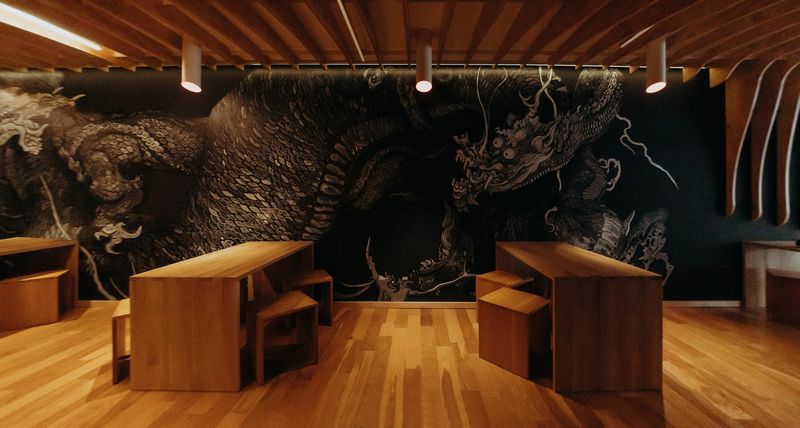
Walk-ins at Gi-Jin are not the smart bet, especially during prime dinner hours.
The room is small, the seating is limited, and the restaurant’s structure works best when the evening is paced in advance.
Reservations are the safest move if you want the full experience without the risk of missing out.
The controlled seating also helps preserve the atmosphere. It is not just about exclusivity, it is part of how the restaurant protects the timing and flow of the meal.
Planning ahead also gives you more flexibility if you want a specific time or are building the night around a special occasion.
The restaurant operates Tuesday through Saturday beginning at 5 PM, while remaining closed Sunday and Monday.
Treat this less like a casual drop-in dinner and more like something you book because it matters.
Who This Is For And Who Should Skip It
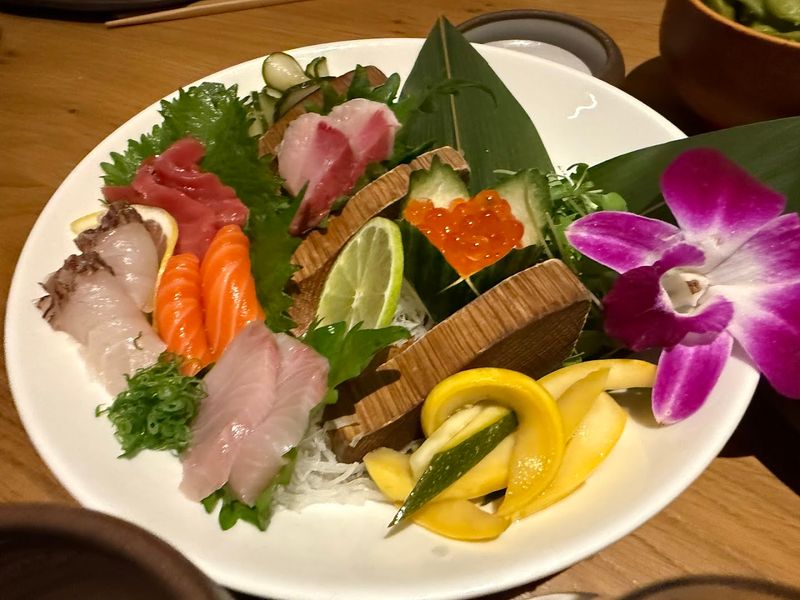
Best For: Date nights, special celebrations, sushi enthusiasts willing to pay for quality, and anyone craving a more focused, refined fish-driven dinner in Pittsburgh.
If you appreciate subtle flavors, clean presentation, and carefully handled ingredients, Gi-Jin delivers exactly what you want.
The intimate atmosphere works especially well when the meal itself is part of the occasion.
Adventurous eaters who enjoy trying different cuts and moving through a meal in stages will find plenty to enjoy. The format rewards patience and curiosity more than speed.
Skip It If: You prefer large portions, want casual pricing, like heavily sauced Americanized rolls, or needseating for a group larger than the room comfortably supports.
Anyone expecting oversized specialty rolls or a more relaxed, high-volume sushi bar experience may find this place too restrained for what they want.
Final Verdict: Is It Worth It?
Short Answer: Yes, if you value fish quality over quantity and understand you are paying for an experience that is carefully built rather than casually assembled.
Best For: Special occasions when you want to splurge on legitimately polished sushi without leaving Pittsburgh.
Key Move: Make reservations ahead of time, start with the sashimi plate and hamachi, order the toro hand roll, and pace yourself through several smaller items instead of trying to fill up as quickly as possible.
Gi-Jin succeeds at what it sets out to do, bringing a more refined, fish-focused sushi experience to an unlikely inland location.
The prices are undeniably high, but they align with the quality, pacing, and level of control the restaurant maintains throughout the meal.
I left impressed by the consistency, from the fish itself to the way the menu unfolds to the calm, carefully designed room around it.
It became one of those places I kept thinking about afterward, already planning the next visit before the first one had fully worn off.