
This Ohio Trail Is Where Wildlife Sightings Feel Like A Daily Bonus
Ohio has a talent for hiding quiet little wonders in places you could easily rush past without a second glance. I almost did exactly that, and now I am glad I did not, because this trail turned out to be the kind of spot that makes every step feel like a small reward waiting to happen.
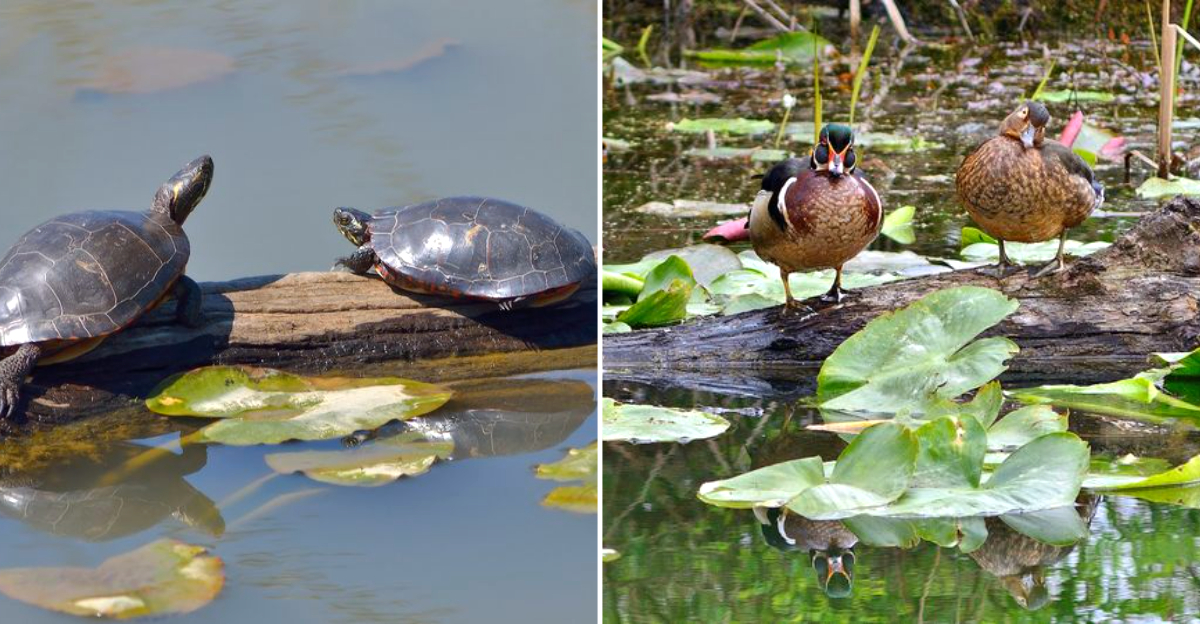
One moment you are walking through peaceful marsh scenery, and the next you are spotting herons, ducks, turtles, and all kinds of wild regulars going about their day like they own the schedule.
I love places that make me slow down without trying too hard, and this one does it beautifully with boardwalk views, still water, and the constant possibility that something feathery, furry, or wonderfully unexpected is about to appear.
If you enjoy nature that feels calm, lively, and full of surprise, this Ohio trail belongs on your list.
A Wetland With a Wild Backstory
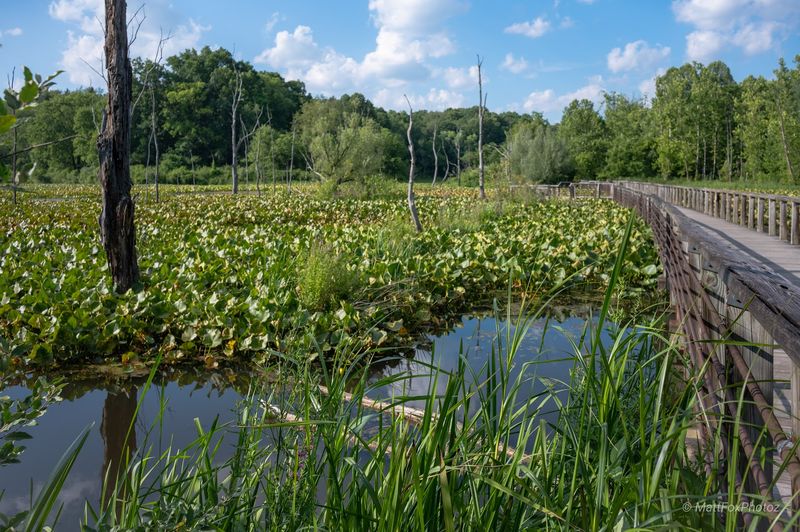
Most peaceful nature spots do not begin their lives as auto salvage yards, but that is exactly where this story starts. Beaver Marsh, located along the Ohio and Erie Canal Towpath Trail in Cuyahoga Falls, OH 44264, has one of the most unexpected origin stories of any natural area in Ohio.
Before it became a thriving wetland, this land was used as a dairy farm and later turned into a junkyard. When the National Park Service acquired the property, volunteers rolled up their sleeves and cleared out the debris.
Then something remarkable happened. Beavers, absent from the area for roughly 150 years, returned and immediately got to work.
They built a network of dams, including one across the historic Ohio and Erie Canal, gradually turning the reclaimed land into a lush, water-filled marsh. Nature did not just recover here, it came back with ambition, and the result is one of the most visited spots in Cuyahoga Valley National Park.
The Boardwalk That Puts You Right in the Middle of It All
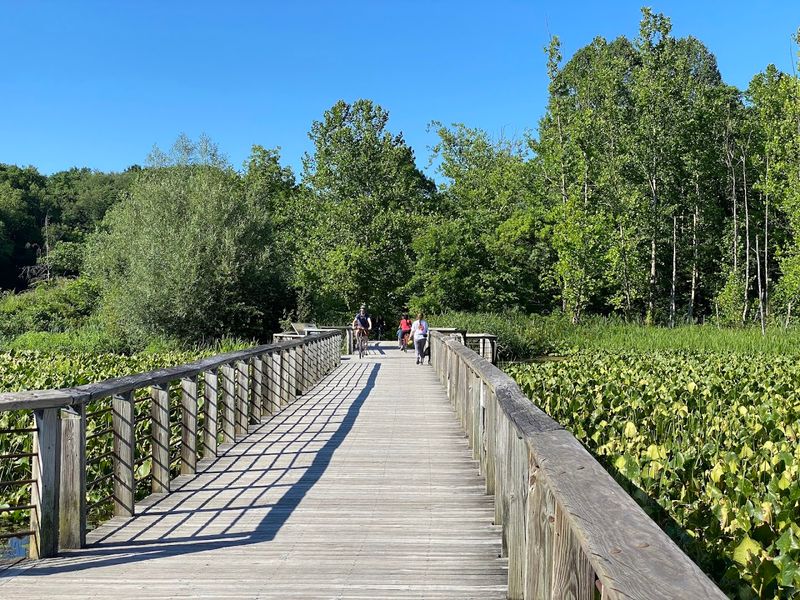
The boardwalk at Beaver Marsh is genuinely one of my favorite spots to stand and just breathe. It extends out over the water, putting you directly above the marsh rather than simply beside it, and that difference in perspective changes everything.
From the railing, you can look down and watch fish moving below the surface, or glance sideways and catch a heron standing motionless in the shallows. Benches are placed at intervals along the boardwalk, which I appreciated more than I expected to.
Sometimes you just need to sit and let the scene come to you rather than chasing it.
The wooden planks are well-maintained and easy to walk on, making the experience accessible for most visitors regardless of age or fitness level. On a calm morning, the water around the boardwalk reflects the sky so clearly that the whole marsh looks like it is floating between two skies.
Wildlife That Shows Up Without an Invitation
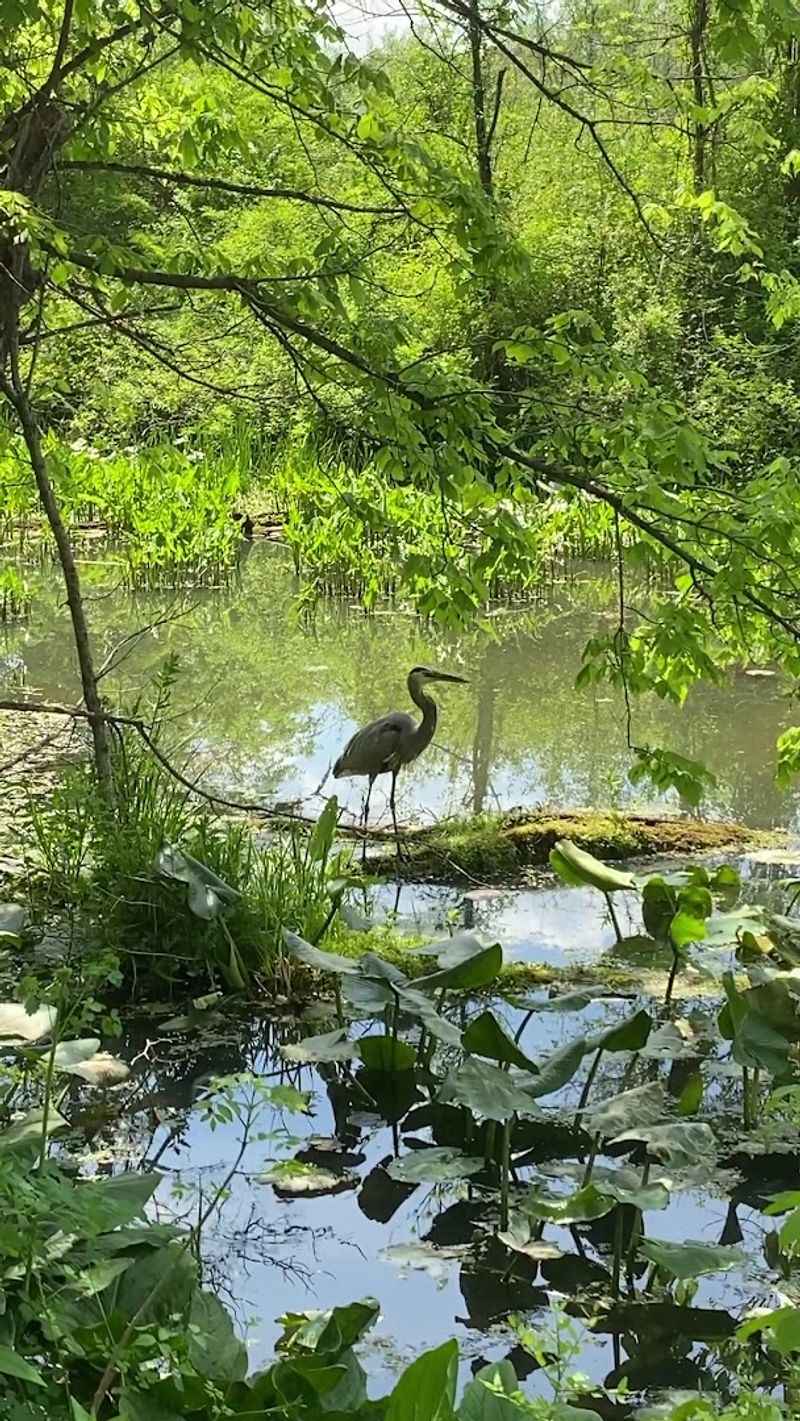
The wildlife here operates on its own schedule, and the best thing you can do is show up and be patient. Great blue herons are practically regulars at Beaver Marsh, and they have a habit of standing so still that you almost walk right past them before realizing what you are looking at.
Ducks are everywhere, especially in cooler months when other wildlife is less visible. Turtles sun themselves on logs near the water’s edge, and if you are quiet and lucky, you might catch a muskrat paddling across the open water.
Beavers themselves are harder to spot during daylight hours, but visitors who arrive just before sundown have reported seeing two beavers actively working near the dam.
Birds are the real headliners here, with species ranging from red-winged blackbirds to wading birds that hunt along the shallows. Every visit feels different because the cast of characters keeps changing with the seasons.
Getting There: The Ira Trailhead Walk
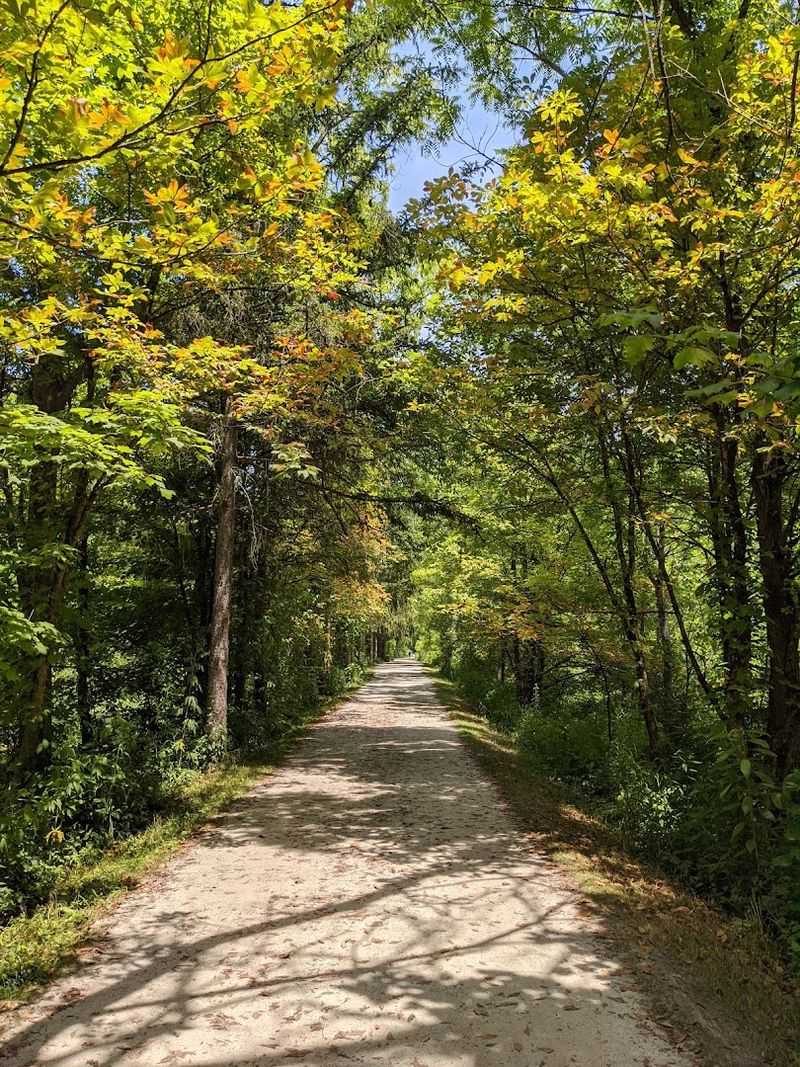
Reaching Beaver Marsh is a short and pleasant walk that most people find easier than they expected. The most popular approach is through the Ira Trailhead, where parking is available for around 20 cars at no charge.
From the parking area, you take the Ira Trail for about a tenth of a mile, then turn left onto the Towpath Trail. From there, the marsh boardwalk is roughly four-tenths of a mile ahead.
The whole round trip comes out to about three-quarters of a mile, which means even younger kids and older visitors can make the trip comfortably.
The path is flat and well-maintained, running alongside the historic Ohio and Erie Canal corridor. Clean restrooms are available at the Ira Trailhead, which is a detail that sounds small but matters a lot when you are planning a family outing.
The Ira Trailhead is the best starting point if you want the most convenient and complete experience.
Sharing the Trail With Cyclists and Other Visitors
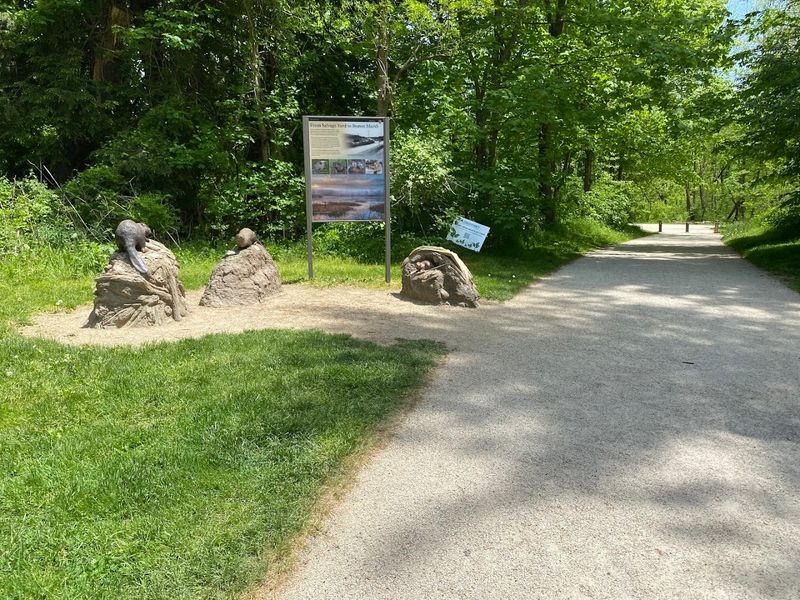
One thing that surprised me on my first visit was just how busy the Towpath Trail can get, especially on weekends. The path is shared between hikers, joggers, and cyclists, and the cyclists move fast enough that you want to stay aware of your surroundings.
The rule of thumb is to keep to the right and be ready to step aside when a bike approaches. The boardwalk section itself can get congested during peak hours, so arriving early in the morning gives you a much quieter experience and better wildlife sightings anyway.
Dogs are welcome on the trail as long as they are leashed, and I saw several well-behaved pups enjoying the walk alongside their owners. The shared-use nature of the trail gives it a lively community feel, but it also means you need to stay mindful and courteous.
A little awareness goes a long way toward making the visit enjoyable for everyone on the path.
Best Times to Visit for Maximum Wildlife Activity
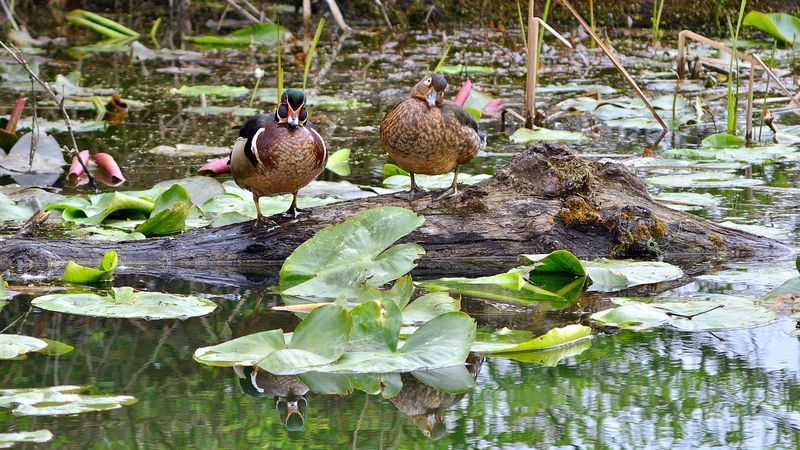
Timing your visit makes a bigger difference here than at most nature spots. Wildlife at Beaver Marsh is most active during the early morning and late evening hours, so those two windows are your best bet for memorable sightings.
Spring and summer bring the marsh to life with lush greenery, nesting birds, and active beavers building and maintaining their dams. Fall visits offer a different kind of beauty, with changing foliage framing the water and cooler temperatures making the walk genuinely comfortable.
Winter strips the scene down to its bare bones, which has its own quiet appeal, though animal activity slows considerably.
Mosquitoes are worth mentioning for summer visitors. September visits can still bring some bug activity, so bringing repellent is a smart move.
Sunscreen is equally important since the boardwalk offers very little shade on clear days. A hat, sunscreen, and a water bottle will keep you comfortable no matter what season brings you to the marsh.
Birdwatching at Its Most Effortless
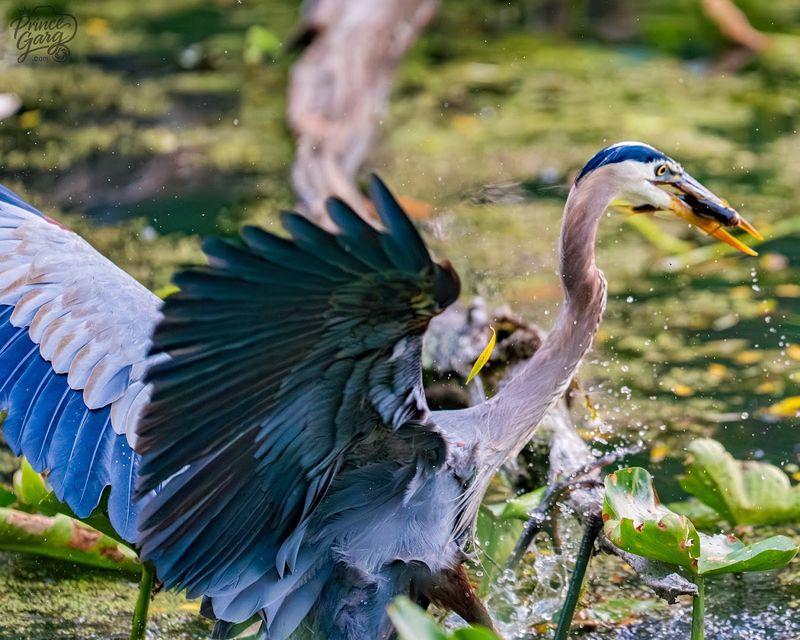
You do not need to be a serious birder to love this marsh. The birds here are active, visible, and surprisingly unbothered by human presence, which makes the whole experience feel less like birdwatching and more like being welcomed into their space.
Red-winged blackbirds call out from the cattails constantly, their sharp notes cutting through the ambient sounds of the marsh. Wading birds patrol the shallows with focused patience, and ducks cruise across the open water in pairs and small groups.
During warmer months, the variety of species visible from the boardwalk alone is genuinely impressive.
Bringing a pair of binoculars adds a lot to the experience, especially for spotting birds perched in the trees at the far edge of the marsh. A camera with a decent zoom lens will also reward you here, since the lighting over open water can be beautiful in the early morning.
The marsh has a way of turning casual observers into enthusiastic birdwatchers without them even noticing the shift.
Photography Opportunities Around Every Bend
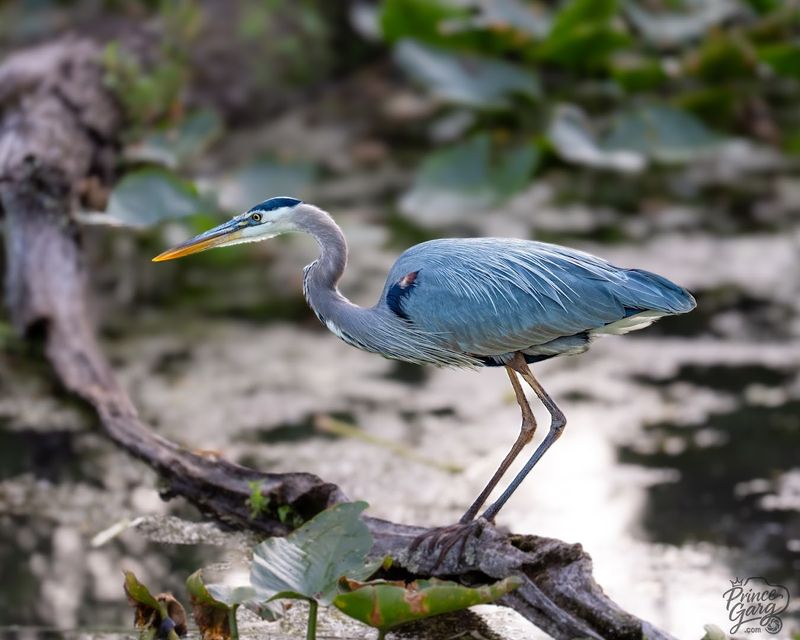
Photographers make up a significant portion of the visitors at Beaver Marsh, and it is easy to see why. The combination of open water, reflective surfaces, wildlife, and changing light creates conditions that reward both beginners and experienced photographers equally.
Sunrise and sunset are particularly spectacular from the boardwalk, when the sky’s colors mirror across the marsh surface and birds tend to be most active. The flat, unobstructed views across the water give you clean backgrounds that make wildlife shots look polished without much effort.
Macro photography also has a place here, with aquatic plants, insects, and textures on the wooden boardwalk offering interesting close-up subjects. The informational signs along the trail add context that can be useful for documentary-style shots as well.
I spent nearly an hour on the boardwalk during one visit, barely moving, just waiting for the light to shift and the herons to reposition. That kind of patient, rewarding photography session is exactly what this marsh does best.
What to Bring and How to Prepare
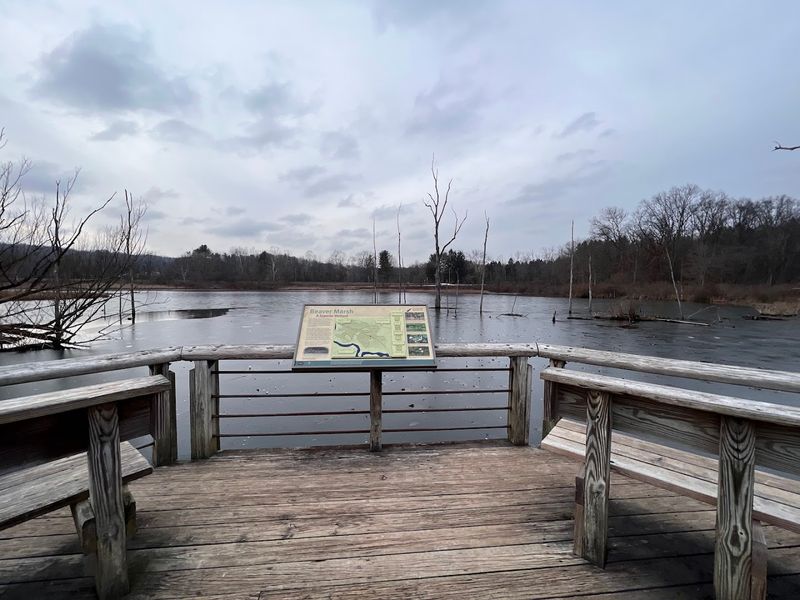
Preparing for a visit to Beaver Marsh does not require much gear, but a few simple items will make the experience noticeably better. Sunscreen is at the top of the list since the boardwalk is almost entirely exposed, and even on mild days the sun reflects off the water and catches you off guard.
Insect repellent is worth packing from late spring through early fall, particularly if you plan to visit around dusk when mosquitoes are most active near the water. Comfortable walking shoes are sufficient since the trail and boardwalk are flat and well-maintained throughout.
Binoculars are a strong recommendation for anyone interested in spotting birds across the far edges of the marsh. A camera with a zoom lens will serve you well, but even a smartphone can capture decent shots from the boardwalk.
Water and a light snack are smart additions since there are no concessions on the trail. Arriving prepared means you can spend your full attention on what the marsh has to offer rather than wishing you had packed differently.
Why This Spot Keeps Pulling People Back
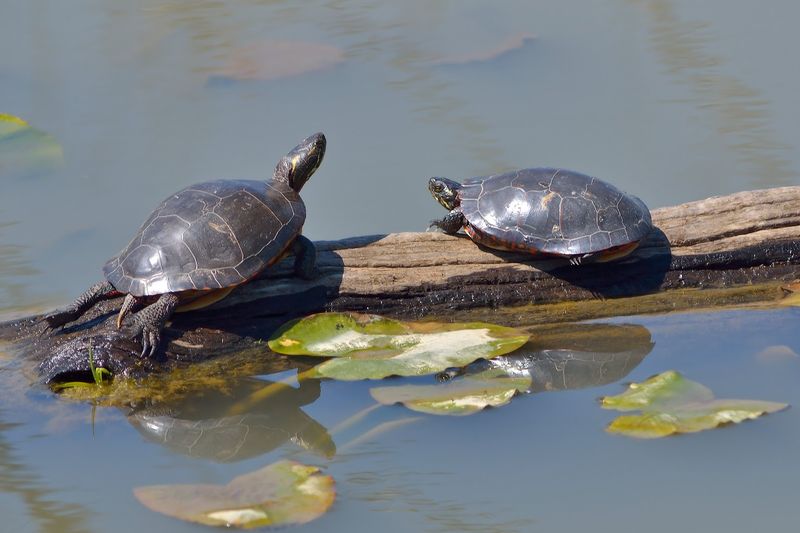
There is something about Beaver Marsh that makes people come back repeatedly, and I think it comes down to the fact that no two visits are exactly alike. The marsh changes with the seasons, the weather, and the time of day in ways that keep it feeling fresh even on a return trip.
Early spring visits reveal the bare bones of the marsh before vegetation fills in, giving you clear sightlines across the water that summer obscures. Fall turns the surrounding trees into a warm backdrop that makes even a simple duck on the water look like a painting.
Winter strips everything back to a spare, quiet beauty that has its own appeal.
The marsh also carries a story worth returning to: a place that was cleared, damaged, and then reclaimed by both human effort and animal instinct.
Every visit is a small reminder that recovery is possible and that nature, given a fair chance, has a way of exceeding expectations in the most satisfying way possible.