
One Small Washington Coastal Town Turns Simple Walks Into Something Magical
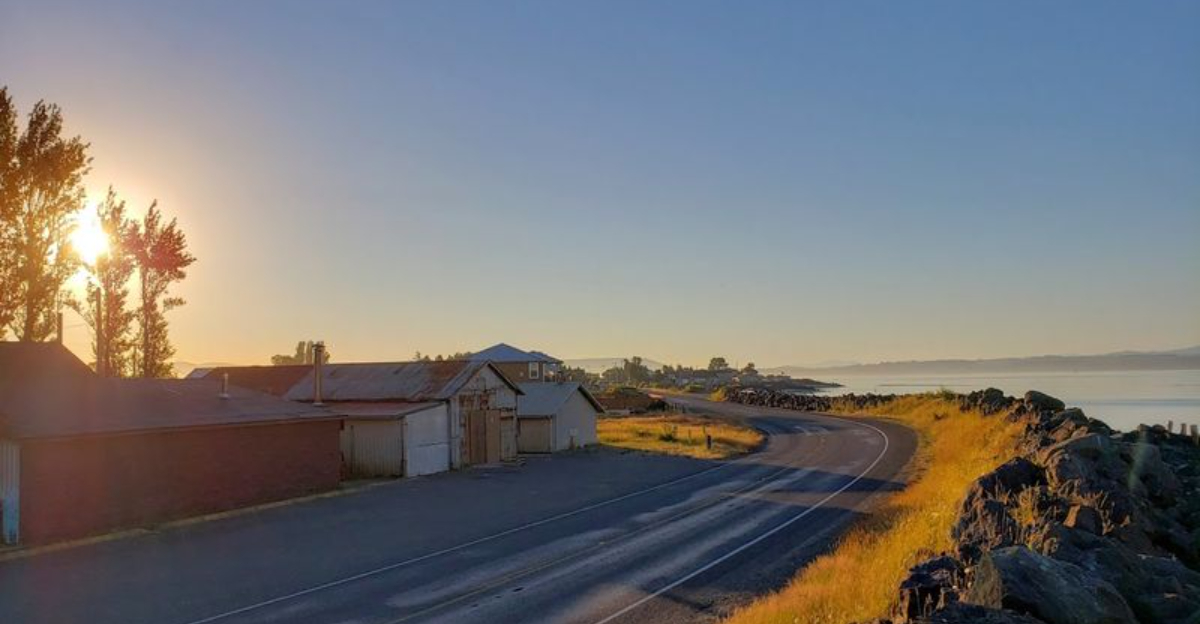
Not every kind of magic announces itself. Sometimes it’s tucked along a quiet stretch of Washington coastline, where the road narrows, the sky opens wide, and the day suddenly feels unhurried.
In this small seaside town, walks aren’t just walks, they’re slow rituals.
The tide redraws the shoreline like it’s sketching in real time. Weathered docks creak with history. Oystermen head out early, and sunsets roll in soft and cinematic.
Nothing tries too hard here, and that’s the point. One simple stroll along the water turns into something bigger. Clearer thoughts, deeper breaths, and the quiet realization that simplicity can feel extraordinary.
Quick Snapshot: What Tokeland Is All About
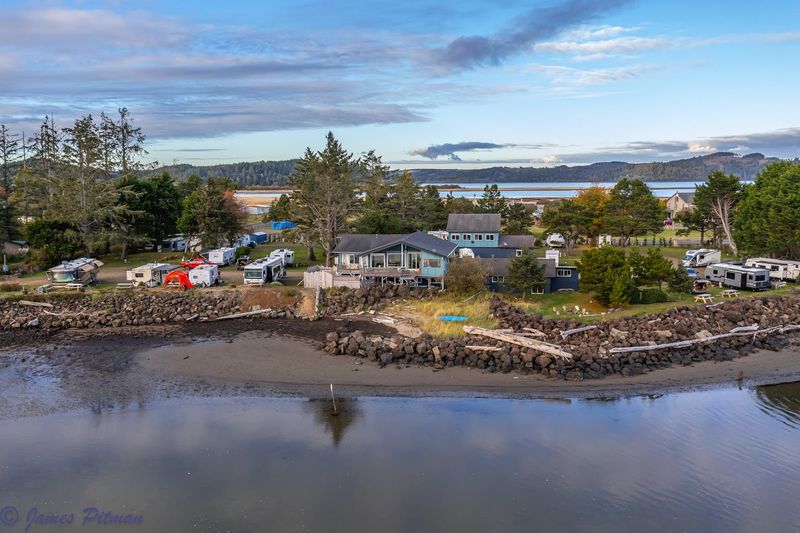
Name: Tokeland, Washington
Type: Small coastal village and historic destination
Setting: A quiet peninsula tucked between Willapa Bay and the Pacific Ocean, surrounded by tidal flats, marshlands, and old-growth shoreline
Location: Tokeland Peninsula, Pacific County, Washington State, accessible via Highway 105
Arrival: Best reached by car, no major public transit, so a road trip vibe is part of the experience
Best For: Slow travelers, nature lovers, curious wanderers, and anyone who needs a genuine digital detox without sacrificing beauty
Who This Is For: Solo travelers, couples, photographers, birders, and anyone craving coastal calm without the crowds.
Who This Is Not For: Anyone looking for nightlife, luxury spas, or packed tourist attractions.
A Living Piece Of Washington History
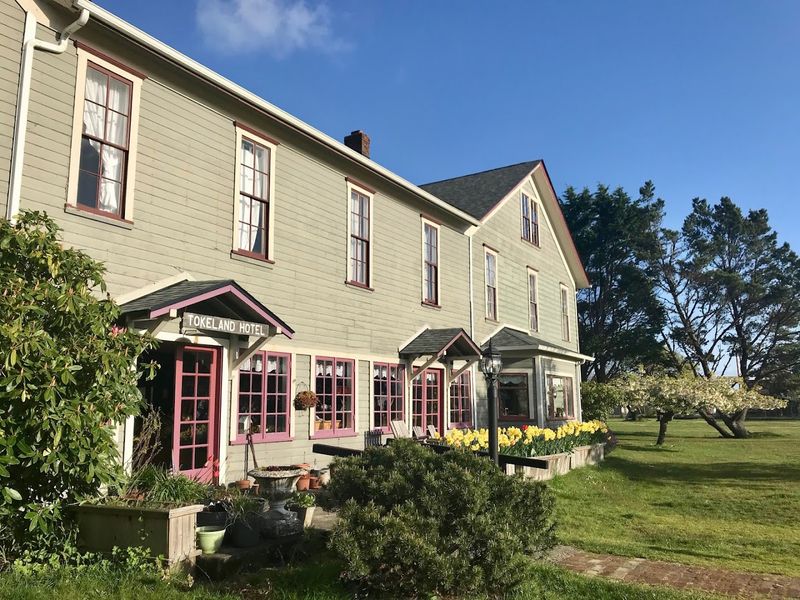
Walking up to the Tokeland Hotel felt like stepping onto a film set, except everything was completely real and wonderfully worn in.
Located at 2964 Kindred Avenue, Tokeland, WA 98590, this place holds the title of the oldest operating hotel in Washington State, and you can feel every decade of that history the moment you step through the front door.
Built in 1885, the hotel has creaky wood floors, antique furniture, and a fireplace that feels timeless. I spent an hour in the common room reading and watching the light change, and it was one of the most peaceful moments I’ve had in a long time.
There’s no pretense here, no trendy redesign meant to chase a certain aesthetic.
Fun Fact: The Tokeland Hotel is listed on the National Register of Historic Places, which means its character is officially protected. That matters more than it sounds.
The surrounding grounds roll gently toward the bay, and the garden area out back gives you a clear view across the water toward the tidal marshes. Morning fog sits low over the bay in a way that looks almost cinematic.
Even if you’re not staying overnight, walking the perimeter of the property and sitting on the porch for a bit is completely worth the detour.
Insider Tip: Visit on a weekday morning for the quietest, most atmospheric experience the hotel grounds can offer.
Tidal Walks Along Willapa Bay That Change Everything
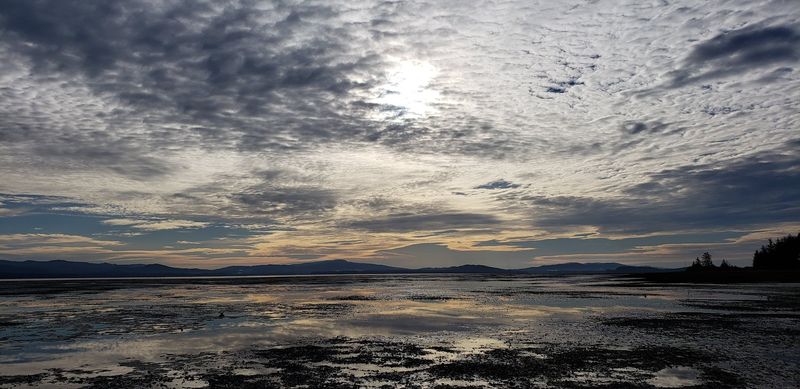
Low tide along Willapa Bay is genuinely one of the most underrated nature experiences on the entire Washington coast. The water pulls back and reveals this whole secret world of mudflats, tiny crabs, shorebirds doing their thing, and patterns in the sand that look like something an artist spent hours creating.
I went out early one morning when the tide was at its lowest, and I ended up walking for almost two hours without realizing it.
Time just dissolves out there. The flatness of the landscape and the enormous sky above create this rare sensation of being very small in the best possible way, the kind that feels freeing rather than overwhelming.
Best For: Birders, photographers, and anyone who finds meditation boring but still wants to completely clear their head.
Willapa Bay is one of the cleanest estuaries in the United States, which is part of why the birdlife here is so spectacular.
I spotted great blue herons, dunlins, and what I’m pretty sure was a peregrine falcon doing laps over the flats. You don’t need binoculars, though they definitely help.
Pro Tip: Check tide tables before you go. The difference between a low tide walk and a high tide walk is basically the difference between a nature documentary and a regular beach stroll.
Both are good, but low tide is the one worth planning around.
The bay has a stillness that feels almost deliberate, like it’s been waiting for someone to actually pay attention to it.
Tokeland Beach And The Art Of Doing Absolutely Nothing
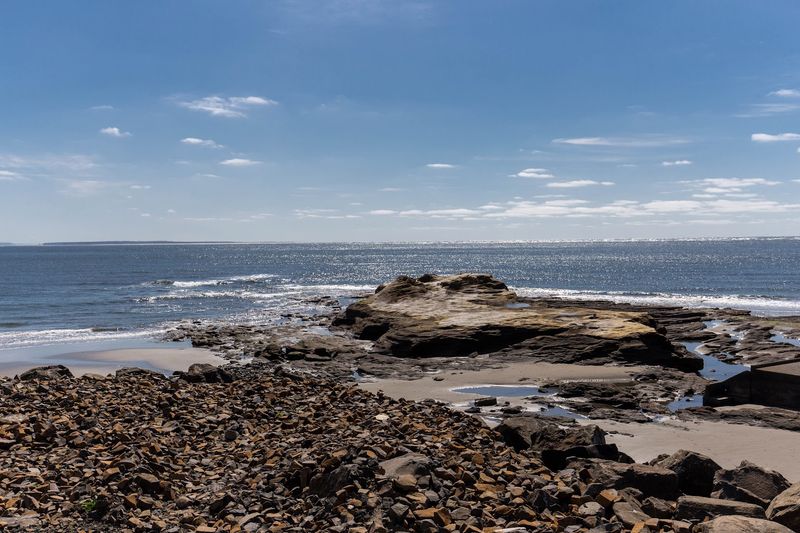
There’s a specific kind of beach that doesn’t ask anything of you. No volleyball nets, no rental shops, no organized fun.
Tokeland Beach is exactly that kind of place, and I mean it as the highest possible compliment.
The shoreline here is wide, driftwood-scattered, and almost always quiet. I sat on a massive log for a solid forty minutes watching the horizon and thinking about exactly nothing, which if you know me, is basically a miracle.
The Pacific hits differently here than it does at the busier Washington beaches further north. Something about the angle of the peninsula means the waves come in at a gentler rhythm.
Quick Tip: Bring layers even in summer. The coastal wind here is real and it will find every gap in your jacket with impressive determination.
Driftwood is everywhere along this stretch, and the pieces get genuinely enormous after winter storms. Some of the logs are the size of small cars, bleached silver by the salt air and sun.
Walking among them feels like wandering through a natural sculpture garden that nobody curated, which makes it even better.
Best Strategy: Arrive at golden hour, which on the Washington coast in summer can stretch almost absurdly late. The light hits the water and the driftwood in a way that makes even a basic smartphone camera produce photos worth keeping.
Tokeland Beach is proof that the best things are often just the simplest ones, given enough space and quiet to actually breathe.
Where Nature Gets Serious
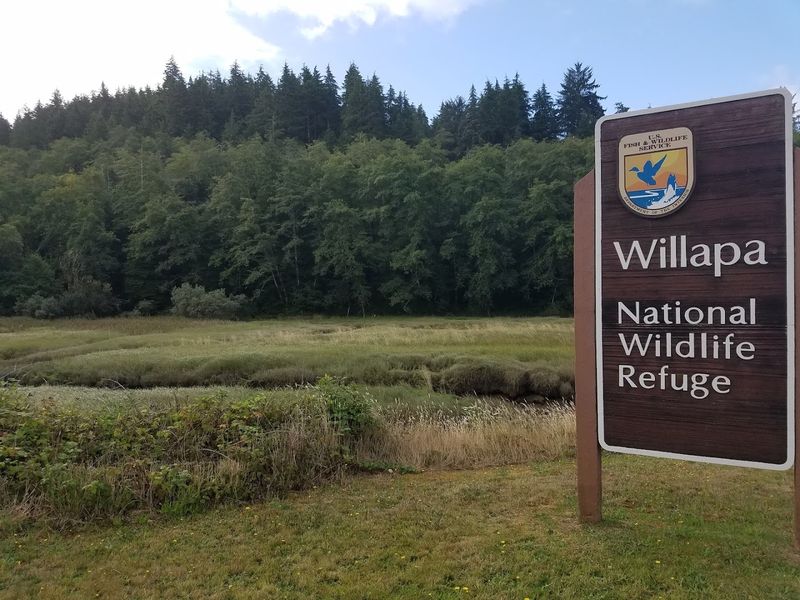
Halfway through my time in Tokeland, I needed something that felt a little wilder, and the Willapa National Wildlife Refuge delivered in a way I wasn’t fully prepared for.
This place is massive, spanning over 15,000 acres across Pacific County, and the sections accessible near Tokeland are genuinely spectacular.
The refuge protects one of the largest coastal estuaries in the Pacific Northwest, which sounds like something from a textbook until you’re actually standing in the middle of it and realizing that almost nothing around you has been altered by human hands.
The marshes, the old forest edges, the tidal channels winding through tall grass, it all has this raw, unfiltered quality that most nature spots lose the moment they add a parking lot.
Why It Matters: Willapa Bay supports over 100 species of fish and more than 200 species of birds. That’s not a small number.
That’s an entire world operating independently of anything we built.
Planning Advice: Download an offline map before you go. Cell service is unreliable in sections of the refuge, and wandering without a sense of direction here is a lot less charming than it sounds in theory.
The refuge doesn’t perform for visitors. It simply exists, and that’s exactly what makes it so powerful.
The Surprising Agricultural Soul Of Tokeland
Here’s something I did not expect to find in a tiny coastal town: a serious cranberry farming culture that has been shaping this part of Washington for over a century.
Pacific County is one of the top cranberry-producing regions in the entire United States, and driving through the area around Tokeland during harvest season is one of those accidental travel moments you end up talking about for years.
The bogs get flooded during harvest, and the cranberries float to the surface in these huge, impossibly red pools that look almost surreal against the gray Pacific Northwest sky. I pulled over on a side road just to stare at one for a few minutes.
My phone camera was working overtime.
Fun Fact: Washington State produces around 65 million pounds of cranberries annually, and a significant chunk of that comes from the bogs surrounding the Tokeland area. The harvest typically runs from late September through October.
Even outside of harvest season, the agricultural landscape here adds a layer of texture to the coastal scenery that I wasn’t expecting.
The flat bogs stretch out alongside the tidal wetlands and forest edges in a patchwork that feels uniquely Pacific Northwest, utilitarian and beautiful at the same time.
Best For: Visitors who appreciate the intersection of food culture and landscape, or anyone who loves a good unexpected detour from the standard coastal itinerary.
Cranberry country around Tokeland is a reminder that the most interesting places usually have more going on beneath the surface than the first glance suggests.
Final Verdict: Why Tokeland Deserves A Spot On Your Actual Itinerary
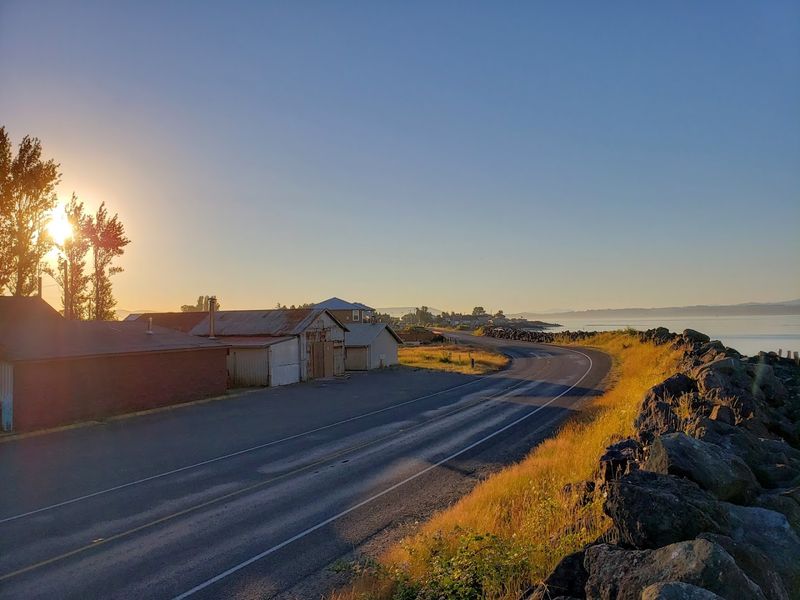
Tokeland is a genuinely rare find on the Washington coast: uncrowded, authentic, and quietly spectacular in ways that reward slow, attentive travel.
The combination of tidal walks, wildlife refuge access, historic lodging, and cranberry country creates a travel experience that feels layered and real rather than packaged. Sunset watching from the peninsula edge is a legitimate destination-worthy experience on its own.
The Tokeland Hotel is not just a place to sleep, it’s a piece of living Pacific Northwest history worth experiencing even as a day visitor. Low tide timing is the single most important logistical detail for getting the most out of your time here.
Plan around it. This is a place for people who travel to actually feel something, not just check a location off a list.
I left Tokeland with muddy boots, a memory card full of heron photos, and a genuine sense that I had found something most people drive right past. That feeling is rare and worth chasing.
The town doesn’t try to impress you. It just goes about its ancient, tidal, fog-rolled business, and somewhere in the middle of watching it do that, you realize you’ve been completely won over.
Quick Verdict: If you have a free weekend and access to a car, Tokeland is one of the most quietly rewarding coastal destinations in the Pacific Northwest, full stop.