
This Charming West Virginia Town Is Perfect When You Need To Unplug
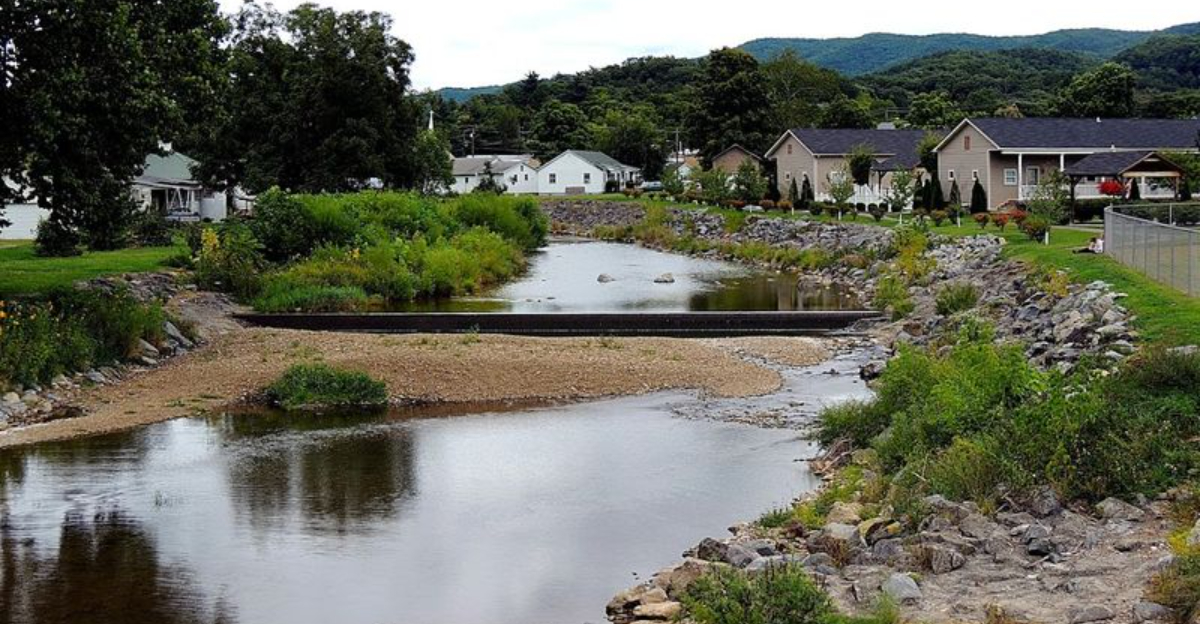
You know that scene in Eat Pray Love where Julia Roberts drops everything for something slower, quieter, more meaningful? That basically describes my escape to West Virginia. Months of back-to-back meetings, cold coffee, and phone addiction had left me running on fumes.
When a friend casually mentioned this tucked-away town in the Greenbrier Valley, I thought, why not?
Worst case, fresh mountain air. Best case, maybe I find my soul again.
The moment I rolled down the windows, crisp Allegheny air hit me like a reset button. The town itself moves at its own gentle rhythm.
Small, charming, unhurried, almost radical in a world obsessed with speed. History seeps from every corner, mountains cradle the town, and quiet becomes an indulgence rather than a luxury.
Where History Checks You In
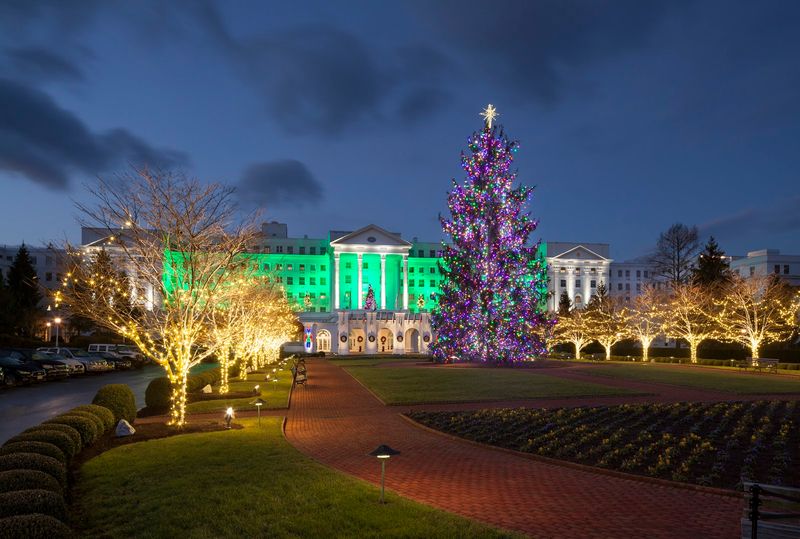
Nothing quite prepares you for the moment The Greenbrier comes into view. I rounded a bend on Route 60 and there it was, this enormous, stately white building sitting against the mountain backdrop like it had been placed there by someone with excellent taste.
The Greenbrier has been welcoming guests since 1778, making it one of the oldest and most storied resorts in the entire country, and that weight of history is something you feel the second you step through the front doors.
The interior is a fever dream of color and pattern, designed by Dorothy Draper, whose bold, maximalist style turned every hallway into a moment. Think bold florals, vivid greens, and cheerful pinks layered in ways that should not work but absolutely do.
I wandered through the main building just soaking it in, mouth slightly open, feeling like I had stumbled into a very glamorous time warp.
What surprised me most was how approachable it felt. Yes, it is grand, but it never felt cold or intimidating.
I grabbed a table near a window, ordered tea, and watched the mountains outside do their mountain thing while the world inside buzzed softly around me.
The history here is real and layered, from presidential visits to a Cold War bunker hidden beneath the property, which you can actually tour. The Greenbrier is not just a place to stay, it is a full sensory experience that anchors everything else this town offers.
Kate’s Mountain
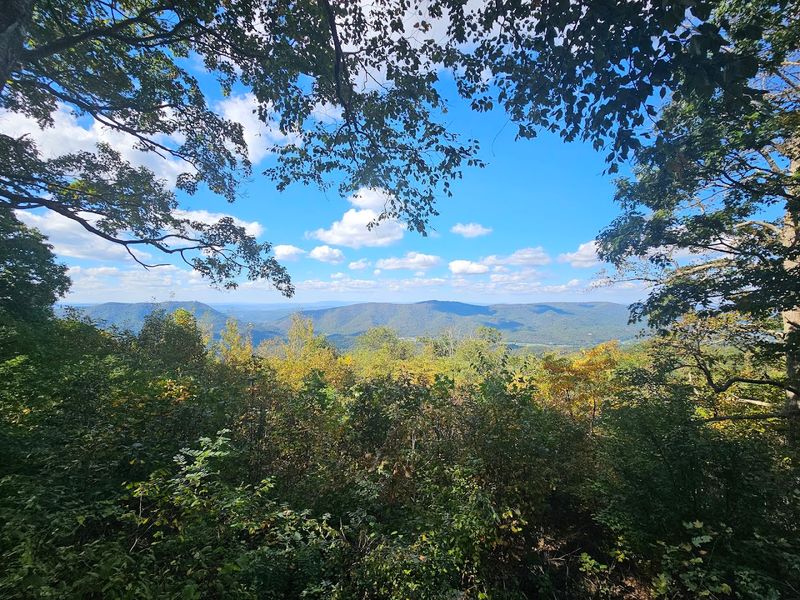
My legs protested, but my soul sang atop Kate’s Mountain, where trails through hardwoods and meadows open to Golden-lit Greenbrier Valley views that make every uphill step worth it.
The mountain is named after a woman named Kate, who according to local legend, refused to leave her home during a Native American raid, and honestly, that kind of stubborn bravery feels appropriate for a mountain this beautiful.
The trails range in difficulty, so whether you are a seasoned hiker or someone who considers a nature walk a workout, there is a path here with your name on it.
What I loved most was the quiet. Not just the absence of noise, but that deep, layered forest quiet where all you hear is wind in the leaves, the occasional bird call, and the satisfying crunch of your own footsteps.
I sat at the overlook for a long time, not doing anything in particular, just looking. No notifications, no to-do list running in my head, just mountains and sky and that rare, full feeling of being exactly where I was supposed to be.
Kate’s Mountain reminded me that the best views always require a little effort.
History With A Side Of Jaw-Drop

I wandered into the bunker tour expecting mild curiosity and came out amazed. Beneath The Greenbrier, a secret 1950s underground shelter for Congress sat hidden for decades.
A real-life spy story that still feels unbelievable.
The tour takes you through dormitories, a medical clinic, a broadcast room, and a cafeteria, all preserved exactly as they were during the Cold War.
Walking through those concrete corridors, I kept thinking about the sheer scale of the secret, hundreds of resort workers who knew about the bunker and kept quiet for decades, construction crews who were carefully managed to prevent the full picture from emerging.
Our guide walked us through the timeline with real detail and genuine enthusiasm, and the whole experience was both fascinating and a little eerie in the best possible way.
There is something about standing in a space that was built for a catastrophe that never came that makes you think about history, luck, and the strange decisions people make under pressure.
The bunker tour is not just a novelty, it is a genuinely moving piece of American history sitting right beneath a very fancy hotel, which is perhaps the most American thing imaginable.
The Coolest Small Town Next Door
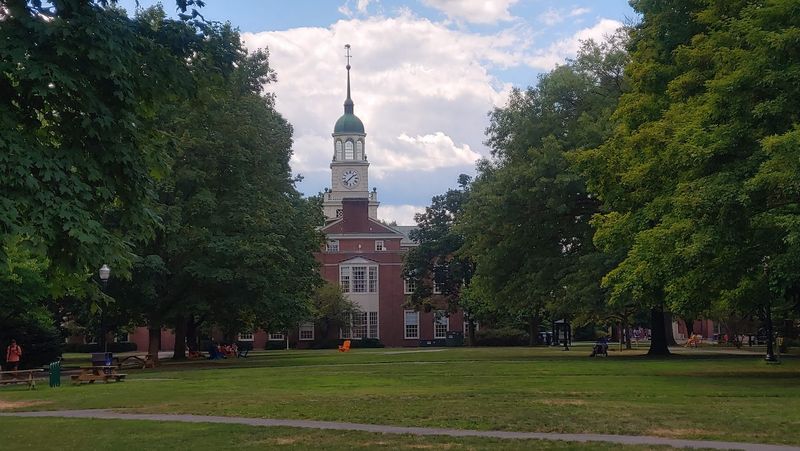
About 12 miles from White Sulphur Springs sits Lewisburg, and I cannot talk about this area without mentioning it because the two towns together form this perfect little one-two punch of Appalachian charm.
Lewisburg has been named one of the coolest small towns in America multiple times, and after spending an afternoon wandering its streets, I understood exactly why.
It has this rare combination of genuine history, local creativity, and a walkable downtown that actually delivers on its promise.
I spent time poking through independent bookstores, peeking into art galleries, and discovering a coffee shop that made me seriously consider relocating.
The Carnegie Hall in Lewisburg, not to be confused with the famous New York one, is a gorgeous historic building that hosts concerts and events throughout the year, and the fact that a town this small has a venue this lovely says everything about the community’s character.
What struck me most about Lewisburg was how it managed to feel vibrant without being overrun.
There were people around, shops were open, things were happening, but it never tipped into that tourist-trap exhaustion that can drain the joy out of a place. I ate lunch at a spot with a porch overlooking a garden and just sat there for an extra hour because nothing was pulling me away.
Lewisburg is the kind of place that makes you slow your scroll speed on Zillow afterward, just to see what houses cost there.
Greenbrier River Trail
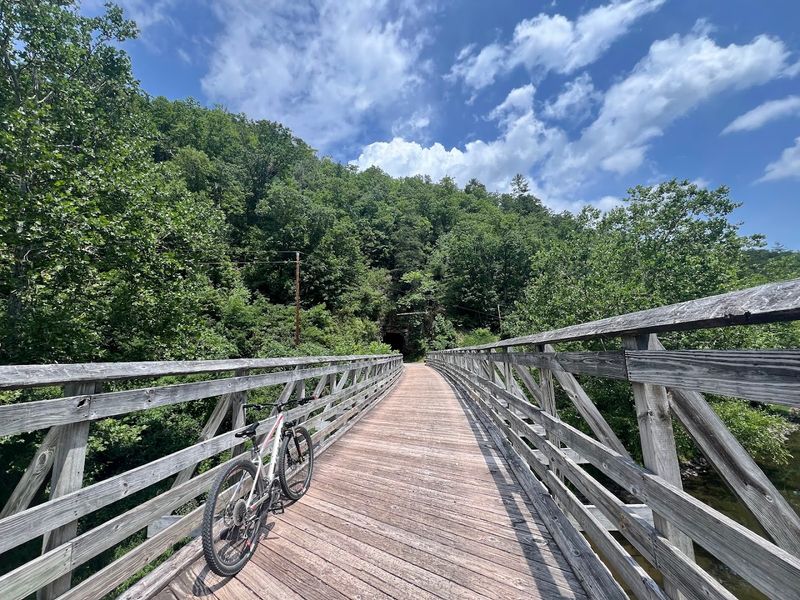
The Greenbrier River Trail stretches for 78 miles along a former railroad corridor, and even just riding a short section of it felt like hitting a full-body reset button. I rented a bike and spent a morning pedaling along the river, with the water glinting to my left and thick forest rising on both sides.
The trail is mostly flat, which I appreciated deeply because my legs were still recovering from Kate’s Mountain, and the surface is well-maintained packed gravel that makes for easy, comfortable riding.
The river itself is stunning, clear and swift-moving over rounded stones, with little beaches tucked along the banks where you can stop and dangle your feet in the cold water.
I stopped at one of those spots and just sat there for a while, watching a great blue heron work the shallows with that slow, deliberate patience that makes herons look like they have figured out something the rest of us have not.
The trail passes through small tunnels, over wooden bridges, and through meadows that open up suddenly between stretches of dense canopy, and every transition felt like a new little gift. There were a handful of other cyclists out that morning, but the trail is long enough that you never feel crowded.
By the time I turned around and headed back, my shoulders had dropped about three inches from where they had been living near my ears. The Greenbrier River Trail is the kind of therapy that does not require a copay.
Underground Wonder Right Outside Of Town
I am not typically a cave person. I tend to prefer my adventures above ground, with open sky and clear exits.
But Organ Cave completely changed my perspective, and I am genuinely glad I pushed past my hesitation.
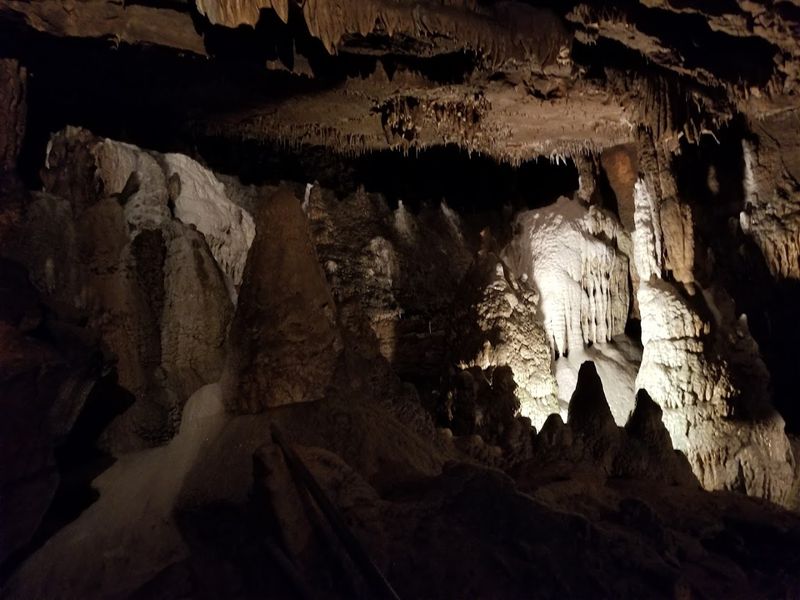
Located just a few miles from White Sulphur Springs, Organ Cave is one of the largest cave systems in the eastern United States, stretching over 45 miles of mapped passages, and it has been welcoming visitors since 1835, making it one of the oldest show caves in the country.
The cave gets its name from a massive calcite formation near the entrance that early visitors thought resembled a church pipe organ, and once you see it, you cannot unsee it.
The tour winds through chambers filled with stalactites, stalagmites, and formations that look like they were sculpted by someone with an extremely patient hand and an excellent imagination. The temperature inside stays around 54 degrees year-round, which felt shockingly refreshing after a warm afternoon outside.
Organ Cave holds a slice of Civil War history. Confederate General Robert E.
Lee stored saltpeter here, and three original wooden hoppers still stand.
Standing next to them gave me that familiar goosebump thrill, making me rethink what a cave visit can really feel like.
Sunrise At The Allegheny Mountains
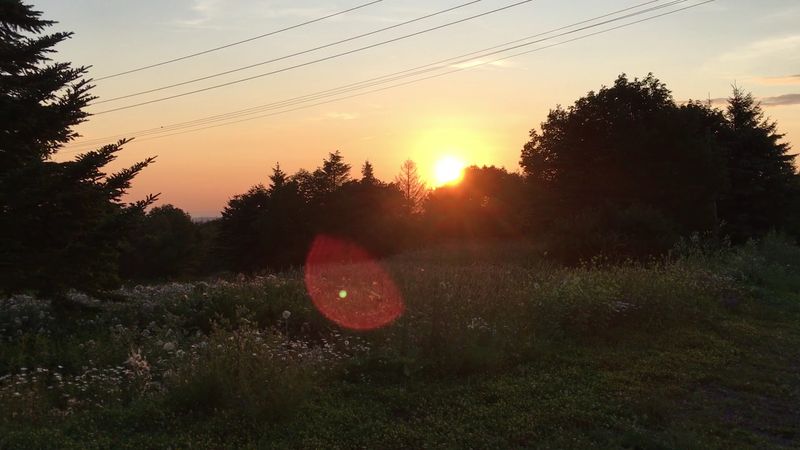
I set my alarm for 5:45 AM, which is something I would normally never do on a trip that is supposed to be restful. But something about being in White Sulphur Springs made early mornings feel like a gift rather than a punishment.
I drove up a winding road above town, pulled over at a clearing, and waited. The mountains were still dark shapes against a navy sky, and then slowly, impossibly slowly, the light started to come.
The Allegheny Mountains do sunrise differently than anywhere else I have been. The ridges layer behind each other in fading shades of blue and purple, and as the light builds, those layers catch different colors at different moments, so the whole scene is constantly shifting.
There was mist in the valleys below, catching the early gold light and glowing softly, and I stood there with my coffee going cold in my hand because I genuinely forgot to drink it.
Nobody talks enough about the emotional weight of a really good sunrise. It is one of those experiences that resets something deep, that reminds you the world is still doing its beautiful, indifferent thing regardless of your inbox or your anxiety or the noise of ordinary life.
I took a few photos that did not come close to capturing it, and then I put my phone in my pocket and just stood there until the full light came. That morning above White Sulphur Springs is the image I return to when I need to remember why unplugging is not optional, it is essential.
Have you ever had a sunrise that changed something in you?