
Kentucky Has A Timeless Little Town That Feels Almost Too Pretty To Be Real
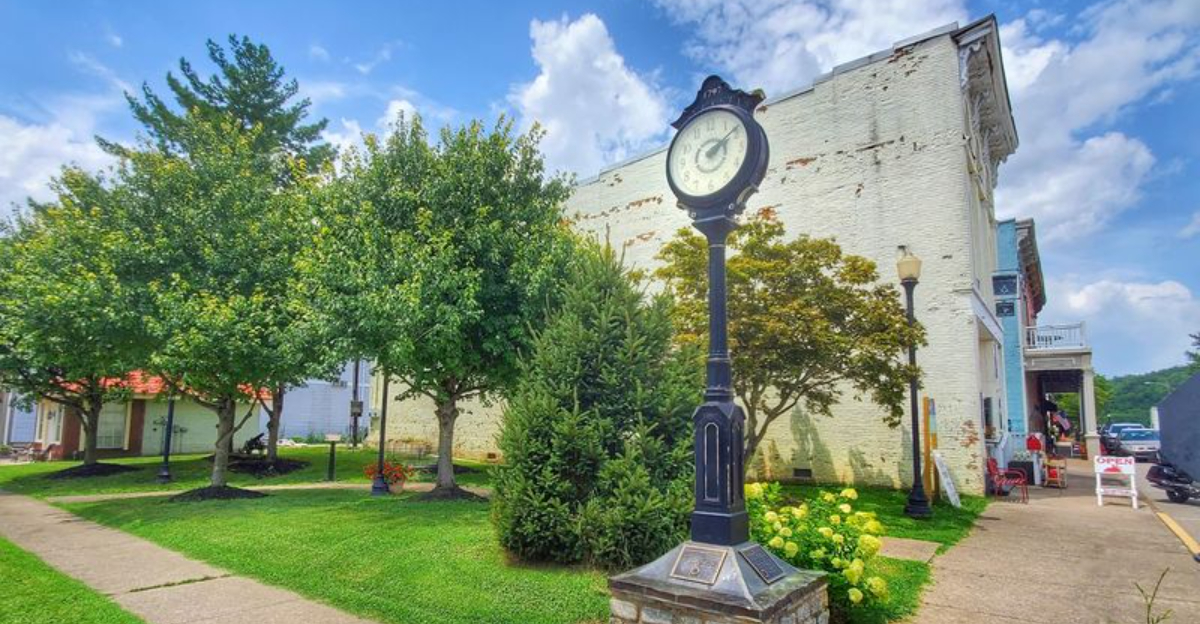
Kentucky has corners that feel like they stepped straight out of a painting. Streets so tidy, storefronts so charming, and river views so serene that you half expect a horse-drawn carriage to clip-clop past at any moment.
I wandered through one of these timeless little towns and couldn’t help but slow down. Every turn seemed curated: pastel-painted buildings, flowering window boxes, and local shops that somehow managed to feel both cozy and endlessly inviting. It wasn’t flashy.
It didn’t need to be. There was a calm rhythm here, the kind that makes you want to linger over coffee, peek into antique stores, and maybe even pretend you live here for an afternoon.
Some places hit you with energy. This one hit you with charm.
And if charm were a currency, trust me, you’d leave rich.
Where Augusta’s Soul Meets The Water
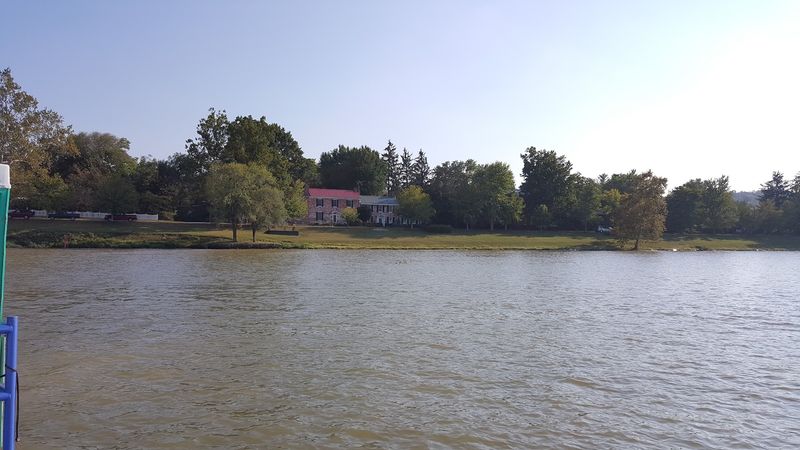
Standing at the Augusta riverfront for the first time feels like walking into a painting you have seen in a dream. The Ohio River stretches wide and silver in front of you, unhurried and massive, carrying the kind of quiet power that reminds you just how old this land really is.
Boats drift past. Birdsong fills the air.
The breeze off the water carries a faint coolness even on a warm summer afternoon.
Augusta has been tied to this river since its founding in 1797, and the connection still runs deep. The town’s original ferry crossing, which dates back to the early 1800s, still operates today, making it one of the oldest continuously running ferries in the entire country.
That alone is worth a pause to let sink in.
The riverfront park is open year-round and free to visit, making it an easy stop whether you are passing through or spending a full weekend. Parking is available along the main street, and the flat terrain makes it accessible for most visitors.
Come at sunrise if you can, because the light on the water at that hour is genuinely unforgettable. Bring a camera, a blanket, and absolutely no agenda.
The Most Beautiful Street You Have Never Heard Of

Riverside Drive in Augusta might be the most quietly spectacular street in all of Kentucky, and almost nobody outside the state seems to know it exists. Walking along this stretch feels like flipping through a history book, except the pages are made of brick, wood, and weathered iron.
The homes here range from Federal-style to Greek Revival to Victorian, and many of them are remarkably well-preserved.
What makes this street so special is how lived-in it feels. These are not museum pieces behind velvet ropes.
Real people call these houses home, and flower boxes bloom in windows while dogs nap on front porches.
There is a warmth and authenticity here that no theme park or tourist attraction can replicate.
Strolling Riverside Drive is completely free, and the best way to experience it is simply on foot at a slow pace. The street runs parallel to the river, so you get glimpses of the water between the homes and through the trees, which only adds to the magic.
Fall is particularly stunning when the maples and oaks turn amber and gold. Spring is a close second, when everything bursts into bloom and the whole street smells faintly of lilac.
Go slow, look up often, and do not rush a single step.
A Living Piece Of American History

Most people have never ridden a river ferry, and fewer still have ridden one that has been in continuous operation since the early 1800s. The Augusta Ferry is one of those rare, quietly extraordinary things that makes you feel genuinely connected to the past.
It crosses the Ohio River between Augusta, Kentucky and Higginsport, Ohio, and it does so with zero fanfare and maximum charm.
The ferry is a small, flat-bottomed vessel that holds a handful of cars at a time. The crossing takes only a few minutes, but those minutes are worth savoring.
You feel the pull of the current beneath you, hear the low rumble of the engine, and watch the Kentucky shoreline grow smaller as the Ohio bank approaches. It is simple, unhurried, and oddly moving.
Fares are modest and cash-friendly, though it is always smart to check current pricing and seasonal schedules before you plan your trip, as hours can vary. The ferry typically runs during daylight hours from spring through late fall, but weather and water conditions can affect the schedule.
If you are visiting Augusta for the first time, crossing on the ferry and returning by bridge, or vice versa, makes for a wonderfully complete experience.
It is the kind of thing you will talk about long after you get home.
Where Every Building Tells A Story
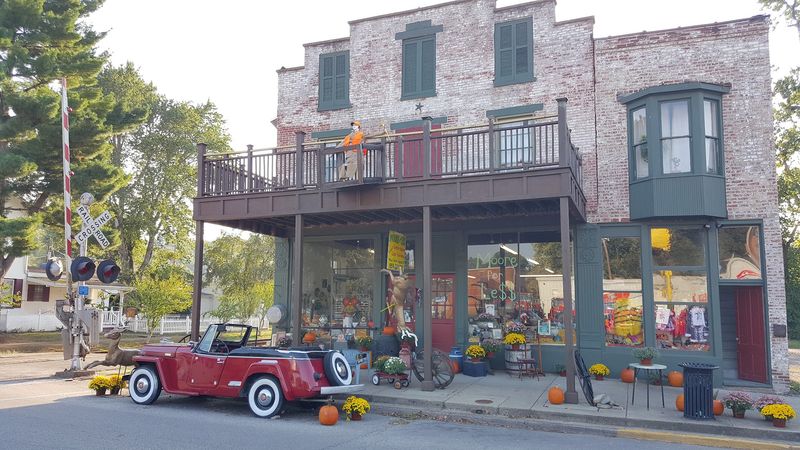
Augusta’s downtown is compact enough to explore in an afternoon but rich enough to keep you busy all weekend. The main commercial strip along Riverside Drive and the surrounding blocks is a beautifully preserved collection of 19th-century architecture that has somehow avoided the fate of so many small-town main streets across America.
No chain stores, no strip malls, no cookie-cutter facades. Just honest, handsome old buildings with good bones and great stories.
The storefronts here house a rotating mix of antique shops, local boutiques, and small eateries that feel like they belong exactly where they are. Browsing through an antique shop in Augusta is a different experience from browsing in a city.
The pace is slower, the owners are friendlier, and you are far more likely to stumble across something genuinely unusual or historically interesting.
Parking along the main street is generally easy to find, especially on weekdays and outside of peak summer weekends. The downtown area is flat and walkable, which makes it accessible for a wide range of visitors.
Many of the historic buildings are listed on the National Register of Historic Places, which speaks to the town’s remarkable commitment to preservation.
Pick up a walking tour map from one of the local shops and let the architecture guide your afternoon. You will not be disappointed.
A Hollywood Legend Comes Home
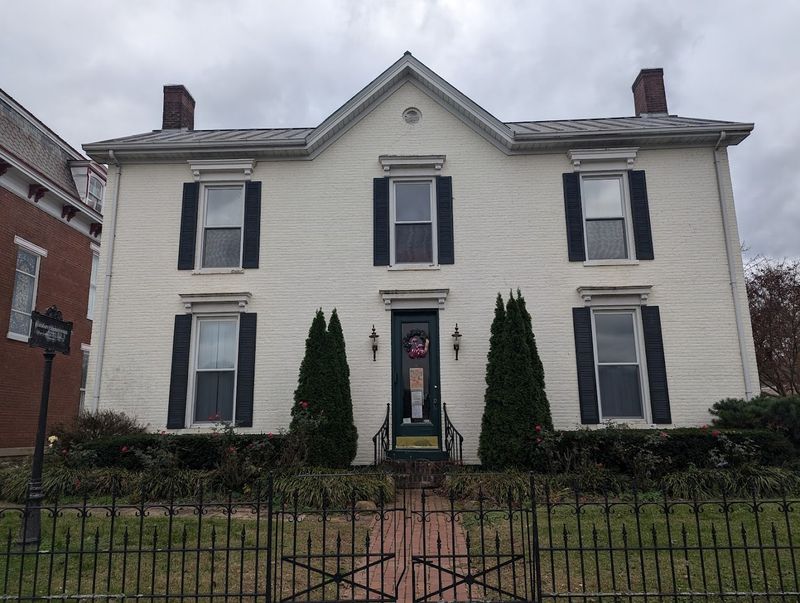
Augusta, Kentucky is the hometown of one of Hollywood’s most beloved entertainers, Rosemary Clooney, whose warm voice and radiant screen presence made her a true icon of the 1950s. Born here in 1928, Clooney went on to star in classic films and record songs that still get played on radio stations today.
Her most famous role came in the beloved 1954 holiday film White Christmas, which continues to delight audiences every December.
The Rosemary Clooney House Museum, located in Augusta, celebrates her life and remarkable career. Visitors can tour the home and see personal memorabilia, costumes, photographs, and other artifacts that bring her story to life in a deeply personal way.
The museum is small but lovingly curated, and the staff tends to be wonderfully knowledgeable and enthusiastic.
Admission is typically very affordable, and the museum is a genuine highlight for anyone who loves classic Hollywood, American music history, or simply wants to understand what shaped one of Augusta’s most famous daughters.
Hours can vary by season, so checking ahead is always a good idea. And yes, George Clooney is her nephew, which means Augusta has a quiet claim to not just one but two generations of entertainment royalty.
That is the kind of fun trivia that makes a small town feel absolutely larger than life.
A Living Museum Of American Design
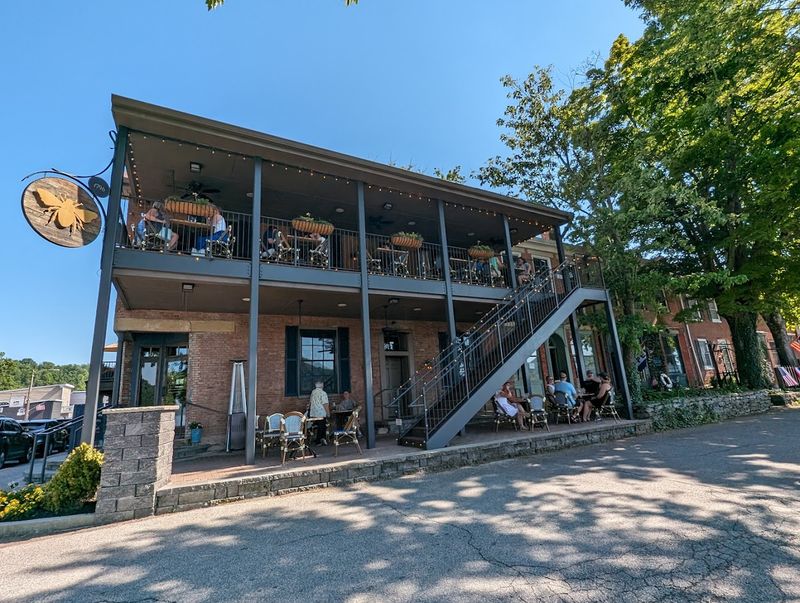
Architecture nerds, history lovers, and anyone who appreciates beautiful old buildings are going to have a very good time in Augusta. The town is home to an extraordinary concentration of 19th-century structures, many of which are remarkably intact and still in active use.
Walking through Augusta’s streets feels less like sightseeing and more like time travel, the good kind where you get to keep your phone.
Federal, Greek Revival, Italianate, and Victorian styles all appear here in various states of lovingly maintained splendor. Some of the town’s oldest homes date back to the early 1800s, and their craftsmanship is the kind that makes modern construction look a little embarrassed by comparison.
Wide front porches, tall shuttered windows, symmetrical facades, and intricate ironwork details give the streetscapes a visual rhythm that is genuinely beautiful.
Augusta has been proactive about historic preservation, and the results speak for themselves. A significant portion of the town’s historic district is listed on the National Register of Historic Places.
Self-guided walking tours are a popular way to explore the architecture at your own pace, and informational plaques on many buildings provide context and dates.
The flat terrain makes walking easy for most visitors. If you are traveling with someone who claims not to care about old buildings, Augusta will change their mind within the first block.
That is basically a guarantee.
Why Augusta Feels Like A Dream You Do Not Want To Wake Up From
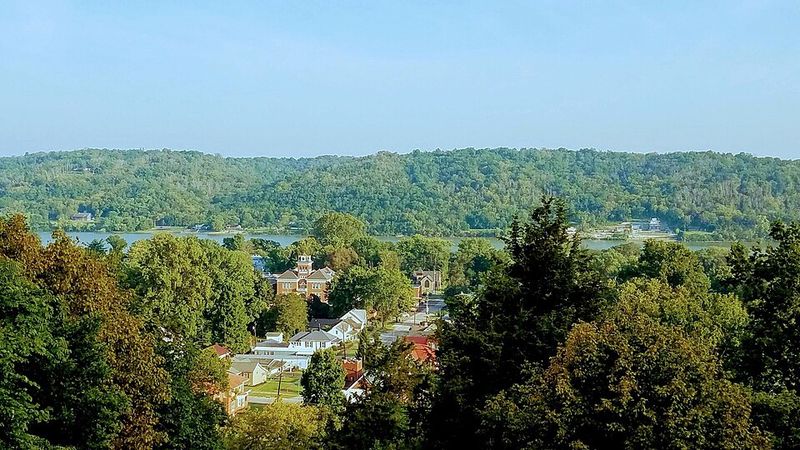
Some places earn their beauty through spectacle. Augusta earns it through sincerity.
There are no manufactured attractions here, no flashy entertainment complexes or engineered experiences designed to impress you on a schedule.
What Augusta offers instead is something rarer and more valuable: a genuine sense of place that has been building quietly for over two hundred years.
The town’s population hovers around 1,200 people, which means the streets stay quiet and the pace stays human.
You will not fight for parking, wait in long lines, or feel rushed through anything. Augusta moves at the speed of a river, which is to say steadily, deliberately, and with a quiet confidence that it will get where it is going.
First-time visitors often describe the experience in almost identical terms: they came for a few hours and stayed much longer than planned. That is Augusta’s real superpower.
It does not dazzle you with one big moment.
It accumulates, detail by detail, view by view, conversation by conversation, until you realize you feel genuinely at home somewhere you have never been before. The best time to visit is spring through fall, when the weather cooperates and the river is at its most beautiful.
But honestly, Augusta in any season has something to offer. Come once and you will understand immediately why people keep coming back.