
This Underrated Illinois Mountain Town Has The Views Without The Crowds, The Prices, Or The Tourist Traffic
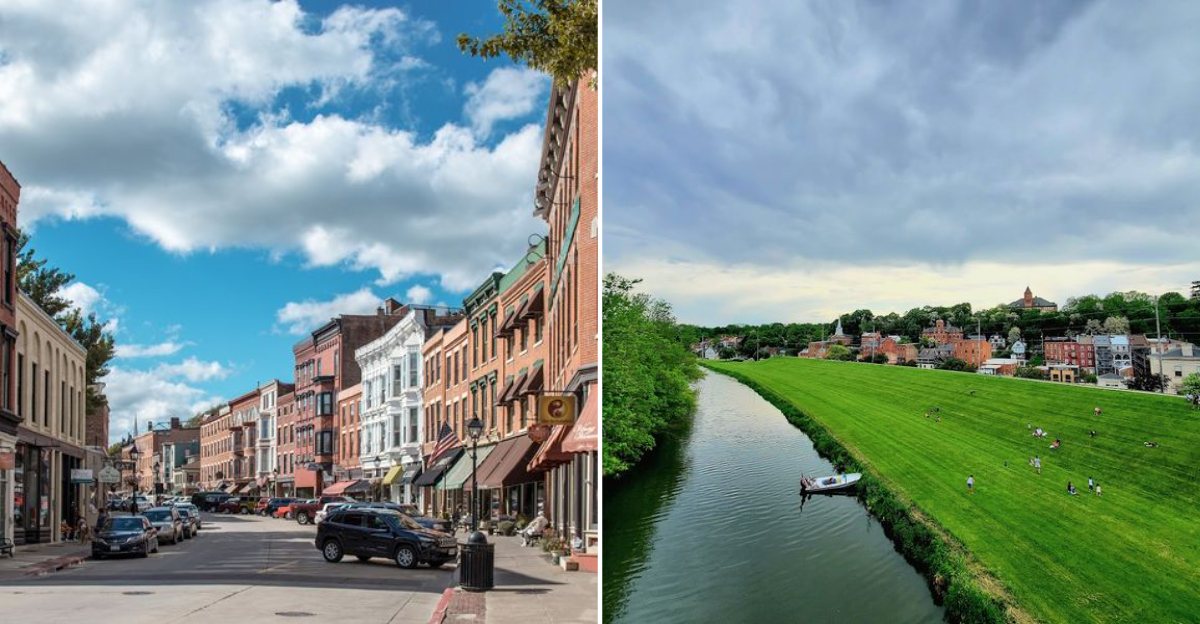
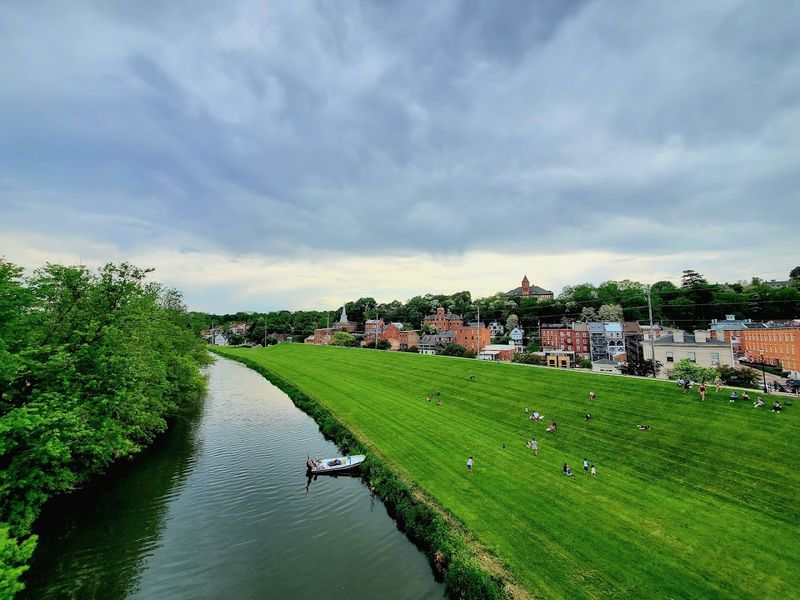
I almost drove past it. The road bent through rolling green hills in northwest Illinois, the kind that rise and fall without warning, and then the rooftops appeared below the bluffs as if they had been waiting there for a century and a half.
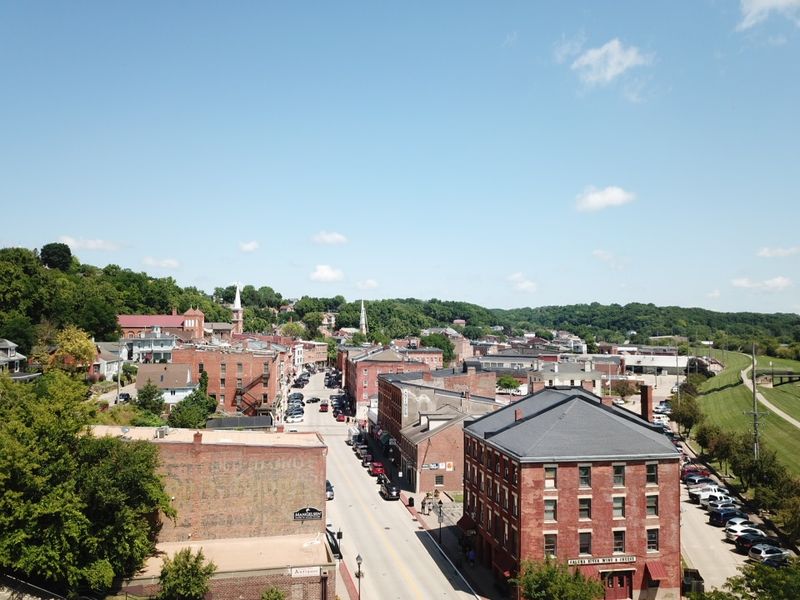
Brick facades lined a narrow valley. Church steeples rose above trees just beginning to leaf out. Nothing about it felt manufactured or staged. It felt steady, grounded, and entirely itself.
Near the borders of Wisconsin and Iowa, this corner of Illinois is shaped by the rugged ridges and river valleys of the Driftless Area rather than the flat prairie many associate with the state.
Iron storefronts, limestone walls, and steep streets hint at a mining past that once made the town one of the most important places in the Midwest.
Today, it invites slow wandering and close attention, rewarding curiosity with layered history, sweeping views, and a character that has never needed to shout.
A Town Frozen in the 19th Century
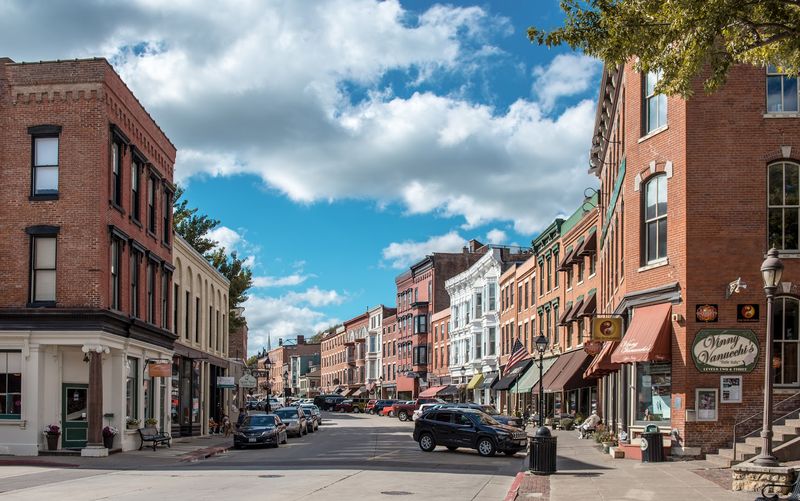
Walking down Main Street in Galena feels like stepping into a living history museum, except nobody is in costume and the coffee is actually good.
The town sits in Jo Daviess County in the far northwest corner of Illinois, and it has managed to hold onto its 19th-century character in a way that most American towns simply have not.
About 85 percent of Galena’s structures fall within the Galena Historic District, which is listed on the National Register of Historic Places. That is not a marketing claim.
You can see it with your own eyes in every iron storefront, every arched window, and every carefully maintained facade lining the streets.
The town’s geography helped protect it from the kind of rapid development that erased history elsewhere. Surrounded by bluffs and river valleys, Galena was not easy to bulldoze and rebuild.
That physical isolation became its greatest gift. Visitors who expect another generic small town arrive and immediately notice that something here feels genuinely different, layered, and worth slowing down for.
The Ulysses S. Grant Home
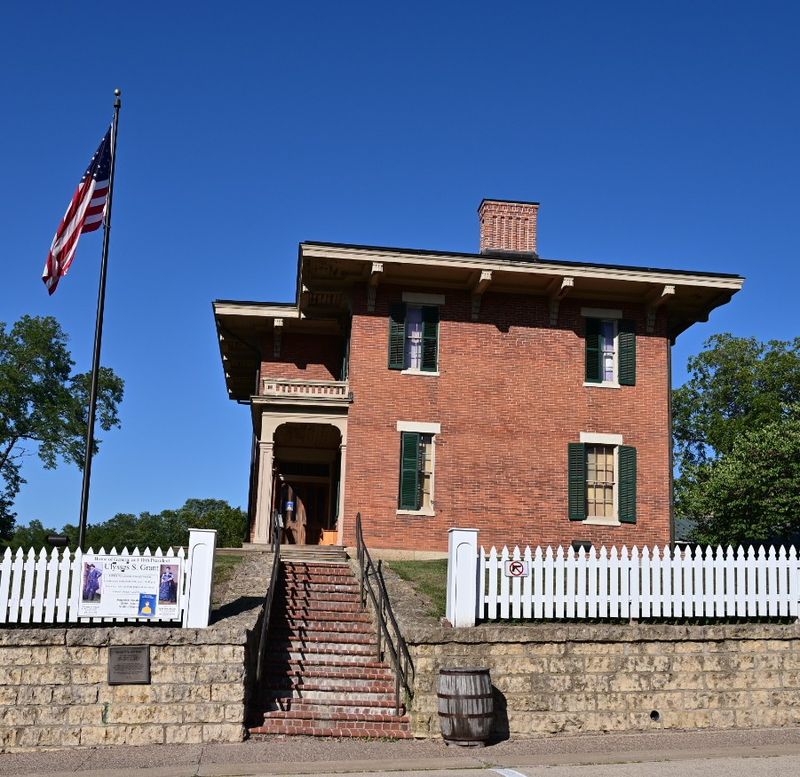
Before Ulysses S. Grant became the 18th President of the United States, he was a tanner’s son who came back to Galena after the Civil War to a hero’s welcome.
The citizens of Galena were so proud of their general that they gave him a house as a gift, and that house still stands today on Bouthillier Street.
The Ulysses S. Grant Home State Historic Site is open to visitors and offers guided tours that walk you through rooms furnished to reflect the period when Grant actually lived there.
Standing inside, you get a sense of how ordinary his personal life looked compared to the enormous events he shaped on the battlefield and in the White House.
What makes this stop especially memorable is the personal scale of it. This is not a grand mansion or a polished presidential library.
It is a comfortable Italianate house on a quiet hillside street, and that modesty says something honest about the man himself.
Grant is one of Galena’s most famous residents, and the town wears that connection with quiet, well-earned pride.
Horseshoe Mound and the Three-State View
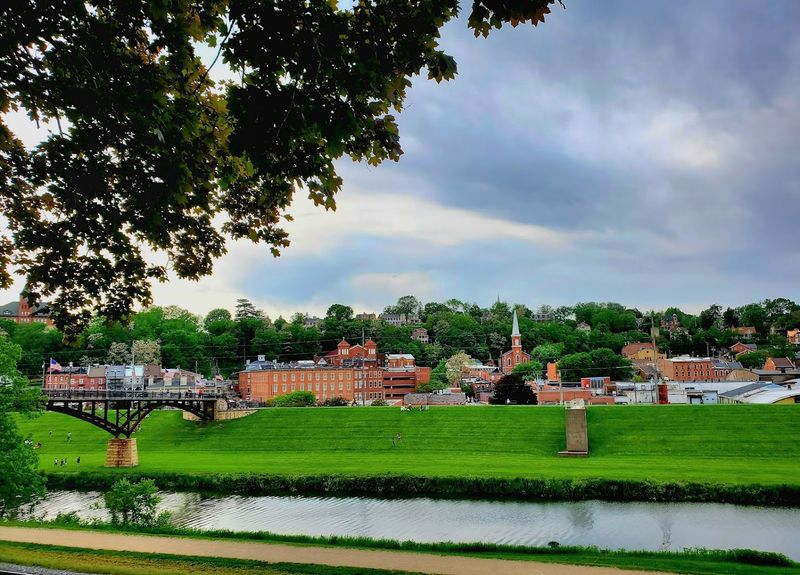
People travel to mountain towns specifically for views, and Galena delivers one that stops you mid-sentence. Horseshoe Mound, located on the outskirts of town, rises high enough above the surrounding landscape to offer a sweeping panorama that stretches into Illinois, Wisconsin, and Iowa all at once.
The climb is not brutal. A manageable trail leads you up through tall grasses and open sky, and the payoff at the top is genuinely impressive.
On a clear day, the patchwork of farmland, river valleys, and forested ridges spreads out in every direction with the kind of quiet grandeur that makes you reach for your phone and then immediately put it away to just look.
Galena sits within the Driftless Area, a region that was bypassed by glaciers during the last ice age. That geological quirk left behind dramatic ridges, deep hollows, and rolling terrain that looks nothing like the flat prairie most people picture when they think of Illinois.
Horseshoe Mound is the best single vantage point to understand why this corner of the state earned its reputation for scenery that genuinely surprises first-time visitors.
Illinois’s Best-Kept Geographic Secret
Most people picture Illinois as flat. That assumption falls apart the moment you drive into Jo Daviess County.
The region around Galena belongs to the Driftless Area, a large zone across parts of Illinois, Wisconsin, Minnesota, and Iowa that escaped glaciation during the last ice age.
Because glaciers never smoothed this land, the terrain stayed rugged. The result is a landscape of sharp ridges, winding creek valleys, exposed limestone bluffs, and forested hillsides that feel more like the Ozarks than the Midwest.
Driving the county roads around Galena is itself a kind of activity, with every bend revealing another view worth stopping for.
This geography also supports a rich variety of wildlife and plant life, making the area popular with birders, hikers, and nature photographers. The Galena River winds through the valley below town, and the surrounding countryside is laced with trails and overlooks that reward anyone willing to leave the car behind.
For a state that rarely gets credit for dramatic scenery, this corner of Illinois makes a compelling and rather convincing case for itself.
Casper Bluff and Ancient Effigy Mounds

Long before European settlers arrived in Illinois, Indigenous peoples shaped the landscape in ways that are still visible today.
At Casper Bluff Land and Water Reserve, located just outside Galena, you can walk among ancient effigy mounds dating to the Late Woodland period, roughly 700 to 1000 A.D., reflecting Native American cultures that flourished here around a thousand years ago.
These earthen mounds are shaped to resemble animals and figures, and they sit on a bluff overlooking the river valley below. The setting adds a layer of quiet significance to an already beautiful landscape.
Visiting feels less like a tourist stop and more like a moment of genuine reflection on the depth of human history in this region.
The reserve is managed for conservation and respectful public access, so the experience stays peaceful and unhurried. There are no large crowds, no admission fees, and no gift shops waiting at the exit.
Just open sky, ancient earth, and a view that reminds you how long people have been drawn to this particular stretch of the Illinois landscape for reasons that still make complete sense today.
The 1826 Dowling House
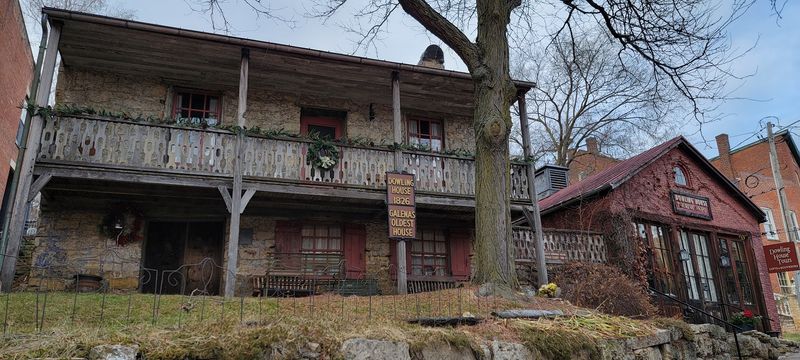
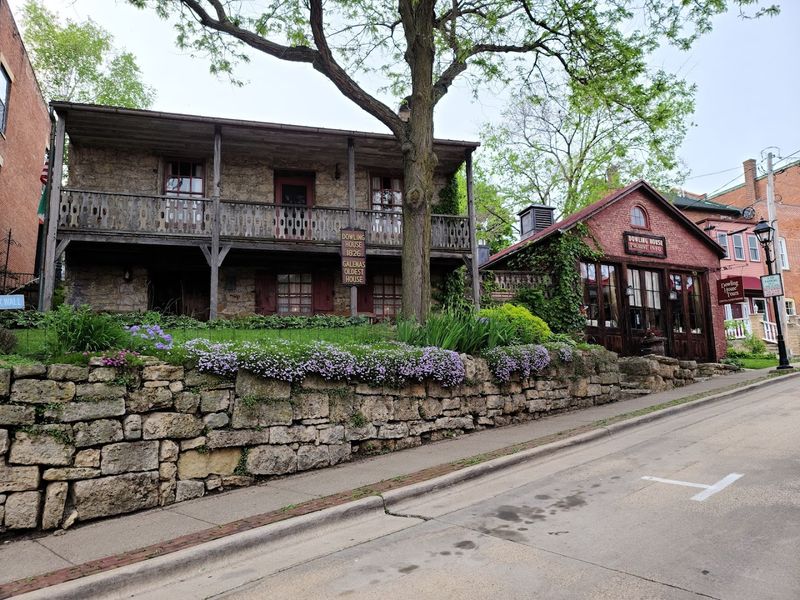
There is something quietly remarkable about standing in front of a building that has been standing since 1826. The Dowling House is Galena’s oldest surviving structure, built from local limestone by John Dowling, a trader who recognized early on that this river town had a future worth investing in.
The house is a rare example of vernacular frontier architecture, meaning it was built practically and locally rather than designed to impress. Its thick stone walls, low ceilings, and small windows reflect the realities of life on the northwestern Illinois frontier nearly two centuries ago.
The interior has been restored and furnished to reflect its early years, giving visitors a tangible sense of pioneer daily life.
What sets the Dowling House apart from other historic buildings in Galena is its age and its honesty. It does not try to be grand.
It simply exists as evidence that this town has been continuously inhabited and cared for across an extraordinary stretch of American history.
For anyone drawn to the tactile experience of real history rather than a polished recreation of it, this limestone house delivers something no museum exhibit quite can.
Outdoor Adventures Beyond the Bluffs
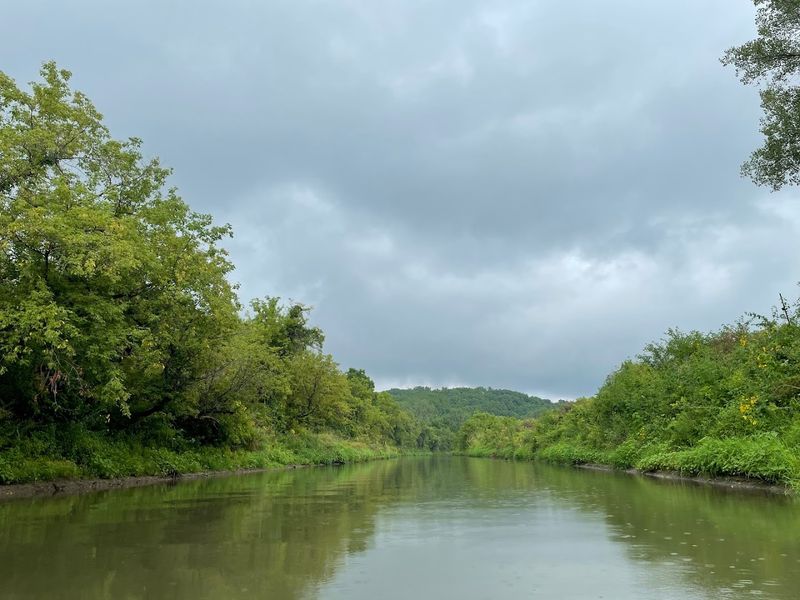
Galena is not just a history town. The surrounding countryside offers a surprisingly full menu of outdoor activities that keep visitors busy well beyond the museum circuit.
Hiking, cycling, horseback riding, fishing, and kayaking are all within easy reach of town, and the scenery makes each one feel more rewarding than it might elsewhere.
Apple River Canyon State Park, located about 23 miles east of Galena, features dramatic canyon walls, clear streams, and forested trails that feel genuinely remote despite being accessible by a short drive.
Closer to town, the Galena River Trail follows a converted rail corridor through the valley and is popular with cyclists and walkers of all fitness levels.
Fall is especially spectacular in this part of Illinois, when the hardwood forests on the surrounding bluffs turn shades of orange, red, and gold that draw photographers from across the region. Spring brings wildflowers and migrating birds to the river corridors.
Even winter has its appeal, with downhill skiing and snowboarding at nearby Chestnut Mountain Resort, which sits on a bluff above the Mississippi River with views that justify the cold.
Small-Town Prices in a Big-Scenery Setting
One of the most pleasant surprises about visiting Galena is discovering how far your travel budget stretches here. Compared to more heavily marketed destinations, Galena offers genuinely affordable lodging, dining, and activities without asking you to sacrifice quality or character in return.
The town has a solid range of bed and breakfasts, historic inns, and vacation rentals housed in 19th-century buildings that would cost triple the price in a trendier destination. Many are within walking distance of Main Street, so you can leave the car parked and spend entire days on foot without missing anything important.
Dining in Galena leans toward hearty Midwestern comfort food with occasional creative twists, and portion sizes tend to be generous relative to the prices on the menu.
Local shops along Main Street sell handmade goods, antiques, and regional food products that make for meaningful souvenirs rather than mass-produced trinkets.
The overall feeling is that Galena rewards visitors who show up with curiosity rather than a thick wallet, which is a refreshing change from destinations where spending more always seems to be the point.
The Lead Mining History That Built This Town
Galena’s name comes from galena, the Latin word for lead ore, and that single fact unlocks the entire story of why this town exists where it does.
In the early 19th century, the region around Galena held some of the richest lead deposits in North America, and the town grew rapidly as miners, traders, and entrepreneurs flooded in to claim their share.
At its peak in the 1840s, Galena was one of the most prosperous and important cities in the entire Midwest, producing the majority of the nation’s lead supply. The wealth generated by that industry funded the beautiful buildings that still line the streets today.
As the lead boom declined and transportation routes shifted, Galena’s rapid growth slowed dramatically, which helped preserve much of its 19th-century architecture.
Chartered in 1836, the Galena and Chicago Union Railroad was Chicago’s first railroad and was intended to connect the city to the region’s lead-mining economy, even though its main line never reached Galena itself. Learning this history reframes everything you see in Galena.
Those handsome brick buildings are not just pretty facades. They are evidence of a genuine industrial boom that shaped American commerce during a critical period of national expansion, all rooted in the ground beneath your feet.
Why Galena Stays Off the Radar
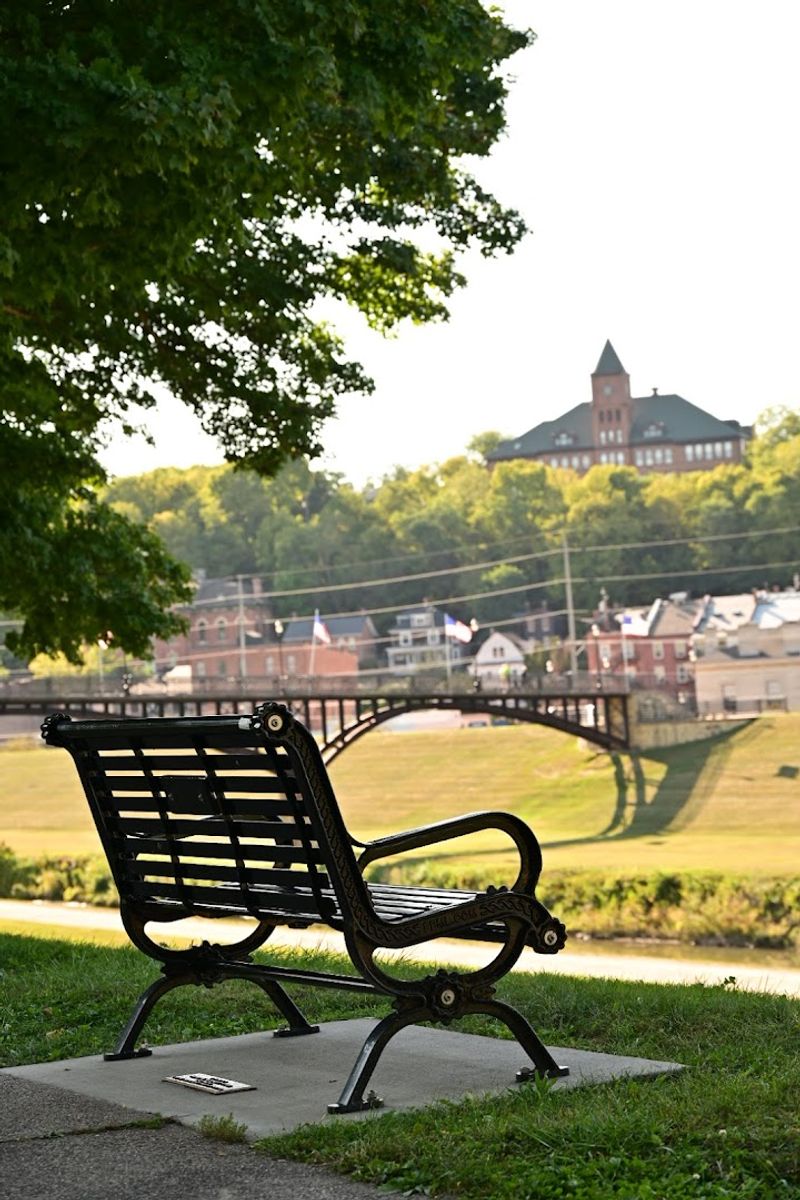
Part of what makes Galena special is the thing that keeps it from becoming overrun: it is genuinely out of the way. Located in the far northwest corner of Illinois in ZIP code 61036, Galena sits about three hours from Chicago and does not lie along any major interstate corridor.
Getting there requires a deliberate decision, and that filters out casual traffic in the best possible way.
The visitors who do make the trip tend to be curious, unhurried, and genuinely interested in what the town has to offer rather than just passing through.
That creates a particular kind of atmosphere on the streets, in the shops, and at the local restaurants. People are actually present, actually looking at things, actually talking to each other.
Galena has been quietly popular with weekend travelers from Chicago, Milwaukee, and the Twin Cities for decades, but it has never tipped into the kind of overcrowded, overpriced destination that loses its character under the weight of its own popularity.
That balance is rare and worth appreciating while it lasts. If you have been waiting for the right moment to visit, the honest answer is that the right moment is pretty much any weekend you can manage to get there.