
This Abandoned Illinois Prison Is A Real-Life Movie Set You Can Actually Explore In Person
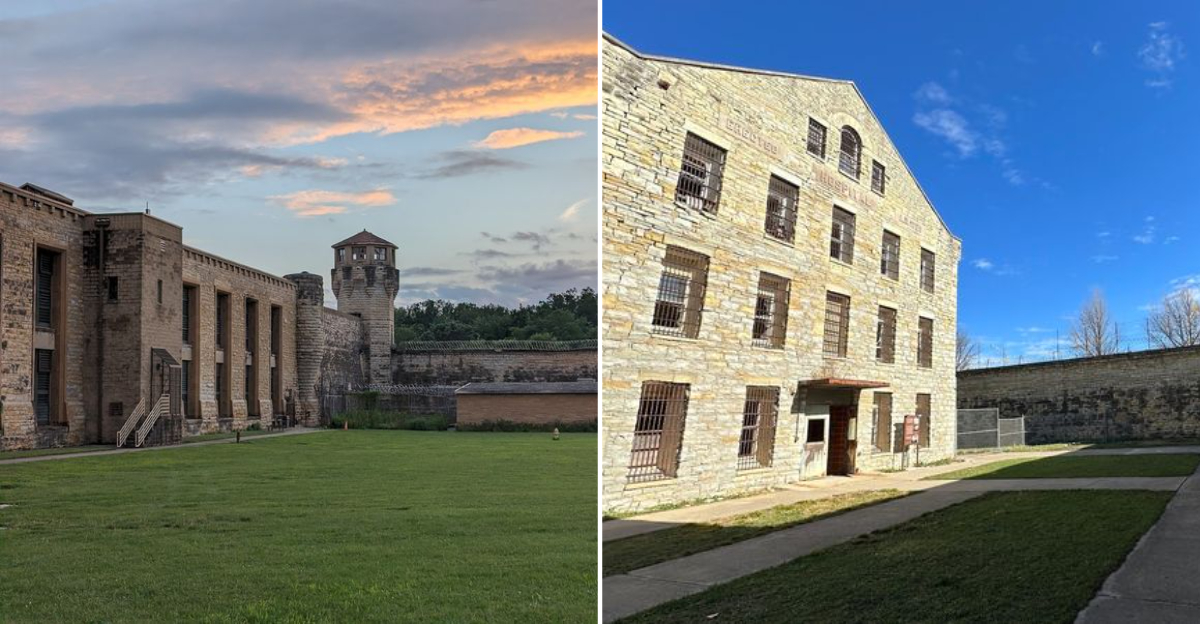
Some places hold onto their past so tightly that the air itself seems heavier inside the walls. In Joliet, Illinois, a massive limestone prison has stood since 1858, long enough to watch the city change around it.
For nearly a century and a half, it operated as a working correctional facility, closing only in 2002. The stone was quarried by the very people confined there, and that detail alone gives the structure a gravity that is hard to ignore.
Its cell blocks once echoed with daily routines, steel doors, and shouted counts. Decades later, cameras rolled through the same corridors, turning stark reality into unforgettable scenes on screen.
Today, the gates open not for inmates but for visitors curious about the stories still embedded in those weathered walls.
This Prison Has Outlasted Almost Everything
A lot of buildings from the 1800s have been torn down, renovated beyond recognition, or simply forgotten. This prison is none of those things.
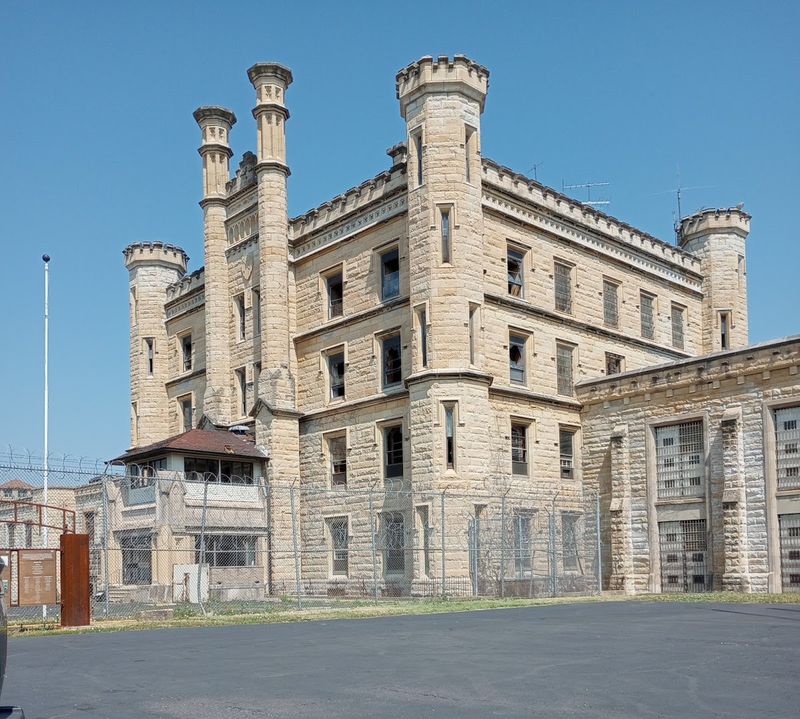
Constructed in 1858, this facility was built using limestone quarried right on the prison grounds by the inmates themselves, which makes the walls feel both historically significant and deeply personal to the people who lived inside them.
The prison operated for over 140 years before closing its doors in 2002. That is an incredible run for any institution, and the architecture reflects every decade of its long life.
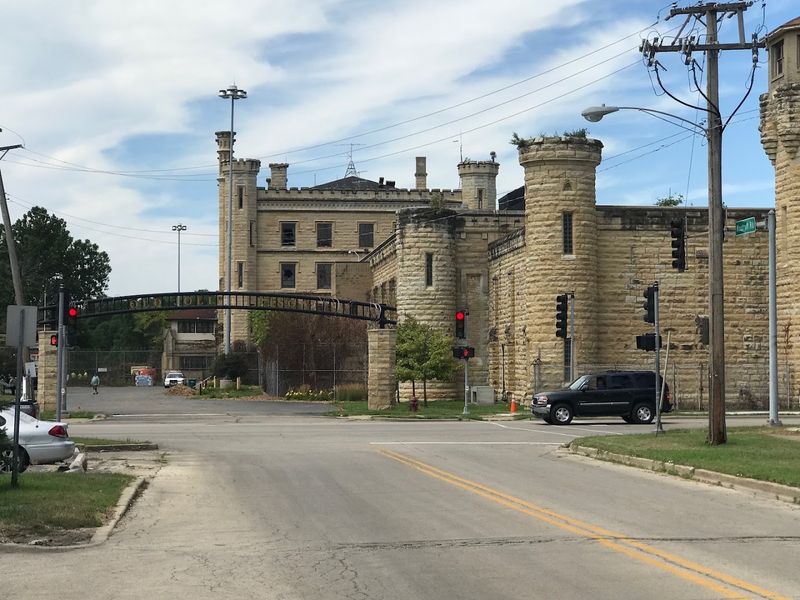
Thick stone walls, arched entryways, and towering guard posts give the place a gothic weight that no modern building could replicate.
Visiting today, you can feel just how much history is packed into every corner of the structure. The limestone blocks are weathered and worn, marked by more than a century of Illinois winters.
Historians, architecture fans, and curious travelers all find something worth marveling at here. The Old Joliet Prison in Joliet, Illinois is essentially a standing monument to a very specific and complicated chapter of American correctional history, and it is still remarkably intact for something so old.
The Blues Brothers Filmed Here
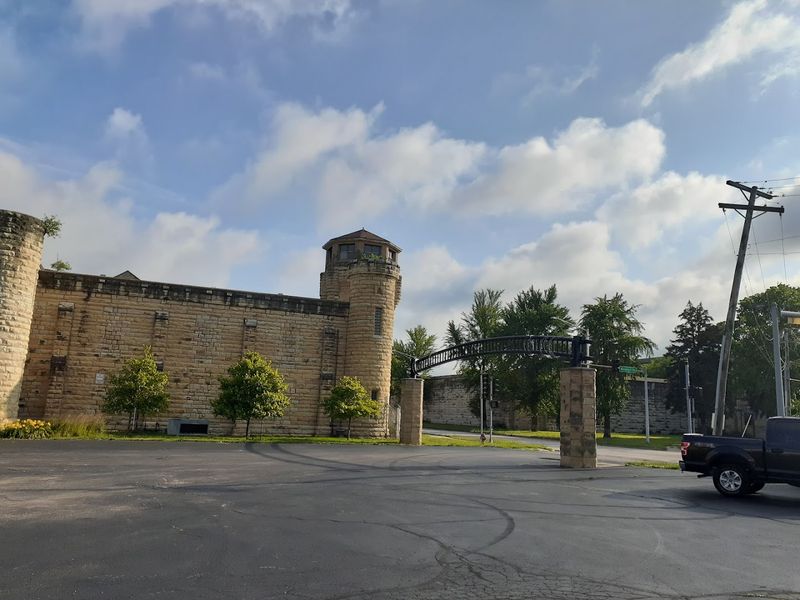
If you have ever watched The Blues Brothers and wondered where Jake Blues was walking out of at the very start of the film, wonder no more. That iconic gate, that slow walk toward freedom, that unmistakable opening scene was filmed right here at Old Joliet Prison.
John Belushi stepped through the actual prison entrance, and visitors today walk through the same gate when they arrive for tours.
The 1980 film gave the prison a level of pop culture fame that most historic sites can only dream of. Fans travel from across the country and even internationally, including visitors from the UK as noted in recent reviews, just to stand where Jake Blues once stood.
The site leans into this legacy in a fun way, with Blues Brothers memorabilia displayed throughout the gift shop and mannequins dressed as the characters available for photos.
Even if you are not a die-hard Blues Brothers fan, knowing that a real Hollywood production used this space adds an extra layer of excitement to the visit.
The prison was not dressed up or dramatically altered for the film. The filmmakers simply showed up and let the building do the work, which says everything about how striking this place really looks.
Prison Break Filmed Here
Long before binge-watching was a common habit, Prison Break captivated audiences with its twisting storylines and intense prison setting.
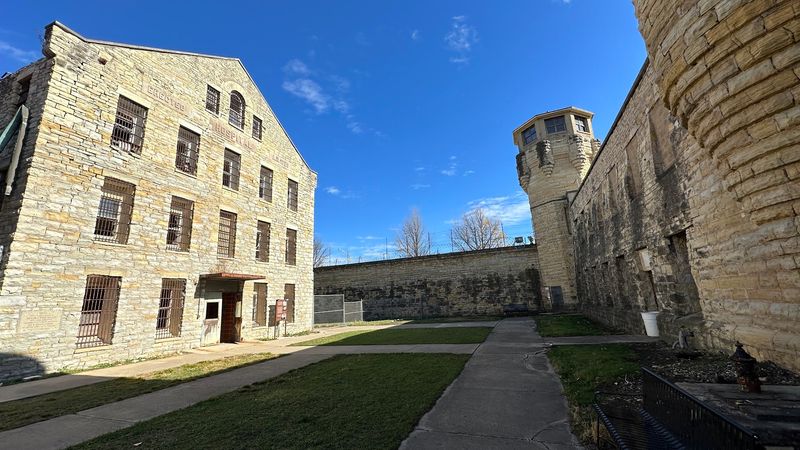
What many fans do not realize is that Old Joliet Prison was used extensively as a filming location for Season 1 of Prison Break, with additional scenes shot on studio sets and at other facilities.
The production team chose this site because no studio set could convincingly replicate the authentic grit and scale of a real correctional facility.
One of the most talked-about spots on the self-guided tour is inside the North Segregation building, where a hole in the concrete floor is shown as part of the filming location, although much of the tunnel sequence was created using studio sets and production enhancements.
Two pay phones in the exercise yard were also heavily featured during filming and remain standing today. Seeing these details in person gives fans a completely new appreciation for how the show was put together.
Even visitors who have never seen a single episode of Prison Break tend to find this part of the tour fascinating. Learning that a major television production operated inside these walls, using real cells and real corridors, makes the place feel alive in an unexpected way.
The intersection of pop culture and genuine history is one of the things that makes Old Joliet Prison such an unusually compelling destination to explore.
Self-Guided Tours
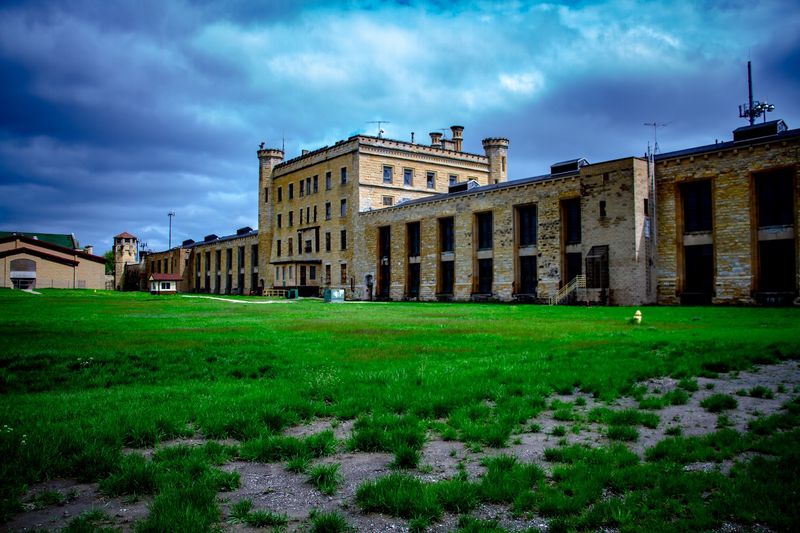
Not every historic site trusts visitors to explore on their own, but Old Joliet Prison does exactly that. The self-guided tour is the most popular option, and it gives you the freedom to linger as long as you want in the spots that interest you most.
A map is provided at the entrance, and once you get oriented, the suggested route flows naturally through the prison yard and into several key buildings.
Informational placards are placed throughout the property, offering detailed background on each area. These signs are genuinely well-written and informative, covering everything from daily inmate life to the prison’s role in the broader American correctional system.
Visitors frequently mention that the signage alone made the tour feel complete, even without a guide walking alongside them.
Staff members are also present throughout the grounds, either on foot or riding golf carts, and they are known for being knowledgeable and approachable. You can stop them with any question that pops into your head, and many visitors say these spontaneous conversations ended up being the highlight of their visit.
Most people spend between 90 minutes and two and a half hours exploring, so comfortable shoes and a bit of curiosity are really the only things you need to bring.
Night Flashlight Tours
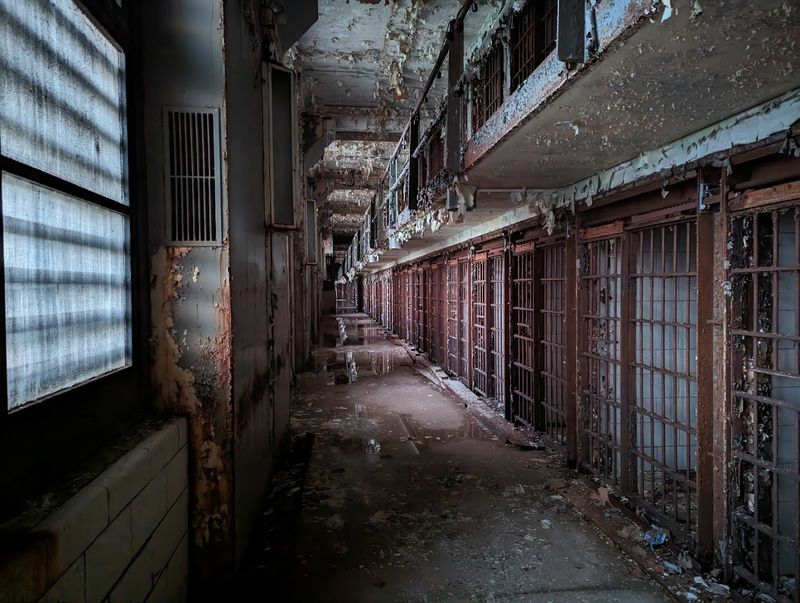
Exploring an old prison in broad daylight is one thing. Doing it at night with only a flashlight in your hand is a completely different experience.
Old Joliet Prison offers evening flashlight tours that have become one of the most talked-about ways to see the site. The darkness strips away any sense of comfort and lets the raw atmosphere of the place take over completely.
The nighttime setting also highlights the physical decay of the buildings in a way that daylight softens. Shadows stretch across crumbling walls, and the silence inside the cell blocks becomes almost tangible.
It is not a horror attraction or a haunted house experience, but it is genuinely atmospheric in a way that history lovers and curious travelers tend to find deeply satisfying. Booking this tour in advance is strongly recommended because spots tend to fill up quickly, especially on weekends.
Gothic Limestone Architecture
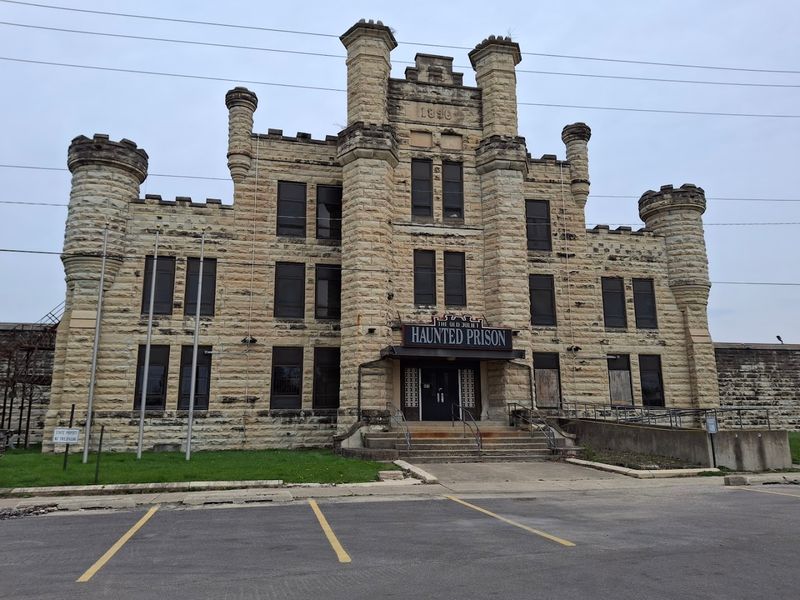
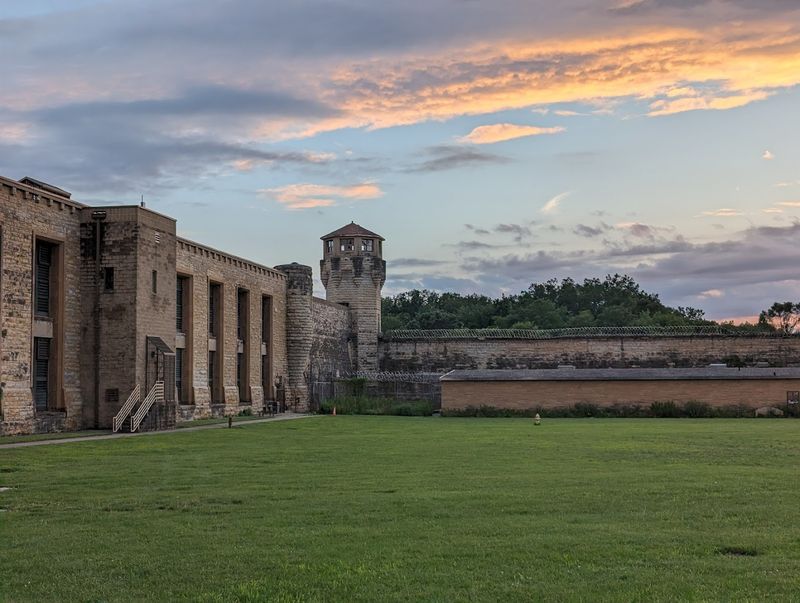
There is something almost theatrical about the way Old Joliet Prison looks from the outside. The thick limestone walls rise up with the kind of imposing authority that makes you stop and stare before you even step through the gate.
Gothic arches frame the windows, and the overall silhouette of the building against an Illinois sky looks like it was designed by someone who wanted every detail to feel serious and permanent.
The limestone used in construction was quarried on the grounds by inmates, which means the very people confined inside these walls also built them. That detail adds a layer of meaning to the architecture that you do not find at most historic sites.
Running your hand along those blocks, knowing their origin, is one of those quiet moments that tends to stick with visitors long after they have gone home.
Photographers absolutely love this place. The combination of weathered stone, rusted metal, broken windows, and overgrown vegetation creates a visual richness that changes depending on the light and the season.
Morning visits tend to offer softer light that flatters the stone facade, while overcast days give the whole property a moody, cinematic quality. Either way, you will likely leave with more photos than you expected to take.
John Wayne Gacy Connection
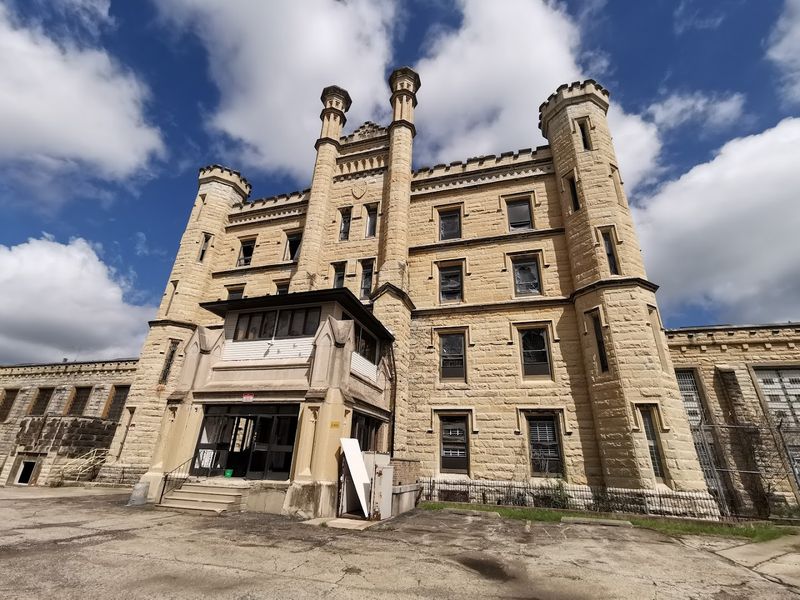
Old Joliet Prison holds connections to some of the most well-known names in Illinois criminal history, and one of the most surprising involves John Wayne Gacy. Tour guides have shared that Gacy may have briefly passed through Joliet, although detailed documentation of the exact duration of his stay is limited.
Some tour accounts suggest he was temporarily brought to Joliet for medical evaluation, though official records do not consistently confirm the specific reason or duration.
That brief connection to such a notorious figure adds another layer to the prison’s already layered history. Staff members are happy to share these kinds of details when visitors ask, and the tour experience is genuinely enriched by these unexpected historical footnotes.
It is the sort of information that makes you realize just how many stories this building has absorbed over its 144 years of operation.
The prison also housed a wide range of other inmates throughout its history, and the tour covers the rehabilitation programs that were part of daily life, including a library, dining facilities, educational programs, and industrial work areas.
Understanding the full picture of what prison life looked like inside these walls, from the ordinary routines to the extraordinary moments, is what makes a visit here genuinely educational rather than just visually interesting.
Visible Fire Damage
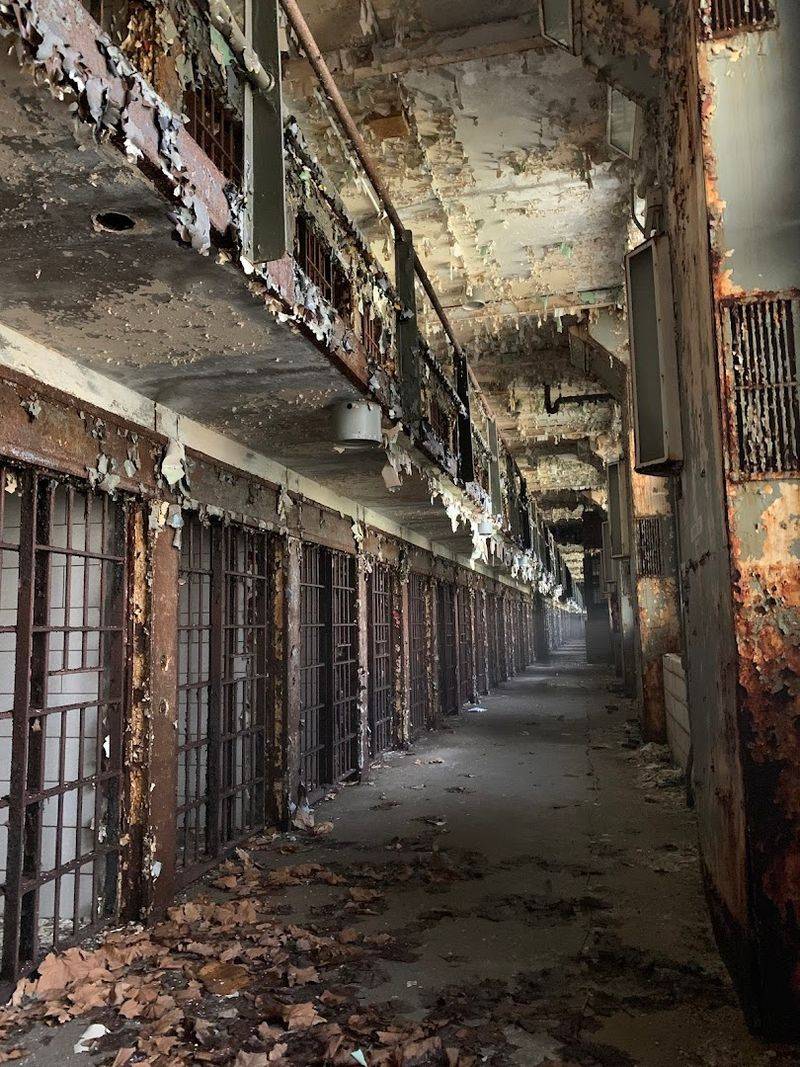
Not everything inside Old Joliet Prison is in pristine condition, and that is actually part of what makes it so visually striking. Some of the buildings within the prison walls were set on fire by unauthorized intruders over the years, and the resulting damage is visible and dramatic.
Charred timbers, blackened walls, and partially collapsed roofs stand alongside structures that are still largely intact, creating a contrast that feels almost cinematic.
Losing pieces of that history to arson is genuinely unfortunate, and it serves as a reminder of why preservation efforts at sites like this matter so much. The organization behind the prison’s restoration continues working to stabilize and protect what remains.
From a visual standpoint, the fire-damaged sections are some of the most photographed areas on the property. There is a raw, honest quality to seeing a historic building in a state of partial ruin that no amount of careful restoration could replicate.
It is not comfortable to look at, but it is honest, and that honesty is part of what makes exploring Old Joliet Prison feel so different from visiting a polished museum or a reconstructed historic site.
Affordable Admission
For a historic site with this much going on, the admission price at Old Joliet Prison is genuinely reasonable. Adult tickets are typically priced in the $20 to $25 range, with discounted rates for children, though visitors should check the official website for current pricing.
Considering that you get access to the prison yard, multiple buildings, detailed informational signage, and the presence of knowledgeable staff throughout your visit, the value is hard to argue with.
Tickets can be booked online in advance through the prison’s website at jolietprison.org, which is the recommended approach, especially for weekend visits or special events.
Arriving with a pre-booked ticket means you can walk straight in without waiting in line, and the online booking process is straightforward. Contact information for inquiries is available on the official website for the most up-to-date details.
The gift shop on site offers the usual range of souvenirs including T-shirts, magnets, and other keepsakes. You can also take a novelty mug shot photo and pose with Blues Brothers mannequins, which visitors with a sense of humor tend to enjoy.
While the gift shop selection is noted as somewhat limited in recent reviews, the overall value of the visit itself more than compensates. For a few dollars, you get a genuinely memorable afternoon in one of Illinois’s most unusual historic spaces.
Special Events & Tours
Old Joliet Prison is not just a static historic site that you walk through once and consider done. The venue hosts a rotating calendar of special events that give visitors a reason to come back multiple times throughout the year.
One memorable event has included an outdoor screening of The Blues Brothers, complete with food trucks, lawn chairs, and blankets under the open sky inside the prison walls.
Guided tours are also available on select weekends and during certain months, offering a more structured experience for visitors who prefer having an expert lead the way.
These tours tend to go deeper into specific areas of the prison’s history and often include access to stories and details that the self-guided signage does not cover. Checking the official website before your visit is the best way to find out what is scheduled during your planned trip.
The nighttime flashlight tours are a separate offering that tends to attract a different kind of visitor than the daytime self-guided experience. Having multiple tour formats available means the prison can appeal to families, history enthusiasts, film fans, and adventure seekers all at once.
That range of programming is one of the reasons Old Joliet Prison maintains strong ratings on major review platforms and continues to grow in popularity year after year.