
This Hidden Arkansas Sanctuary Lets You Experience Wildlife Up Close
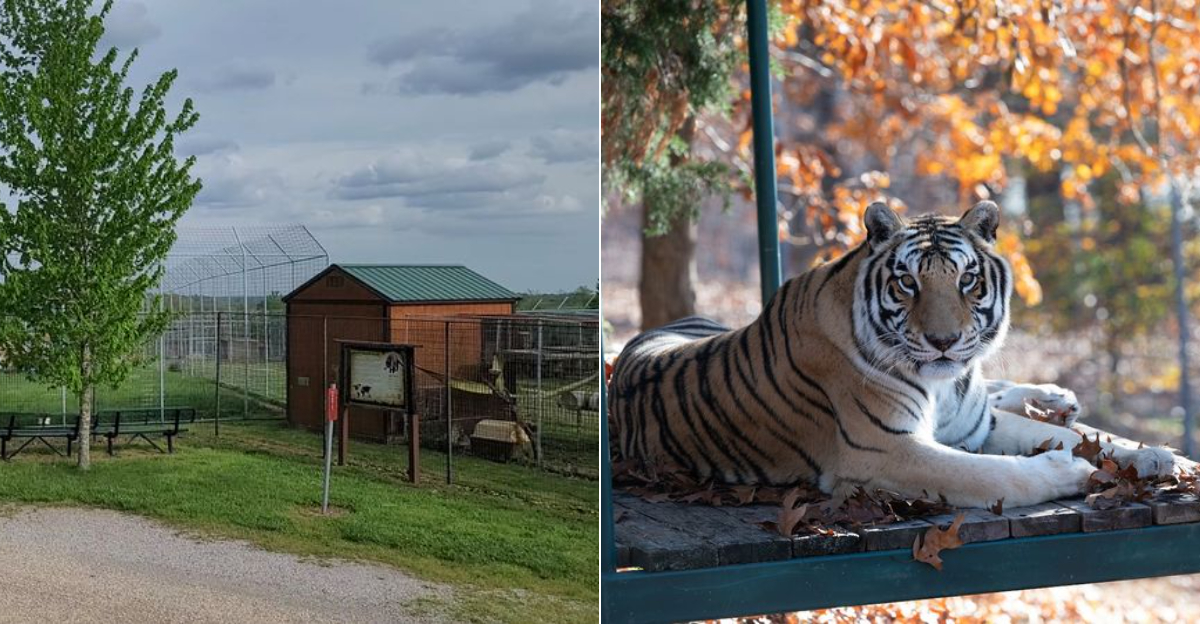
Wild animals aren’t something you expect to run into on an Arkansas back road. Yet there they were, moving calmly across a wide stretch of pasture the first time I visited this sanctuary.
I remember just standing there for a minute, taking it in. Most people head to this corner of northwest Arkansas for the historic streets, the old buildings, and the artsy vibe.
I do too. But a short drive outside the busy downtown changes the pace entirely.
The traffic fades out. The air feels different.
Then you see them. Powerful, steady, surprisingly peaceful.
The refuge has long been known for rescuing big cats and bears, and seeing these animals living out their days in roomy hillside habitats feels both surreal and grounding at the same time. It’s not the Arkansas most people picture, and that’s exactly why it matters.
A Peaceful Refuge For Rescued Wildlife
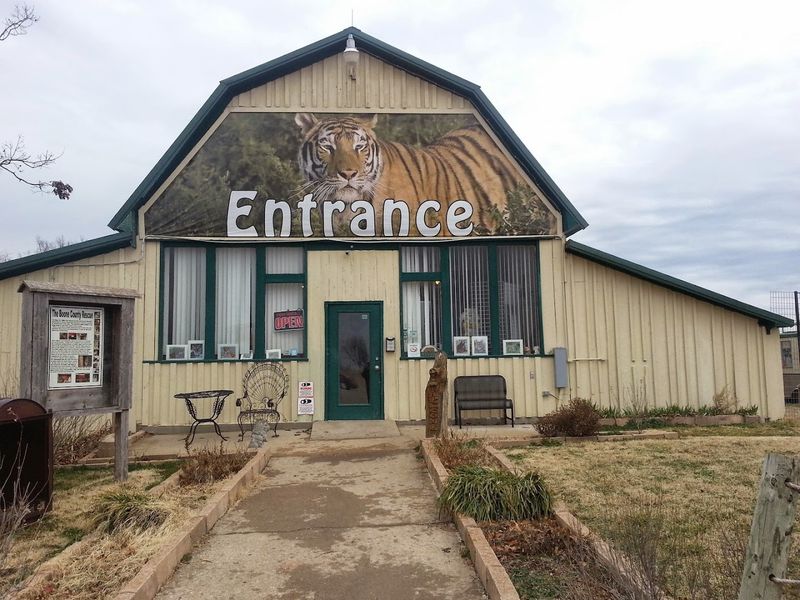
Standing at the edge of a viewing area, watching a bear move unhurriedly through a sun-dappled meadow in the Ozark Mountains, is the kind of moment that genuinely stops you mid-thought. The experience feels quiet and steady, almost grounding, as these massive animals wander across rolling hills with space to roam.
You’re close enough to notice the slow swing of a heavy limb or the shift of weight in the grass. There’s no performance or spectacle, just an animal moving through its day.
This sanctuary expanded its mission over the years, eventually welcoming bears after long focusing on big cats. That shift reflected a deeper commitment to rescuing animals from situations where their welfare had been compromised.
The surrounding mountain town already draws visitors for its Victorian architecture and natural springs, so pairing that charm with a serious wildlife rescue effort feels natural. What struck me most was the calm confidence of the bears.
The refuge sits at 239 Turpentine Creek Lane, Eureka Springs, AR 72632, and it’s known as Turpentine Creek Wildlife Refuge.
Lifelong Care For Big Cats And Bears
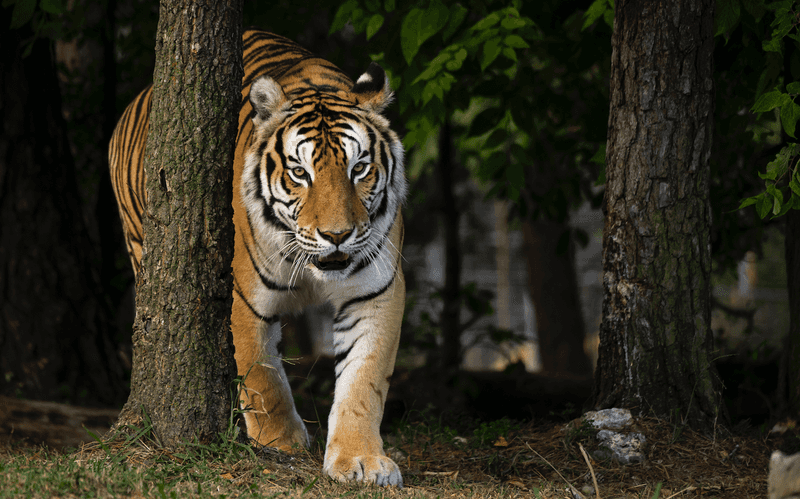
Caring for large animals is not a casual undertaking, and Turpentine Creek Wildlife Refuge approaches it with a level of seriousness that becomes clear as soon as a staff member begins explaining the daily routine. Each resident receives a carefully planned diet, routine veterinary care, and enrichment activities that encourage natural behaviors and keep them mentally engaged.
The refuge follows a protected-contact model, which means staff work through secure barriers rather than entering enclosures. That structure supports safety while still allowing consistent, attentive care.
For animals like tigers, enrichment can be as simple as new scents, puzzle feeders, or objects that spark curiosity and movement.
Watching a keeper place enrichment items inside a habitat from a safe distance, I noticed how quickly the tiger became focused and alert. The commitment to lifelong care means these animals will not be bred, sold, or returned to harmful situations.
That steady, thoughtful approach gives the entire experience a sense of integrity that lingers long after you leave.
What To Expect From A Guided Tour Experience
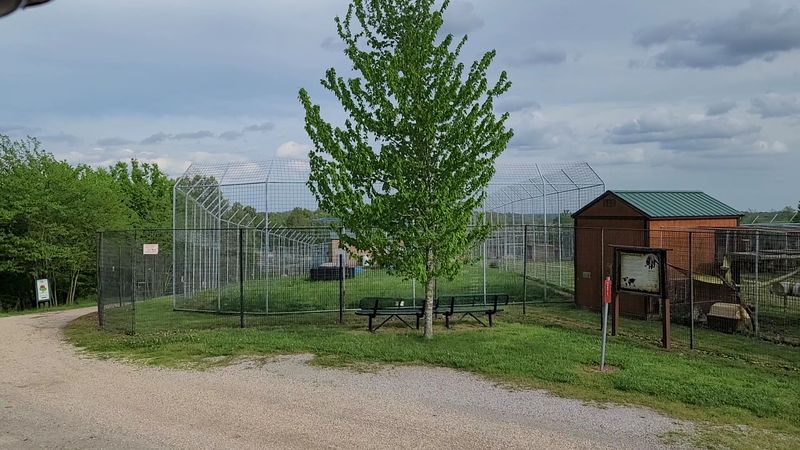
Before I arrived, I half-expected a standard zoo walkthrough, but the guided tour at Turpentine Creek Wildlife Refuge turned out to be something far more personal and informative than that.
Guides here are not reading from a script; they share specific stories about individual animals, including where each bear came from and what its life looked like before arriving at the refuge.
Tours are kept to manageable group sizes, which means you actually get to ask questions and receive real answers rather than being shuffled past exhibits at a brisk pace.
The viewing areas for the bears are thoughtfully positioned so guests get clear sightlines without crowding the animals or disrupting their natural behavior patterns.
I appreciated that the guides were honest about the challenges of wildlife care, including the financial demands and the ongoing need for public support through donations and admissions.
The tour also covers other residents of the refuge, including lions, tigers, and bears, making the full experience feel richly layered rather than singularly focused, and leaving you with a much broader appreciation for what wildlife rescue actually involves on a day-to-day basis.
A Closer Look At The Refuge’s Conservation Mission
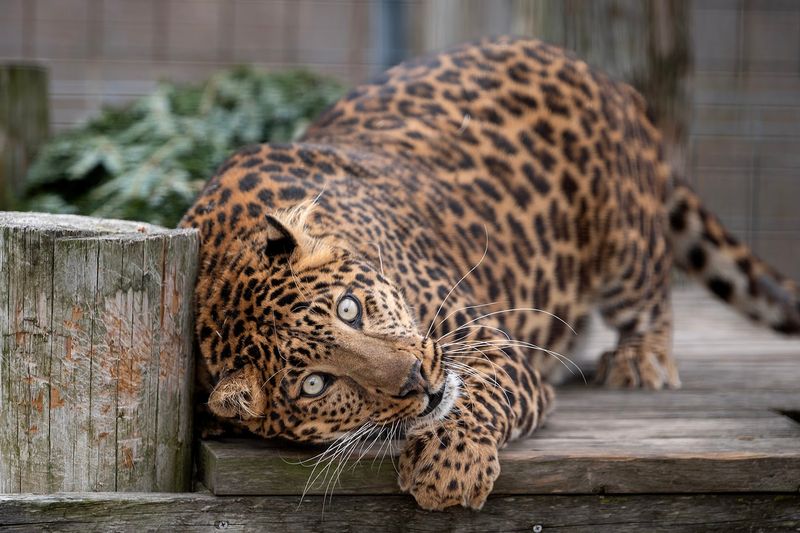
Founded in 1992, Turpentine Creek Wildlife Refuge was built around a straightforward but urgent mission: to provide a permanent, humane home for exotic animals that have been abandoned, abused, or surrendered by private owners.
The inclusion of bears in recent years represents a natural evolution of that mission, as the demand for reputable sanctuaries capable of housing a wider variety of large carnivores has grown significantly across the United States.
What distinguishes this refuge from many other facilities is its accreditation with the Global Federation of Animal Sanctuaries, a credential that requires meeting rigorous standards for animal care, transparency, and ethical operations.
The conservation mission extends beyond just housing animals; the refuge actively educates visitors about the exotic pet trade, habitat destruction, and the policies that allow wild animals to end up in private hands in the first place.
Staff members speak with a kind of measured passion about these issues, never preachy but always clear about the stakes involved for animals that cannot advocate for themselves.
Walking away from the conservation displays, I felt less like a tourist and more like someone who had been handed a small but meaningful piece of responsibility for how these stories continue to unfold.
Spacious Habitats Designed For Safety And Wellbeing
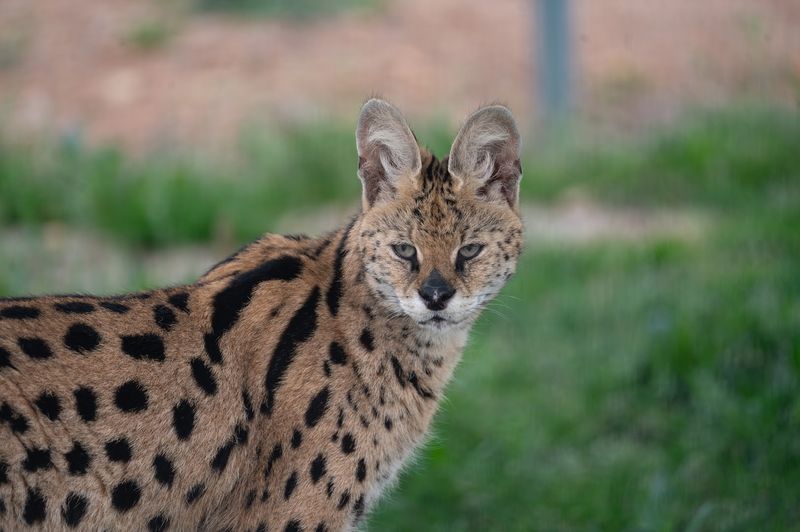
One of the first things that struck me about the habitats at Turpentine Creek was how much space the animals actually had to move through and simply exist within at their own pace.
The terrain itself is a natural asset, with the rolling Ozark hillsides providing varied ground that encourages natural movement and exploration rather than the pacing behavior often seen in inadequate enclosures.
Shade structures, water features, and enrichment objects are distributed throughout the habitat to give servals choices about where to spend their time and how to engage with their environment.
The fencing and barrier systems are engineered to be effective without being visually oppressive, which means the habitat reads as open and naturalistic rather than caged and confined.
Seasonal changes in the Ozarks also mean the servals experience genuine environmental variety, from warm summers with thick vegetation to cooler months that require the refuge to provide additional shelter and warmth.
Every design decision in the habitat reflects a philosophy that prioritizes the animal’s experience above the visitor’s convenience, and honestly, that kind of principled thinking is exactly what makes a place worth traveling across the state to see.
Why This Eureka Springs Sanctuary Stands Apart
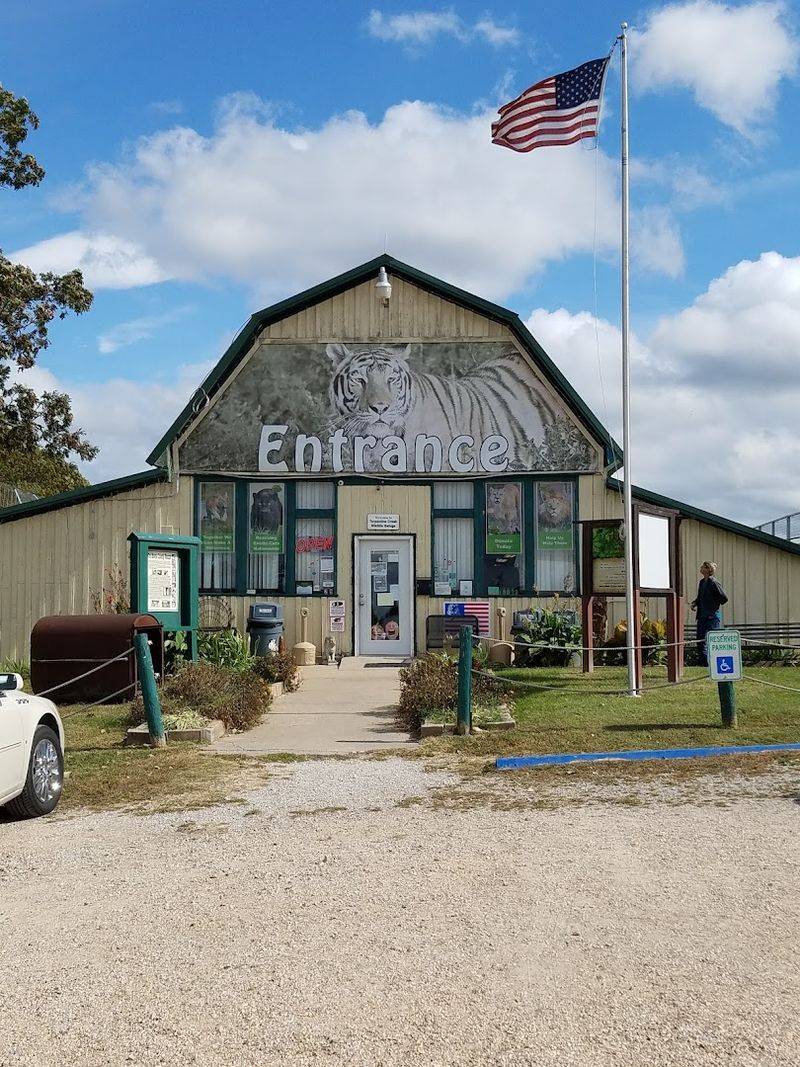
Plenty of wildlife facilities exist across the United States, but very few combine the natural beauty of the Ozark Mountains with the ethical rigor and transparency that Turpentine Creek consistently demonstrates.
The location itself is part of the distinction; Eureka Springs is already a town that values preservation, individuality, and a certain resistance to the ordinary, and the refuge fits that spirit perfectly.
Unlike roadside attractions that use exotic animals as entertainment, this sanctuary operates with a clear no-breeding, no-exploitation policy that keeps the focus entirely on rescue and rehabilitation.
The staff-to-animal ratio is notably high, which means each resident receives attentive, individualized care rather than being one of hundreds managed by a stretched-thin team.
The refuge also welcomes overnight guests through its on-site lodging options, allowing visitors to wake up in the middle of the Ozarks and spend more than a single afternoon with the animals in residence.
There is something quietly radical about a place that asks nothing from its animals except to live as comfortably as possible, and that philosophy, lived out consistently in a mountain town in Arkansas, is precisely what sets Turpentine Creek apart from anything else I have visited in this region.
An Educational Visit That Supports Wildlife Rescue Efforts
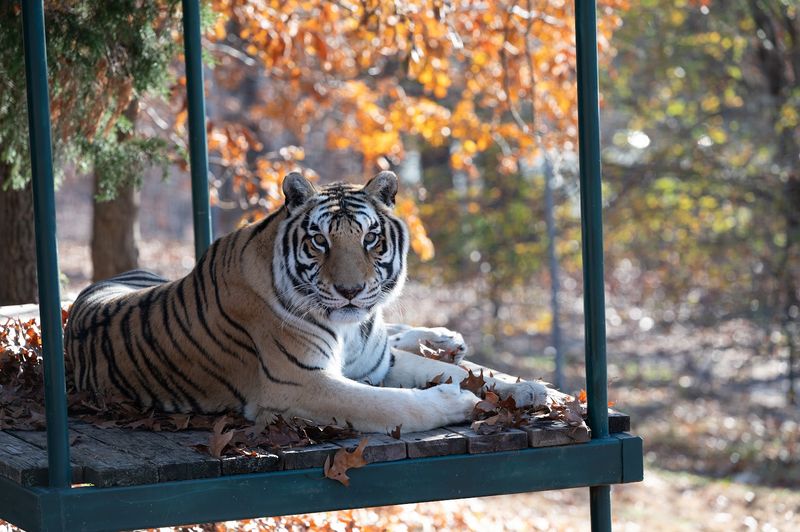
Ticket sales help fund the ongoing care of the animals living there, which means your admission fee is doing genuine work long after you leave the parking lot.
The educational programming woven throughout the visit covers topics like the exotic animal trade, species-appropriate care standards, and the legislative gaps that allow wildlife to end up in private ownership across the country.
Children respond particularly well to the experience because the guides know how to frame complex conservation issues in ways that feel relevant and age-appropriate without oversimplifying the real challenges involved.
School groups visit regularly, and the refuge has developed curriculum-aligned materials that teachers can use before and after the trip to extend the learning beyond the single-day experience.
For adult visitors, the depth of information available is genuinely satisfying, offering enough context to understand the systemic issues that make sanctuaries like this one necessary in the first place.
Leaving the refuge after my visit, I found myself thinking not just about the bears and big cats I had watched from the viewing area, but about how a single afternoon spent in the Arkansas hills had shifted something small but permanent in the way I think about wildlife and the responsibility we all carry toward it.