
12 Scenic Hiking Trails In Florida Worth Visiting In 2026
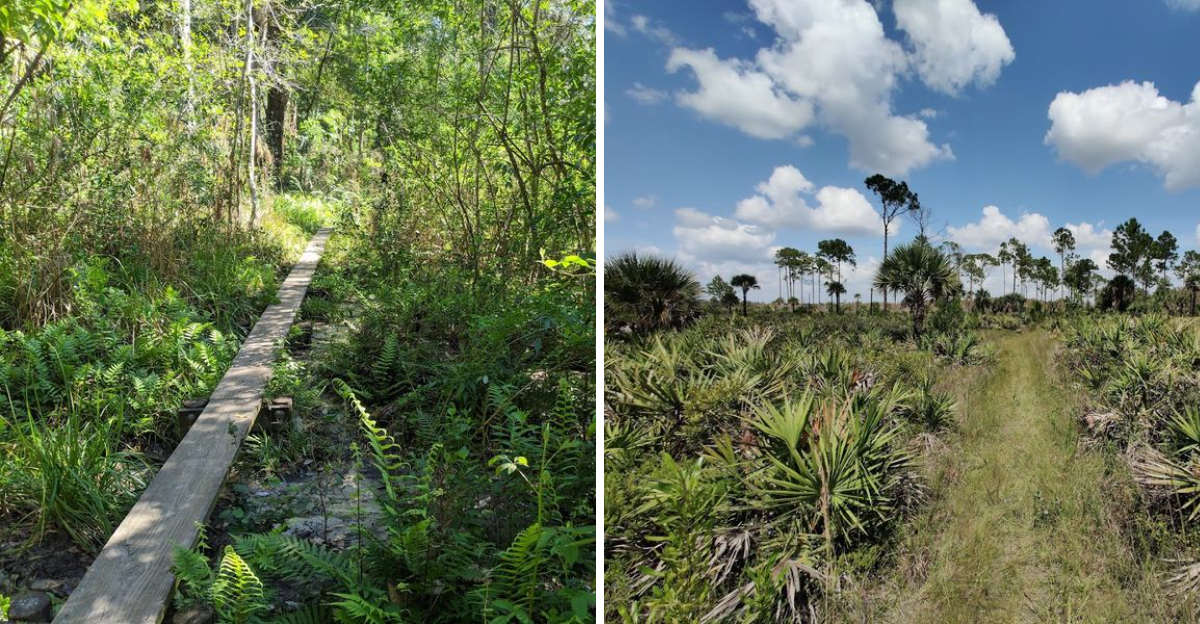
Florida is famous for beaches, palm trees, and theme parks, but here is a question most visitors never ask. What if the most beautiful places in the Sunshine State are not found on a beach at all?
Step onto a trail and Florida begins to look completely different.
Boardwalks wind through silent cypress swamps where reflections ripple across dark water. Sandy paths climb coastal dunes where the Gulf breeze moves through sea oats.
Pine forests stretch for miles, filled with birdsong and the occasional glimpse of deer, turtles, or even a lazy alligator sunning nearby.
The crowds disappear. The noise fades.
Suddenly the only thing guiding you forward is curiosity.
This is the Florida many travelers never see, a wilder side of the Sunshine State where nature quietly takes center stage. And once you experience it, those hiking trails might just become the most unforgettable part of your entire Florida adventure.
1. Florida National Scenic Trail
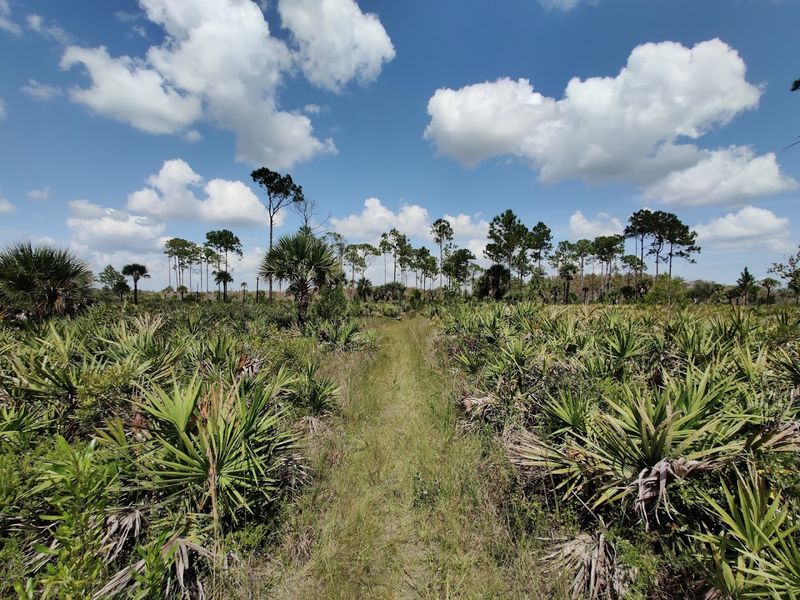
Stretching over 1,300 miles from the Big Cypress National Preserve to the panhandle near Pensacola, this trail represents one of only eleven National Scenic Trails in the entire United States.
The path takes you through an astonishing variety of ecosystems that most people never associate with Florida.
You’ll walk beneath towering longleaf pines, cross cypress swamps on boardwalks, and traverse prairies dotted with wildflowers.
The trail passes through three national forests and offers experiences ranging from easy day hikes to challenging multi-day backpacking adventures.
Wildlife sightings are common, with opportunities to spot deer, wild turkeys, gopher tortoises, and countless bird species.
Spring and fall offer the best hiking conditions when temperatures are moderate and mosquitoes are less aggressive.
Many sections feature primitive campsites and shelters for overnight stays.
The Ocala National Forest section is particularly popular, offering crystal-clear springs where you can cool off after a long day on the trail.
Trail markers with orange blazes guide your way, though some remote sections require good navigation skills.
This trail isn’t just a hike but a journey through the real Florida that existed long before development changed the landscape.
Address: Various access points throughout Florida, from Big Cypress National Preserve to Gulf Islands National Seashore, Pensacola, Florida
2. Lake Okeechobee Scenic Trail
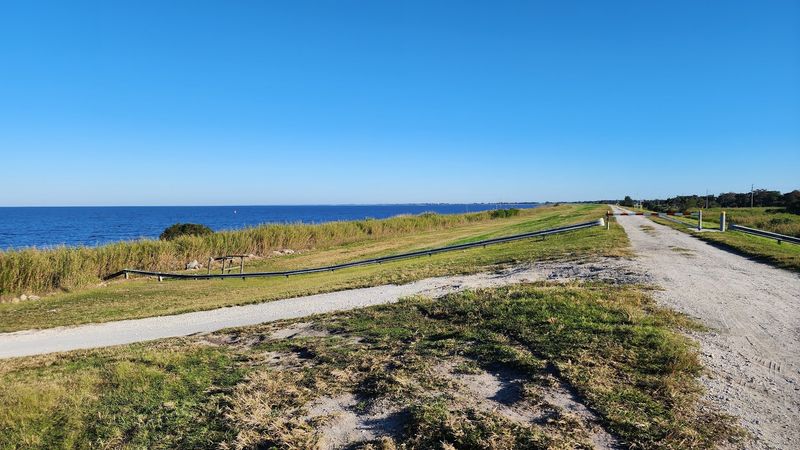
Circling the massive Lake Okeechobee, this 110-mile paved trail sits atop the Herbert Hoover Dike and provides breathtaking views of Florida’s largest freshwater lake.
The completely flat terrain makes this trail accessible to hikers of all skill levels, as well as cyclists and wheelchair users.
Sunrises and sunsets over the vast expanse of water create unforgettable moments that feel more like ocean views than a lake.
Anglers often stop along the trail to fish for bass, crappie, and catfish in waters famous throughout the fishing world.
The trail passes through small agricultural towns where you can experience authentic rural Florida culture.
Bird watchers bring binoculars to spot herons, egrets, ibis, and during migration seasons, numerous other species.
Because the trail follows the dike, there’s minimal shade, so early morning or late afternoon hikes work best during warmer months.
The town of Clewiston serves as a popular starting point, offering amenities and information about the trail.
You can tackle the entire loop over several days or choose shorter segments for day trips.
The surrounding agricultural lands and wetlands create a uniquely Florida landscape that contrasts sharply with coastal regions.
Address: Herbert Hoover Dike access points around Lake Okeechobee, multiple towns including Clewiston, Florida
3. Lake Apopka Loop Trail
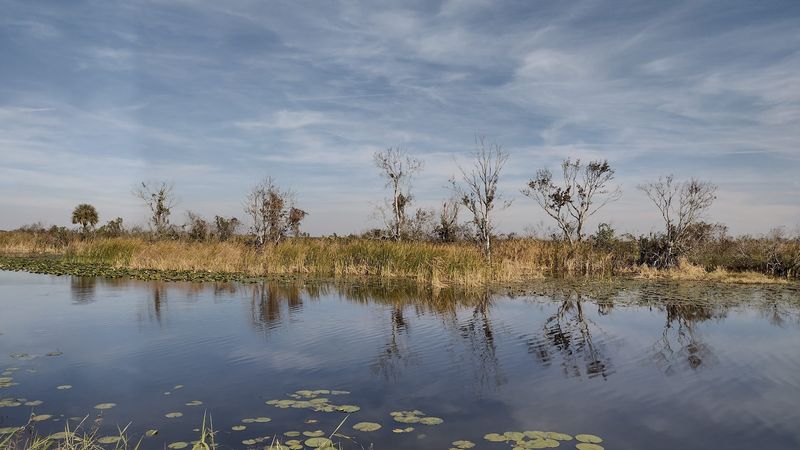
Once considered one of Florida’s most polluted lakes, Lake Apopka has undergone remarkable restoration, and this trail showcases the successful recovery of a precious ecosystem.
The loop extends approximately 20 miles around the lake’s northern shore, offering intimate encounters with restored wetlands teeming with life.
Observation platforms positioned along the route provide perfect spots for watching alligators, otters, and an incredible diversity of wading birds.
The trail surface varies from paved sections to natural paths, giving you options based on your preferences and abilities.
Photography enthusiasts consider this one of Florida’s premier locations for capturing wildlife images in natural settings.
The North Shore area is particularly rich in bird life, with thousands of birds gathering during peak seasons.
Interpretive signs along the way explain the restoration efforts and the ecological importance of the lake system.
Nearby towns like Winter Garden and Apopka offer convenient access points and places to grab a meal after your hike.
The relatively flat terrain and well-maintained paths make this trail family-friendly and suitable for younger hikers.
Visiting during cooler months provides the most comfortable experience and the best wildlife viewing opportunities.
The success story of this lake’s recovery adds an inspiring dimension to your hiking experience.
Address: 2850 Lust Road, Apopka, Florida
4. Withlacoochee State Trail
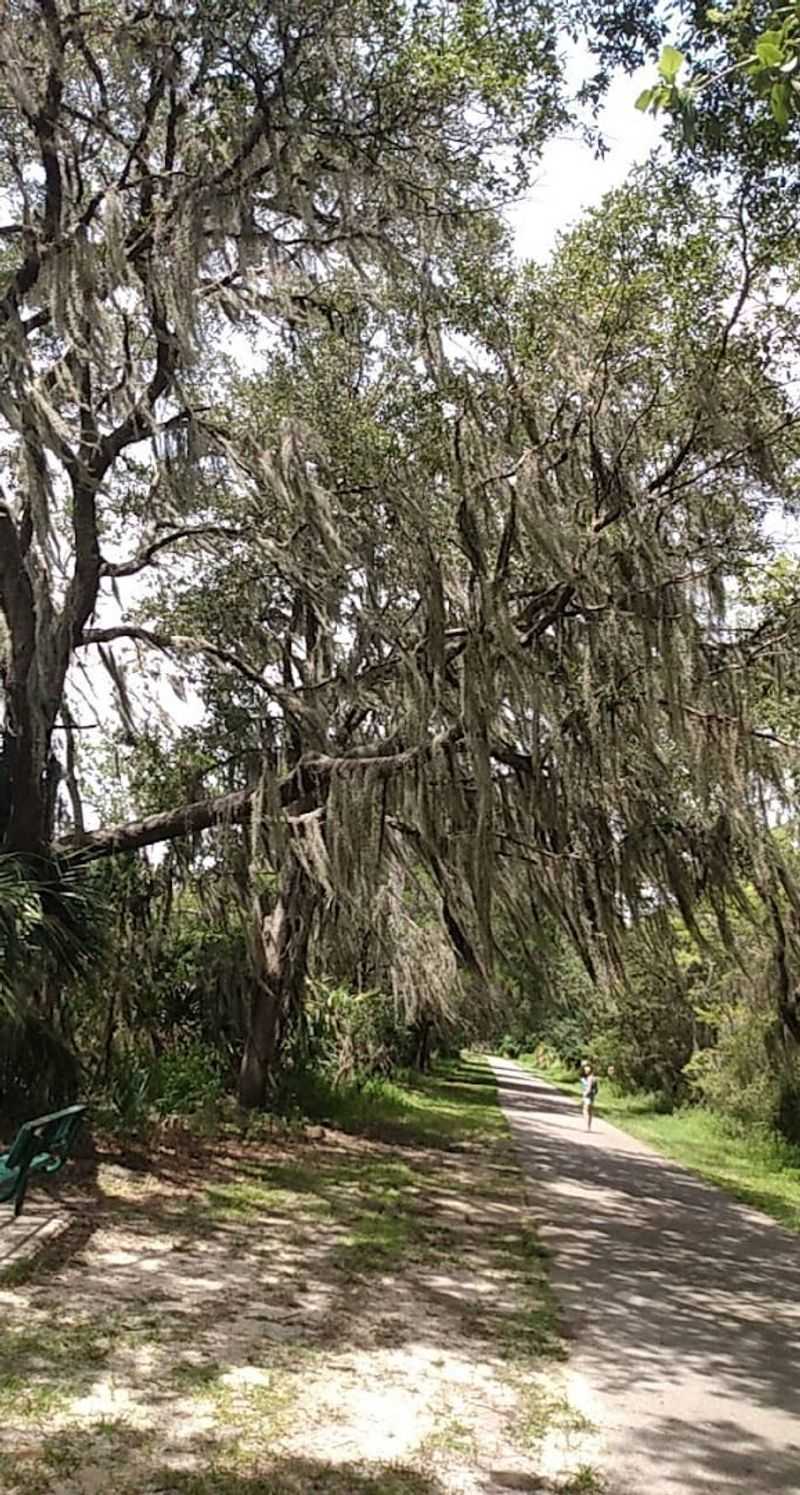
Following an abandoned railroad corridor for 46 miles, this paved trail cuts through some of central Florida’s most beautiful and unspoiled countryside.
The route connects several small towns, each with its own character and history worth exploring during rest stops.
Massive live oaks draped with Spanish moss create natural tunnels that provide welcome shade during most of the journey.
The trail passes through varied landscapes including pine forests, wetlands, and open prairies that change with the seasons.
Historic railroad depots converted into trailside museums tell stories of Florida’s transportation history and rural heritage.
Because the trail follows the gentle grades of the old railroad, it remains remarkably flat and easy for all fitness levels.
Spring brings wildflowers that carpet the trail edges in vibrant colors, while fall offers cooler temperatures perfect for longer excursions.
The town of Inverness serves as a popular hub with trail access, restaurants, and shops catering to trail users.
Wildlife sightings include deer, armadillos, various snake species, and numerous birds that inhabit the corridor’s edges.
You can hike the entire length over a couple of days or select shorter segments for leisurely day hikes.
The trail’s popularity means you’ll encounter fellow hikers, cyclists, and horseback riders sharing the peaceful route.
Address: Multiple access points from Citrus Springs to Trilby, main trailhead at 315 North Apopka Avenue, Inverness, Florida
5. General James A. Van Fleet State Trail
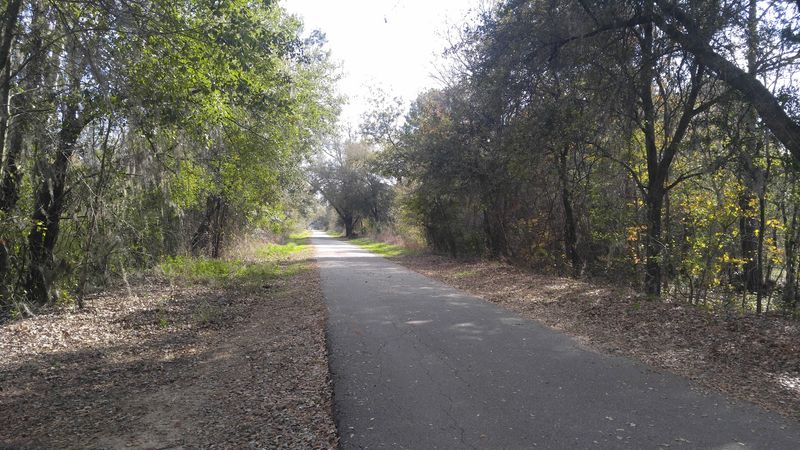
Stretching 29 miles through the heart of central Florida’s Green Swamp, this rail-trail honors a distinguished military leader while providing access to unique natural areas.
The perfectly straight path follows the old railroad bed, creating long sight lines where you can see for miles ahead.
Passing through Polk and Sumter counties, the trail showcases Florida’s agricultural heritage with views of cattle ranches and citrus groves.
The Green Swamp Wilderness Preserve adjacent to portions of the trail protects the headwaters of several major Florida rivers.
Hikers often spot sandhill cranes, wild turkeys, and occasionally even black bears in the more remote sections.
The town of Mabel serves as a convenient midpoint with parking, restrooms, and a small park for breaks.
Because much of the trail passes through open country, sun protection becomes essential during warmer months.
Winter months offer the most pleasant hiking conditions with mild temperatures and lower humidity.
The trail connects to other regional trails, making it part of a larger network for ambitious hikers planning extended trips.
Historic markers along the route explain the area’s railroad history and the general’s military achievements.
The remote character of some sections provides a sense of solitude increasingly rare in modern Florida.
Address: Trailheads at Mabel and Polk City, main access at County Road 559, Polk City, Florida
6. Gainesville–Hawthorne State Trail
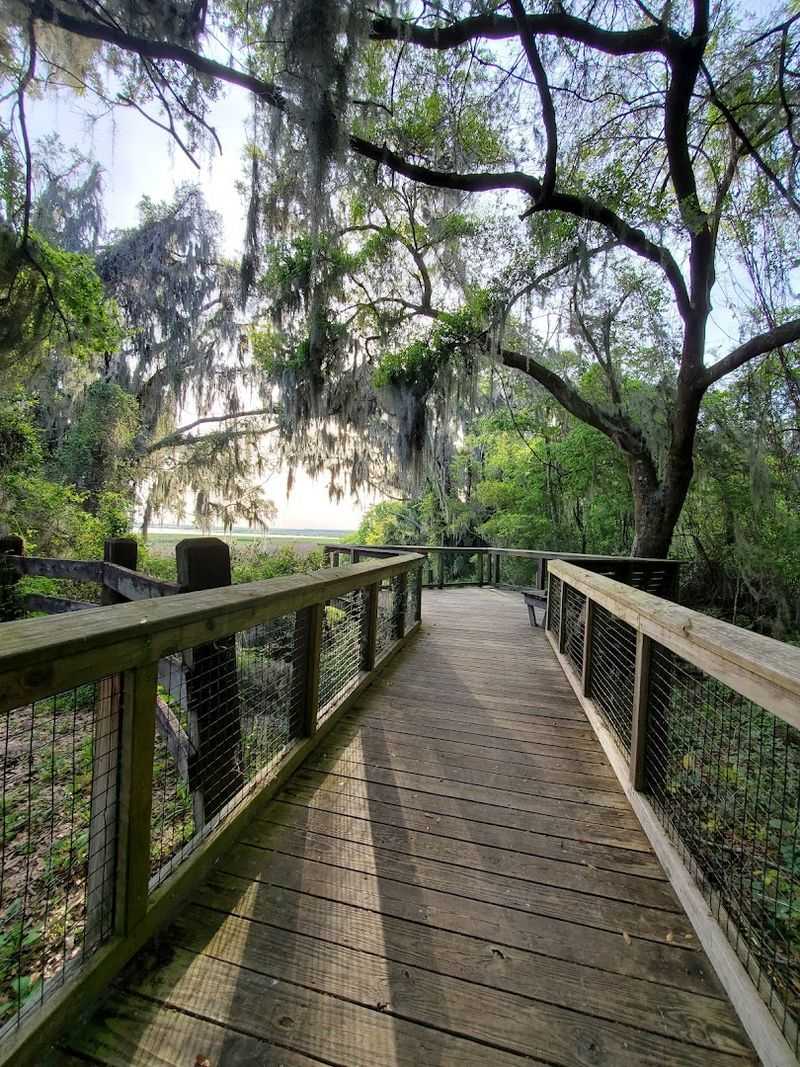
Connecting the vibrant college town of Gainesville to the historic railroad community of Hawthorne, this 16-mile trail offers a perfect blend of natural beauty and small-town charm.
The canopy of oaks and other hardwoods creates a tunnel effect that keeps the trail pleasantly shaded even during summer months.
Paynes Prairie Preserve State Park borders a section of the trail, offering opportunities to spot bison, horses, and alligators in their natural habitat.
The eastern terminus in Hawthorne features antique shops and local eateries where you can refuel after your hike.
La Chua Trail, accessed from the main trail, provides some of the best wildlife viewing in north Florida with boardwalks extending into the prairie.
University of Florida students and Gainesville residents use this trail regularly, creating a friendly and active atmosphere.
The paved surface and gentle terrain make this trail accessible for families with children and people using mobility devices.
Spring brings spectacular wildflower displays along the trail edges, while fall offers comfortable temperatures for longer excursions.
Multiple access points along the route allow you to customize your hike length based on time and energy levels.
The trail passes by Lochloosa Lake, where fishing and bird watching opportunities abound.
Educational signs provide information about the region’s ecology, history, and the railroad’s role in developing these communities.
Address: Trailheads at 3400 SE 15th Street, Gainesville, Florida and downtown Hawthorne, Florida
7. Palatka–Lake Butler State Trail
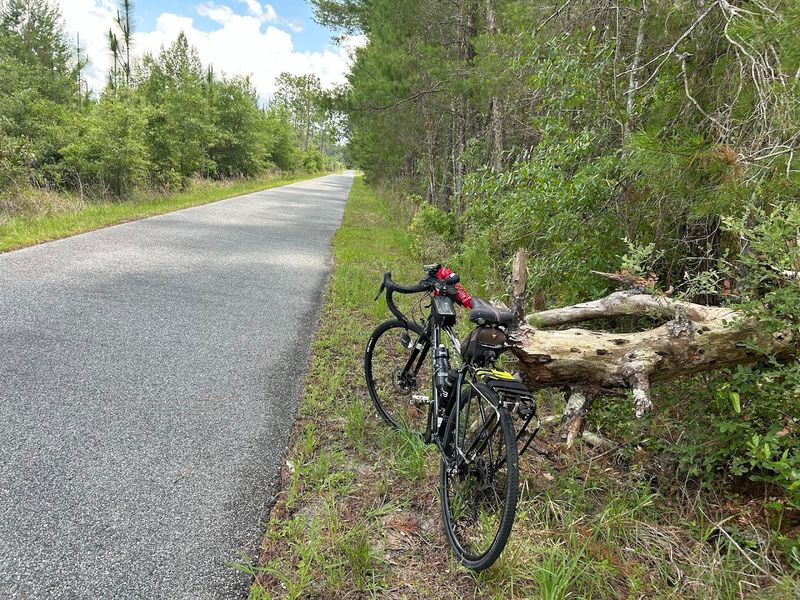
Winding 47 miles through the forests and farmlands of northeast Florida, this trail takes you deep into regions that still feel untouched by modern development.
The route passes through several small communities where time seems to move slower and Southern hospitality remains a way of life.
Dense pine forests alternate with open agricultural lands, creating constantly changing scenery that keeps the journey interesting.
The trail crosses numerous small creeks and wetlands on bridges that offer glimpses of aquatic wildlife and water birds.
Historic Palatka, situated on the St. Johns River, serves as the eastern trailhead with its charming downtown and riverfront parks.
Lake Butler, the western terminus, provides a quiet small-town atmosphere perfect for ending a long hike with a peaceful meal.
Because this trail sees less traffic than some of Florida’s more popular paths, you’ll often enjoy long stretches of solitude.
The flat terrain and paved surface make this an excellent choice for multi-day bike-packing trips combined with hiking segments.
Spring and fall offer ideal conditions, though the shaded sections provide relief even during warmer periods.
Wildlife sightings might include deer, wild hogs, various reptiles, and an abundance of bird species.
The trail’s length and rural character create a genuine adventure feel that appeals to those seeking escape from urban environments.
Address: Trailheads at 105 North 11th Street, Palatka, Florida and Lake Butler, Florida
8. Dune Ridge Trail – Little Talbot Island State Park
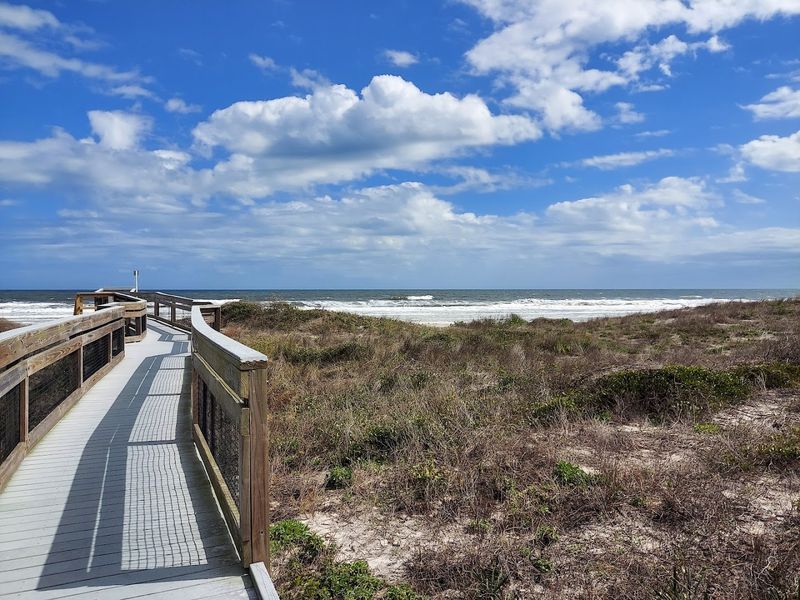
Perched along one of Florida’s last undeveloped barrier islands, this trail offers a rare glimpse of what the state’s coastline looked like before development.
The path winds through towering dunes stabilized by sea oats that wave in the constant ocean breeze.
Maritime forests of wind-sculpted oaks and palms create shaded sections that contrast beautifully with the open dune areas.
Beach access points along the trail let you combine your hike with swimming, shelling, or simply relaxing by the waves.
The entire island ecosystem demonstrates the delicate balance between land and sea that characterizes barrier island environments.
Shorebirds, sea turtles during nesting season, and dolphins visible from the beach make wildlife encounters memorable.
The trail’s moderate difficulty comes from walking in sand, which provides an excellent workout for leg muscles.
Sunrise hikes offer spectacular views as the sun emerges from the Atlantic, painting the sky in brilliant colors.
The park’s relatively remote location means fewer crowds compared to more accessible Florida beaches.
Interpretive signs explain the ecology of dune systems and the importance of preserving these fragile environments.
Combining this trail with the park’s other paths creates a full day of exploration through diverse coastal habitats.
Address: 12157 Heckscher Drive, Jacksonville, Florida
9. Black Bear Wilderness Area Trail
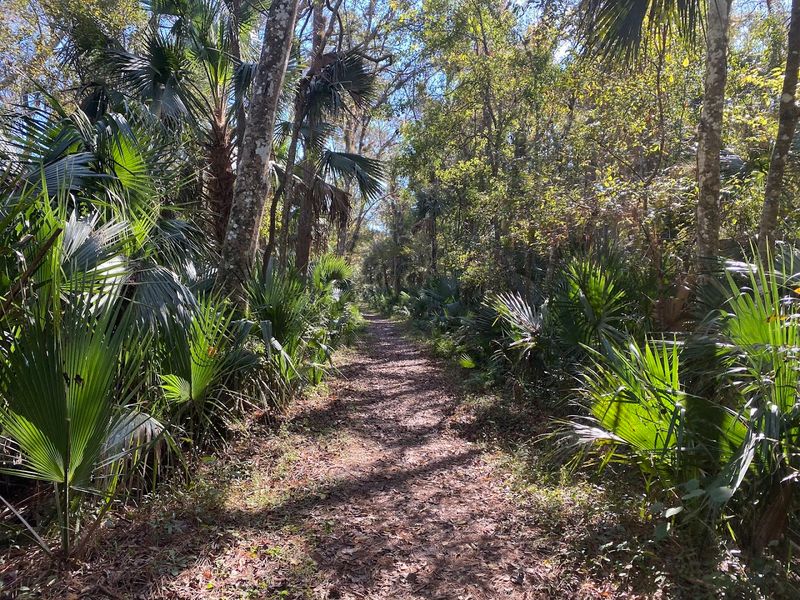
Named for the Florida black bears that still roam this protected wilderness, this trail system offers genuine backcountry experiences within the Ocala National Forest.
The sandy paths wind through Florida scrub habitat, a rare ecosystem found nowhere else on Earth outside the state.
Towering sand pines and dense saw palmetto create a landscape that feels ancient and wild, far removed from civilization.
Multiple loop options ranging from short day hikes to overnight backpacking trips accommodate various skill levels and ambitions.
The area’s designation as wilderness means no motorized vehicles, ensuring a peaceful experience surrounded only by natural sounds.
While black bear sightings are possible, these shy creatures typically avoid humans, though proper food storage remains essential.
The trail connects to other Ocala National Forest paths, allowing ambitious hikers to plan extended wilderness adventures.
Primitive campsites scattered throughout the area provide overnight options for those wanting to experience the forest after dark.
The deep sand in some sections challenges even experienced hikers, making this trail more demanding than many Florida routes.
Spring wildflowers transform the understory into a colorful display, while winter offers the most comfortable hiking temperatures.
The remoteness and rugged character of this trail appeal to those seeking true wilderness experiences.
Address: Access via Forest Road 573 off State Road 19, Ocala National Forest, Altoona, Florida
10. Anhinga & Shark Valley Trails – Everglades National Park
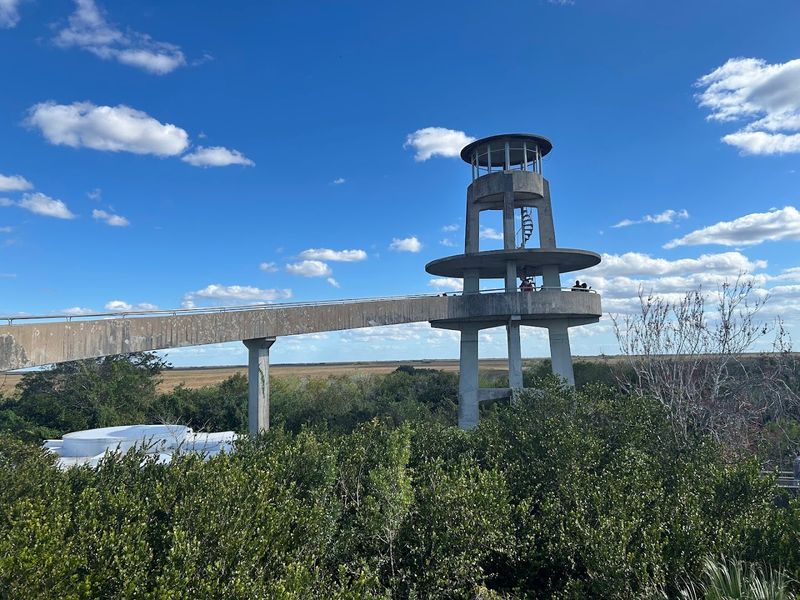
These two iconic trails showcase the Everglades in ways that reveal why this unique ecosystem earned recognition as a World Heritage Site.
The Anhinga Trail’s boardwalk extends into Taylor Slough, bringing you face-to-face with alligators, turtles, and the trail’s namesake birds.
Shark Valley’s 15-mile loop provides panoramic views of the River of Grass from an observation tower at the trail’s midpoint.
The completely flat terrain makes both trails accessible, though Shark Valley’s length requires good endurance or the option to rent bicycles.
Winter dry season concentrates wildlife around remaining water, creating extraordinary viewing opportunities unlike any other time.
Wading birds including herons, egrets, and roseate spoonbills gather in impressive numbers that delight photographers and nature lovers.
The Anhinga Trail’s short length makes it perfect for families, while Shark Valley challenges those wanting a longer adventure.
Sunrise and sunset transform the sawgrass prairie into a golden landscape that seems to stretch forever.
Rangers offer guided walks that explain the Everglades’ ecology, threats, and the ongoing restoration efforts.
The subtropical climate means mosquitoes can be intense during summer, making winter the preferred visiting season.
These trails provide the quintessential Everglades experience that defines South Florida’s natural heritage.
Address: Anhinga Trail at 40001 State Road 9336, Homestead, Florida; Shark Valley at 36000 SW 8th Street, Miami, Florida
11. Hidden Waters Preserve & Little Big Econ State Forest
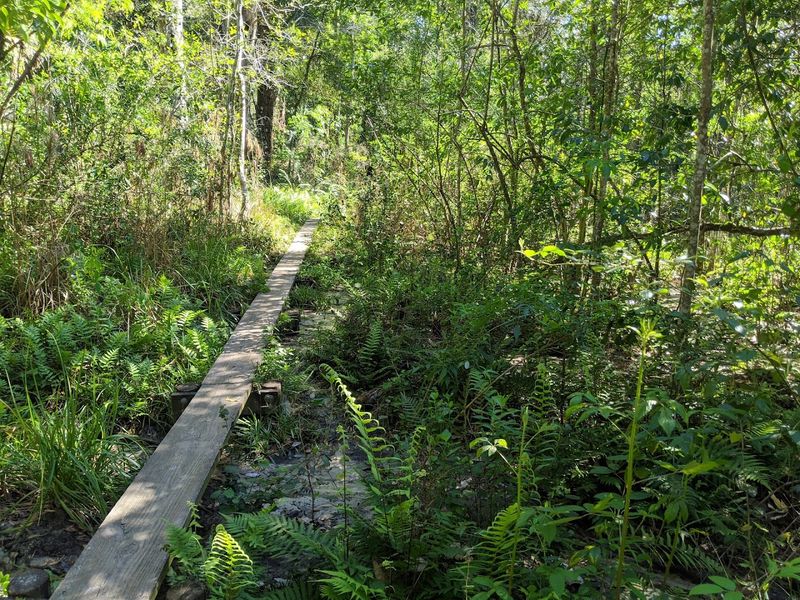
Tucked away in the Orlando metropolitan area, these connected preserves protect pristine springs, hardwood forests, and the scenic Econlockhatchee River corridor.
The trails wind through ecosystems that seem impossible to find so close to a major city, yet here they thrive in protected solitude.
Crystal-clear springs bubble up from the limestone aquifer, creating swimming holes perfect for cooling off during warm-weather hikes.
Ancient live oaks draped with resurrection ferns and Spanish moss create a cathedral-like atmosphere along many trail sections.
The river itself flows dark and tannin-stained, supporting populations of fish, turtles, and occasional river otters.
Multiple trail loops of varying lengths let you customize your hiking experience from short nature walks to all-day adventures.
The preserve’s proximity to Orlando makes it a popular escape for city residents seeking quick access to nature.
Equestrian trails share some sections with hikers, adding to the area’s multi-use recreational appeal.
The diverse habitats support an impressive variety of wildlife including deer, wild turkeys, gopher tortoises, and numerous bird species.
Boardwalks cross wet areas, keeping your feet dry while providing intimate views of swamp ecosystems.
The combination of springs, forest, and river creates a uniquely beautiful landscape that represents the best of Central Florida nature.
Address: 15600 East State Road 50, Christmas, Florida
12. Myakka River State Park Trail Network
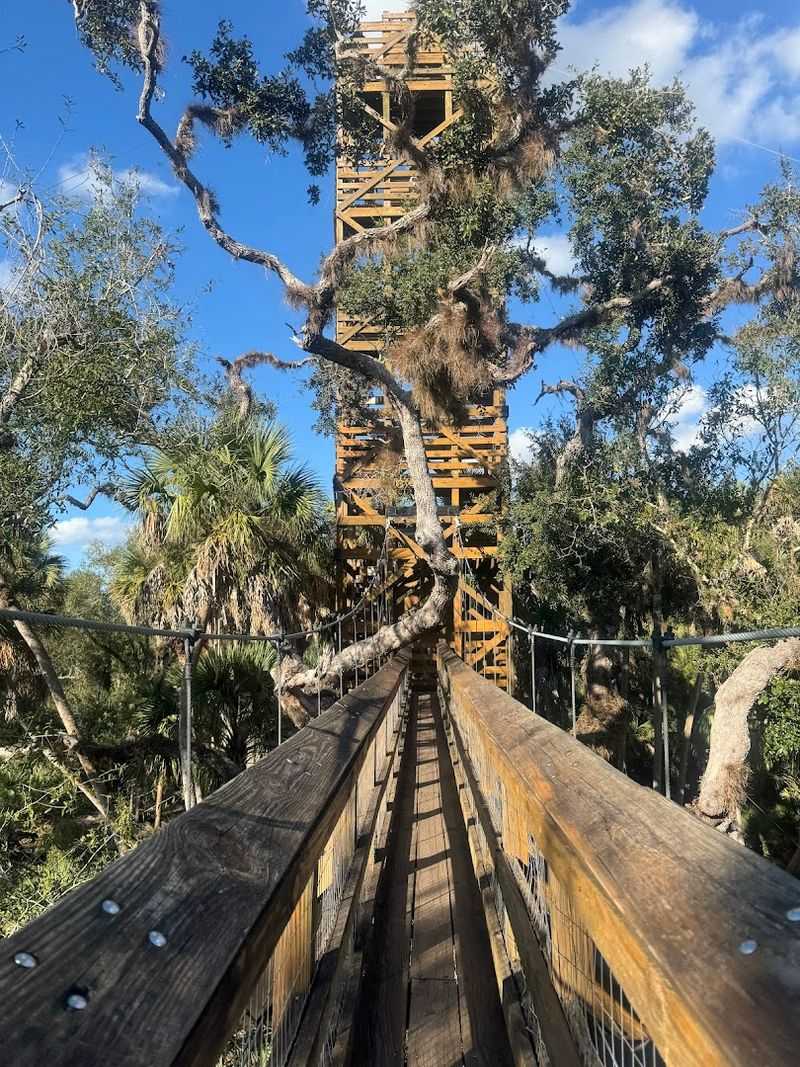
As one of Florida’s oldest and largest state parks, Myakka River protects 58 square miles of wild Florida and offers an extensive trail system exploring varied habitats.
The park’s signature feature, the Myakka River, winds through the property creating wetlands that support one of the state’s densest alligator populations.
Trails range from easy walks around Upper Myakka Lake to challenging backcountry routes through palmetto prairies and oak hammocks.
The canopy walkway and observation tower provide unique aerial perspectives of the forest that ground-level trails cannot offer.
Birdwatchers flock here year-round to spot everything from roseate spoonbills to bald eagles and countless other species.
Primitive campsites along backcountry trails allow multi-day hiking adventures deep into areas few visitors ever see.
The park’s size and diverse habitats mean you can return multiple times and always discover something new.
Dry season concentrates wildlife around water sources, creating exceptional viewing opportunities along the river and lake shores.
Historic structures from the Civilian Conservation Corps era add cultural interest to the natural attractions.
The park’s location near Sarasota makes it easily accessible yet feels remote once you venture beyond the main facilities.
These trails showcase the wild side of Southwest Florida that existed long before development transformed the region.
Address: 13208 State Road 72, Sarasota, Florida