
10 Hidden Nature Spots In Illinois Worth Exploring This March
March carries a strange, quiet energy across Illinois. Winter loosens its grip, snow retreats into shady corners, and the first returning birds test the air above fields and wetlands.
Forest floors stay damp and dark, yet subtle signs of life begin to appear in moss, buds, and migrating flocks overhead. It is an in-between season that rewards patience more than peak summer ever does.
Years of wandering back roads and lesser-known trailheads across Illinois revealed places that rarely appear in typical travel lists. The ten locations ahead capture that brief seasonal moment when Illinois feels raw, quiet, and unexpectedly wild.
1. Volo Bog State Natural Area, Ingleside, Illinois
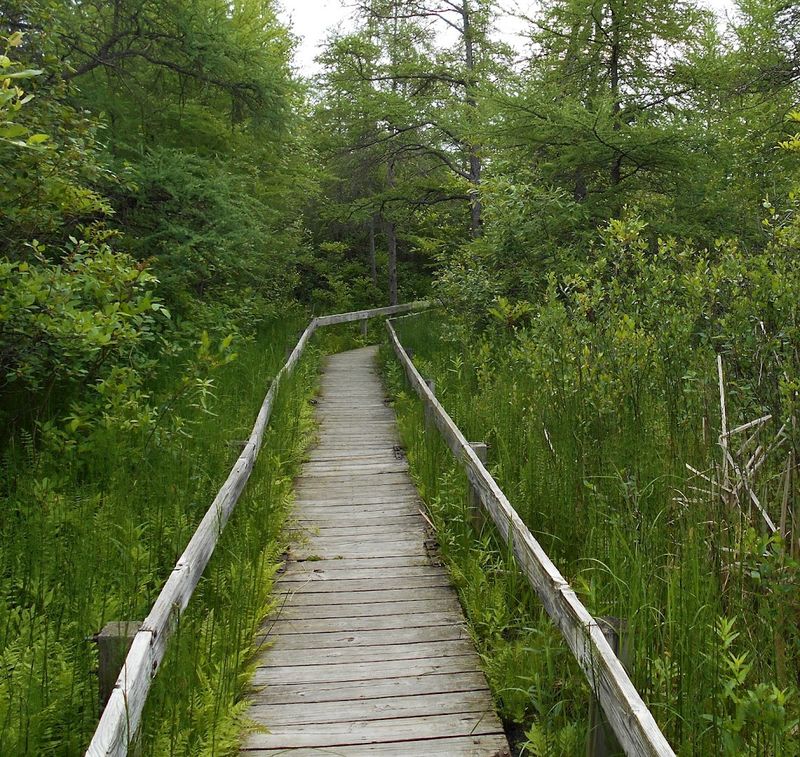
Few places in Illinois make you feel like you are walking on water, but Volo Bog State Natural Area does exactly that. L
ocated at 28478 W Brandenburg Rd, Ingleside, IL 60041, this is one of the last remaining quaking bogs in the entire state, and it earns that name because the ground actually bounces beneath your feet as you walk the boardwalk trail.
The bog formed more than 10,000 years ago as glaciers retreated, leaving behind a kettle lake that slowly filled in with sphagnum moss and unique plant life. In March, the tamarack trees are still bare, but the bog itself feels alive with the sounds of early returning birds and the smell of wet earth waking up after winter.
A network of trails and boardwalks loops around the bog and through surrounding forest, taking visitors past open water, shrubby wetlands, and upland woodland habitats.
Rangers lead guided walks on weekends, which are a great way to learn what you are actually looking at. Bring waterproof boots because the paths near the bog edge can be soft and muddy this time of year.
2. Middle Fork River Forest Preserve Dark Sky Trail, Rankin, Illinois
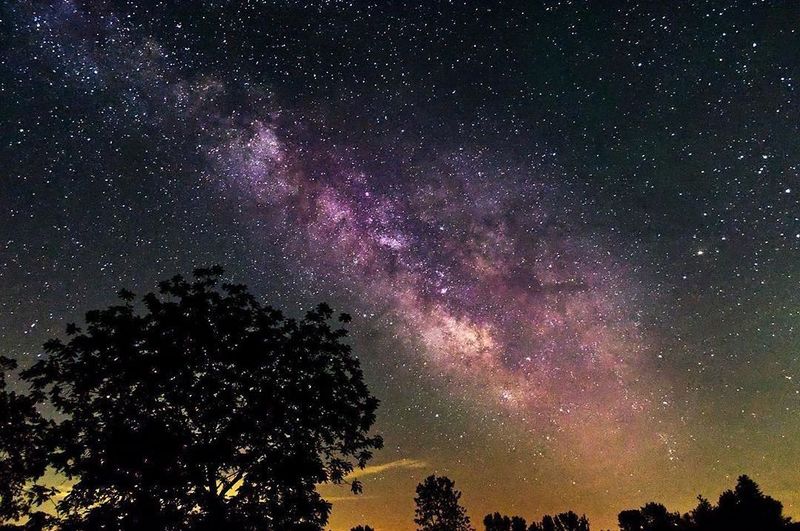
Most people visit nature trails during the day, but the Middle Fork River Forest Preserve near Rankin, Illinois, is a place that genuinely rewards those who show up after sunset.
This Rankin preserve sits in one of the darkest areas in the entire state, which is why it earned a dedicated Dark Sky Trail designation.
The Middle Fork of the Vermilion River runs through the preserve, and in March the water runs high and fast from snowmelt, creating a constant, calming sound along the trail. During the day, the forest preserve is excellent for spotting early migrating waterfowl and woodland birds returning for the season.
After dark, the experience shifts completely. The Milky Way becomes visible on clear nights, and the absence of city light pollution makes the sky feel enormous in a way that is hard to describe until you have seen it yourself.
Pack a red-lens flashlight to protect your night vision, dress in warm layers because March nights in Vermilion County are still cold, and give your eyes at least 20 minutes to adjust before you look up.
3. Cache River Wetlands Center, Cypress, Illinois
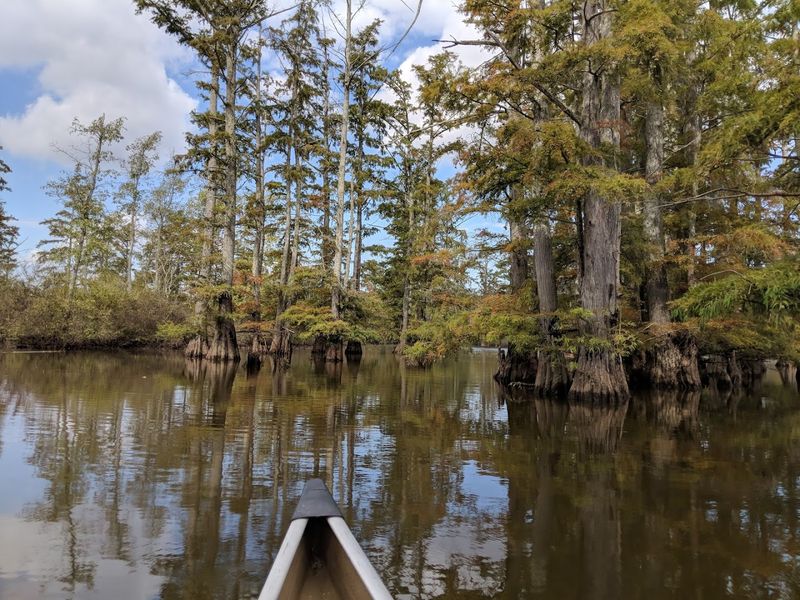
Southern Illinois has a swamp, and it is genuinely spectacular. The Cache River Wetlands Center, known officially as the Henry N.
Barkhausen Cache River Wetlands Center, sits at 8885 State Route 37 S, Cypress, IL 62923, and serves as the gateway to one of the most ecologically important wetland systems in the Midwest.
The Cache River basin is home to some of the oldest trees in North America, including bald cypress trees that are more than 1,000 years old.
In March, the water levels are typically high from winter rains, which means the swamp looks its most dramatic, with ancient tree trunks rising straight out of dark, mirror-still water surrounded by bare branches and soft morning mist.
The wetlands center itself is free to visit and offers exhibits on the local ecosystem, trail maps, and helpful staff who can point you toward the best spots for early spring birding.
The area is a designated Wetland of International Importance, putting it in the same category as places like the Florida Everglades. Waterproof footwear is a must, and a pair of binoculars will make the whole trip considerably more rewarding.
4. Pomona Natural Bridge Trail, Pomona, Illinois
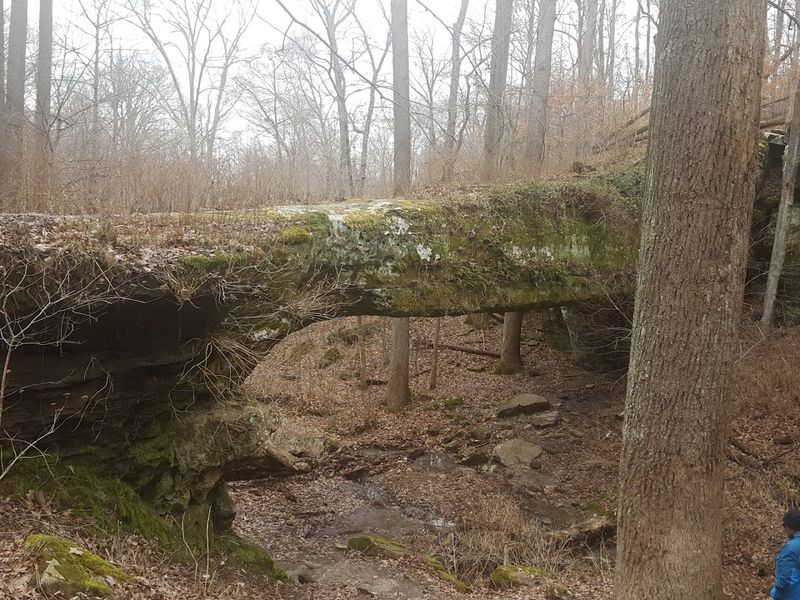
Illinois is not exactly famous for its natural arches, which is exactly why the Pomona Natural Bridge feels like such a remarkable find. The trailhead is accessed via Forest Service Rd 750, also known as Natural Bridge Rd, in Pomona, IL 62975, deep in the Shawnee National Forest of southern Illinois.
The arch itself spans about 90 feet and towers above the forest floor, carved out of sandstone by thousands of years of water erosion. In March, the surrounding trees are still bare, which actually works in your favor because you get a much clearer view of the rock formations without summer foliage blocking the sightlines.
The trail to the bridge is short, about 0.3 miles, making it accessible for most fitness levels. What makes the hike feel special is the silence.
On a weekday morning in early spring, you may have the entire place to yourself, with only the dripping of water off mossy rocks and the occasional call of a pileated woodpecker to keep you company. Wear sturdy shoes because the terrain around the base of the arch can be slippery when wet.
5. Sand Ridge State Forest, Forest City, Illinois
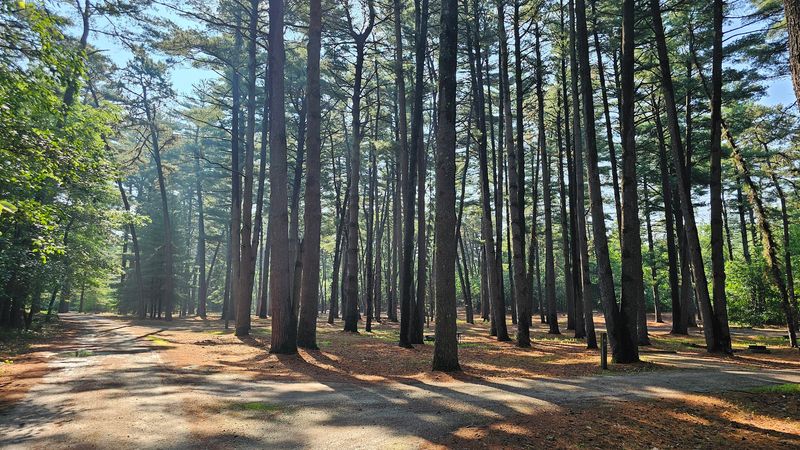
Sand Ridge State Forest near Forest City, Illinois, looks like it belongs in Michigan or Wisconsin, not in the middle of the state.
This roughly 7,100-acre forest sits on ancient sand deposits left behind by the Illinois River, creating a landscape of open sandy soil, jack pines, and black oaks that feels completely unlike anything else in central Illinois.
March is a surprisingly good time to visit because the crowds are minimal and the forest floor is just beginning to show the first signs of spring activity. The sandy trails are well-draining, so they tend to be less muddy than typical woodland paths after winter, which is a genuine advantage this time of year.
The forest is open for hiking, horseback riding, and wildlife observation, and the bird list for this area is impressive, including red-headed woodpeckers, wild turkeys, and migrating warblers that start passing through in late March, though visitors should note that some trails such as the Green Trail may occasionally close due to hazardous trees or maintenance.
There are no entrance fees, and the forest roads are generally passable in a standard vehicle. Bring a trail map from the Illinois DNR website before you go because cell service in this area is unreliable at best.
6. Apple River Canyon State Park, Apple River, Illinois
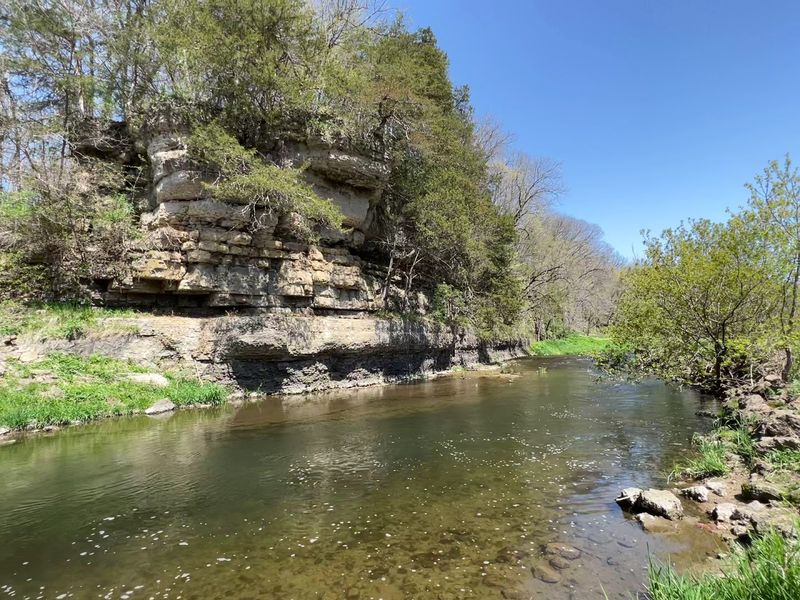
Up in the far northwestern corner of Illinois, Apple River Canyon State Park carves a dramatic exception to the flat prairie stereotype the state often gets saddled with.
The park is located at 8763 E Canyon Rd, Apple River, IL 61001, and the steep canyon walls rising above the Apple River create some of the most striking scenery in the entire state.
In March, the river runs clear and cold through the canyon, and without leaves on the trees, the limestone bluffs are fully exposed and genuinely impressive.
The park has several miles of trails that wind along the canyon rim and down to the river, giving hikers views that feel more like Wisconsin’s Driftless Area than typical Illinois terrain.
The area is known for its geology, particularly the exposed Galena dolomite formations that have been shaped by millions of years of water. Spring wildflowers like hepatica and bloodroot sometimes begin appearing in sheltered spots along the canyon walls as early as mid-March.
Camping options in the park vary by season, and while early March can still be cold for overnight trips, day hiking is excellent and the park is rarely crowded this early in the season.
7. Emiquon National Wildlife Refuge, Havana, Illinois
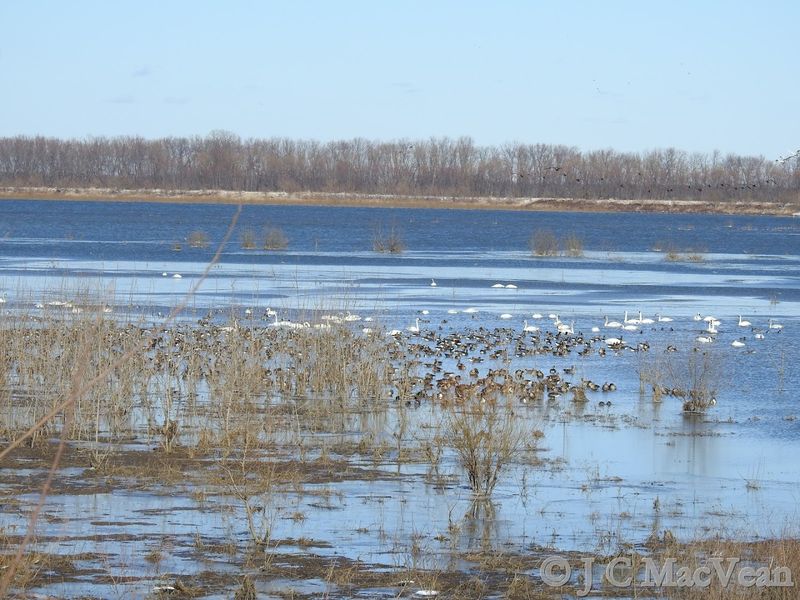
If you have ever wanted to see tens of thousands of ducks and geese in one place, March at Emiquon National Wildlife Refuge near Havana, Illinois, is the moment to do it.
Located at 19031 E County Road 2110 N, Havana, IL 62644, Emiquon represents one of the largest wetland restoration projects in the history of the Midwest.
The refuge was once farmland that sat on top of a historic floodplain lake called Thompson Lake. After the land was restored to wetland habitat in the early 2000s, the wildlife response was almost immediate and astonishing.
Today, during peak spring migration in March, the skies above Emiquon can fill with canvasbacks, tundra swans, snow geese, and dozens of other species making their way north.
Visitors can explore the refuge from designated viewing areas and access points, where wetlands and wildlife can often be observed from overlooks and nearby trails. A spotting scope or binoculars will dramatically improve the experience.
Bald eagles are also commonly spotted here in March, hunting along the open water edges as the ice begins to break up across the Illinois River valley.
8. Garden of the Gods Recreation Area, Herod, Illinois
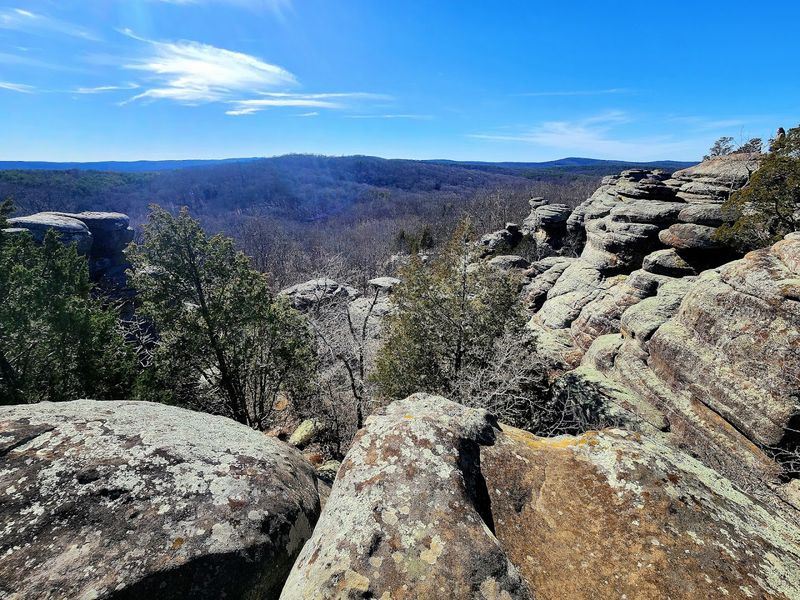
The name sounds almost too grand for Illinois, but Garden of the Gods Recreation Area in the Shawnee National Forest earns every syllable of it. This area features some of the most visually striking rock formations in the entire Midwest, with sandstone pillars, balancing rocks, and eroded bluffs rising above the surrounding forest.
Geologists estimate that these sandstone formations are around 320 million years old, which gives the place a sense of deep time that is hard to shake once you are standing on top of Anvil Rock looking out over the treetops.
March is one of the best months to visit because the summer crowds have not arrived yet, and the bare trees open up long-distance views that are completely blocked by foliage from May onward.
The main observation trail is about a quarter mile and is paved, making it one of the more accessible scenic spots in southern Illinois.
Longer loop trails extend the hike to about three miles for those who want more. Sunrises here are particularly worth the early alarm, with the sandstone turning warm shades of orange and pink in the first light of morning.
Parking is free and the area is managed by the U.S. Forest Service.
9. Midewin National Tallgrass Prairie, Wilmington, Illinois
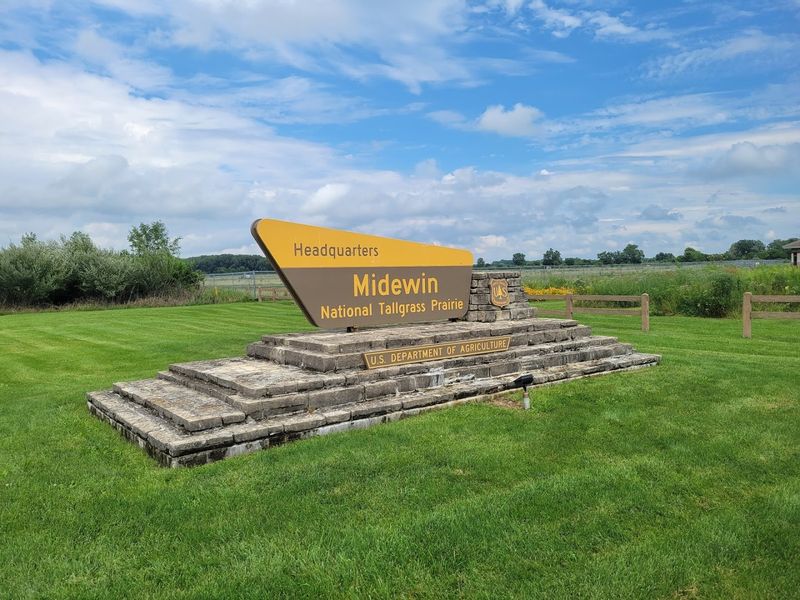
Midewin National Tallgrass Prairie near Wilmington, Illinois, holds a genuinely unusual distinction: it is the first national tallgrass prairie in the United States.
The prairie in Wilmington, IL covers more than 19,000 acres on land that was formerly the Joliet Army Ammunition Plant, and its transformation from industrial site to native habitat is one of the more remarkable conservation stories in the Midwest.
In March, the prairie grasses are still dormant and golden-brown, but the landscape has a raw, wide-open beauty that feels completely different from a forest hike.
Bison were reintroduced to Midewin in 2015, and a small herd roams the refuge today, making this one of the only places in Illinois where you can legally observe wild bison on public land.
The trail system covers more than 30 miles, ranging from short accessible loops to longer backcountry routes. Early March mornings are excellent for spotting short-eared owls, which hunt the open grasslands at dawn and dusk before moving on for the season.
Admission is free, and the visitor center on Route 53 is a good first stop for trail maps and updated wildlife sighting reports from refuge staff.
10. Nachusa Grasslands, Franklin Grove, Illinois
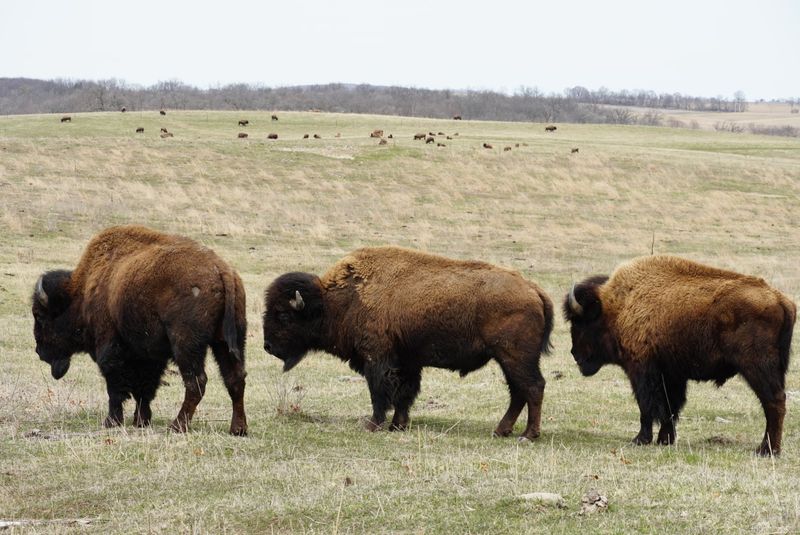
Rolling hills, oak savannas, and a resident bison herd make Nachusa Grasslands one of the most rewarding natural areas in northern Illinois, and in March it has a quiet, unhurried quality that is hard to find anywhere closer to Chicago.
Located at 2075 Lowden Rd, Franklin Grove, IL 61031, this Nature Conservancy preserve covers more than 4,000 acres of restored prairie and wetland habitat in Lee County.
The restoration work at Nachusa has been ongoing for decades, with volunteers and staff hand-planting native grasses and wildflowers across land that was once heavily farmed.
The result is a landscape that gets more biologically diverse every year, with more than 700 plant species documented across the property.
The grasslands feel enormous and open this time of year, and the resident bison herd is often more visible in early spring before vegetation grows tall enough to conceal them.
Sandhill cranes sometimes stop at Nachusa during their northward migration in March, filling the sky with their distinctive rattling calls.
The trails are free and typically open year-round, though occasional controlled burns or restoration work may temporarily close certain areas, and the preserve map available on the Nature Conservancy website will help you navigate the multiple trailheads scattered across the property.