
13 Hidden-Gem Colorado Restaurants To Try Before March Ends
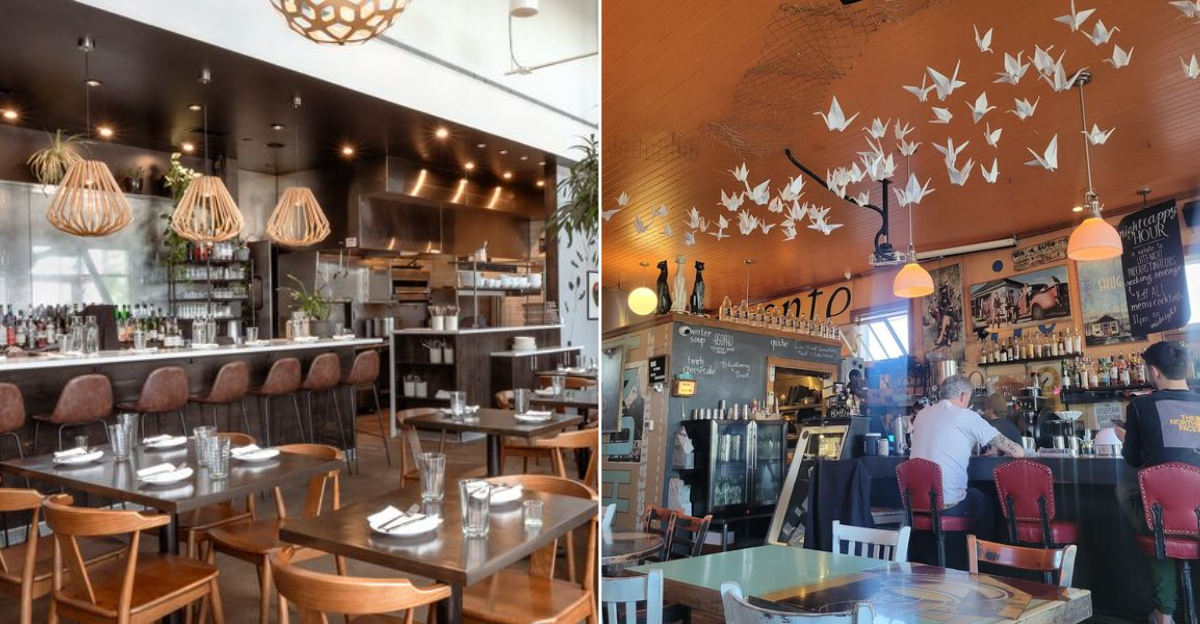
Colorado has a way of surprising you, and not just with its mountains. Tucked between ski towns and wide open plains, the state hides remarkable restaurants that many visitors pass right by without ever realizing what they missed.
These places build their reputations quietly through unforgettable meals, friendly service, and flavors that linger in your memory long after the plates are cleared. In Colorado, great food often lives just off the main path, waiting for curious diners willing to wander a little farther.
Some spots sit below street level like secret hideaways, while others glow warmly on quiet corners where regulars gather again and again. Colorado’s dining scene thrives on these under the radar gems where creativity meets comfort in the best possible way.
March is nearly gone, which makes this the perfect excuse to explore somewhere new, follow your appetite, and discover a meal that turns an ordinary evening into something special.
1. The Rabbit Hole
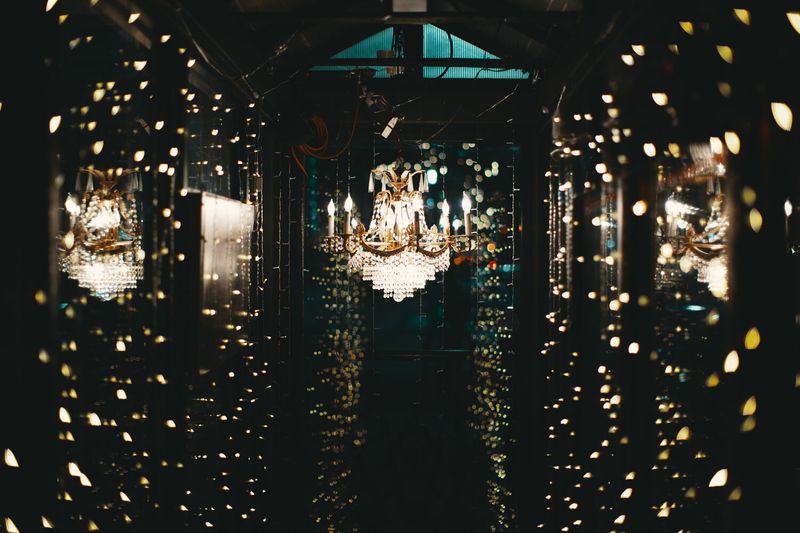
There is something genuinely thrilling about walking down into a restaurant that feels like it exists just slightly outside the ordinary world. The Rabbit Hole, located at 101 North Tejon Street in Colorado Springs, earns that sensation without trying too hard.
It sits below street level, and the moment you descend, the noise of the city fades into something quieter and more interesting.
The menu leans New American, which in practice means creative, confident cooking that borrows freely from different traditions without feeling scattered. Dishes are composed with care, and the kitchen clearly has opinions worth respecting.
For couples who want an evening that feels genuinely special without requiring a reservation six weeks in advance, this place delivers.
The cocktail program matches the food in ambition. Each drink feels considered rather than formulaic, making it easy to linger longer than you planned.
That is, frankly, the highest compliment you can pay a bar menu.
The Rabbit Hole has earned over 5,700 reviews averaging 4.5 stars, which is not the kind of number you accumulate by accident. That track record speaks to consistency, and consistency is exactly what you want when you are trusting a new spot on a weeknight when the stakes feel real.
Think of it as a pre-theater stop that quietly becomes the main event of the evening. The underground setting adds a layer of atmosphere that most restaurants spend a fortune trying to manufacture.
Here, it simply exists. If you have been walking past this address without stopping, March is your gentle nudge to finally go down those stairs and see what all the quiet fuss is about.
2. Till Neighborhood Bistro & Bar
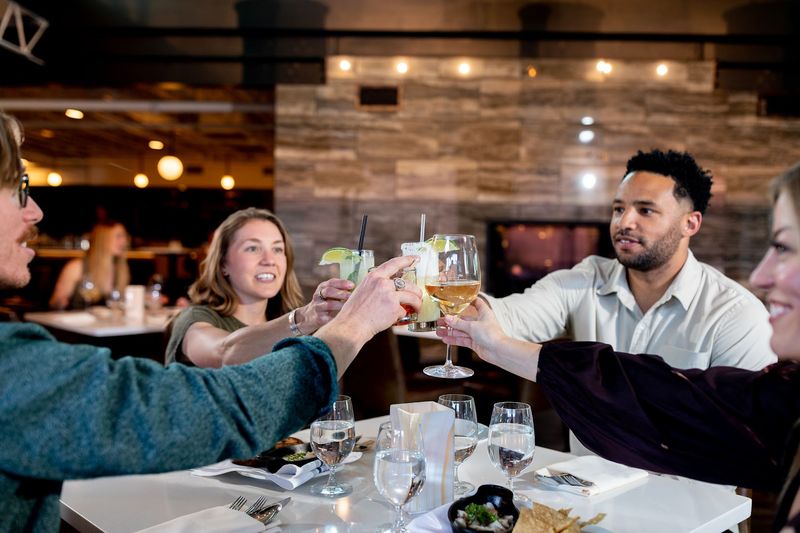
Some restaurants announce themselves loudly. Till Neighborhood Bistro and Bar does the opposite, which is precisely why it tends to attract exactly the right kind of crowd.
Settled at 616 South Tejon Street in Colorado Springs, it occupies that comfortable middle ground between casual and considered, the kind of place where nobody feels underdressed but the food still takes itself seriously.
The bistro format suits it well. There is something reassuring about a menu built around neighborhood logic, where the goal is feeding people well rather than impressing food critics.
Families navigating a Tuesday dinner, couples winding down after a long week, solo diners who simply want a good meal without the theater of a formal restaurant, all of them find something worth returning for here.
The bar side of the operation is no afterthought either. A well-run bar in a neighborhood bistro functions like a social anchor, giving the whole room a sense of ease that is harder to engineer than most people realize.
Till gets this balance right.
South Tejon Street itself has a certain walkable, lived-in quality that suits a post-dinner stroll. Parking is manageable, the surrounding blocks are interesting, and the whole experience slots neatly into an unhurried evening without demanding much logistical planning.
That kind of stress-free setup is worth more than it sounds on a busy March weekend.
What makes Till stand out is its commitment to feeling genuinely local rather than performing locality. There is a difference, and regular diners can always tell.
If you are building a Colorado Springs food itinerary before the month closes out, pencil this one in early. It rewards the kind of relaxed attention that a good neighborhood bistro has always been designed to receive.
3. The Warehouse Restaurant & Gallery
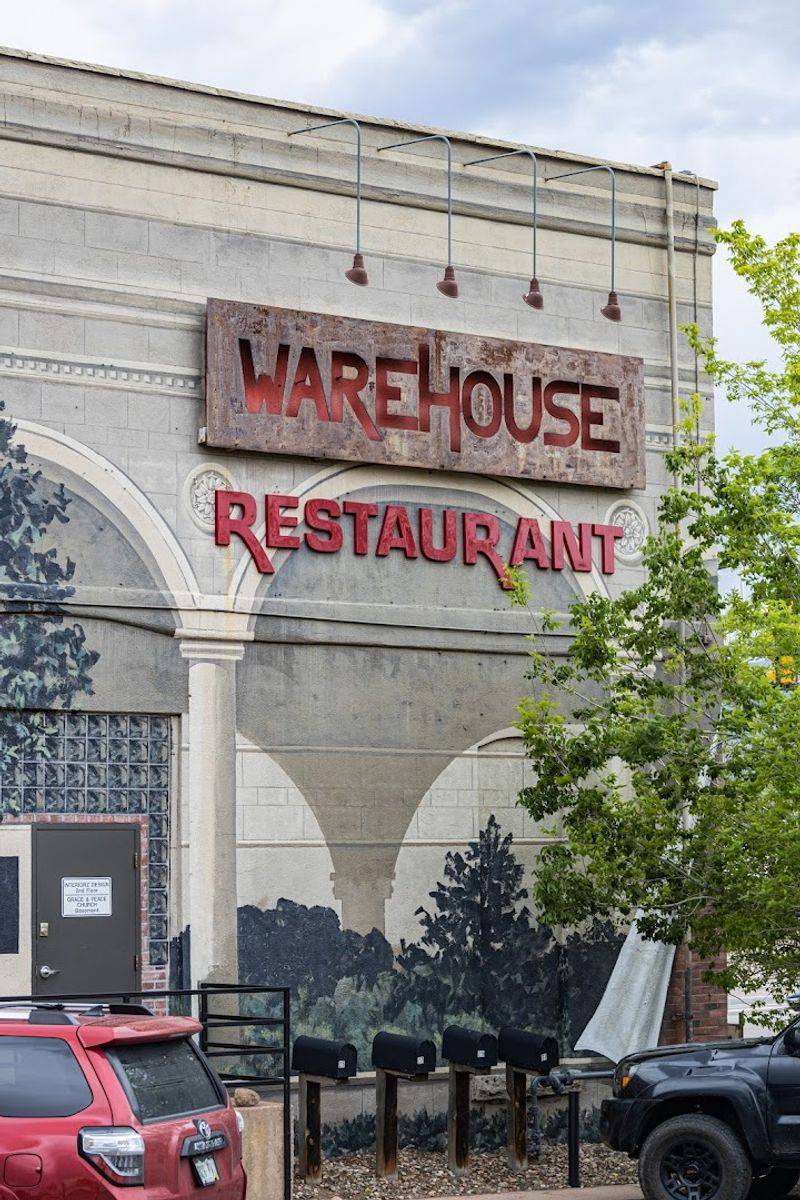
Eating surrounded by art changes the pace of a meal in ways that are hard to fully explain until you have experienced it. The Warehouse Restaurant and Gallery at 25 West Cimarron Street in Colorado Springs operates on exactly that premise, combining a serious dining room with rotating visual art in a converted industrial space that manages to feel both spacious and intimate.
The high ceilings and exposed structural elements give the room a particular kind of energy. Conversations feel slightly more animated here, maybe because the surroundings invite a certain curiosity.
You arrive for dinner and end up genuinely looking at things, noticing details, talking about what you see on the walls. That is a rare quality in a restaurant.
For travelers making a detour through Colorado Springs, this spot solves two problems at once: a reliable dinner and a cultural experience, packaged into a single evening without requiring extra planning. That kind of efficiency is genuinely useful when you are working through a short trip itinerary.
The gallery component also means the space changes over time. Return visits carry a different visual atmosphere depending on what is currently on display, which gives regulars a reason to keep coming back beyond the menu itself.
It is a clever way to keep a dining room feeling fresh.
West Cimarron Street places you near enough to the rest of downtown Colorado Springs that combining this dinner with a short walk through the neighborhood makes for a complete evening. March evenings still carry a chill in Colorado, which makes the warm interior of The Warehouse feel even more welcoming when you step inside.
Book early if you can. Word about places like this tends to travel at a speed that surprises everyone, including the restaurant itself.
4. The Peppertree Restaurant
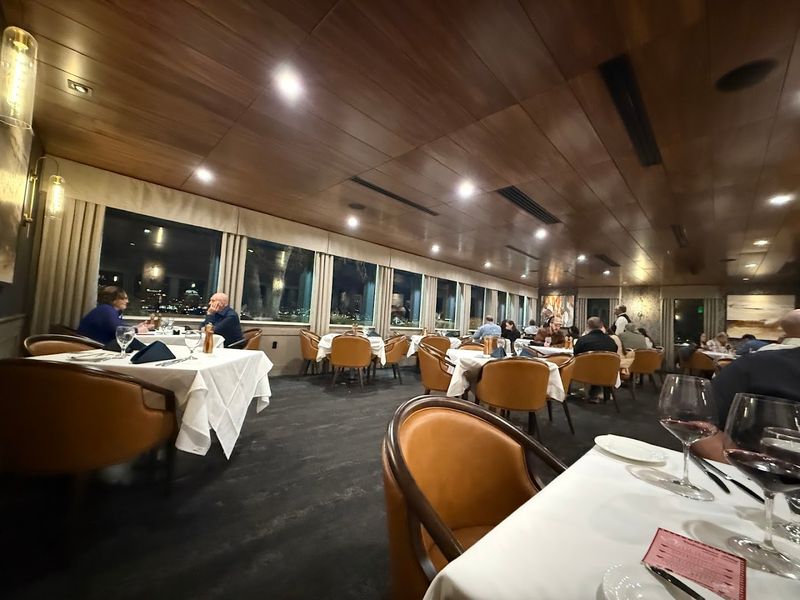
Longevity in the restaurant business is not luck. It is earned through repetition, care, and a stubborn refusal to cut corners when nobody would notice.
The Peppertree Restaurant at 888 West Moreno Avenue in Colorado Springs has the kind of settled confidence that only comes from decades of doing things right and knowing it.
The address sits slightly removed from the busier commercial corridors of the city, which gives the experience a sense of arrival. You make a small effort to get there, and the restaurant meets that effort with a dining room that feels genuinely composed.
White tablecloths, warm lighting, and an atmosphere that encourages you to slow down and actually talk to the person across from you.
This is a strong candidate for a Sunday reset dinner, the kind of meal that reframes the whole week ahead. There is something restorative about eating somewhere that has clearly thought carefully about every detail of the guest experience, from the moment you walk in to the moment you leave.
The Peppertree suits couples marking an occasion without wanting to travel far, and it suits families who want to introduce younger members to the particular pleasure of a properly set table and unhurried service. Neither group will feel out of place, which is its own kind of accomplishment.
Classic American fine dining carries certain expectations, and The Peppertree meets them with the ease of a place that has long since stopped having to prove itself. Before March slips away and the seasonal mood shifts, a dinner here functions as both a treat and a reminder that Colorado Springs has more culinary range than its reputation sometimes suggests.
Reservations are a sensible idea. Places with this kind of track record rarely have empty tables on weekends.
5. Shuga’s
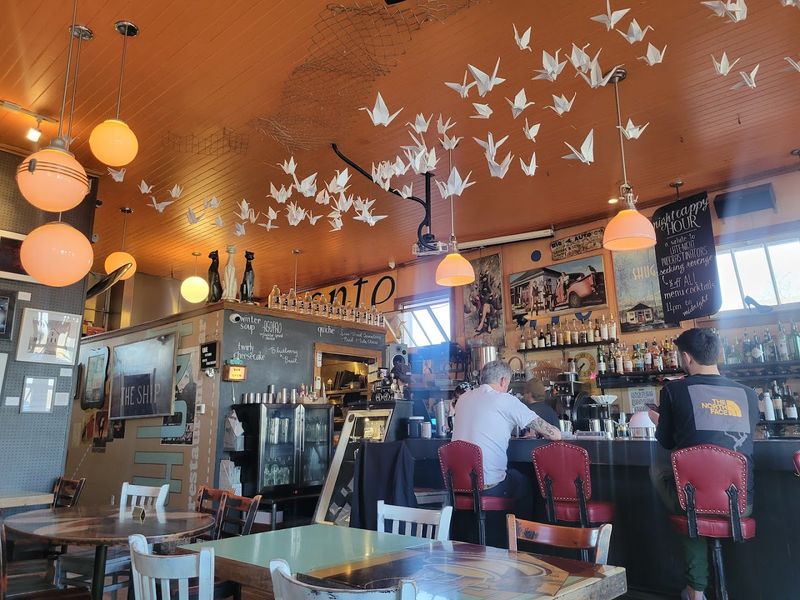
Not every great restaurant aims for refinement. Some aim for personality, and Shuga’s at 702 South Cascade Avenue in Colorado Springs has personality in quantities that would embarrass more restrained establishments.
The room is vivid, layered, and slightly unpredictable in exactly the way a good neighborhood cafe should be.
South Cascade Avenue gives it a solid anchor in a walkable part of the city, and the cafe itself functions as a kind of social hub for locals who appreciate places that have not been smoothed into generic pleasantness. The mismatched furniture, the art on the walls, the general sense that someone made deliberate and idiosyncratic choices about every corner of the space, it all adds up to somewhere that feels genuinely inhabited.
Shuga’s works beautifully as a post-errand reward. You have been running around all morning, the list is finally done, and you want somewhere that will feel like a small celebration rather than just another transaction.
This is that place. It carries the energy of somewhere that takes its regulars seriously and treats first-timers like they might become regulars too.
The cafe and bar format means it covers a wide stretch of the day, which is practically useful for visitors who are not always working within conventional meal windows. Late afternoon, early evening, the transition hours that most restaurants handle awkwardly, Shuga’s navigates them with characteristic ease.
Solo diners tend to do particularly well here. There is enough visual and social texture in the room to make a table for one feel comfortable rather than exposed.
If you have been curious about Shuga’s and kept finding reasons to delay the visit, treat the end of March as your firm deadline. Some places reward prompt attention, and this is one of them.
6. Edelweiss German Restaurant
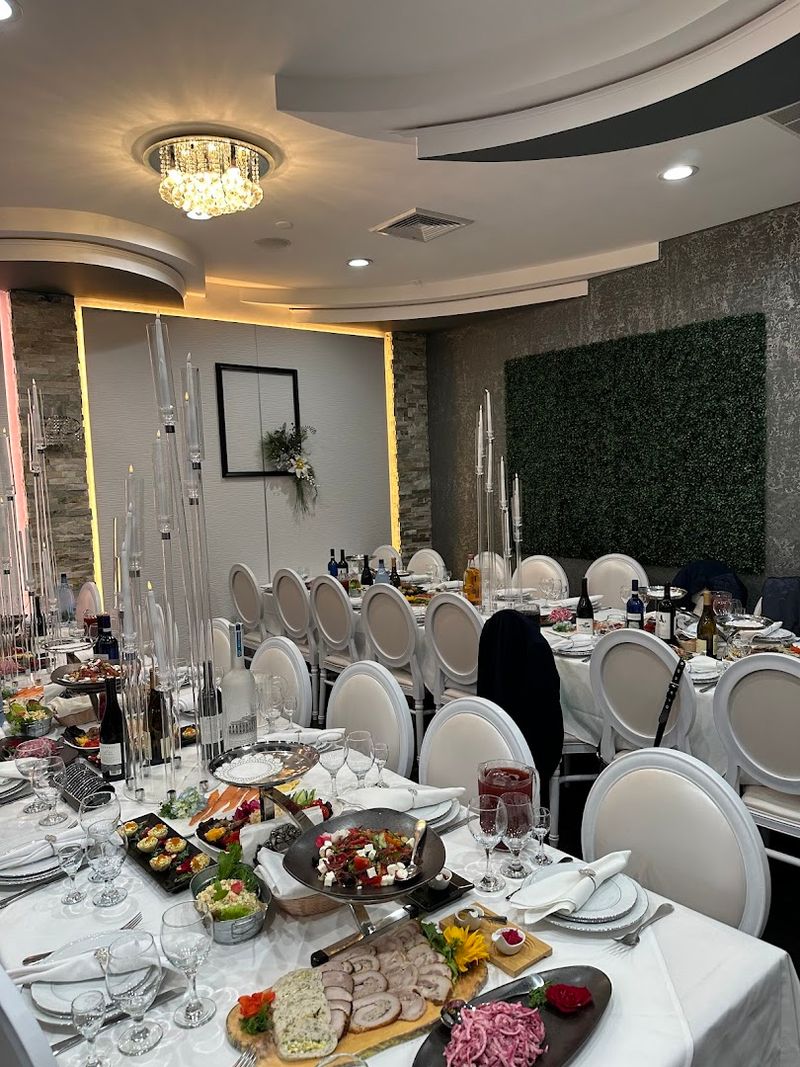
Colorado has a longer relationship with German culinary tradition than most people expect, and Edelweiss at 34 East Ramona Avenue in Colorado Springs is one of the clearest expressions of that connection. The room feels transplanted from somewhere in Bavaria, not in a theme-park way, but in the way that suggests the people who built it actually cared about getting the details right.
Dark wood, warm lighting, and the kind of decorative confidence that only works when it is sincere, the atmosphere here is specific and committed. You are not eating in a vaguely European space.
You are eating in a German restaurant that has decided to be exactly that and nothing else. That clarity is refreshing.
Families do well here. The format is familiar enough to avoid negotiation fatigue with younger diners while offering adults something genuinely interesting.
It is the kind of spot where grandparents and grandchildren can occupy the same table without anyone feeling like they compromised.
East Ramona Avenue keeps the address slightly off the main tourist circuit, which works in the restaurant’s favor. The regulars who have found it tend to treat it as a personal discovery worth protecting, and that quiet loyalty has sustained Edelweiss through years when flashier competitors have come and gone.
March is, arguably, ideal timing for a meal here. The weather still has enough edge to make a warm, hearty dinner feel earned rather than excessive.
There is a particular satisfaction in stepping out of cold air into a room that smells like something slow-cooked and serious. Before the season fully turns and lighter fare takes over the culinary conversation, Edelweiss offers a reminder that some traditions stick around because they genuinely work.
Book ahead on weekends. This one fills up with people who know better than to leave it to chance.
7. Mona Lisa Fondue Restaurant
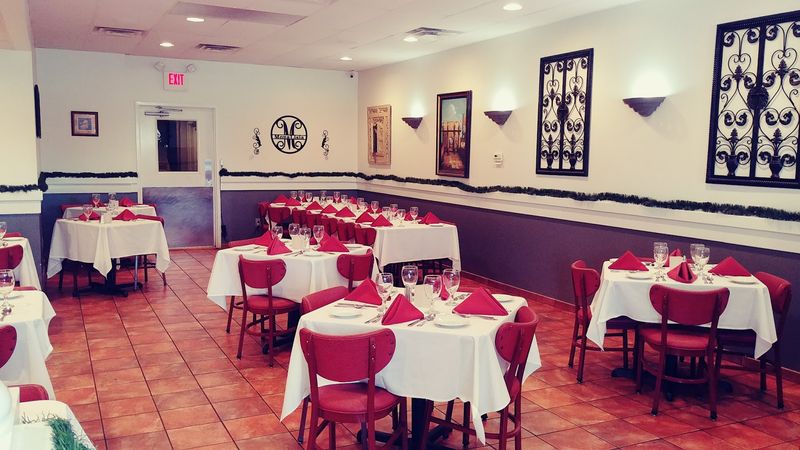
Fondue is one of those dining formats that sounds like a novelty until you are actually doing it, and then it becomes immediately obvious why people have been gathering around shared pots of melted cheese for centuries. Mona Lisa Fondue Restaurant at 733 Manitou Avenue in Manitou Springs understands this completely, and the whole experience is designed around the pleasure of slowing down and eating communally.
Manitou Springs itself is worth the trip. The town has a particular character, slightly eccentric, historically layered, and genuinely charming in a way that larger Colorado cities can only approximate.
The restaurant sits right on Manitou Avenue, which means the walk before or after dinner is part of the experience rather than just logistics.
For couples, this is close to an ideal evening. Fondue is inherently interactive, which means conversation flows naturally around the shared activity of the meal.
There is no awkward silence when you are both focused on the same pot and debating the optimal dipping strategy. The format does the social work for you.
The restaurant leans into a European warmth that suits both the fondue tradition and the Manitou Springs setting. Candlelight, intimate table spacing, and a pace that actively resists rushing, all of it contributes to an evening that feels removed from the usual calendar pressure of a busy week.
Mona Lisa is the kind of discovery that people tend to keep slightly to themselves, mentioning it to close friends with the mild possessiveness of someone who found it first. Before March ends and spring tourism picks up the pace in Manitou Springs, securing a reservation here is a clean, simple choice.
The drive from Colorado Springs takes roughly twenty minutes and earns its keep before you even sit down.
8. Café Aion
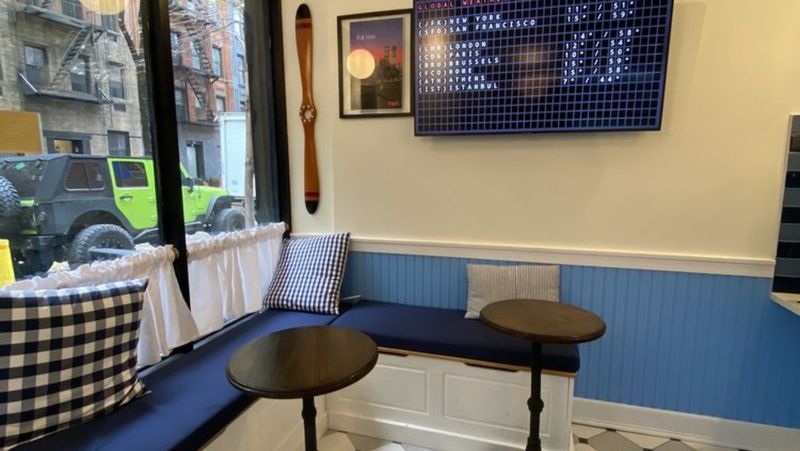
Boulder has no shortage of restaurants making ambitious claims about their culinary identity, which makes Café Aion at 1235 Pennsylvania Avenue stand out by doing the opposite. It is quiet about its influences and confident in its execution, drawing on Spanish and Mediterranean traditions with a restraint that communicates genuine understanding rather than trend-chasing.
The room itself reflects that philosophy. Warm tones, honest materials, and a scale that keeps things intimate without feeling cramped.
Pennsylvania Avenue in Boulder has a residential quality that gives the restaurant a neighborhood anchor, and regulars treat it accordingly, arriving with the ease of people who know they are going somewhere reliable.
For solo diners, Café Aion offers something particularly valuable: an atmosphere where eating alone feels like a considered choice rather than a consolation. The bar area and the general warmth of the space make it easy to settle in, order thoughtfully, and enjoy the meal at your own pace without the self-consciousness that some restaurant formats inadvertently create.
The kitchen works with seasonal ingredients, which in late March means the menu is in an interesting transitional moment, winter staples giving way to early spring produce, with the cooks making decisions about what is genuinely ready and what still needs time. That kind of editorial judgment in a kitchen is worth seeking out.
Café Aion has built its following the old-fashioned way: through consistent quality and a room that people genuinely want to return to. If your Boulder itinerary is already crowded with the obvious choices, making space for this one requires only a short walk from the Pearl Street area.
The effort is minimal. The reward is the kind of meal you describe to people for weeks afterward without quite being able to explain why it worked so well.
9. Bramble & Hare
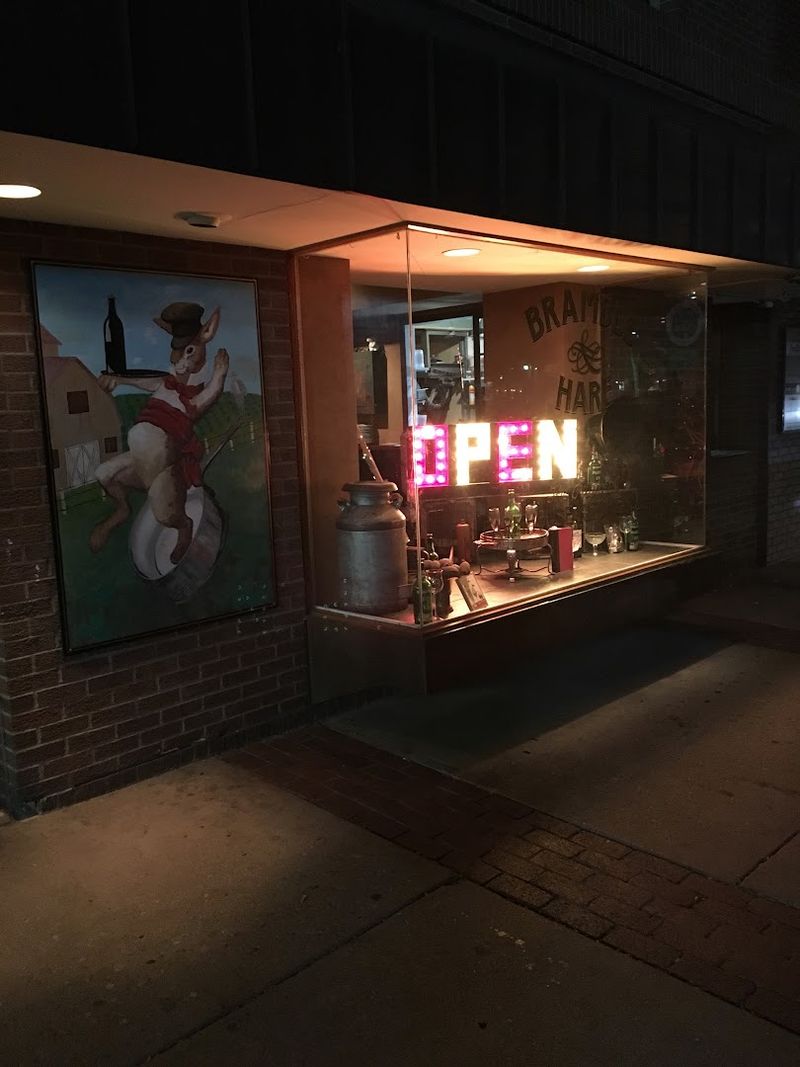
There is a particular kind of restaurant that manages to feel like it has always existed in its neighborhood, as though the building and the concept arrived simultaneously and have been inseparable ever since. Bramble and Hare at 1964 13th Street in Boulder is that kind of place.
It fits its corner of the city with the comfortable certainty of something that belongs there.
The farm-to-table commitment here is not a marketing position. It is a structural choice that shapes the menu from the ground up, meaning what you eat reflects both the season and the relationships the kitchen has built with its suppliers.
In late March, that translates to a menu in genuine transition, which is one of the more interesting times to visit any restaurant that actually follows the seasons rather than just claiming to.
The room has warmth without being precious about it. Exposed brick, Edison lighting, and a layout that encourages the kind of lingering that good food and honest drinks tend to produce.
It is a game-day pickup made into a full evening, the kind of place where what started as a quick dinner becomes a two-hour conversation you did not plan for but did not want to end.
Bramble and Hare suits groups as naturally as it suits couples. The communal energy of the space accommodates both without requiring either to adjust their expectations.
That flexibility is genuinely useful when you are coordinating an evening among people with different dining preferences.
13th Street in Boulder gives you walkable options before and after dinner, which helps the whole evening feel effortless. If you have been treating this restaurant as something to try eventually, March is the moment to move it to the top of the list.
Eventually has a way of becoming never, and this place deserves better than that.
10. The Sink
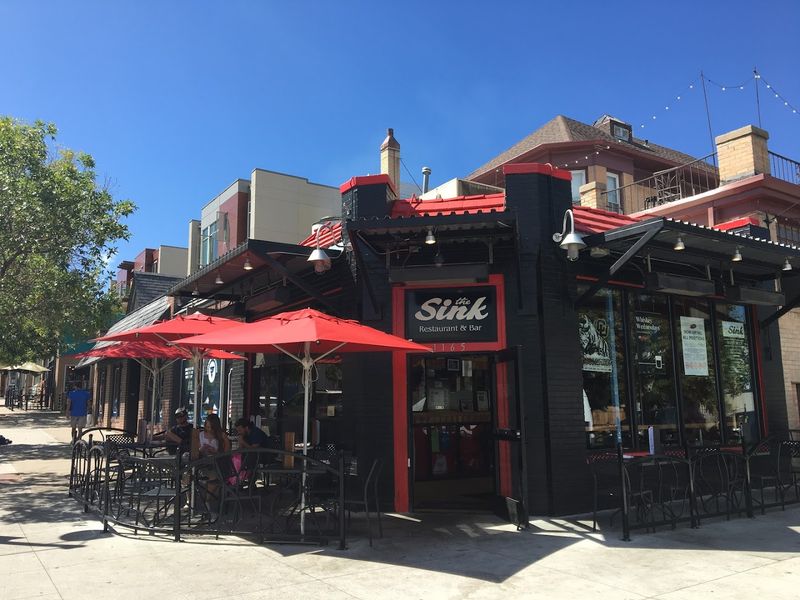
Few restaurants in Colorado carry as much accumulated history per square foot as The Sink at 1165 13th Street in Boulder. The walls are covered in decades of murals, signatures, and visual evidence of a place that has watched the neighborhood change around it while remaining stubbornly and cheerfully itself.
Walking in for the first time feels less like discovering a restaurant and more like being introduced to a long-running story midway through.
The Sink opened in 1923, which puts it in a category of American dining institutions that have genuinely earned their reputations through sheer persistence and continued relevance. It has fed generations of University of Colorado students, Boulder locals, and curious visitors who heard enough about it to make the walk down 13th Street.
Among its former regulars is Robert Redford, who reportedly worked there as a busboy in the 1950s before his career took a different direction.
The menu is unpretentious and satisfying, which is exactly what a place with this kind of history should be. Burgers, pizza, and the kind of food that people actually want to eat rather than photograph and then push around the plate.
There is no performance anxiety here, just a reliable meal in a room that has more character than most restaurants manage in a lifetime of trying.
For families, The Sink removes the usual friction. Kids find the visual environment genuinely engaging, adults appreciate the history, and nobody ends the meal feeling like they compromised.
That is a harder balance to strike than it looks.
March is a perfectly reasonable month to stop in, particularly if the afternoon has left you cold and in need of something grounding. The Sink has been solving exactly that problem for over a century, and it shows no signs of stopping.
11. The Farmhouse at Jessup Farm
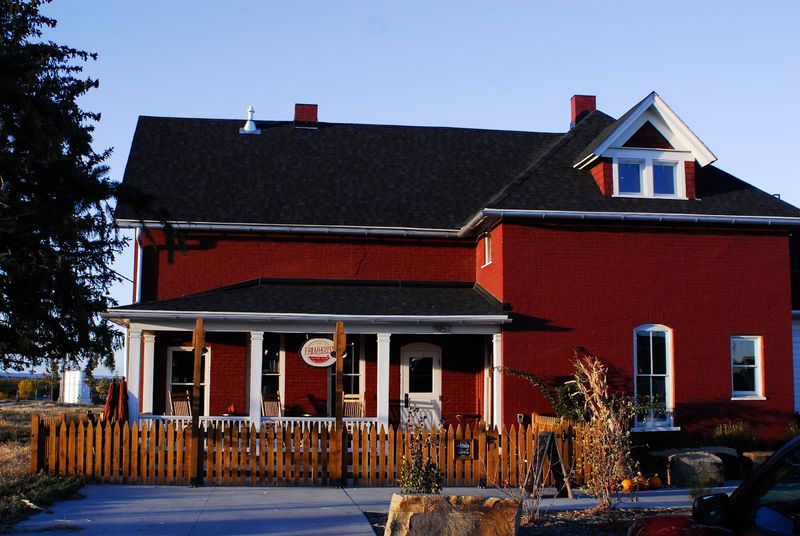
Fort Collins has a food scene that regularly surprises people who have not been paying attention, and The Farmhouse at Jessup Farm at 1957 Jessup Drive is one of the clearest reasons why. Built within an actual working farm property, the restaurant earns its agricultural identity through context rather than decoration.
The setting does what no amount of barn-door hardware and mason jars can replicate.
The Jessup Farm Artisan Village surrounds the restaurant with a cluster of small producers and makers, which means a visit here can expand naturally into a broader afternoon. Arrive early, walk the property, explore what the neighboring vendors are offering, and arrive at the table with the particular appetite that fresh air and mild curiosity tend to produce.
That kind of unhurried approach suits the Farmhouse perfectly.
The kitchen works with ingredients that reflect the farm-to-table philosophy in the most literal sense available. Seasonal menus mean late March brings its own particular selection, and the cooks make decisions based on what is genuinely ready rather than what looks good on a printed menu that has not changed since autumn.
The room itself has a warmth that feels earned rather than staged. Reclaimed wood, honest textures, and a scale that keeps the dining experience intimate even when the restaurant is full.
It is the kind of space where a weekday breather turns into something you talk about on the drive home.
For travelers passing through northern Colorado or planning a Fort Collins day, The Farmhouse at Jessup Farm offers a clear answer to the question of where to eat without requiring any additional research. It is a straightforward plan that delivers more than it promises.
Reservations are strongly recommended, particularly on weekends when Fort Collins locals fill the tables with the confidence of people who discovered it first.
12. Bin 707 Foodbar
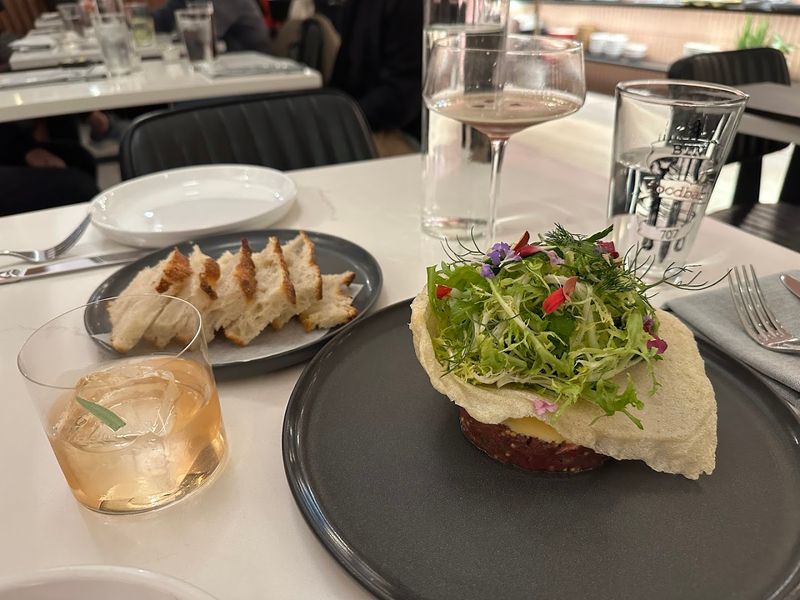
Grand Junction sits at the western edge of Colorado in a way that makes it feel like its own distinct culinary world, and Bin 707 Foodbar at 400 Main Street confirms that the city has been quietly building a food scene worth the drive. The restaurant operates on a foodbar concept that keeps things energetic and social without sacrificing the quality that the name and the reputation demand.
Main Street placement means you are in the center of whatever Grand Junction has going on, and the restaurant leans into that position with a room that feels plugged into the city rather than insulated from it. The open kitchen format, the drink program, and the general sense of purposeful activity give Bin 707 a pace that suits both a quick pre-movie stop and a longer, more exploratory evening.
The drinks focus is genuine and central to the experience. Grand Junction sits within Colorado country, and the list reflects that geography with local producers given serious attention alongside broader selections.
For visitors who associate Colorado primarily with craft drinks, this is a useful and pleasurable correction.
The food matches the ambition of the drinks program. Small plates and shared formats encourage the kind of table-wide grazing that makes a meal feel collaborative rather than transactional.
You order a little, see how it lands, order more, and somewhere in that rhythm a very good evening assembles itself without much conscious effort.
Bin 707 rewards travelers who are willing to extend their western Colorado itinerary by a meal or two. If you are heading toward or returning from the national parks in the region, Grand Junction makes a logical stop, and this restaurant makes it a genuinely worthwhile one.
March evenings in Grand Junction still carry a pleasant coolness that a warm, lively dining room answers perfectly.
13. Annette
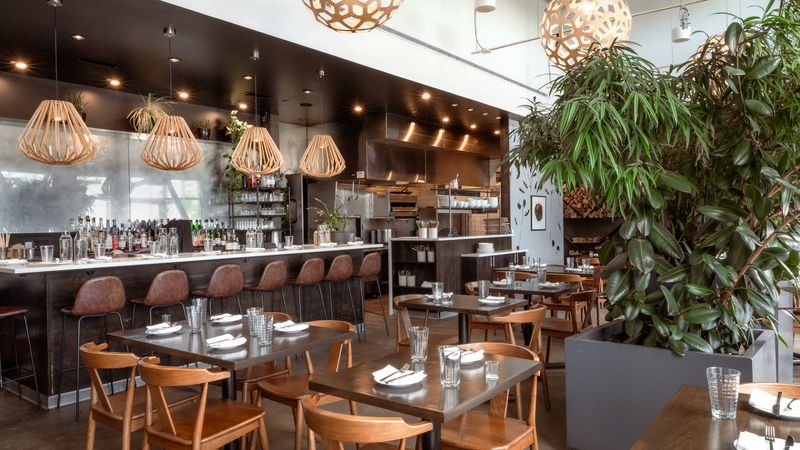
Aurora does not always get the culinary credit it deserves, which is partly why Annette at 2501 Dallas Street, Suite 108, has developed the kind of devoted following that sustains a restaurant through the unpredictable early years and into genuine institutional status. The restaurant is built around a wood-fired cooking philosophy that shapes everything from the flavor profile of the dishes to the physical warmth of the room itself.
Chef Caroline Glover opened Annette with a clear point of view: seasonal, locally sourced ingredients treated with the kind of technical confidence that makes simplicity look effortless. The James Beard Award nominations that followed were not a surprise to anyone who had eaten there.
They were a confirmation of something the regulars already knew.
The Stanley Marketplace location gives Annette an interesting context. The surrounding complex has converted a former aviation manufacturing facility into a collection of independent businesses, and the energy of that broader space carries into the restaurant in productive ways.
Arriving early to walk the marketplace before dinner is a habit worth developing.
Families find the format accommodating without it feeling designed around the lowest common denominator. The menu has enough range to satisfy adults who take food seriously while remaining accessible to younger diners who simply want something good.
That balance is harder to maintain than it appears, and Annette maintains it consistently.
For anyone who has been treating Aurora as a pass-through rather than a destination, Annette is the most compelling argument for reconsidering that habit. Before March closes and the spring dining season reshuffles everyone’s priorities, making the trip to Dallas Street is a clean and satisfying call.
The wood-fired kitchen will still be doing its quiet, excellent work, and a table there is worth every bit of the effort it takes to secure one.