
10 Reasons Lake Huron Is The Most Underrated Great Lake
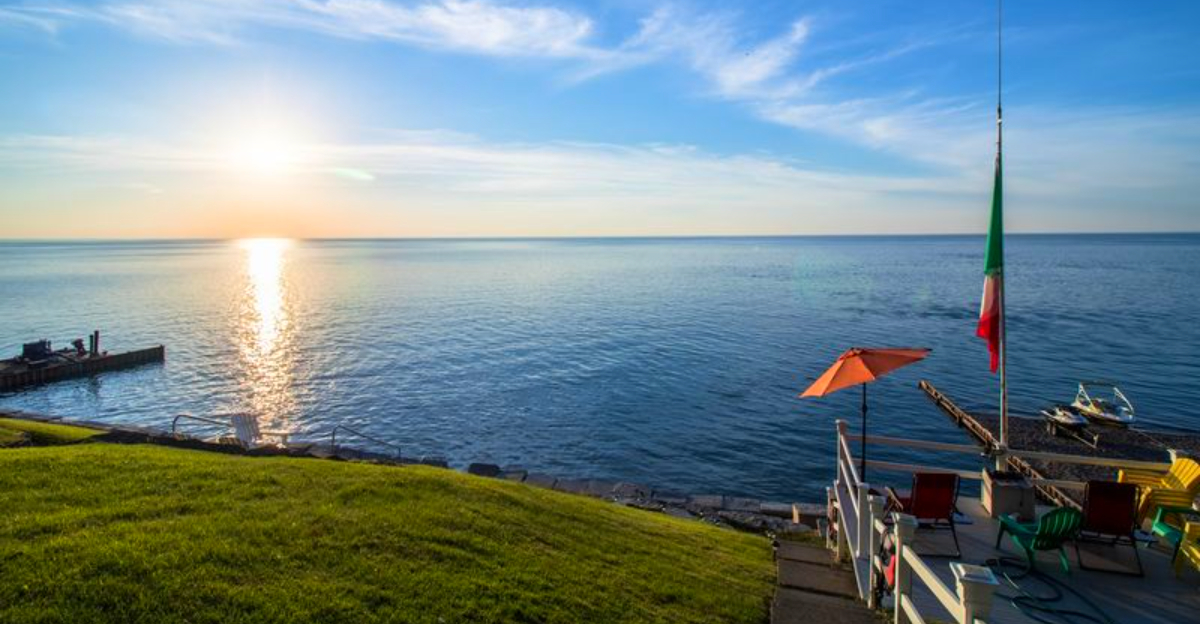
Standing on a quiet stretch of the Sunrise Coast at dawn feels like witnessing a private rehearsal for the rest of the world. There’s no jostling for a view here. Instead, you get to watch Lake Huron trade its misty lavender coat for a suit of bright, industrial steel blue in near-total solitude.
The best way to experience this side of the “mitten” is to stop rushing; let the rhythm of the local lighthouses and the haunting silhouettes of shallow-water shipwrecks set your pace.
Whether you’re fossil hunting in a limestone quarry or catching the first light over a 1,000-foot pier, the lake doesn’t shout for your attention, it earns it in a whisper.
Explore the hidden gems of Michigan’s Lake Huron shoreline, where historic lighthouses, preserved shipwrecks, and secluded sunrise beaches offer a peaceful alternative to the crowded west coast.
If you’re ready to trade the tourist traps for a rugged, authentic maritime story, these quiet coastal stops are exactly where you need to point your compass.
1. Sunrises That Rewire Your Sense Of Scale
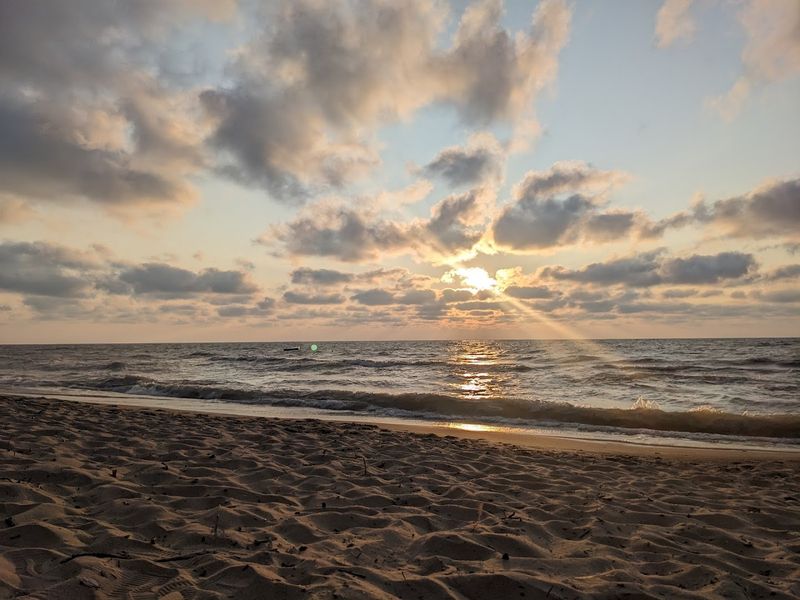
There is a specific kind of magic that happens when the first light hits Lake Huron. It behaves like a carefully choreographed rehearsal for the day ahead, quiet, precise, and profoundly moving.
While the west side of Michigan gets the applause for its sunsets, the eastern shore offers a contemplative ignite, and the horizon begins to glow with a soft, neon intensity.
As the sun breaks the plane of the water, the surface mirrors bands of sherbet colors, orange, violet, and a gold so bright it feels solid. You can stand ankle-deep in the gentle surf, and suddenly the lake feels entirely endless without ever needing to be loud about it.
That calm scale shift lands in your body first, then in your thoughts, and it tends to follow you through the rest of the day.
This coastline is steeped in a deep human history that predates the arrival of modern maps. These are the Anishinaabe homelands, where indigenous communities have lived in harmony with the water’s cycles for millennia.
Later, during the peak of Great Lakes shipping, lifesaving stations were built along these shores to watch the same dawns we see today, and the long, low coastline made beacons both practical necessities and poetic landmarks.
2. The North Channel’s Quiet Drama From The Michigan Side
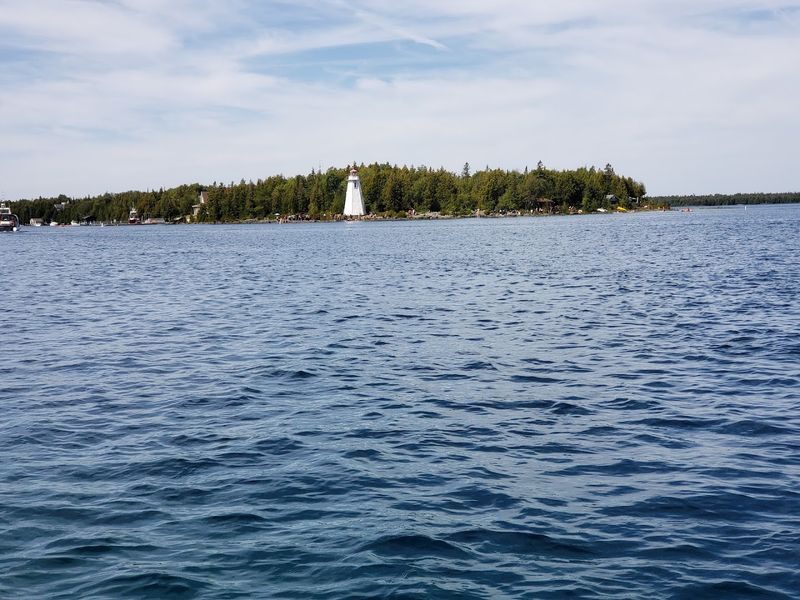
As you travel toward the tip of the Thumb or head north near DeTour Village, the open body of the lake relaxes into a complex network of channels and islands. This is where geography gets interesting, and the water starts to feel orderly and patterned.
Hidden shoals and distant silhouettes of landmasses create a quiet, geometric beauty that you only notice after ten minutes of stillness.
The drama here is subtle, a landscape of layers where blue water meets dark green pines and grey limestone. It rewards slow watching, because the scene changes through tiny shifts in wind, light, and the angle of your gaze.
Once you tune in, it becomes hard to stop noticing the structure of it all.
This area is a vital artery for modern freighters navigating strictly charted lanes linking the St. Marys River to the St. Lawrence Seaway.
If you watch closely, you’ll see range lights and navigation markers guiding 1,000-foot vessels through working water. It is history still in motion, and the ships carry stories of lumber, grain, and massive limestone harvests from these shores.
Watching a freighter pass silently through a channel is like watching a mountain move. It’s slow-motion commerce and engineering, and the scale makes the human shoreline feel small in a useful way.
The lake isn’t performing, it’s working, and that seriousness is part of the beauty.
3. Rock Hunting Without The Elbowing Crowds
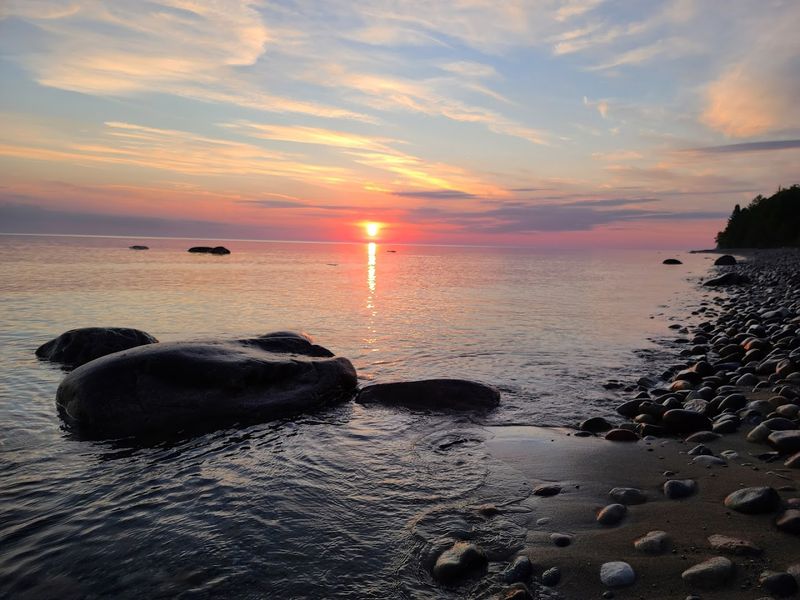
On a Lake Huron beach, the stones stack like colorful candy, but the hunt turns serious the moment you spot the distinctive honeycomb pattern of a Petoskey Stone. The lake serves up both color and geometry with absolutely no fuss.
Once you settle into the rock hunter’s crouch, you start to notice how each pebble possesses its own quiet logic: intricate stripes, earthy speckles, tiny ancient fossils, and sudden flashes of glassy quartz. Unlike the more famous hunting grounds on the Lake Michigan side, here you rarely have to worry about elbowing a stranger for a prime patch of gravel.
The geological bounty of this region is the result of massive glacial deposits that fed the beaches around Alpena, Rogers City, and Cheboygan. These waves are constantly churning up Devonian fossils, bits of ancient history that travel by water until that recognizable hex pattern appears.
While it is perfectly legal to take a reasonable pocketful of stones home with you, it’s a point of honor among locals to leave the larger boulders where they belong.
4. Lighthouses That Feel Lived In, Not Staged
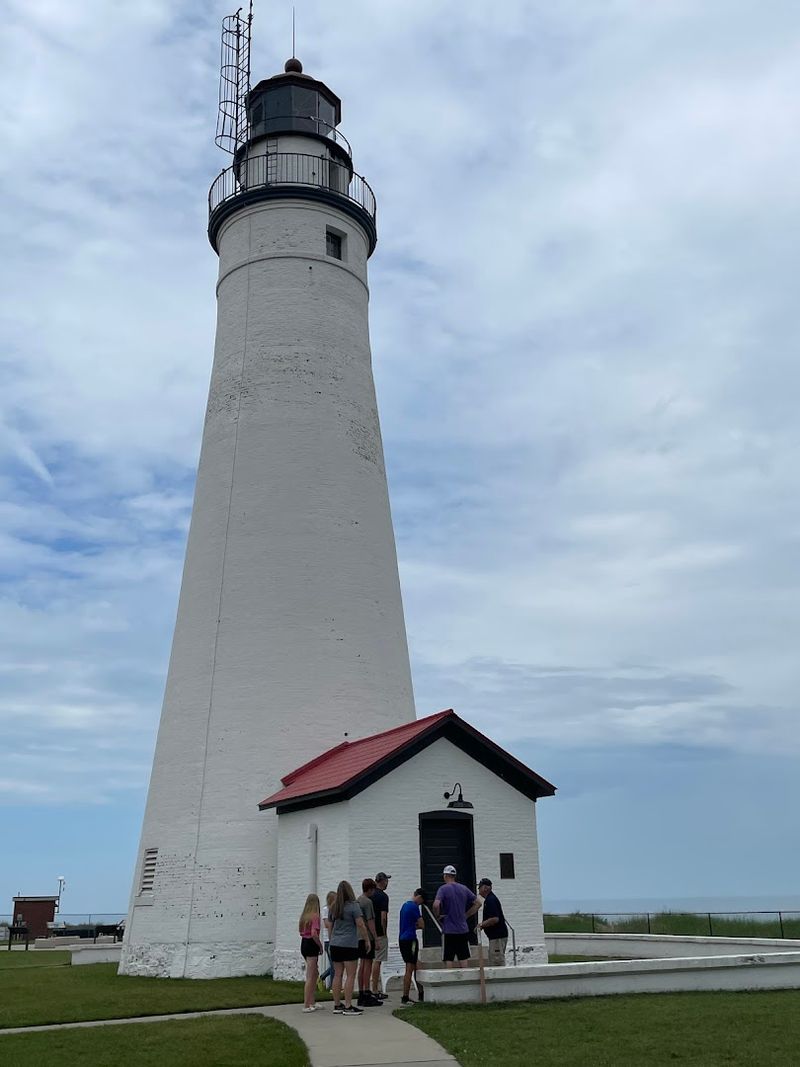
There is a refreshing honesty to the lighthouses along the Lake Huron shore.
Some of these structures look like they still breathe, the paint is weathered by real salt and wind, the catwalks are clearly built for purposeful work, and the grounds are trimmed more by the gale-force winds than by a landscaping crew.
You get the distinct feeling that important work happened here just yesterday, rather than these being museum pieces staged for a brochure. They are working monuments to a time when a lens and an oil lamp were the only things standing between a ship and a watery grave.
Sites like 40 Mile Point Light, Old Presque Isle, and Tawas Point Lighthouse chart the segments of a massive maritime grid. Each one played a specific role in protecting freighters moving limestone out of Rogers City or grain from the elevators in Bay City.
Climb the towers when allowed, but watch your footing on narrow, winding steps. For the best photographs, try shooting the tower from the lee side, the side protected from the wind, to keep your lens free of lake spray.
5. Shipwrecks You Can Read From Shore
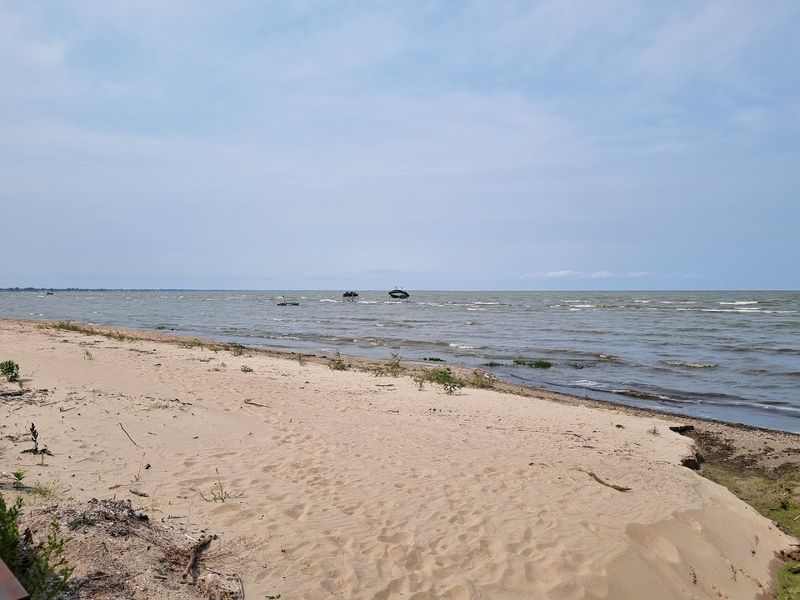
On days when the lake is calm and the water turns as transparent as gin, the history of the Great Lakes rises right up under your feet. The ribs of ancient wooden hulls line up like giant piano keys in the shallows, visible through just a few feet of water.
This is one of the few places where you don’t need a scuba tank or specialized certification to feel the weight of maritime tragedy pressing back at you. These wrecks are skeletal remains of a time when the lake was the primary highway of the nation.
The Thunder Bay National Marine Sanctuary, headquartered in Alpena, protects dozens of these wrecks. A combination of sudden storms, blinding fog, and incredibly heavy traffic carved Shipwreck Alley into nautical charts as a graveyard.
For those who prefer to stay dry, glass-bottom boat tours operate out of Alpena, acting as a translator for the underwater archive below. It’s eerie and beautiful to see a mast or a windlass appear through the floor of the boat.
If you decide to snorkel the shallower wrecks, choose a day with a low wind forecast to ensure the best visibility. Wear a snug mask and a wetsuit, even in summer, Huron’s depths stay chilly.
6. Beaches That Trade Hype For Breathing Room
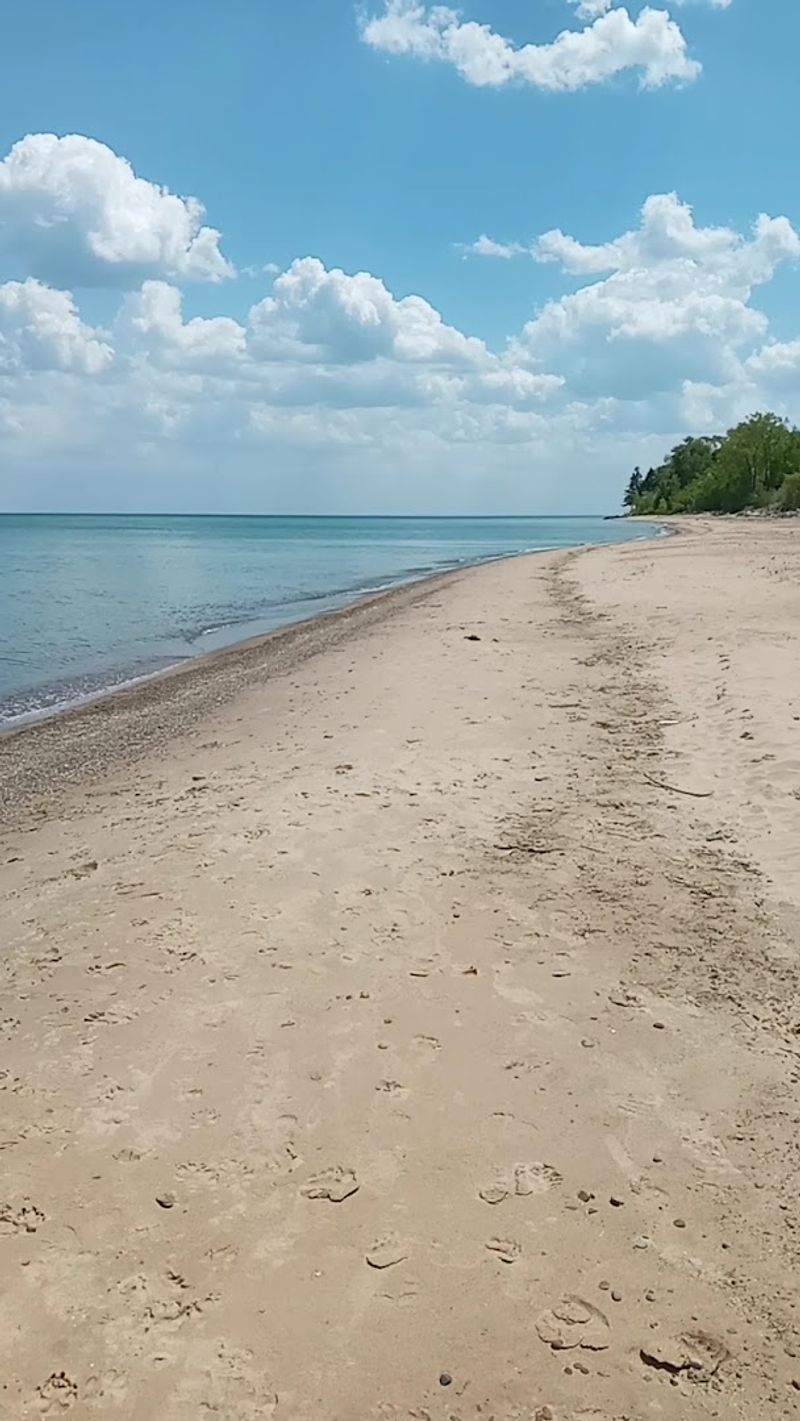
There are stretches of the Lake Huron coast that look blank on a map but turn out to be perfect in person. The sand slides softly underfoot, the water stays crystalline, and the only soundtrack is the cry of a gull and perhaps the laughter of one delighted kid a hundred yards away.
Unlike the crowded beaches of West Michigan, the parking lots here don’t rumble like football stadiums. It’s a place for people who actually want to hear the waves.
The US-23 Sunrise Coast Heritage Route strings together public access points from Oscoda up to Rogers City. Beautiful state parks like P.H. Hoeft State Park and Harrisville State Park anchor these long, sandy walks.
One reason these beaches stay secluded is the prevailing winds, they keep the lake water brisk and discourage massive crowds. If you enjoy invigorated swimming and a lot of personal space, this is your sanctuary.
Bring plenty of layers and a light windbreak, the temperature at the water’s edge can be ten degrees cooler than a mile inland.
7. Working Harbors With Honest Hands
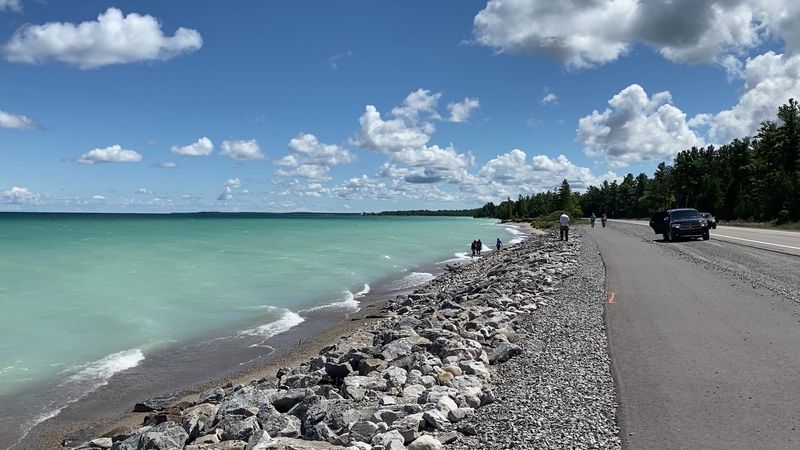
Not every waterfront on Lake Huron is trying to sell you a T-shirt or a souvenir magnet. Some harbors are strictly business, moving limestone, servicing tugboats, and clocking the wind with a serious eye because schedules depend on it.
There is something satisfying about watching the loaders at the Port of Rogers City (Calcite). It makes a modern sense of leisure feel tiny and reminds you this lake is an engine of industry.
The region’s economy was tied into ore, grain, and stone long before the era of social media. As a vital part of the St. Lawrence Seaway, maritime traffic hums from the moment the ice breaks in April through the final runs in late December.
If you watch the range lights at night, you’re seeing choreography practiced for over a century. It’s a gritty, honest side of Michigan that feels refreshing in its lack of pretension.
View the action from public piers and stay behind safety chains or fences. Ask respectfully before photographing workers, most are happy to share a quick word if they aren’t mid-lift.
8. Wind, Weather, And The Art Of Layering
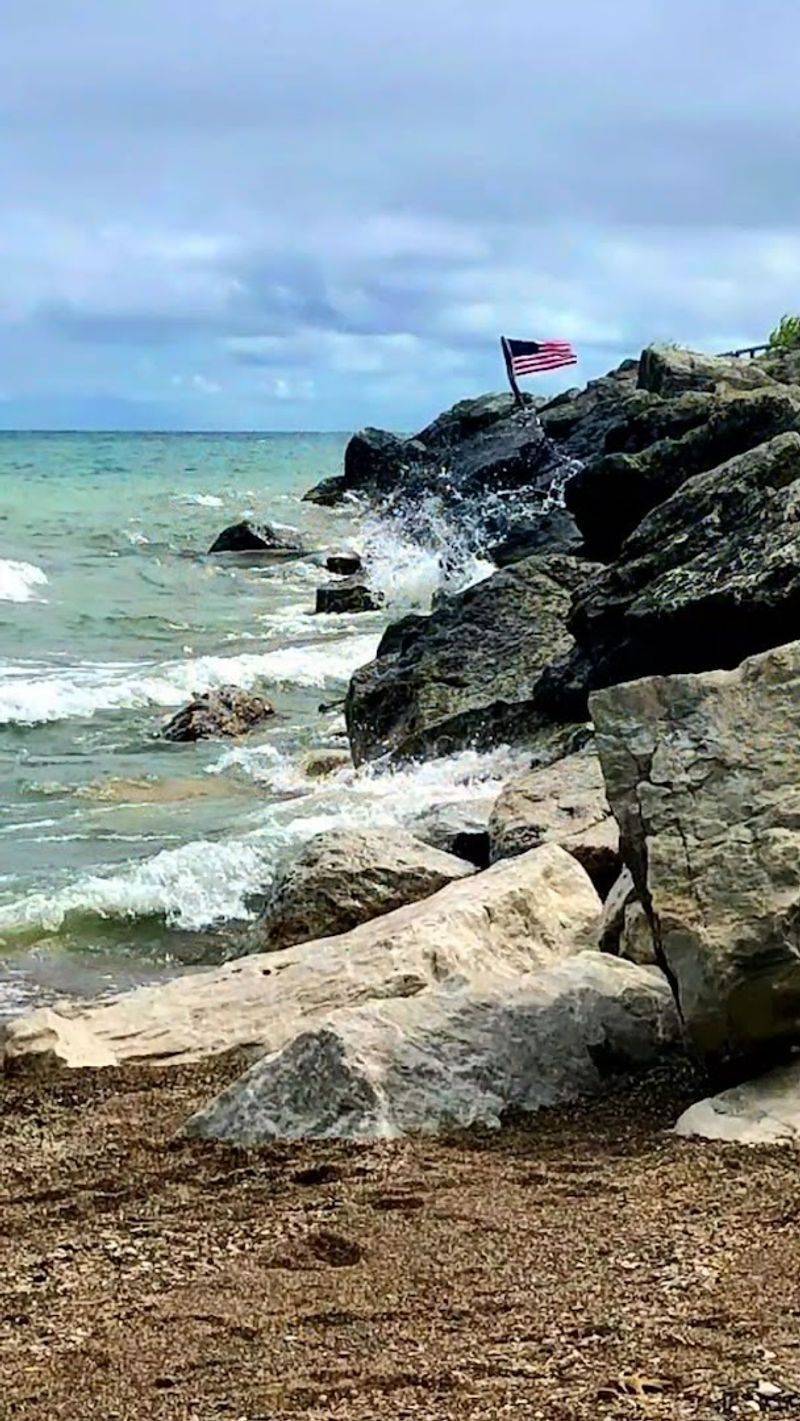
Lake Huron’s mood can flip faster than a coin toss. One hour the water is a sheet of glassy blue, and the next it’s whitecaps and dark, rolling swells.
To enjoy this lake, embrace the volatility. The secret to a successful trip is to dress like a thoughtful onion, multiple layers you can shed or add as the lake dictates.
The lake is famous for upwelling, cold water from the depths rises to the surface and can chill a humid August afternoon. Locals treat the wind like a familiar, temperamental coworker, not a surprise.
Before a boat ride or a long hike, check forecasts from NOAA and look at nearshore buoy data to see what wave heights actually look like.
In your daypack, carry a windproof shell, quick-dry layers, and shoes that can tolerate a wet boardwalk or muddy trail. Stash a spare dry towel in the trunk, you’ll thank yourself later.
If the lake kicks up and the beach becomes too sand-blasted for comfort, have a plan B hike ready in nearby pine forests. You learn more by staying to observe a storm than by bailing back to a hotel.
9. Small Towns That Greet Without Performing
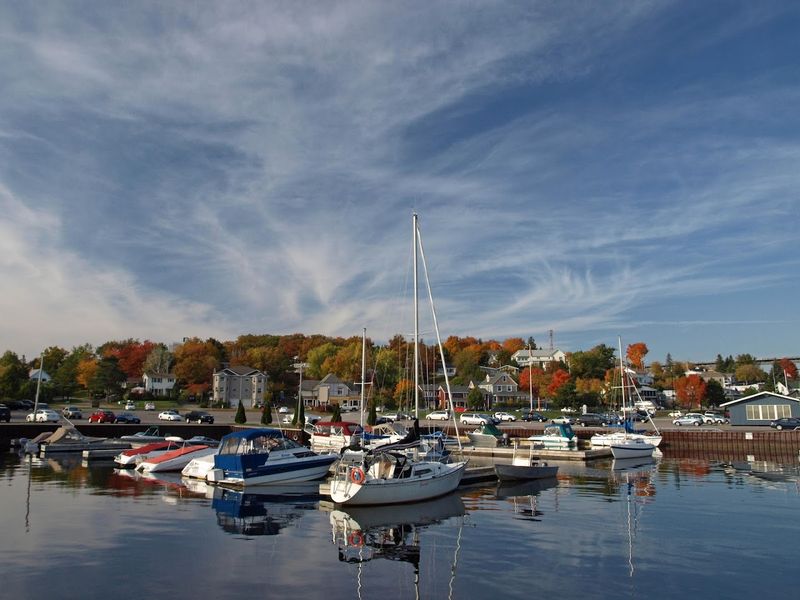
The main streets along US-23 trade on genuine eye contact and local history, not flashy spectacle. Window displays at hardware stores and bakeries often face the lake, as if they expect the weather to stop by and critique them.
Harbors tuck behind stone breakwalls while churches ring out the hour. These are places where people live, work, and look out for one another.
Towns like Cheboygan, Alpena, and Harrisville grew up with lumber, fishing, and shipping booms of the 19th century. Today, local museums and murals nod to sawmills and brave lifesaving crews of the past.
Nothing feels overproduced, which lets authentic details carry weight. You can get excellent coffee or a fresh whitefish sandwich without feeling like you’re in a tourist trap.
Park once and walk. Take the long way to the pier and see what you find.
Local visitor centers often have paper maps that outperform a smartphone when signal blinks out.
10. Trails Where Pines Edit The Wind
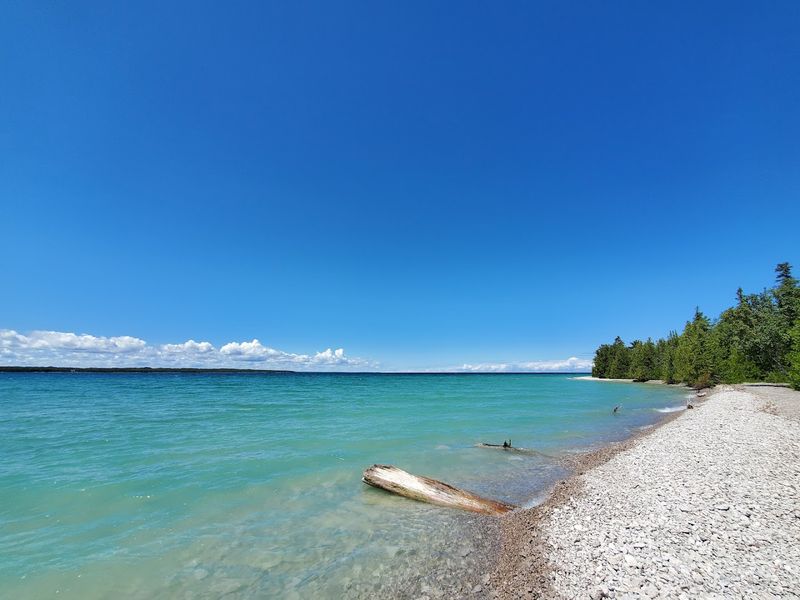
Slip inland a hundred yards and the pines begin to manage the breeze. Needles sift sound so footsteps seem edited. The lake remains present, just framed by trunks and resin.
Hoeft State Park links to 40 Mile Point by a paved path, then sand. These corridors shadow historic routes used by lifesaving crews. Wayfinding signs and interpretive panels keep the story close.
Wear shoes that shake out sand and bring a small daypack. Mosquitoes fade near the lake, rise in hollows. Step aside for bikes with a wave. End at the beach to cool ankles and mark the loop with a shell.
11. Winter’s Blue That Feels Invented
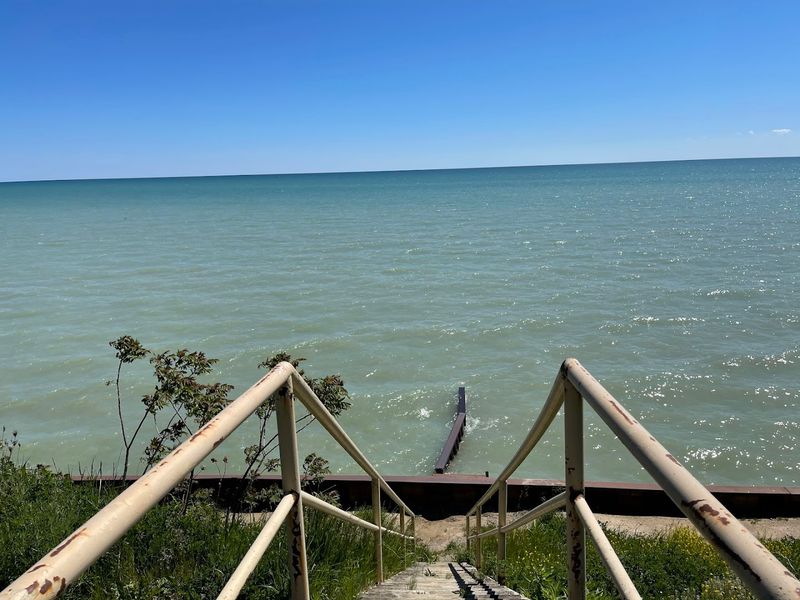
When March settles over Lake Huron, the water invents colors that feel improbable. As ice shifts, leads of open water appear between massive plates of shelf ice, and the winter sun drops like a gold coin into blue glass.
Cold air is crisp and clear, sound travels farther than usual, and a single gull’s call can sound like it was engineered right next to your ear.
Huron’s winter character is serious and specific. Ice forms along the shore, deeper water keeps moving, creating a dynamic, grinding landscape.
Local agencies post cautions because conditions change by the hour. It is stark, quiet beauty most tourists never see, which makes it feel even more rewarding.
Before approaching shelf ice, check current local advisories. Photograph formations from stable frozen ground, keep pets leashed, and consider spikes for boots to handle hidden glaze.
The reward is simple, a sky-to-water palette you won’t forget, and a winter walk that clarifies the mind like nothing else.