
This Massive Illinois Zoo Lets You Get Shockingly Close To Giraffes, Zebras, And Other Wild Animals
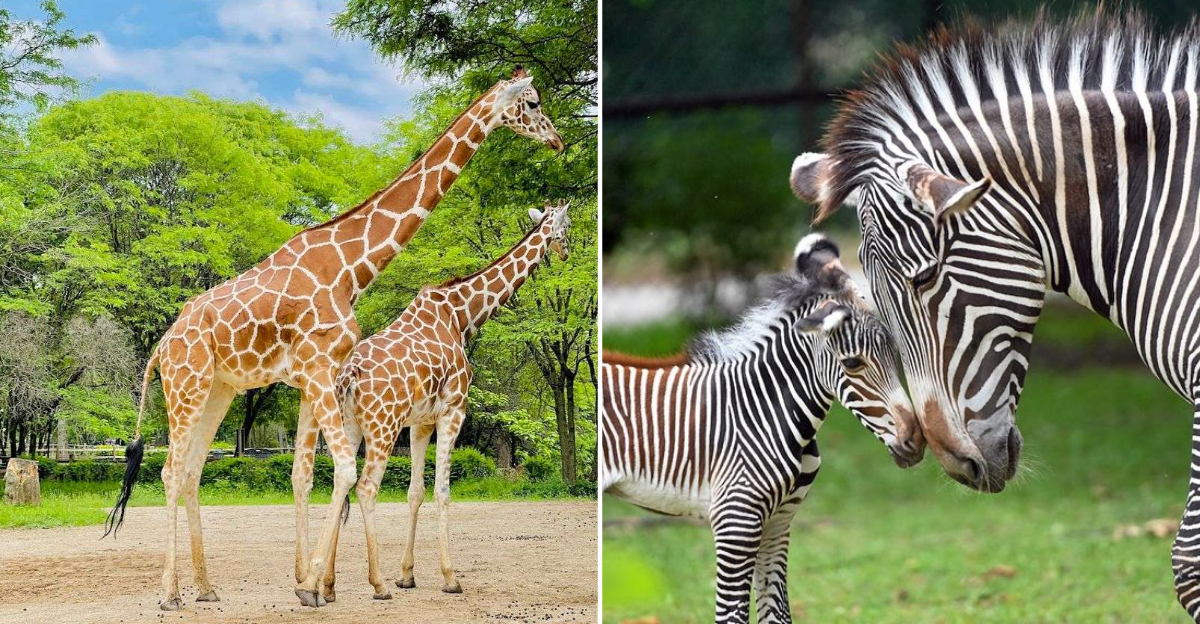
Just outside Chicago sits a place where a giraffe’s long neck can fill the skyline and a zebra’s stripes seem almost painted by hand.
You might pause along a quiet path and suddenly find a towering animal just yards away, calmly chewing leaves or wandering across an open habitat.
In Illinois, this remarkable destination stretches across hundreds of acres and houses more than 3,000 animals representing ecosystems across the planet.
Since opening in 1934, the zoo has continued to evolve, balancing classic architecture with modern exhibits that bring animals and visitors closer together. A single visit rarely covers everything, which is part of the appeal.
Brookfield Zoo Covers 200+ Acres
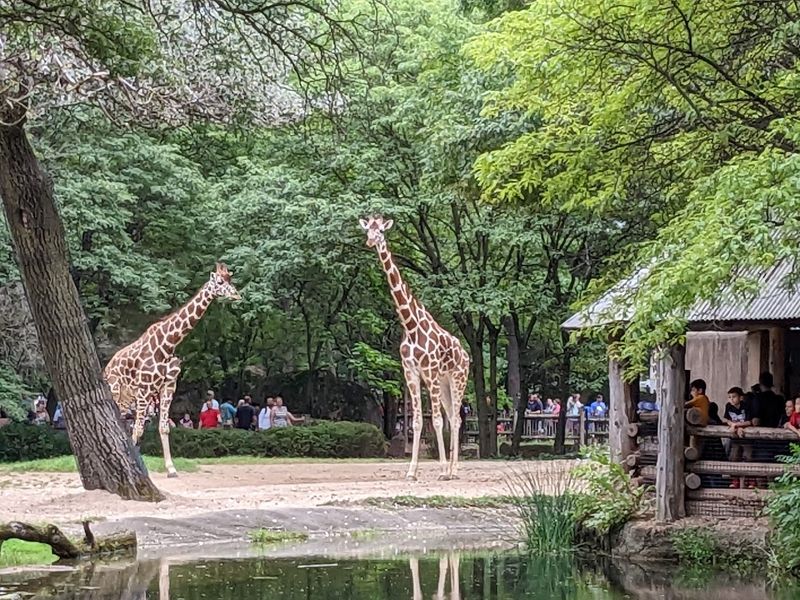
When people say Brookfield Zoo is massive, they genuinely mean it. Set within a nature park that spans more than 200 acres in Brookfield, Illinois, this zoo is one of the largest wildlife destinations in the Chicago area.
To put that in perspective, you could fit more than 160 football fields inside its boundaries. That is a lot of ground to cover, and every corner of it has something worth seeing.
The zoo opened its gates to the public on July 1, 1934, and it has been growing and evolving ever since. What started as a forward-thinking wildlife park has become a world-class destination that draws more than two million visitors each year.
The layout is organized into distinct zones, each representing a different region or habitat of the world. Planning your route before you arrive is genuinely helpful here.
The zoo offers its own app with a GPS-enabled map that shows exhibits, food spots, restrooms, and special events all in one place.
Even with a full day of exploring, many visitors find they still have not seen every corner of the grounds. That is not a complaint, it is part of what makes the place so compelling.
Getting Close To Giraffes
Standing near a giraffe and watching it move is one of those experiences that stays with you long after the visit ends.
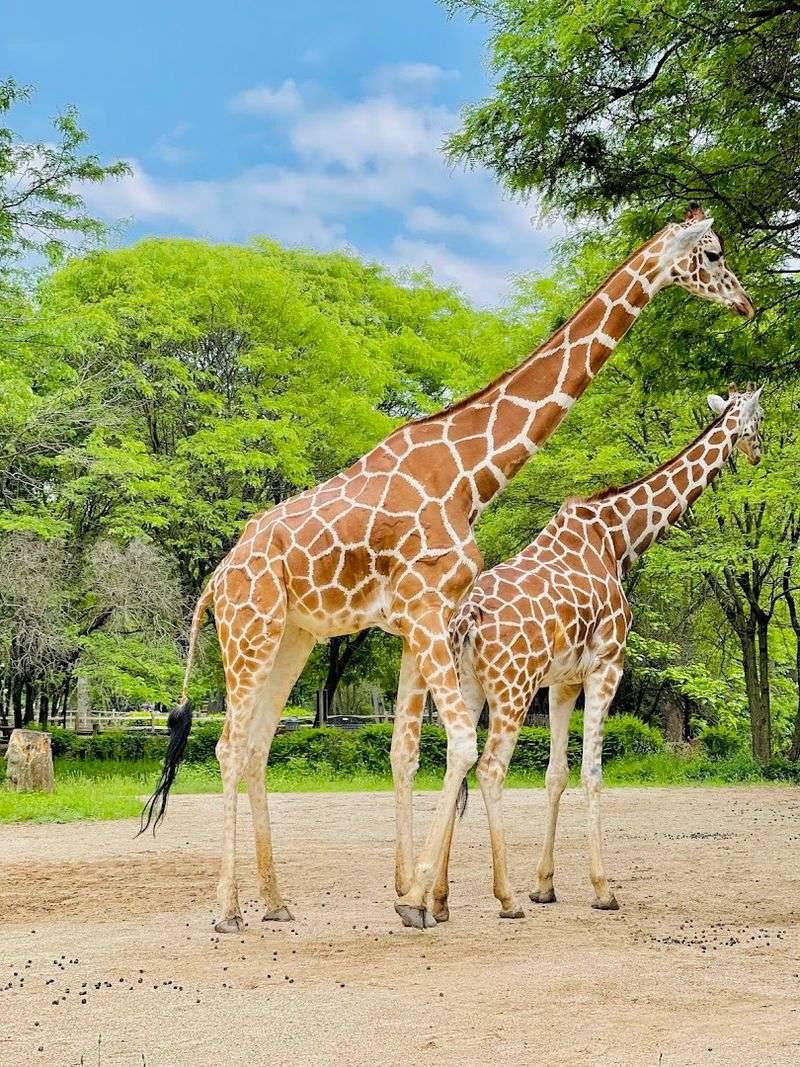
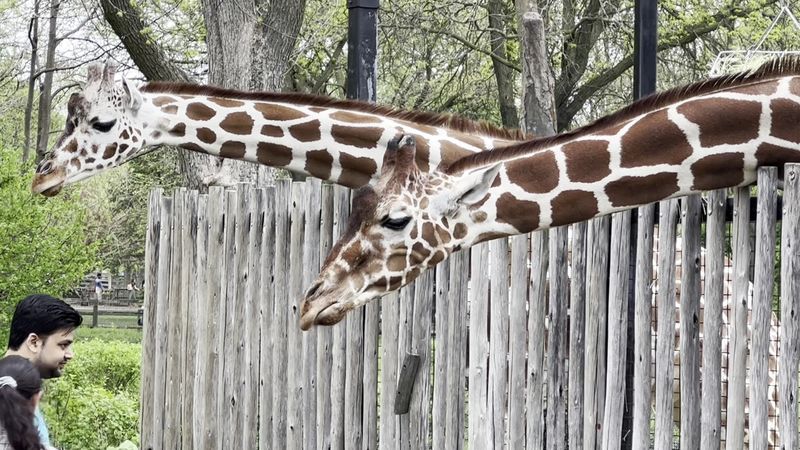
At Brookfield Zoo, the giraffe habitat is designed to bring visitors surprisingly close to these towering animals. You are not peering through thick glass from a long distance.
You are close enough to appreciate just how tall and quietly graceful they really are.
Giraffes are the tallest living land animals on Earth, and adult males can reach heights of up to 18 feet. Watching one bend down to eat or stretch its long neck upward gives you a completely new sense of scale that no photograph or video can fully capture.
It is one of those moments where you just stop and stare.
The naturalistic design of the habitat means the animals have room to move, graze, and behave in ways that feel authentic rather than staged.
Visitors of all ages tend to linger here longer than expected, and children especially find themselves completely captivated. If you visit with younger kids, budget extra time at this exhibit because nobody wants to leave when the giraffes are active and close.
Zebras In Naturalistic Habitats
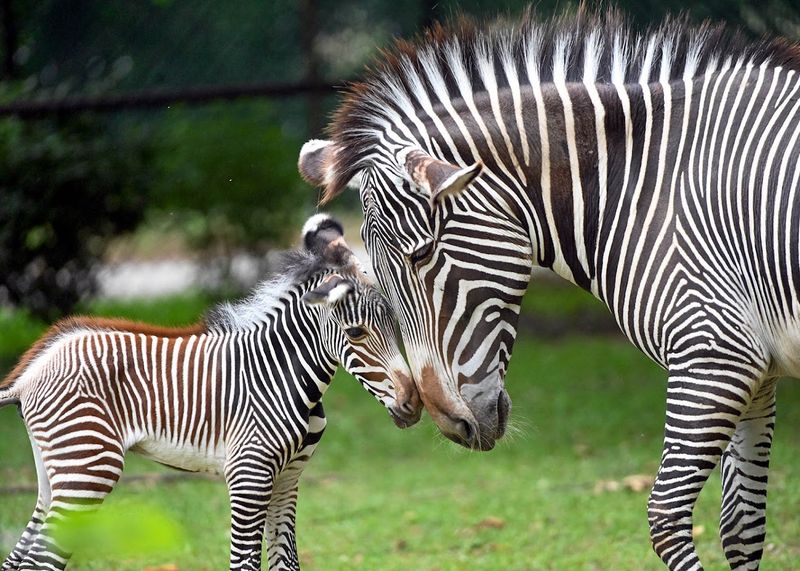
Few animals stop people in their tracks quite like a zebra. That bold black-and-white pattern is instantly recognizable, but seeing it in person rather than in a photo is a completely different experience.
At Brookfield Zoo, zebras are housed in open, naturalistic spaces that give them room to roam and visitors a clear, unobstructed view.
What many people do not realize until they are standing nearby is just how large zebras actually are. Brookfield Zoo is home to Grevy’s zebras, the largest zebra species, which can weigh roughly 700 to 900 pounds.
Watching a small herd move together, with their stripes shifting and overlapping, is almost hypnotic. Scientists still debate the exact evolutionary purpose of those stripes, with theories ranging from temperature regulation to insect deterrence.
The proximity you get at Brookfield Zoo makes the whole experience feel personal rather than distant. There is no sense of watching animals from far away behind barriers that make everything feel removed.
The habitats are built to encourage natural behavior, which means you might catch moments of social interaction, playfulness, or simply peaceful grazing that remind you these are wild animals living full lives. That realness is exactly what makes the visit memorable.
The Great Bear Wilderness
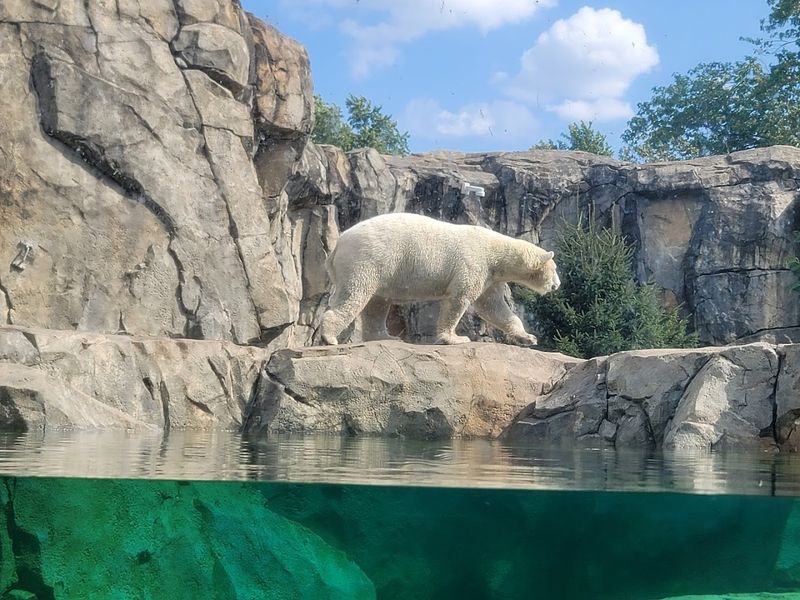
Not every zoo exhibit earns the word wilderness, but the Great Bear Wilderness at Brookfield Zoo genuinely does. This sprawling habitat is home to polar bears and brown bears, housed in environments designed to resemble the rugged landscapes of the northern wilderness.
Rocky outcroppings, flowing water features, and dense vegetation create a setting that feels far removed from a typical zoo enclosure.
Grizzly bears are among the most powerful animals on the continent, and seeing one up close gives you an immediate and respectful appreciation for that power. The exhibit is designed so visitors can observe the bears from multiple vantage points, including areas where the animals come surprisingly close to the viewing areas.
Polar bears, with their thick white coats and enormous frames, are equally captivating, especially when they are active and moving around their habitat.
The Great Bear Wilderness also emphasizes conservation messaging in a way that feels natural rather than preachy. Informational panels throughout the area explain the real-world challenges these species face and what ongoing efforts look like.
Leaving this section of the zoo, you carry a deeper understanding of why places like Brookfield Zoo matter beyond just providing an entertaining day out for the family.
Seven Seas Dolphin Experience
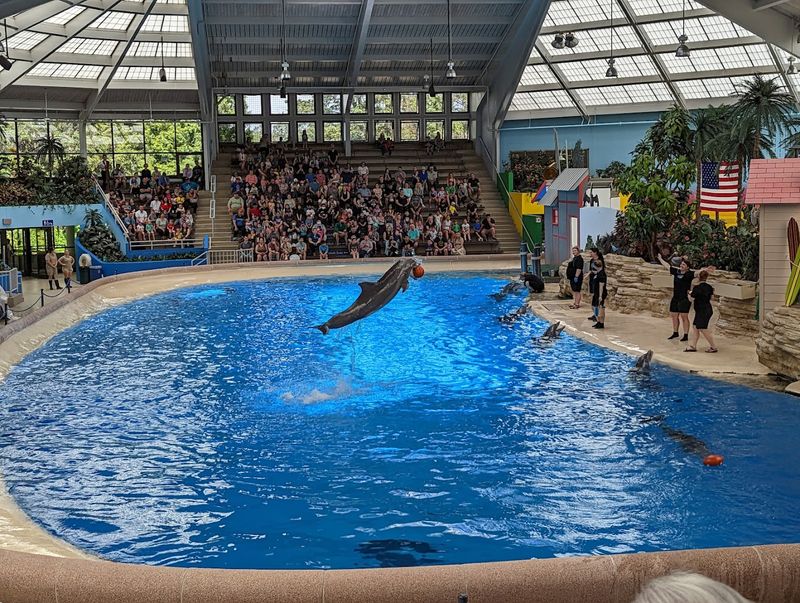
Seven Seas is one of the most talked-about areas at Brookfield Zoo, and for good reason. Home to Atlantic bottlenose dolphins, this facility offers an immersive experience that combines observation with genuine education.
The habitat includes both above-water viewing and an underwater window where visitors can watch the dolphins move through the water with fluid, effortless grace.
Today, the Dolphin Discovery presentations focus on education and natural behaviors, helping visitors learn how dolphins communicate, navigate, and interact. The goal is to help visitors understand how dolphins communicate, navigate, and interact socially, rather than simply watching them perform tricks.
That shift reflects a broader commitment the zoo has made to prioritizing animal welfare and authentic storytelling over spectacle.
Bottlenose dolphins are remarkably intelligent animals, capable of problem-solving, tool use, and complex social bonding. Watching them up close, especially through the underwater viewing area where they glide past at eye level, is one of those moments that genuinely holds your breath for a second.
Kids and adults alike tend to press their faces against the glass and stay there far longer than planned. Seven Seas has a magnetic quality that is very hard to walk away from quickly.
Tropic World’s Rainforest Primates
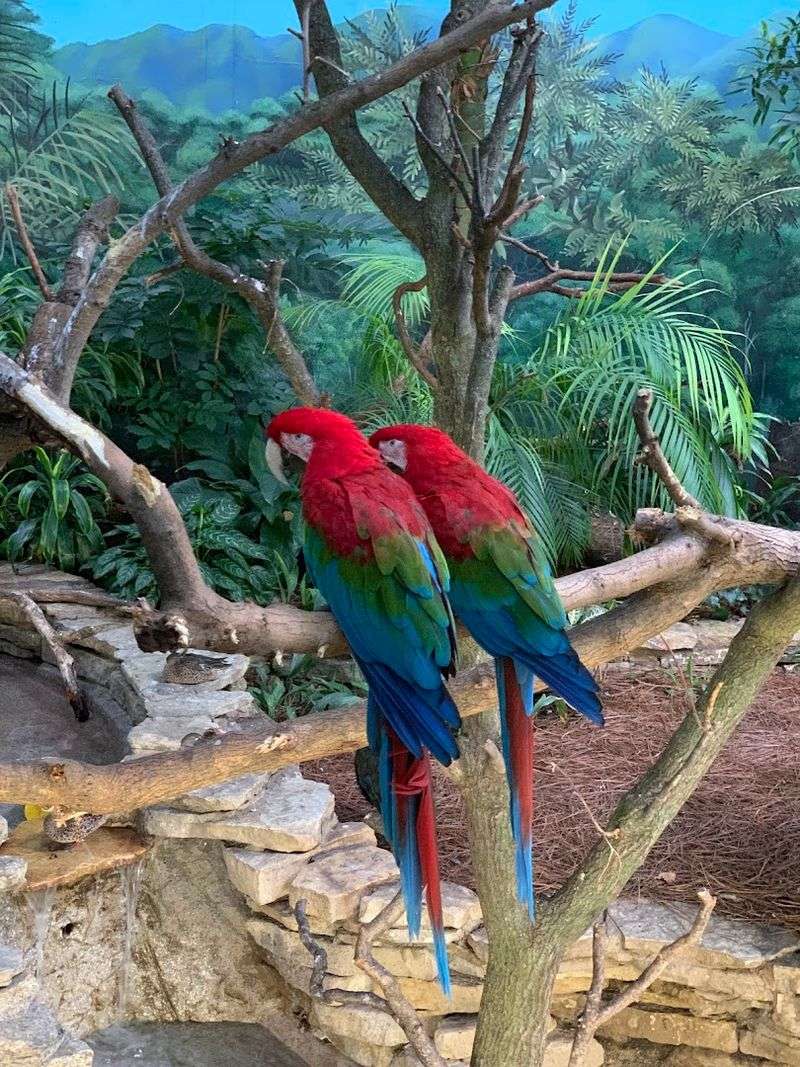
Walking into Tropic World at Brookfield Zoo feels like stepping into a different climate entirely. The air is warm and humid, the vegetation is dense and green, and somewhere above you, primates are moving through a habitat that replicates their natural rainforest environment with impressive detail.
It is one of the most immersive indoor exhibits at any zoo in the country. A major recent addition to the zoo is Bramsen Tropical Forests, a large primate habitat that includes species such as western lowland gorillas and spider monkeys.
Gorillas now have significantly more outdoor space, allowing them to move, forage, and socialize in ways that more closely reflect their behavior in the wild.
Spider monkeys, with their acrobatic agility and long limbs, add a layer of constant motion and energy to the space that makes it endlessly watchable.
Western lowland gorillas are critically endangered, and Brookfield Zoo participates in conservation programs that support both in-zoo care and field research. Seeing a silverback gorilla up close, with its calm authority and unmistakable presence, is a moment that tends to stay with people.
The exhibit does a wonderful job of connecting that emotional impact to the broader story of why protecting these animals matters so deeply in the real world.
A Zoo With History Since 1934
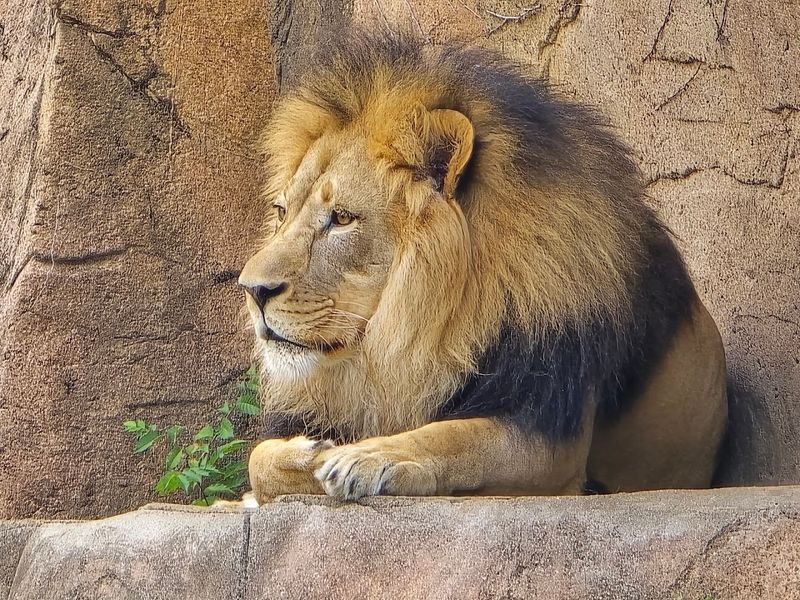
Brookfield Zoo has been part of the Illinois landscape for more than ninety years, and that history adds a layer of depth to every visit. The zoo opened on July 1, 1934, during the Great Depression, and it was designed from the very beginning with a philosophy that set it apart from other zoos of its era.
Rather than using traditional barred cages, Brookfield Zoo pioneered the use of open moats and naturalistic barriers to separate animals from visitors.
That approach was considered revolutionary at the time and influenced zoo design around the world. The Chicago Zoological Society, which operates the zoo to this day, has continued building on that founding vision by expanding habitats, investing in conservation science, and developing education programs that reach millions of people annually.
The society also runs field conservation projects in multiple countries alongside its work at the Brookfield, IL location.
Walking through the zoo today, you can still feel echoes of that original ambition. Some of the older buildings carry a classic architectural character that blends seamlessly with the modern exhibits surrounding them.
For anyone who loves history alongside wildlife, there is something quietly satisfying about knowing this place has been inspiring wonder since Franklin D. Roosevelt was president.
Seasonal Events
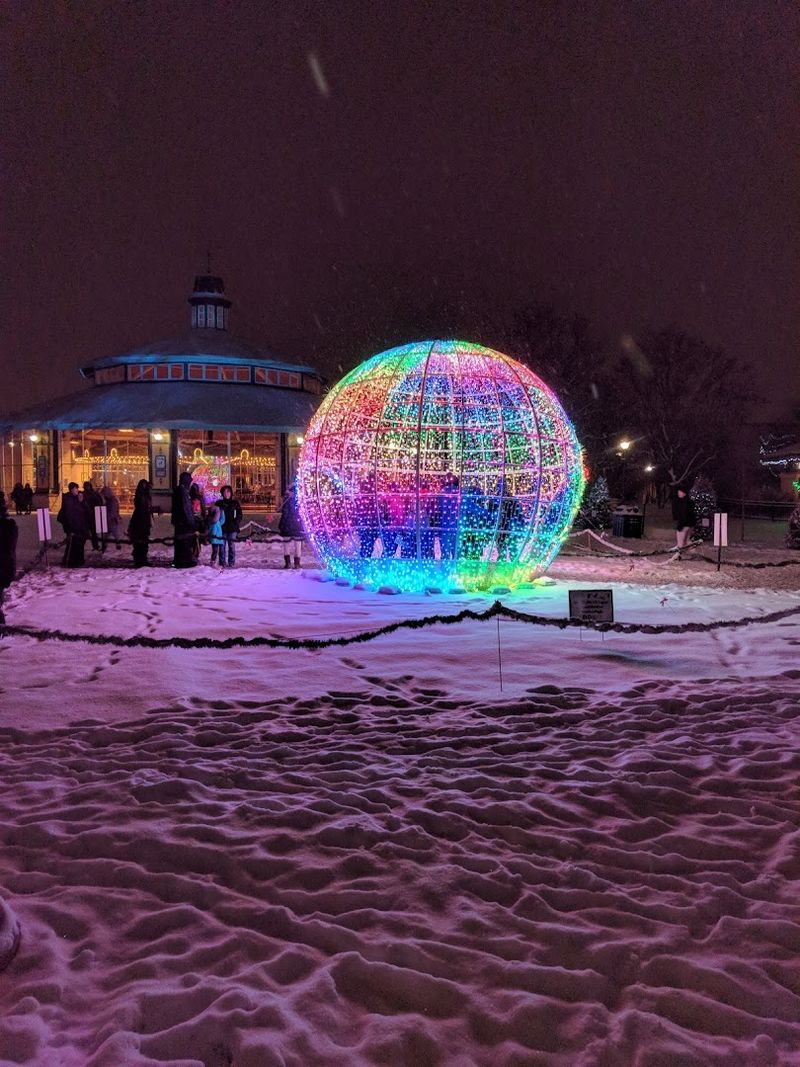
One of the best-kept secrets about Brookfield Zoo is that the experience changes dramatically depending on when you go. The zoo hosts a rotating calendar of seasonal events throughout the year that transform the grounds into something entirely different from a standard zoo visit.
Boo at the Zoo in October fills the park with Halloween decorations, themed activities, and costumed characters that make it a huge hit with younger visitors.
Holiday Magic, the winter lights event, turns the zoo into a glowing wonderland after dark with thousands of lights decorating the pathways, trees, and exhibit areas. During the winter months, the zoo occasionally offers free admission periods, though parking and certain attractions may still require a fee.
These days tend to fill up, so arriving early makes a noticeable difference in how smoothly the day goes.
Spring and summer bring their own energy, with more animals visible outdoors, food trucks adding variety to the dining options, and longer daylight hours that let you stretch your visit.
Checking the zoo calendar at czs.org before you go is a simple step that can completely change what you experience on any given day. The zoo genuinely rewards repeat visitors with something new each time.
Conservation and Education Mission
Brookfield Zoo is not just a place to look at animals. It is an active center for conservation science, education, and wildlife research that operates on a global scale.
The Chicago Zoological Society manages extensive field programs in places like Africa, Asia, and South America, working alongside local communities to protect endangered species and the habitats they depend on.
Inside the zoo, that mission shows up in the form of thoughtfully designed interpretive displays, keeper talks, and interactive programs that engage visitors of all ages.
Rather than simply labeling animals with a name and a fun fact, the exhibits are built to tell complete stories about ecosystems, behaviors, and the pressures these animals face in the wild. It is education that does not feel like homework.
The zoo also participates in Species Survival Plans, which are cooperative breeding programs designed to maintain healthy and genetically diverse populations of endangered animals across accredited zoos.
Many of the animals you see at Brookfield Zoo are part of these programs, meaning their presence contributes directly to the survival of their species.
That context transforms a fun outing into something that feels genuinely meaningful, and it is one of the reasons this zoo stands out among its peers across the country.
Tips For Visiting The Zoo

A little preparation goes a long way at a zoo this size. Brookfield Zoo is open daily with seasonal hours, and winter visits typically run from 10 AM to 4 PM.
You can reach the zoo by phone at 708-688-8000 or explore everything they offer at their website.
Arriving close to opening time gives you the best chance of seeing animals when they are most active and before the crowds build up.
Parking is available in two lots, with the South lot being closer to the main entrance at $20 and the North lot slightly farther at $17. Buying tickets in advance online is a smart move, especially during events or busy weekends.
The zoo has its own app with a GPS-enabled map that helps you navigate between exhibits, locate food stands, and track down restrooms without wasting time wandering.
Comfortable, broken-in walking shoes are essential because the grounds are extensive and the paths add up quickly over the course of a full day. Bringing your own snacks and water can help manage costs, since food inside the zoo tends to be on the pricier side.
With the right preparation, a visit to Brookfield Zoo turns into one of those days you find yourself talking about for weeks afterward.