
10 Beautiful Lighthouses In Michigan’s Upper Peninsula To Visit In 2026
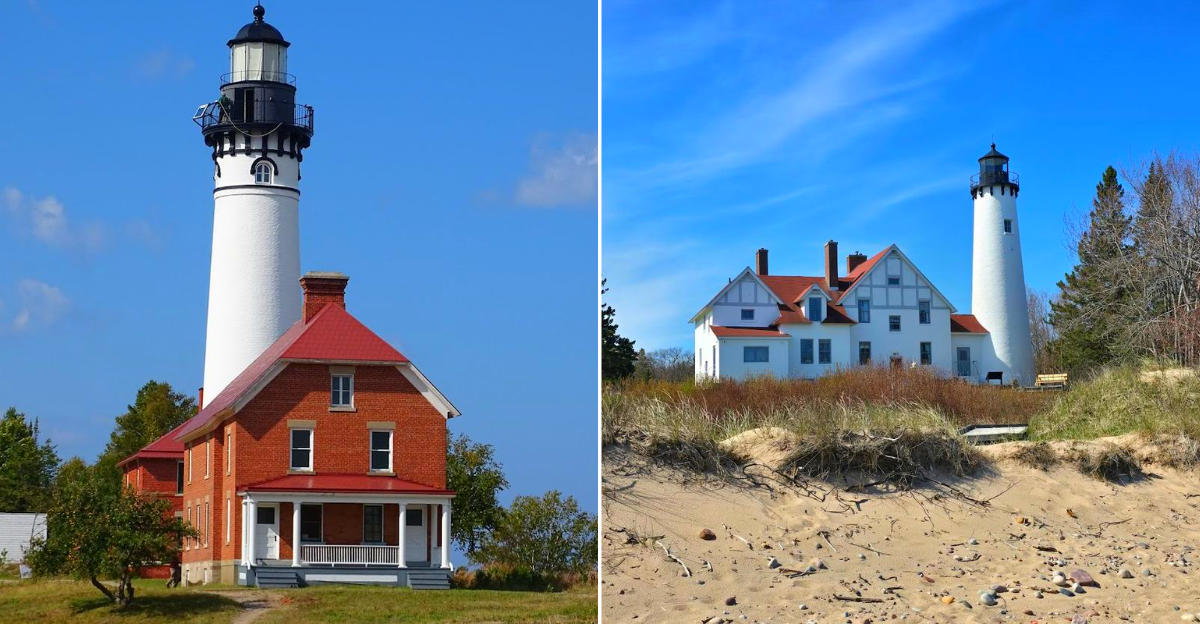
I’ve spent enough time on the jagged edges of the Upper Peninsula to know that Lake Superior doesn’t just sit there, but looms. It’s a freshwater ocean with a personality that shifts from a serene, glass-like calm to a roaring, iron-grey fury in the time it takes to zip up your parka.
Along this wild stretch of the “Shipwreck Coast,” lighthouses aren’t just scenic photo ops; they are the iron-willed survivors of a century-old battle between light and danger.
It’s a place where you can still touch the grit of maritime history, provided you don’t mind the lake spray on your face and a bit of vertigo at the top of a tower.
Michigan Lake Superior lighthouses in the Upper Peninsula, including the historic Whitefish Point, the remote Crisp Point, and the stunning towers of the Keweenaw Peninsula, are waiting to be discovered.
1. Au Sable Light Station (Pictured Rocks National Lakeshore, Near Grand Marais)
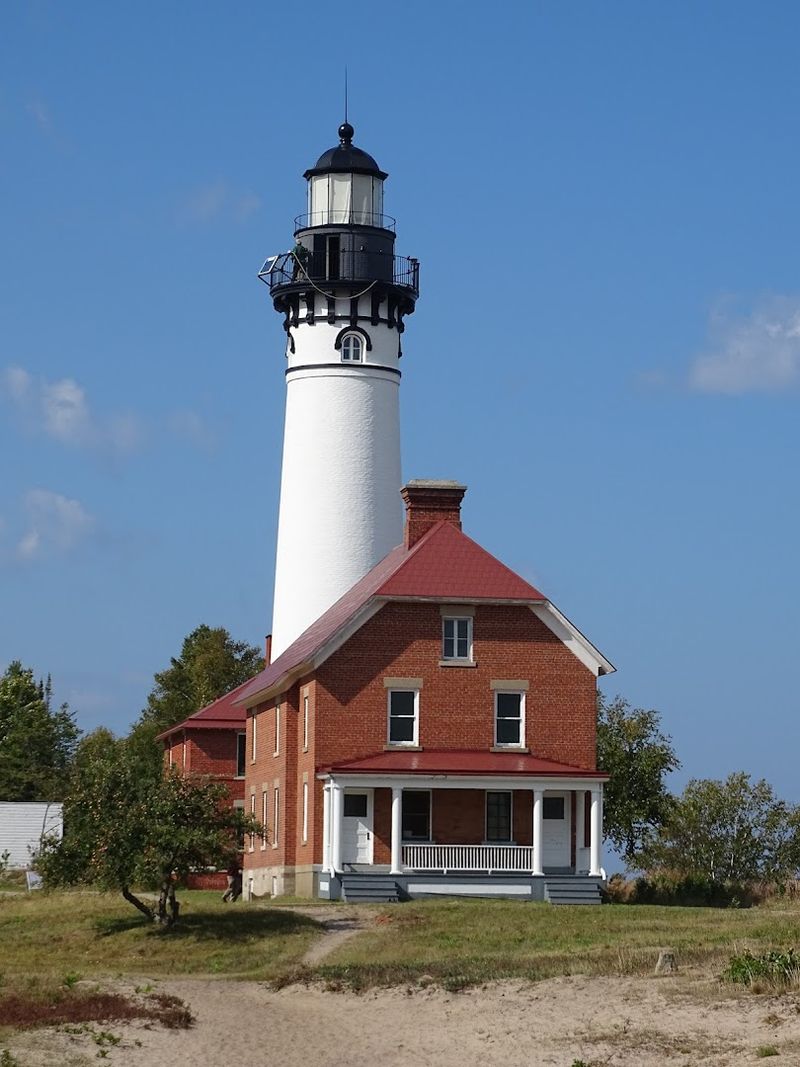
Waves slap the cobble beach beside Au Sable, and the walkway arrives after a flat, breezy hike along Pictured Rocks’ shoreline. The red-brick tower rises clean against jack pine and sky, with the keeper’s house tucked close like a loyal neighbor.
Shipwreck ribs surface at low water, a quiet reminder that Superior keeps receipts, and the wind can shift fast enough to change the whole mood in minutes.
Completed in 1874, the light guided ore freighters past a treacherous lee coast. Restoration emphasizes original brickwork, lantern gallery, and service buildings. The lens history is well interpreted without fuss, and the site feels cared for without being overly polished or theme-park neat.
Wear sturdy shoes for the beach sections and bring bug spray in June. The path is level but long, so give yourself time for photos and a calm sit near the surf. Pack water and a light layer, because sun and spray can tag-team you on the return.
2. Whitefish Point Light Station (Near Paradise)
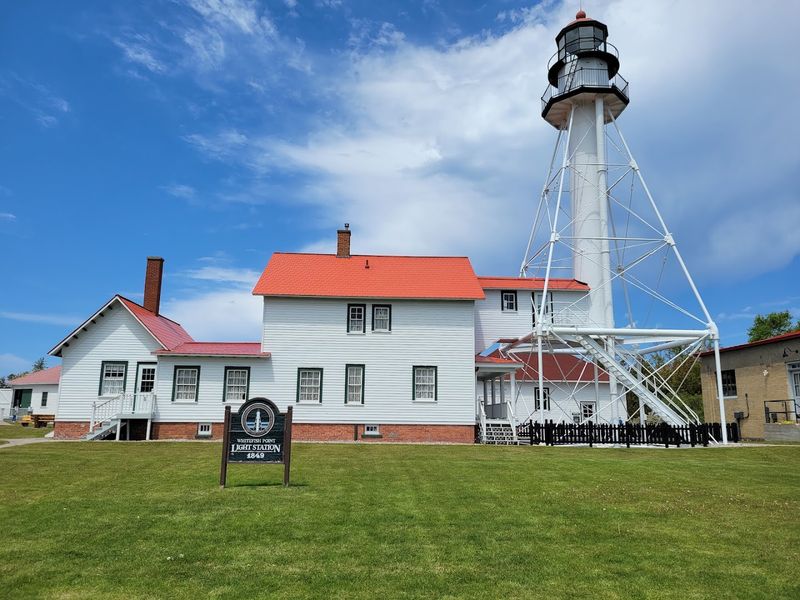
Fog can hang so thick at Whitefish Point that the horn feels like a neighbor clearing their throat. The skeletal iron tower looks workmanlike rather than romantic, which suits a place nicknamed the Shipwreck Coast. A broad beach of rounded stones pulls you toward cold, insistent water.
Established in 1849 and rebuilt with an iron tower in 1861, the station anchors a museum complex interpreting Great Lakes shipwrecks, including Edmund Fitzgerald artifacts. Preservation here is crisp and educational without theatrics.
Expect wind year round and bring layers, even in July. The museum closes seasonally, so check hours. Bird migration peaks add a pleasant surprise in spring and fall, and the beach is best for quiet reflection rather than swimming.
3. Point Iroquois Light Station (Brimley Area)
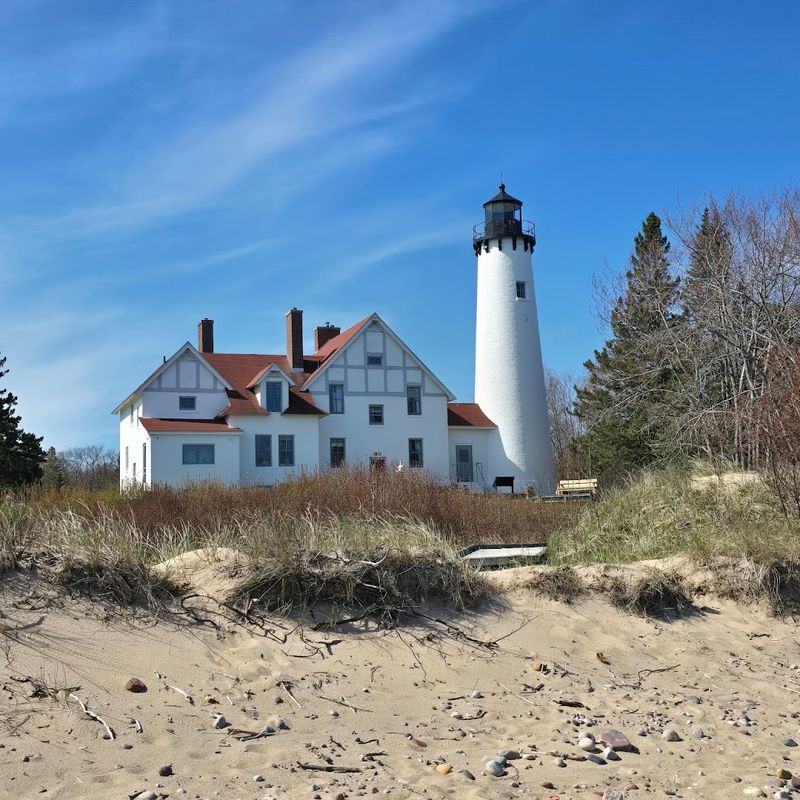
The first thing I noticed at Point Iroquois was the hush under white pines, broken by kids counting steps up the tower. Whitewashed brick glows clean against the bay, and the porch feels like a place meant for stories. Light leaks through birch leaves with that lakeside flicker you remember later, and the air tastes faintly of resin and cold water.
Built in 1870, the station once marked the gateway between Whitefish Bay and the river approach. Decommissioned in 1962, it is now a museum with restored rooms and a small but thoughtful lens display. Interpretive signs keep the timeline clear, and the grounds feel gently maintained rather than overly curated.
Bring a few dollars for donations and time your visit around freighter traffic. The tower staircase is narrow, so pack patience. Boardwalks to the beach reward with smooth stones and a generous horizon, and if the wind is calm you can hear distant ship engines before you see anything on the water.
4. Eagle Harbor Lighthouse (Eagle Harbor)
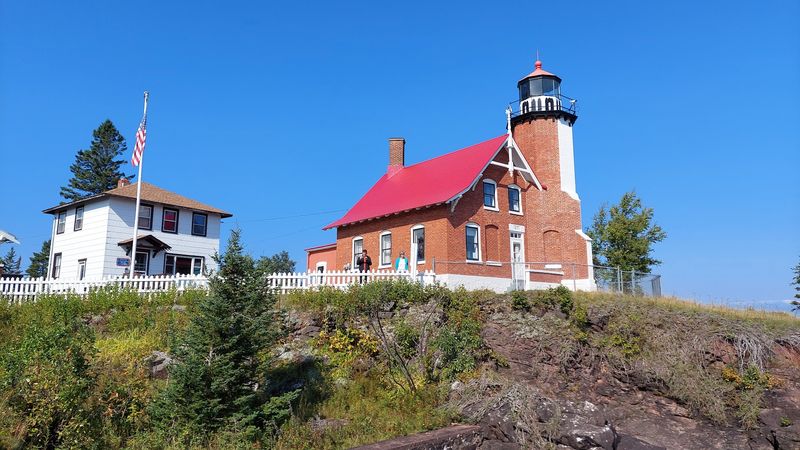
Gulls argue over the breakwater while Eagle Harbor’s red roofs settle into evening like embers. The lighthouse shares its yard with tidy museums that feel neighborly rather than formal. Waves comb the basalt shore with that low hiss you hear long after leaving.
The current light dates to 1871, replacing earlier aids for copper rush traffic. Local historical society care shows in crisp paint, curated exhibits, and open-door summer hours. The Fresnel stories are grounded in the Keweenaw’s boom and bust cycles.
Parking is close, but give yourself time to wander the harbor walk. Stop by the church on the hill for a quick view, then return for sunset. Mosquitoes clock in promptly at dusk; wear repellent.
5. Copper Harbor Light Station (Fort Wilkins Area, Copper Harbor)
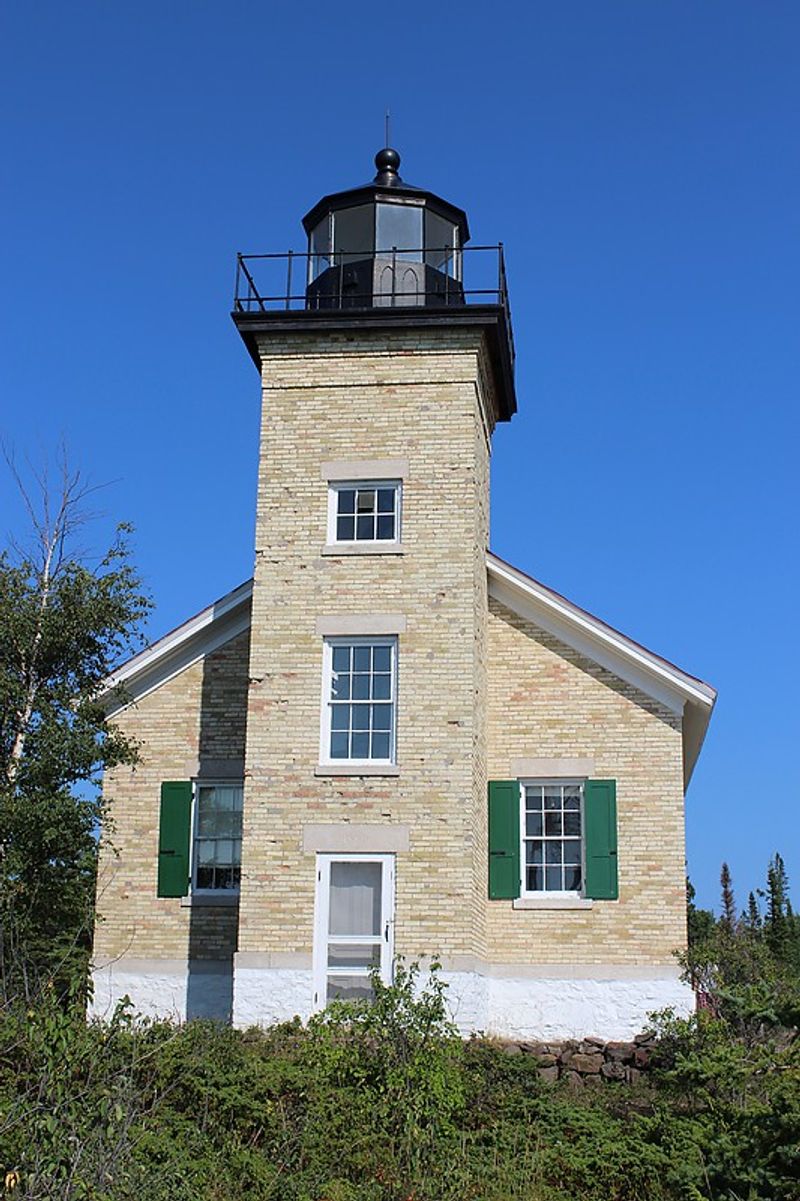
Reaching Copper Harbor Light starts with a small boat ride that feels half field trip, half time travel, with the shoreline shrinking behind you and the harbor air turning cooler as spray tags your sleeves. The approach is quiet: brick, grass, and a lantern room looking calmly over the harbor mouth. Water glints like hammered metal when the sun breaks.
First lit in 1848 and rebuilt mid century, the station guarded early copper shipping. Preservation focuses on masonry, period rooms, and the story of harbor defense alongside Fort Wilkins. Exhibits feel grounded, not theatrical, and guides tend to share practical details that make the history feel lived-in instead of distant.
Check the seasonal ferry schedule before driving all the way north. Weather can pause trips, so keep a flexible window. Afterward, walk the fort loop for context, then hunt thimbleberries in late summer if you spot the crimson signs, and linger for a few minutes on the dock to watch the light change.
6. Eagle River Lighthouse (Eagle River)
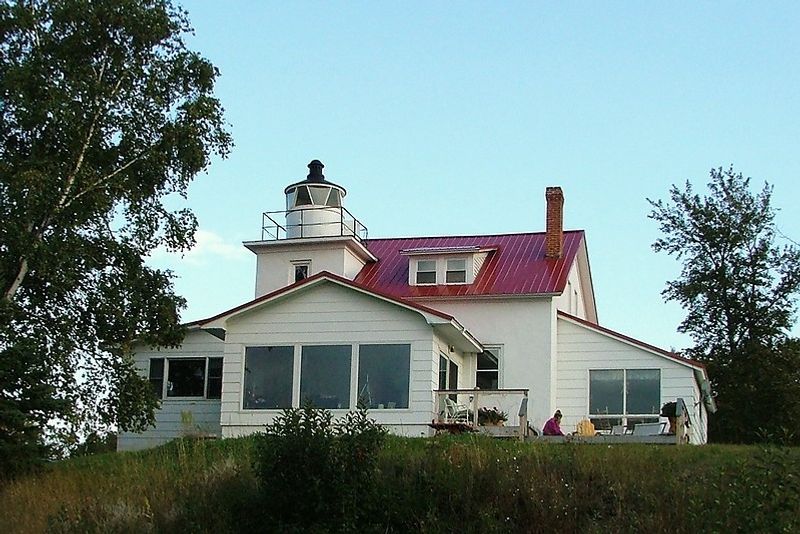
From the public pull-off, Eagle River Lighthouse appears half house, half storybook keep. The structure sits on a bluff where surf booms below like a distant drum. It is lived-in now, and that domestic quiet suits the rugged view.
Built in 1854 to guide copper era traffic, the light was discontinued and eventually converted to a private residence. Preservation here is practical: maintained stonework, careful windows, and a lantern that reads as a memory rather than a tool.
Respect the property lines and enjoy the vantage from the roadside or beach access west of the bridge. Pair the stop with a walk to Eagle River Falls. If skies turn, Superior’s weather will teach punctuality fast.
7. Crisp Point Lighthouse (Newberry Area)
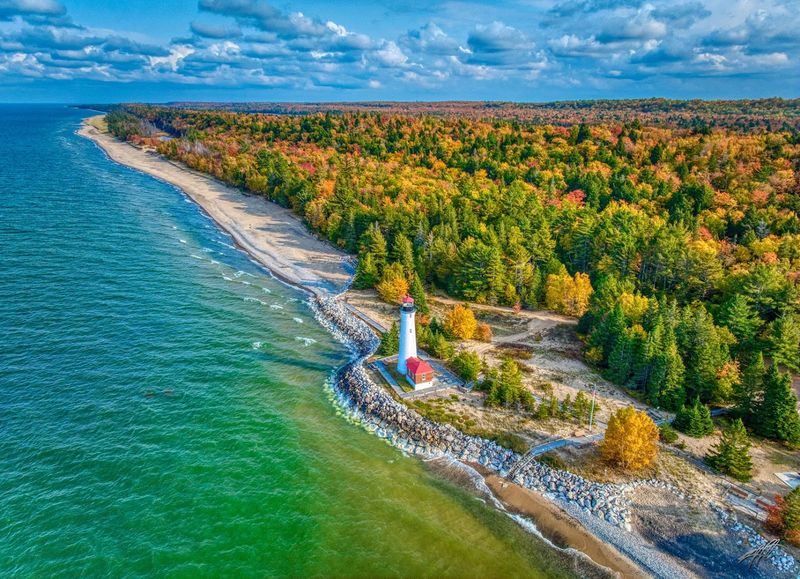
Sand squeaks underfoot at Crisp Point, and the wind smells like cold steel. The tower stands spare and tall, a bright punctuation mark on a very long sentence of shoreline. Dunes move, gulls patrol, and the road in feels purposely last mile.
Originally established as a lifesaving station, the lighthouse dates to 1904. Volunteer-led restoration rescued it from near-vanishing, adding boardwalks and shoring against storms without sanding off its grit. The setting remains beautifully remote.
Plan for slow two-track driving and no services. Bring extra water, a paper map, and patience for washboards. On rough-weather days, the surf stage-manages drama you will feel in your ribs. Sunny mornings belong to photographers with wide lenses.
8. Seul Choix Point Lighthouse (Gulliver Area)
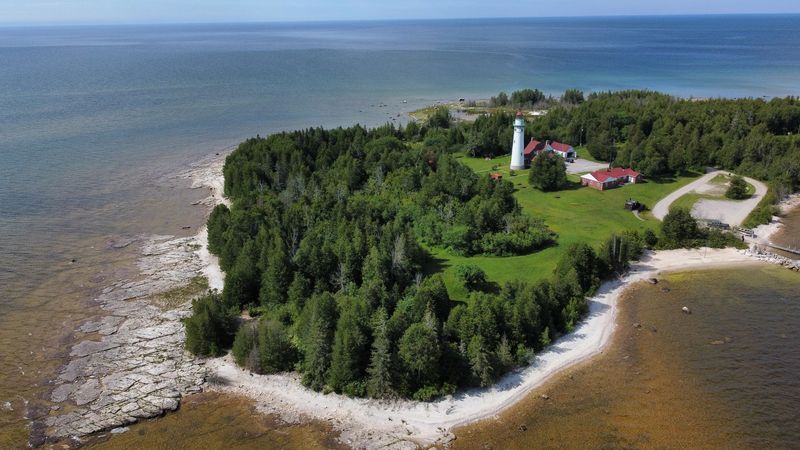
Grass here looks barbershop neat, which makes Lake Michigan’s open blue feel even bigger. Seul Choix Point’s white tower and attached dwelling sit like a tidy thesis on order versus weather. Gulls coast the lawn edges as if they own stock.
Completed in 1895, the station served a dangerous reef line on a busy northbound route. Restoration highlights brickwork, tower stairs, and period rooms, plus a fog signal building with earnest machinery. Local volunteers keep the narrative grounded in fishing and passage.
Check for guided tours in summer and climb the tower if heights feel friendly. Mosquitoes attend the evening shift. Pair the visit with smoked fish in Gulliver and a slow drive along the shoreline for easy views.
9. Sand Point Lighthouse (Escanaba)
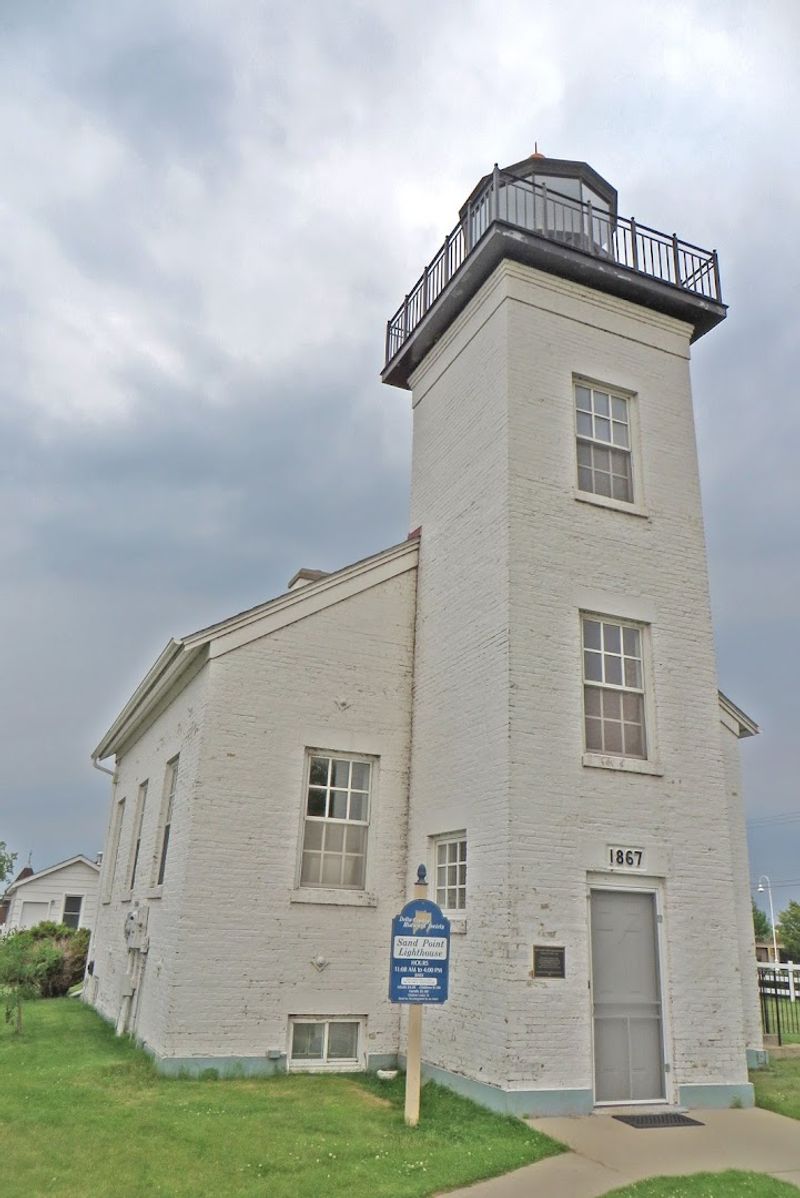
Sand Point sits comfortably within Escanaba’s everyday rhythm, where joggers pass and gulls heckle fishermen. The square tower fused to the keeper’s house looks compact and practical, like a well-made tool. Little Bay de Noc keeps the horizon gentle.
Built in 1867 and altered after a historic fire, the lighthouse has been restored to its earlier appearance. Exhibits track shipping, lifesaving, and local harbor work with unpretentious clarity. The Fresnel story is told without fuss.
Parking is easy, and the path is friendly for casual walkers. Sunset paints warm reds across the brick, so time a golden-hour stop. Grab coffee downtown afterward and let the bay breeze cool your plans for the next leg.
10. Big Bay Point Lighthouse (Big Bay, North Of Marquette)
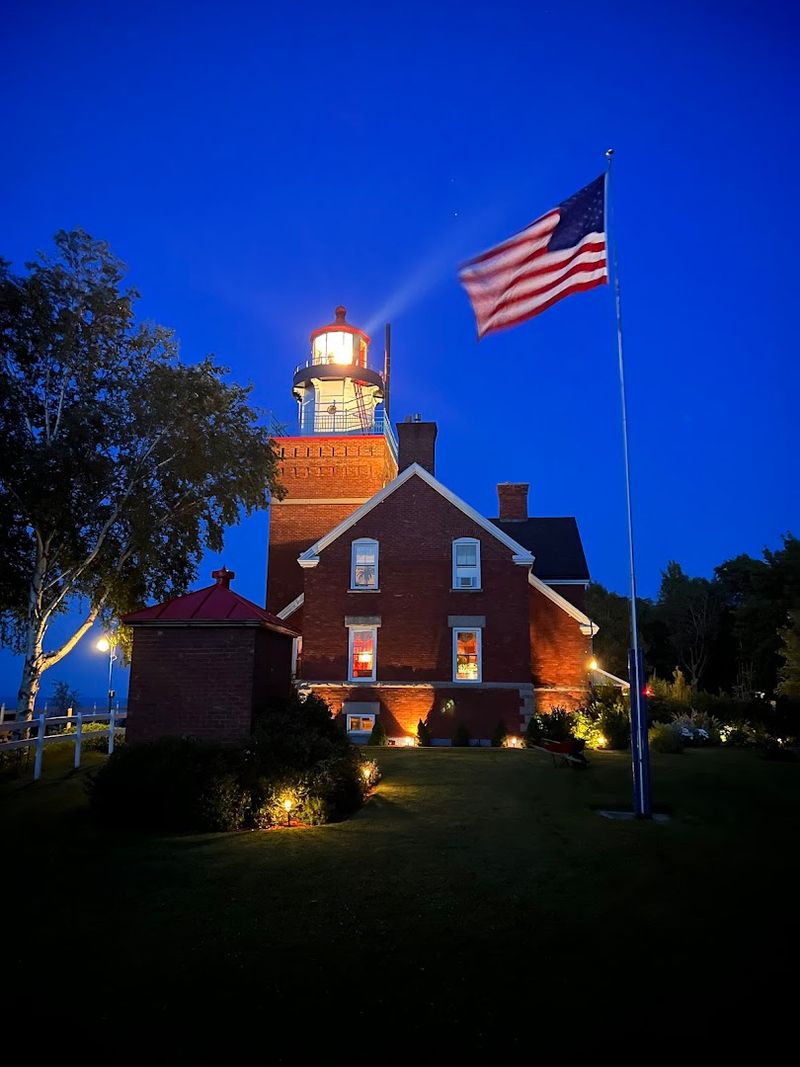
Mornings arrive clean at Big Bay Point, with light slanting through pines and the lake sounding like a metronome. The brick complex perches on a high bluff, giving you that mild vertigo of big water and sky meeting. Trails thread the woods with a patient hand.
Built in 1896, the station has been carefully preserved and now functions as lodging, which adds a lived-in grace to the architecture. Restoration respects brick bonds, lantern details, and working lineage.
Reserve early if staying overnight, and mind the bluff edges on breezy days. Cell service flickers, so download maps. After coffee, walk the shoreline trail for a steadying dose of spruce scent and long horizons before heading south.