
This Charming Fairy Tale Garden In Pennsylvania Is A Destination Worth Planning A Trip For

Some gardens feel pleasant and relaxing. Others feel like stepping into a living storybook. Winding paths, vibrant flowers, and carefully shaped greenery create scenes that seem almost magical.
Around each corner waits another surprise, a quiet pond, a hidden bench, or a burst of color that stops visitors in their tracks.
It is garden wanderlust, floral wonder, and the simple joy of exploring a place where nature and creativity work together beautifully.
Experiences like this give Pennsylvania a special charm for travelers who enjoy peaceful outdoor discoveries.
Carefully designed gardens offer more than scenery. They invite people to slow down, breathe deeply, and notice the details that make nature so captivating.
The scent of blooming flowers, the rustle of leaves, and the quiet rhythm of a garden path can make time feel like it has paused for a moment.
I often imagine strolling through a place like this on a calm afternoon, letting curiosity guide every step while wondering what beautiful view might appear around the next turn.
The History Behind Chanticleer Garden
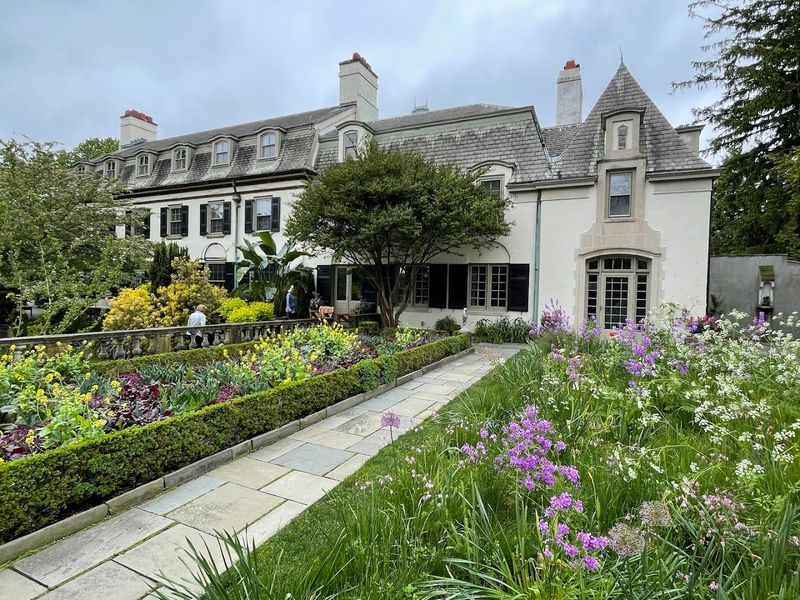
Long before Chanticleer became one of the most admired pleasure gardens on the East Coast, it was the private estate of the Rosengarten family, a wealthy Philadelphia family who built their summer home here in the early 1900s.
Adolph Rosengarten Sr. purchased the property in 1912, and the family expanded it over the decades, adding more land, more plantings, and more architectural character.
The name “Chanticleer” is a literary name for a rooster, giving the property a storybook charm right from the start.
After the last family member, Adolph Rosengarten Jr., passed away in 1990, the estate was transformed into a public garden per his wishes. It officially opened to visitors in 1993.
Unlike many historic gardens that feel preserved in amber, Chanticleer has continued to evolve, making it a living, breathing work of art rather than a museum piece.
Where Exactly Chanticleer Is Located
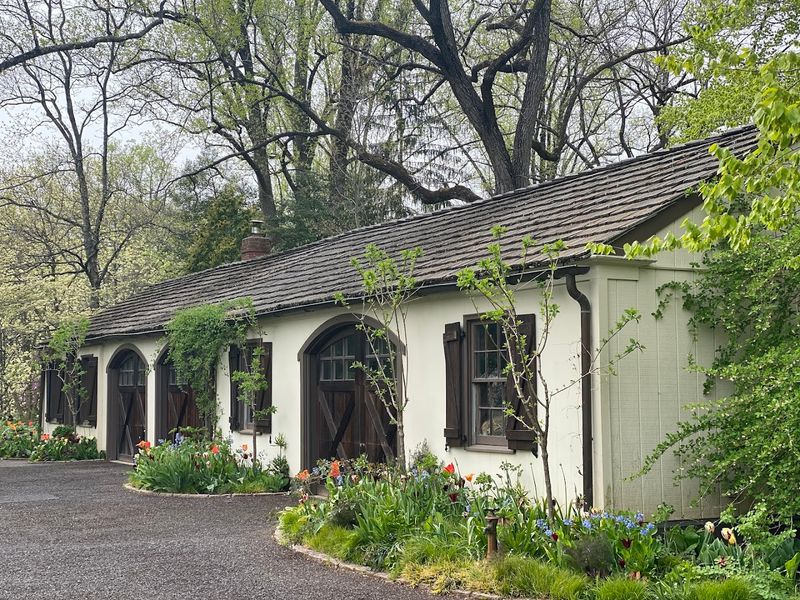
Sitting at 786 Church Rd, Wayne, PA 19087, Chanticleer is about 30 minutes west of Philadelphia in the heart of the Main Line, a stretch of affluent suburbs that runs along the old Pennsylvania Railroad corridor.
Wayne itself is a charming small town with tree-lined streets, local shops, and a relaxed pace that pairs perfectly with a garden visit.
The location makes Chanticleer surprisingly easy to reach from Philadelphia, and it also draws visitors from neighboring states, including those making a day trip from Ohio or New Jersey.
Because it sits in a residential neighborhood rather than a sprawling park complex, the arrival feels almost like discovering a secret.
You round a corner, and suddenly there are rolling green grounds, towering trees, and a sense of calm that the surrounding suburbs simply cannot match. That contrast between ordinary streets and extraordinary beauty is part of the magic.
The Stunning Garden Zones You Can Explore
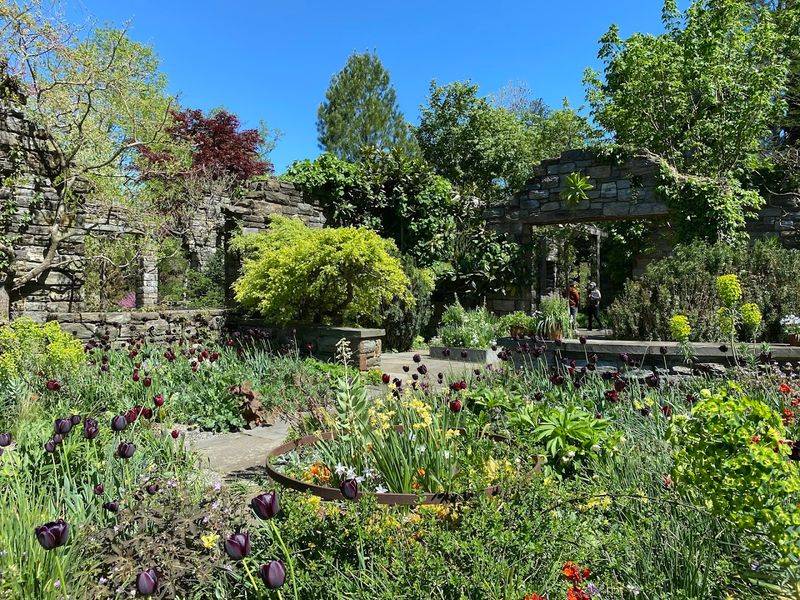
One of the most exciting things about Chanticleer is that it is not just one garden. It is a collection of distinct garden rooms, each with its own personality, plant palette, and atmosphere.
The Chanticleer House terraces greet visitors with formal yet lush plantings around the original estate home.
From there, paths lead to the Asian Woods, a serene woodland area with Japanese maples, ferns, and mossy ground covers that feel worlds away from Pennsylvania suburbia.
The Ruin Garden is perhaps the most theatrical zone, featuring the dramatic stone shell of a former tennis court transformed into a moody, ivy-draped garden space that looks straight out of a gothic novel.
There is also a cut flower garden, a gravel garden, and a streamside garden with babbling water features.
Each zone transitions naturally into the next, rewarding slow walkers who take time to notice the smaller details hiding in every corner.
The Famous Ruin Garden And Its Dramatic Appeal
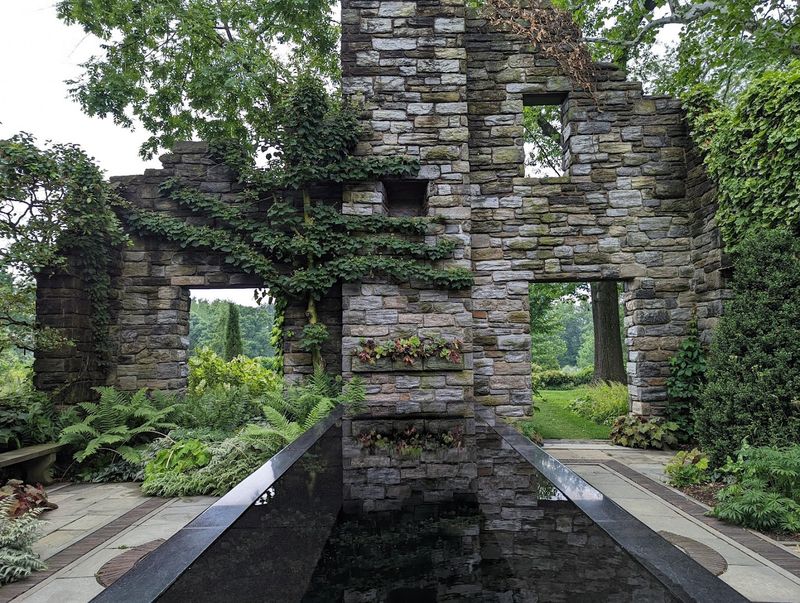
Few garden features anywhere in Pennsylvania generate as much conversation as the Ruin Garden at Chanticleer, and once you see it, the reason becomes immediately obvious.
Built within the stone walls of the estate’s original tennis court, the Ruin Garden is a deliberately theatrical space where nature and architecture blur together.
Carved stone columns, mosaic-tiled water features, and sculptural plant arrangements create an atmosphere that feels ancient and intentional at the same time. It is the kind of spot where you find yourself slowing down, looking closer, and noticing details you almost missed.
The garden staff treats this space as a canvas, changing plantings seasonally so that each visit reveals something new.
Visitors who have toured similar spaces in Europe often say the Ruin Garden holds its own against anything they have seen abroad.
That is a bold comparison, but standing inside those stone walls on a quiet morning, it is honestly not hard to believe.
Spring Blooms That Make The Garden Come Alive

Ask any regular Chanticleer visitor when to go, and a large number will say spring without hesitation.
The garden transforms dramatically between March and May, when bulbs, blossoms, and early perennials all compete for attention at once.
Tulips, daffodils, cherry trees, and ornamental alliums create sweeping waves of color across the terraces and woodland areas.
The Asian Woods in particular becomes a soft, glowing place during this season, with Japanese maples unfurling their delicate new leaves above carpets of spring wildflowers.
Chanticleer posts regular updates on its website showing exactly what is blooming each week, which is a genuinely useful tool for planning a visit around peak color.
Spring also tends to bring out more visitors, so arriving early in the morning gives a noticeably quieter experience.
Visitors traveling from as far as Ohio have been known to time their trips specifically around the spring bloom schedule, and based on the results, it is absolutely worth the planning.
Fall Colors And The Garden’s Autumn Personality
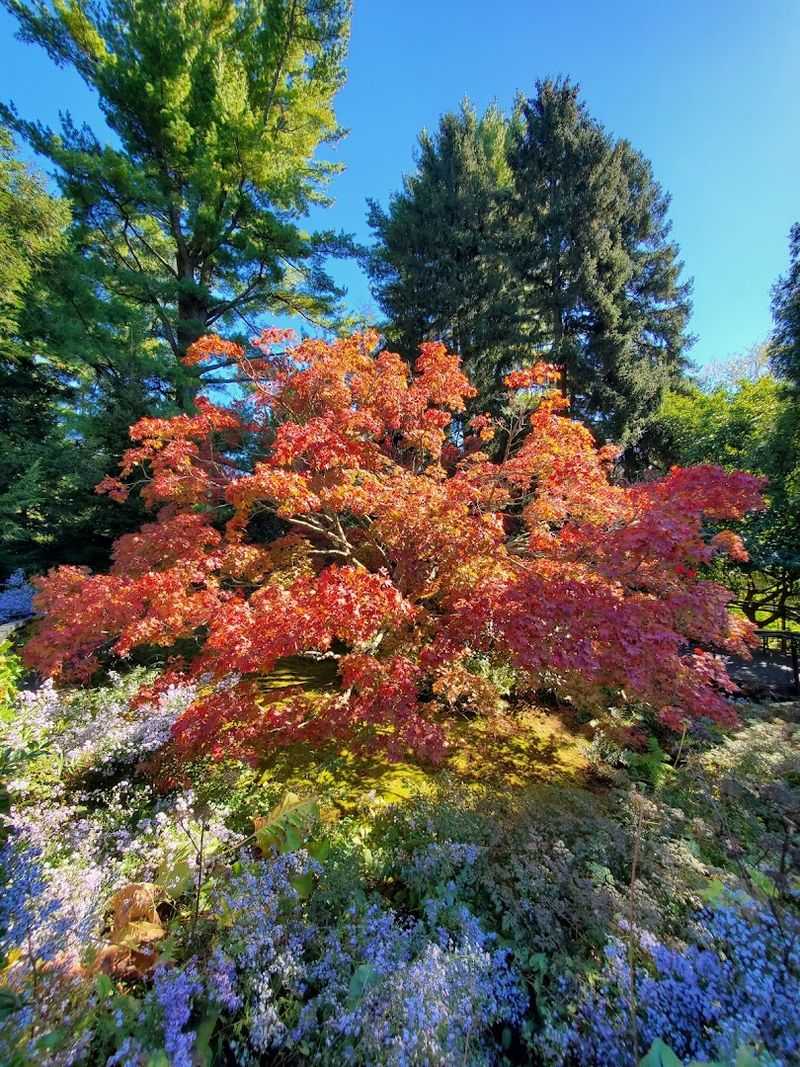
Spring gets most of the glory, but autumn at Chanticleer has a quiet intensity that serious garden lovers tend to appreciate even more.
The property’s mature trees, including Japanese maples, oaks, and ornamental grasses, shift into deep golds, burnt oranges, and burgundy reds from late September through November.
The Ruin Garden takes on an especially moody quality during fall, with climbing vines turning color against the stone walls and seedheads catching the low afternoon light.
The overall atmosphere feels more contemplative than the bright energy of spring, which suits visitors who prefer their garden time reflective and unhurried.
Fall also means fewer crowds compared to the peak spring season, making it easier to find a quiet bench and simply sit with the surroundings.
Visitors making the drive from Ohio or other nearby states often find that a mid-October visit hits the sweet spot between peak color and comfortable walking temperatures. The garden earns its reputation in every season.
Practical Tips For Planning Your Visit
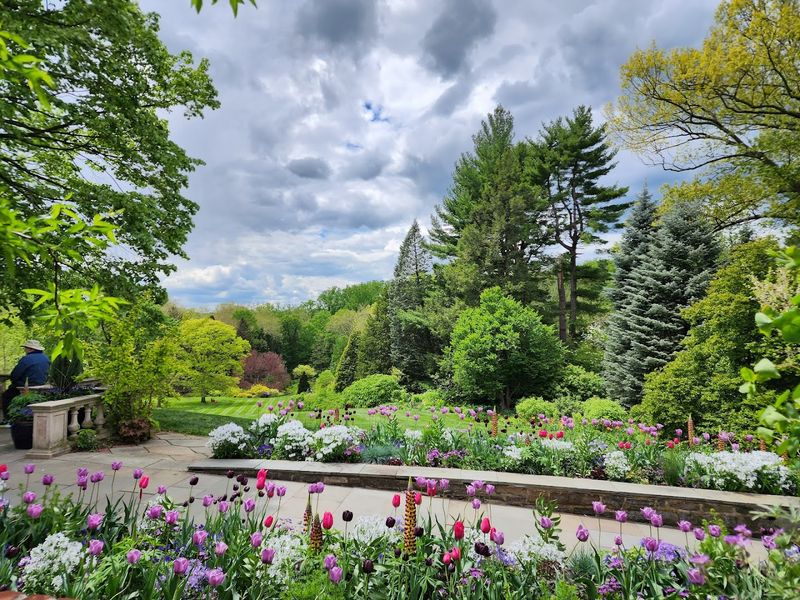
Getting the most out of a Chanticleer visit takes a small amount of advance planning, but nothing complicated.
The garden is open Wednesday through Sunday from April through early November, with hours typically running from 10 a.m. to 5 p.m., though checking the official website before going is always a smart move.
Admission is very reasonably priced at about fifteen dollars per adult, and children twelve and under are free.
Parking is limited, so a free parking reservation is required during peak times, with the reservation schedule shifting as the season moves along. The reservation system is free and straightforward to use online.
Food is not sold on the premises, but picnicking is actively encouraged, and there are plenty of shaded spots and benches scattered throughout the grounds.
Visitors coming from farther afield often pack a full lunch and turn the garden into a relaxed half-day outing rather than a quick stop.
The Koi Pond And Water Features Worth Seeking Out

Water has a way of anchoring a garden, and Chanticleer uses it with real skill.
The koi pond is one of the most popular spots on the property, drawing visitors of all ages to its edge to watch the slow, colorful drift of fish through clear water surrounded by aquatic plantings.
Beyond the koi pond, small brooks and stream channels wind through parts of the garden, adding a gentle sound layer that makes the whole experience feel more immersive.
Early morning visitors often describe the sound of moving water mixing with birdsong as one of the most calming things about the property.
The carved wooden bridge near the pond area has become something of a signature feature, quirky and handmade-looking in a way that contrasts beautifully with the more formal stonework elsewhere on the grounds.
It is one of those small details that you notice, smile at, and then immediately want to photograph. Water, it turns out, makes everything better.
Guided Tours And Educational Programs On Offer
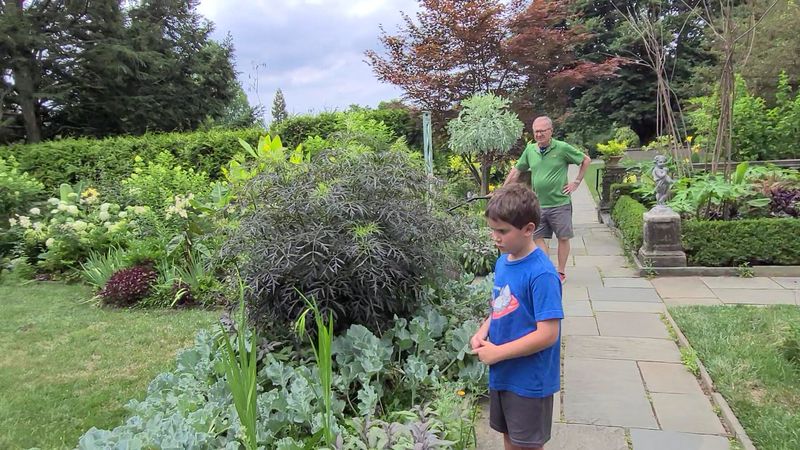
Chanticleer is not just a place to wander. It is also an active center for horticultural education, offering guided tours, classes, and programs throughout the growing season that give visitors a much deeper understanding of what they are looking at.
Guided tours are led by knowledgeable staff who share the history of the estate, explain the design philosophy behind each garden zone, and point out plants that most casual visitors would walk right past.
These tours run on select days and are worth checking the website to confirm scheduling before a visit.
Educational programs cover topics ranging from garden design to plant propagation, attracting both serious horticulturalists and curious beginners.
The staff here has a genuine enthusiasm for sharing knowledge, and that energy is contagious.
Garden programs at Chanticleer have drawn participants from across the region, including groups traveling from Ohio who incorporate the visit into a broader horticultural tour of the northeastern United States.
Why Chanticleer Stands Out Among East Coast Gardens
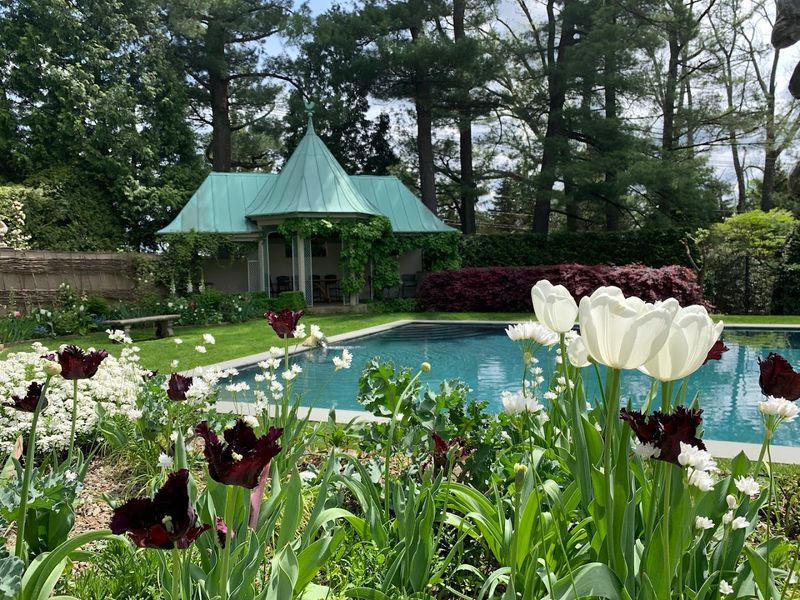
There is no shortage of impressive gardens along the East Coast, but Chanticleer occupies a distinct and somewhat unusual position among them.
Unlike Longwood Gardens, which impresses through sheer scale and theatrical grandeur, Chanticleer wins through intimacy, creativity, and the sense that every single planting decision was made with genuine care.
The garden consistently earns extremely high marks across visitor reviews, which for a public garden is quietly remarkable.
Visitors often describe it as one of the best gardens they have ever seen, which is a statement that carries more weight when it comes from people who have toured gardens across Europe and the United States.
For anyone in the mid-Atlantic region, and especially for those willing to make the trip from farther states like Ohio or Maryland, Chanticleer represents a rare combination of accessibility, beauty, and depth.
It is the kind of place that changes how you think about what a garden can be, and that is not something most places can honestly claim.