
12 Charming Illinois Downtowns Perfect For A March Stroll
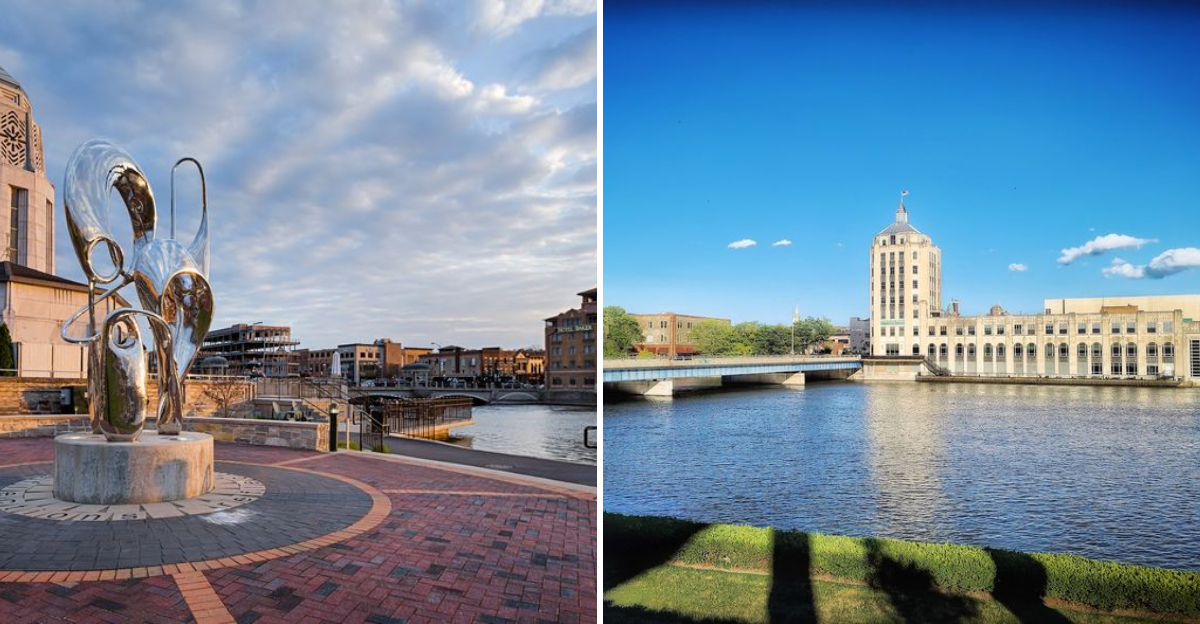
March in Illinois has a personality all its own. One morning brings sunshine and a hint of warmth, and the next has a sharp breeze that sends me back for a scarf I thought I had already retired.
I have come to appreciate that unpredictability. It gives early spring outings a sense of quiet adventure.
This is the moment when many downtowns show their true character. I enjoy walking slowly during this time of year, noticing small details that would be easy to miss later in the season.
Illinois has a remarkable collection of historic downtown districts with walkable streets, old brick storefronts, and river views that feel especially peaceful in March.
1. Galena, Illinois
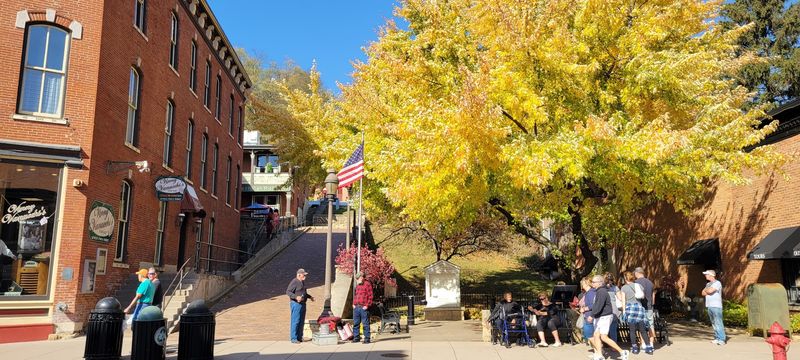
Galena sits on a hill like it has been posing for a painting since the 1820s, and honestly, it earns every compliment. Main Street here is one of the best-preserved 19th-century commercial streets in the entire Midwest, lined with redbrick buildings that house antique shops, local bakeries, and art galleries.
March is a sweet spot to visit because the tourist rush has not yet arrived, so you can actually stop and read the historical markers without dodging a tour group.
The town is closely tied to Ulysses S. Grant, whose home still stands and is open for tours.
Walking the hilly streets feels like stepping into a quieter, slower version of the world.
Do not skip the Galena River Trail if the weather cooperates. It winds along the water and gives you a fresh perspective on this already scenic town.
Galena, in March, is unhurried and completely worth it.
2. Geneva, Illinois
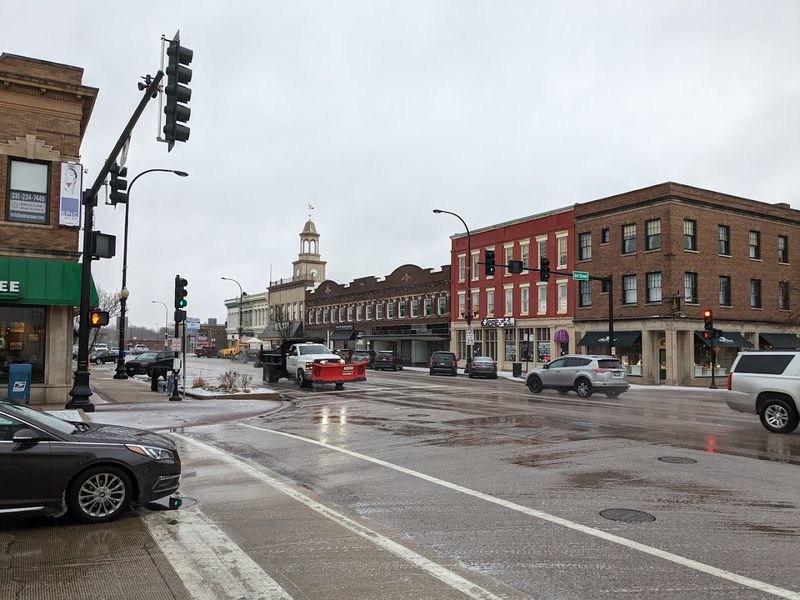
There is a reason Geneva consistently lands on best-small-towns lists, and one walk down Third Street makes that reason obvious. The downtown is lined with independent boutiques, cozy cafes, and locally owned restaurants, all tucked into buildings that feel like they have real stories to tell.
The Fox River runs right alongside the town, and the Fox River Trail is genuinely lovely in March when the ice has cleared but the greenery has not yet taken over.
You get clean sightlines and that fresh, earthy smell that only early spring delivers. Geneva also has a strong arts community, so gallery windows are always worth a slow look.
If you time your visit right, the Swedish Days festival planning is already in the air and you can feel the town gearing up for warmer months. Geneva rewards slow walkers and curious minds in equal measure, making it a natural fit for a March outing.
3. Naperville, Illinois
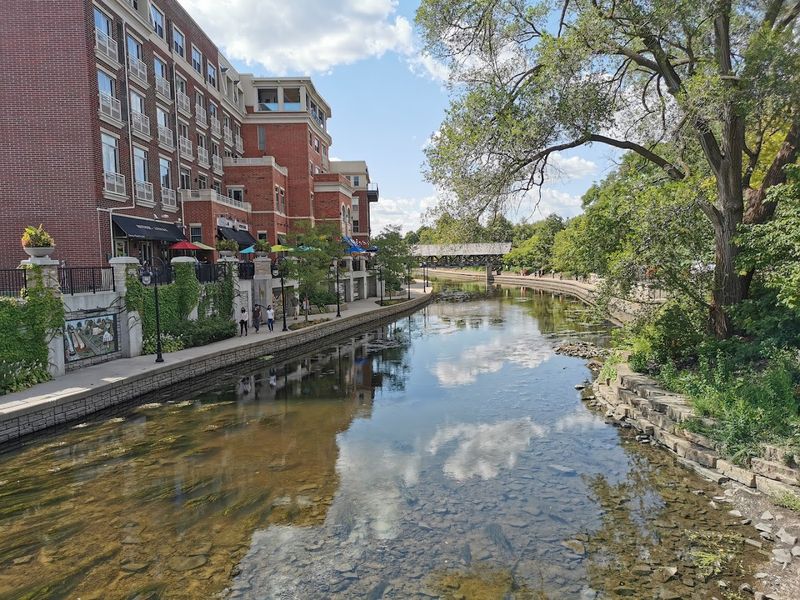
Naperville is one of those towns that somehow manages to feel both lively and relaxed at the same time, which is a rare combination. The downtown area is anchored by the famous Riverwalk, a beautifully landscaped path along the DuPage River that stretches for about 1.75 miles through the heart of the city.
In March, the Riverwalk has a quiet magic to it. The summer crowds are absent, the water is running high from snowmelt, and the covered bridges and stone sculptures have an almost cinematic quality in the pale early-spring light.
Downtown Naperville is also packed with independent shops, bookstores, and restaurants that are easy to pop into if a cold gust rolls through.
The Naper Settlement, an outdoor history museum right in the downtown area, is another great reason to linger. It brings 19th-century Illinois to life in a hands-on way that both adults and kids genuinely enjoy.
Naperville delivers a full afternoon without any effort.
4. Woodstock, Illinois
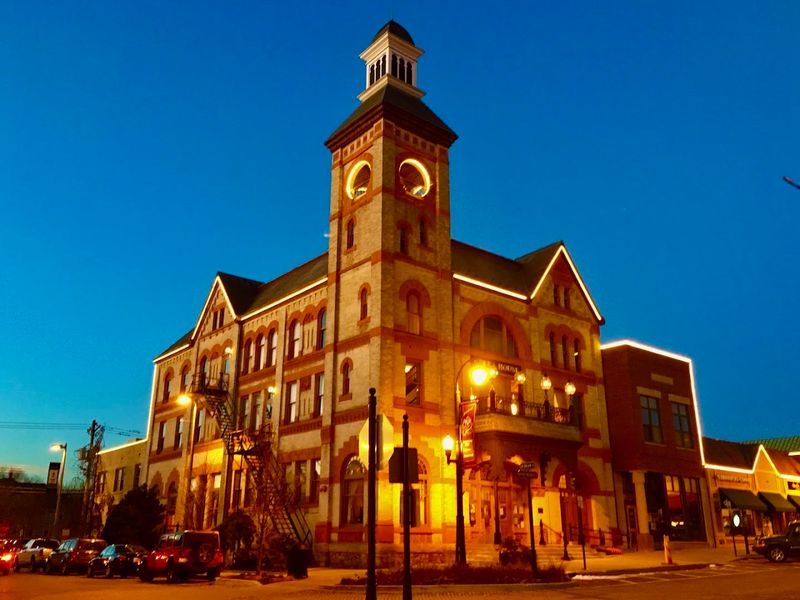
Woodstock has one of the most classically beautiful town squares in all of Illinois, and if the name rings a bell, it might be because this is where the movie Groundhog Day was filmed.
The square still looks remarkably similar to its on-screen version, which makes wandering around it feel delightfully familiar even on your first visit.
The Woodstock Opera House, built in 1889, anchors the square and remains an active performance venue. Checking the schedule before your visit is a smart move since March often brings community theater productions and musical performances.
The surrounding streets are lined with independent shops and casual eateries that give the town real personality.
There is also a strong arts community here, with studios and galleries scattered throughout the downtown blocks. Woodstock does not try to be flashy, and that honest, unpolished quality is exactly what makes a March stroll through its streets feel so genuinely refreshing.
Come for the square, stay for the character.
5. St. Charles, Illinois
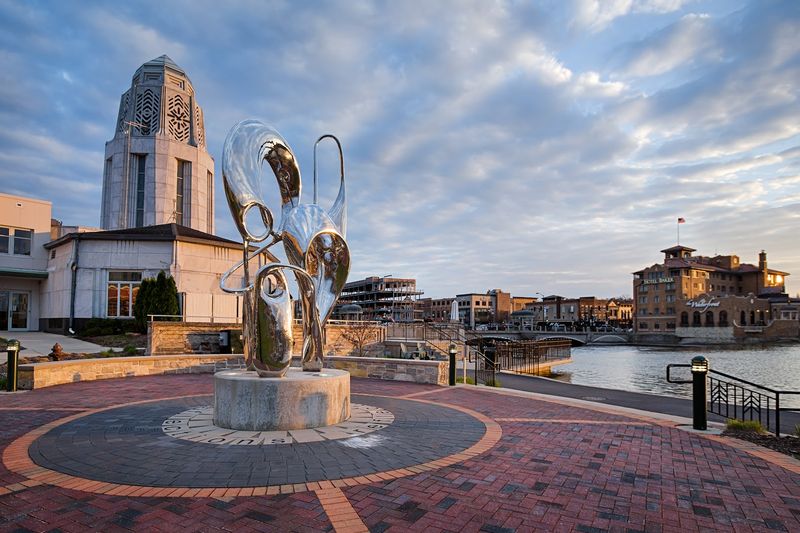
St. Charles sits on both sides of the Fox River, and that geography shapes everything about the downtown experience. Two main commercial streets run parallel to the water, connected by bridges that offer some of the prettiest views you will find in any Illinois town this side of the Mississippi.
March is a particularly good time to visit because the Arcada Theatre, a beautifully restored 1926 movie palace, typically has shows on the schedule that draw a lively but not overwhelming crowd.
The downtown blocks are filled with antique dealers, independent restaurants, and specialty shops that make for genuinely interesting browsing.
The Fox River Trail passes directly through town and is a favorite with cyclists and walkers year-round. In early spring, the trail has a raw, peaceful energy that is hard to replicate in warmer months.
St. Charles feels like a town that takes quiet pride in what it has built, and that pride shows in every well-kept storefront.
6. Alton, Illinois
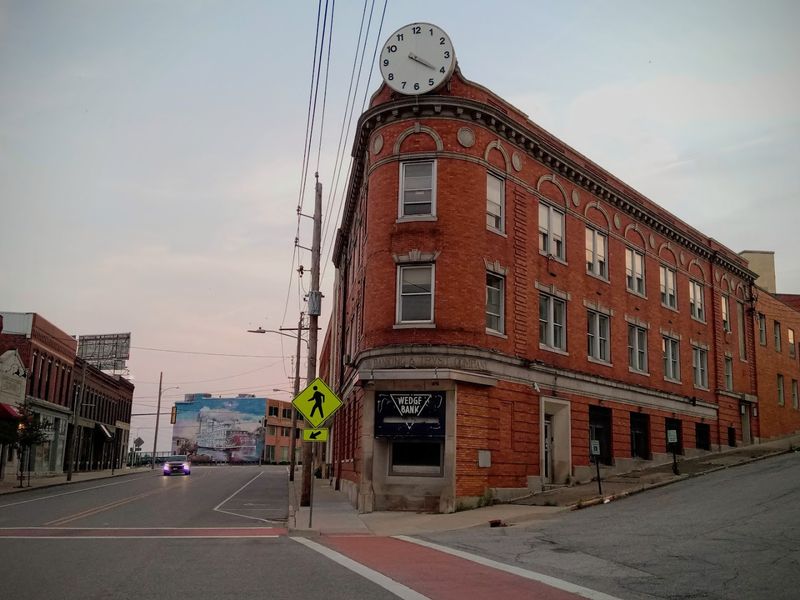
Alton is perched dramatically above the Mississippi River, and the bluff views alone make the drive worthwhile. Broadway, the main commercial street, runs through a downtown that has genuine grit and history baked into every facade.
This is a town that has seen a lot, and it wears its past openly.
Alton has a well-known reputation for antique shopping, with dozens of dealers operating out of historic buildings throughout the downtown corridor.
For anyone who enjoys the hunt of finding something old and unexpected, this is a legitimate destination. March means fewer competitors at the antique cases, which is a practical bonus worth mentioning.
The nearby Clark Bridge offers sweeping views of the confluence area, and the riverfront itself is worth a slow walk on a clear March afternoon. Alton also has a rich Civil War and abolitionist history that is well documented in its local museums.
This town rewards curiosity with real, layered stories at every turn.
7. Ottawa, Illinois
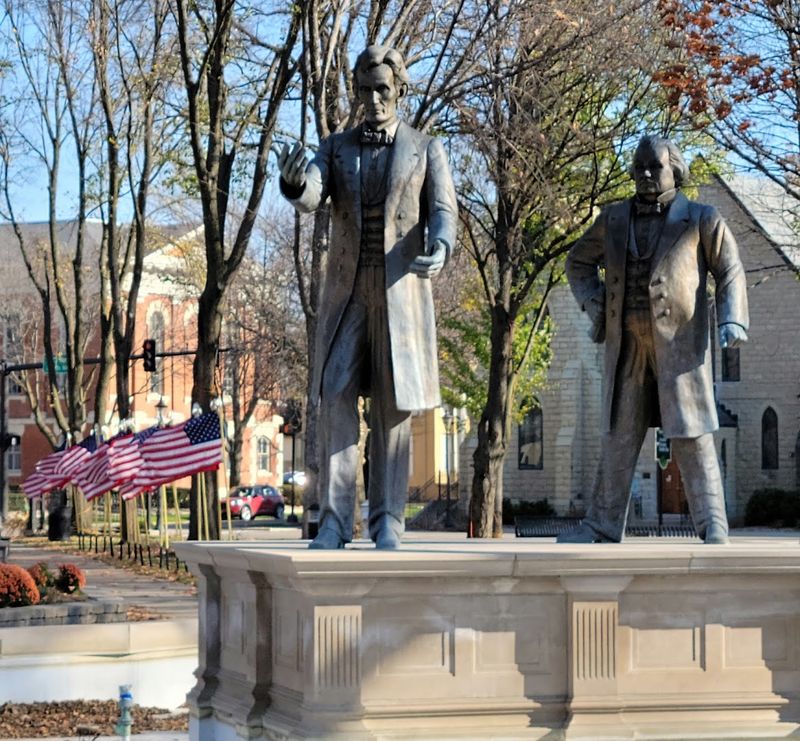
Ottawa holds a genuinely important place in American history as the site of the first Lincoln-Douglas debate in 1858, and Washington Square, where that debate took place, is still the centerpiece of the downtown. Standing in that square in March, with the town quiet around you, gives the moment a weight that a crowded summer visit simply cannot match.
The downtown streets surrounding the square are lined with locally owned shops, diners, and a few well-preserved historic storefronts that give the area a real sense of continuity with its past.
The Illinois River and Fox River both converge near Ottawa, making the natural scenery around town surprisingly dramatic for a small Midwest city.
Matthiessen State Park and Starved Rock State Park are both just a short drive away, so Ottawa works beautifully as a base for a longer March outdoor adventure. The downtown itself is compact and very walkable.
Ottawa is the kind of place that feels important without making a fuss about it.
8. Springfield, Illinois
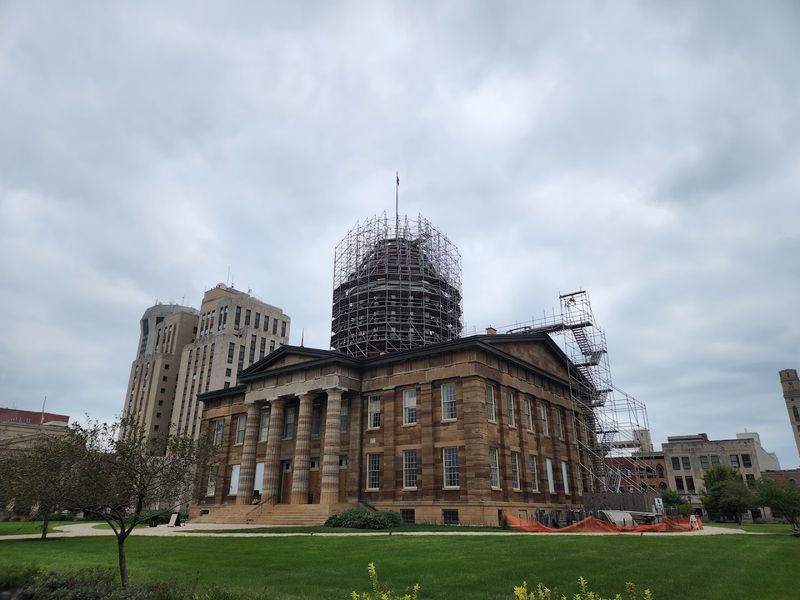
As the state capital and the city most associated with Abraham Lincoln, Springfield carries a historical weight that few Illinois cities can match. But beyond the monuments and museums, the downtown has a surprisingly walkable, human-scaled character that reveals itself best on a quiet March weekday.
The Abraham Lincoln Presidential Library and Museum is one of the finest presidential museums in the country and is absolutely worth a full morning of your time.
The Old State Capitol building, where Lincoln delivered his famous House Divided speech, sits right in the middle of downtown and is open for visitors with guided and self-guided tour options. Walking between these sites on foot gives you a real sense of the city Lincoln knew.
The downtown dining scene has grown considerably in recent years, with a strong lineup of independent restaurants and cafes within easy walking distance of the major historic sites. Springfield in March feels serious and alive at the same time, and that combination is quietly compelling for any curious traveler.
9. Lake Forest, Illinois

Lake Forest has a downtown unlike anything else in Illinois. Market Square, designed in 1916, is widely considered one of the first planned shopping centers in the United States, and its Tudor Revival architecture gives the whole area a storybook quality that feels both elegant and genuinely inviting.
The shops here lean toward independent boutiques and specialty stores rather than chains, which makes browsing feel more like discovery than errand-running. March brings a quieter, more contemplative version of Lake Forest, when the bare trees along the boulevards create clean architectural lines against the pale sky.
The town also sits along Lake Michigan, and the lakefront parks are worth the short walk from downtown.
Lake Forest College adds a youthful, intellectual energy to the town that balances the more refined atmosphere of the shopping district. The whole downtown area is compact and easy to cover on foot in an afternoon.
Lake Forest is polished, yes, but never stuffy.
10. Libertyville, Illinois
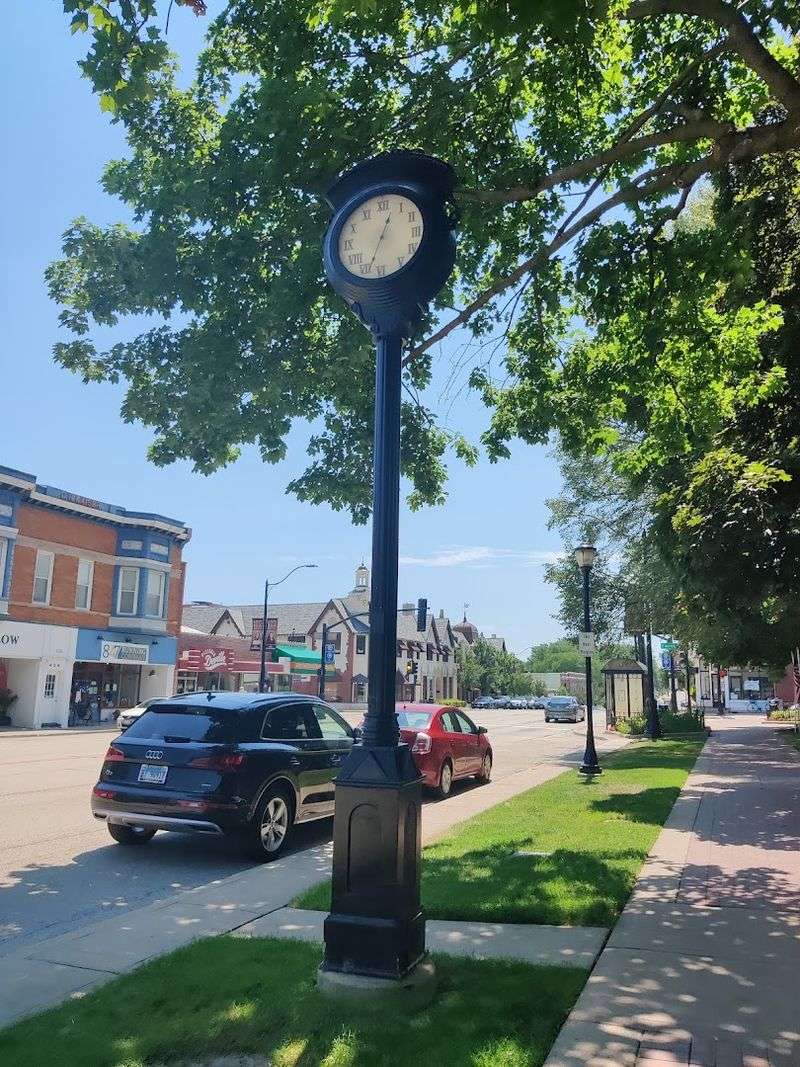
Milwaukee Avenue in Libertyville has the kind of downtown energy that bigger cities spend millions trying to recreate. It is genuinely local, genuinely walkable, and full of the kind of independent businesses that make a town feel alive rather than just occupied.
Coffee shops, bookstores, and family-owned restaurants line the main corridor in a way that makes lingering feel natural.
The Des Plaines River runs near the downtown and connects to a trail system that is excellent for an early spring walk when the water is high and the woods are just beginning to wake up.
Libertyville also has a strong connection to Marlon Brando, who grew up here, and a few local spots still celebrate that unusual piece of pop culture history.
The downtown is compact enough to cover thoroughly in a couple of hours, but interesting enough that most visitors end up staying longer than planned. Libertyville has that rare quality of feeling like a real town rather than a curated version of one, and in March, that authenticity shines clearly.
11. La Grange, Illinois
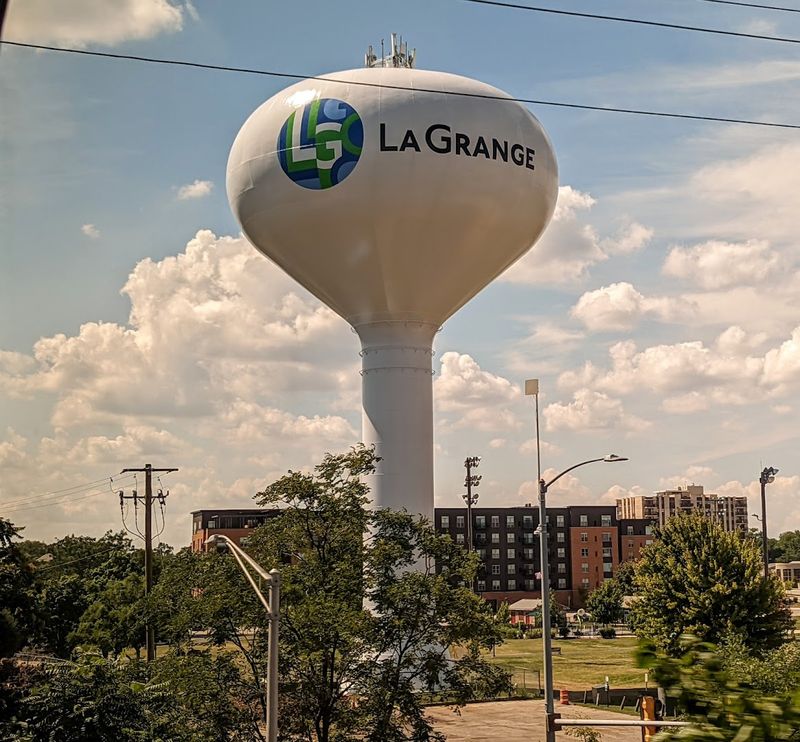
La Grange is one of those classic Chicago-area train suburbs that somehow managed to keep its downtown soul intact through every decade of change.
The main commercial corridor runs right alongside the Metra train station, and that transit energy gives the town a pleasant hum throughout the day, even on a quiet March Tuesday.
The shops and restaurants here are overwhelmingly independent and locally owned, which makes walking the main street feel more like exploring than shopping.
There is a strong community identity in La Grange that shows up in the well-maintained storefronts, the local event calendars posted in windows, and the easy friendliness of the people you pass on the sidewalk.
The residential streets just off the main drag are lined with beautifully preserved homes from the early 20th century, making a short detour into the neighborhoods a worthwhile addition to any downtown stroll.
La Grange is unpretentious and genuinely pleasant, the kind of town that makes you think seriously about moving there by the time you reach your car.
12. Rockford, Illinois
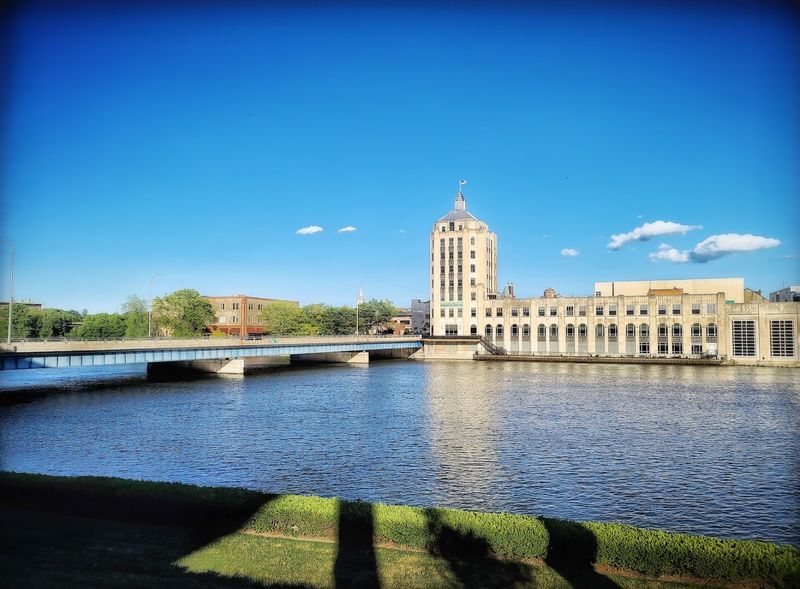
Rockford often gets overlooked in favor of smaller, quainter Illinois towns, but that oversight is a genuine mistake. The downtown has been through a real revitalization in recent years, and what you find now is a creative, energetic district built around the Rock River with a personality that is entirely its own.
The Coronado Performing Arts Center, an ornate 1927 movie palace, sits in the heart of downtown and is one of the most beautiful buildings in all of Illinois.
Even if you do not catch a show, guided tours of the theater are occasionally available and well worth your time. The riverfront path connects several parks and public art installations that make for a genuinely interesting March walk.
Rockford also has a strong food scene centered around independent restaurants and a growing number of creative businesses that have set up shop in repurposed historic buildings.
The Anderson Japanese Gardens, just north of downtown, is considered one of the finest Japanese gardens in North America. Rockford surprises you, and that is the best thing a city can do.