
This Enormous Ohio Classic Car Museum Is A Massive Treasure Most People Miss
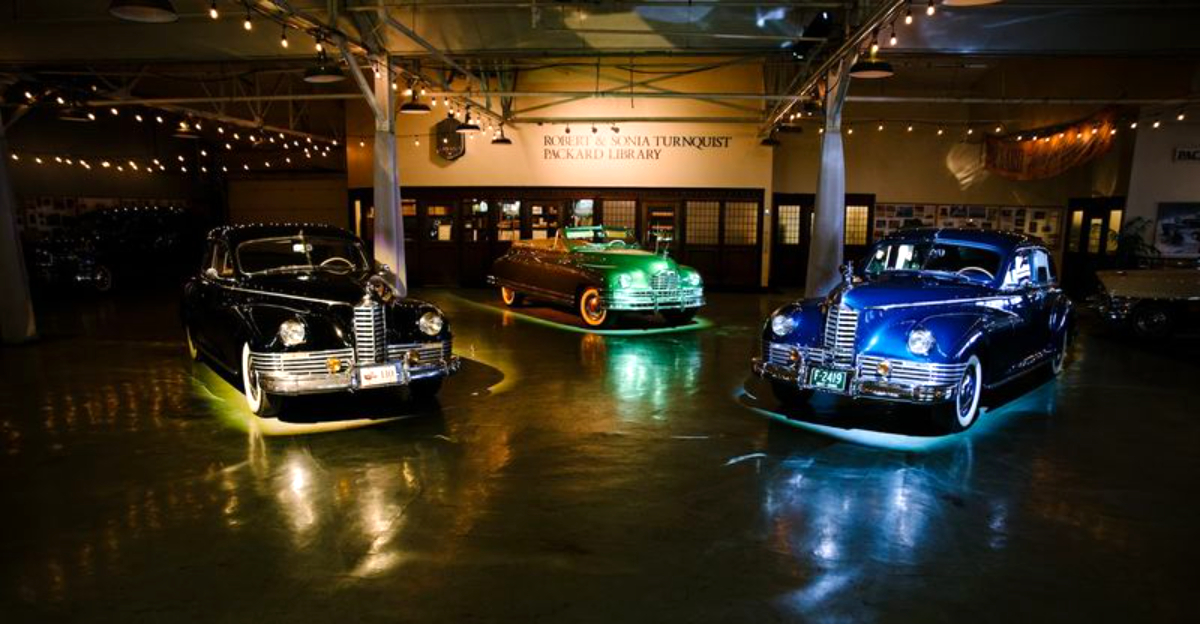
Somewhere in Dayton, Ohio, there is a building most drivers pass without a second glance. Step inside, though, and you are suddenly surrounded by row after row of classic automobiles gleaming under natural light, each one quietly carrying a slice of American history.
Ohio has plenty of surprising attractions, but this one stopped me cold in the best way.
I walked in thinking I would do a quick lap, then looked up and realized nearly two hours had vanished while I wandered the floors, chatted with the friendliest staff I have met at any museum, and rewired my idea of what a car museum can be.
A Historic Building With a Story of Its Own
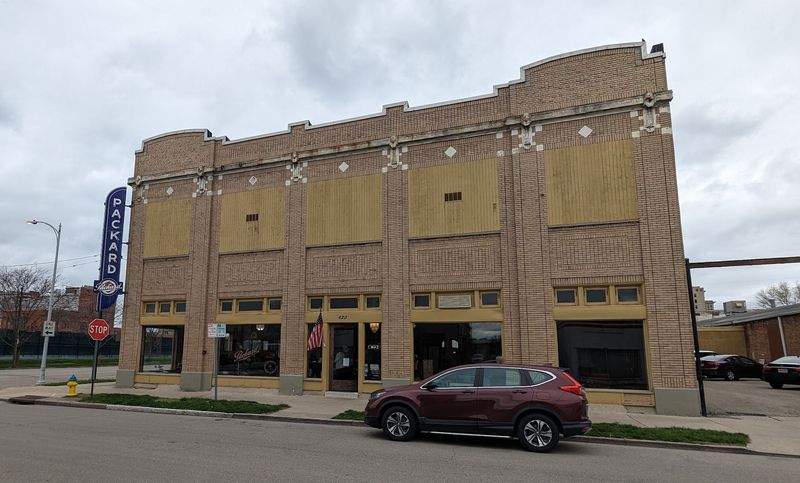
Before you even see a single car, the building itself makes a statement. This car museum is housed in the original 1917 Packard dealership, and that fact alone sets the tone for everything inside.
Most museums move their collections into generic warehouse spaces or modern buildings that feel disconnected from the subject matter. Here, the history of the cars and the history of the space are one and the same.
The showroom floor still feels like it did when customers first walked in to admire these luxury automobiles. The tall windows flood the interior with natural light, making the cars look like they are posing for a magazine shoot rather than sitting in storage.
The architecture has been carefully preserved, and the whole atmosphere feels respectful rather than overdone. You are not just visiting a collection.
You are standing inside the original home of one of America’s most celebrated automotive brands, and that context makes every exhibit feel more meaningful.
America’s Packard Museum is located at 420 S Ludlow St, Dayton, OH 45402.
The Packard Brand and Why It Mattered
Not everyone walks into this museum knowing much about Packard, and that is perfectly fine. By the time you leave, you will understand exactly why enthusiasts treat this brand with such deep respect.
Packard was one of America’s premier luxury automobile manufacturers, producing cars from 1899 until 1958. At its peak, owning a Packard was a genuine status symbol, on par with the most prestigious names in the world.
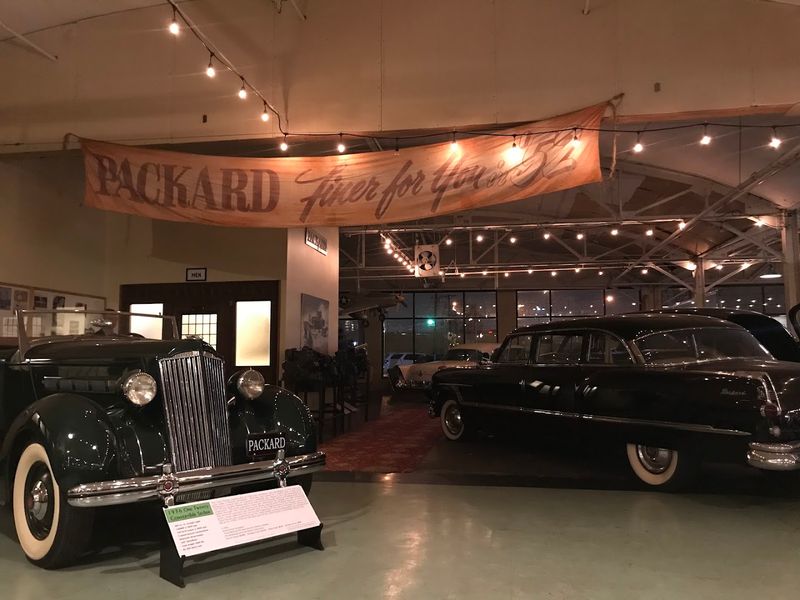
The museum does a brilliant job of explaining this legacy without making it feel like a lecture. Each car comes with detailed placards that put the vehicle in historical context, noting what was happening in the United States and around the world in the year that particular car rolled off the line.
That framing device turns a car collection into a living timeline of American culture. You start to see each vehicle not just as a machine but as a snapshot of a specific moment in history, which makes the whole experience surprisingly emotional and engaging for visitors of all ages.
The Layout That Makes Everything Click
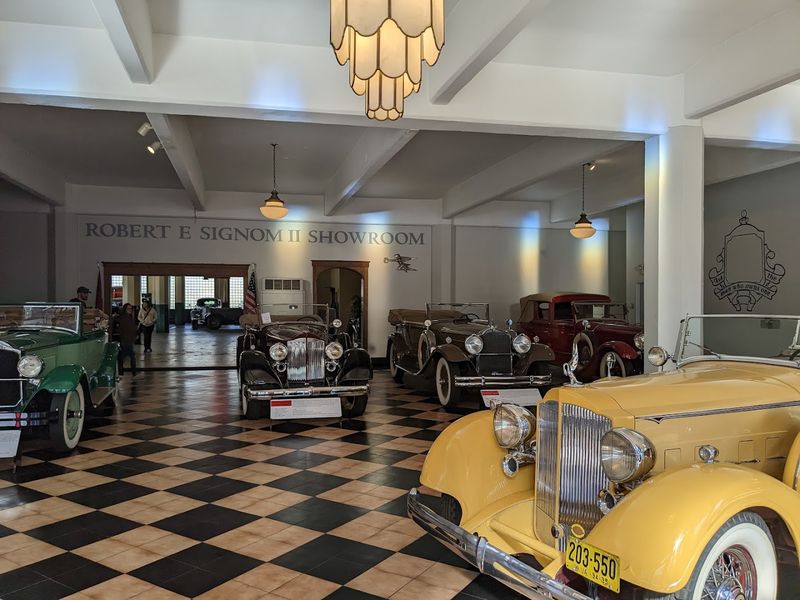
Good museum design is something you only notice when it is done really well, and the layout here is genuinely impressive. The collection is arranged mostly in chronological order, starting with the earliest Packard models near the entrance and moving through the decades toward the most recent cars at the far end.
That structure gives the visit a natural narrative arc. You are not randomly jumping between eras.
You are following a story, and the story keeps getting more interesting as you move through the space.
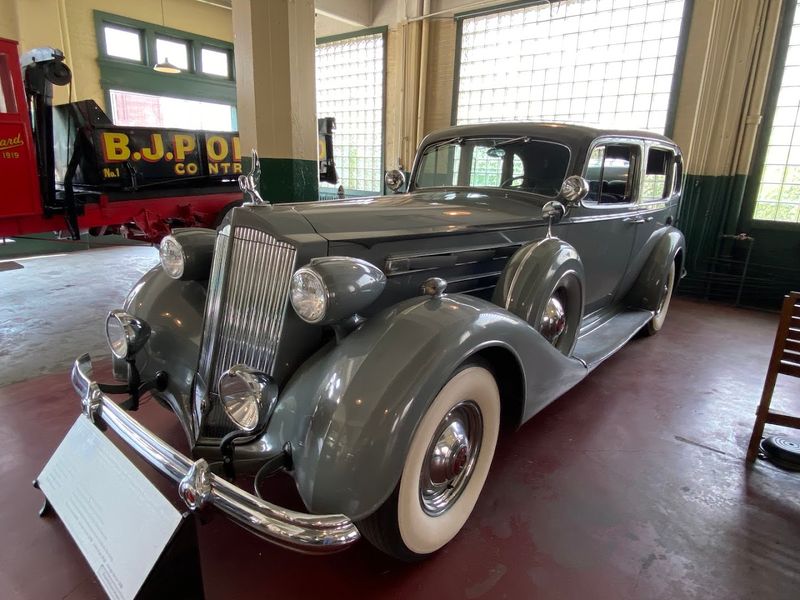
Each car sits with enough room around it that you can walk a full circle, lean in close to study the details, and really appreciate the craftsmanship. The signage in front of each vehicle includes original purchase price comparisons to the average salary of the time, which puts the luxury of these cars into sharp perspective.
I found myself stopping longer at each display than I expected, not because I felt obligated to read everything, but because every piece of information genuinely added something new to what I was seeing.
The Cars Themselves Are Jaw-Dropping
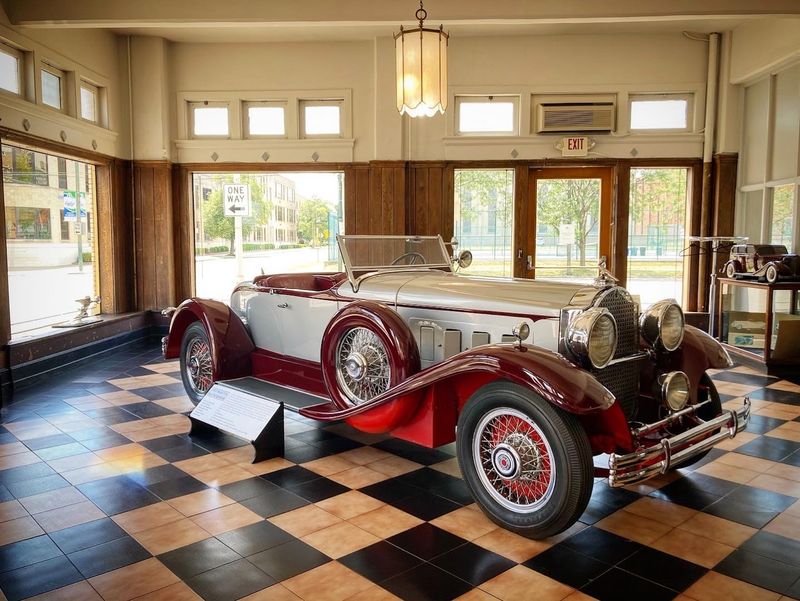
Let me be direct here: these cars are extraordinary. Every single vehicle on display has been maintained in spectacular condition, and the variety across different decades of production keeps the experience from ever feeling repetitive.
The earliest models show the raw ambition of early automotive engineering, all exposed mechanics and bold proportions. The cars from the 1930s hit a sweet spot of elegance that honestly makes modern luxury vehicles look a little uninspired by comparison.
The racing cars near the front of the museum add a completely different energy to the collection. They are lean, purposeful, and carry a sense of speed even when standing completely still.
A few surprise guests also make appearances throughout the museum. A DeLorean and a Pontiac both show up in ways that connect naturally to the broader Packard story, and their presence feels earned rather than random.
Every car here looks like it could be driven off the floor today, which speaks to the extraordinary care the museum puts into preservation and maintenance.
The WWII Aviation Connection You Did Not Expect
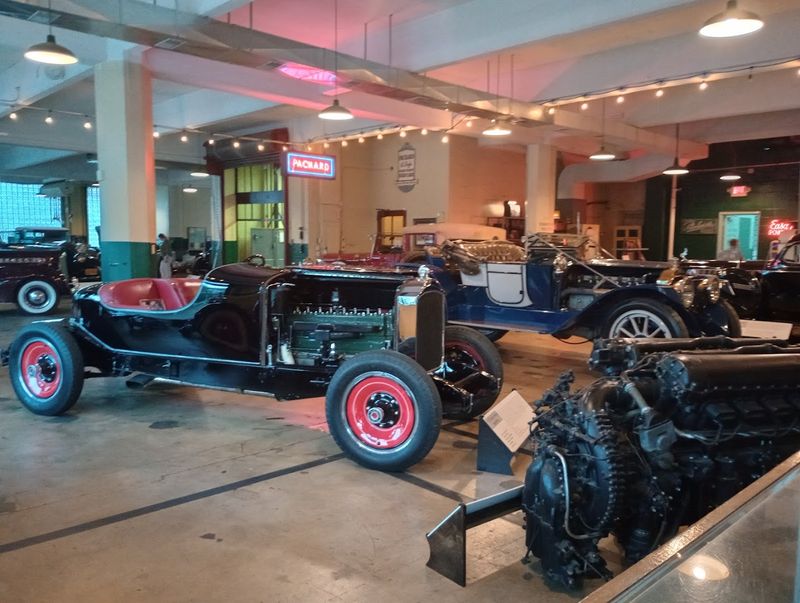
Here is something that genuinely surprised me on my visit. The Packard story does not stay on four wheels.
During World War II, Packard manufactured the Merlin engines that powered the P-51 Mustang fighter aircraft, one of the most important planes used by the Allied forces.
The museum displays these engines alongside information about their role in the war effort, and the connection between automotive engineering and aviation history is explained in a way that even someone with no mechanical background can follow and appreciate.
Dayton, Ohio has deep roots in aviation history, so this exhibit feels especially fitting in this city. The Merlin engine section draws you in with sheer physical presence.
These are enormous, complex machines, and the fact that Packard produced them at scale during wartime says everything about the company’s engineering capabilities.
It also adds a layer of gravity to the museum that you might not expect from a car collection. This is not just about beautiful vehicles.
It is about an American company that helped shape the outcome of a world war.
Practical Tips Before You Visit
A few practical details will help you get the most out of your visit.
The museum is generally open from 12 to 5 PM, with winter hours (October through January and March through April) running Wednesday through Sunday and summer hours (May through September) running Tuesday through Sunday; it is closed on Mondays year-round and on Tuesdays during the winter season.
Admission is $15 per adult, with discounted rates available for seniors, students, and children; check the museum’s website for the most current pricing before you go.
Credit cards are accepted, but if you plan to pay with cash, bring exact change or small bills since the staff may not always have change available. Street parking is free along S Ludlow St, and the location near downtown Dayton makes it easy to combine with other stops in the area.
Plan to spend at least 90 minutes, though serious car enthusiasts and history readers could easily stretch that to a full afternoon. The museum also has a gift shop with some genuinely charming items, and a kids’ area stocked with coloring books, crayons, and car toys that keeps younger visitors happily occupied.
You can reach the museum by phone at 937-226-1710 or visit their website at americaspackardmuseum.org to check for any special events before your trip.
The Library and Research Collection
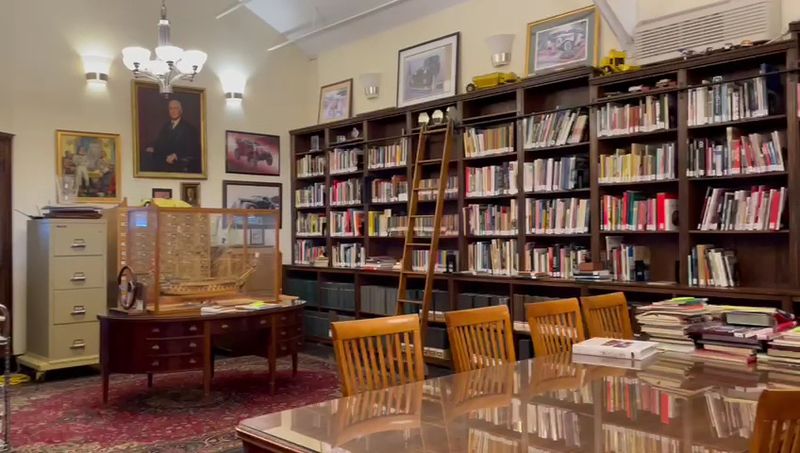
Tucked inside the museum is something that even many regular visitors overlook: a substantial library dedicated to Packard history and automotive literature. For anyone who wants to go deeper than the display placards, this collection is a genuine treasure.
The library holds books, periodicals, catalogs, and archival materials that trace the full arc of the Packard brand from its earliest days through its final production years. Researchers, writers, and curious visitors are all welcome to spend time with the collection.
I spent a good chunk of my visit flipping through materials I never expected to find in a small museum setting. The depth of the archive reflects how seriously the museum takes its role as a historical institution rather than just a showcase for pretty cars.
If you are the kind of person who wants to understand not just what something looks like but why it exists and what it meant to the people who made and bought it, this library will reward your curiosity in ways that the main floor exhibits simply cannot cover on their own.
Events, Weddings, and the Museum Beyond Regular Hours
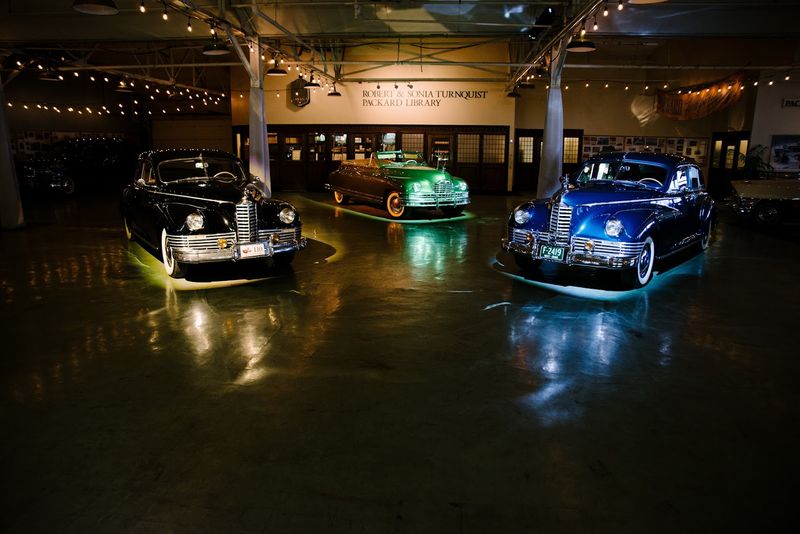
America’s Packard Museum is not just a place to visit on a quiet afternoon. The space doubles as an event venue, and the results are genuinely spectacular.
The combination of a historic building, natural light, and gleaming classic cars creates an atmosphere that is hard to replicate anywhere else.
Weddings held here have included the kind of detail that becomes a story guests retell for years. At one reception, the newlyweds arrived in a 1930s convertible from the museum’s collection, all the cars are still driven, which made for an entrance that no modern venue could match.
The open floor plan and the visual drama of the cars make the space work beautifully for corporate events, private parties, and photography sessions as well. Several photographers have noted that the lighting and layout are close to ideal for capturing both detail shots and wide-angle scenes.
If you are looking for an event space in the Dayton area that offers something genuinely different, this museum deserves a serious look, because the backdrop it provides is unlike anything else in the region.