
This Underwater Florida Art Gallery Is Home To Over 1,000 Mermaids
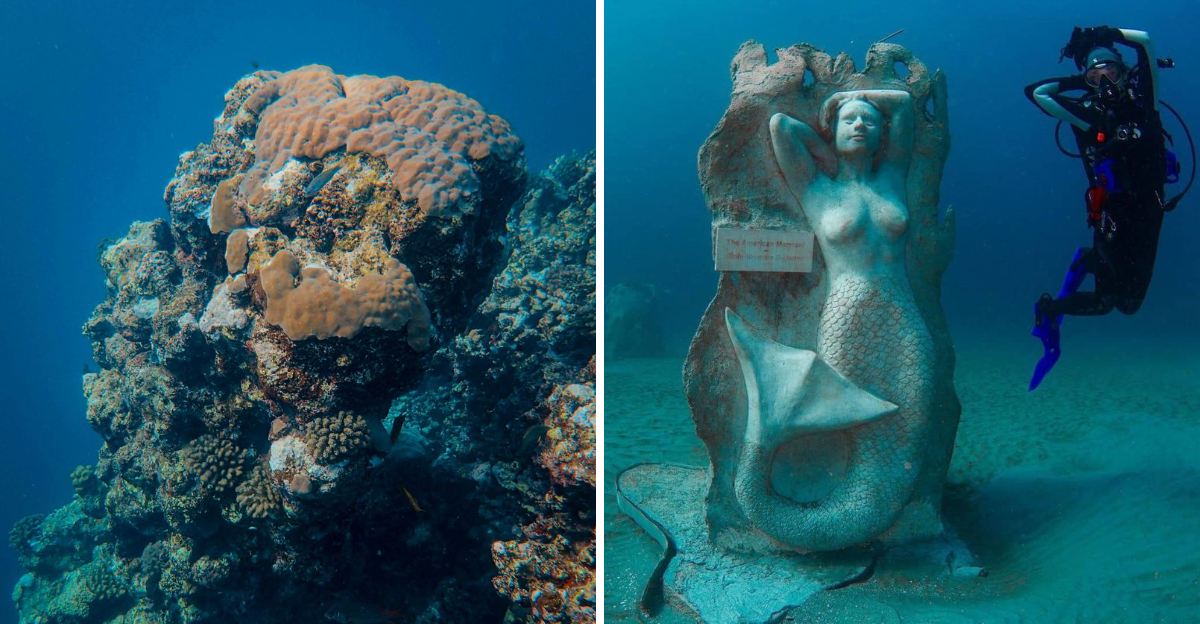
Most people imagine Florida’s ocean as a place for beaches, boats, and bright blue water stretching to the horizon. But what if one of the most fascinating sights along the coast is hidden beneath the surface where few visitors ever look?
Just offshore, divers and snorkelers are discovering an underwater world that feels part art gallery, part living reef. Instead of ordinary rocks or coral heads, the seafloor reveals something far more unexpected.
Dozens of sculpted mermaids appear to drift through the water, frozen mid-swim as fish weave through their flowing hair and coral slowly claims their forms.
What began as an ambitious conservation idea has quietly turned into one of Florida’s most unusual marine experiences. These sculptures are not just decoration.
They are designed to support marine life, giving coral a place to grow and fish a new home in the open ocean.
The result is something rare beneath the waves. A place where art, science, and nature all share the same tide.
Handcrafted Sculptures That Double As Marine Condos
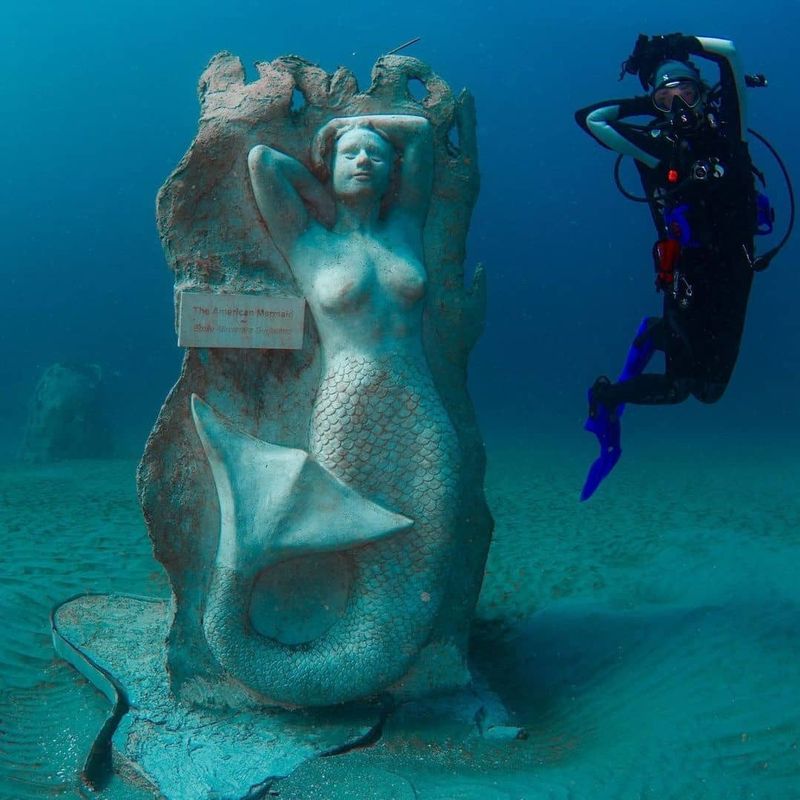
Each mermaid resting on the seafloor near Palm Beach weighs somewhere between 2,200 and 3,300 pounds, which sounds excessive until you realize these hefty ladies need that mass to stay put during storms and strong currents. Artists craft every sculpture by hand, giving each one a distinct pose, facial expression, and flowing tail design that makes the underwater gallery feel less like a factory installation and more like a curated exhibition.
The weight also means these mermaids sink perfectly into their positions without drifting or toppling, creating stable platforms where marine life can settle in for the long haul. I hovered beside one sculpture during my visit and noticed how barnacles, sponges, and tiny coral polyps had already claimed real estate on her outstretched arms and flowing hair.
The concrete mix uses ocean-friendly materials that encourage rather than repel biological growth, turning each figure into a living canvas that changes with every passing season. Within months of deployment, fish treat the sculptures like neighborhood gathering spots, darting in and out of the spaces between tails and torsos.
Watching a mermaid transform from bare gray concrete into a colorful reef structure feels like witnessing a time-lapse of nature reclaiming art, except both art and nature win in this arrangement at the 1000 Mermaids Artificial Reef site off Palm Beach County, Florida, near Singer Island.
Coral Lok System Turns Art Into Living Reef
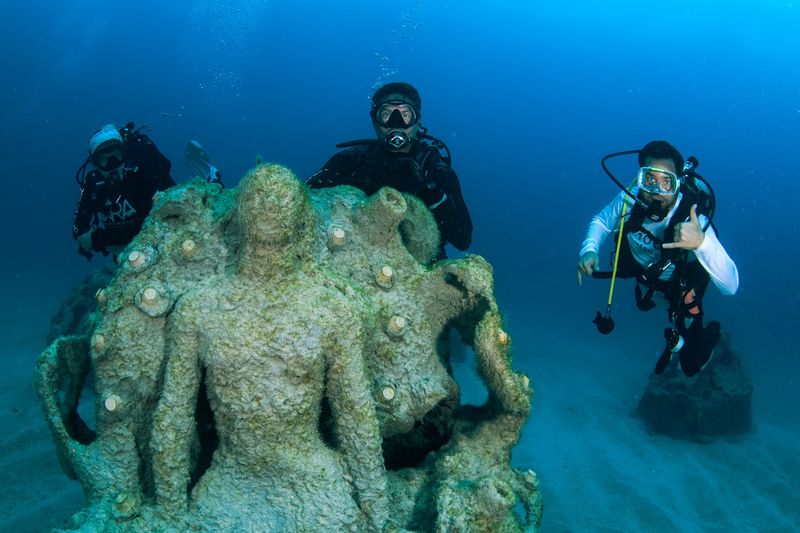
Someone got brilliant and invented the Coral Lok system specifically for this project, a patented attachment method that lets marine biologists plug nursery-grown coral directly onto the mermaid sculptures without damaging either the coral or the artwork. Think of it like LEGO blocks for reef restoration, except the stakes involve actual ecosystem recovery rather than just playtime.
Traditional coral out-planting requires divers to carefully cement or zip-tie coral fragments onto hard surfaces, a tedious process that takes forever and sometimes fails when the attachment loosens. The Coral Lok system simplifies everything by creating pre-designed sockets built right into the sculpture molds, giving coral fragments a secure home the moment they arrive from the nursery.
I watched researchers demonstrate the process during a conservation presentation, showing how a coral plug snaps into place in seconds, held firmly while still allowing the coral room to grow outward in all directions. The system also makes monitoring easier since scientists can return to the same attachment points and track individual coral colonies over months and years.
Palm Beach County’s mermaid site has become a living laboratory where art provides the infrastructure and science provides the inhabitants, creating a partnership that benefits both human visitors and the creatures who actually live there full-time.
Strategic Placement Creates Underwater Neighborhoods
Dropping mermaids randomly across the ocean floor would create chaos, so marine planners carefully selected sites based on depth, current patterns, sand composition, and proximity to existing reef structures. The Palm Beach County installation sits in water shallow enough for recreational divers yet deep enough to avoid boat traffic and storm surge damage, hitting that perfect sweet spot where accessibility meets safety.
Spacing between sculptures matters too, since clustering them too tightly would create competition for resources while spreading them too far apart would reduce their collective impact on marine habitat development. Engineers positioned each mermaid to maximize water flow around the structures, ensuring that nutrients, plankton, and fish larvae circulate freely through the entire site.
The layout also considers the diver experience, creating natural swim paths that guide visitors from one sculpture to the next without disturbing sensitive areas or stirring up excessive sediment. I followed one of these paths during my visit and appreciated how the journey felt intentional rather than haphazard, like walking through a thoughtfully designed museum exhibit.
Future deployments will connect the Palm Beach site to other mermaid reefs along Florida’s east coast, eventually forming a network of underwater galleries that migrating fish and sea turtles can use as rest stops during their seasonal journeys up and down the Atlantic.
Marine Species Claim Mermaid Sculptures As Home
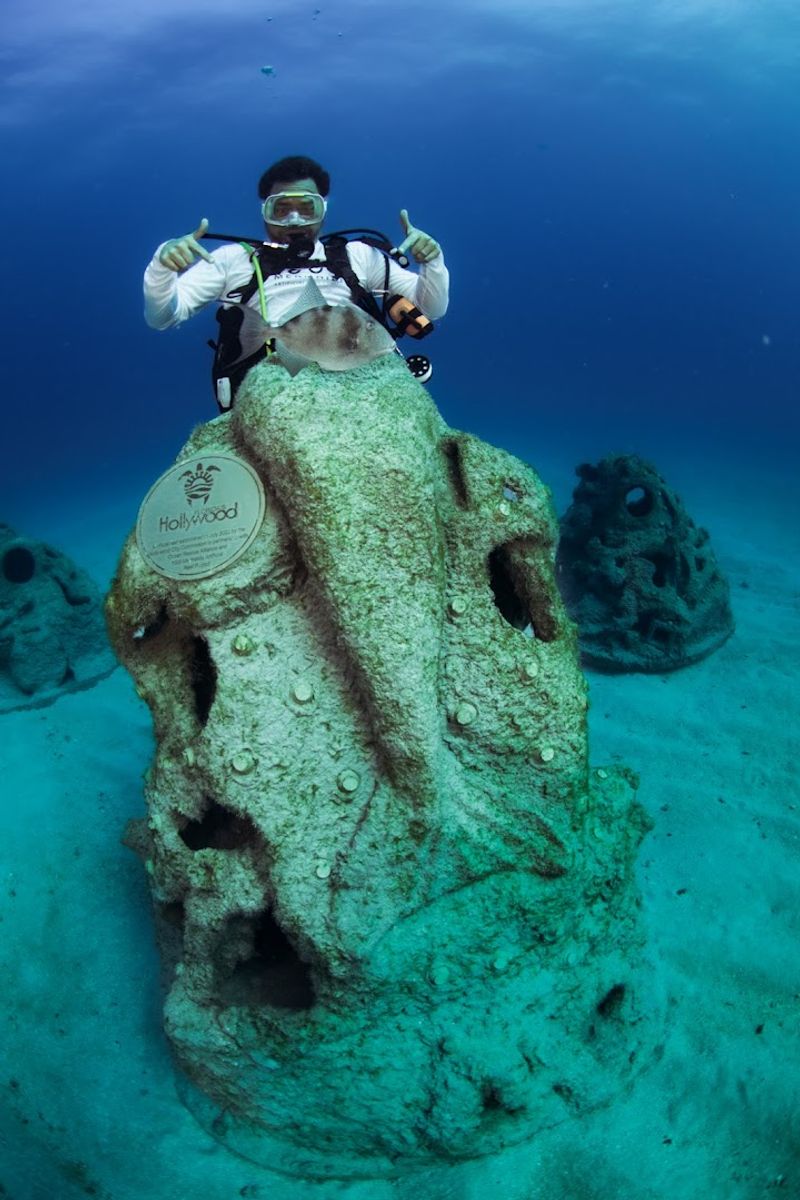
Within weeks of a mermaid hitting the seafloor, pioneering species start showing up like eager tenants rushing to claim apartments in a brand-new building. Algae arrives first, coating the concrete in a thin green film that provides food for herbivorous fish and creates the foundation for more complex communities to follow.
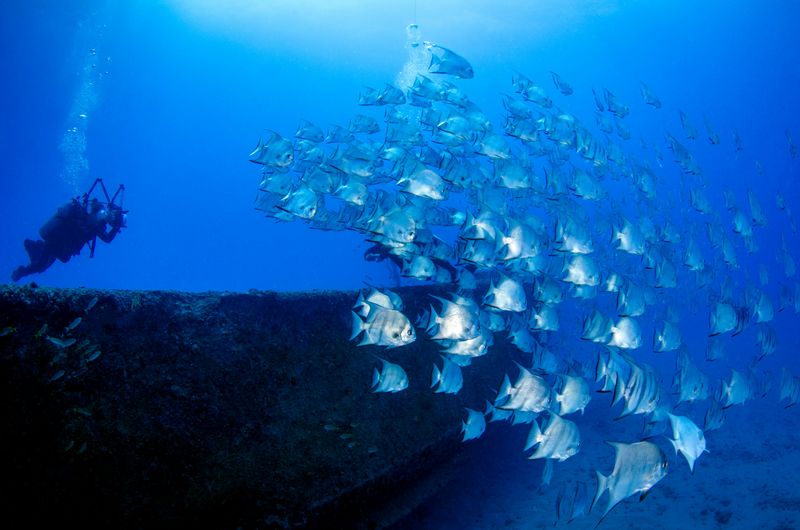
Barnacles and oysters settle in next, cementing themselves to any available surface and adding texture that smaller creatures can hide within and around. I spotted at least six different fish species during a single dive, including sergeant majors, parrotfish, and a shy grouper who had claimed the space beneath one mermaid’s tail as his personal cave.
Sponges add splashes of yellow, orange, and purple to the sculptures, growing so thick in some spots that they nearly obscure the original artwork underneath. Octopuses occasionally take up temporary residence in the nooks and crannies, using the sculptures as hunting bases from which they ambush passing crabs and shrimp.
The biodiversity keeps building year after year as the artificial reef matures, with each new arrival creating opportunities for additional species that depend on complex habitat structures. Watching this ecological succession happen in real-time gives you a front-row seat to nature’s ability to transform human-made objects into thriving biological communities that rival natural reefs in both diversity and productivity.
Dive Sites That Attract Global Eco-Tourism
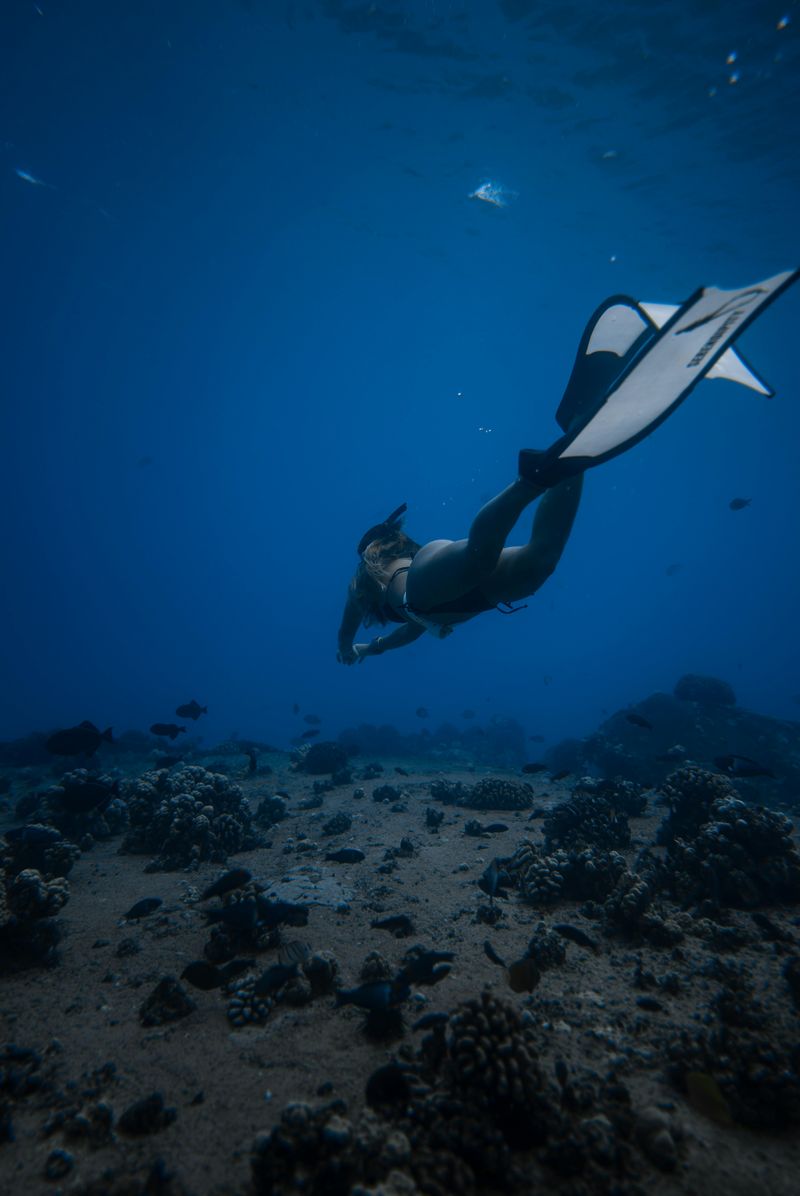
Recreational divers travel from across the country and around the world specifically to visit the mermaid reefs, bringing tourism dollars to Palm Beach County while simultaneously raising awareness about coral conservation and ocean health. Local dive shops now offer dedicated mermaid reef excursions, complete with underwater maps and species identification guides that help visitors appreciate both the artistic and ecological aspects of the site.
The sculptures photograph beautifully, which has turned the reef into an Instagram sensation that generates organic marketing for both the conservation project and the broader Palm Beach diving community. I met divers from Canada, Germany, and California during my visit, all of whom had added the mermaid reef to their bucket lists after seeing images posted online.
Snorkelers can access some of the shallower sculptures without scuba certification, making the experience available to families and casual ocean enthusiasts who might never visit a traditional dive site. This accessibility spreads the conservation message to a much wider audience than typical reef projects reach, turning tourists into advocates who return home with stories about the amazing underwater art gallery they explored.
The economic impact extends beyond dive operators to hotels, restaurants, and other local businesses that benefit when visitors spend multiple days in the area, proving that environmental projects can generate sustainable revenue streams that support rather than compete with community prosperity.
Educational Programs Engage Future Ocean Stewards
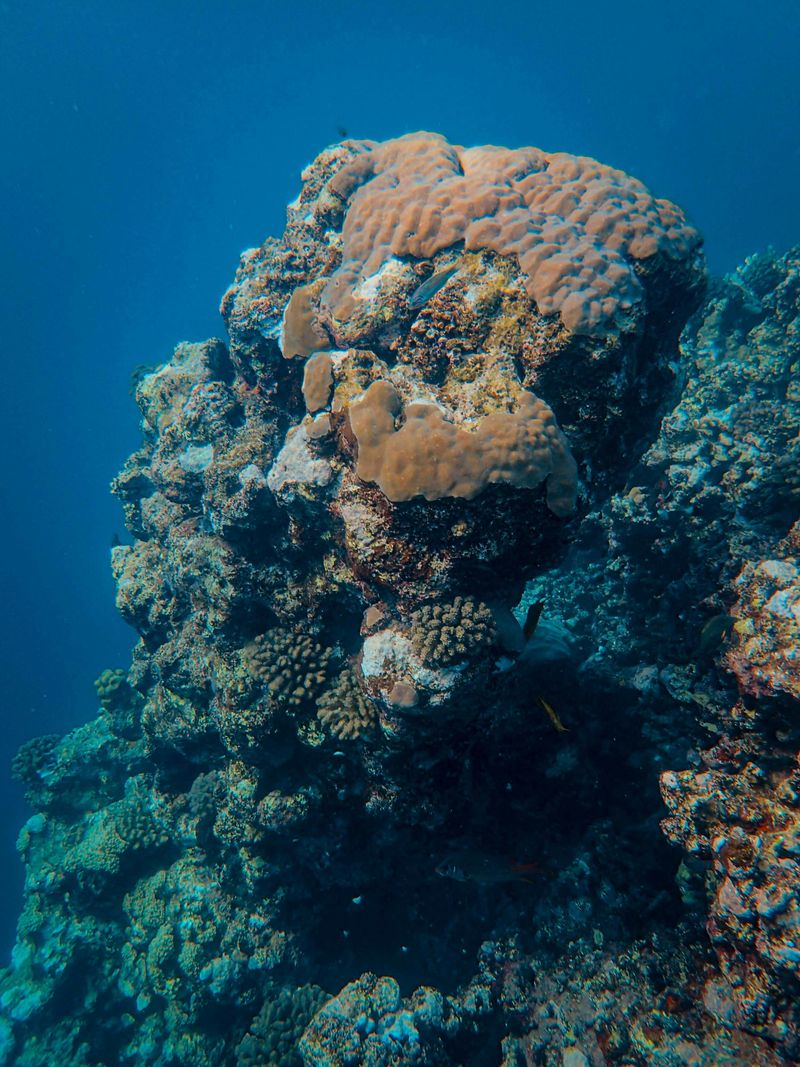
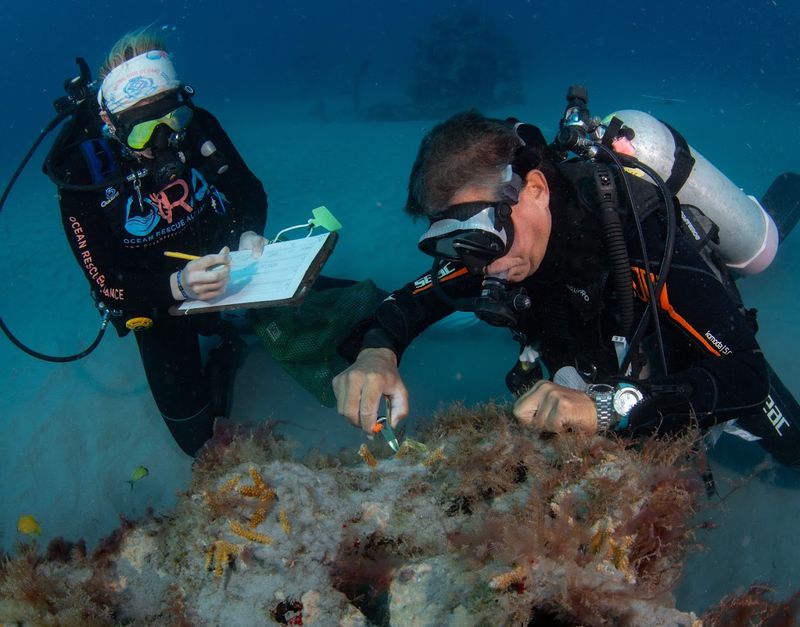
Schools, universities, and marine science programs use the mermaid reef as an outdoor classroom where students can observe ecological processes, practice research techniques, and participate in actual conservation work rather than just reading about these concepts in textbooks. The project offers citizen science opportunities that let regular people contribute data about fish populations, coral growth rates, and water quality, transforming casual divers into active participants in ongoing research.
I joined one educational dive where a marine biologist explained how to identify different coral species and recognize signs of healthy versus stressed reef systems, knowledge I can now apply anywhere I dive in tropical waters. Kids especially respond to the mermaid theme, which makes ocean conservation feel magical and accessible rather than abstract and overwhelming.
The 1000 Mermaids organization provides free educational materials to teachers, including lesson plans, videos, and activity guides that bring the reef into classrooms far from the Florida coast. Virtual reality experiences now let students who may never visit Palm Beach in person explore the sculptures through 360-degree video footage, democratizing access to this unique learning environment.
By connecting art, science, and hands-on experience, the educational programs create emotional connections to ocean health that statistics and lectures alone rarely achieve, raising a generation that understands why coral reefs matter and feels personally invested in protecting them for the future.
Sustainable Materials Ensure Long-Term Ocean Safety
Standard concrete can alter water chemistry and leach chemicals that harm rather than help marine life, so the mermaid sculptures use a specially formulated mix designed to match the pH and mineral composition of natural limestone reef structures. The recipe includes materials that actively encourage biological colonization, with a slightly rough texture that gives larvae and spores something to grip onto during their vulnerable settlement phase.
Nobody wants to create an environmental disaster while trying to solve an environmental problem, which is why the project team tested their concrete formula extensively before deploying a single sculpture. The material contains no toxic additives, heavy metals, or compounds that would leach into the surrounding water over time, making it genuinely safe for long-term ocean placement.
Durability matters too, since sculptures need to withstand decades of wave action, storm surge, and the constant work of boring organisms that naturally break down any hard surface in the ocean. Engineers designed the concrete to last at least 500 years, creating artificial reef structures that will benefit multiple human generations and countless marine life cycles.
I found it reassuring to know that the mermaids beneath me were built to become permanent fixtures rather than temporary installations, ensuring that the coral colonies and fish communities investing in these structures have a stable foundation that will support them for centuries to come.
Community Collaboration Powers The Project Forward
Artists, marine biologists, local government officials, environmental nonprofits, dive operators, and ordinary citizens all contribute to making the mermaid reef project successful, creating a coalition that brings together skills, funding, and enthusiasm from across the community. Local artists design and build the sculptures, often incorporating ideas and themes suggested by residents who feel ownership over the project because they helped shape it from the beginning.
Fundraising happens through a mix of grants, private donations, corporate sponsorships, and even crowdfunding campaigns that let individuals adopt specific mermaids or coral colonies. I learned that some sculptures honor specific people or organizations, creating personal connections between the underwater gallery and the community that supports it.
Volunteer divers assist with deployment, monitoring, coral planting, and maintenance, donating their time and skills to keep the project running without requiring massive paid staff. The collaborative model also builds political support, since elected officials see broad public backing for an initiative that delivers environmental, educational, and economic benefits simultaneously.
Beach cleanups, awareness events, and public presentations keep the community engaged between major deployment milestones, maintaining momentum and excitement even during the slower phases of planning and permitting. This grassroots involvement ensures the project remains responsive to local needs and values rather than becoming a top-down initiative that ignores community input and priorities.
Climate Change Awareness Through Underwater Art
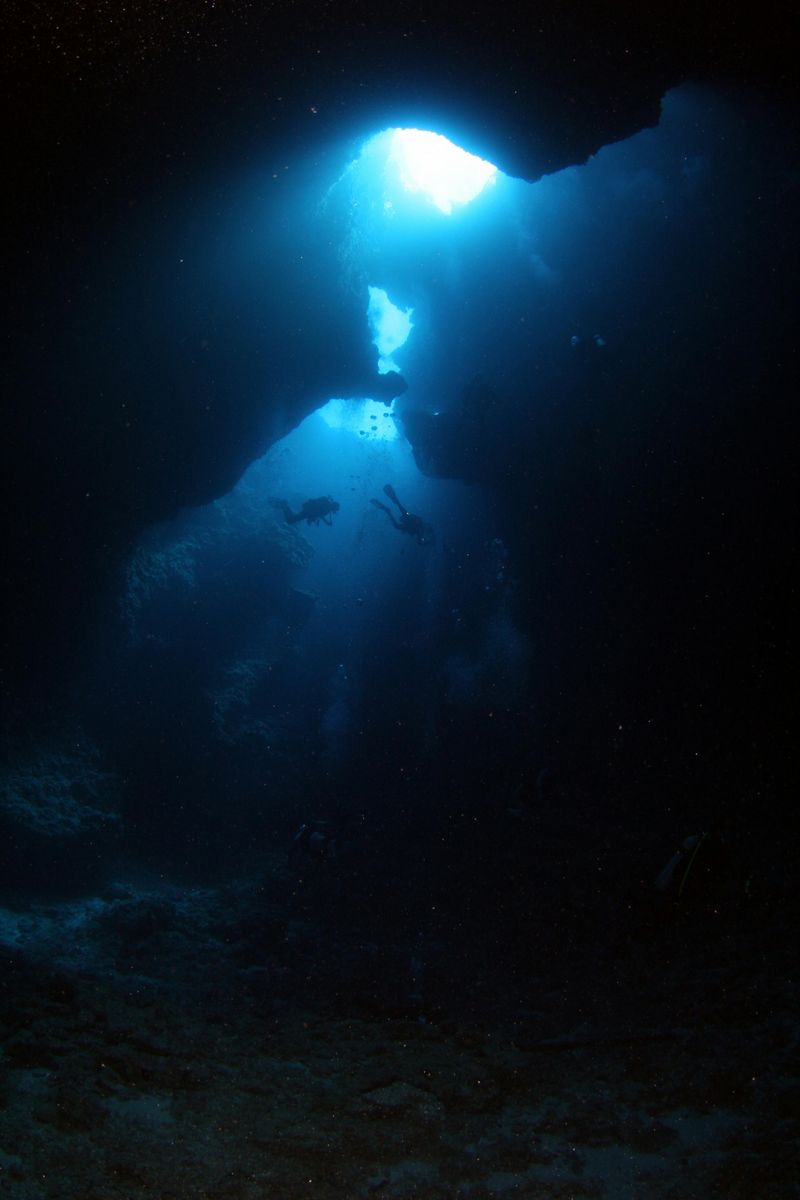
Coral reefs worldwide face existential threats from rising ocean temperatures, acidification, pollution, and overfishing, challenges so massive and complex that many people feel helpless and tune out the bad news entirely. The mermaid project reframes the conversation by offering a tangible solution that visitors can see, touch, and experience firsthand, transforming abstract environmental problems into concrete actions with visible results.
Every sculpture represents a small victory in the larger battle to preserve coral ecosystems, giving people hope and demonstrating that human creativity and determination can partially offset the damage we have caused. I left my dive feeling energized rather than depressed about ocean health, a rare outcome when confronting climate-related issues.
The project also serves as a living monument to what we stand to lose if we fail to address climate change, since the contrast between thriving artificial reefs and dying natural reefs nearby makes the urgency impossible to ignore. Educational materials explicitly connect the dots between carbon emissions, ocean warming, coral bleaching, and the need for restoration projects like the mermaid reef.
By making climate science accessible and emotionally engaging rather than dry and academic, the underwater gallery reaches audiences who might never read a scientific paper or attend an environmental lecture, spreading awareness through beauty and wonder instead of guilt and fear.
Expanding Vision Connects Coastal Communities
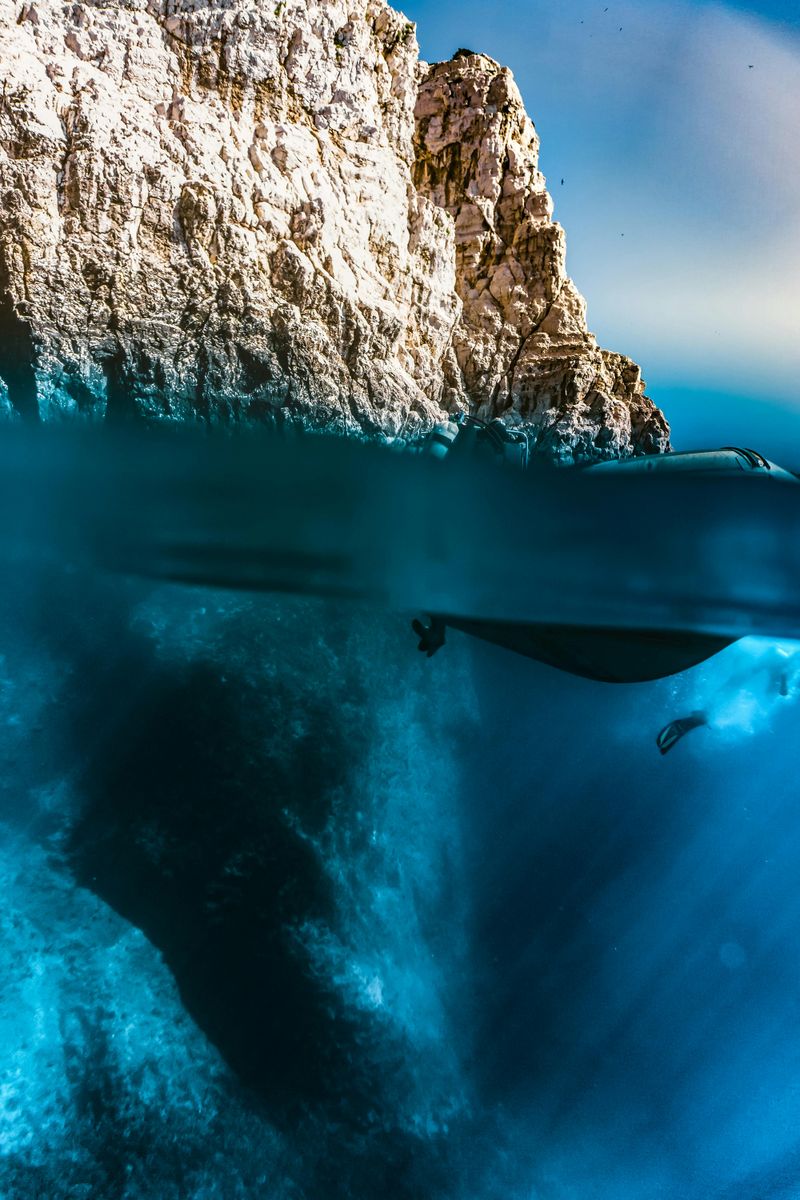
The goal of deploying 1,000 mermaid sculptures across Florida’s east coast would create an interconnected network of artificial reefs stretching from the Keys to the Panhandle, linking coastal communities through shared environmental stewardship and underwater art. Palm Beach County serves as one anchor point in this growing network, with additional sites already established in Hollywood Beach and more locations planned for future phases.
Fish, sea turtles, and other mobile species can use the connected reefs as stepping stones during migrations, finding food and shelter at regular intervals rather than crossing vast stretches of barren sand. The network also distributes the ecological and economic benefits more evenly along the coast, ensuring that multiple communities gain from the project rather than concentrating all advantages in one location.
I imagine someday completing a multi-day dive expedition that visits mermaid reefs up and down the entire Florida coastline, each site offering unique sculptures and marine communities while contributing to the same conservation mission. The ambitious scope keeps the project in the public eye and maintains excitement over many years, as each new deployment generates fresh media coverage and renewed interest.
Reaching the 1,000-mermaid milestone will take time, funding, and persistence, but the progress so far proves the concept works both ecologically and culturally, creating momentum that should carry the vision forward until the entire underwater gallery finally comes together as originally imagined.