
12 Ohio Historic Towns That Still Feel Timeless In 2026 (Totally Worth The Visit)
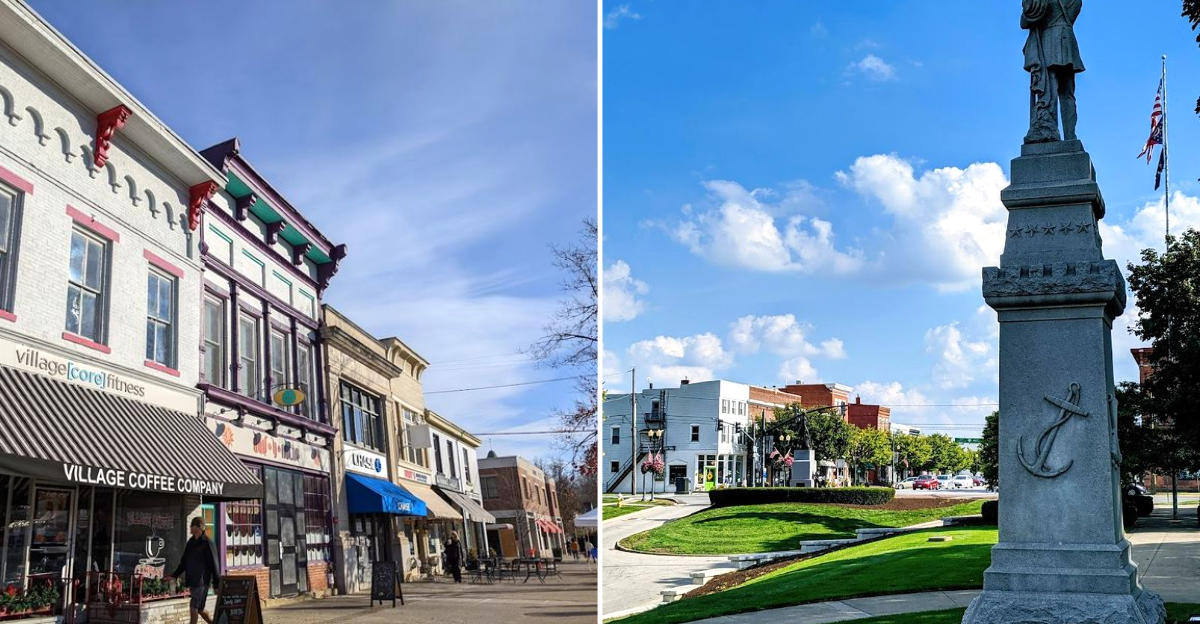
Ohio has a knack for holding onto its history without letting it turn stale or museum-quiet. All across the state, small towns keep the charm dialed all the way up, with brick-paved streets, century-old storefronts, and local festivals that make a simple weekend feel like you just stepped into a well-loved story.
Nothing on this list is stuck in the past, and that is the best part. These towns keep the good stuff alive while still making room for modern visitors.
Every stop I made came with a surprise I did not see coming, like a hidden riverside park, a genuinely impressive museum, or a main street so charming it felt almost suspicious.
1. Marietta, Ohio
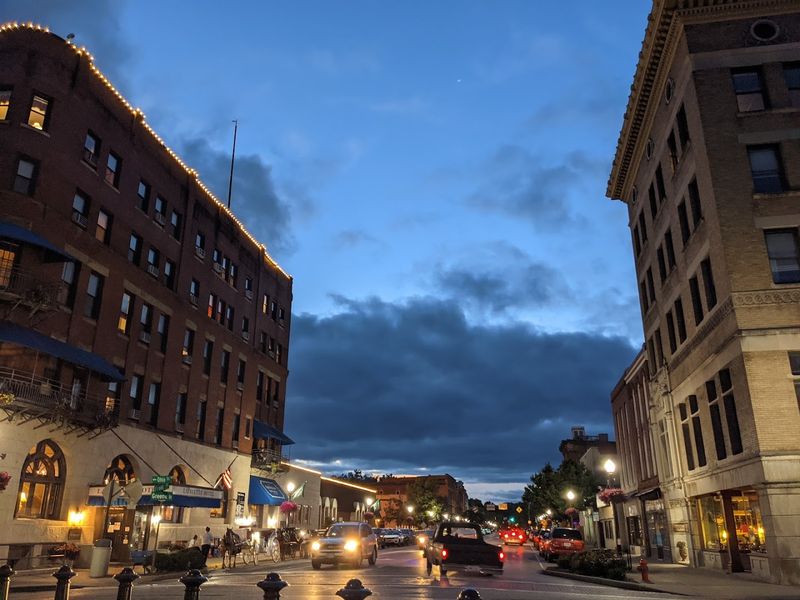
Founded in 1788, Marietta holds the proud title of Ohio’s oldest city, and walking its streets feels like flipping through the earliest pages of American history.
The Campus Martius Museum sits at the heart of the town’s story, packed with artifacts that bring the Northwest Territory era to life in a way textbooks simply cannot match.
Right next door, the Ohio River Museum, currently closed while a new facility is being built on the same site, preserves and interprets the state’s deep connection to riverboat culture, with full-size vessels and hands-on exhibits that kids and adults enjoy equally when it is open.
Brick streets wind through neighborhoods lined with Victorian homes, and the riverfront parks invite you to sit and watch the Ohio River roll by at its own unhurried pace.
Local restaurants serve up hearty meals with a regional flair, and the downtown area hosts seasonal festivals that draw visitors from across the Midwest.
Marietta is the kind of place that rewards slow exploration, where every corner holds a plaque, a story, or a beautifully preserved building waiting to catch your eye.
2. Granville, Ohio
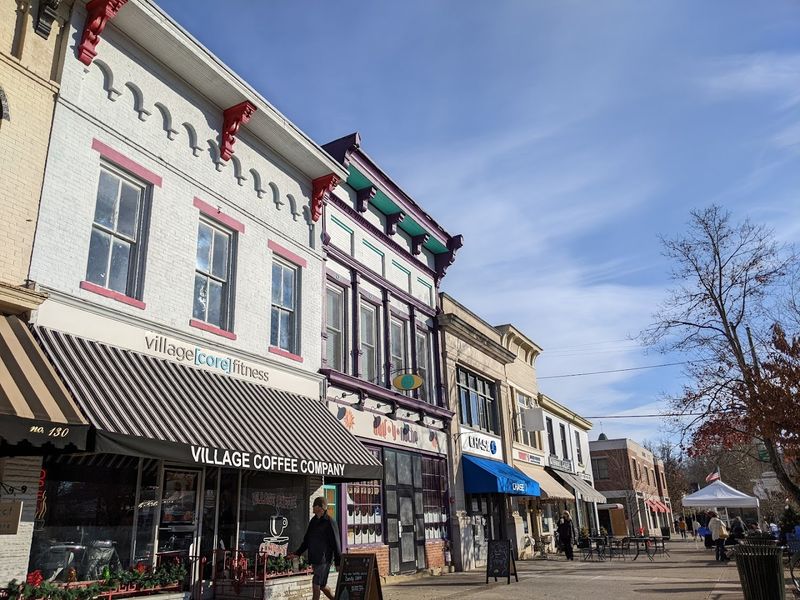
Tucked into the rolling hills of Licking County, Granville looks like it was airlifted straight from a New England postcard and gently set down in the heart of Ohio.
The town was settled in 1805 by colonists from Granville, Massachusetts, and they clearly brought their architectural taste with them, because the white-steepled churches and Federal-style buildings are absolutely picture-perfect.
Denison University anchors the community with a vibrant academic energy, and its beautiful campus blends seamlessly with the historic downtown streetscape.
Broadway, the town’s main street, is lined with locally owned boutiques, cozy coffee shops, and galleries that make an afternoon stroll genuinely enjoyable rather than just a quick errand run.
The Granville Inn, a historic hotel that has welcomed guests since 1924, is worth a visit even if you are not staying overnight, just to admire the Tudor-style architecture and lush grounds.
Spring and fall are especially stunning here, when flowering trees or golden leaves frame every block in colors that feel almost too vivid to be real.
3. Yellow Springs, Ohio
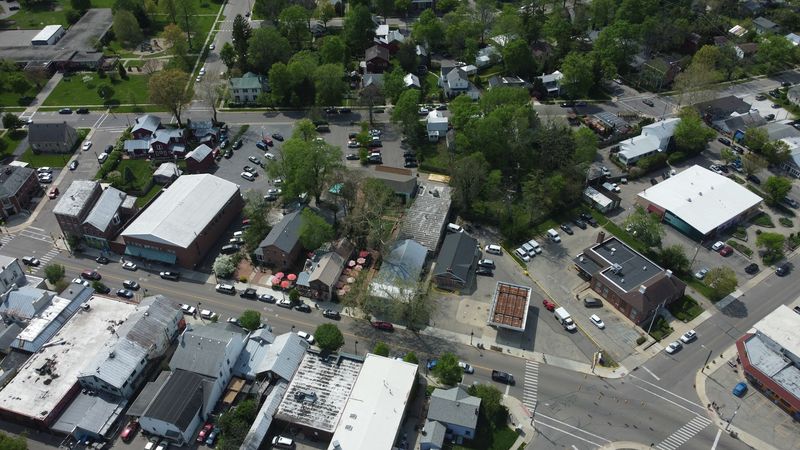
Yellow Springs marches to the beat of its own drum, and that is exactly why people keep coming back to this spirited little village in Greene County.
Known for its thriving arts community, the town’s main drag, Xenia Avenue, is packed with independent galleries, handmade craft shops, and cafes serving locally sourced food that actually tastes as good as it sounds.
Glen Helen Nature Preserve sits just steps from downtown, offering forested trails, limestone cliffs, and cascading waterfalls that make it one of the most rewarding short hikes in the entire state of Ohio.
The town has long been a haven for artists, activists, and free thinkers, giving it a cultural personality that feels refreshingly genuine rather than manufactured for tourists.
Antioch College, recently revived after years of closure, adds an intellectual buzz to the community and hosts events that are open and welcoming to curious visitors.
Even on a quiet Tuesday afternoon, Yellow Springs feels alive, curious, and warmly inviting, like a place that genuinely wants to share its story with you.
4. Chagrin Falls, Ohio
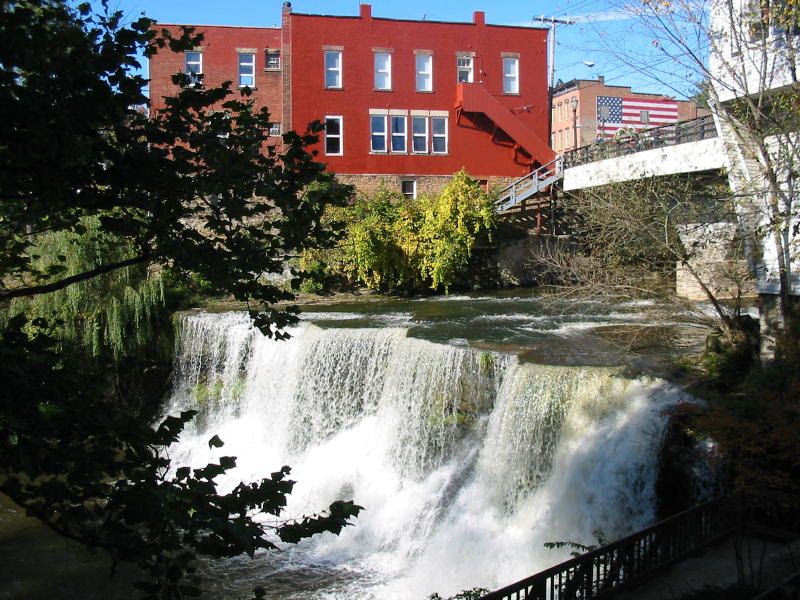
Not every town can claim a waterfall as its downtown centerpiece, but Chagrin Falls pulls it off with effortless, postcard-worthy grace.
The Chagrin River tumbles dramatically right through the heart of the village, and the viewing platforms along the falls are always busy with visitors who cannot quite believe something this beautiful exists in a small Ohio suburb northeast of Cleveland.
Victorian-era buildings line the brick sidewalks surrounding the falls, housing an appealing mix of boutique clothing stores, bookshops, and cozy restaurants that draw weekend visitors from across the region.
The Chagrin Falls Historical Society Museum offers a deeper look at the village’s early industrial roots, including its days as a mill town powered by that very same river.
A beloved local tradition involves gathering at the falls during the winter months, when the frozen mist creates an icy, magical display that photographers absolutely love to capture.
Chagrin Falls strikes a rare balance between polished charm and genuine small-town warmth, making it one of those places where you always leave planning your next visit before you have even reached the highway.
5. Lebanon, Ohio
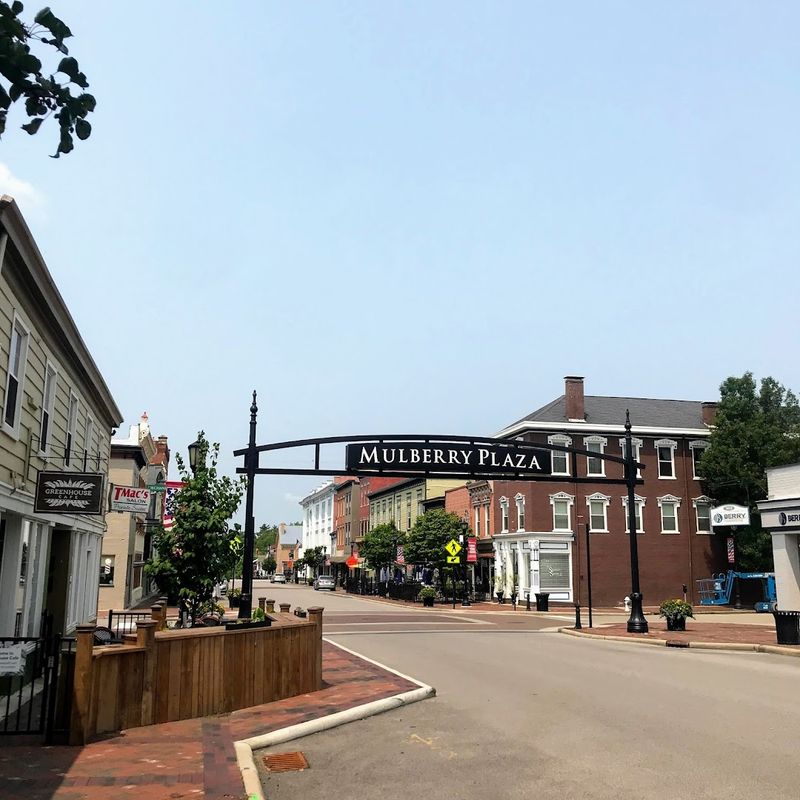
Home to the oldest continuously operating hotel in Ohio, Lebanon carries its history with quiet confidence and a genuinely warm welcome for every visitor who passes through.
The Golden Lamb, a Federal-style inn on Broadway that has been hosting guests since 1803, is the crown jewel of this Warren County town and has welcomed twelve U.S. presidents through its doors over the centuries.
Beyond the famous inn, Lebanon’s downtown is filled with antique shops that are legitimately excellent, the kind where you can spend two hours browsing and walk out with something truly surprising.
The streets are lined with 19th-century commercial buildings that have been thoughtfully preserved, giving the whole area a cohesive historic character that feels organic rather than staged.
Lebanon is also home to the Lebanon Mason Monroe Railroad, a scenic excursion train running along the historic Turtle Creek Valley that winds through the Ohio countryside and offers seasonal themed rides that families absolutely love.
There is a steady, unhurried rhythm to life here that makes Lebanon feel like a retreat from the noise of modern life, even though it sits comfortably close to Cincinnati.
6. Tipp City, Ohio
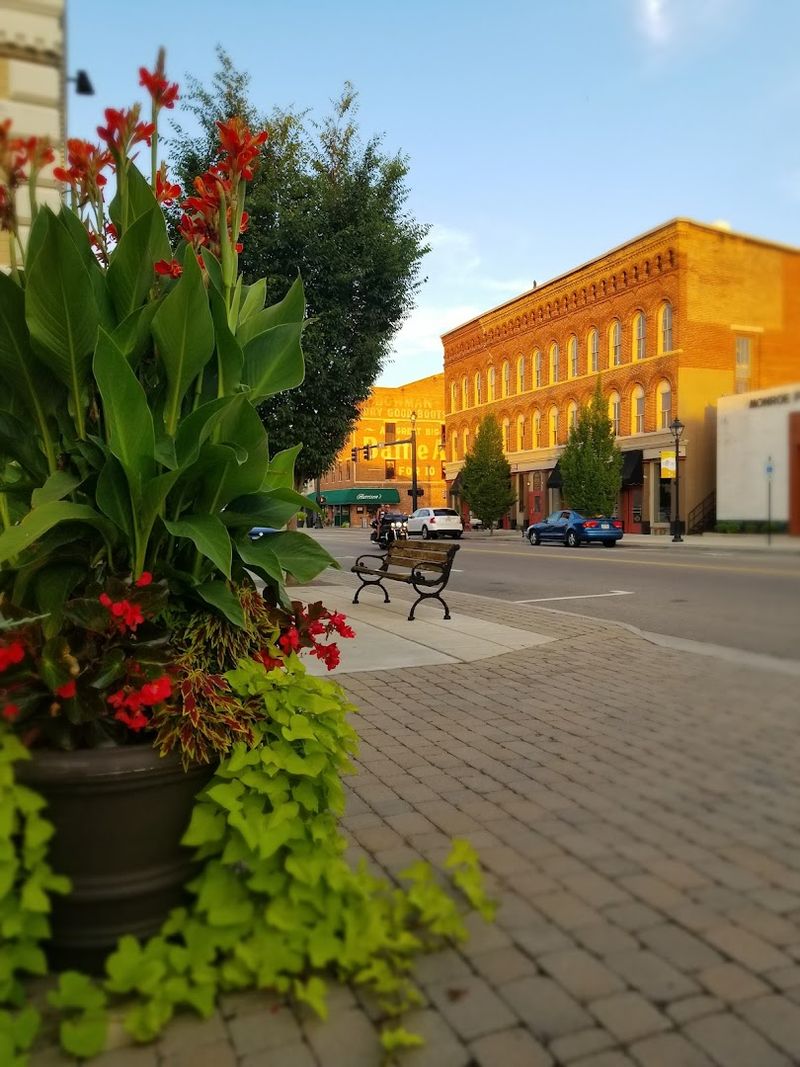
Tipp City might be small, but it punches well above its weight when it comes to charm, history, and the kind of downtown that makes you want to park the car and wander for hours.
Located along the Great Miami River in Miami County, this town was originally called Tippecanoe City and was a thriving commercial hub during the canal era of the early 1800s.
The historic downtown stretches along Main Street, where beautifully restored brick buildings house a delightful collection of antique stores, specialty boutiques, and bakeries that smell absolutely incredible from the sidewalk.
Tipp City has earned a well-deserved reputation as one of Ohio’s top antique shopping destinations, drawing collectors and casual browsers alike from across the region every weekend.
The annual Tipp City Mum Festival, held each October, transforms the town into a floral wonderland and ranks among the most beloved community events in the Miami Valley.
What makes Tipp City especially memorable is how genuinely welcoming it feels, a place where shop owners know their regulars by name and first-time visitors are greeted with the same easy friendliness.
7. Oberlin, Ohio
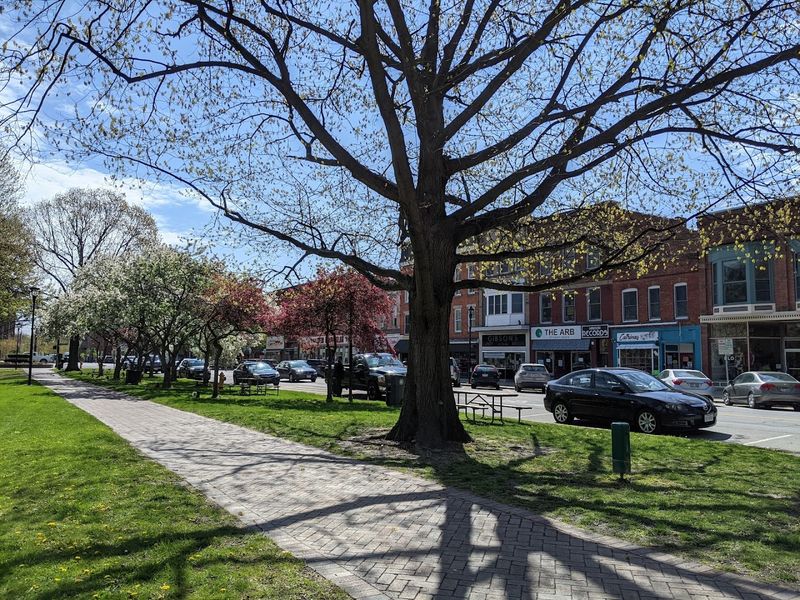
Few small towns in America carry the weight of history quite like Oberlin, a place in Lorain County that has been ahead of its time since the very beginning.
Founded in 1833, Oberlin College was the first college in the United States to admit both Black students and women, making this quiet Ohio town a genuine landmark in the story of American civil rights and education.
The Allen Memorial Art Museum on the college campus houses one of the finest college art collections in the country, with works spanning thousands of years and multiple continents, all completely free to visit.
Downtown Oberlin has a lively, intellectually curious energy, with independent bookstores, live music venues, and restaurants that reflect the diverse, progressive community built around the college.
The Oberlin Conservatory of Music regularly hosts free student recitals and performances, giving visitors an unexpected and genuinely impressive cultural experience in the middle of a small-town setting.
Oberlin rewards visitors who come with curiosity, because the deeper you look into its past and present, the more fascinating this remarkable little city turns out to be.
8. Medina, Ohio
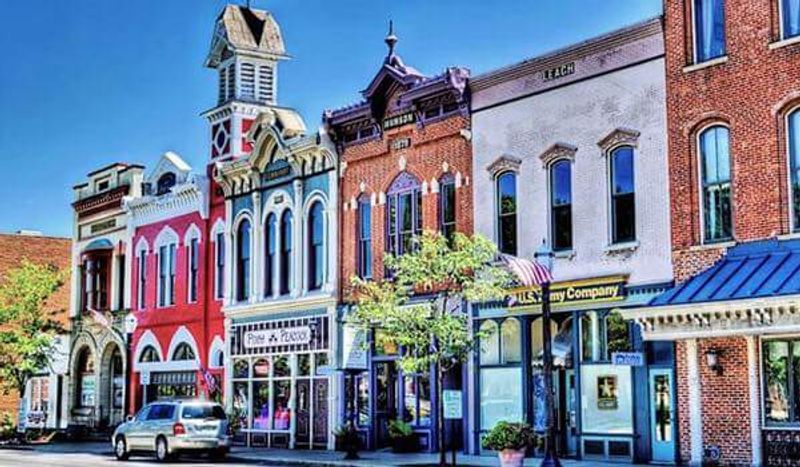
Medina’s town square is the kind of place that makes you stop mid-step and just take it all in, a Victorian gazebo at the center, brick storefronts ringing the green, and an atmosphere that feels like a living illustration of small-town America at its finest.
Located in Medina County between Cleveland and Akron, this city has carefully preserved its 19th-century commercial district, earning it recognition as one of the best-preserved town squares in the entire state of Ohio.
The square comes alive year-round with community events, farmers markets, and seasonal celebrations that draw locals and visitors together in the best possible way.
Locally owned shops and restaurants surround the green, offering everything from handcrafted jewelry to wood-fired pizza, making the square a genuinely practical destination rather than just a pretty backdrop.
Medina also has a strong connection to the beekeeping industry, which shaped its early economy and is still celebrated through local honey products found throughout the downtown shops.
Spending an afternoon in Medina feels like pressing a gentle pause button on the world, and honestly, that is exactly what most travelers need.
9. Put-in-Bay, Ohio
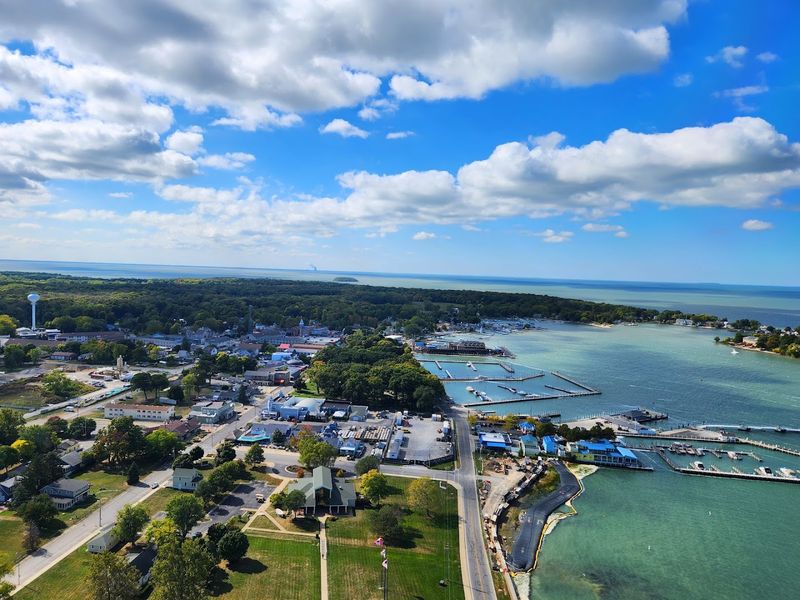
Perched on South Bass Island in Lake Erie, Put-in-Bay is one of those places that feels genuinely unlike anywhere else in Ohio, or anywhere else in the Midwest, for that matter.
The island is only accessible by ferry or small plane, which gives every visit a built-in sense of adventure before you have even set foot on shore.
Perry’s Victory and International Peace Memorial, a stunning 352-foot Doric column, dominates the island’s skyline and commemorates Commodore Oliver Hazard Perry’s decisive naval victory during the War of 1812 on Lake Erie.
The historic downtown area is compact and walkable, with Victorian-era cottages, local shops, and a genuinely warm community that swells with summer visitors but never quite loses its island-town character.
Golf carts are the preferred mode of transportation on the island, and renting one to explore the shoreline and historic sites is one of the most enjoyable ways to spend a sunny afternoon.
Put-in-Bay delivers the rare combination of real historical significance and pure relaxed fun, making it one of Ohio’s most memorable and rewarding island escapes.
10. Chillicothe, Ohio
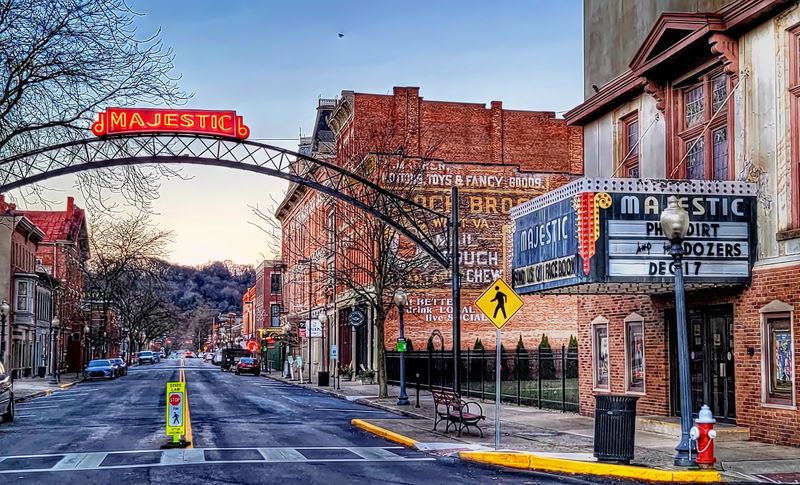
Chillicothe carries a title that most Ohio residents know well but many visitors overlook: it was the first and third capital of Ohio, and its history stretches back even further to the ancient Hopewell culture that thrived here over 2,000 years ago.
The Hopewell Culture National Historical Park preserves some of the most remarkable ancient earthworks in North America, with massive geometric mounds that continue to puzzle and inspire archaeologists today.
Downtown Chillicothe along Paint Street is anchored by handsome 19th-century commercial buildings, locally owned restaurants, and a revitalized arts scene that has been drawing new energy into the historic core.
The Adena Mansion and Gardens, home of Ohio’s first governor Thomas Worthington, offers guided tours of a beautifully preserved Federal-style estate surrounded by sweeping grounds and river views.
Every summer, the outdoor drama Tecumseh brings the story of the legendary Shawnee leader to life on a hillside stage, drawing thousands of visitors to one of Ohio’s longest-running theatrical traditions.
Chillicothe rewards visitors with layers upon layers of history, from ancient to early American, and each layer is more fascinating than the last.
11. Portsmouth, Ohio
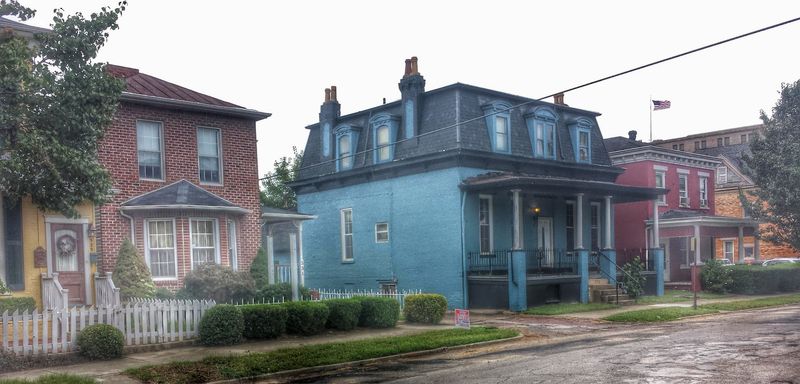
Portsmouth is a town that has poured its entire history directly onto a concrete canvas, and the result is one of the most impressive public art projects in the entire country.
The Portsmouth Floodwall Murals stretch for 2,000 feet along the Ohio River, with over 60 painted panels depicting the city’s history from its Native American roots through its industrial heyday and beyond.
Located at the confluence of the Scioto and Ohio rivers in Scioto County, Portsmouth was once a thriving industrial center and canal terminus, and that working-class pride still runs deep in the community’s identity.
The Southern Ohio Museum on Gallia Street houses rotating exhibits on regional art and history, providing a thoughtful indoor complement to the outdoor mural experience just a short walk away.
The downtown area has been experiencing a steady creative revival, with new restaurants, art studios, and community events drawing visitors who might not have considered Portsmouth a destination even a few years ago.
Portsmouth is a town that wears its story openly and honestly, and spending time here feels less like sightseeing and more like being welcomed into something real.
12. Perrysburg, Ohio
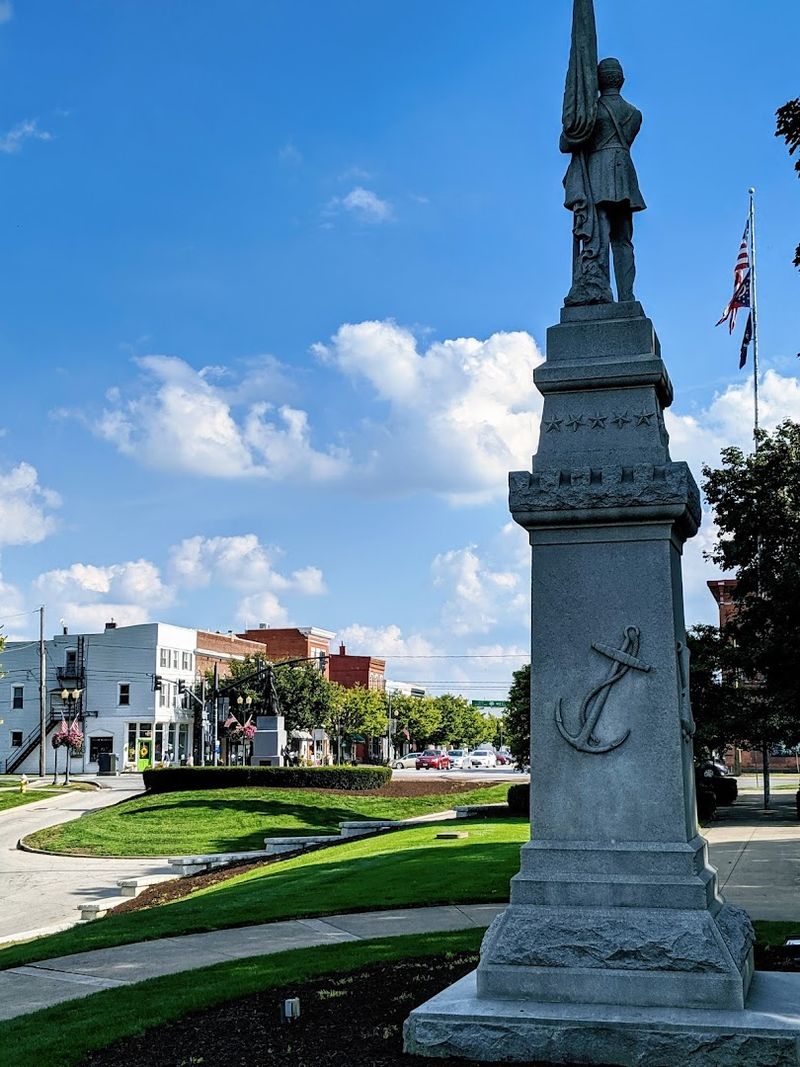
Sitting gracefully along the Maumee River in Wood County, Perrysburg is one of northwest Ohio’s most polished historic towns, with a downtown streetscape that rewards every single visit with something new to notice.
The city is named after Commodore Oliver Hazard Perry, the same naval hero celebrated at Put-in-Bay, and its connection to the War of 1812 is tangible and well-preserved throughout the community.
Fort Meigs, a reconstructed War of 1812 fortification on the edge of town, is the largest wooden walled fort in North America and offers living history programs that bring that turbulent era back to vivid life.
Louisiana Avenue, the town’s gracious main street, is lined with 19th-century commercial buildings housing independent restaurants, specialty retailers, and coffee shops that make it one of the most pleasant downtown strolls in the region.
The Maumee River adds natural beauty to the historic setting, with riverside trails and parks that invite visitors to slow down and enjoy the scenery between cultural stops.
Perrysburg strikes the perfect chord between historical depth and everyday livability, and visiting here feels like discovering a well-kept secret that deserves a much bigger spotlight.