
12 Secret Nevada Destinations That Feel Pulled From A Storybook
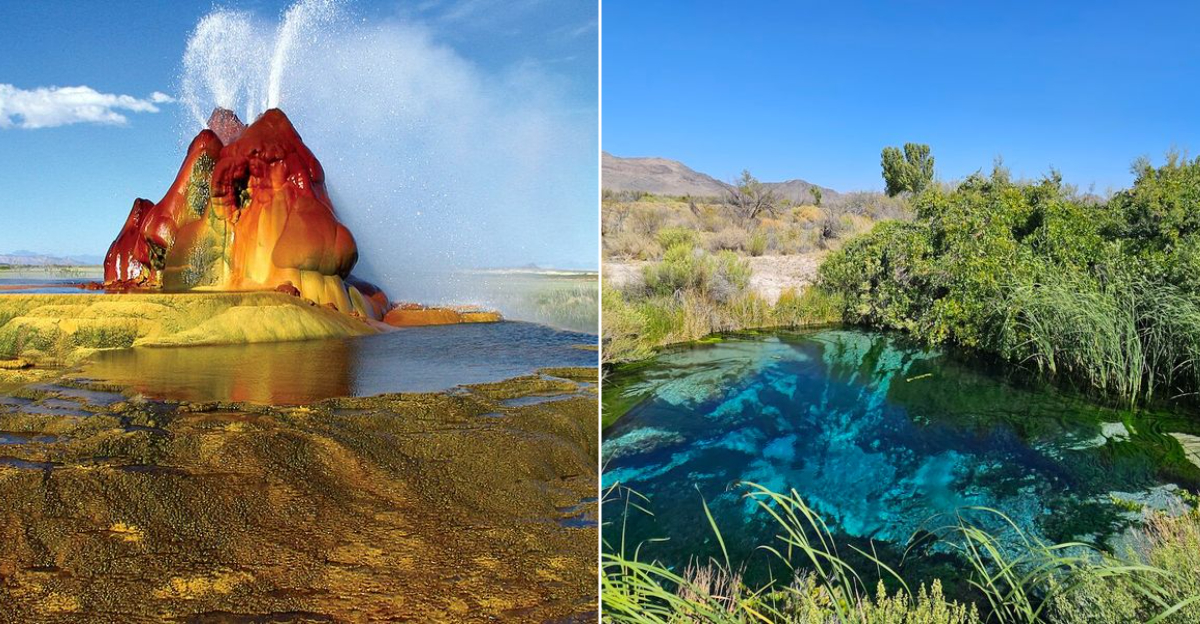
Nevada isn’t just a stretch of desert. It’s a secret storybook waiting to be explored. Picture glowing geysers that could belong on another planet, ghost towns frozen in time, and volcanic craters under endless blue skies.
Dusty roads become portals, and every twist feels like stepping into a fantasy film set. Most of these spots are so hidden, you might have the whole landscape to yourself.
Whether you’re a road-trip adventurer, a midnight Googler hunting “weird and wonderful,” or just someone craving a little magic, these secret Nevada destinations will make you stop, stare, and wonder if reality just upgraded itself.
Pack your camera, lace up your shoes, and get ready. Nevada’s storybook is wide open.
1. Cathedral Gorge State Park
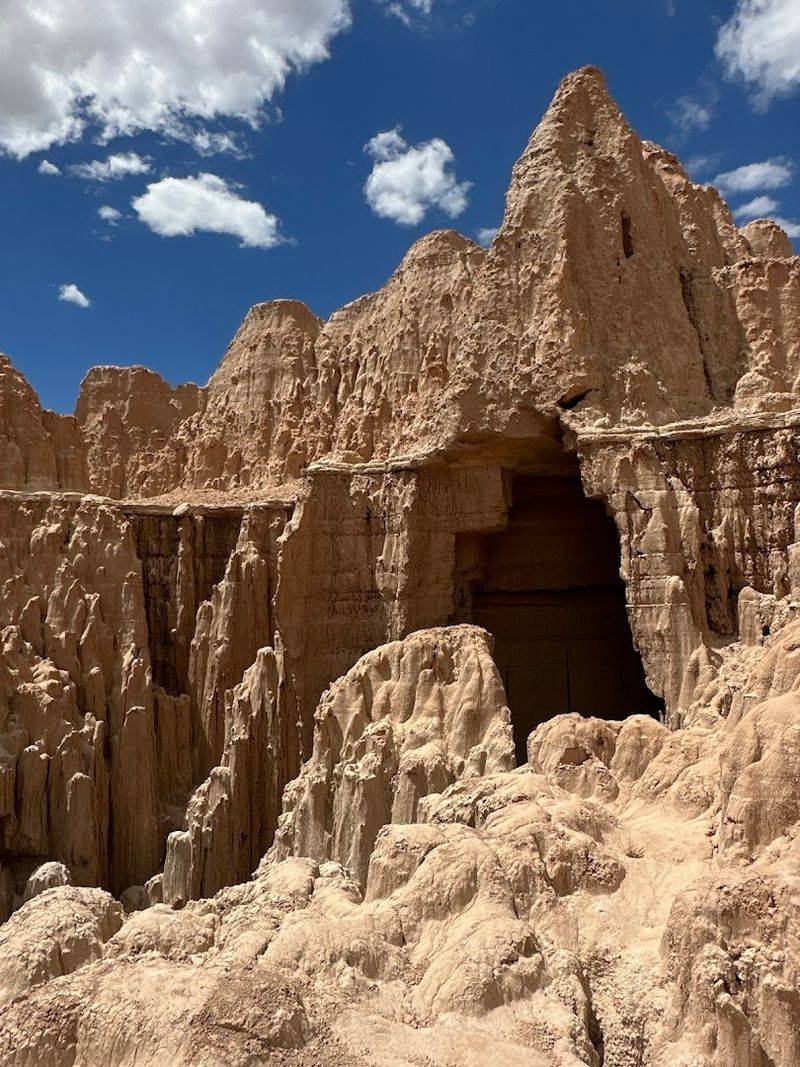
Some places make you feel like you have accidentally wandered into a fantasy novel, and Cathedral Gorge State Park is absolutely one of them.
Located at 111 Cathedral Gorge State Park Rd, Panaca, NV 89042, this park is carved from ancient lake bed sediments that erosion has sculpted into a maze of cathedral-like spires and narrow slot canyons over millions of years. The formations are made of bentonite clay, giving them a soft, creamy tone that shifts color beautifully throughout the day.
Hiking through the narrow passageways feels genuinely surreal. You squeeze between towering clay walls that rise high above your head, and suddenly the whole world goes quiet in the best possible way.
The Miller Point Trail offers sweeping panoramic views across the gorge, which is especially dramatic at golden hour when the light paints everything amber and rose.
Camping here overnight is one of Nevada’s most underrated experiences. The dark skies above Cathedral Gorge are extraordinary for stargazing, with minimal light pollution making the Milky Way visible on clear nights.
This is the kind of place that earns a permanent spot in your memory.
2. Little Finland
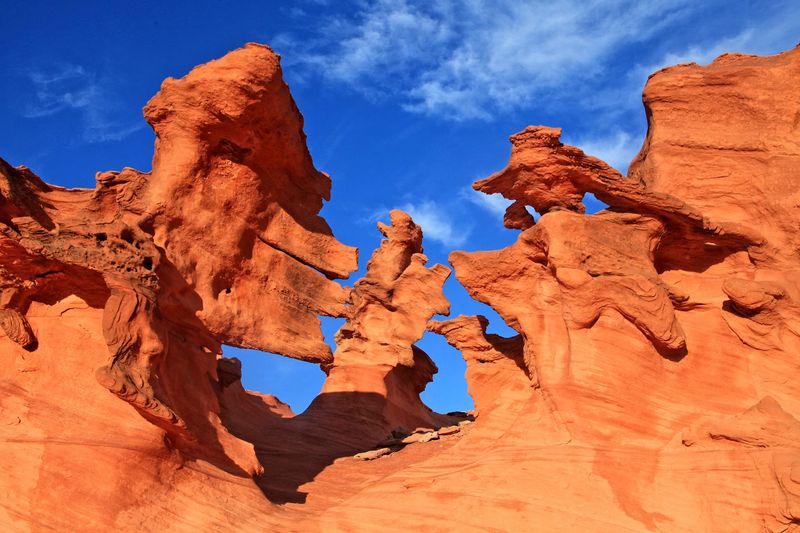
Honestly, the name Little Finland does not prepare you for what you are about to see. Tucked along Gold Butte Rd, Mesquite, NV 89027, this remote sandstone playground looks like someone asked a sculptor to go completely wild and then left them alone for a few thousand years.
The result is a sprawling field of twisted, wind-carved red rock formations that look like fins, mushrooms, and abstract art pieces rising straight from the desert floor.
Getting here requires a high-clearance vehicle and a spirit of adventure, because the road is unpaved and the journey is part of the experience. Once you arrive, you will find a labyrinth of fragile crimson formations that demand careful footing and genuine respect for the landscape.
The colors shift from deep burgundy to fiery orange depending on the time of day, making every photo look like it was filtered through a dream.
Sunrise and sunset are the magic hours at Little Finland, when the low light turns the entire scene into something almost cinematic. Very few people know this spot even exists, which means the silence here is profound.
Plan your visit during cooler months since the Mojave Desert heat in summer is serious business.
3. Fly Geyser
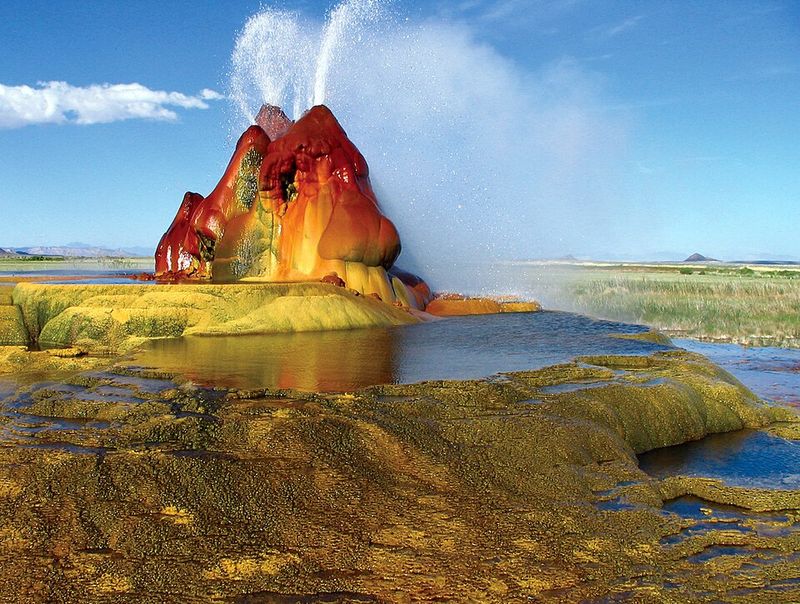
Fly Geyser looks like something that escaped from a science fiction film set, and once you see it in person, you will completely understand why. Located at County Rd 34, Fly Ranch, Gerlach, NV 89412, this accidental geyser was created in 1964 when a geothermal well was drilled and never properly capped.
The result is a constantly erupting fountain of superheated water that has built up dramatic mineral terraces over decades.
What makes Fly Geyser truly storybook-worthy is the color. Thermophilic algae coat the entire structure in vivid shades of green, orange, and red, making it look more like an alien coral reef than anything you would expect to find in a Nevada desert.
The surrounding pools shimmer with minerals, and the steam rising from the water adds to the otherworldly atmosphere in a way that photographs simply cannot fully capture.
Access to Fly Geyser is managed through the Burning Man Project, which now owns the Fly Ranch property. Guided tours are available seasonally and must be booked in advance.
Showing up unannounced is not an option here, so planning ahead is the move.
Seeing this geyser in person is genuinely one of those experiences that reshapes your understanding of what Nevada actually holds.
4. Berlin-Ichthyosaur State Park
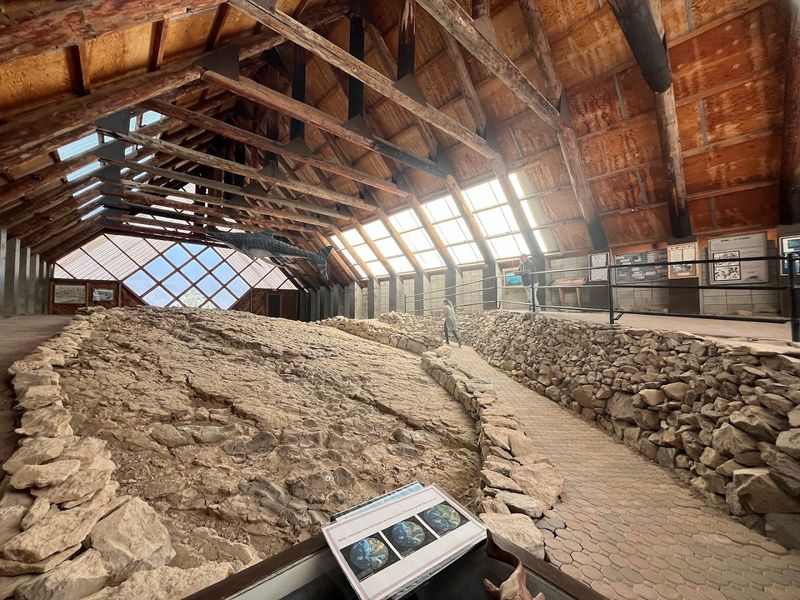
A ghost town AND dinosaur fossils in the same park? Nevada really does not play fair when it comes to hiding its treasures.
Berlin-Ichthyosaur State Park, located at HC 61, Austin, NV 89310, combines two completely different chapters of history into one extraordinary location.
The ghost town of Berlin dates to the late 1800s silver mining era, with original structures still standing in remarkable condition across the remote central Nevada landscape.
The ichthyosaur fossils found here are the real showstopper, though. Nevada’s state fossil, the ichthyosaur, was a massive marine reptile that swam in a shallow sea covering this region roughly 225 million years ago.
The fossil shelter at the park protects the largest concentration of ichthyosaur fossils ever found in one place, and guided tours bring the prehistoric story to life in vivid detail.
Camping at Berlin-Ichthyosaur puts you completely off the grid in the best way. The isolation is striking, and the night skies here are some of the darkest in the entire state.
Walking through the ghost town at dusk, with the wind moving through the old wooden structures, creates a feeling that is equal parts eerie and deeply moving. This park earns its reputation as one of Nevada’s most layered destinations.
5. Spencer Hot Springs
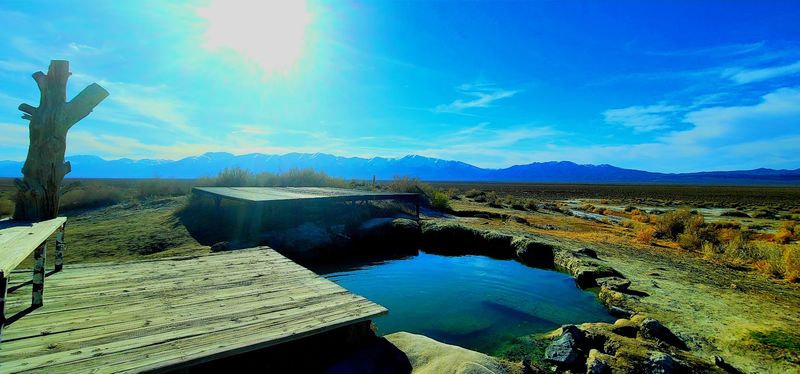
There is something quietly magical about soaking in a natural hot spring in the middle of the Nevada desert with nothing but open sky above you. Spencer Hot Springs sits along NF-001, Austin, NV 89310, and it is the kind of place that rewards people willing to seek it out on an unmarked dirt road with a GPS and a sense of humor.
The springs bubble up from the earth at temperatures ranging from warm to genuinely hot, feeding into several user-made soaking tubs and a larger bathtub setup that has become a beloved landmark.
The setting is pure Nevada magic. Rolling hills of sagebrush stretch in every direction, and the silence is so complete that you can hear your own heartbeat.
Sunrise soaks here are particularly special, with the desert light shifting from deep purple to gold while steam curls off the water around you.
Spencer Hot Springs is free and open to the public, which makes it one of the most accessible wild hot spring experiences in the entire state.
The road can get muddy after rain, so checking conditions before heading out is a smart call. Bring plenty of water, a towel, and maybe a good playlist, because once you settle in, leaving feels genuinely difficult.
The springs have a way of holding you there longer than planned.
6. Gold Strike Hot Springs Trailhead
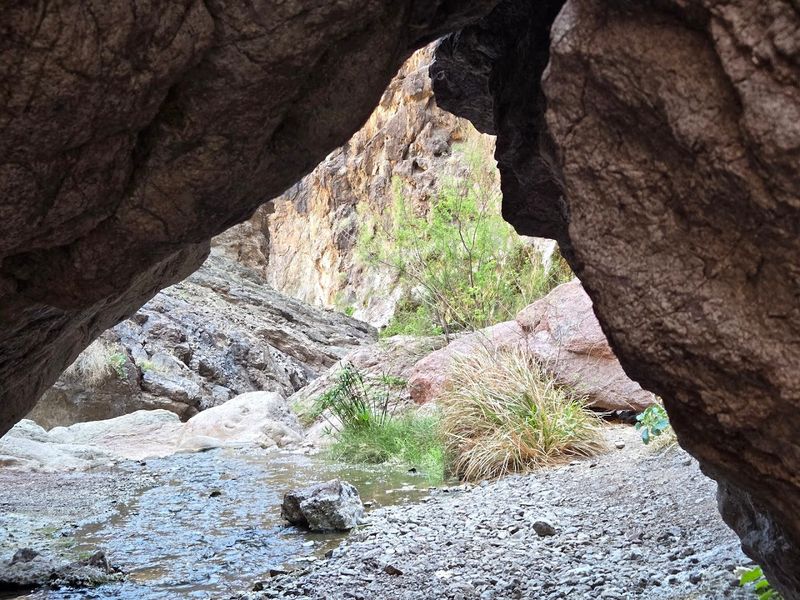
Fair warning: Gold Strike Hot Springs is not a casual Sunday stroll. The trailhead at Goldstrike Pass Rd, Boulder City, NV 89005 marks the beginning of a four-mile round trip hike through a dramatic canyon that involves scrambling over boulders, navigating rope-assisted descents, and getting your shoes absolutely soaked.
And yet, people come back to this trail again and again, because what waits at the end is completely worth every scraped knee.
The hot springs here flow directly into the Colorado River, creating a series of cascading pools tucked between towering canyon walls.
The contrast between the cool river water and the geothermal springs makes for a genuinely unique soaking experience. The canyon itself is stunning, with walls that narrow dramatically in sections and create natural frames for the blue sky above.
The hike is rated moderate to strenuous, and the rope sections in particular require upper body strength and a comfort with exposure. Hiking poles and grippy footwear make a significant difference on the return journey.
Visiting during spring or fall keeps the canyon temperatures manageable.
Gold Strike is the kind of adventure that earns its reward, and the feeling of reaching those pools after the scramble is a specific kind of satisfaction that is hard to replicate anywhere else in Nevada.
7. Kershaw-Ryan State Park
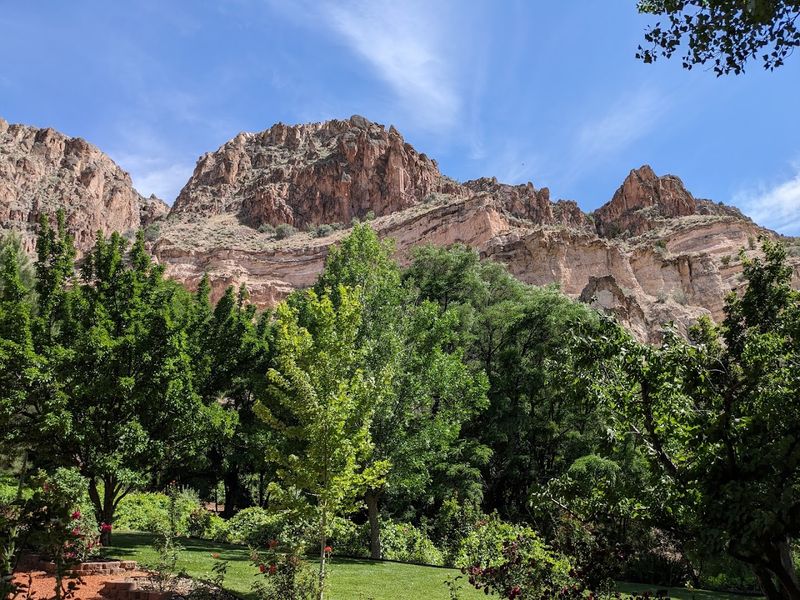
Walking into Kershaw-Ryan State Park feels like finding a secret garden tucked inside a canyon, which is essentially exactly what it is. Located at 300 Kershaw Canyon Rd, Caliente, NV 89008, this small but stunning park sits in a narrow canyon carved by millions of years of water and wind.
The contrast between the surrounding high desert and the lush greenery inside the canyon is so dramatic that first-time visitors often stop at the entrance just to take it all in.
Wild roses, cottonwood trees, and grape vines grow throughout the canyon, fed by natural springs that keep the area surprisingly verdant even in summer.
A small pond at the base of the canyon reflects the towering walls above it, creating a mirror image that looks almost too picturesque to be real. Hiking trails wind up the canyon walls and offer sweeping views across the Meadow Valley below.
Kershaw-Ryan is an ideal destination for a picnic, a slow morning hike, or simply sitting beside the water and listening to the birds.
The park was originally homesteaded in the 1870s, and remnants of that history add a layered quality to the visit. It reopened after flood damage in 2017 and has been welcoming visitors ever since.
This hidden canyon oasis deserves far more attention than it currently receives.
8. Lexington Arch
Most people visit Great Basin National Park for Lehman Caves or Wheeler Peak, and that is completely understandable.
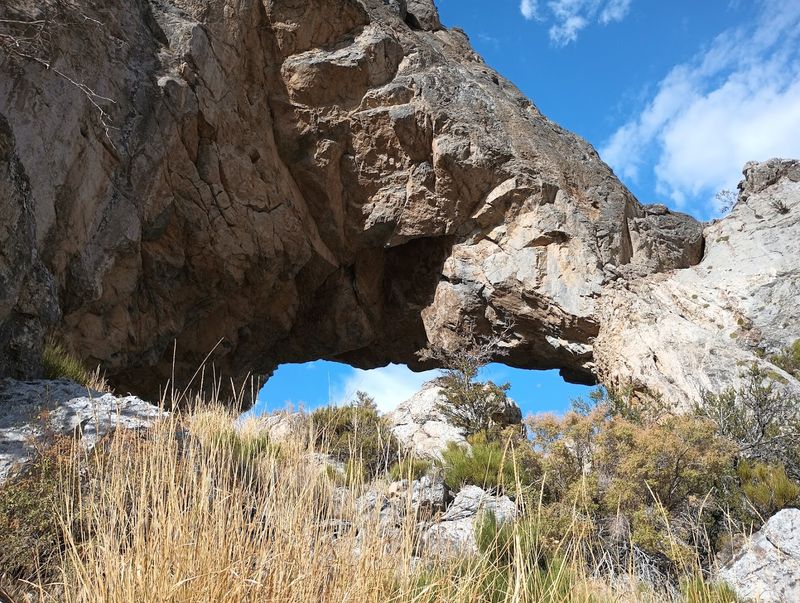
But tucked into the southern end of the park near 100 Great Basin National Park, Baker, NV 89311, Lexington Arch stands as one of Nevada’s most surprising natural wonders. This six-story limestone arch is unusual even by geological standards because most natural arches form in sandstone.
Lexington Arch may actually be the remnant of a cave system, which makes it architecturally fascinating in a way that sets it apart from other arches across the American West.
Reaching the arch requires a moderately strenuous three-mile round trip hike through juniper and mountain mahogany, gaining about 800 feet in elevation along the way. The trail is remote and the signage is minimal, which means the experience feels genuinely adventurous.
Arriving at the arch itself is a proper payoff moment, as the structure rises dramatically above the surrounding trees and frames the sky in a way that feels almost theatrical.
The arch is best visited in late spring through early fall, as the access road can be impassable in winter conditions. Because this corner of the park sees far fewer visitors than the main attractions, the solitude here is remarkable.
Standing beneath Lexington Arch and looking up at six stories of ancient limestone is the kind of quiet awe that stays with you long after the drive home.
9. Ward Charcoal Ovens State Historic Park
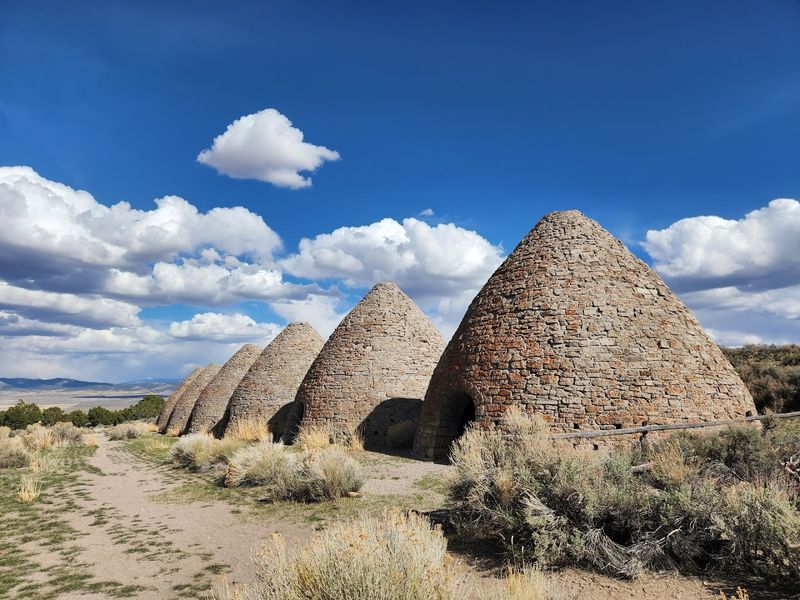
Six enormous beehive-shaped stone ovens rising from a quiet Nevada valley sounds like something from a fairy tale, and Ward Charcoal Ovens State Historic Park delivers exactly that energy.
Found at 1696 Cave Valley Rd, Ely, NV 89301, these ovens were built in 1876 to produce charcoal for the silver smelting operations in the nearby Ward Mining District. Each oven stands about 30 feet tall and 27 feet wide at the base, constructed from locally quarried limestone with remarkable precision by skilled craftsmen.
The ovens operated for only a few years before the silver boom faded, but they survived in extraordinary condition because of their solid construction.
Walking among them today is a genuinely immersive historical experience. The scale of each structure is impressive up close, and the arched doorways give the whole site a distinctly medieval European aesthetic that feels completely unexpected in the middle of the Nevada desert.
The surrounding Cave Valley is beautiful in its own right, with pinyon pine and juniper covering the hillsides and a creek running nearby during wetter seasons.
The park includes picnic areas and a short interpretive trail that explains the charcoal-making process in detail.
Ward Charcoal Ovens is one of those rare places where industrial history and natural beauty occupy the same space in perfect harmony, and the result is something genuinely worth the drive.
10. Lunar Crater Backcountry Byway
Driving through central Nevada on Hwy 6, Tonopah, NV 89049, you will eventually come across a sight that makes you wonder if you have accidentally crossed into another planetary system.
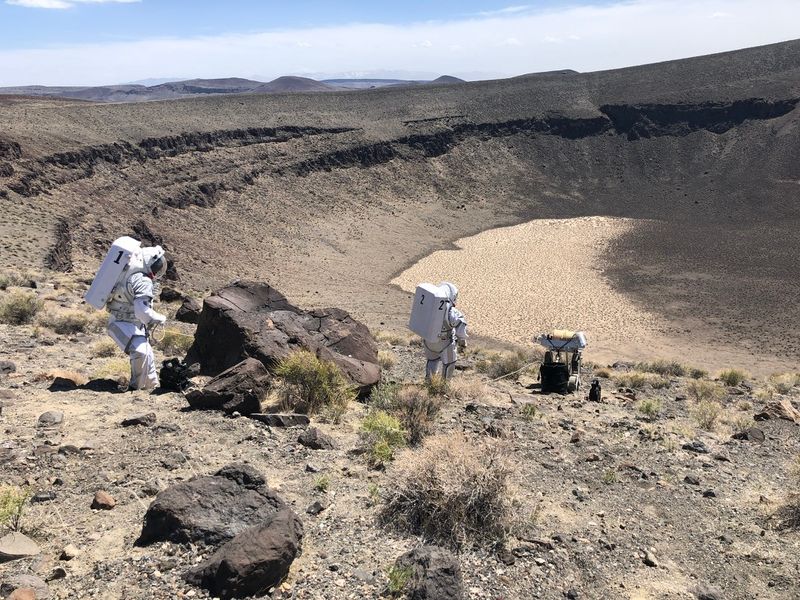
The Lunar Crater Backcountry Byway takes you through a volcanic field that includes a maar crater so large and so perfectly formed that NASA actually used the area to train Apollo astronauts for their moon missions. That is not a marketing tagline.
That is just what this place is.
The main crater is about 430 feet deep and roughly a mile wide, formed by a massive volcanic explosion that blew through the earth’s surface approximately 100,000 years ago.
Standing at the rim and looking down into the crater creates a genuine sense of scale that photos cannot fully translate. The surrounding landscape is dotted with cinder cones, lava flows, and volcanic vents that extend the alien feeling across miles of open desert.
The byway itself is accessible by most vehicles during dry conditions and winds through some of the most geologically dramatic terrain in the entire state.
There are no entrance fees and no crowds, which means you can spend as long as you want exploring at your own pace. Bringing a detailed map and extra fuel is essential since services are sparse in this remote corridor.
The Lunar Crater area is proof that Nevada’s geological story is still being written in the most spectacular way possible.
11. Ash Meadows Boardwalk
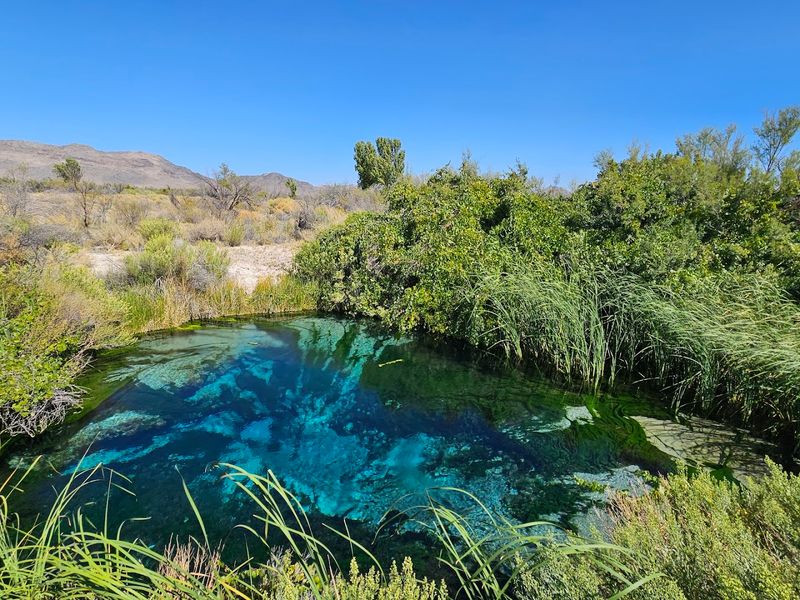
Finding a crystal-clear spring bubbling up in the middle of the Mojave Desert is the kind of surprise that makes you genuinely rethink everything you thought you knew about Nevada’s landscape.
Ash Meadows Boardwalk at 8757 Spring Meadows Rd, Amargosa Valley, NV 89020, protects one of the most ecologically significant spring systems in the entire region.
The boardwalk winds through a lush oasis of aquatic plants, reeds, and desert willows that feels completely at odds with the surrounding arid landscape. Interpretive signs along the path explain the remarkable biology and geology of the spring system in accessible and genuinely fascinating detail.
The water is startlingly clear, and on calm days the reflections of the sky above create a mirror-like surface that stops you in your tracks.
Visiting Ash Meadows is free and open year-round, making it one of Nevada’s most accessible natural wonders. The contrast between the surrounding desert and the vibrant wetland ecosystem here is striking in every season.
Spring and fall bring migrating birds that add movement and sound to the already beautiful setting. This spot is a quiet reminder that life finds a way in the most unexpected places, and Nevada keeps its best surprises for those willing to look.
12. Seven Troughs Ghost Town
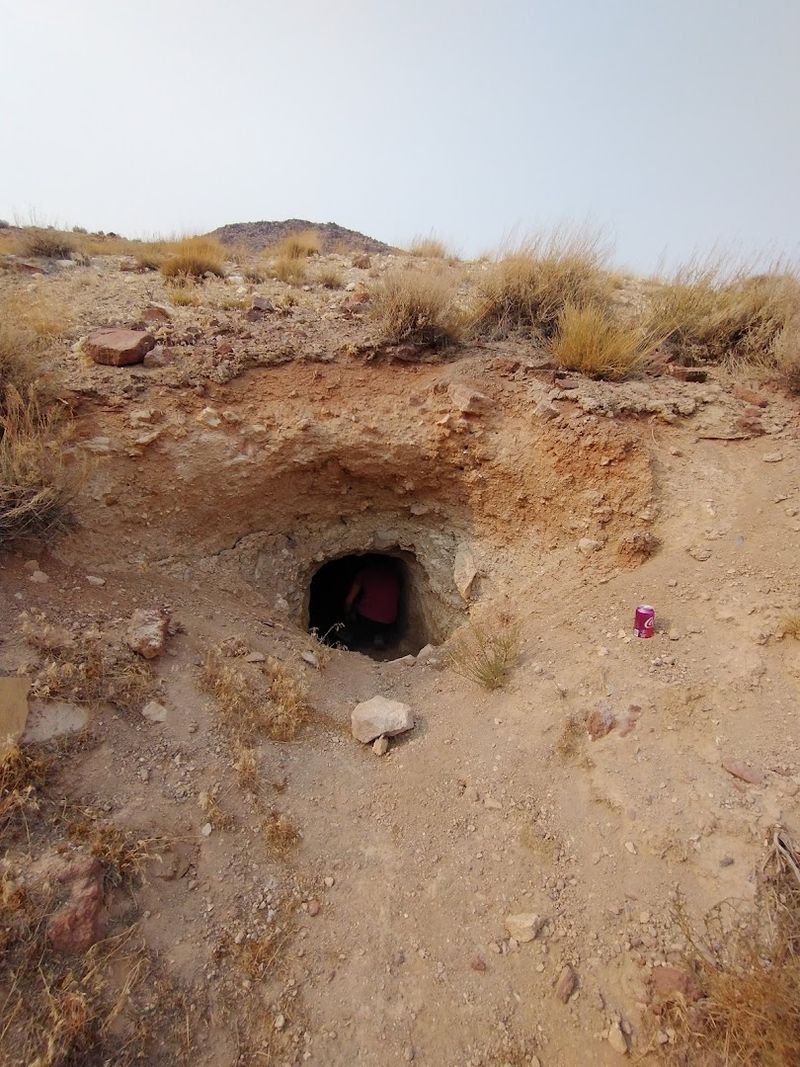
Ghost towns are scattered across Nevada like breadcrumbs from a forgotten era, but Seven Troughs hits differently. Located along Seven Troughs Rd, Lovelock, NV 89419, this remote mining settlement once boomed with silver fever in the early 1900s before the ore ran out and the people simply left.
What remains today is a scattered collection of crumbling adobe walls, collapsed wooden structures, and rusted machinery slowly being reclaimed by the desert, all sitting in a wide, windswept valley with mountains rising on every side.
Getting to Seven Troughs requires navigating unpaved roads that are best handled with a high-clearance vehicle, and the journey through the surrounding Pershing County landscape is beautiful in its own stark, minimalist way. The isolation is profound once you arrive.
There are no signs, no fences, and no other visitors on most days, which creates a time-capsule quality that feels almost sacred.
Exploring ghost towns ethically means looking but not taking, and Seven Troughs rewards that respect with extraordinary photographic opportunities and a tangible connection to Nevada’s mining heritage. The light in the late afternoon turns the ruins golden and casts long shadows that make the whole scene look like a painting.
Seven Troughs is the kind of place that asks you to slow down, pay attention, and let history speak for itself. Could this be Nevada’s most hauntingly beautiful secret?
The ruins make a pretty convincing case.