
10 Idaho Places So Unbelievable They Barely Feel Real
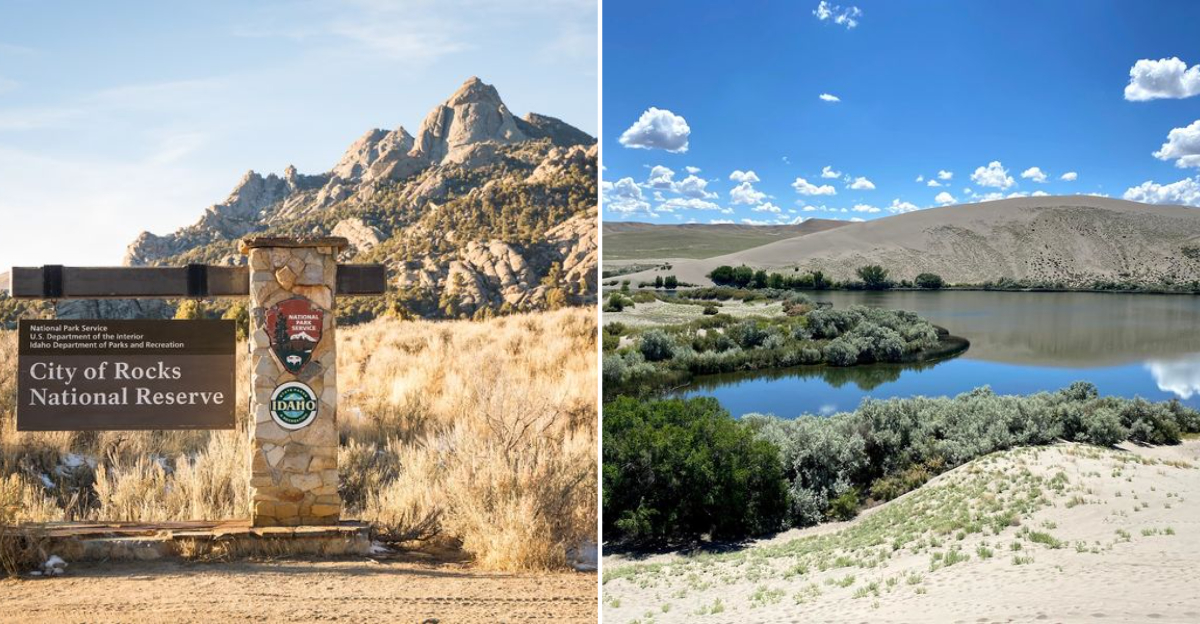
Idaho is the kind of state that makes people blink twice and ask, “Wait… this is real?” It doesn’t shout for attention like the Yellowstone National Park or the Grand Canyon. It doesn’t need to.
Idaho just casually exists, glowing, steaming, towering, and low-key unreal, while the rest of the travel world fights over the spotlight.
Think turquoise springs so electric they look Photoshopped. Ice caves hiding beneath lava fields like something straight out of a fantasy saga.
Waterfalls thundering into canyons, sand dunes rising out of nowhere, and forests packed with ancient cedar trees that have seen more history than most countries.
This is the state that quietly overdelivers. The one that makes visitors feel like they’ve stumbled into a nature documentary.
Except it’s not CGI, and no one added a filter. These places?
They barely feel like they belong on this planet.
1. Box Canyon Springs Preserve
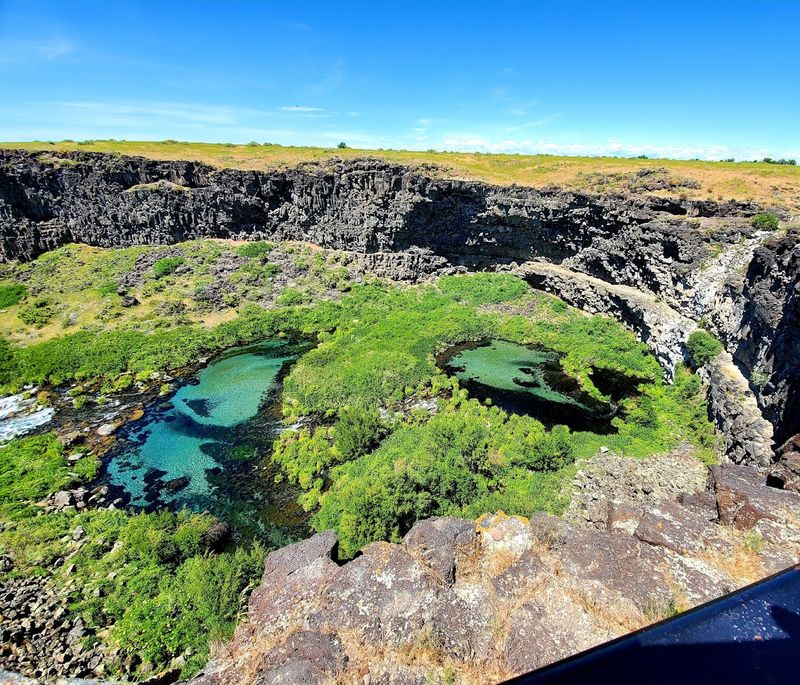
Some places stop you in your tracks the moment you lay eyes on them, and Box Canyon Springs Preserve is exactly that kind of place. Located along West Point Road in Wendell, ID 83355, this stunning preserve sits quietly in a deep basalt canyon carved out by ancient volcanic activity.
The spring itself pumps out roughly 200 cubic feet of crystal-clear water per second, making it one of the largest springs in the entire United States.
The water emerges directly from the canyon walls at a steady 58 degrees Fahrenheit year-round, which means the color is this impossible shade of blue-green that looks like someone spilled a bottle of tropical ocean into the middle of southern Idaho.
The canyon walls rise dramatically on both sides, draped with mosses and ferns that thrive in the perpetually cool, moist air.
A short trail leads down into the canyon and gives you front-row access to the springs and the Snake River below. The contrast between the dry, flat farmland above and the lush, dramatic canyon below is genuinely shocking.
Box Canyon is proof that Idaho keeps its most extraordinary secrets hidden just below the surface, and the reward for finding them is absolutely worth it.
2. Blue Heart Springs
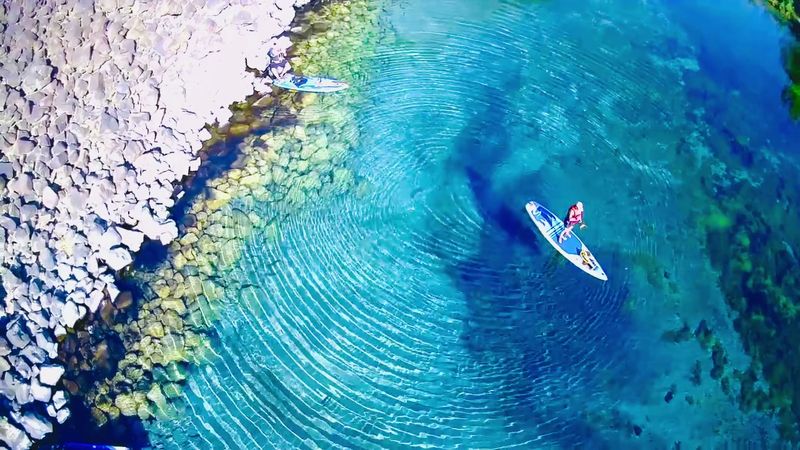
Picture the most electric shade of blue you have ever seen, then crank that up by about three notches, and you’re getting close to Blue Heart Springs.
Tucked into the Snake River canyon near Hagerman, ID 83332, this remarkable spring is only accessible by water, which means you’ll need a kayak or a paddleboard to reach it. That little effort barrier is actually what keeps this place feeling so magical and untouched.
The spring gets its name from the heart-shaped pool that forms as the water bubbles up from the canyon floor and flows into the Snake River. The color contrast between the deep river water and the glowing blue of the spring is nothing short of surreal.
On a sunny day, the water practically glows from within, like something lit by an underwater neon sign.
Blue Heart Springs is part of the Thousand Springs area, a stretch of the Snake River where ancient aquifer water emerges dramatically from the canyon walls in dozens of locations. Paddling through this stretch feels like floating through a scene from a nature fantasy film.
The spring sits in a protected area, so it remains beautifully pristine, reminding every visitor that some of the most extraordinary things on Earth are the ones you have to work just a little bit to find.
3. City Of Rocks National Reserve
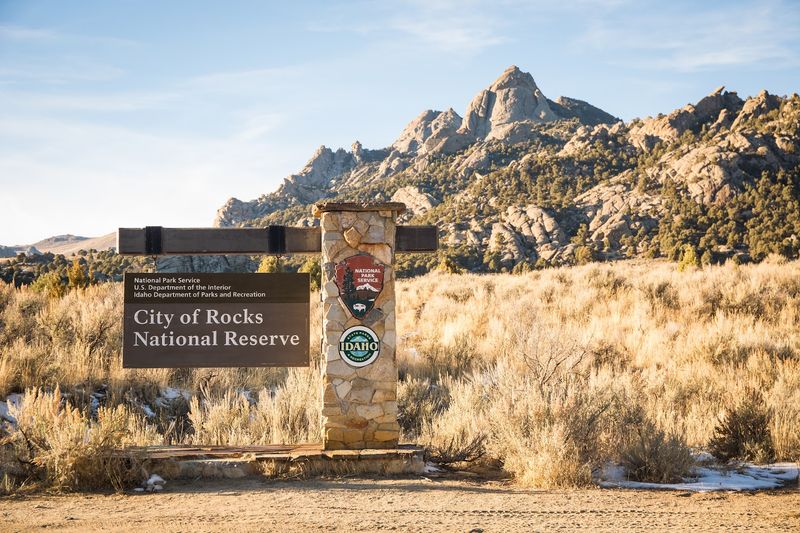
Imagine an entire city built by geology over 2.5 billion years, and you’ll start to understand what City of Rocks National Reserve is doing to visitors.
Located at 3035 S Elba-Almo Rd in Almo, ID 83312, this reserve is home to some of the oldest exposed granite on Earth, with towering formations that rise up to 60 stories high from the high desert valley floor. Standing among them feels genuinely prehistoric.
The rocks have names like Bread Loaves, Twin Sisters, and Bath Rock, because humans apparently cannot resist giving personality to enormous ancient boulders, and honestly, fair enough.
Oregon Trail pioneers once carved their names into the rock with axle grease while passing through on their westward journey, and some of those inscriptions are still visible today. That layer of human history sitting on top of ancient geology makes this place feel like a true time capsule.
Rock climbers travel from all over the country to scale these formations, with over 500 established climbing routes ranging from beginner-friendly to seriously technical.
Camping inside the reserve puts you right in the middle of those towering granite giants at night, when the stars overhead are so thick and bright they look almost artificial. City of Rocks is one of those places that makes you feel gloriously small in the absolute best possible way.
4. Castle Rocks State Park
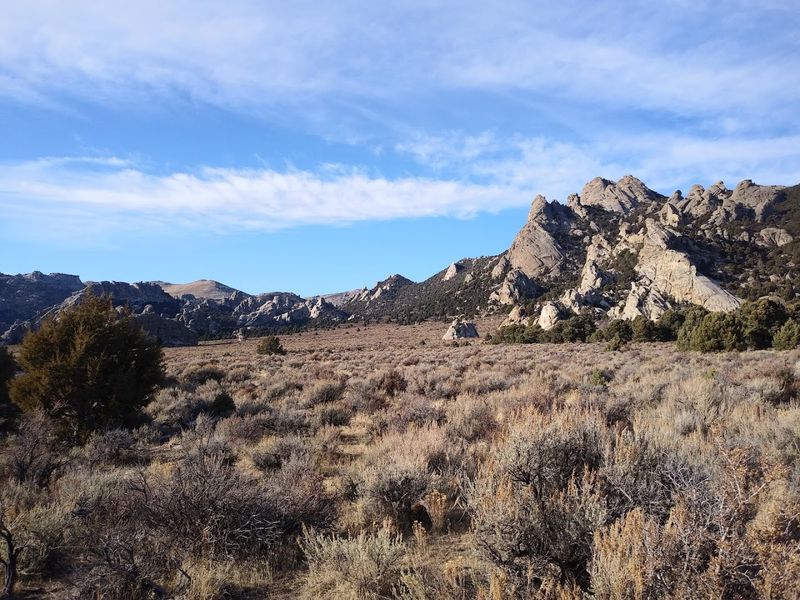
Right next door to City of Rocks and sharing the same address at 3035 S Elba-Almo Rd in Almo, ID 83312, Castle Rocks State Park somehow manages to be its own distinct and breathtaking experience.
The formations here are more vertical and spire-like, shooting up from the valley like a collection of ancient stone towers that some mythical civilization forgot to finish building. The name is not an exaggeration in the slightest.
Castle Rocks covers about 1,440 acres and offers trails that wind through and around the formations, giving you constantly shifting perspectives as the rocks seem to change shape with every step.
The park is a favorite among rock climbers, with well-established routes across multiple difficulty levels, but you don’t need to be a climber to appreciate the sheer drama of this landscape. Just walking the base trail with those towers looming overhead is an experience that sticks with you.
At sunset, the granite turns a deep amber and rust color that makes the entire park look like it’s been painted by someone with an extremely dramatic artistic vision.
Wildlife sightings here are common, with raptors circling the spires and mule deer moving quietly through the sagebrush below. Castle Rocks is the kind of park that earns a permanent spot in your mental highlight reel of places that genuinely took your breath away.
5. Bruneau Dunes State Park
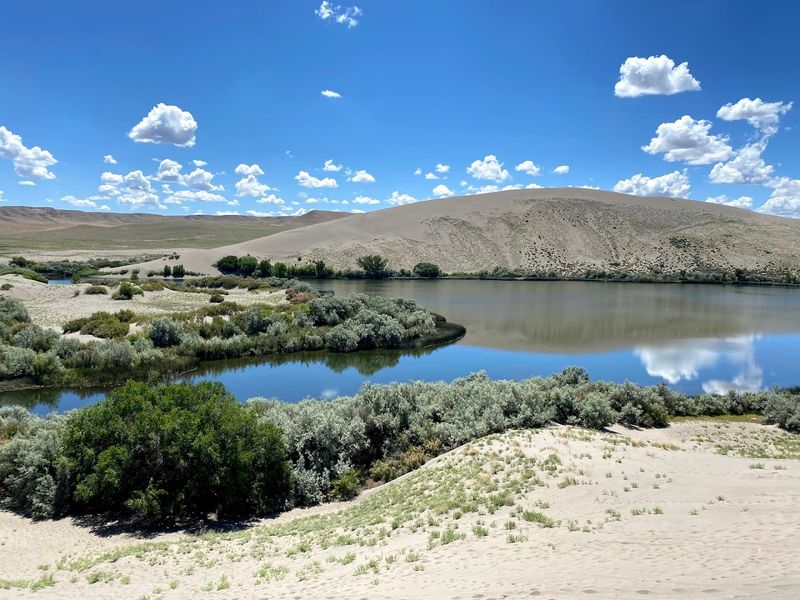
Nobody expects to find the tallest single-structured sand dunes in North America sitting in the middle of southern Idaho, which is exactly what makes Bruneau Dunes State Park so wonderfully surprising.
Located at 27608 Sand Dunes Rd in Mountain Home, ID 83647, these dunes rise up to 470 feet from the surrounding desert floor, completely defying every expectation you had about what Idaho was supposed to look like. It’s like the Sahara decided to set up a satellite office in the American West.
Unlike most large dune systems that shift and migrate with the wind, the Bruneau Dunes stay remarkably stable due to the unique wind patterns in the surrounding basin.
Two small lakes sit at the base of the dunes, creating this surreal contrast of shimmering water beside towering sand that looks genuinely unreal in photographs. Swimming in those lakes while staring up at the dunes is one of those experiences that makes you feel like you’ve stumbled onto a film set.
The park also houses a public observatory, one of the few in the entire country, where on clear nights you can stargaze through telescopes with a view that’s completely unobstructed by light pollution.
Sandboarding down the dunes is a popular activity that turns adults into gleeful kids within about thirty seconds of starting the descent.
Bruneau Dunes is Idaho at its most gloriously unexpected.
6. Shoshone Ice Caves
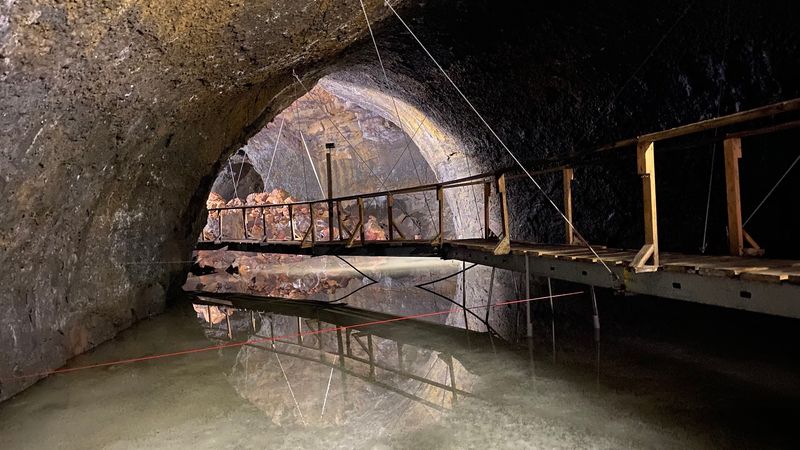
A lava tube filled with permanent ice sitting in the middle of the high desert sounds like something a creative fiction writer made up on a deadline, but Shoshone Ice Caves is absolutely the real deal.
Found at 1561 N Hwy 75 in Shoshone, ID 83352, this remarkable cave was formed by a volcanic lava flow roughly 30,000 years ago, and the hollow tube left behind has been collecting cold air and ice ever since. The physics of how this works are genuinely fascinating.
Cold air, which is heavier than warm air, sinks into the cave during winter months and gets trapped there, keeping the interior temperature at a frosty 28 degrees Fahrenheit even in the heat of summer.
The result is a natural deep freeze decorated with dramatic ice formations, frozen walls, and a floor that crunches beneath your feet while the Idaho sun blazes overhead outside. The contrast between stepping out of summer heat and into a frozen cave never gets old.
Guided tours take visitors through the cave on a well-lit path, with the ice formations changing slightly each season as the cave breathes and freezes in its own rhythms.
The cave stretches about 1,000 feet in length and reaches up to 40 feet high in certain sections, making it feel genuinely expansive underground. Shoshone Ice Caves is the kind of geological quirk that reminds you the planet has been doing extraordinary things long before any of us showed up to appreciate it.
7. Mesa Falls Visitor Center
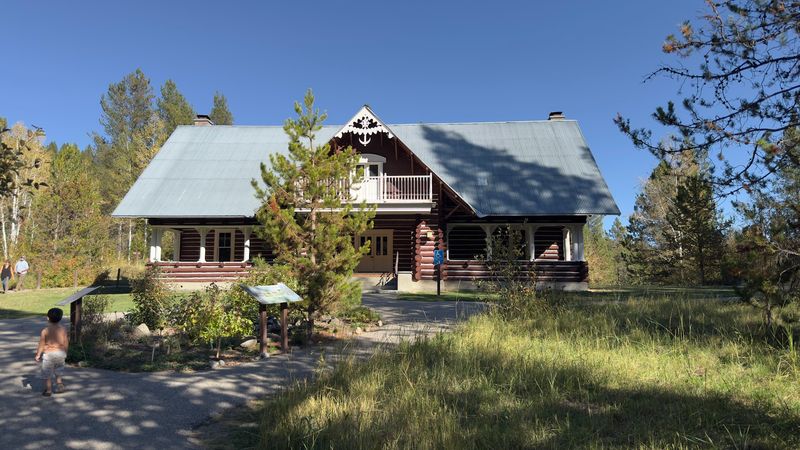
There is something almost theatrical about Mesa Falls, like nature decided to build a grand finale and then put a historic 1915 boathouse right at the edge so you could watch in style.
The Mesa Falls Visitor Center sits at 3726 Highway 20 in Island Park, ID 83429, perched right on the rim of one of the most dramatic waterfall drops in the entire Pacific Northwest. Upper Mesa Falls plunges 114 feet straight down into a canyon carved through ancient volcanic rock, and the sound alone is enough to rattle your chest.
What makes Mesa Falls particularly special is that it’s one of the last undeveloped major waterfalls in the Columbia River system, meaning no dams have altered its natural flow.
The water comes from the Henry’s Fork of the Snake River, and the volume during peak flow is enormous, sending a constant mist into the surrounding forest that keeps everything perpetually green and dripping.
Standing on the viewing platform feels like being at the edge of something genuinely primordial.
A trail connects Upper Mesa Falls to Lower Mesa Falls about a mile downstream, where the river drops another 65 feet in a slightly wider, horseshoe-shaped cascade.
The entire area sits within the Caribou-Targhee National Forest, surrounded by old-growth trees and wildlife. Mesa Falls is the kind of waterfall that makes you understand why ancient cultures built legends around moving water, because this one absolutely earns it.
8. Goldbug Hot Springs
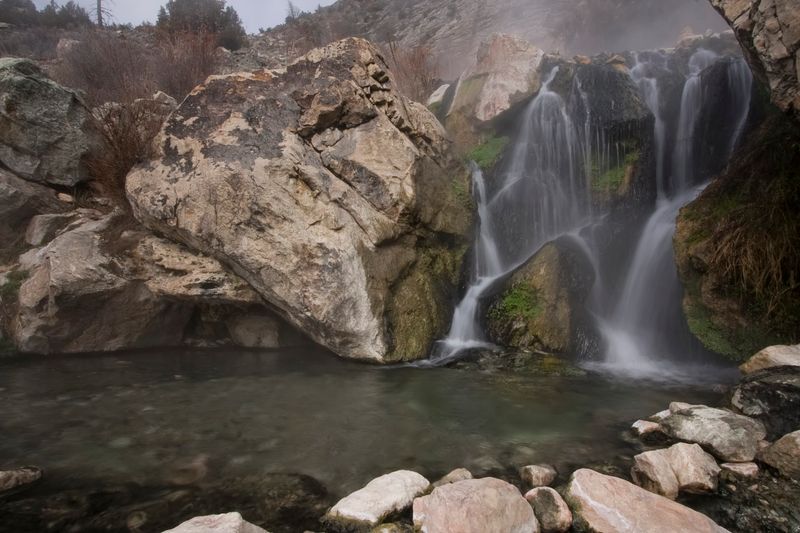
Earning your soak is half the magic at Goldbug Hot Springs, where a 4-mile round-trip hike through a stunning canyon rewards you with some of the most beautiful natural hot spring pools in the American West.
Located off Warm Springs Rd near Salmon, ID 83467, these geothermal pools are terraced naturally along a hillside, with water cascading from one pool to the next as it cools on its way down. The whole setup looks like something a very talented landscape architect designed, except it’s entirely the work of geology and time.
The water temperature varies depending on which pool you settle into, ranging from very warm near the source to comfortably hot in the middle tiers, giving you the freedom to find your perfect temperature.
The canyon is striking, with granite walls, pines, and a rushing creek setting the scene. The hike keeps crowds down and adds to the springs’ remote feel.
The trail follows the creek through meadow and forest until steam appears ahead. Goldbug Hot Springs shows that Idaho’s best rewards lie just far enough off the beaten path to feel truly special.
9. Roosevelt Grove Of Ancient Cedars
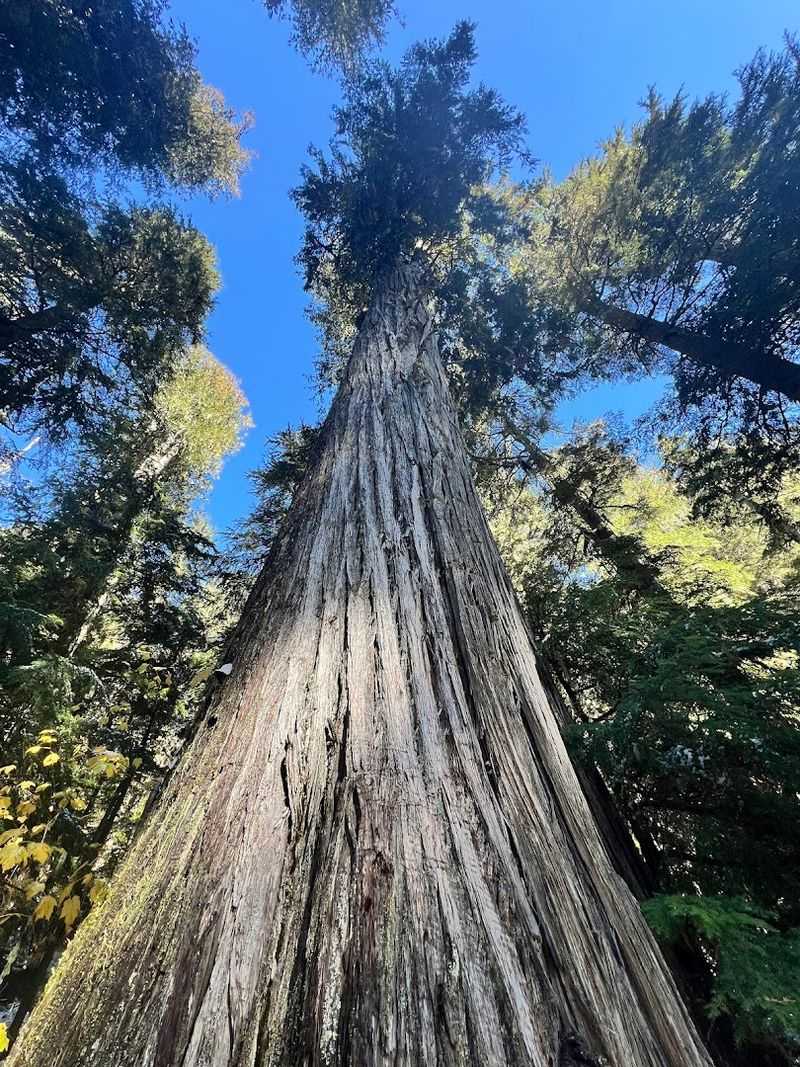
Walking into the Roosevelt Grove of Ancient Cedars feels like stepping through a portal into a world that existed long before humans had any say in how things looked.
Located along Forest Rd 302 near Nordman, ID 83848, this grove in the Kaniksu National Forest contains western red cedar trees that are over 2,000 years old, with trunks so wide that multiple people cannot link hands around them.
These trees were already ancient when the Roman Empire was still a going concern.
The largest trees in the grove stand nearly 150 feet tall and measure up to 18 feet in diameter, creating a cathedral-like canopy that filters the light into soft, green-tinged beams that fall through the understory in ways that feel genuinely sacred.
The forest floor is carpeted in ferns and mosses, and the air is cool, damp, and rich with the deep earthy scent of old growth. It’s the kind of place that makes conversation feel almost disrespectful.
A short interpretive trail loops through the most impressive section of the grove, making it accessible without requiring serious hiking fitness.
The grove is named after President Theodore Roosevelt, who championed forest preservation in the early 1900s, and standing among these trees makes that legacy feel tangible and important.
Roosevelt Grove is a living reminder that some things are worth protecting fiercely, and that Idaho’s north is home to forests as magnificent as any on the continent.
10. Kootenai National Wildlife Refuge
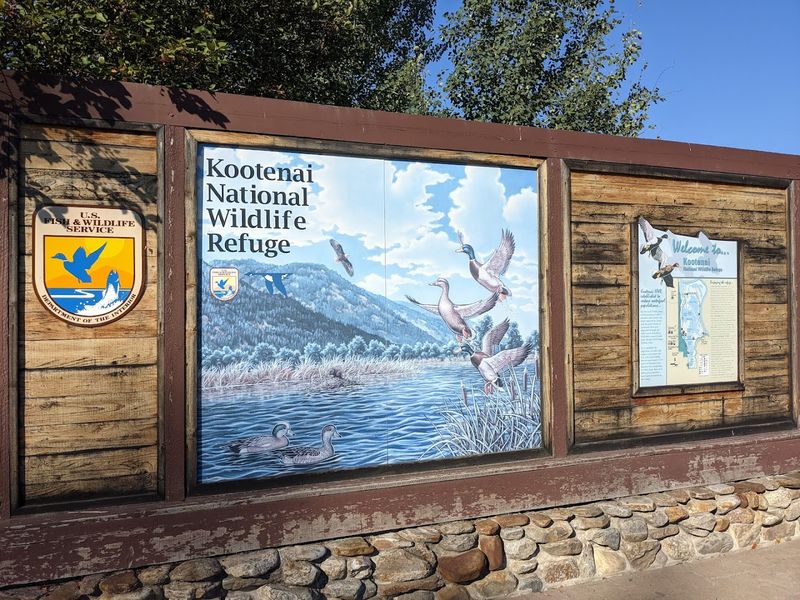
Tucked into the northern tip of Idaho’s panhandle, Kootenai National Wildlife Refuge operates on a scale that makes you feel like you’ve accidentally wandered into a wildlife documentary being filmed in real time.
Located at 287 Westside Rd in Bonners Ferry, ID 83805, this 2,774-acre refuge sits in the Kootenai River Valley, flanked by the dramatic Selkirk Mountains, and serves as a critical stopover point for migrating birds on the Pacific Flyway.
During peak migration season, the skies above the refuge are genuinely electric with movement.
Over 220 species of birds have been documented here, including tundra swans, snow geese, and multiple species of ducks that arrive in massive flocks during spring and fall migrations.
White-tailed deer, moose, and river otters are common here, turning every trail walk into a rewarding wildlife experience. The refuge’s wetlands, ponds, and fields form diverse habitats that support remarkable biodiversity.
A 4.5-mile auto tour route winds through the refuge, making it accessible even if hiking isn’t your thing, and the viewing platforms along the way give you elevated perspectives over the marshes and open water.
The Selkirk Mountains reflected in the still water of the refuge ponds on a calm morning is one of those views that genuinely stops time for a moment. Kootenai proves that the very top of Idaho is as wild and wonderful as anywhere on the map, and it deserves every bit of the attention it rarely gets.