
This 24-Mile Everglades Drive Might Be Florida’s Most Underrated Scenic Route
Somewhere deep in South Florida, a quiet road disappears into a landscape that feels almost untouched by time.
At first, it looks like nothing more than a narrow stretch of pavement cutting through endless grass. But the farther you drive, the more the world around you begins to change.
Wide prairies ripple in the wind like a green ocean. White birds glide low over the water, and sometimes a still shape rests beside the road, barely moving in the sun.
The scenery feels peaceful, yet it is filled with quiet life and subtle movement.
Every few miles, a small trail or wooden overlook appears, hinting that there is far more here than what you see from the driver’s seat.
Step out for a moment and the sounds of the wild quickly take over.
What begins as a simple drive slowly turns into something much more memorable.
Because roads like this do not just lead somewhere.
They quietly reveal one of Florida’s most remarkable natural worlds.
Sawgrass Prairie Views That Stretch Forever
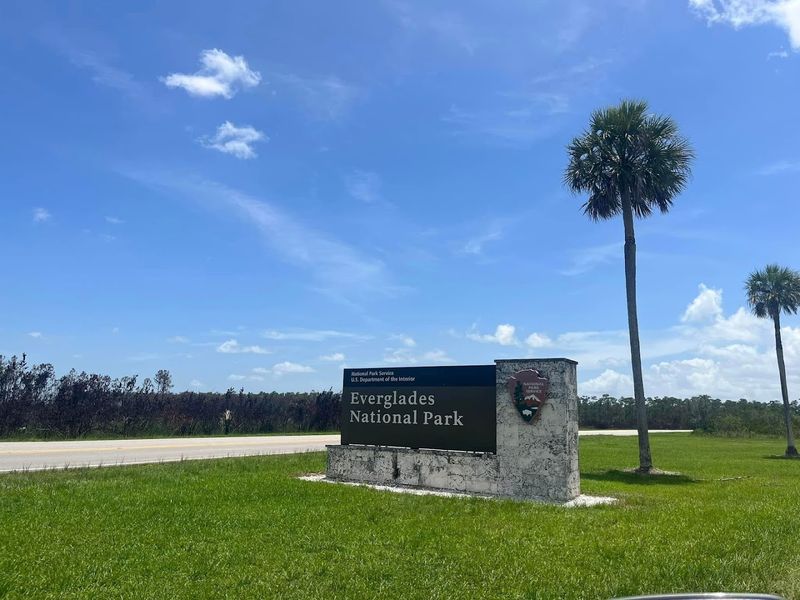
Pulling onto the main park road, I was immediately struck by how open everything felt, like someone had rolled out a green carpet all the way to the sky. The sawgrass prairies here don’t just fill the view; they redefine it, turning the landscape into something that feels both intimate and impossibly vast at the same time.
This isn’t the lush jungle most people picture when they think of Florida. Instead, it’s a quieter kind of beauty, where subtle shifts in light and shadow play across the grass, and distant tree islands rise like green anchors in a sea of gold.
I found myself slowing down more than I expected, pulling over at unmarked spots just to take in the stillness.
The prairies change throughout the day, too. Morning light gives them a soft, almost hazy glow, while late afternoon sun turns the grass into waves of amber and copper.
On my drive, I watched clouds cast slow-moving shadows that seemed to ripple across miles of wetland, a sight that felt both grounding and surreal.
It’s the kind of landscape that asks you to pay attention, to notice the small details rather than rushing toward the next big attraction.
Wildlife Encounters Around Every Curve
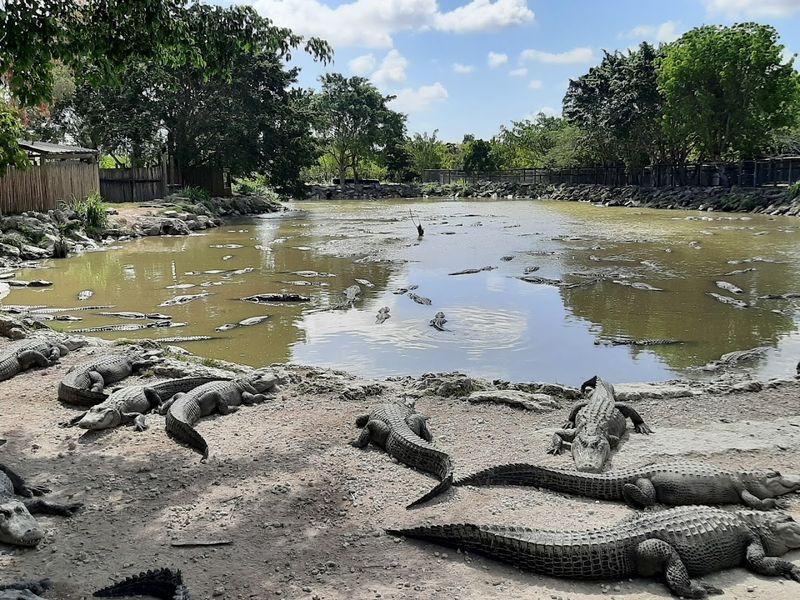
One of the first things I learned on this drive is that patience pays off in ways you can’t predict. Around nearly every curve, there’s a chance to spot something remarkable, whether it’s an alligator lounging near the roadside or a great blue heron standing perfectly still in shallow water.
The wildlife here doesn’t perform on cue, but it also doesn’t hide.
I remember pulling over near a small pond and watching an anhinga spread its wings to dry in the sun, looking like some ancient creature caught between bird and reptile. A few miles later, I spotted a juvenile alligator crossing the pavement, moving with that slow, deliberate confidence that only gators seem to possess.
These moments didn’t require hiking or special equipment, just a willingness to stop and look.
The park’s ecosystem supports an incredible variety of species, from wading birds like roseate spoonbills to turtles basking on logs. Even when animals aren’t immediately visible, you can sense their presence in the ripples on the water or the sudden flutter of wings in the mangroves.
Every visit feels different because the wildlife moves, feeds, and rests on its own schedule, not yours.
Anhinga Trail Access And Boardwalk Magic
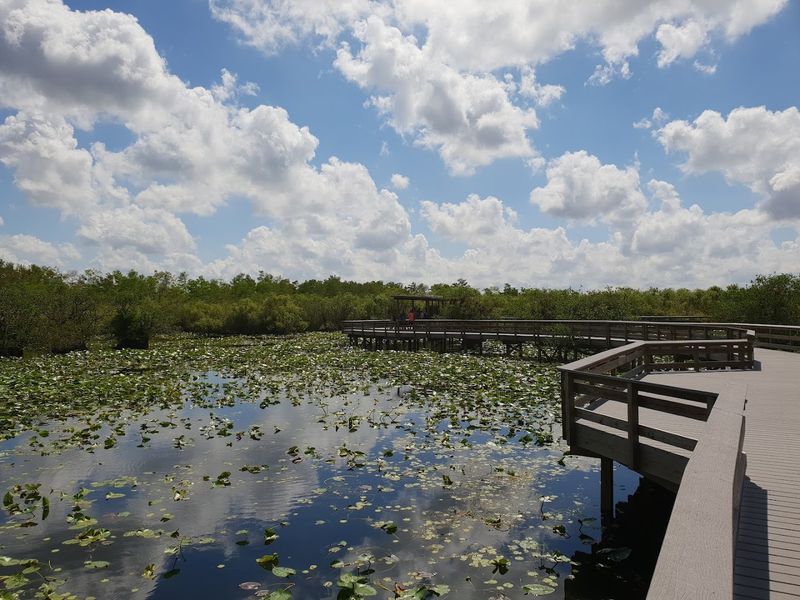
Just a short detour from the main road sits the Anhinga Trail, and I can’t recommend it enough for anyone who wants to see the Everglades up close without breaking a sweat. This paved, wheelchair-accessible boardwalk winds through Taylor Slough, where the water level creates a natural gathering spot for fish, birds, and reptiles during the dry season.
Walking this trail felt less like hiking and more like visiting an outdoor aquarium. Alligators floated within arm’s reach of the boardwalk, completely unbothered by the steady stream of visitors.
Anhingas perched on branches, drying their wings in that iconic spread-eagle pose, while turtles stacked themselves on logs like some sort of reptile pyramid. The proximity to wildlife here is almost surreal.
What makes this trail special isn’t just the animals, though. It’s the way the boardwalk immerses you in the ecosystem without disrupting it.
You’re walking through their world, not the other way around. Early morning visits offer the best light and the most active wildlife, but even midday stops can surprise you with sudden bird activity or a lurking crocodile.
This stop alone justifies the drive, and it’s one I found myself returning to before leaving the park.
Pinelands And Hardwood Hammocks Along The Route
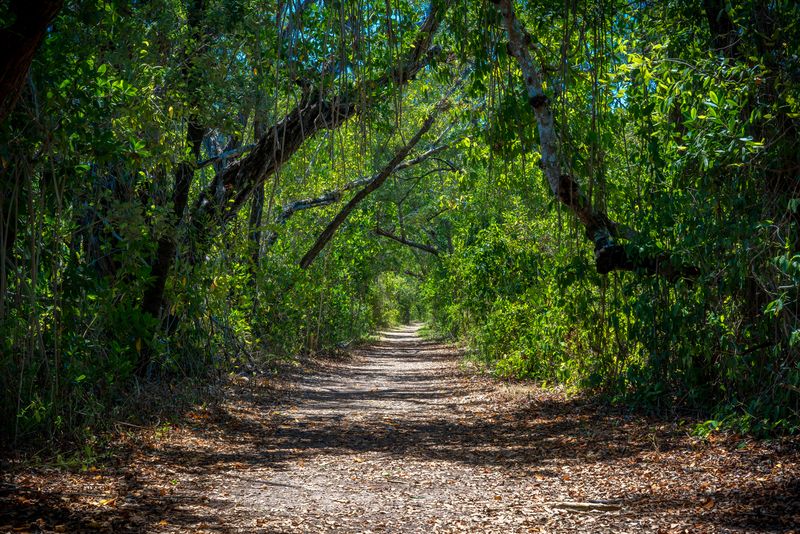
Not every mile of this drive looks the same, and that’s part of what makes it so engaging. As you move along the road, you pass through distinct ecosystems, including the pinelands and hardwood hammocks that rise slightly above the surrounding wetlands.
These elevated areas create pockets of shade and shelter, supporting plants and animals you won’t see in the open prairies.
The pinelands are dominated by slash pines, their tall trunks creating a cathedral-like canopy overhead. Underneath, saw palmettos carpet the ground, and if you’re paying attention, you might spot gopher tortoises or the occasional deer moving through the underbrush.
It’s a quieter, more enclosed environment compared to the wide-open grasslands, and the shift in atmosphere is immediate.
Hardwood hammocks, on the other hand, feel almost tropical. These dense clusters of mahogany, gumbo limbo, and other broadleaf trees create cool, shaded pockets that feel like stepping into a different climate zone altogether.
I stopped at one of the pullouts near a hammock and was amazed by how much cooler and more humid it felt just a few steps off the road.
These transitions remind you that the Everglades isn’t just one habitat but a complex mosaic of interconnected environments.
Flamingo Marina And Coastal Transition
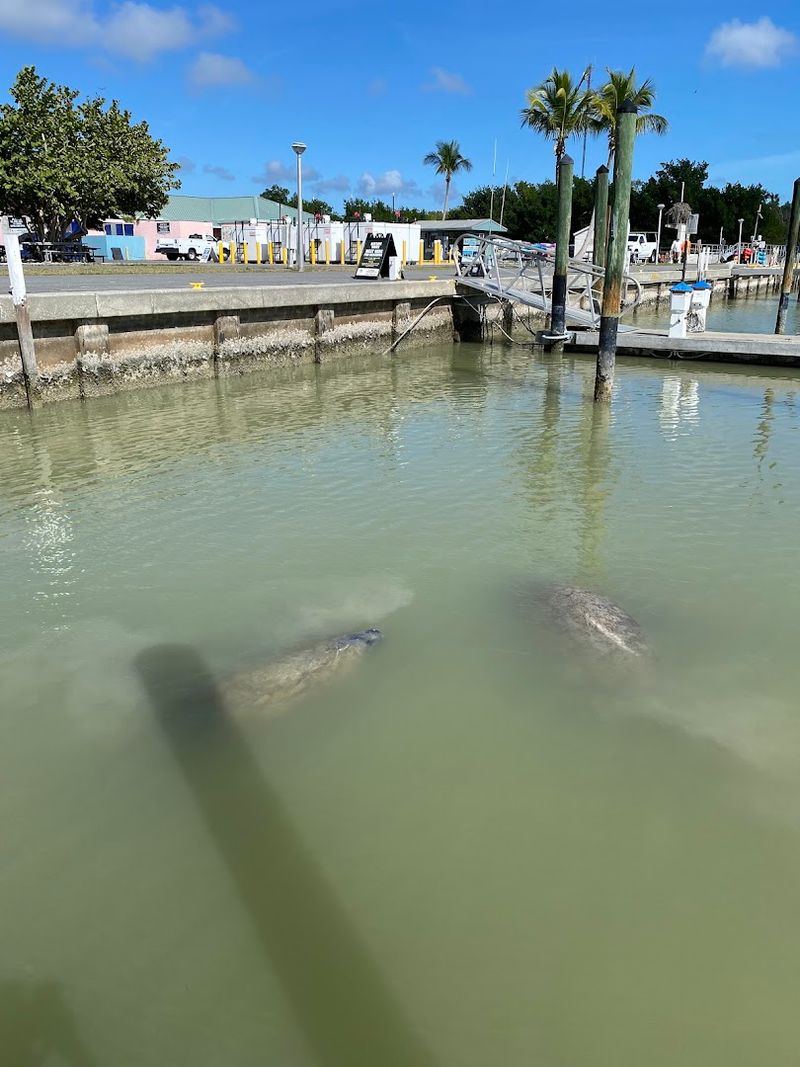
Reaching Flamingo at the end of the 24-mile drive feels like arriving at the edge of the world. This remote outpost sits where the freshwater Everglades meet the saltwater of Florida Bay, creating a unique transition zone that supports both crocodiles and manatees.
The marina here serves as a hub for kayakers, boaters, and anyone looking to explore the park’s coastal side.
When I arrived, the first thing I noticed was the wind. Unlike the sheltered interior of the park, Flamingo sits exposed to the bay, and the breeze carries the scent of salt and mangroves.
The views across the water are expansive, with shallow flats stretching toward distant mangrove islands that seem to float on the horizon.
Flamingo also offers facilities you won’t find elsewhere along the drive, including a visitor center, campground, and boat ramps. If you’re interested in paddling, this is the place to launch.
The backcountry canoe trails here wind through mangrove tunnels and open bays, offering a perspective on the Everglades that feels both intimate and adventurous.
Even if you don’t get on the water, simply walking around the marina and watching the light shift across the bay makes the drive worthwhile.
Seasonal Changes That Transform The Experience
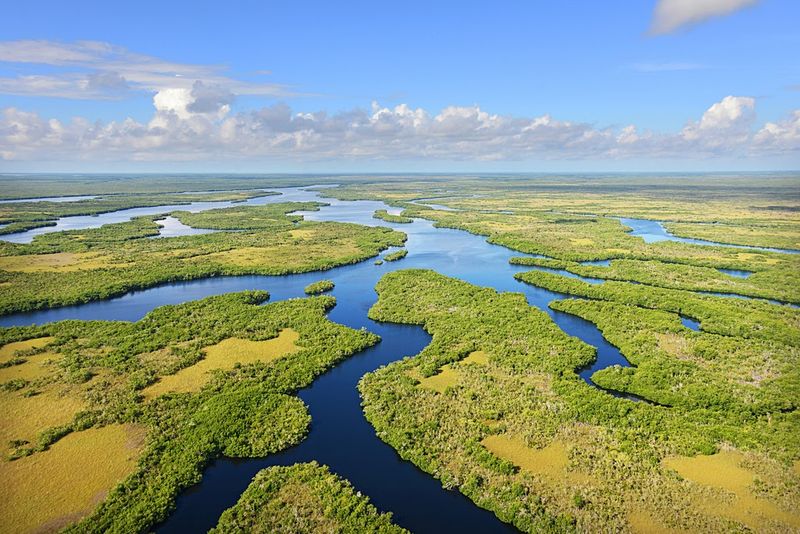
Timing your visit to the Everglades can dramatically change what you see and experience. The park operates on two main seasons: wet and dry.
During the wet season, which runs roughly from May through November, water levels rise, spreading wildlife across a much larger area. The dry season, from December through April, concentrates animals around shrinking water sources, making sightings more frequent and predictable.
I visited during the dry season and was amazed by how many alligators and wading birds I could see in a single stop. The receding water creates natural gathering points where fish, turtles, and birds converge, and predators follow.
It’s like nature’s version of a watering hole on the African savanna, except with sawgrass and mangroves instead of acacia trees.
The wet season offers its own rewards, though. Mosquitoes become more aggressive, which is worth noting, but the landscape turns lush and green, and migratory birds arrive in huge numbers.
Thunderstorms roll across the prairies in the afternoons, creating dramatic skies that photographers love. The park feels wilder and less crowded during this time, which appeals to visitors who prefer solitude over convenience.
Understanding these seasonal rhythms helps you plan a visit that matches your interests and tolerance for heat and bugs.
Overlooks And Pullouts For Photography
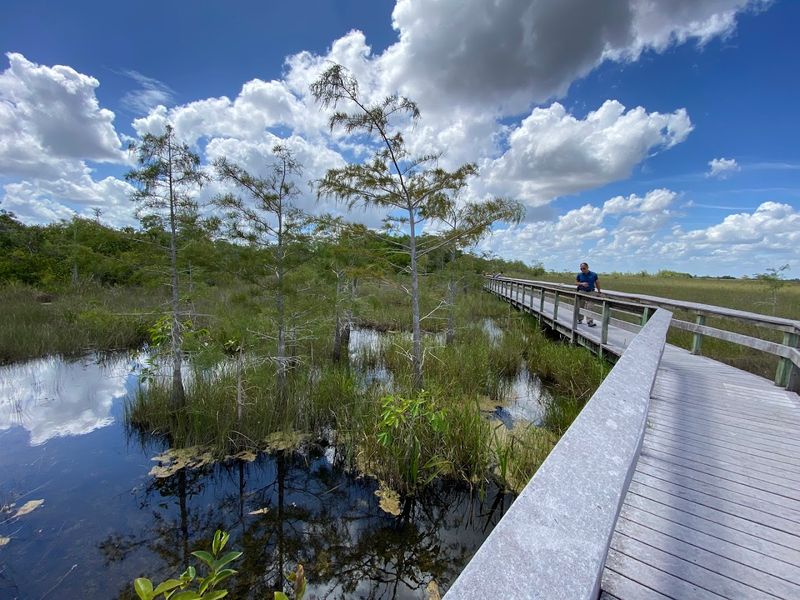
One of the best things about this drive is that you don’t have to hike miles to get stunning views. The park has strategically placed pullouts and overlooks along the route, each offering a different perspective on the landscape.
Some face open prairies, others look toward tree islands, and a few provide glimpses of distant water channels winding through the grass.
I made it a point to stop at several of these spots, and each one rewarded me with something unique. At one pullout, I watched a red-shouldered hawk perched on a weathered cypress snag, scanning the ground for prey.
At another, I caught the late afternoon light turning the sawgrass into shades of gold and copper that seemed to glow from within. These moments don’t require special equipment or advanced photography skills, just a willingness to pause and observe.
The overlooks also feature interpretive signs that explain what you’re seeing, from the role of fire in maintaining the ecosystem to the migration patterns of birds that travel thousands of miles to spend winter here. These details add depth to the visual experience, helping you understand the forces that shape this landscape.
Even if you’re not a photographer, these stops break up the drive and give you a chance to stretch your legs and breathe in the quiet.
Shark Valley Tram Tour Connection
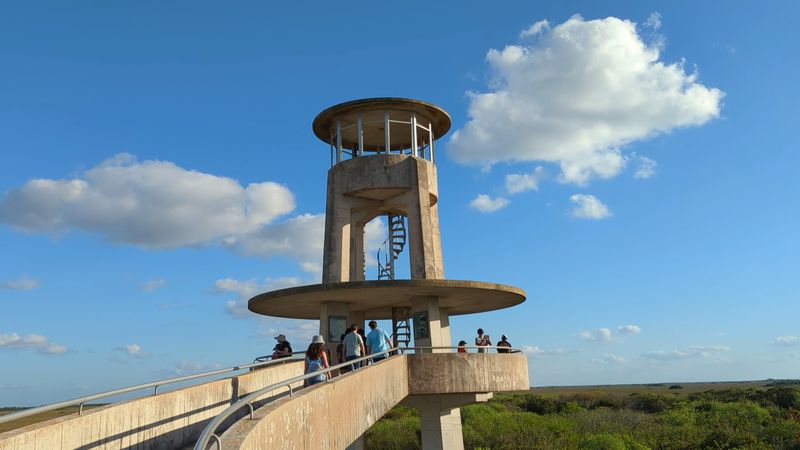
While the main park road offers an incredible self-guided experience, it’s worth mentioning that Shark Valley, located on the northern edge of the park, provides a different but equally rewarding way to see the Everglades. A two-hour tram tour takes you along a 15-mile paved loop, with a naturalist guide pointing out wildlife and explaining the ecosystem as you ride.
I took the tram tour on a separate visit, and it completely changed how I understood the park. The guide’s knowledge brought the landscape to life in ways I hadn’t anticipated.
She explained how alligators dig out “gator holes” that become crucial water sources during the dry season, supporting entire communities of fish, turtles, and birds. She pointed out subtle differences between alligators and crocodiles, and she helped us spot a juvenile alligator that I would have driven right past on my own.
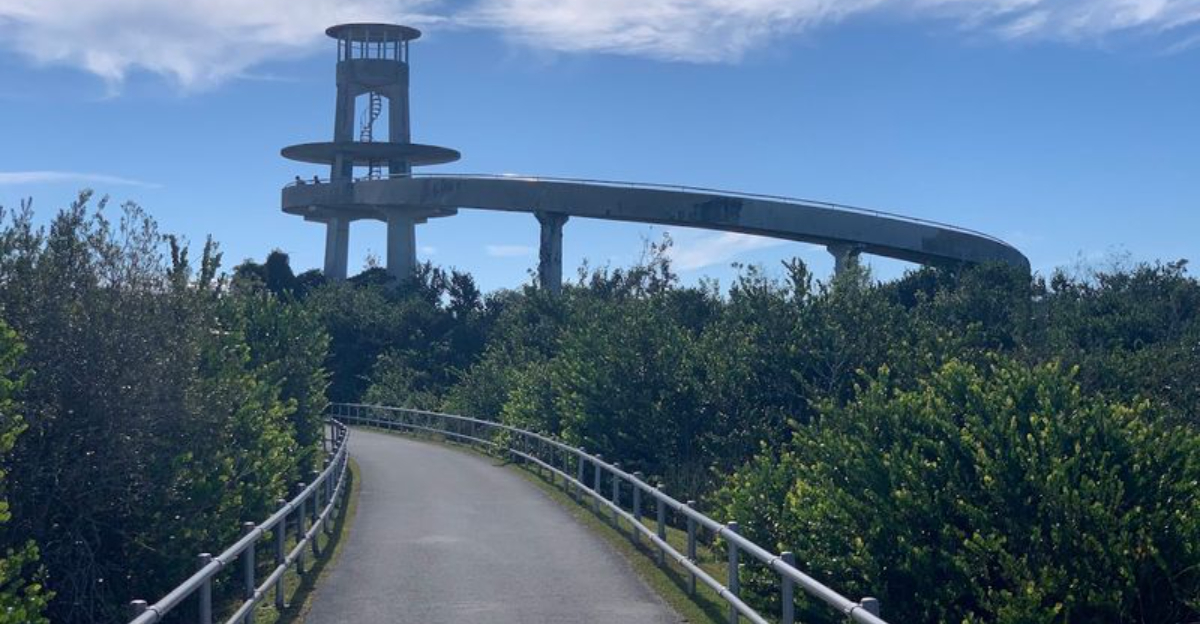
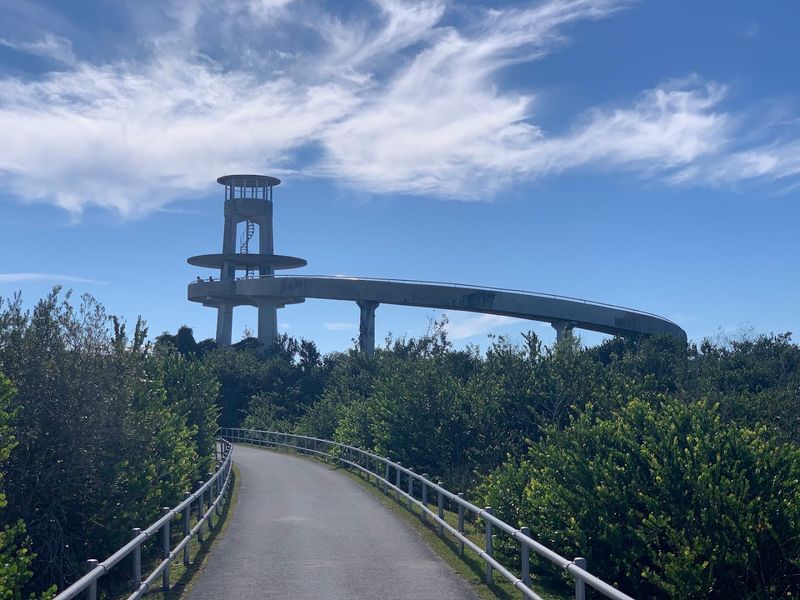
The tram stops at an observation tower midway through the loop, offering panoramic views across the sawgrass that stretch for miles in every direction. Climbing that tower felt like gaining a bird’s-eye view of a landscape that usually keeps you at ground level.
It’s a perspective that helps you grasp the true scale of the Everglades.
Booking ahead is essential, especially during peak season, as slots fill up quickly.
Practical Tips For Making The Most Of Your Drive
A few practical considerations can make your drive through the Everglades significantly more enjoyable. First, bring plenty of water.
The humidity here is no joke, and even short walks from your car to a viewpoint can leave you feeling parched. I went through more water than I expected, and I was grateful I’d packed extra bottles.
Insect repellent is another must, especially if you’re visiting during the wet season or at dawn and dusk. Mosquitoes and biting gnats can be relentless, and while they’re less aggressive during the dry season, they’re never completely absent.
I learned this the hard way during an evening stop at Flamingo, where I became a mobile buffet for what felt like every mosquito in South Florida.
Sunscreen and a hat are equally important. There’s very little shade along most of the drive, and the Florida sun is intense year-round.
I also recommend downloading an offline map before you enter the park, as cell service is spotty to nonexistent throughout most of the area. The park’s official app is helpful too, offering trail information and interpretive content that enhances your visit.
Finally, give yourself more time than you think you’ll need. This isn’t a drive you want to rush through.
Sunrise And Sunset Magic On The Road
If you can arrange your schedule to catch either sunrise or sunset along this route, do it. The light during these hours transforms the Everglades into something almost otherworldly, painting the sawgrass in shades of amber, rose, and violet that shift by the minute.
I happened to be near Pa-hay-okee Overlook during sunset, and the experience felt less like sightseeing and more like witnessing something sacred.
Sunrise brings its own rewards. The air is cooler, the wildlife is more active, and the light has a softer, more delicate quality that makes everything look freshly painted.
I watched a great egret fishing in the early morning glow, its white feathers catching the light in a way that made it seem luminous. The stillness at that hour is profound, broken only by bird calls and the occasional splash of a fish or turtle.
Sunset, on the other hand, tends to be more dramatic. The sky explodes with color, and the wide-open landscape gives you an unobstructed view of the entire spectacle.
I’ve seen sunsets in a lot of places, but there’s something about watching one unfold over millions of acres of wetland that puts everything else in perspective.
These moments remind you why places like this need to be protected and preserved.