
This Tucked Away Historic Site In Arizona Feels Like Another Era
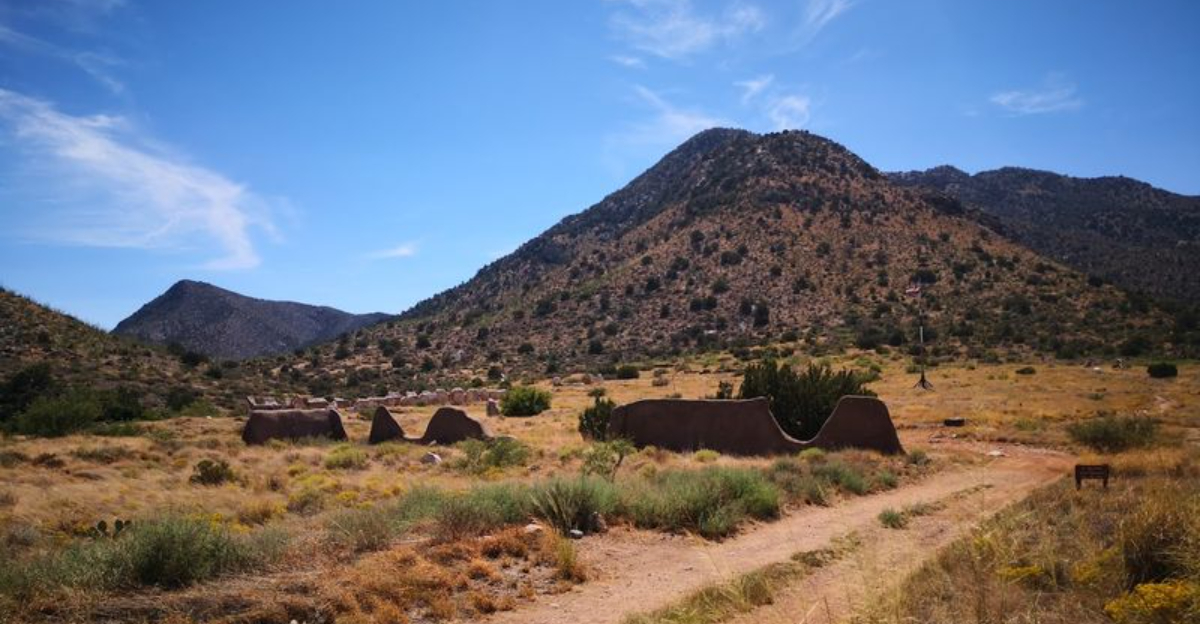
Sometimes the best adventures require leaving the paved roads behind and following a dusty path to see what remains of the past. There is a beautifully preserved site here in Arizona that feels completely untouched by time, offering a peaceful glimpse into a much rowdier era.
It’s a bit of a hike to get there, but that’s half the charm, it keeps the crowds away and makes the discovery feel earned. You’ll find yourself standing among weathered ruins and wide-open skies, imagining the stories of the people who once lived and worked in the very same spot.
It is a quiet, powerful reminder of the layers of history we have right here in Arizona. You’ll definitely want to bring your boots for this one.
The Story Behind
Long before the fort had a name, Apache Pass was already one of the most contested stretches of land in the American Southwest. The fort was not built for comfort.
It was built for control, positioned strategically near Apache Spring, the only reliable water source for miles in every direction.
For nearly 25 years, the fort served as the nerve center of military operations during the Apache Wars. It witnessed the rise and eventual surrender of famous Apache leaders and stood as a symbol of the painful collision between two very different ways of life.
Fort Bowie was established in 1862, born directly out of the Battle of Apache Pass, when U.S. Army soldiers clashed with Chiricahua Apache warriors who were defending their ancestral territory.
The Chiricahua Apache had lived in these mountains for generations, and the arrival of the U.S. Army changed everything.
Understanding that history is what makes a visit here feel so weighty and so unforgettable.
The Trail That Takes You Back In Time
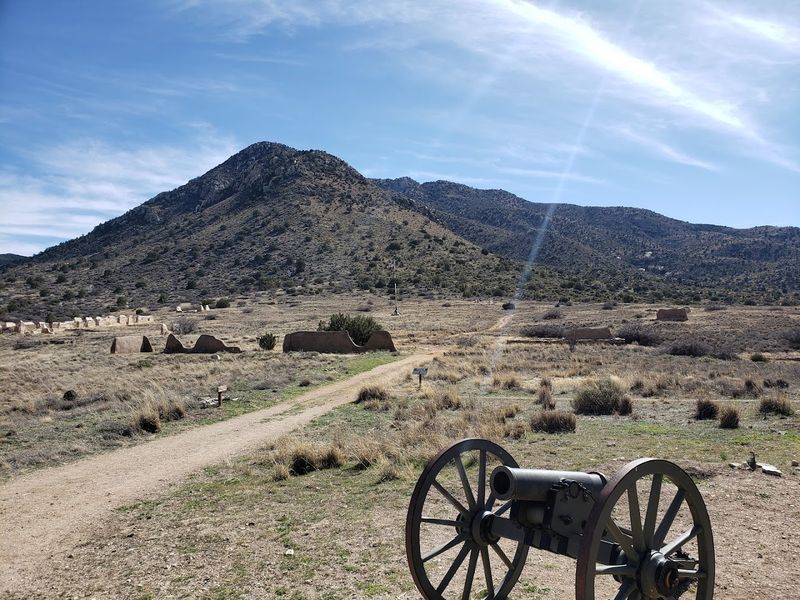
Most national historic sites let you drive almost right up to the main attraction, but Fort Bowie felt different from the very start. Reaching the ruins meant taking a 1.5 mile trail from the parking area off Apache Pass Road, and honestly, that walk ended up being one of my favorite parts of the whole visit.
The path led me through open desert scrub, across rocky ground, and past scenery that felt like it had barely changed in more than a century. Along the way, the interpretive signs gave just enough context to make everything feel richer without pulling me out of the landscape.
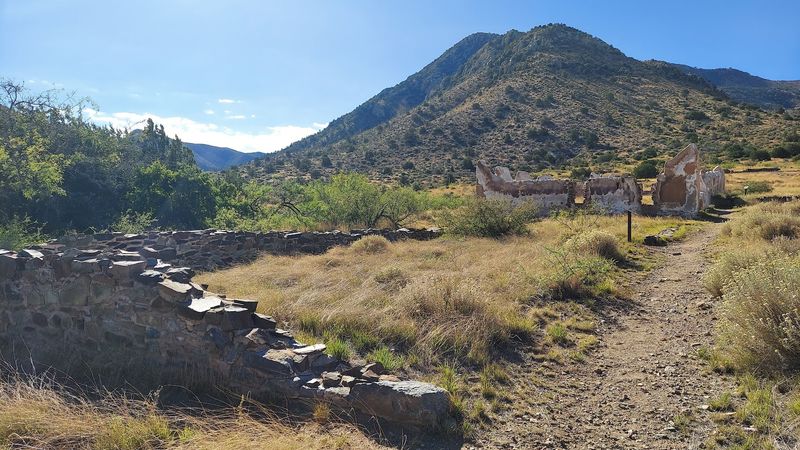
Passing the crumbling remains of the Butterfield Overland Stage Station made the route feel even more powerful, knowing this was once such an important travel corridor. The trail felt easy enough to enjoy, though I was definitely glad to have sturdy shoes and plenty of water with me under the Arizona sun.
By the time the adobe walls of the fort finally came into view, it genuinely felt like I had arrived somewhere meaningful. That slow, earned approach made the whole place feel more vivid, more remote, and much more memorable than if I had just stepped out of a car a few feet away.
Apache Spring And Its Quiet Significance
Water is everything in the Sonoran Desert, and Apache Spring is living proof of that. This small, shaded spring sits along the trail to the fort ruins, and it looks almost unremarkable at first glance.
But this little trickle of water is precisely why so much history happened right here. The Chiricahua Apache depended on it.
The Butterfield Stage relied on it. The U.S. Army built a fort next to it. Everything at Fort Bowie circles back to that spring.
Standing beside Apache Spring today, you can feel the strange stillness of the place. Birds dart through the surrounding brush, the water moves quietly over smooth stones, and for a moment the noise of the modern world genuinely fades away.
It is one of those small, specific details that makes the site feel real rather than reconstructed.
The spring also serves as a gentle reminder that history is rarely about grand monuments alone. Sometimes the most important things are the smallest ones, like a reliable source of water in the middle of a parched desert.
The Ruins And What They Tell You
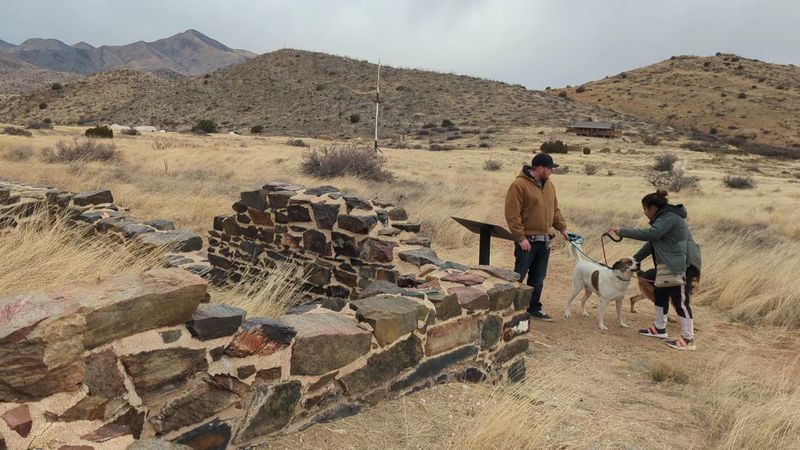
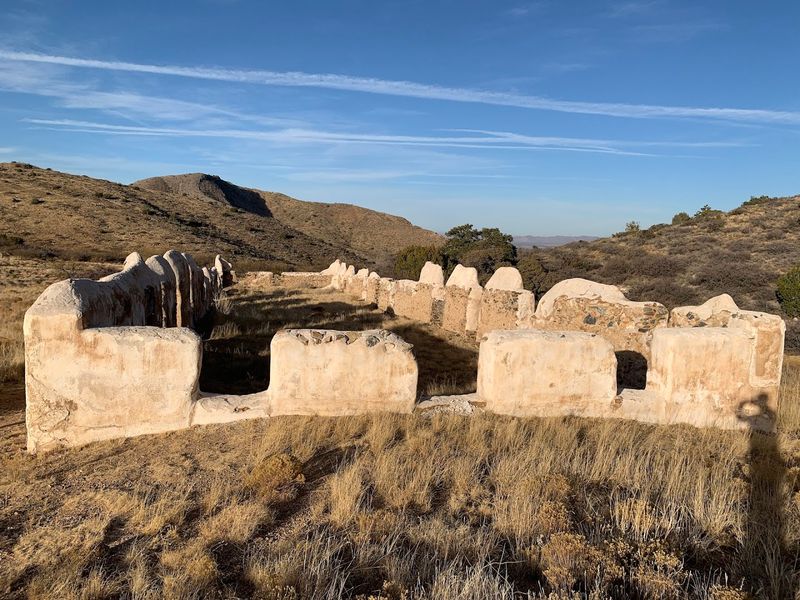
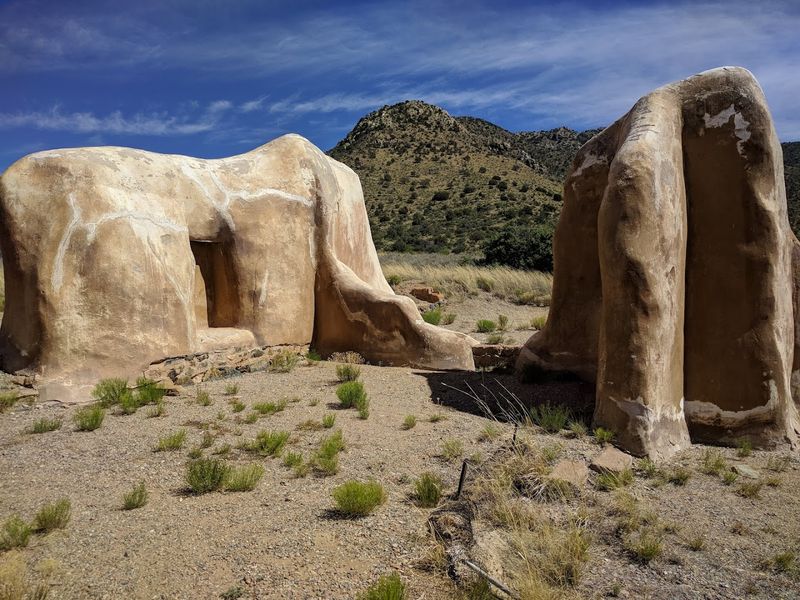
Walking among the ruins of Fort Bowie is a different kind of experience than visiting a fully restored historic site. The adobe walls are weathered, cracked, and in some places barely knee-high.
But that raw, unpolished state is exactly what makes them so compelling.
You are not looking at a recreation. You are looking at the actual remnants of a place where real people lived, worked, and navigated one of the most turbulent chapters in American history.
The National Park Service has worked carefully to stabilize the ruins using lime plaster encapsulation, a preservation technique designed to slow erosion without altering the authentic appearance of the structures. The result is that the ruins feel genuinely old, because they are.
Reading the interpretive panels beside each structure adds layers of meaning to what you see. The officers quarters, the bakery, the hospital all become more than just crumbling walls once you understand what happened inside them.
The ruins speak quietly, but they say a great deal if you take the time to listen.
The Visitor Center Experience
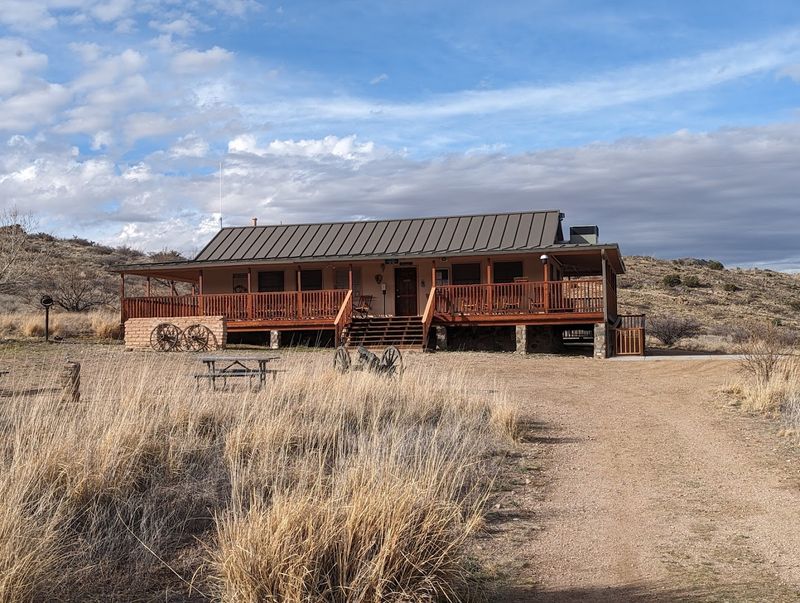
After the hike in, reaching the visitor center feels like a small reward. It is a modest building by national park standards, but it punches well above its size in terms of what it offers.
Inside, you will find exhibits covering the Apache Wars, the history of the Butterfield Overland Stage, and the lives of both the soldiers and the Chiricahua Apache people who shaped this landscape.
Park rangers are typically on hand to answer questions, and their knowledge adds real depth to what the exhibits present. If you catch a ranger-led talk during your visit, carve out time for it.
These informal conversations often surface details and stories that no sign or display can fully capture. The visitor center is open daily from 8:30 a.m. to 4 p.m., giving you a solid window to explore before or after your hike.
There is no admission fee to enter Fort Bowie National Historic Site, which makes it one of the most accessible and rewarding free experiences in all of Arizona. Plan accordingly and bring your curiosity.
The Post Cemetery And Its Somber Beauty
One of the most quietly moving stops along the Fort Bowie trail is the post cemetery, situated a short distance from the main ruins. Weathered headstones mark the graves of soldiers, civilians, and Apache scouts who were part of this place during its active years.
The cemetery is small, surrounded by desert scrub, and set against the kind of wide-open sky that makes you feel very aware of how far you are from anywhere else.
There is a particular stillness here that feels different from the rest of the trail. Visitors tend to slow down and speak more softly without anyone asking them to.
The cemetery is a tangible reminder that the history of Fort Bowie was not abstract. It involved real people with real lives, and their stories deserve to be acknowledged with care.
The headstones themselves are fascinating historical artifacts, with inscriptions that offer glimpses into names, ranks, and dates that connect the site to specific moments in time. It is a sobering and genuinely meaningful part of the visit.
Best Time To Visit And Practical Tips
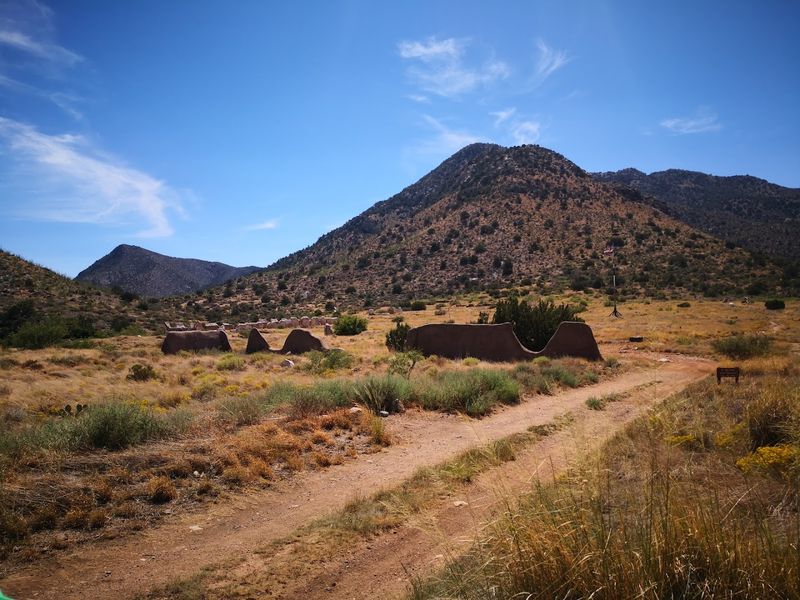
Southeastern Arizona has a climate that rewards smart planning. The most comfortable times to visit Fort Bowie are spring, from March through May, and fall, from September through November, when temperatures are mild and the desert light is especially beautiful.
Summer brings intense heat and afternoon monsoon storms, so early morning visits are strongly advisable if you go between June and August.
The park grounds and trails are open from sunrise to sunset every day of the week, giving you flexibility to time your hike for cooler parts of the day. Bring at least two liters of water per person, wear sunscreen, and pack a hat.
The trail is mostly exposed, and the Arizona sun does not take breaks.
There is no admission fee, no food concession, and no cell service to speak of, so prepare accordingly. Download offline maps before you leave, let someone know your plans, and give yourself at least two to three hours for a relaxed, unhurried visit.
The reward for that preparation is a truly memorable afternoon in one of Arizona’s most underrated historic places.
Why Fort Bowie Stays With You Long After You Leave
Some places are impressive while you are there and forgettable by the time you get home. Fort Bowie is not one of those places.
There is something about the combination of the hike, the landscape, the ruins, and the layered history that works its way into your memory and stays there.
You carry the experience with you in a way that a drive-up historic site rarely achieves.
Part of it is the physical effort of getting there. Walking that trail through the desert, past the spring and the stagecoach ruins, gives you a sense of the distance and difficulty that defined life in this pass for everyone who passed through it.
You feel the landscape in your legs, and that physical connection makes the history feel personal.
The Chiricahua Mountains rising in every direction, the silence of the desert, the crumbling walls of a place that shaped a nation’s westward story, all of it adds up to something that resonates long after you have driven back down Apache Pass Road. Fort Bowie earns its place in your travel memory.