
Feel The Need For Speed At This Massive And Incredible Ohio Aviation Museum

Inside one Ohio museum, aviation history is everywhere you look, hanging overhead, parked out on the floor, and staring back at you through cockpit glass. Military jets, vintage bombers, rare gliders, and artifacts spanning more than a century all share the same space, and the first few minutes feel like your eyes need a minute to catch up.
I walked in thinking I would do a quick loop and snap a couple photos, then I blinked and realized I had completely lost track of time.
This is the kind of place that turns casual visitors into people who suddenly care about wingspans, engines, and the tiny details on placards, and I am about to tell you exactly why it belongs on your Ohio list.
A First Look at MAPS Air Museum
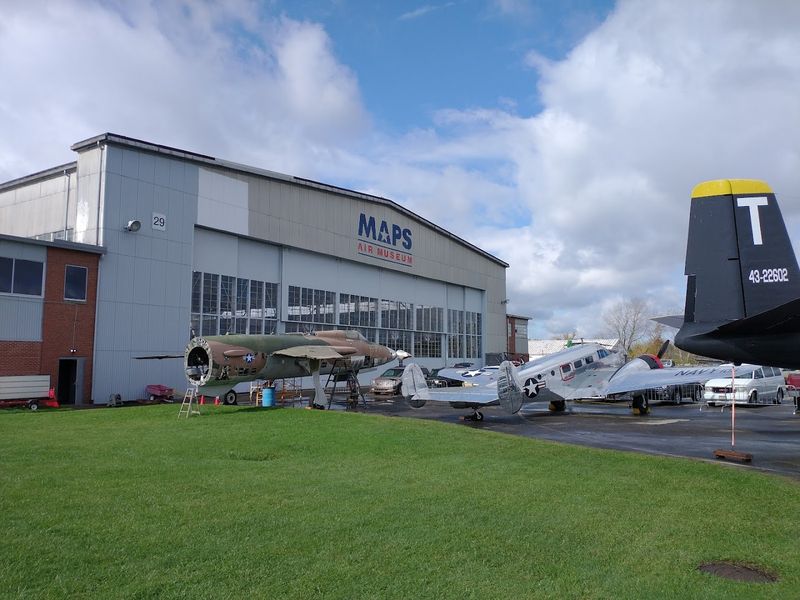
My first impression of this place was that it looked bigger than I expected, and that feeling only grew stronger the moment I walked through the front door.
MAPS Air Museum, sits just off the Akron-Canton Airport area and houses one of the most impressive collections of military aviation history in the Midwest.
The name MAPS stands for Military Aviation Preservation Society, and the mission here is clear from the start: preserve, educate, and honor.
The building itself is a massive hangar-style structure, and the sheer scale of it hits you fast. Aircraft are positioned throughout the space with plenty of room to walk around each one, view them from multiple angles, and actually absorb what you are looking at.
Admission for adults runs around $15, which is genuinely one of the better deals you will find for a museum of this caliber anywhere in the state.
This place is located at 2260 International Pkwy, North Canton, OH 44720.
The Aircraft Collection Inside the Hangar
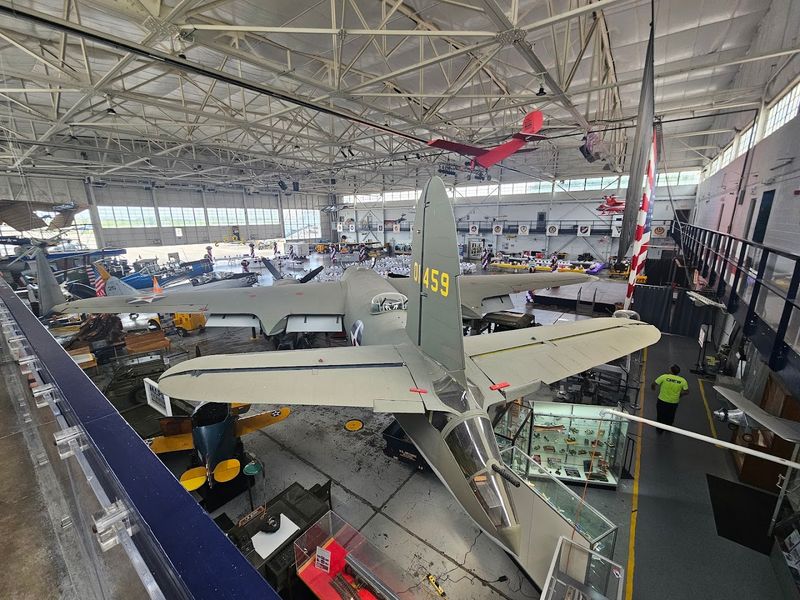
The indoor collection is where MAPS truly earns its reputation, and it does not hold back.
Rare aircraft fill the hangar floor, and the variety is striking. You will find everything from early 20th-century gliders to Korean War-era jets to Vietnam-era fighters, all lined up and meticulously maintained.
One of the standout pieces is the oldest surviving B-26 Marauder bomber, which alone makes the trip worthwhile for any history enthusiast. There is also a 1908 Martin Glider on display, which puts into perspective just how far aviation has come in a relatively short span of time.
Most aircraft have informational panels nearby, and many feature QR codes that you can scan with your phone to access even more detailed background on each aircraft. That little tech touch makes a real difference for curious visitors who want to go deeper.
The layout is smart and spacious, so you never feel cramped or rushed as you move from one aircraft to the next.
Outdoor Aircraft on the Tarmac
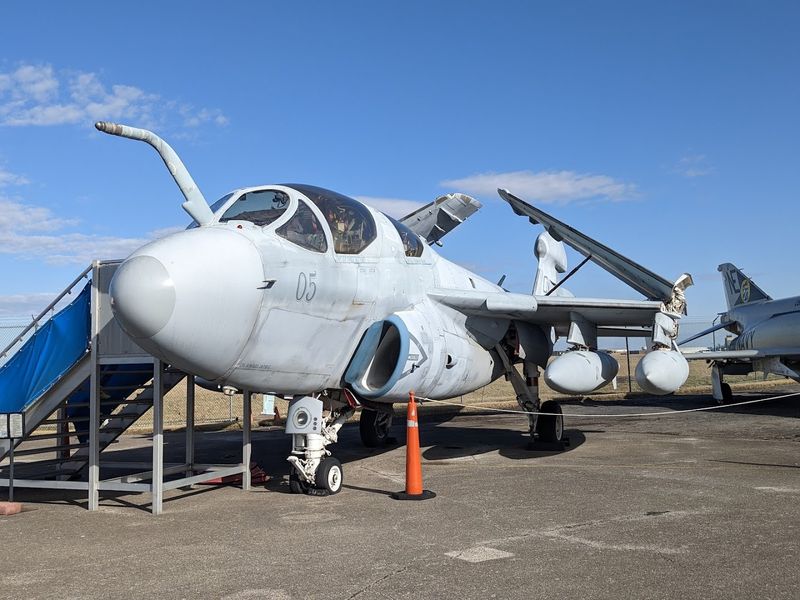
Beyond the hangar walls, the museum extends outside onto a tarmac area where additional aircraft are spread across a generous amount of open space.
Fair warning: the outdoor exhibits are spread out enough that you will definitely log some steps exploring them. Bring comfortable shoes, because navigating the grounds takes more time than you might expect.
The outdoor planes give you a sense of raw scale that is harder to appreciate indoors. Standing next to a large transport aircraft or a hulking bomber on open ground hits differently than seeing a photo in a textbook.
Availability of the outdoor area can vary depending on weather and restoration schedules, so it is worth checking with the museum before your visit if the outdoor exhibits are a top priority for you.
Even on a partly cloudy day, the tarmac walk felt worthwhile. The aircraft displayed outside include some genuinely rare finds, and the open-air setting gives photographers a fantastic opportunity to capture clean, dramatic shots without glass or roping in the way.
The Volunteer Tour Guides Who Make It Personal

Here is the thing about MAPS that sets it apart from a lot of other museums: the volunteer tour guides are extraordinary.
When I arrived, a staff member offered a guided tour at no extra charge. I almost declined, thinking I could cover more ground on my own.
That would have been a mistake.
The guide I ended up with had deep personal knowledge of each aircraft, the local connections to specific planes, and stories that no placard could ever fully capture. He answered every question I threw at him with patience and genuine enthusiasm, and his stories about Vietnam veterans and their service left me genuinely moved.
These volunteers are not just docents reading from a script. Many of them have personal ties to military aviation, and that passion comes through in every conversation.
If you visit and they offer you a guide, say yes without hesitation. Plan for at least two to three hours minimum, and honestly, block out four or five if you want to do it properly.
The experience is richer for it.
Rare and Unique Aircraft You Will Not Find Elsewhere

Part of what makes MAPS genuinely special is the presence of aircraft you simply will not encounter at most other museums, even larger and more well-funded ones.
The photo reconnaissance F9F-P on display is a prime example. What makes it remarkable is that its original cameras are still inside the aircraft, an uncommon feature that gives visitors a real look at how aerial reconnaissance actually functioned during its era.
The museum also has a Vought Cutlass that was undergoing restoration during my visit, with the wings already visible and the full aircraft expected to be a showstopper once complete. Watching a restoration in progress is its own kind of fascinating experience.
For aircraft collectors and serious aviation enthusiasts, the presence of these rarer pieces elevates the collection well beyond what a typical regional museum offers. The curators clearly prioritize historical significance alongside display value, and the result is a lineup that rewards careful attention.
Every corner of the hangar seems to hold something unexpected, and that sense of discovery keeps the visit energized from start to finish.
The Medal of Honor Room and Historical Exhibits
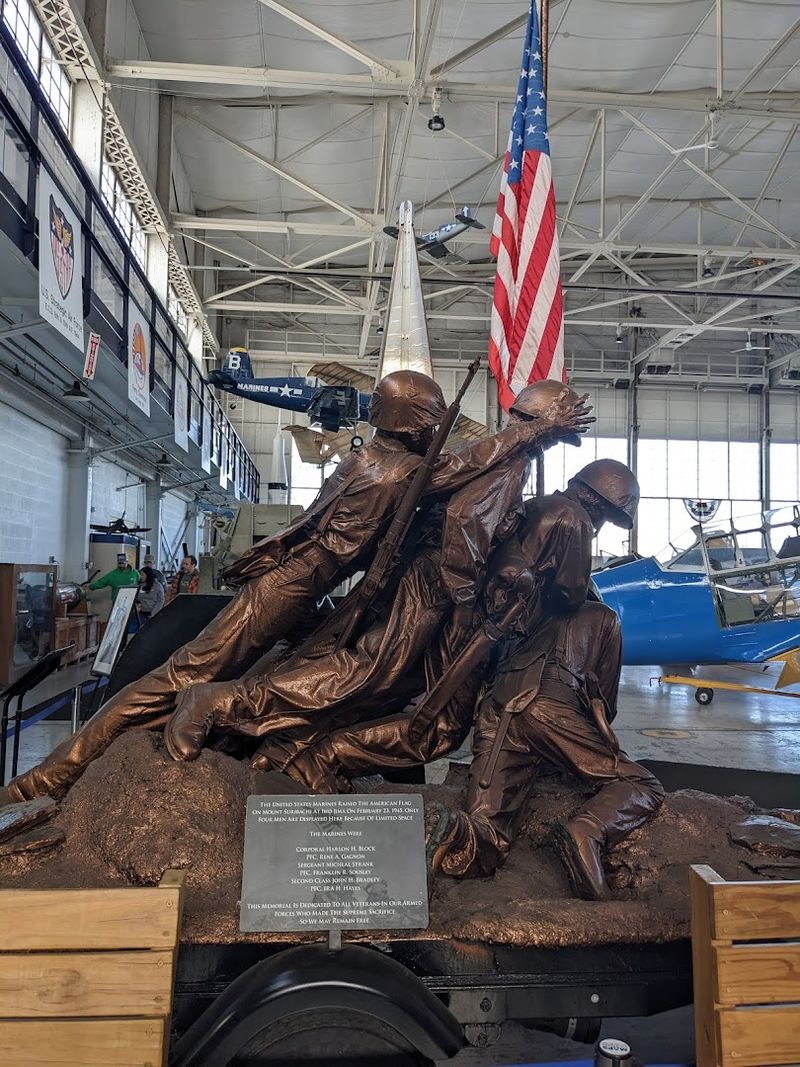
Not everything at MAPS revolves around aircraft, and that is one of the things I appreciated most about the experience.
Tucked within the museum are several dedicated exhibit halls that honor the men and women who served in the United States military. The Medal of Honor room is among the most powerful spaces in the entire building.
Standing in that room, surrounded by the names and faces of recipients, carries a weight that is hard to put into words. It is quiet and respectful, and it gives the whole museum a deeper sense of purpose beyond just displaying cool machines.
The F-100 Super Sabre room is another highlight, offering a focused look at one of the most iconic jets of the Cold War era with artifacts and context that bring its history to life.
Military uniforms, weapons, naval artifacts, and other memorabilia are scattered throughout various exhibit halls, rounding out the experience for visitors who want historical context alongside the aircraft themselves. The museum truly earns its identity as a comprehensive military history institution.
The On-Site Library and Research Resources

Most people do not expect to find a library inside an aviation museum, but MAPS has one, and it is a genuinely worthwhile addition to the facility.
The on-site library contains a curated collection of aviation and military history resources, making it a useful stop for researchers, students, or anyone who wants to go deeper into the stories behind the aircraft on display.
I spent a few minutes browsing the shelves and was impressed by the range of material available. It is the kind of resource that signals how seriously the museum takes its educational mission.
For families visiting with curious kids, the library offers a quieter space to slow down and explore a subject that caught their interest during the main tour. Teachers and educators planning group visits might also find the library a helpful complement to the exhibits.
It is not a massive research archive, but for a regional museum, the fact that it exists at all says something meaningful about the depth of commitment the organization has to preserving and sharing military aviation history in Ohio and beyond.
Getting Up Close With the Aircraft
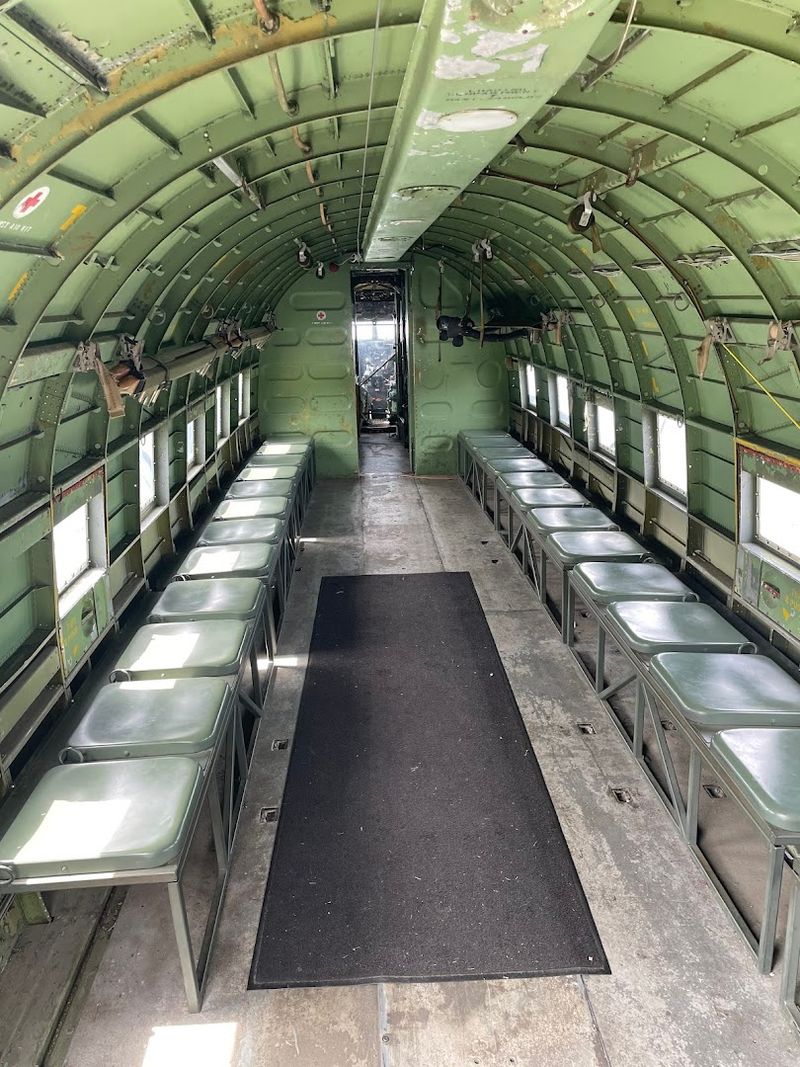
One of the most memorable parts of my visit was the opportunity to actually get inside some of the aircraft on display, not just look at them from behind a rope.
Several aircraft at MAPS are open for visitors to walk through or climb into, and that hands-on access makes a huge difference in how connected you feel to the history. There is something about standing in the fuselage of a real military aircraft that no photograph or video can replicate.
Kids especially go wild for this part. I watched a group of young visitors practically sprint toward one of the walkthrough planes, and their excitement was contagious.
It is worth noting that not every aircraft has cockpit access. Some branches of the military that loan aircraft to the museum restrict cockpit entry, and some restored planes simply do not have complete cockpit interiors.
The museum is transparent about this, so expectations are managed well.
Even without cockpit access in every case, the sheer ability to stand inside a piece of history makes MAPS a more immersive experience than most aviation museums I have visited across the country.
Practical Tips for Planning Your Visit
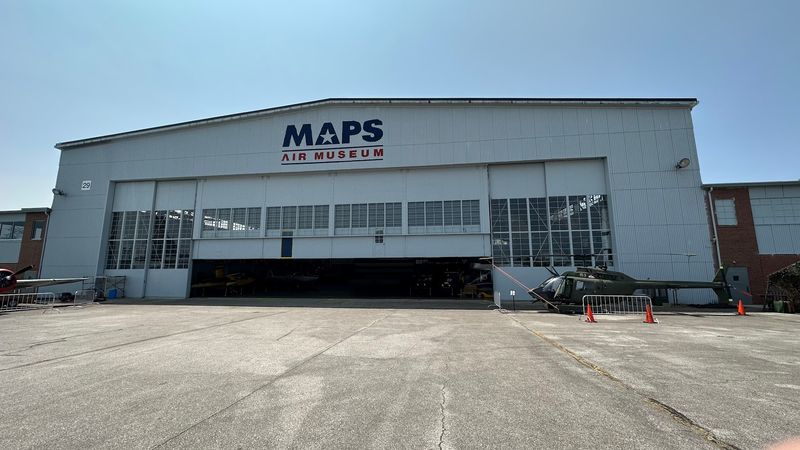
A little planning goes a long way at MAPS, and a few simple tips can make the difference between a good visit and a great one.
The museum is open Tuesday through Saturday from 9 AM to 4:30 PM, and on Sundays from 11:30 AM to 4 PM. It is closed on Mondays, so make sure to plan around that.
Budget at least two and a half to three hours for a self-guided visit, and closer to four or five hours if you take a guided tour, which I strongly recommend. The all-day admission policy is a nice perk: if you need to step out for lunch and come back, your ticket still covers re-entry as long as you have proof of purchase.
Parking is easy and free, restrooms are available on-site, and the facility has an elevator for accessing upper levels, making it accessible for visitors with mobility needs.
You can reach the museum by phone at +1 330-896-6332 or visit mapsairmuseum.org for the latest event information and any updates on restoration projects or special exhibits currently on display.
Why MAPS Deserves a Spot on Your Ohio Bucket List

After spending a full afternoon at MAPS Air Museum, I left with a genuine appreciation for what this organization has built in North Canton, Ohio.
The collection is impressive on its own, but the people running and volunteering at this museum are what truly elevate it. Their knowledge, warmth, and dedication to honoring military history create an atmosphere that feels both educational and deeply personal.
With a 4.8-star rating across nearly 1,400 reviews, MAPS clearly resonates with visitors of all ages and backgrounds. Families, veterans, history buffs, and aviation enthusiasts all find something meaningful here.
The museum also functions as an event venue, hosting everything from fundraisers to holiday parties, which speaks to how versatile and well-maintained the facility is beyond its museum role.
Whether you are a lifelong aviation nerd or someone who just wants to do something genuinely interesting on a weekend, MAPS delivers in a way that sticks with you long after you drive away. Some places just have a way of reminding you that history is worth keeping alive, and this is one of them.