
This Quiet Arkansas Town Feels Like Stepping Back Into Heartwarming Americana
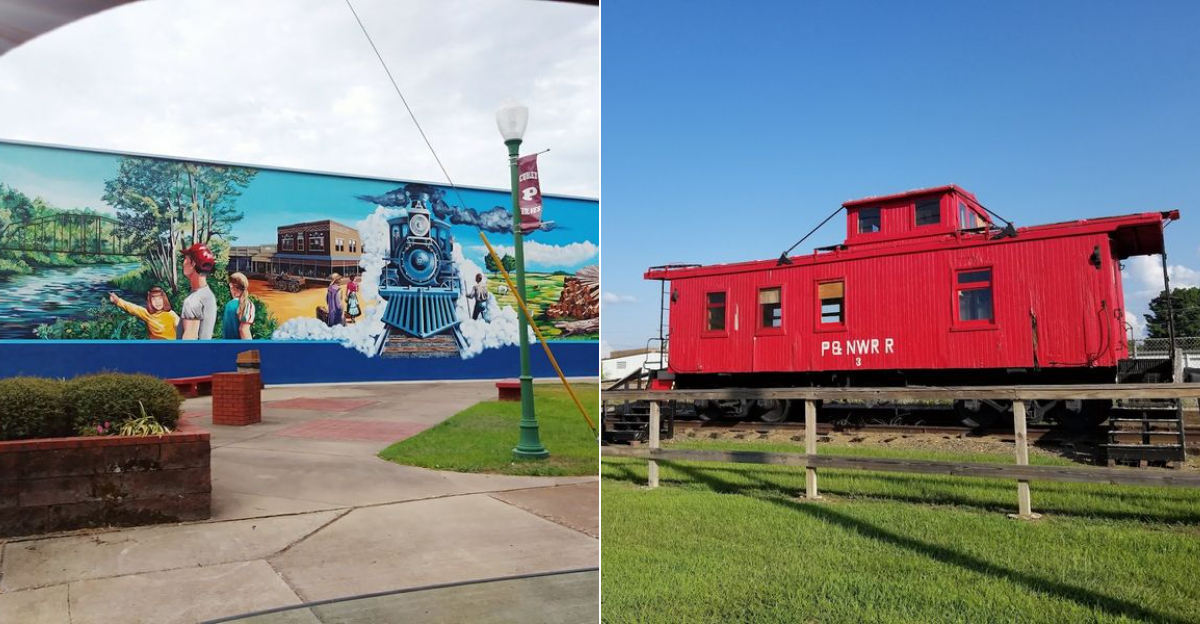
A railroad line still runs through this part of Arkansas, and reminders of that past show up the moment you roll into town. I noticed it right away on my first visit.
The streets felt calm, the pace easy, and nobody seemed to be in much of a hurry. I like wandering around the old downtown blocks.
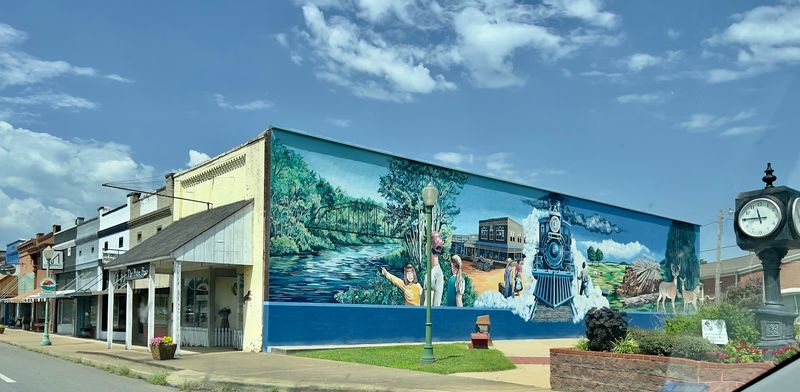
Brick storefronts have stood here for decades, and a large mural across one building tells pieces of the town’s story. Timber, local industry, and the railroad all appear in the scenes, giving a quick glimpse into the past.
The whole place feels genuine rather than polished. People still pause near the square to talk before heading on with their day.
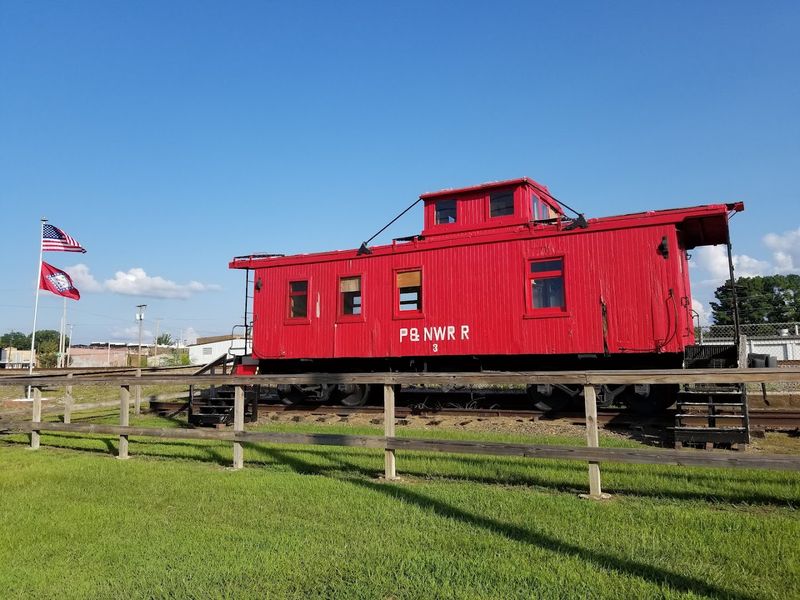
A bright red railroad caboose sits nearby, a reminder of how the rails once shaped this corner of Arkansas. Spend a little time here and the rhythm of the place starts to grow on you.
Life moves slower here, and a bit of old-fashioned Americana still lingers.
A Peaceful Arkansas Town Where Time Seems To Slow Down
There is a particular kind of stillness you feel when you first roll into a town like this, where the pace of life seems to belong to a different, gentler era.
The streets are wide and unhurried, the neighbors wave without knowing your name, and the air carries the faint scent of pine and freshly cut grass.
Sitting in the southwestern corner of Arkansas, the town draws visitors who are tired of crowds and noise and just want somewhere real to breathe.
The population sits at around 3,000 people, which means you are never more than a few steps from a genuine conversation with someone who actually lives here.
Front porches still double as evening gathering spots, where stories stretch longer than the sunset. Old pickup trucks rumble down the street, and nobody minds waiting a moment at the stop sign.
Mornings feel especially magical, with local diners filling up early and the sound of birds carrying across quiet residential blocks.
There is no performance here, no manufactured charm designed to impress tourists, just authentic community life unfolding exactly as it has for generations in Prescott, Arkansas.
Historic Streets That Preserve The Spirit Of Small-Town America
Walking through the Prescott Commercial Historic District feels a little like flipping through a beautifully preserved scrapbook of American architectural history.
Listed on the National Register of Historic Places, the district showcases a striking collection of early commercial buildings alongside Classical Revival and Colonial Revival structures that have stood proudly for well over a century.
The brickwork alone tells a story, with facades that were carefully constructed during an era when craftsmanship was considered a point of community pride rather than an afterthought.
I spent an entire afternoon just walking these blocks, noticing the cornices, the arched windows, and the way afternoon sunlight plays off the old stone.
Unlike so many small towns where historic buildings have been replaced by generic storefronts, many of these buildings have been preserved, allowing the district to hold on to its architectural character.
That commitment to preservation gives every street corner a sense of depth and permanence that newer developments simply cannot manufacture, making each stroll feel like a quiet, rewarding history lesson.
Murals And Landmarks That Celebrate Local History
Public art has a way of turning ordinary walls into windows, and the murals scattered across Prescott do exactly that with surprising emotional power.
Each painted scene reflects a chapter of the town’s story, from its railroad roots to its agricultural heritage and the diverse communities that shaped everyday life here over the decades.
Standing in front of one of these large-scale works, I found myself tracing the brushstrokes and thinking about how much history a single wall can hold when the people behind it truly care about their place.
Beyond the murals, landmarks throughout town anchor visitors to specific moments in Prescott’s past, giving the streets a layered, textured quality that rewards slow and curious exploration.
Local historians and community volunteers have put real effort into making sure these landmarks are labeled, maintained, and celebrated rather than quietly forgotten.
There is something deeply moving about a town that looks at its own past with honesty and affection, choosing to paint it boldly on its walls for everyone passing through to see and remember.
Railroad Heritage That Shaped The Community’s Past
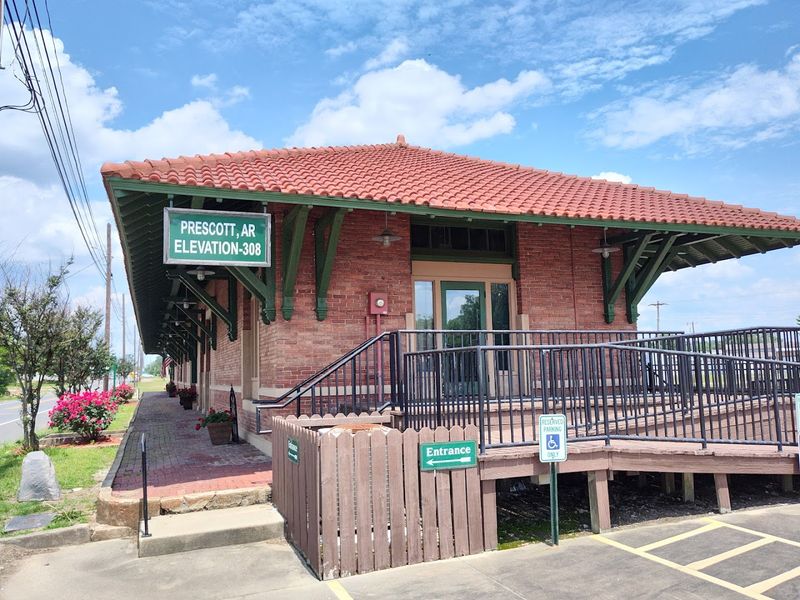
Few things shaped the character of small-town America more powerfully than the railroad, and Prescott owes much of its very existence to the iron rails that came through in the 1870s.
The Cairo and Fulton Railroad arrived in 1873, and almost overnight, what had been a modest settlement began to grow into a genuine community with commerce, ambition, and a future.
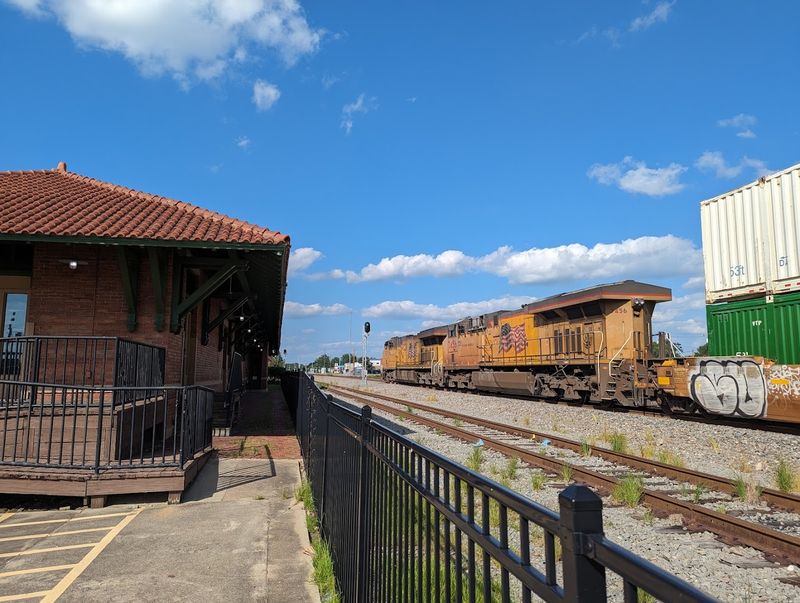
That legacy is beautifully preserved today at the Nevada County Depot and Museum, housed inside the restored 1912 railroad depot that still retains much of its original character.
Inside, exhibits cover the Civil War, the railroad’s role in shaping the region, and the everyday lives of the people who built this corner of Arkansas from the ground up.
I spent a long, satisfying hour wandering through the displays, reading handwritten letters and studying old photographs that made the past feel surprisingly close and personal.
The depot stands as proof that a building, when cared for properly, can serve as a community’s memory, holding stories that no textbook could ever fully capture.
A Welcoming Town Square Filled With Everyday Charm
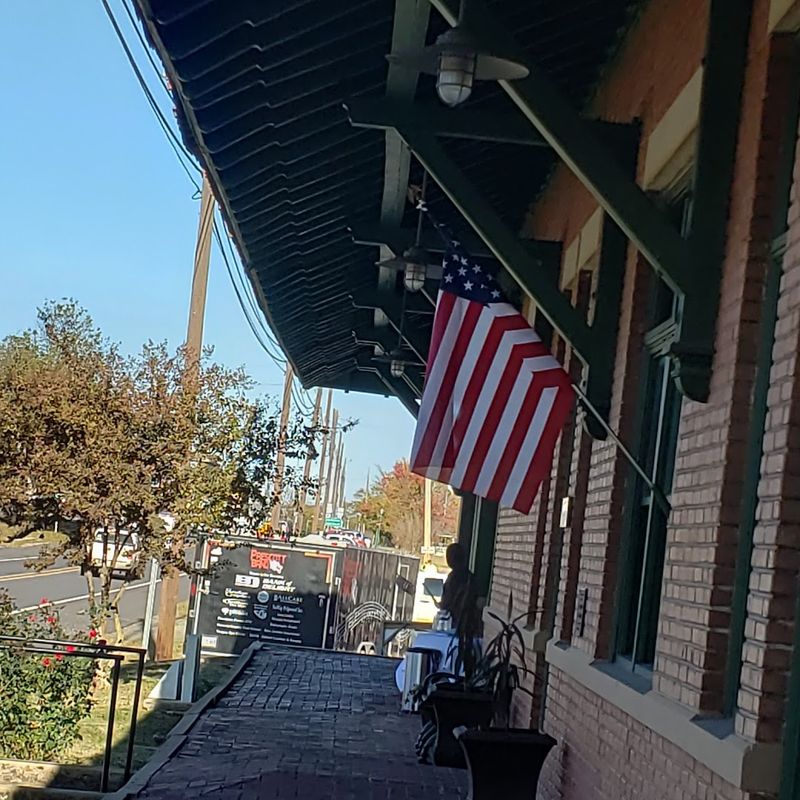
Not every town square earns its reputation, but Prescott’s central gathering place has the kind of lived-in warmth that makes you want to pull up a bench and stay awhile.
The courthouse anchors the space with a solid, reassuring presence, and the mature shade trees surrounding it create pockets of cool shadow that feel especially welcome on a warm Arkansas afternoon.
On any given weekday, you might find older residents catching up on local news, kids cutting through on their bikes, or a small group gathered around a truck selling produce from a nearby farm.
There is no curated Instagram moment happening here, just the unscripted rhythm of community life playing out exactly as it should in a place where people still know their neighbors by name.
I noticed that the square functions as a kind of living room for the whole town, a shared space where the boundaries between strangers dissolve quickly and conversation comes easily.
Spending even a short time here leaves you with the distinct impression that Prescott takes genuine pride in being a place where people actually show up for each other.
Community Traditions That Keep The Past Alive
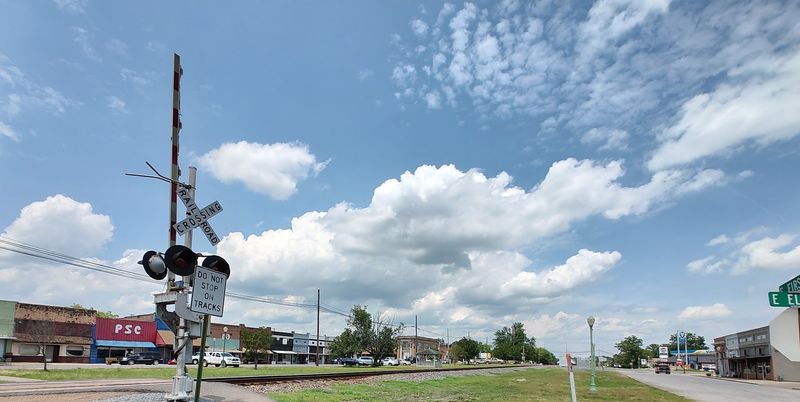
Every year, Prescott throws a celebration that manages to feel both deeply rooted in tradition and genuinely exciting for everyone who shows up.
The annual Fall Festival and Trade Days brings the whole community together with a 5K run winding through town, arts and crafts booths showcasing local makers, a BBQ cook-off that fills the air with mouthwatering smoke, and a beauty pageant that draws enthusiastic crowds from across Nevada County.
What strikes me most about events like this is how they function as living traditions rather than nostalgic performances, pulling real participation from people of all ages who have grown up expecting and loving them.
Prescott’s population reflects genuine diversity, with a community composed of different backgrounds and stories that all find common ground in these shared annual celebrations.
Talking with longtime residents during the festival, I heard story after story about grandparents who attended the same event decades earlier, creating an unbroken thread of community memory that stretches back generations.
Traditions like these do not happen by accident; they are the result of a town that actively chooses to invest in its own sense of belonging, year after year without fail.
Why This Quiet Arkansas Town Captures The Heart Of Americana
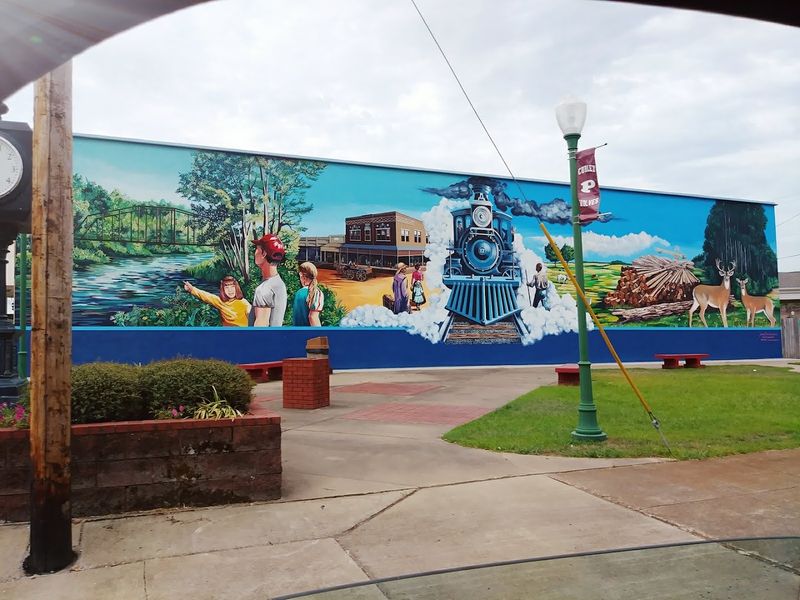
Americana is one of those words that gets used so often it risks losing its meaning, but spending real time in Prescott puts the feeling back into the concept in a way that is hard to shake.
Here you find a town that was established in 1873, grew around a railroad, became a county seat, and then simply kept going with quiet determination through every decade that followed. Old brick storefronts still stand along the streets, and reminders of the railroad era appear in places you might not expect.
The past never feels distant here because it is woven directly into everyday life.
Nearby rivers and forests in this part of southwest Arkansas add a natural dimension that rounds out the experience, offering fishing, boating, and hiking for anyone who wants to trade the historic streets for open water and wooded trails.
Every element of this place, the architecture, the festivals, the depot museum, the town square, fits together into something that feels coherent and intentional rather than accidental.
When I finally pulled out of town after my visit, I carried with me the rare and satisfying feeling that I had experienced something honest, and that feeling belongs entirely to Prescott, Arkansas.