
14 Arkansas Museums To Visit This March For A Day Of Art, Beauty, And Culture
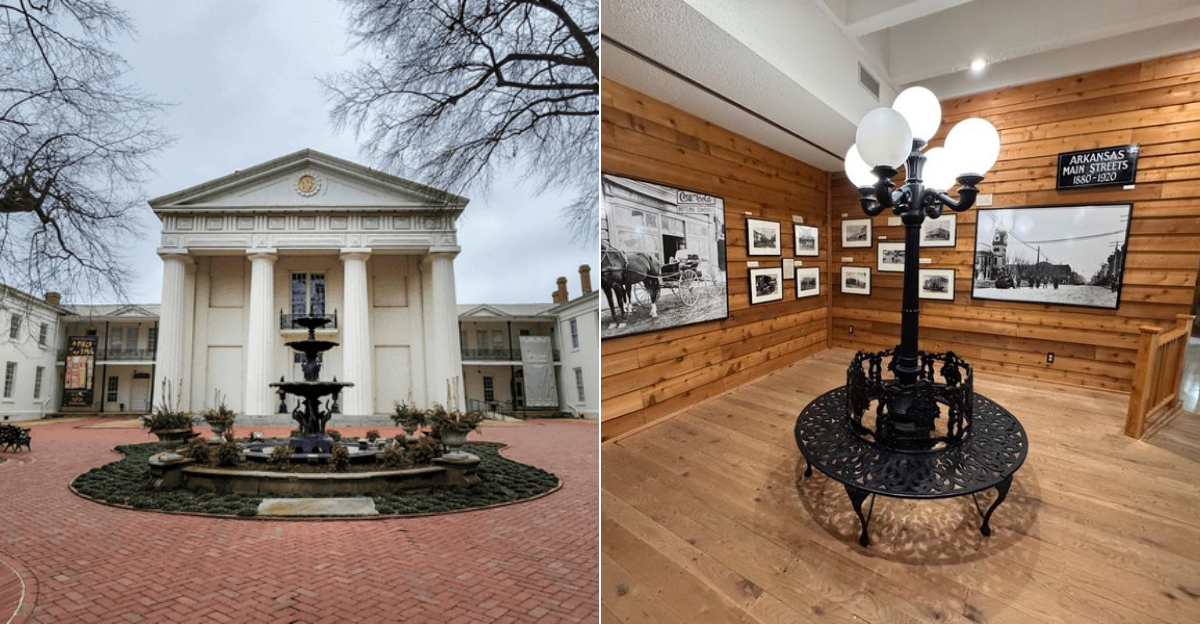
March always nudges me out the door and into Arkansas’s museums. The air starts warming up.
Day trips feel easy again. I love using this month to wander through galleries, historic buildings, and cultural centers across the state.
Arkansas has a museum scene that surprises people. You can spend the morning with American masterpieces in Bentonville and the afternoon walking through Delta music history or presidential archives in Little Rock.
Some spots focus on art and architecture. Others dive into science, archaeology, or the stories that shaped the Natural State.
Each one offers something different, but they all make a great excuse to slow down and explore. I’ve visited many of these museums more than once.
They’re the kind of places that make a simple weekend outing feel meaningful. If you’re planning a spring day trip, these Arkansas museums are well worth adding to your March itinerary.
1. Arkansas Museum Of Fine Arts
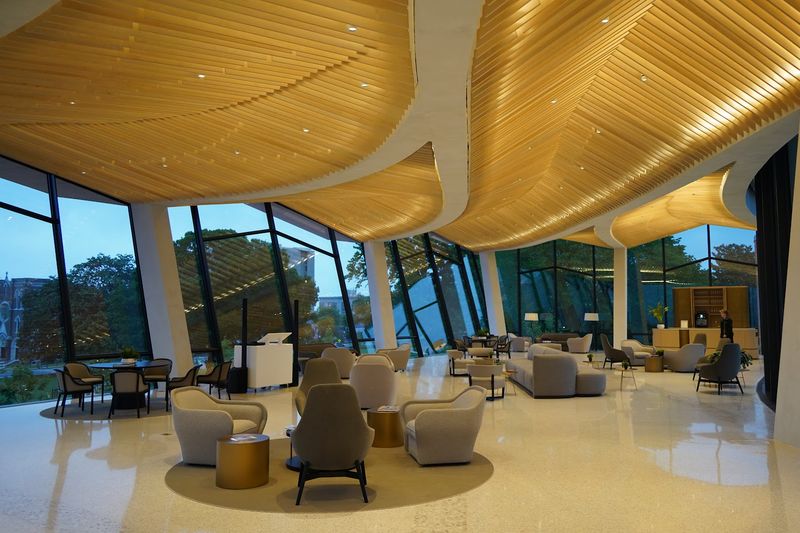
Stepping through the doors of the Arkansas Museum of Fine Arts feels like entering a space that was designed to make you slow down and actually look at things.
Located at 501 E 9th St, Little Rock, AR 72202, this beautifully reimagined institution reopened in 2023 after a major renovation and expansion that transformed it into one of the most architecturally striking cultural spaces in the entire South.
It’s home to one of the nation’s leading collections of works on paper, including drawings and prints by artists such as Edgar Degas and Henri Matisse, something many visitors don’t expect to find in the heart of Arkansas.
The museum also houses a performing arts theater and a farm-to-table restaurant, so a full day here is genuinely easy to pull off.
March is a fantastic time to visit because the surrounding MacArthur Park is starting to green up, making the walk from the parking area feel like a bonus nature stroll.
Admission prices vary, and the museum’s website is the best place to check current hours before heading over.
2. Crystal Bridges Museum Of American Art
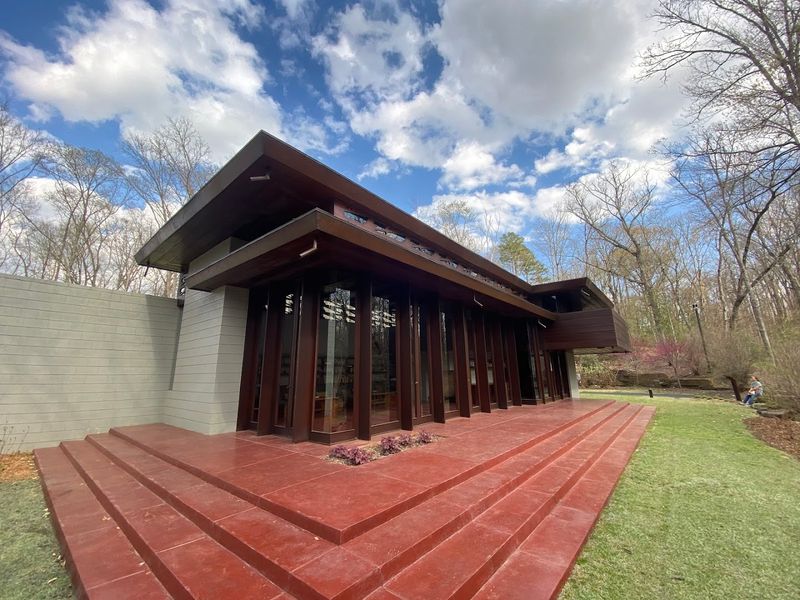
There is a moment when you first see Crystal Bridges rising out of the Ozark forest that genuinely stops you mid-step.
Situated at 600 Museum Way, Bentonville, AR 72712, this museum was founded by Alice Walton and opened in 2011 with a mission to make American art accessible to everyone, which is why general museum admission remains free to the public year-round.
The collection stretches from colonial portraits to contemporary installations, featuring landmark works by Norman Rockwell, Georgia O’Keeffe, and Andy Warhol, all displayed in galleries that blur the line between indoors and the surrounding woodland.
Outside, more than three miles of trails wind through the property and connect to downtown Bentonville’s Razorback Greenway, making the outdoor experience just as rewarding as the art inside.
March weather in Bentonville tends to be crisp and refreshing, which makes those trail walks especially enjoyable before or after your gallery time.
Special exhibitions rotate throughout the year, so checking the museum’s calendar ahead of your visit will help you plan around anything extra that catches your eye.
3. Historic Arkansas Museum
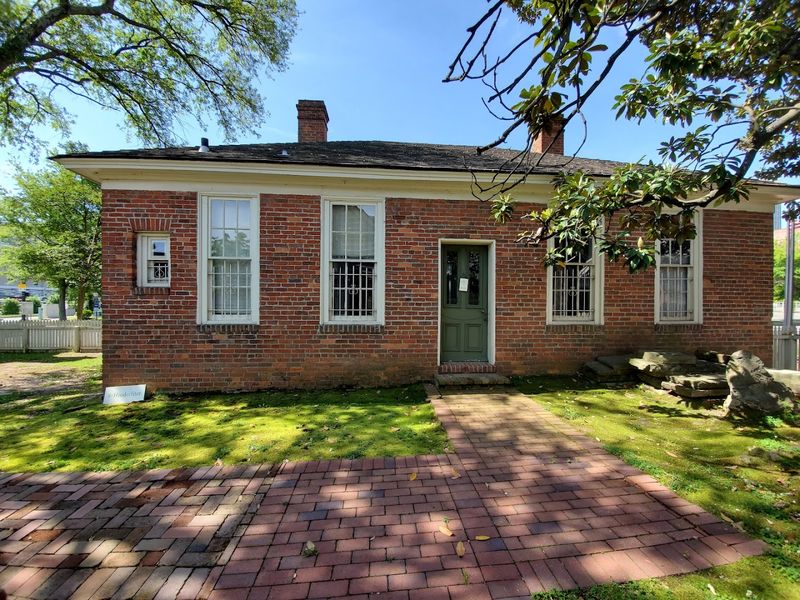
Right in the middle of downtown Little Rock, there is a place where the 1820s and the present day share the same zip code without any awkwardness.
Historic Arkansas Museum at 200 E 3rd St, Little Rock, AR 72201, preserves a cluster of original pre-Civil War buildings that once formed the earliest settlement in what would become the state capital, and walking between them feels remarkably unhurried for a spot so close to busy city streets.
Inside the modern museum building, rotating and permanent galleries highlight Arkansas-made decorative arts, firearms, and everyday objects that paint a vivid picture of frontier life in the early 19th century.
The craftsmanship on display is genuinely impressive, especially the handmade furniture and tools created by Arkansas artisans whose names most history books overlooked entirely.
Guided tours of the historic structures run regularly, and the knowledgeable staff have a way of making 200-year-old stories feel surprisingly personal.
Admission is free, parking nearby is manageable, and the museum sits within easy walking distance of several other Little Rock attractions worth combining into one solid afternoon outing.
4. Old State House Museum
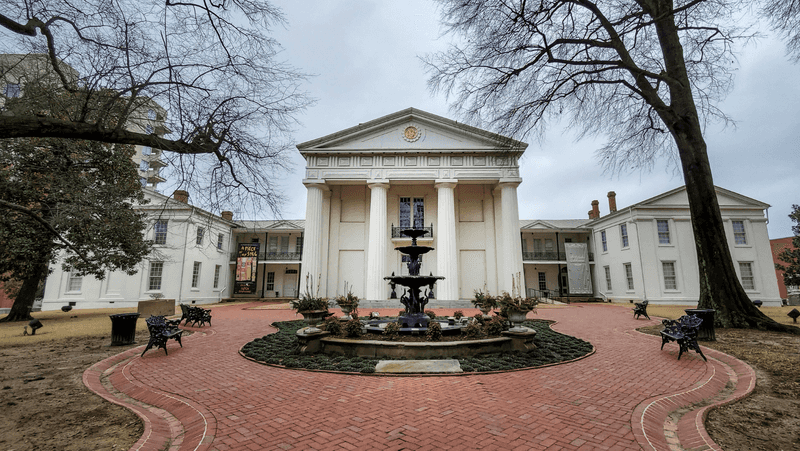
Few buildings in Arkansas carry as much political weight as the one sitting quietly at 300 W Markham St, Little Rock, AR 72201.
The Old State House Museum is Arkansas’s original state capitol building, completed in 1836, and it has witnessed more pivotal moments in state and national history than most textbooks manage to cover in a single chapter.
Walking through the restored legislative chambers and governor’s office gives you a tangible sense of how governance actually functioned in the early days of statehood, complete with period furnishings that look like they were left behind after a very long meeting.
The museum also holds a remarkable collection of inaugural gowns worn by Arkansas first ladies, which is a surprisingly compelling exhibit that draws visitors who had no idea they cared about fashion history until they walked in.
President Bill Clinton delivered two election night victory speeches from the steps of this building, adding a layer of recent political history to an already storied address.
Admission is free, and the location right along the Arkansas River waterfront makes it easy to pair with a riverside walk before or after your visit.
5. Mosaic Templars Cultural Center
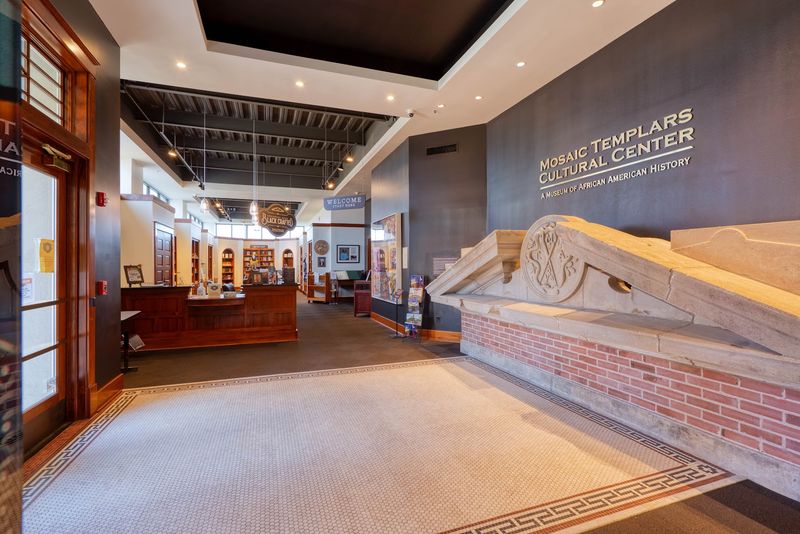
On the corner of 9th and Broadway in Little Rock, a museum tells a story that is both deeply local and profoundly American.
The Mosaic Templars Cultural Center at 501 W 9th St, Little Rock, AR 72201, stands on the historic site of a once-thriving Black business district and honors the legacy of African American entrepreneurship, culture, and community life in Arkansas from the post-Civil War era through the civil rights movement.
The Mosaic Templars of America, founded in Little Rock in 1883, was one of the largest Black fraternal organizations in the country, and the museum traces that remarkable rise with photographs, artifacts, and interactive displays that feel genuinely engaging rather than dusty.
Exhibits also cover the devastating 1919 Elaine Massacre and the broader story of racial injustice in Arkansas, presented with honesty and care that encourages reflection rather than despair.
The building itself is a beautifully designed modern facility that respects the weight of what it holds without feeling heavy to walk through.
Admission is free, and the center regularly hosts community events and educational programs that make repeat visits worthwhile throughout the year.
6. Museum Of Discovery
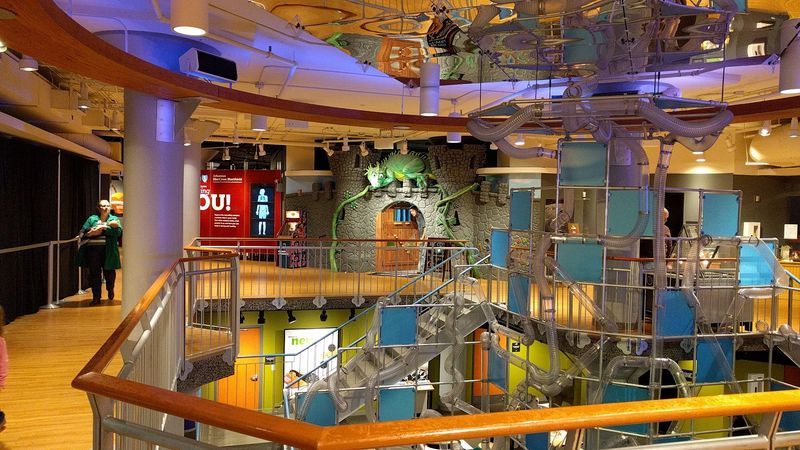
Science museums live or fall by how much they make you want to touch everything, and the Museum of Discovery in Little Rock passes that test without breaking a sweat.
Found at 500 President Clinton Ave #150, Little Rock, AR 72201, inside the renovated Ottenheimer Market Hall of the River Market District, this hands-on science and technology museum is built around the idea that learning works best when it is physically impossible to stay bored.
Exhibits cover electricity, engineering, biology, and the natural world of Arkansas, with interactive stations designed for curious minds of all ages, though kids tend to claim the best spots fastest so arriving early has its advantages.
The Arkansas Biomes exhibit is a personal favorite, walking visitors through the state’s distinct ecological regions with specimens and displays that make you realize how ecologically diverse this state actually is.
March is a great month to visit because spring school field trips haven’t fully ramped up yet, meaning slightly shorter lines at the popular stations.
Admission fees apply, and checking the museum’s website for current pricing and special programming before your trip is always a smart call.
7. William J. Clinton Presidential Library And Museum
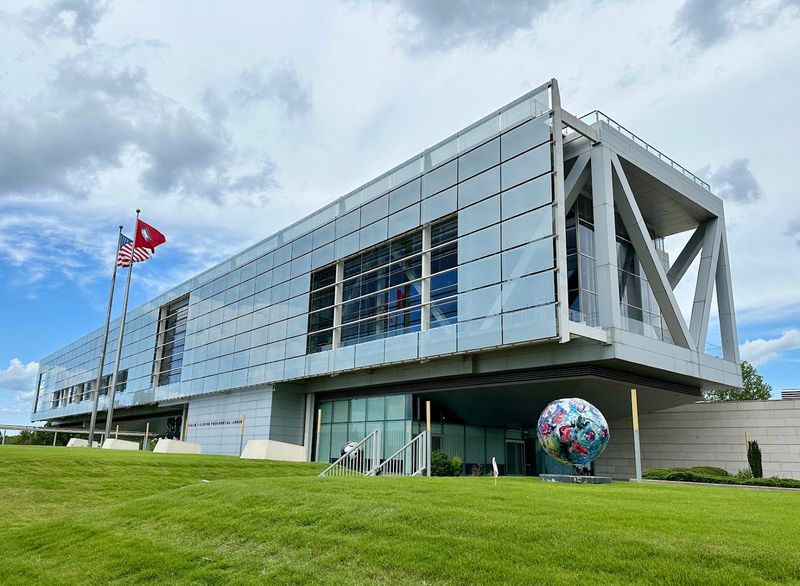
Perched dramatically over the Arkansas River on a cantilevered glass structure that looks like it is perpetually mid-launch, the Clinton Presidential Library is one of the most architecturally bold buildings in the entire state.
Located at 1200 President Clinton Ave, Little Rock, AR 72201, the library and museum chronicle the full eight years of President Clinton’s administration through an extraordinary collection of documents, photographs, artifacts, and a full-scale replica of the Oval Office as it appeared during his presidency.
The policy exhibits are surprisingly readable even if you were too young to follow the 1990s news cycle, with clear context provided for major events like the 1994 crime bill, NAFTA, and the Kosovo intervention.
The building’s park setting along the river is equally impressive, with manicured grounds and river views that make lingering outside after your tour feel like a natural extension of the visit.
March temperatures in Little Rock are generally mild enough to enjoy that outdoor space comfortably, which is a bonus you do not always get in the height of summer.
Admission fees apply, and timed entry tickets can be purchased through the National Archives website ahead of your visit.
8. Museum Of Native American History
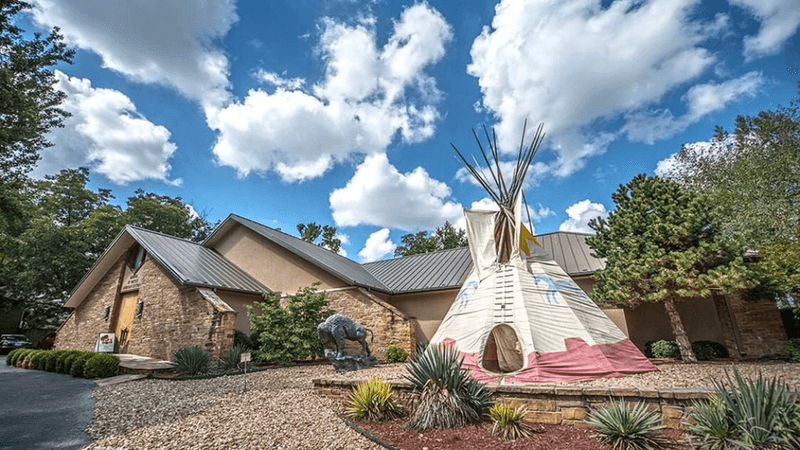
Located a short drive from the Bentonville square, this museum holds one of the most comprehensive private collections of Native American artifacts in the country, and many visitors don’t realize it’s there until someone points them toward it.
The Museum of Native American History at 202 SW O St, Bentonville, AR 72712, spans 14,000 years of Indigenous history across North America, organized chronologically through five distinct periods that guide you from the Paleo-Indian era all the way to the early 20th century.
The collection includes projectile points, pottery, textiles, jewelry, and ceremonial objects representing dozens of tribal nations, displayed with enough contextual information to make the artifacts feel like chapters in an ongoing story rather than isolated curiosities.
Admission is free, which makes it an especially easy addition to any Bentonville itinerary already built around Crystal Bridges and the downtown arts district.
The staff here are knowledgeable and approachable, often willing to answer specific questions about particular artifacts or cultural traditions if you ask.
Plan at least 90 minutes for a thorough visit, because rushing through this collection would genuinely shortchange the experience.
9. Delta Cultural Center
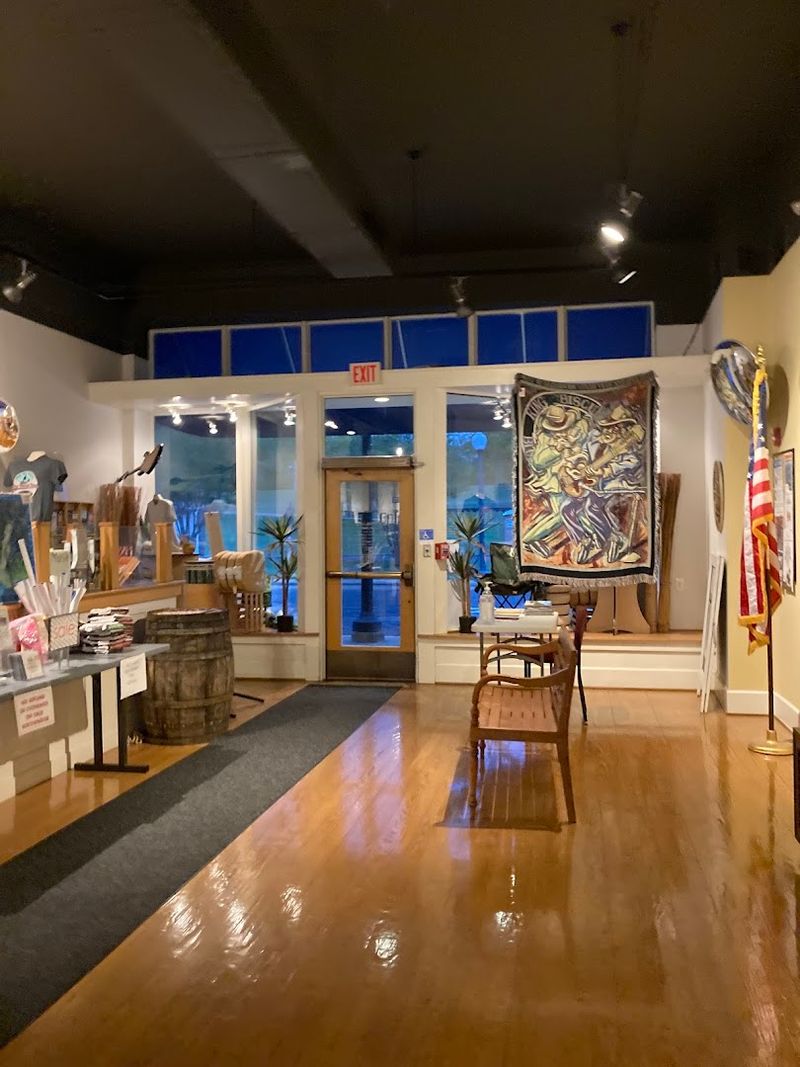
Helena-West Helena sits right on the Mississippi River in a part of Arkansas where the blues was not just music but a way of processing an entire world, and the Delta Cultural Center captures that truth better than almost anywhere else I have visited.
At 141 Cherry St, Helena-West Helena, AR 72342, this free museum spreads across two historic buildings and tells the layered story of the Arkansas Delta through exhibits on music, agriculture, the Civil War, and the complex social history of one of America’s most storied regions.
The Helena Blues exhibit is the emotional core of the place, tracing the roots of Delta blues and celebrating legendary musicians like Sonny Boy Williamson II and Robert Nighthawk, who called this area home.
The agricultural history section is equally absorbing, detailing the cotton economy that shaped nearly every aspect of Delta life for well over a century.
Helena-West Helena also hosts the King Biscuit Blues Festival each October, so a March visit gives you the cultural foundation to appreciate that event even more when fall rolls around.
The staff here are genuinely passionate about the Delta’s story, and that enthusiasm comes through in every conversation you will have during your visit.
10. Fort Smith Museum Of History
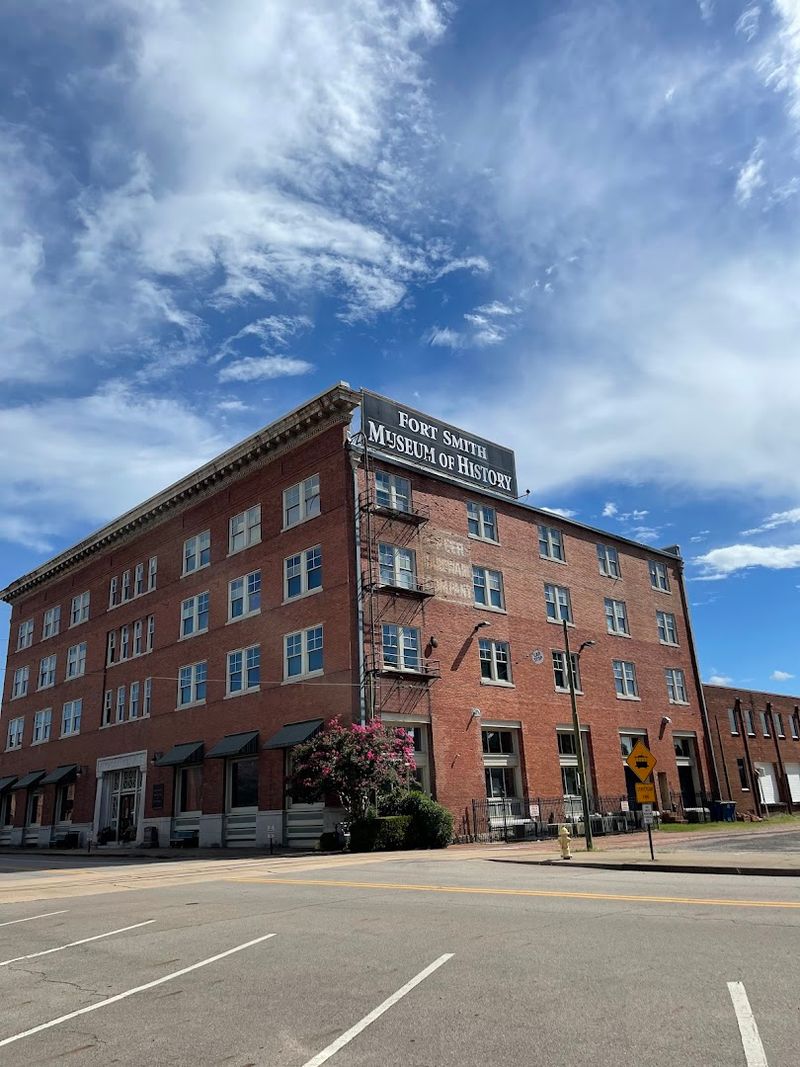
Fort Smith has always been a border town in the most dramatic sense, sitting right on the edge of the old Indian Territory, and the Fort Smith Museum of History captures that frontier energy with collections that feel genuinely grounded in place.
At 320 Rogers Ave, Fort Smith, AR 72901, this museum occupies a historic 1906 building and houses artifacts, photographs, and documents covering Fort Smith’s evolution from a military outpost to a bustling Arkansas city.
Highlights include exhibits on Judge Isaac Parker, the famous Hanging Judge whose federal court operated in Fort Smith and whose jurisdiction extended into what is now Oklahoma, making this a natural complement to a visit to the nearby Fort Smith National Historic Site.
The pharmacy and general store recreations inside the museum are charming time capsules, filled with period products and fixtures that spark instant nostalgia even for people who were not alive anywhere near that era.
Local history enthusiasts will appreciate the depth of the archival photograph collection, which documents everyday life in Fort Smith across multiple generations.
Admission is modest, the staff are welcoming, and the museum’s location makes it easy to pair with several other historic sites within walking distance.
11. Mid-America Science Museum
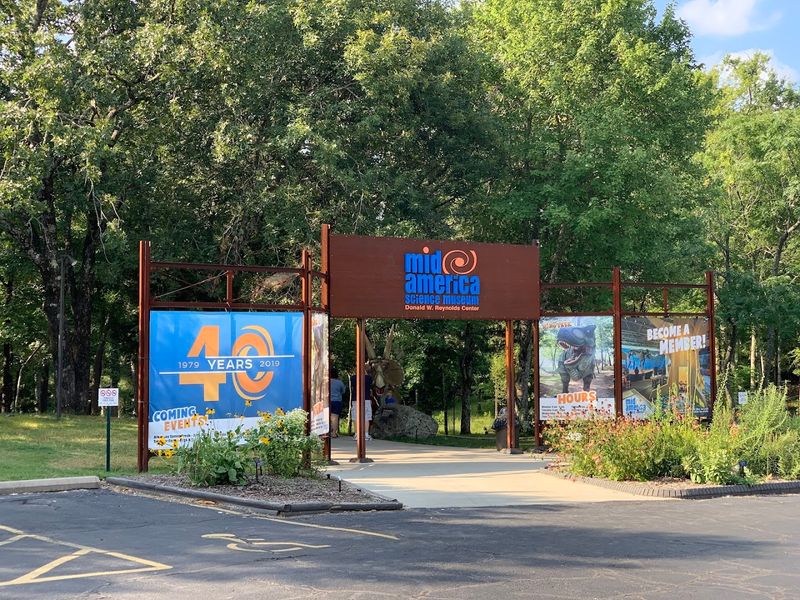
Somewhere between a giant Van de Graaff generator crackling with electricity and a three-story ropes course suspended over the Ouachita forest, I completely lost track of how long I had been at the Mid-America Science Museum.
Located at 500 Mid America Blvd, Hot Springs, AR 71913, this museum sits on wooded grounds in the Ouachita foothills and blends indoor science exhibits with outdoor exploration in a way that makes it feel more like an adventure park with serious educational credentials.
The Lightning! exhibit featuring one of the largest Van de Graaff generators on public display in the United States is a crowd-stopper that produces a theatrical electricity demonstration you will be describing to people for weeks.
Outdoor exhibits include suspended bridges, nature trails, and a treehouse structure that keeps younger visitors happily occupied while adults quietly enjoy the forest scenery as much as the science.
March in the Ouachita Mountains can be beautifully mild, making the outdoor portions of this museum especially pleasant compared to visiting in the peak summer heat.
Admission fees apply, and the museum recommends checking their website for current hours since seasonal schedules can shift, especially around spring break weeks.
12. The Gangster Museum Of America
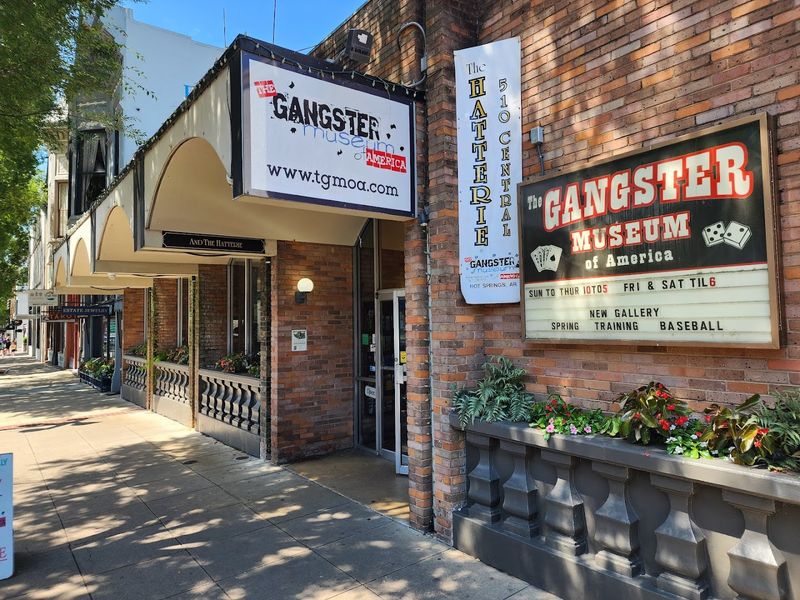
Hot Springs has a past that most cities would quietly bury, and instead this town turned it into one of the most entertaining museum experiences in Arkansas.
The Gangster Museum of America at 510 Central Ave, Hot Springs, AR 71901, chronicles the decades when Hot Springs operated as an open city, a place where gambling, illegal clubs, and notorious figures like Al Capone, Lucky Luciano, and Owney Madden came to relax, conduct business, and generally enjoy a city that looked the other way.
The exhibits are packed with photographs, artifacts, and storytelling that reads more like a crime novel than a history lesson, which is exactly what makes this place so hard to leave once you have started walking through it.
The connection between organized crime and Hot Springs’s political machine is explored with surprising nuance, helping visitors understand how an entire city’s economy became intertwined with illegal operations for several decades.
The museum is compact but dense with content, so plan about 90 minutes to do it full justice without feeling rushed through the good parts.
Admission fees are reasonable, and the Central Avenue location puts you steps away from Bathhouse Row and the Hot Springs National Park visitor center for an easy full-day itinerary.
13. A-State Museum
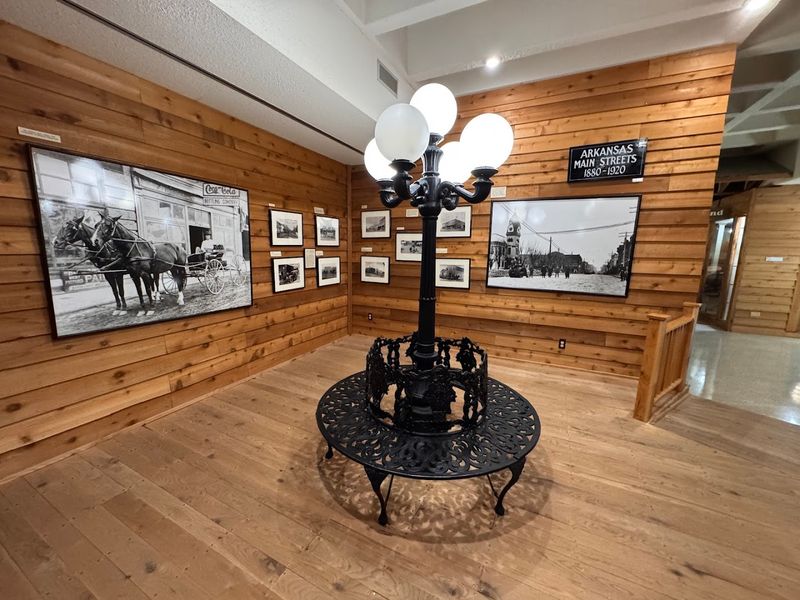
Arkansas State University’s campus in Jonesboro is home to a museum that punches well above its weight in terms of the stories it carries and the artifacts it protects.
The A-State Museum at 110 Cooley Dr, Jonesboro, AR 72401, serves as the primary repository for the university’s collections and covers regional history, natural history, and cultural heritage across northeastern Arkansas with exhibits that feel thoughtfully curated rather than simply accumulated.
The natural history galleries include fossils, geological specimens, and wildlife displays that reflect the ecological richness of the Arkansas Delta and Crowley’s Ridge, a unique geological formation that runs through this part of the state.
Regional history exhibits explore the lives of Native American communities, early European settlers, and the agricultural traditions that defined this corner of Arkansas for generations.
The museum also rotates temporary exhibitions throughout the year, so there is often something fresh to discover even if you have visited the permanent collection before.
Admission is free, parking on campus is generally straightforward, and the university setting gives the whole visit a relaxed, unhurried atmosphere that is easy to settle into for a couple of hours.
14. Hampson Archeological Museum State Park
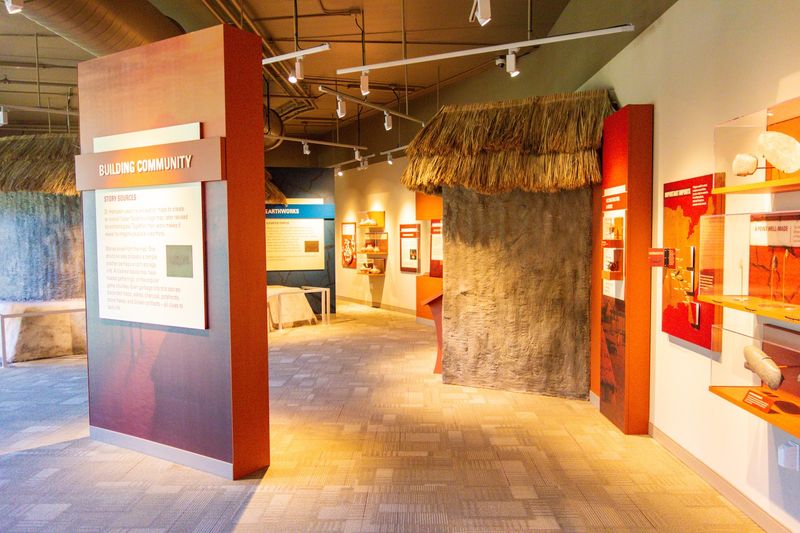
In the tiny town of Wilson, Arkansas, population just over 900, there is a state park museum that holds one of the most significant collections of Mississippian-era Native American artifacts ever excavated from a single site in the United States.
Hampson Archeological Museum State Park at 2nd St and Cherry St, Wilson, AR 72395, was established to preserve and display the findings from the Nodena Site, a late Mississippian village occupied roughly between 1400 and 1650 CE and discovered and excavated by physician James K. Hampson in the early 20th century.
The collection includes thousands of ceramic vessels, shell ornaments, and stone tools, displayed with careful attention to both scientific context and cultural respect for the Indigenous people who created them.
Visiting this museum requires a short drive into the Delta flatlands, but that journey itself becomes part of the experience as you pass through agricultural landscapes that have been farmed continuously for centuries.
The small scale of the museum works in its favor, creating an intimate atmosphere where every artifact gets the focused attention it deserves rather than competing with a sprawling floor plan.
Admission is modest, and the Arkansas State Parks website lists current hours and seasonal information to help you plan your trip to Wilson without surprises.