
12 Florida Wildlife Rescues Where You Can Meet Animals Up Close
Have you ever wondered what really happens to injured wildlife after it’s rescued? In Florida, the answer often leads to some of the most fascinating places you can visit.
Beyond the beaches and theme parks, the state is home to remarkable wildlife rescue centers where animals get a second chance. These sanctuaries quietly care for creatures that have been injured, orphaned, or simply can’t survive on their own in the wild anymore.
A visit to one of these places can feel surprisingly powerful. One moment you might be watching pelicans recover after being treated by dedicated staff, and the next you could be standing just a few steps away from a rescued manatee or even a majestic big cat.
But these centers are more than just places to see animals. They are run by passionate teams working every day to protect Florida’s unique wildlife and educate visitors about the challenges these animals face.
If you’re curious about the real side of Florida’s wild nature, these twelve rescue centers offer unforgettable experiences you won’t soon forget.
1. Busch Wildlife Sanctuary
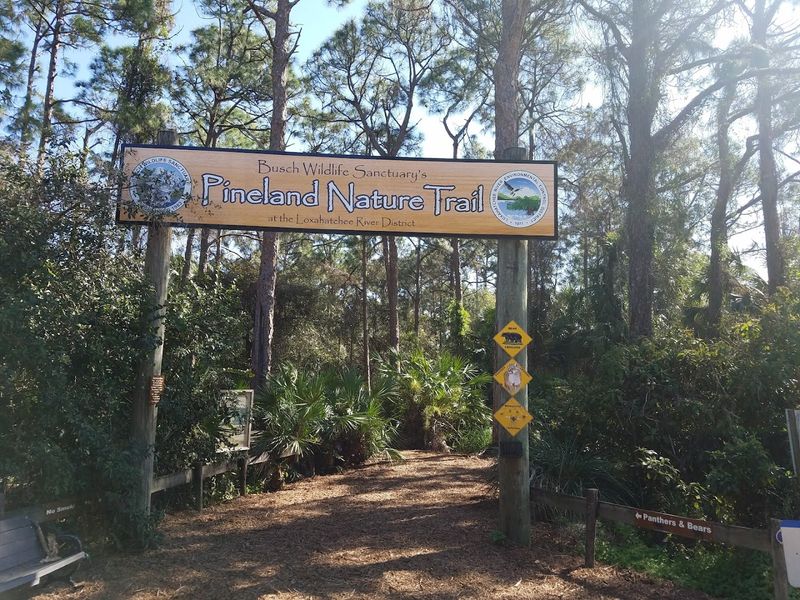
In Jupiter, Florida, Busch Wildlife Sanctuary at 17855 Rocky Pines Rd, Jupiter, FL 33478 has been giving injured and orphaned wildlife a second chance since 1983. Founded by a group of concerned citizens who wanted to help Florida’s native animals, the sanctuary has grown into one of the region’s most beloved rescue centers.
You’ll walk along winding boardwalks through natural habitats where permanently injured animals live out their days in comfort.
The residents here include hawks, owls, bobcats, otters, and even a few alligators who’ve decided the sanctuary life beats wrestling tourists for sandwich scraps. Educational programs happen throughout the day, and the staff genuinely loves sharing wild facts about each animal’s personality quirks.
One eagle apparently has strong opinions about Mondays, which honestly makes him relatable.
What makes this place special is how the habitats mimic Florida’s natural ecosystems—cypress swamps, pine flatwoods, and wetlands all represented. Kids go absolutely bonkers for the otter enclosure, where these playful furballs put on better shows than most Netflix comedies.
The sanctuary runs entirely on donations and grants, so your admission fee directly helps feed the residents and maintain their homes.
2. Clearwater Marine Aquarium
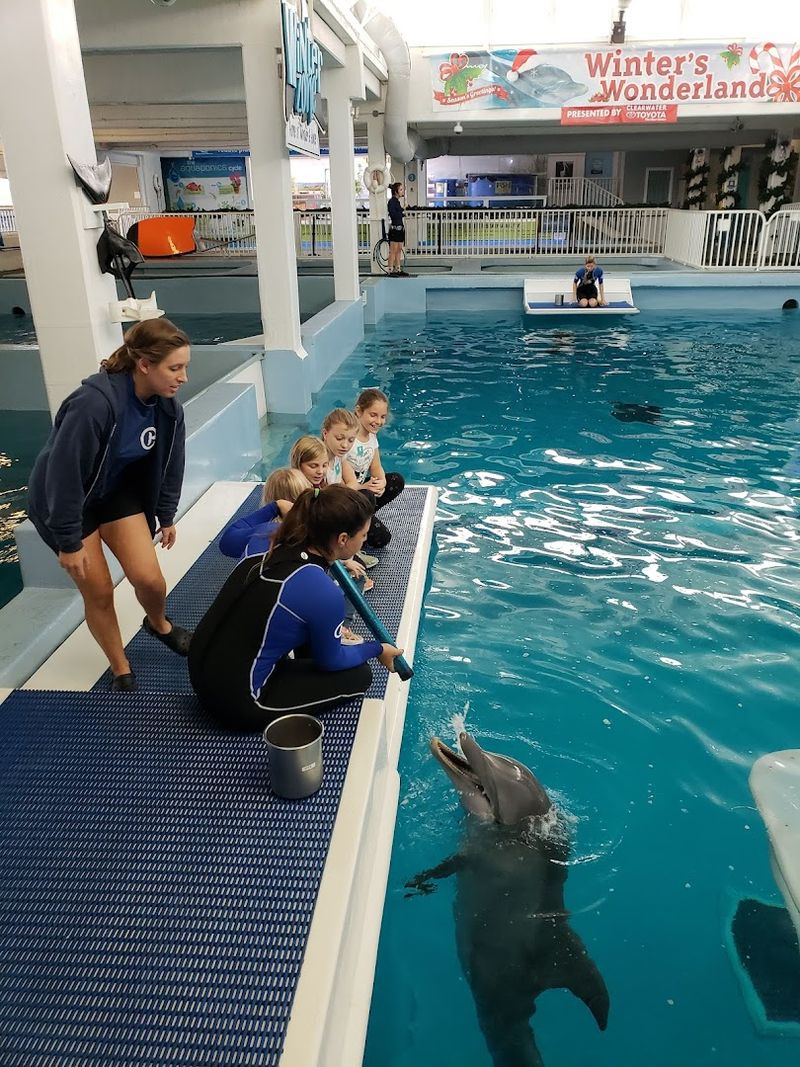
Few places in Florida have a story quite like Clearwater Marine Aquarium at 249 Windward Passage, Clearwater, FL 33767. The facility gained international attention when a tailless dolphin named Winter captured hearts around the world.
Her remarkable survival story inspired films, books, and a wave of visitors who wanted to see firsthand how one rescued animal could become such an unlikely global star. The aquarium focuses on rescuing and rehabilitating marine animals, with many residents unable to return to the ocean because of their injuries.
Walking through the facility feels less like visiting a traditional aquarium and more like touring a working rescue hospital. Guests often see sea turtles recovering from boat strikes, dolphins adapting to physical challenges, and playful otters that clearly know how to steal the spotlight.
Staff members regularly share each animal’s rescue story, rehabilitation progress, and unique personality traits.
Interactive experiences allow visitors to get closer than expected to these marine animals. Behind-the-scenes tours reveal the advanced medical care and training used to help every resident recover and adapt.
The aquarium also places a strong emphasis on conservation education, helping visitors understand how Florida’s marine ecosystems can be protected. Even the gift shop contributes to the mission, with proceeds supporting ongoing rescue and rehabilitation efforts.
3. Seaside Seabird Sanctuary
Along Florida’s Gulf Coast, thousands of injured seabirds get a second chance every year at the Seaside Seabird Sanctuary. What began in 1971 as the mission of Ralph Heath Jr., who refused to ignore the growing number of birds injured by fishing lines and other human hazards, has grown into the largest wild bird hospital in the United States.
Today the sanctuary continues that same mission of rescue and rehabilitation for seabirds in need.
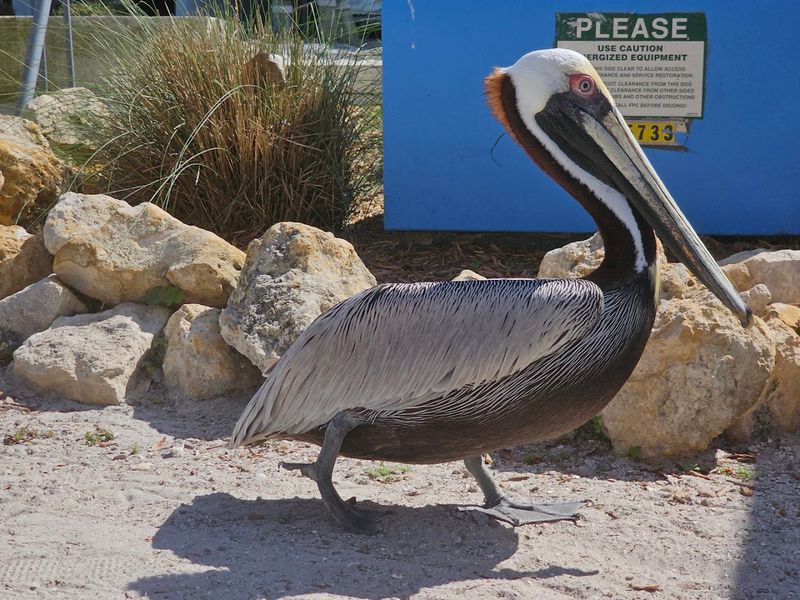
Visitors can find the sanctuary at 18328 Gulf Blvd, Indian Shores, FL 33785, where outdoor aviaries allow permanent residents to roam comfortably while recovering birds receive care behind the scenes. The facility treats more than 8,000 birds annually, ranging from tiny sandpipers to large pelicans with personalities almost as big as their wingspans.
Pelicans here have absolutely no respect for personal space and will happily wander into photos like they planned the moment.
Another surprising detail is that admission is completely free, although donations help keep the rescue work going. Volunteers spend long hours cleaning enclosures, preparing food, and caring for birds that are not always the easiest patients.
A visit here offers a rare chance to see real wildlife rehabilitation in action while supporting one of Florida’s most important seabird rescue centers.
4. Ellie Schiller Homosassa Springs Wildlife State Park
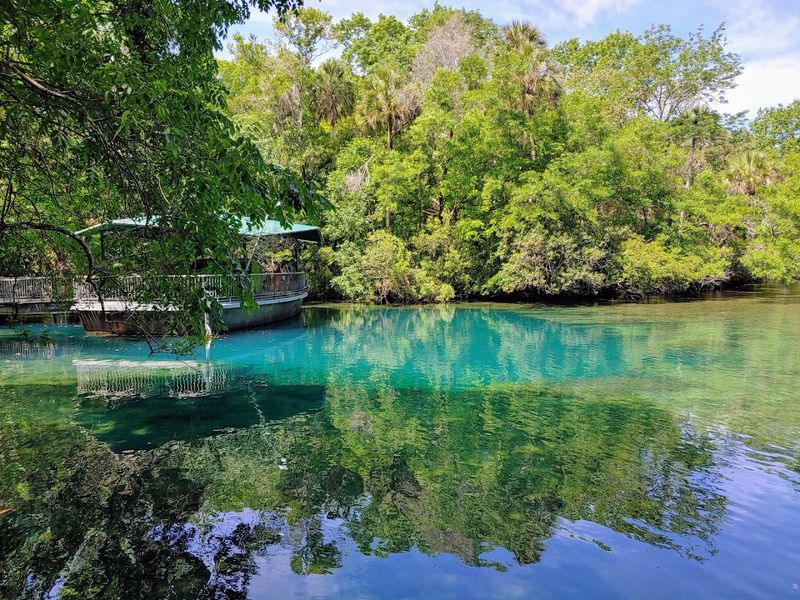
Few wildlife experiences in Florida feel as peaceful as watching manatees glide through a clear freshwater spring. At Ellie Schiller Homosassa Springs Wildlife State Park, visitors get the rare chance to see these gentle giants drifting slowly through warm spring water that stays around 72 degrees year-round.
During cooler months, the spring becomes a natural gathering place for manatees seeking warmth, turning the area into something that feels like a quiet underwater sanctuary.
The park can be found at 4150 S Suncoast Blvd, Homosassa, FL 34446, and its history goes all the way back to the 1960s when the site operated as a roadside attraction featuring exotic animals. Those days are long gone, and today the park focuses almost entirely on native Florida wildlife.
The only exception is a famous hippo named Lu, a longtime resident who has remained since the attraction’s early years and has become something of a local legend.
One of the highlights is the underwater observatory, where visitors can watch manatees swim past large glass windows at eye level. Beyond the springs, the park is home to black bears, bobcats, red wolves, and a flock of whooping cranes involved in important conservation programs.
Nature trails wind through scenic Florida habitats, while park rangers lead programs explaining how spring ecosystems work and why protecting manatees is so important.
5. Catty Shack Ranch Wildlife Sanctuary
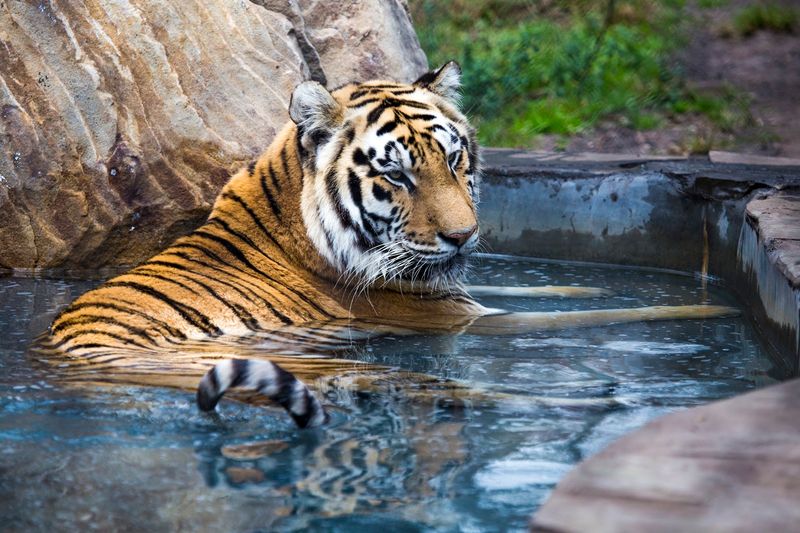
Few places in Florida offer the chance to stand just a few feet away from some of the world’s most powerful predators while learning their rescue stories. Catty Shack Ranch Wildlife Sanctuary in Jacksonville provides lifelong homes for big cats that once came from failed breeding programs, abusive owners, or the illegal pet trade.
Since opening in 2001, the sanctuary has focused on rescuing and caring for animals like tigers, lions, cougars, and leopards who can no longer survive in the wild.
Visitors can find the sanctuary at 1860 Starratt Rd, Jacksonville, FL 32226, where spacious enclosures give these massive cats room to roam, climb, and relax. The animals here may look majestic and calm, but they are still powerful apex predators whose roars can echo across the entire property.
Some cats seem to enjoy the attention and confidently pose for photos, while others prefer observing visitors quietly from shaded corners.
One of the most popular experiences is the evening feeding tour, when guests watch the cats enjoy dinner while guides share the powerful rescue stories behind each resident. Hearing a tiger roar up close is something many visitors never forget.
Beyond the excitement, the sanctuary also works to educate people about the dangers of the exotic pet trade and why animals like these should never be kept as pets. Supporting the sanctuary helps ensure every rescued cat receives lifelong care, safety, and the space they deserve.
6. Chase Sanctuary and Wildlife Conservancy
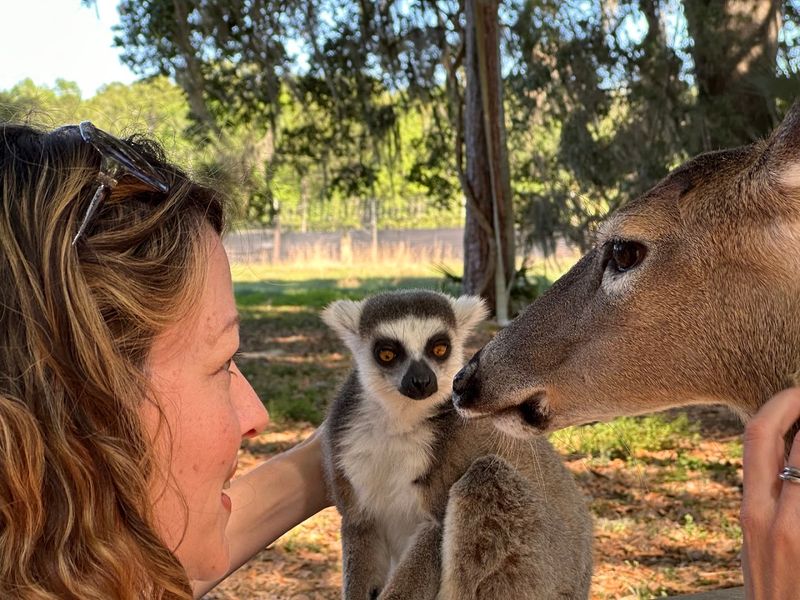
Way out in Webster at 38316 Deacon Rd, Webster, FL 33597, this conservancy operates as a private sanctuary rescuing exotic and domestic animals from neglect and abandonment. Chase Sanctuary doesn’t get the same publicity as larger facilities, but their mission is equally important—providing permanent homes for animals nobody else wanted.
Their residents include everything from farm animals to exotic birds, each with a backstory that’ll make you question humanity.
The sanctuary offers guided tours by appointment, giving visitors personalized experiences you won’t find at crowded tourist attractions. You might meet potbellied pigs who think they’re dogs, peacocks who strut around like they’re on fashion runways, or tortoises older than your grandparents.
The staff knows every animal individually and shares stories that range from heartwarming to infuriating, depending on how each creature arrived.
Because Chase operates primarily on volunteers and donations, visiting feels like joining a tight-knit community rather than being just another ticket holder. The grounds sprawl across rural Florida landscape, providing animals with room to roam and natural behaviors to express.
Educational programs focus on responsible pet ownership and the consequences of exotic animal trade. It’s quieter and less polished than commercial attractions, but that authenticity makes it special for people seeking genuine connections with animals.
7. North Florida Wildlife Center
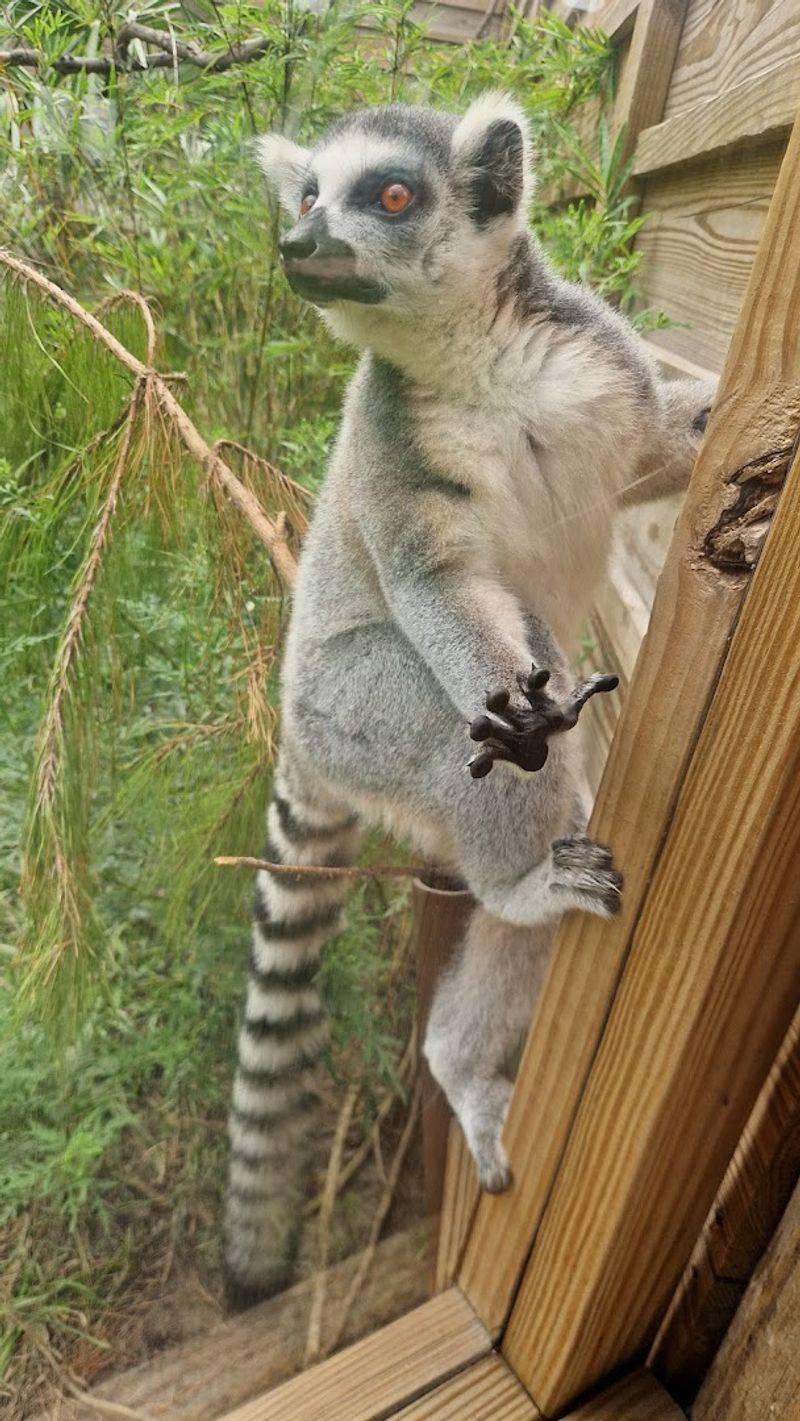
North Florida’s Big Bend region is home to a wildlife rescue center dedicated to helping injured and orphaned native animals get a second chance. St. Francis Wildlife Association works to rehabilitate everything from birds of prey to small mammals while educating the public about conservation and the challenges facing Florida’s wildlife.
The organization was founded by wildlife advocates who recognized the growing need for rehabilitation services across North Florida’s rural landscapes.
Visitors can find the center at 4732 Timber Rattler Ln, Lamont, FL 32336, where permanent residents live after injuries made it impossible for them to return to the wild. During visits, guests may meet owls with damaged wings, hawks with vision problems, and other rescued birds that now serve as wildlife ambassadors.
These animals help educators explain how rehabilitation works and why protecting natural habitats is so important.
The center also focuses heavily on North Florida’s unique ecosystems, including longleaf pine forests, cypress swamps, and coastal marshes that support a wide range of native species. Educational programs often extend beyond the facility itself, with rescued animals visiting schools, festivals, and community events.
Tours are typically arranged by appointment, giving visitors the chance to spend meaningful time learning about wildlife rescue while supporting the center’s ongoing conservation efforts.
8. South Florida Wildlife Center
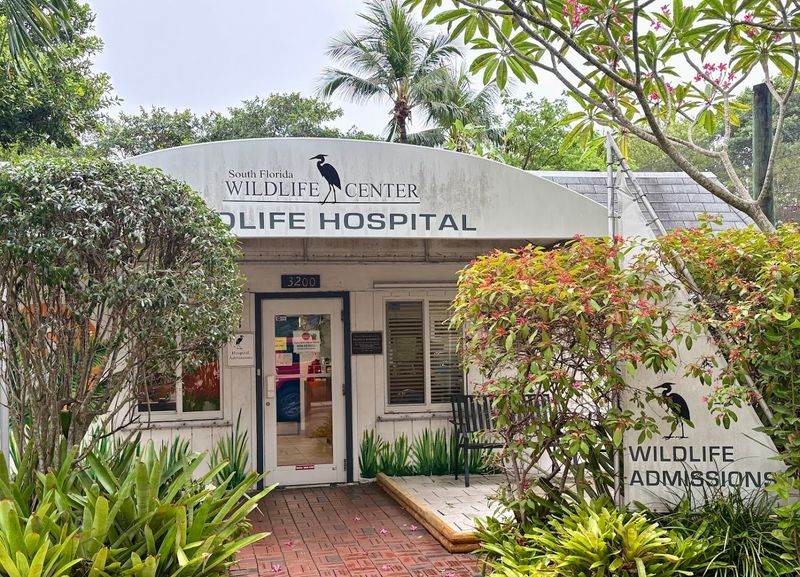
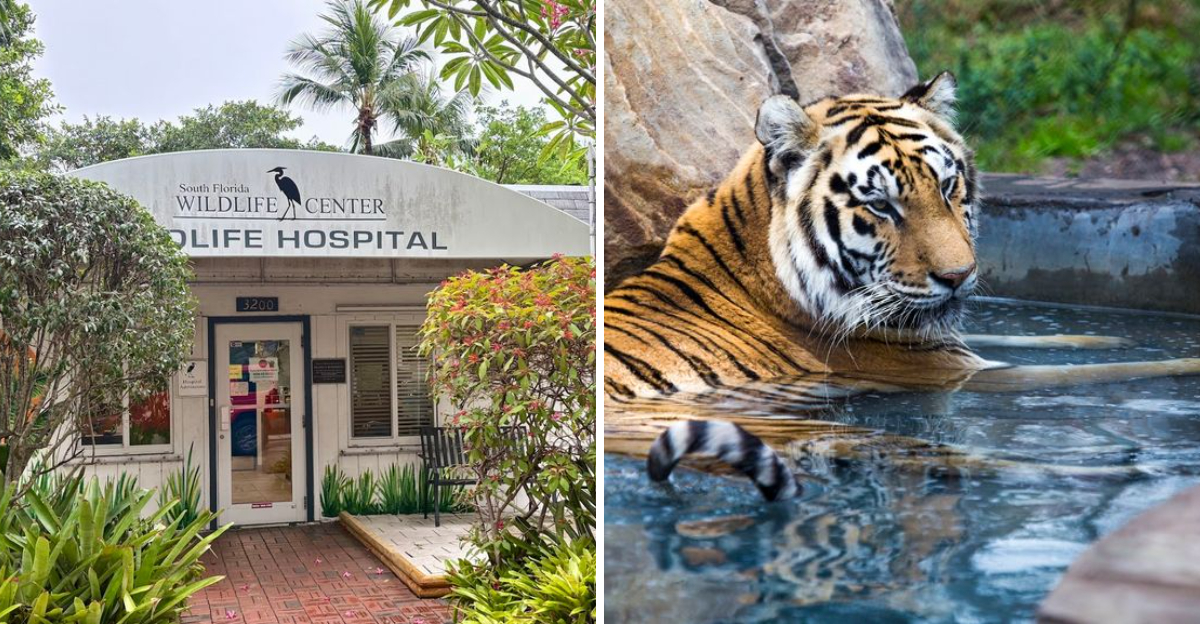
Every year, thousands of injured and orphaned animals in South Florida get a second chance thanks to the work of the South Florida Wildlife Center. This busy wildlife hospital treats more than 13,000 animals annually, ranging from baby squirrels that fell from their nests to pelicans tangled in fishing lines.
The facility operates much like a full-scale emergency room for wildlife, complete with surgical areas, intensive care spaces, and outdoor rehabilitation enclosures where animals recover before returning to the wild.
Visitors can find the center at 3200 SW 4th Ave, Fort Lauderdale, FL 33315, where public tours offer a rare look behind the scenes of wildlife rescue. During a visit, guests may see baby birds being hand-fed, injured raptors recovering from collisions, and mammals practicing essential survival skills before release.
The medical equipment used here is surprisingly advanced, because repairing a broken hawk wing often requires the same precision used in human medicine.
Being located in urban South Florida means the center regularly treats animals affected by cars, domestic pets, and expanding development. Education programs focus on helping people understand how to safely coexist with wildlife in busy communities.
One of the most memorable moments for visitors is witnessing a fully rehabilitated animal being released back into the wild—a powerful reminder of how much difference conservation work can make.
9. Back to Nature Wildlife Refuge
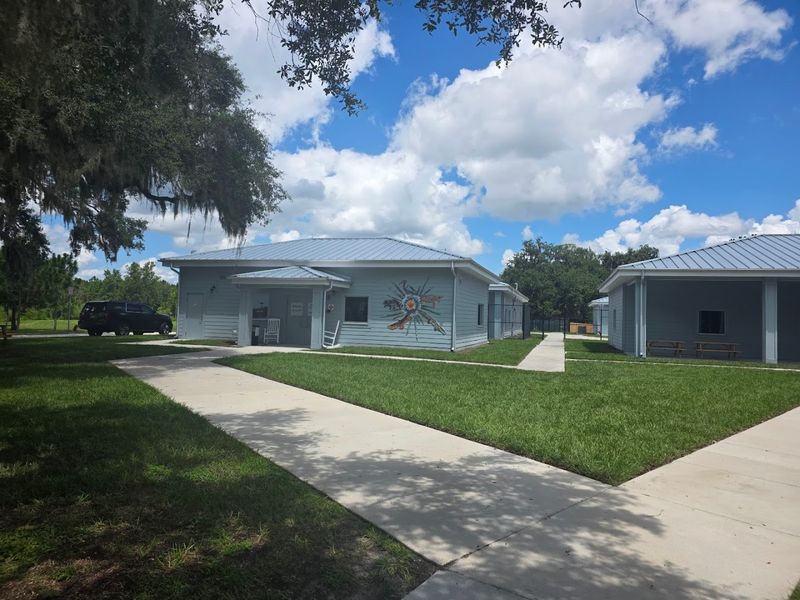
For decades, injured and orphaned wildlife in Central Florida have found a second chance through the work of Back to Nature Wildlife Refuge. Since 1990, this nonprofit organization has rescued and rehabilitated thousands of native Florida animals, ranging from small songbirds to powerful birds of prey.
The goal is always to return animals to the wild whenever possible, but those unable to survive on their own become ambassador animals that help educate visitors about conservation.
The refuge is located at 10525 Clapp Simms Duda Rd, Orlando, FL 32832, where educational programs allow visitors to see these ambassador animals up close. During demonstrations, guests may meet owls, hawks, snakes, and other native species while learning about their natural behaviors and survival strategies.
Watching a barred owl perched just a few feet away while a handler explains its hunting adaptations often leaves a stronger impression than any textbook.
Back to Nature also runs an extensive volunteer program that trains community members to assist with wildlife rehabilitation. This effort helps expand their impact far beyond the refuge itself, creating a network of people prepared to help injured animals throughout Central Florida.
Guided tours highlight the rehabilitation process while also explaining the growing challenges wildlife face as development continues to reshape natural habitats across the region.
10. Peace River Wildlife Center
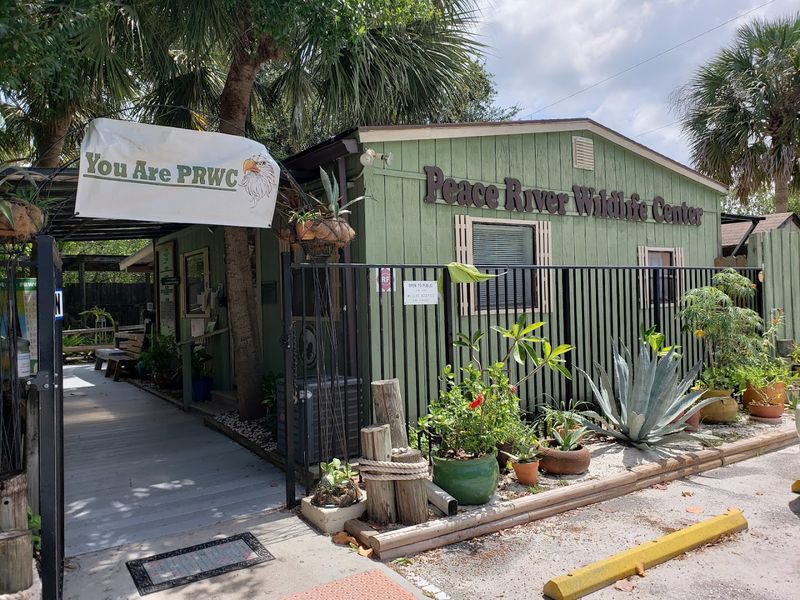
Wildlife along Florida’s Gulf Coast often gets a second chance thanks to the work of the Peace River Wildlife Center. Since 1989, the center has rescued and rehabilitated thousands of injured animals, with a special focus on birds commonly found around Southwest Florida’s waterways.
Each year more than 3,500 animals pass through the facility, including herons, egrets, pelicans, and ibises that have been injured by fishing gear, boat strikes, or habitat conflicts.
Visitors can explore the center at 3400 Ponce De Leon Pkwy, Punta Gorda, FL 33950, where outdoor aviaries allow guests to observe recovering birds and permanent residents up close. During a walk through the grounds, you may encounter pelicans with wing injuries, owls adapting to vision problems, and hawks who seem to have very clear opinions about personal space.
Informational displays explain the role these species play in Florida’s ecosystems and the challenges they face as development expands across coastal areas.
Peace River Wildlife Center is also known for its strong focus on community education. School groups, scout troops, and local organizations regularly visit to learn how everyday actions—such as properly disposing of fishing line or keeping cats indoors—can help protect wildlife.
The center operates through donations and fundraising, with admission offered on a donation basis. One of the most rewarding moments for visitors is seeing a rehabilitated bird released back into the nearby Peace River habitat.
11. Pelican Harbor Seabird Station
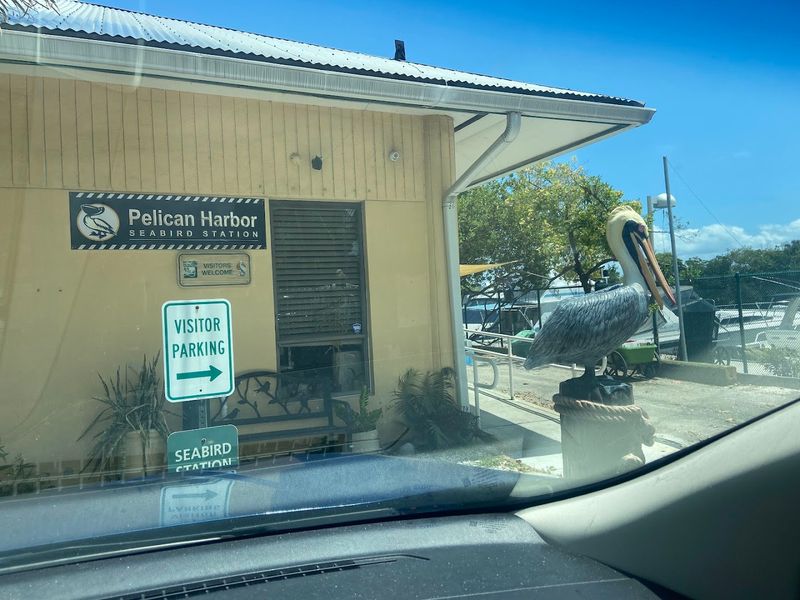
Sitting right on Biscayne Bay at 1279 NE 79th St Causeway, Miami, FL 33138, this seabird hospital has been rescuing Miami’s coastal birds since 1980. Pelican Harbor treats over 2,500 seabirds and shorebirds annually, handling everything from pelicans with fishhook injuries to migratory birds who made unfortunate navigation errors.
Their waterfront location means rescued birds can see, hear, and smell the ocean during recovery, which apparently helps with rehabilitation motivation (even birds need environmental enrichment).
The station offers free admission, inviting visitors to watch rehabilitation in action through viewing areas overlooking treatment pools and enclosures. You’ll see pelicans learning to fish again after injuries, cormorants drying their wings, and gulls who seem personally offended by their circumstances.
Staff and volunteers explain the rehabilitation process, from initial triage through release preparation, making the medical side of wildlife rescue accessible to everyone.
What makes Pelican Harbor special is their focus on preventing injuries before they happen, educating fishermen about proper line disposal and hook removal techniques. They’ve probably saved thousands of birds through education alone, preventing injuries rather than just treating them afterward.
The station runs entirely on donations and volunteer labor, making community support absolutely critical. Watching a healed pelican take flight back into Biscayne Bay delivers an emotional punch that’ll make you appreciate these awkward, magnificent birds forever.
12. Florida Oceanographic Coastal Center
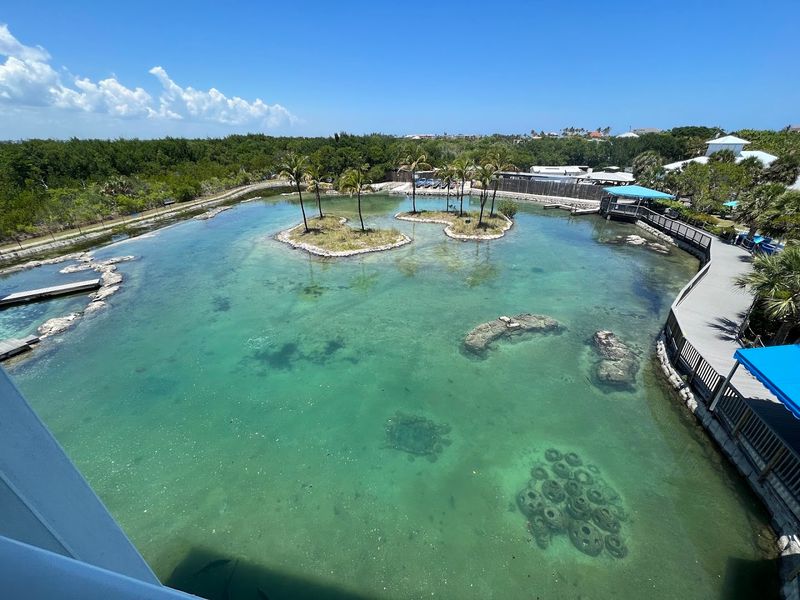
Protecting the delicate ecosystems of Florida’s Indian River Lagoon has been the mission of the Florida Oceanographic Coastal Center for decades. Since its founding in 1964, the organization has combined research, education, and wildlife care to better understand and protect one of North America’s most biodiverse estuaries.
The center’s 57-acre campus features nature trails, aquarium exhibits, and research facilities dedicated to studying and preserving coastal environments.
Visitors can explore the center at 890 NE Ocean Blvd, Stuart, FL 34996, where interactive exhibits help bring marine conservation to life. A popular highlight is the touch tank, where guests can gently interact with stingrays, sea stars, and other marine animals while staff members explain how to safely handle and respect marine life.
Aquarium displays feature species found in the Indian River Lagoon, from tiny seahorses to juvenile goliath groupers, all housed in environments designed to resemble their natural habitats.
Beyond the exhibits, scenic nature trails wind through coastal hammock forests, mangrove habitats, and lagoon shorelines where visitors may spot wild birds and other wildlife. The center is also deeply involved in conservation research, including oyster reef restoration and seagrass monitoring projects.
Guests often have the opportunity to participate in citizen science programs, contributing to real environmental research while learning how everyday actions can help protect Florida’s coastal ecosystems.