
This Short Florida Trail Takes You Through A 1,600-Year-Old Native American Village
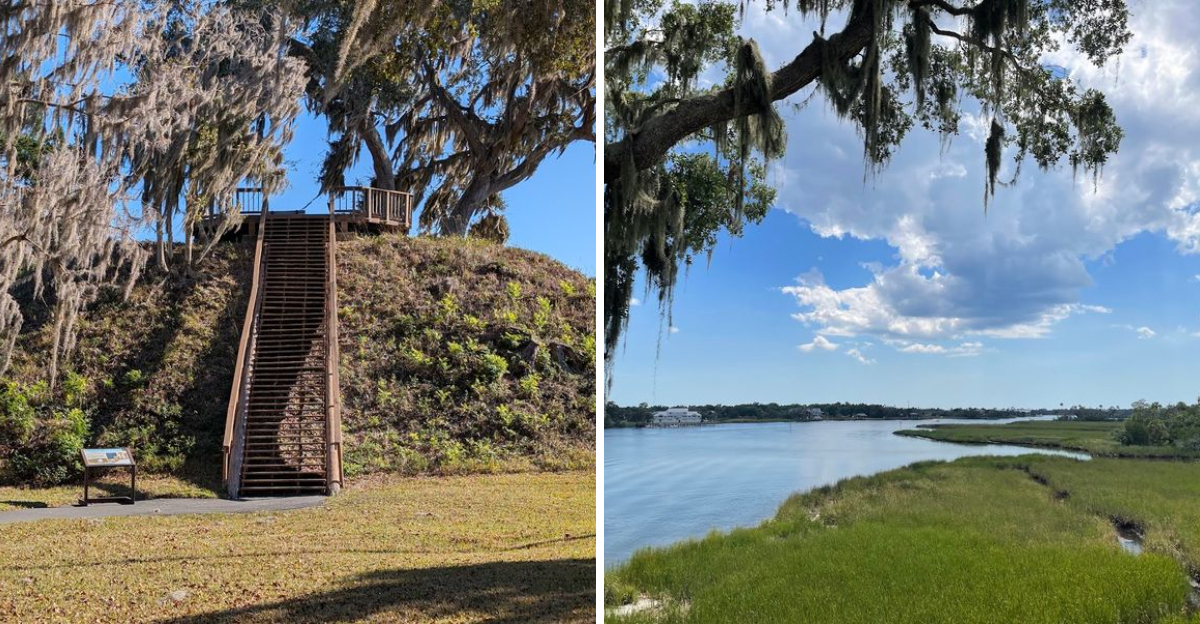
Have you ever stood somewhere and realized people were gathering there more than a thousand years before modern cities even existed? In Florida, there is a place where that feeling becomes very real.
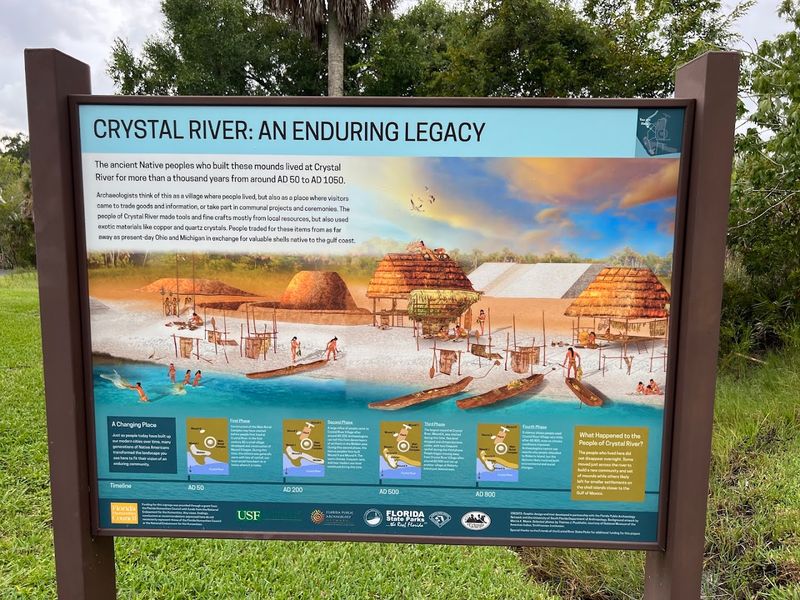
Hidden along a quiet stretch of the Gulf Coast sits one of the most remarkable archaeological sites in the entire state. Long before European explorers arrived in Florida, Native American communities gathered here for ceremonies, trade, and daily life.
Over centuries, they carefully built enormous shell mounds that still rise above the landscape today. These mounds were not random piles, but sacred places connected to rituals, burials, and important gatherings that shaped the lives of generations.
Walking through the area today feels almost surreal. The landscape may seem peaceful and simple, yet beneath the ground lies the story of a thriving culture that existed here for more than 1,600 years.
It is one of the rare places in Florida where history is not just something you read about. You can actually stand on it.
Ancient Shell Mounds That Tell Stories
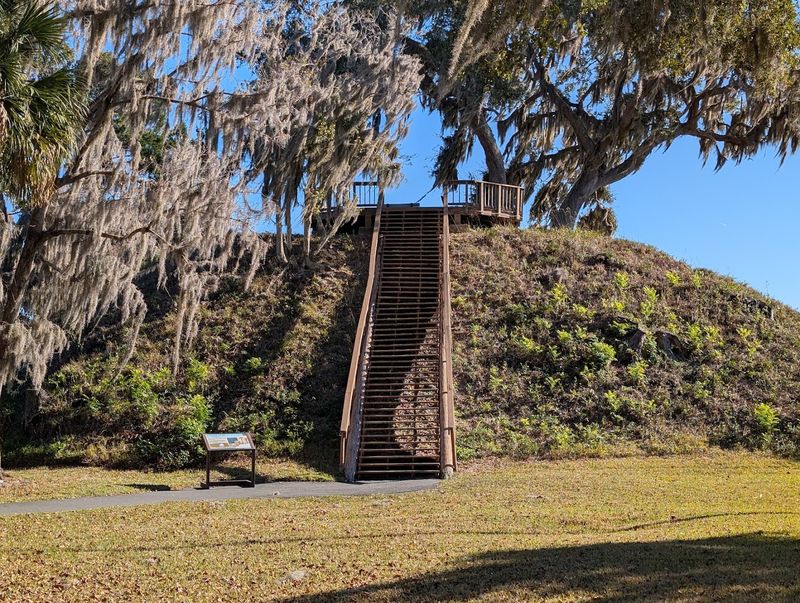
Shell by shell, ancient hands built monuments that still stand today, rising from the Florida landscape like testaments to human perseverance. The mounds at Crystal River Archaeological State Park represent one of the most significant pre-Columbian sites in the entire state, constructed over centuries by indigenous peoples who understood engineering principles that continue to amaze modern archaeologists.
Walking the paved pathways around these structures, I couldn’t help but calculate the sheer labor involved in creating such massive earthworks without modern tools or machinery. The largest mound towers above the surrounding landscape, built entirely from oyster shells, earth, and debris accumulated during countless ceremonial gatherings and daily activities spanning generations.
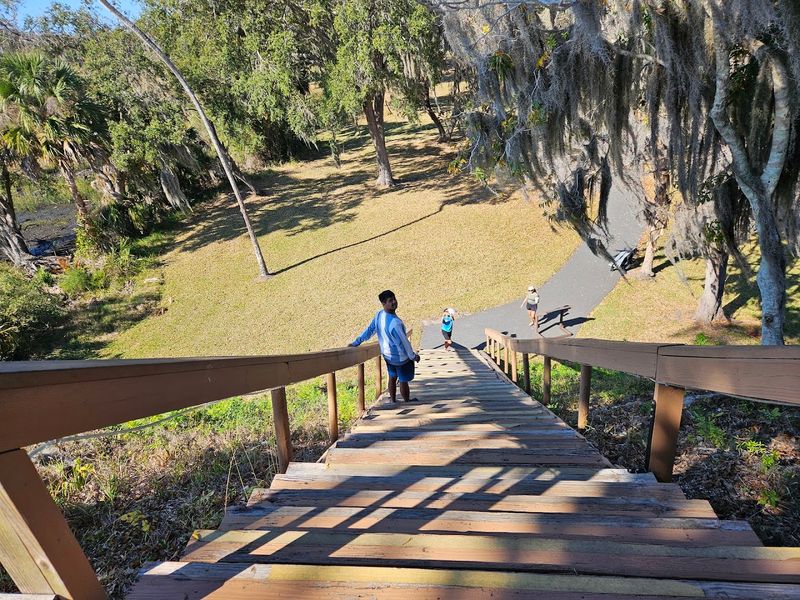
Climbing to the top of the main mound offers perspective that goes beyond the stunning river views. Each step upward represents layers of history, compressed time that speaks to the dedication of people who called this place sacred.
Interpretive panels throughout the site explain the construction methods and purposes behind these impressive structures, transforming what could be simple dirt piles into fascinating windows into ancient Florida civilization. You can explore the site at 3400 N Museum Point, Crystal River, FL 34428.
Ceremonial Center That Drew Thousands
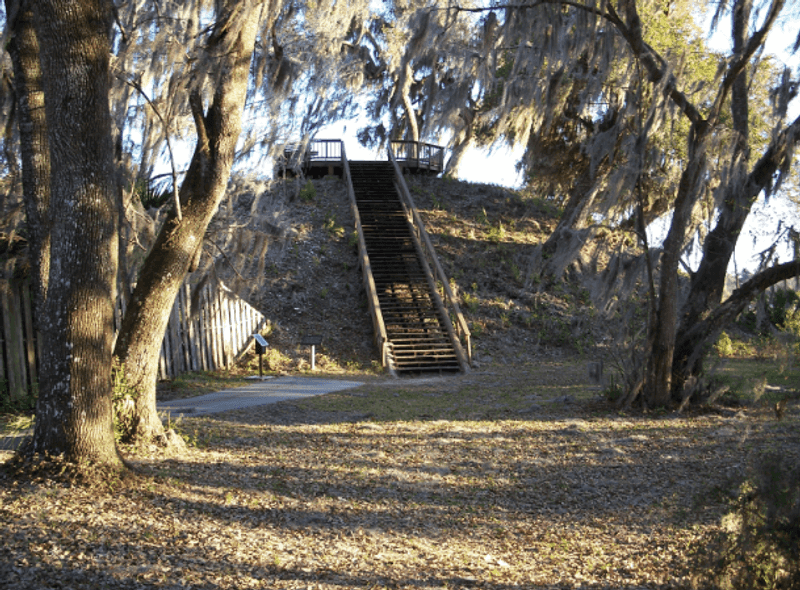
Between 200 BCE and 1400 CE, this spot functioned as Florida’s equivalent of a spiritual crossroads, drawing indigenous pilgrims from across the Southeast. The park preserves what archaeologists recognize as a major ceremonial center where different tribes gathered for important rituals, trade, and social connections that strengthened cultural bonds across vast distances.
Standing near the plaza area, I tried imagining the scene during peak gathering times when hundreds or possibly thousands of people would have filled this space. The acoustics alone suggest careful planning, with natural features amplifying voices and ceremonial sounds across the grounds.
Evidence shows people traveled here from as far as the Great Lakes region, bringing copper, mica, and other materials for trade or ceremonial purposes. The diversity of artifacts discovered during excavations reveals a cosmopolitan atmosphere that challenges simplistic notions of isolated prehistoric communities.
Rangers at the site share fascinating details about the ceremonial practices that likely occurred here, from seasonal celebrations to important life transitions, painting vivid pictures of a thriving spiritual hub that served generations of indigenous peoples.
Museum With Authentic Artifacts
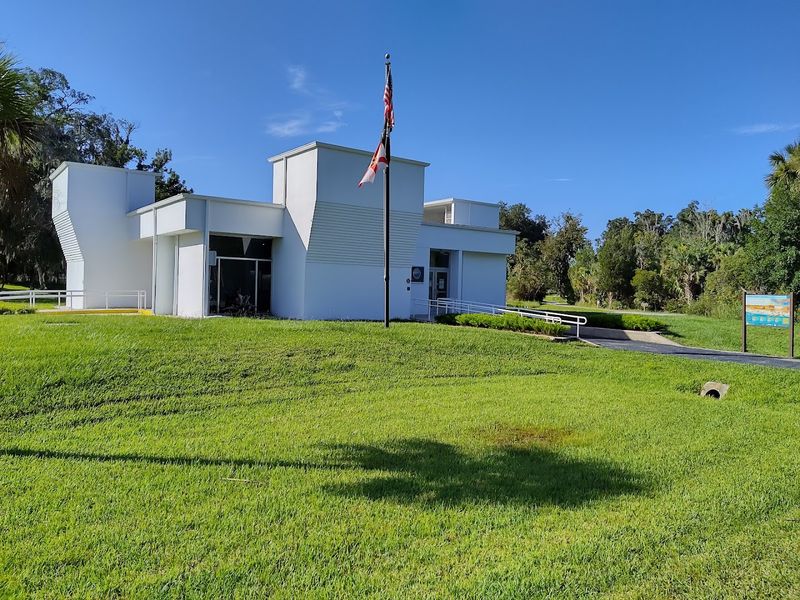
Before heading out to explore the mounds, I always recommend starting in the compact but remarkably informative museum that houses genuine artifacts recovered from the site. The collection includes pottery fragments, tools, ornaments, and ceremonial objects that provide tangible connections to the people who created this remarkable complex.
Unlike larger museums where artifacts can feel distant and impersonal, this intimate space brings you face-to-face with objects that were last touched by human hands over a thousand years ago. The pottery sherds still show fingerprints from their makers, a detail that never fails to give me chills no matter how many times I visit.
A short informational video plays in the museum, offering context about the site’s significance and the ongoing archaeological research that continues to reveal new insights. The presentation quality rivals much larger institutions, thanks to dedicated staff who clearly love sharing this important history.
Museum displays also explain the careful excavation processes that have allowed researchers to piece together daily life details, from diet and health to social structures and artistic traditions that flourished here across sixteen centuries of continuous occupation.
Burial Mounds That Command Respect
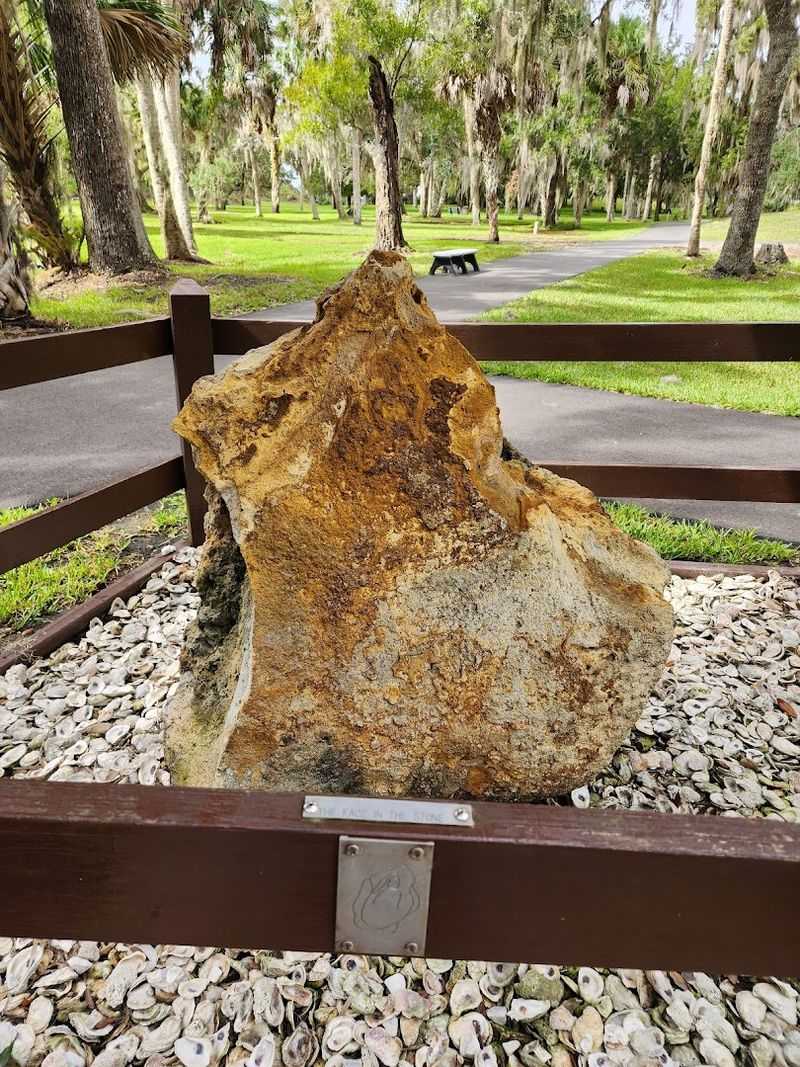
Several of the mounds at Crystal River served as final resting places for community members, creating a necropolis that archaeologists have studied with great care and respect. These burial structures reveal sophisticated mortuary practices and beliefs about the afterlife that shaped how indigenous peoples honored their departed.
Walking near these sacred spaces requires a certain mindfulness that the park encourages through thoughtful signage and ranger guidance. I’ve always felt the weight of history most strongly near these mounds, understanding that beneath my feet lie generations of people who loved, laughed, and lived full lives in this very location.
Archaeological investigations have uncovered burial goods that suggest belief in an afterlife where the departed would need tools, ornaments, and other possessions. The variety and quality of these grave goods also indicate social hierarchies and the importance placed on properly honoring the deceased.
Park staff emphasize that these are not merely historical curiosities but sacred sites that deserve reverence, a perspective that transforms casual tourism into something more meaningful and educational about respecting indigenous heritage and ongoing cultural connections to ancestral lands.
Accessible Paved Trails For Everyone
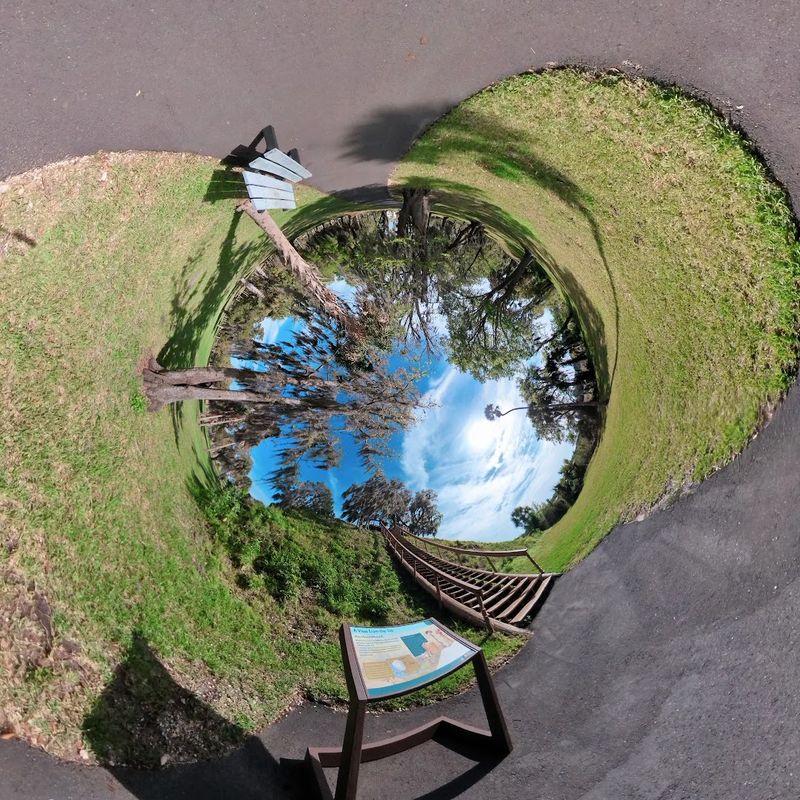
Accessibility matters when experiencing history, and Crystal River Archaeological State Park excels at making ancient wonders available to visitors of all mobility levels. The main trail system features smooth asphalt pathways that wind around the major mounds and archaeological features, eliminating barriers that might prevent some people from connecting with this important heritage site.
I’ve watched families with strollers, visitors using wheelchairs, and elderly guests navigate the trails with ease, something that unfortunately remains rare at many historical and natural sites. The flat terrain and well-maintained surfaces mean virtually anyone can explore without worrying about difficult terrain or exhausting climbs, though climbing the main mound does require navigating stairs.
Benches positioned at strategic intervals provide rest spots with excellent views of both the archaeological features and the natural beauty surrounding the park. These thoughtful touches show that park planners understood that comfortable visitors spend more time learning and appreciating what the site offers.
The trail system also includes clear signage and interpretive panels positioned at heights readable by all visitors, ensuring that the educational experience remains inclusive regardless of physical abilities or limitations.
Stunning River Views From Ancient Heights
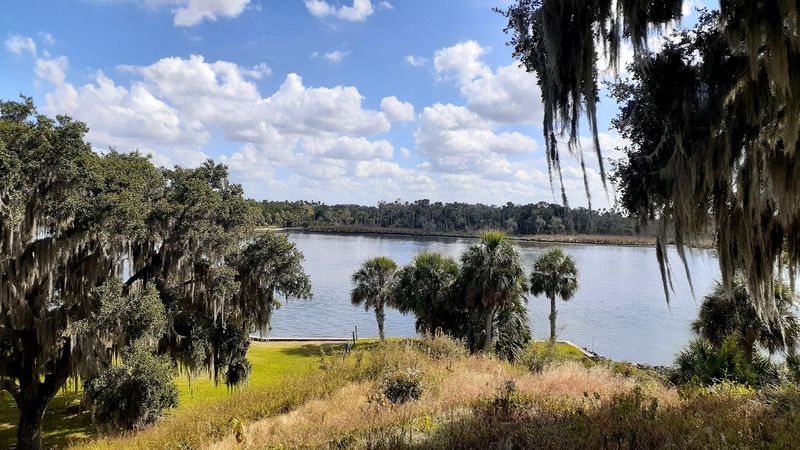
Climbing the stairs to the top of the main shell mound rewards visitors with breathtaking views across the Crystal River, a perspective that ancient peoples would have known intimately. From this elevated vantage point, the strategic importance of this location becomes immediately obvious, with water access and visibility that would have served both practical and ceremonial purposes.
The view stretches across marshlands and waterways that remain remarkably unchanged despite centuries of human presence in Florida, offering a visual connection to how this landscape appeared when the mounds were actively used. I’ve spent considerable time at the summit during different seasons and times of day, each visit revealing new details in the play of light across water and vegetation.
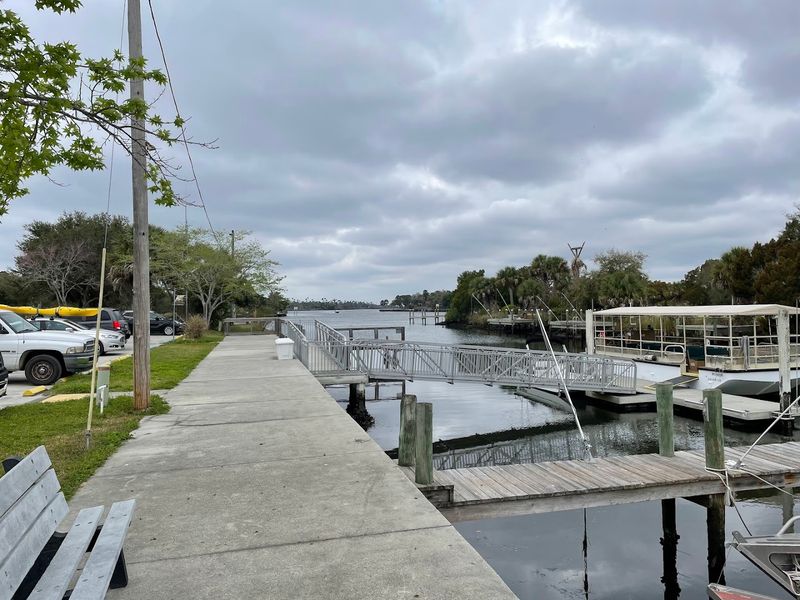
Interpretive information at the top explains how the river served as a highway for indigenous peoples, connecting inland communities with coastal resources and facilitating the trade networks that brought exotic materials to this ceremonial center. Imagining canoes traveling these waters centuries ago transforms the peaceful modern scene into something far more dynamic.
Photography enthusiasts find this elevated platform perfect for capturing both the archaeological features and natural beauty in single frames.
Wildlife Watching Along Historic Shores
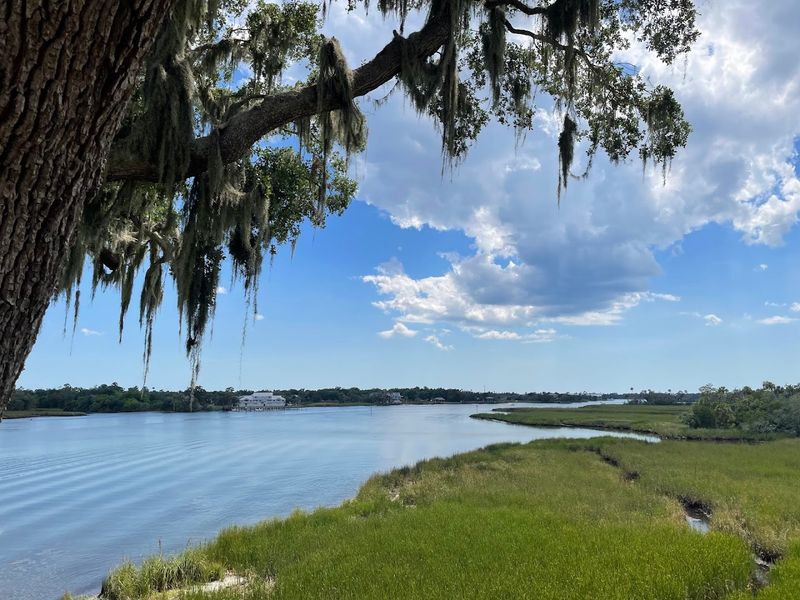
History and nature intertwine beautifully at Crystal River Archaeological State Park, where the same waters that supported ancient communities now provide habitat for manatees, dolphins, and countless bird species. During my visits, I’ve spotted everything from gentle manatees grazing on seagrass to dolphins hunting fish near the shoreline, sometimes within view of the ancient mounds.
The park’s location along the Crystal River creates exceptional wildlife viewing opportunities that add another dimension to the historical experience, reminding visitors that indigenous peoples would have relied on these same animal populations for food, materials, and spiritual significance. Pelicans perch on posts exactly where ancient fishermen might have launched their canoes, creating living connections across time.
Seasonal variations bring different species into view, with winter months offering the best manatee sightings when these marine mammals seek the river’s warmer spring-fed waters. Bird watchers maintain impressive species lists from the park, taking advantage of diverse habitats that support both resident and migratory populations throughout the year.
The combination of archaeological significance and natural abundance makes this park uniquely valuable, demonstrating why indigenous peoples chose this location for their most important ceremonial center.
Educational Programs That Bring History Alive
Park rangers at Crystal River Archaeological State Park possess impressive knowledge and genuine enthusiasm for sharing the site’s significance with visitors of all ages. I’ve participated in several ranger-led programs here, each one revealing new details about the archaeological discoveries and ongoing research that continues to expand our understanding of pre-Columbian Florida.
Special events like the “Moons Over the Mounds” program connect visitors with the astronomical knowledge that ancient peoples possessed, demonstrating how celestial observations influenced ceremonial timing and architectural alignments. These programs transform abstract historical concepts into tangible experiences that stick with participants long after leaving the park.
The staff’s dedication to accuracy and respect for indigenous heritage comes through in every interaction, whether answering spontaneous questions or delivering structured presentations. Rangers like Bevirt, mentioned repeatedly in visitor reviews, exemplify the passion that makes educational programming here so effective and memorable.
School groups and families particularly benefit from these programs, which meet educational standards while keeping content engaging and age-appropriate, fostering appreciation for archaeological science and indigenous history that might inspire future researchers and cultural preservationists among young visitors.
Affordable Entry That Welcomes Everyone
At just three dollars per vehicle, Crystal River Archaeological State Park offers extraordinary value that makes significant history accessible regardless of economic circumstances. This modest fee covers parking, trail access, museum admission, and the opportunity to explore one of Florida’s most important archaeological sites, a bargain that removes financial barriers to cultural education.
I’ve visited countless historical sites across the country where admission costs can discourage families or budget-conscious travelers from experiencing important heritage locations. The Florida State Parks system deserves recognition for keeping fees reasonable while maintaining excellent facilities and educational programming that rival much more expensive attractions.
The affordable entry also encourages repeat visits, allowing people to experience the site during different seasons, times of day, or life stages, building deeper connections with this ancient place through familiarity. I’ve returned dozens of times over the years, and the nominal fee has never felt like an obstacle to spontaneous visits.
Clean restrooms, well-maintained trails, and knowledgeable staff prove that low admission prices don’t mean compromised quality, demonstrating that public historical sites can remain both accessible and excellently managed through thoughtful stewardship and community support.
Extended Hours For Flexible Exploration
Operating from 8 AM to 6 PM daily, Crystal River Archaeological State Park accommodates various schedules and preferences for experiencing this ancient site. The generous hours mean early risers can explore in cool morning tranquility when wildlife is most active, while afternoon visitors enjoy warmer temperatures and different lighting that transforms the mounds’ appearance throughout the day.
I’ve found that timing visits for late afternoon provides particularly beautiful conditions, with angled sunlight creating dramatic shadows across the shell mounds while temperatures moderate from midday heat. The extended hours also allow visitors to combine the park with other Crystal River attractions without feeling rushed or stressed about closing times.
Seasonal variations in daylight mean summer visitors can explore during longer days, while winter guests should plan accordingly to complete their visit before the 6 PM closing. The consistent daily schedule eliminates confusion about varying hours that complicate planning at some attractions.
Park staff remain available throughout operating hours to answer questions and provide guidance, ensuring that visitors arriving at any time receive the same quality educational experience and access to museum exhibits, restroom facilities, and trail information that make this site so visitor-friendly.