
This Hidden Pennsylvania Park Holds An Authentic Japanese House And Garden
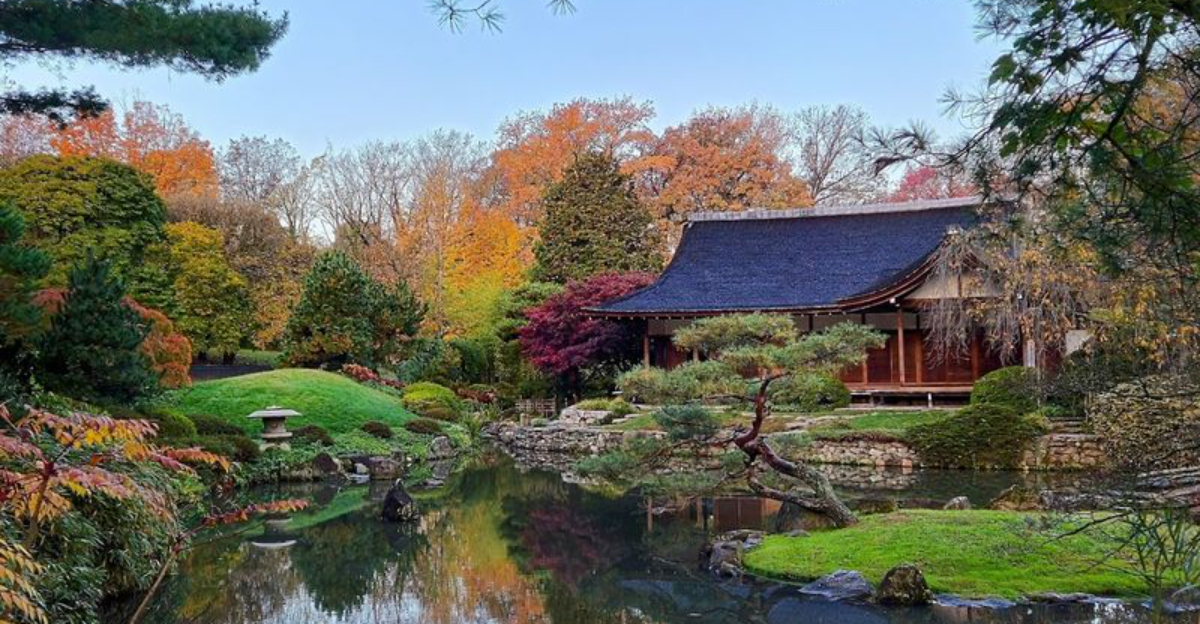
Some places feel like stepping into another world without ever leaving the city.
Quiet paths wind through carefully arranged gardens, the gentle sound of water flows nearby, and every detail seems designed to bring a sense of calm.
Wooden structures, peaceful landscaping, and graceful design create an atmosphere that feels both timeless and tranquil.
It is cultural beauty, garden serenity, and the kind of hidden space that invites visitors to slow down and breathe for a moment.
Unexpected discoveries like this add a fascinating layer to the places you can explore across Pennsylvania.
A thoughtfully designed garden can transport visitors far beyond the busy streets that surround it.
Carefully shaped trees, stone pathways, and reflective water features turn a simple walk into a peaceful experience.
Visitors often arrive curious and leave feeling refreshed by the quiet beauty of the setting.
I like imagining the moment someone steps through the garden entrance, hears the soft rustle of leaves in the breeze, and realizes they just found one of the most calming corners of the state.
A House Built In Japan, Displayed In New York, Then Planted In Philadelphia
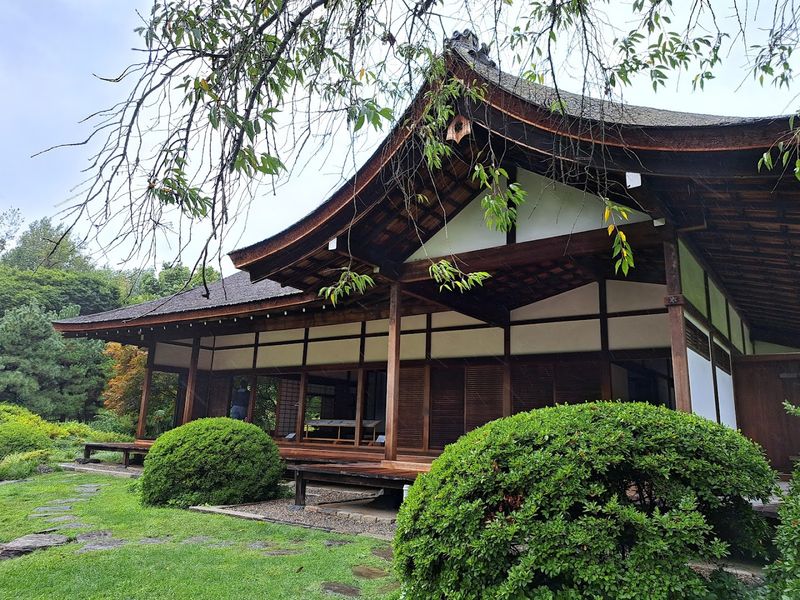
Before Shofuso Japanese Cultural Center ever became a Philadelphia landmark, it had a surprisingly well-traveled past.
The house was designed by Japanese modernist architect Junzo Yoshimura in 1953 and built in Nagoya, Japan, using traditional woodworking techniques and authentic materials.
From there, it was shipped to New York City and exhibited in the courtyard of the Museum of Modern Art, where it drew crowds curious about Japanese design.
After the exhibition ended, instead of being dismantled permanently, the structure was carefully relocated to West Fairmount Park in Philadelphia in 1958, where it was rebuilt and has stood ever since.
That kind of journey, from a Japanese workshop to a world-famous museum to a public park, is rare for any building.
Knowing that history before you step inside makes the experience feel significantly richer and more meaningful than a typical garden visit.
The Architectural Style Dates Back To 17th-Century Japan
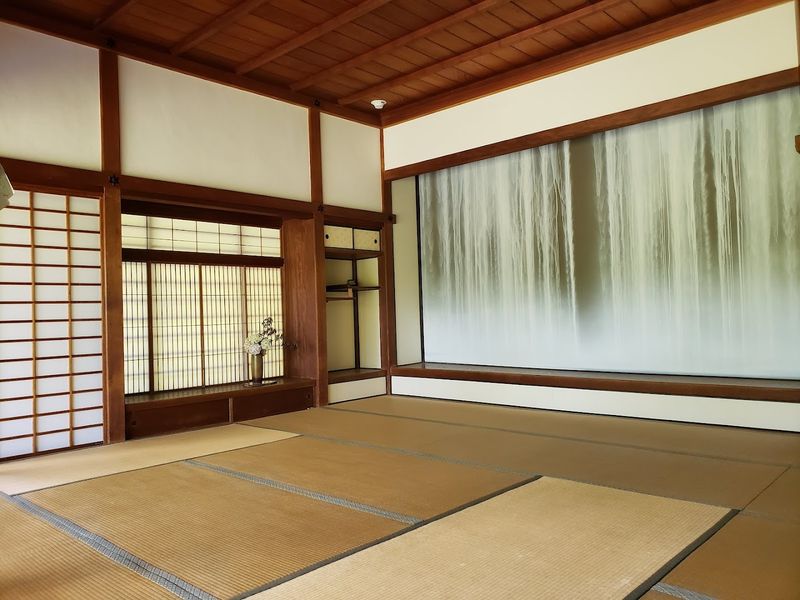
Every room inside Shofuso tells a story rooted in a very specific period of Japanese history.
The house is built in the shoin-zukuri style, a form of residential architecture that developed in Japan during the 17th century and became the foundation for much of what people today associate with traditional Japanese interior design.
Tatami mat flooring covers the rooms, and the layout uses sliding doors called shoji and fusuma to create flexible, open living spaces.
Low ceilings, exposed wooden beams, and a deep connection to the surrounding landscape are all hallmarks of this style.
What makes Shofuso remarkable is that despite being constructed in 1953, the craftsmanship follows those centuries-old methods with precision.
Walking through the rooms feels less like touring a museum exhibit and more like stepping into a living, breathing example of how Japanese families once organized their homes and daily lives.
The Garden Was Redesigned By A Japanese Landscape Expert
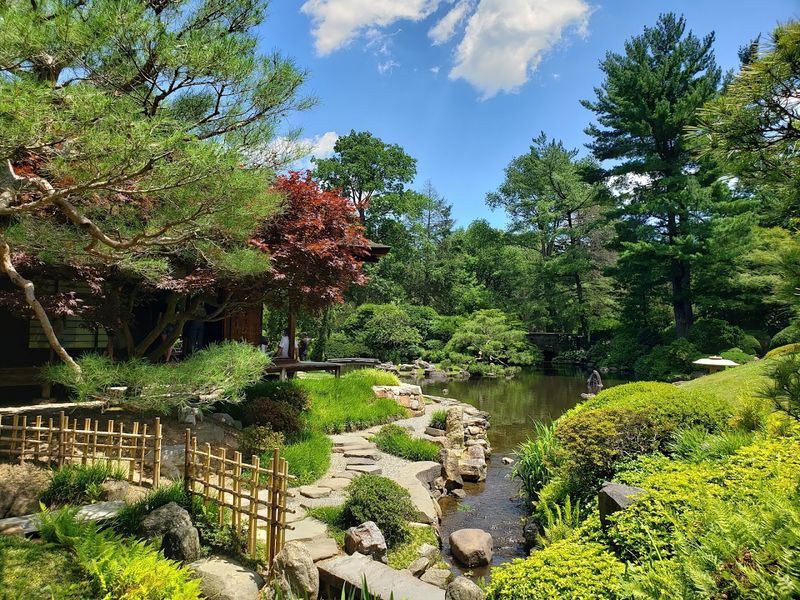
The garden surrounding the house did not happen by accident. In 1958, Japanese landscape designer Tansai Sano was brought in specifically to redesign the grounds so they would complement the architecture in an authentic and harmonious way.
Sano created what is known as a hill and pond garden, a classical Japanese garden style that uses carefully shaped landforms, water features, and plantings to guide the eye and create a sense of peaceful movement through space.
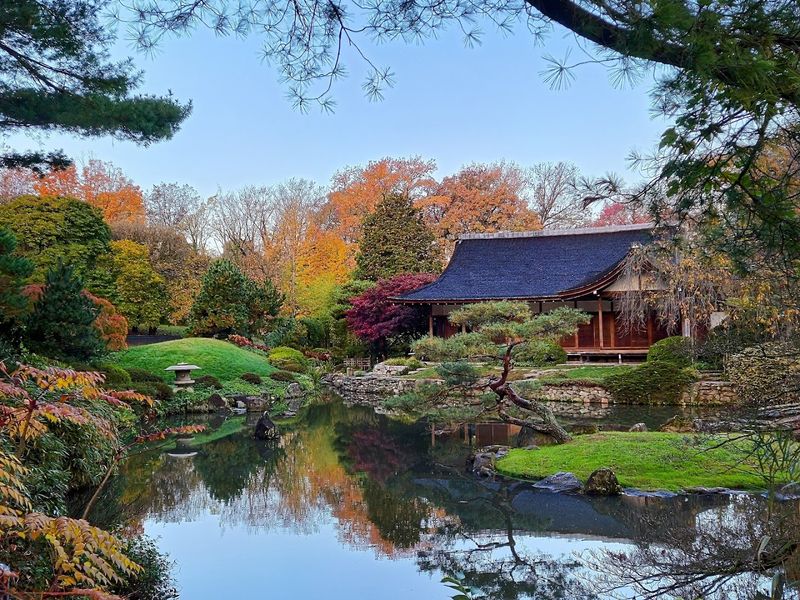
A tiered waterfall flows into a pond, and a small island sits within the water, surrounded by koi fish gliding slowly through the reflection of the sky above.
Stone paths wind through the greenery, and every plant placement feels deliberate rather than decorative.
Sukiya Living recognized the result by naming this garden the third-best Japanese garden in all of North America, which is a serious endorsement for a space tucked inside a Philadelphia park.
Twenty Stunning Murals Were Donated By A World-Renowned Artist
In 2007, internationally acclaimed artist Hiroshi Senju made a gift to Shofuso that permanently changed the feeling of its interior.
Senju donated 20 original contemporary murals, each one depicting waterfalls in his signature style, which blends traditional Japanese painting techniques with a modern artistic sensibility.
The murals were directly inspired by the waterfall in the garden just outside the house, creating a visual conversation between the art on the walls and the living landscape beyond the sliding doors.
Senju is known globally for large-scale installations, and having his work permanently housed here gives the space a layer of artistic prestige that surprises many first-time visitors.
Standing inside a centuries-old-style wooden house and looking at those flowing painted waterfalls while hearing the actual water outside is one of those quietly powerful moments that photographs struggle to capture. It is the kind of detail that rewards visitors who take their time.
Philadelphia Has Had A Japanese Cultural Presence Since 1876
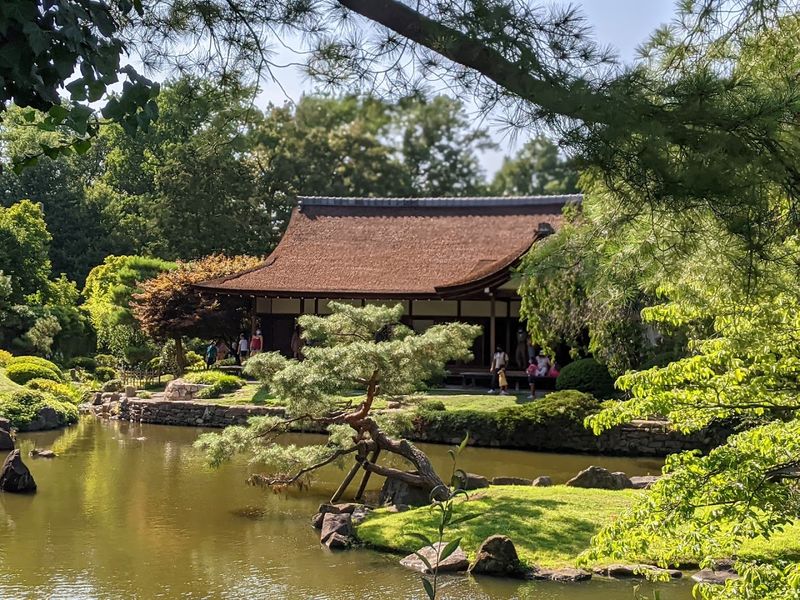
Long before the current house and garden existed, Philadelphia was already building a relationship with Japanese culture.
During the 1876 Centennial Exposition held in the city, the very first Japanese garden in North America was installed on these grounds, marking a moment of genuine cultural exchange during a period when Japan was opening up to the world.
That original garden no longer exists in its 1876 form, but the site where it stood became the foundation for what eventually grew into the Shofuso Japanese Cultural Center.
The continuity of Japanese cultural presence on this specific piece of land in West Fairmount Park spans nearly 150 years, which gives the location a historical weight that goes well beyond a single building or garden design.
For a city more often associated with the Liberty Bell and cheesesteaks, that kind of deep, sustained connection to Japanese culture is genuinely unexpected and worth appreciating on its own terms.
Koi Fish Are One Of The Most Popular Parts Of The Visit
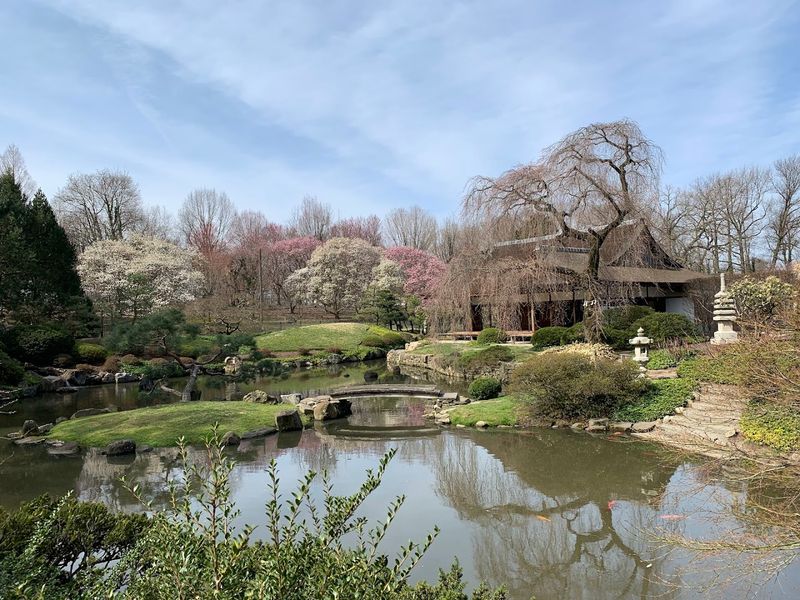
Ask almost anyone who has visited Shofuso what their favorite part was, and there is a very good chance they mention the koi fish.
The pond is home to a collection of large, vividly colored koi, and visitors can often purchase a small cup of fish food at the entrance to feed them directly.
The fish are surprisingly bold and will crowd toward anyone holding food, creating a lively and interactive moment that children and adults both enjoy.
Some visitors have described sitting on the veranda for an extended stretch of time, watching the fish move through the water while listening to the nearby waterfall.
There is something genuinely calming about that combination of sound, movement, and color.
The koi have been called the most colorful and fun element of the entire site by more than a few visitors, which says a lot about how compelling a well-maintained pond can be.
The Cherry Blossom Festival Brings The Site To Life Each Spring
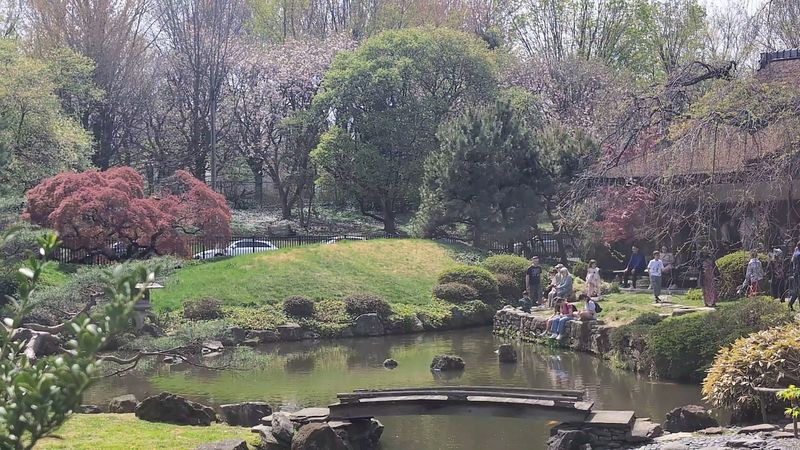
Each spring, Shofuso Japanese Cultural Center becomes the centerpiece of the Subaru Cherry Blossom Festival of Greater Philadelphia, one of the most celebrated Japanese cultural events in the entire northeastern United States.
The festival draws large crowds who come to see the cherry blossoms bloom while enjoying Japanese music, dance, food, and art demonstrations.
Cherry blossoms have deep symbolic meaning in Japanese culture, representing the beauty and brevity of life, and seeing them bloom over an authentic Japanese house and garden gives the event a visual and emotional resonance that few seasonal festivals can match.
The festival also serves as an important educational moment, introducing many visitors to Japanese traditions they might never have encountered otherwise.
For families with children especially, it offers a hands-on, engaging way to experience a culture that can feel distant when learned only through books or screens. Spring is widely considered the best time to visit the site.
Visitors Must Remove Their Shoes Before Entering The House
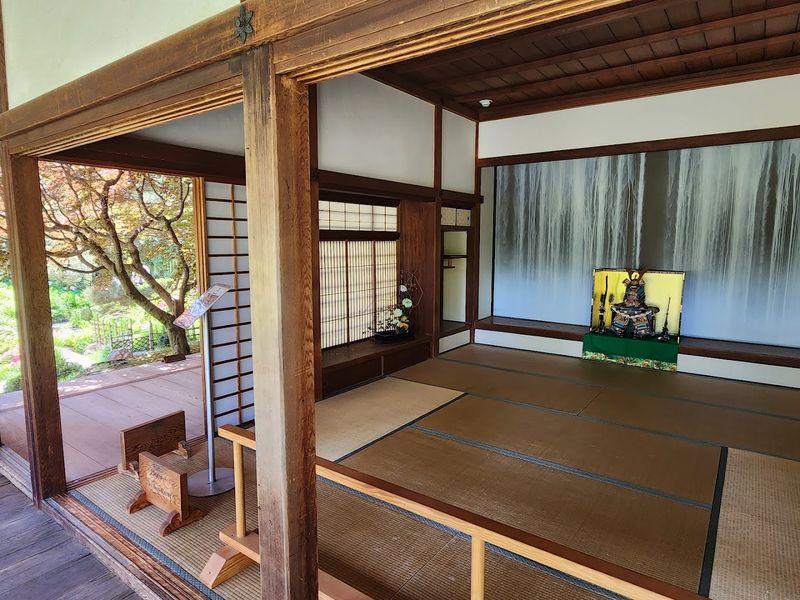
One of the first things visitors notice when approaching the entrance of the house is the requirement to remove their shoes before stepping inside.
This is not a quirky house rule but a direct reflection of Japanese custom, where the separation between outdoor and indoor space is treated with genuine care and intentionality.
Staff at Shofuso recommend wearing comfortable socks on the day of your visit, since you will be walking on tatami mats throughout the rooms.
The mats are traditional woven grass flooring that feels soft underfoot and carries a faint, pleasant grassy scent, especially in warmer weather.
That small act of removing your shoes before entering turns out to be one of the more effective ways the site creates an immersive experience.
It signals a transition from the everyday world outside into a space governed by different rhythms, different textures, and a noticeably different pace of life.
The Site Is Open from Late March Through Mid-December
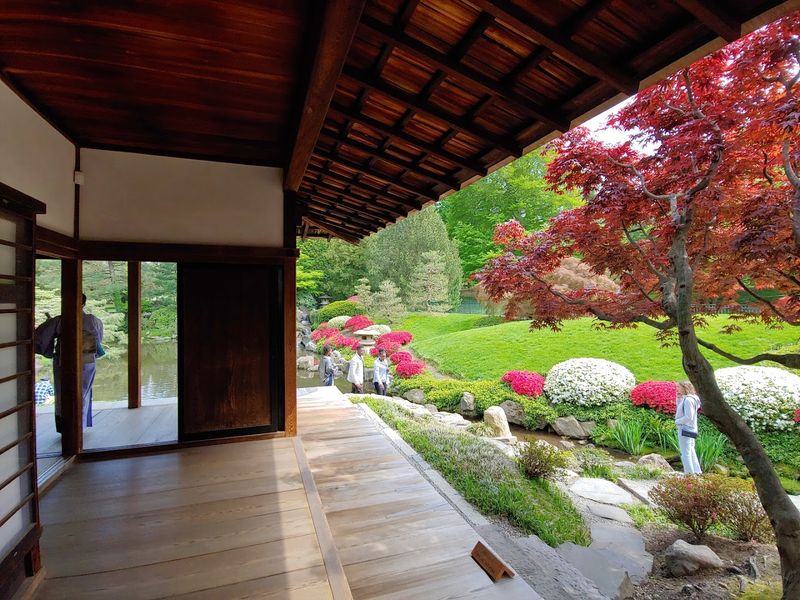
Shofuso Japanese Cultural Center operates on a seasonal schedule, welcoming visitors from March through December each year.
For 2026, the site is scheduled to open for the season on March 18, which covers spring cherry blossoms, summer greenery, and the rich golden and red tones of autumn foliage, meaning the garden looks noticeably different depending on when you choose to visit.
Admission is handled through timed tickets, which helps manage crowd flow and ensures that the small, intimate space does not feel overwhelming.
Tickets can be purchased online up to four weeks in advance, and adults pay fifteen dollars while younger visitors pay less.
Planning ahead is genuinely worthwhile, especially for weekend visits during peak bloom season.
The address is Lansdowne Dr and Horticultural Dr, Philadelphia, PA 19131, and free parking is available near the entrance.
Arriving with some flexibility in your schedule allows extra time to sit on the veranda and absorb the atmosphere without feeling rushed.
A Traditional Teahouse Sits Behind The Main Structure
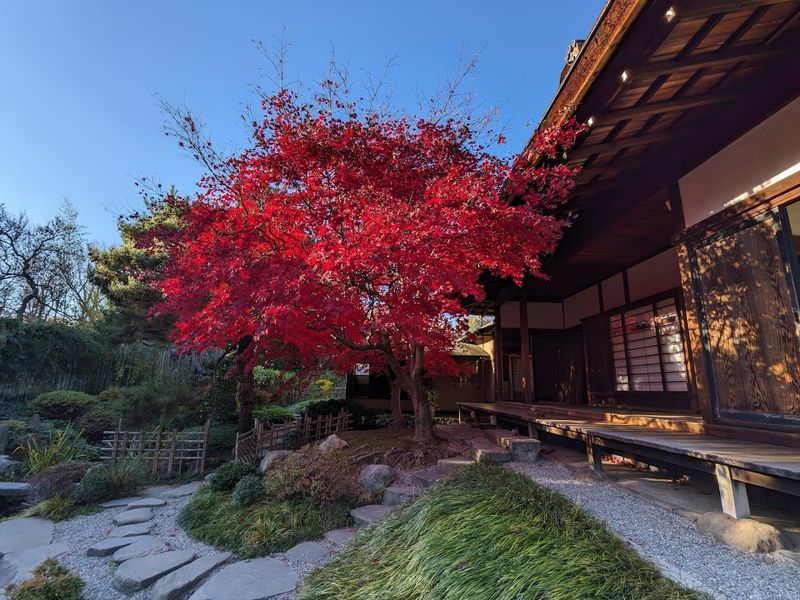
Behind the main house at Shofuso sits a structure that many casual visitors overlook entirely: a traditional Japanese teahouse built according to the precise architectural standards required for the Japanese tea ceremony.
The teahouse is not a replica or a decorative addition but a functional space designed to reflect the philosophy of wabi, which values simplicity, quietness, and an appreciation for imperfection.
The tea ceremony, known in Japanese as chado or the way of tea, is one of the most studied and formalized cultural practices in Japan, with rules governing everything from how the tea is prepared to how guests enter the room.
Having an authentic teahouse on the grounds elevates Shofuso beyond a garden visit into something closer to a genuine cultural education.
Occasional tea ceremony events are held at the site, and attending one is considered by many regular visitors to be the single most memorable experience the cultural center has to offer.