
The Illinois Town Where a 19th-Century Opera House Still Hosts Live Shows
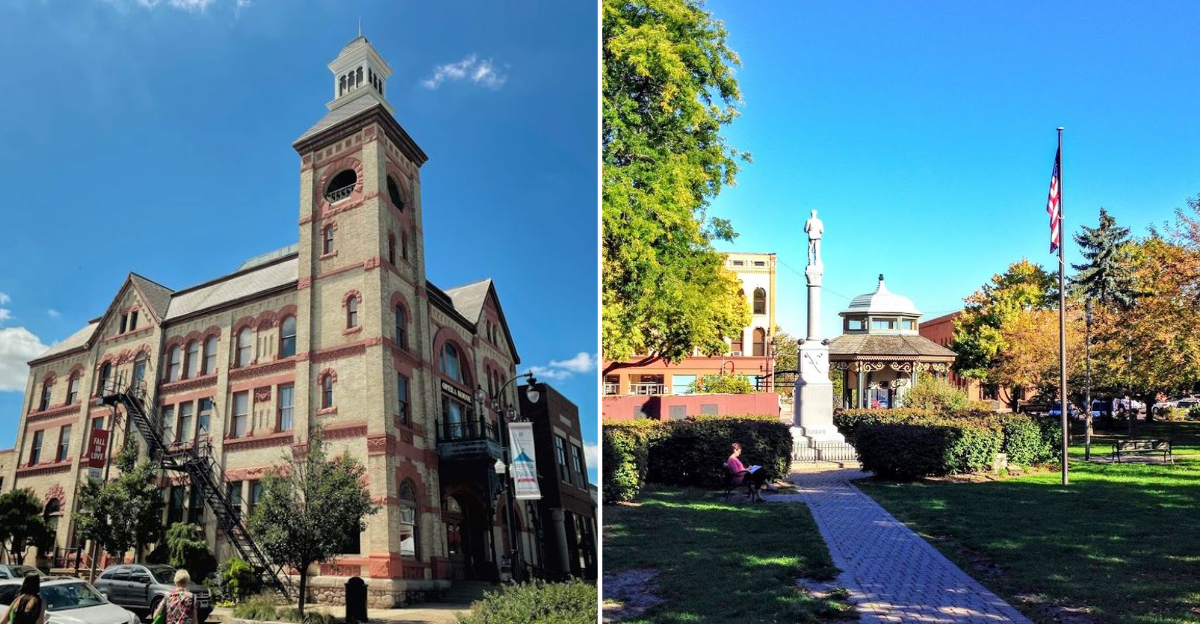
I did not expect a small Midwestern city to stop me in my tracks the way Woodstock did. About 51 miles northwest of Chicago in Illinois, this McHenry County seat carries the kind of quiet confidence that comes with real history.
The town square feels carefully preserved rather than staged, its brick buildings circling a courthouse lawn where daily life still unfolds at an unhurried pace. But one building commands attention the moment the eye lands on it.
Rising above the square is a Victorian-era theater that has watched generations come and go while its stage lights kept shining. The structure has survived two world wars, the Great Depression, and more than a century of shifting entertainment habits.
Instead of fading into nostalgia, it still fills seats and hosts live performances today. That endurance says a lot about this Illinois town and about the community that refused to let its cultural centerpiece disappear.
Built In 1889 And Still Going Strong
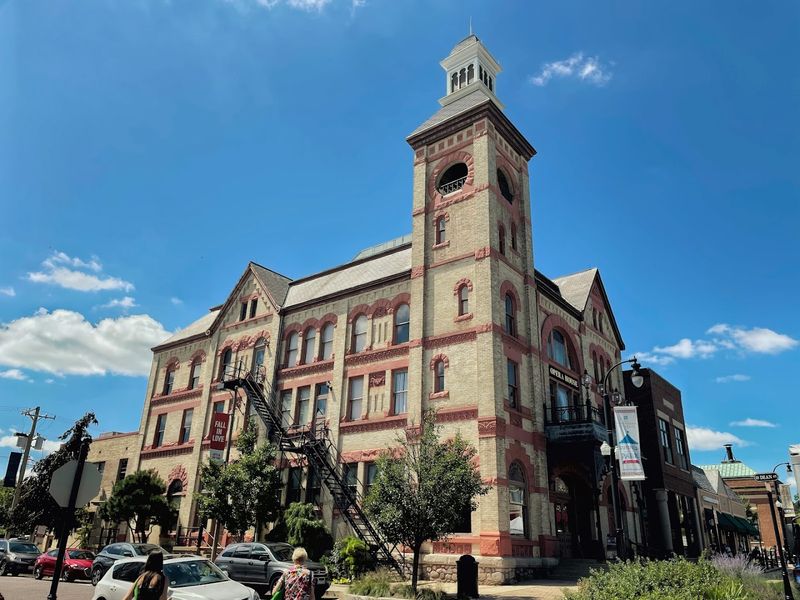
Most buildings from the 1880s are either museums or rubble by now, so finding one that still sells tickets and fills seats is pretty remarkable. The Woodstock Opera House opened its doors in 1889, making it one of the oldest continuously operating theaters in the country.
That is not a small claim.
The building was designed by architect Smith Hoag and constructed by contractor Simon Brink for approximately $25,000, which was a serious investment for a small Illinois city at the time.
The craftsmanship they put into it clearly paid off, because the structure has held up through decades of weather, wear, and changing tastes.
What keeps it standing today is a combination of dedicated restoration work and a community that genuinely values what it has.
The mid-1970s brought significant renovation efforts that helped preserve the original character while modernizing key elements. Walking up to the entrance, you can feel the weight of history in every brick.
The Architect Behind The Landmark

Smith Hoag was the architect who gave the Woodstock Opera House its distinctive Victorian shape, and his design choices have aged remarkably well. The building features a distinctive tower, arched windows, and decorative brickwork that make it one of the most recognizable structures in McHenry County.
Hoag worked alongside contractor Simon Brink to bring the vision to life, and the two men clearly understood that this building needed to serve multiple purposes at once. The ground floor was designed to house civic functions, while the upper floors were reserved for performances and public gatherings.
That dual-purpose thinking turned out to be ahead of its time. Many modern performing arts centers are built with community flexibility in mind, but Hoag was doing it in the late 19th century.
The result is a building that feels both grand and functional, never overwhelming the small-city block it anchors. His design remains a textbook example of purposeful civic architecture.
A Building That Wore Many Hats

When the Woodstock Opera House first opened, it was not just a theater. The first floor served as home to the city library, the city council chamber, a justice court, the fire department, and other early city offices, all under one roof.
That arrangement tells you a lot about how central this building was to daily life in Woodstock. Having the fire department on the ground floor while actors rehearsed upstairs must have made for some interesting mornings.
But the setup reflected a practical 19th-century approach to civic infrastructure, where space was shared and every square foot had to earn its keep.
Over time, those civic functions moved to other locations as the city grew, and the Opera House gradually became dedicated entirely to the arts and community events.
That evolution from multi-purpose civic hub to dedicated cultural venue is part of what makes its history so layered. It did not just survive by staying the same; it adapted thoughtfully as Woodstock’s needs changed around it.
Famous Faces Who Performed On That Stage

Before they were household names, some of America’s most recognized performers stood on the Woodstock Opera House stage and worked out their craft. Paul Newman, Tom Bosley, Geraldine Page, Lois Nettleton, Betsy Palmer, and Shelley Berman all performed here early in their careers.
That list reads like a classic Hollywood roll call, and it speaks to the reputation the Opera House had as a serious training ground for serious talent. Woodstock was not a major metropolitan center, but it offered something valuable: a real stage, a real audience, and a real chance to grow as a performer.
For anyone who has ever watched an old Paul Newman film and wondered where his stage presence came from, part of the answer is a Victorian theater in northern Illinois.
The Opera House gave these artists a place to experiment before the spotlight of national fame found them. That legacy adds a quiet kind of electricity to every performance held there today.
Orson Welles
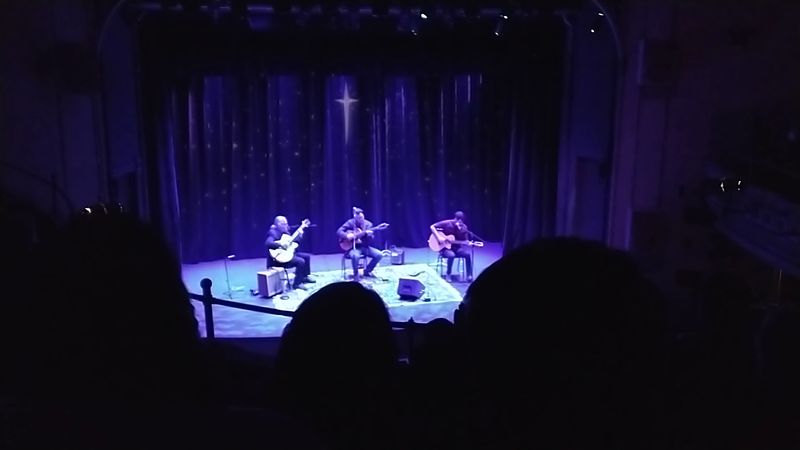
Of all the famous connections tied to the Woodstock Opera House, the Orson Welles story might be the most surprising. The legendary filmmaker and actor attended the Todd School for Boys in Woodstock and gained early stage experience at the Opera House as a teenager during his school years.
Welles grew up in the Woodstock area and had access to the Opera House during his formative years. Those early experiences with live performance clearly left a mark on him.
His later work, filled with theatrical staging and dramatic storytelling, carries echoes of a kid who fell in love with the stage at a young age.
In 2013, the city made it official by naming the main performance space the Orson Welles Stage in his honor. It is a fitting tribute that connects a global cultural icon back to a small Illinois city.
Standing in that auditorium now places visitors in the same historic space where Orson Welles developed his early interest in theater.
The Restoration That Saved Everything

By the mid-20th century, many historic theaters across America had already been torn down or converted into parking lots. The Woodstock Opera House came close to the same fate, but a significant restoration effort in the mid-1970s pulled it back from the edge.
The restoration was not just a coat of paint and some new seats. It was a serious structural and aesthetic undertaking that addressed years of deferred maintenance while preserving the building’s original Victorian character.
Workers carefully restored plaster details, updated mechanical systems, and reinforced the structure to meet modern safety standards.
That investment turned out to be one of the smartest decisions Woodstock ever made. A building that might have become a footnote in local history instead became a thriving anchor for the city’s cultural identity.
The restoration also set a precedent for how the community would treat its historic assets going forward, with care, intention, and a clear eye on the long game. The result speaks for itself every night the curtain rises.
A National Register Of Historic Places Honoree

Not every old building earns a spot on the National Register of Historic Places, but the Woodstock Opera House made the cut in 1974. Two years before that, in 1972, the city of Woodstock had already officially declared it a historic landmark, so the national recognition was a natural next step.
Getting onto the National Register is a formal process that requires documentation of a building’s historical, architectural, and cultural significance. The Opera House cleared every bar with room to spare.
Its age, its architectural integrity, and its unbroken record of community use all made a compelling case.
The designation formally recognizes the building’s historical and architectural significance and helps support long-term preservation awareness and protection. For a building that depends on ongoing upkeep to stay in performance shape, those incentives matter.
The listing is essentially the federal government saying what Woodstock residents already knew: this building is irreplaceable. Few civic theaters in Illinois can claim that kind of official, layered recognition at both the local and national level.
What’s On The Stage Today
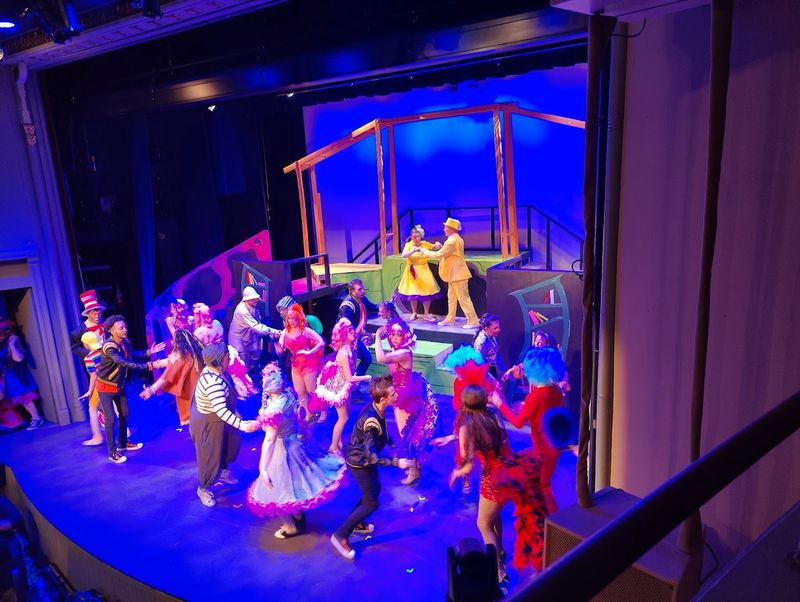
One thing I love about the Woodstock Opera House is that it has never become a relic. The programming today is genuinely diverse, covering concerts, theater productions, dance performances, visual arts exhibitions, educational programs, lectures, and community meetings.
Something is almost always going on.
That variety keeps the building relevant across different age groups and interests. A family might come for a children’s theater show one weekend and return weeks later for a jazz concert or an art opening.
The Opera House functions less like a single-purpose venue and more like a living room for the entire community.
Professional productions share the calendar with amateur and community performances, which gives the space a democratic energy that feels right for a small city. You do not need a VIP pass or a formal wardrobe to belong here.
Whether you are a first-time visitor or a Woodstock regular, walking into the Orson Welles Stage for a live show is the kind of experience that reminds you why live performance still matters in the age of streaming.
The Heart Of The Woodstock Community

There is something telling about a city that keeps its opera house at the center of public life for more than 130 years. The Woodstock Opera House is not just a performance venue; it is the social and cultural anchor of the entire city square, and you can feel that presence the moment you arrive in town.
Community events, civic gatherings, school programs, and local celebrations all flow through this building. It serves both amateur groups taking their first steps on stage and professional touring acts with polished productions.
That range creates a sense of shared ownership that is hard to manufacture in newer venues.
Woodstock itself sits about 51 miles northwest of Chicago, far enough to have its own identity but close enough to draw visitors from the metro area.
The Opera House is a big part of why people make that drive. It gives the city a cultural credibility that punches well above its population of roughly 25,000 residents.
Few towns this size have a venue with this kind of reach and resonance.
Planning Your Visit
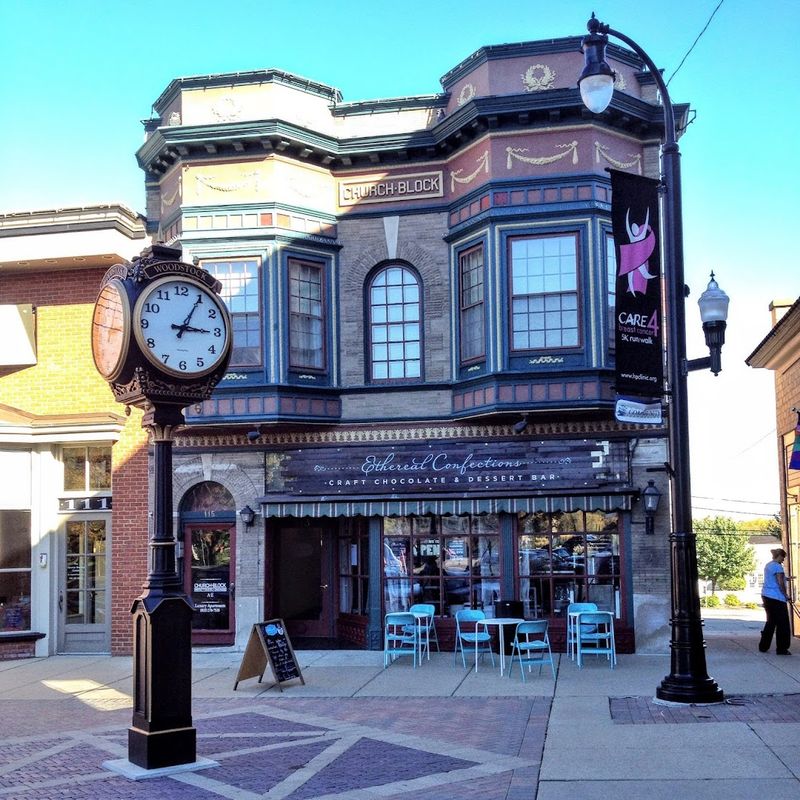
If you are thinking about making the trip to Woodstock, Illinois, the Opera House is the obvious starting point for planning your visit. The venue is located at 121 Van Buren Street in Woodstock, right on the historic town square, which makes it easy to combine with a walk around the surrounding area.
The performance calendar is available on the official website, and booking tickets in advance is a smart move for popular shows. The auditorium is intimate by design, meaning there are no bad seats, but there are definitely sold-out nights.
Woodstock’s town square has several restaurants and shops within easy walking distance, so you can make an evening of it before or after a show. The city is accessible by Metra rail from Chicago, which makes a day trip entirely doable without a car.
Visiting on a weekday can give you a quieter, more relaxed experience of both the Opera House and the charming streets surrounding it. Come ready to be genuinely charmed.