
12 Historic Towns In Illinois That Time Forgot (But You Should Visit In 2026)
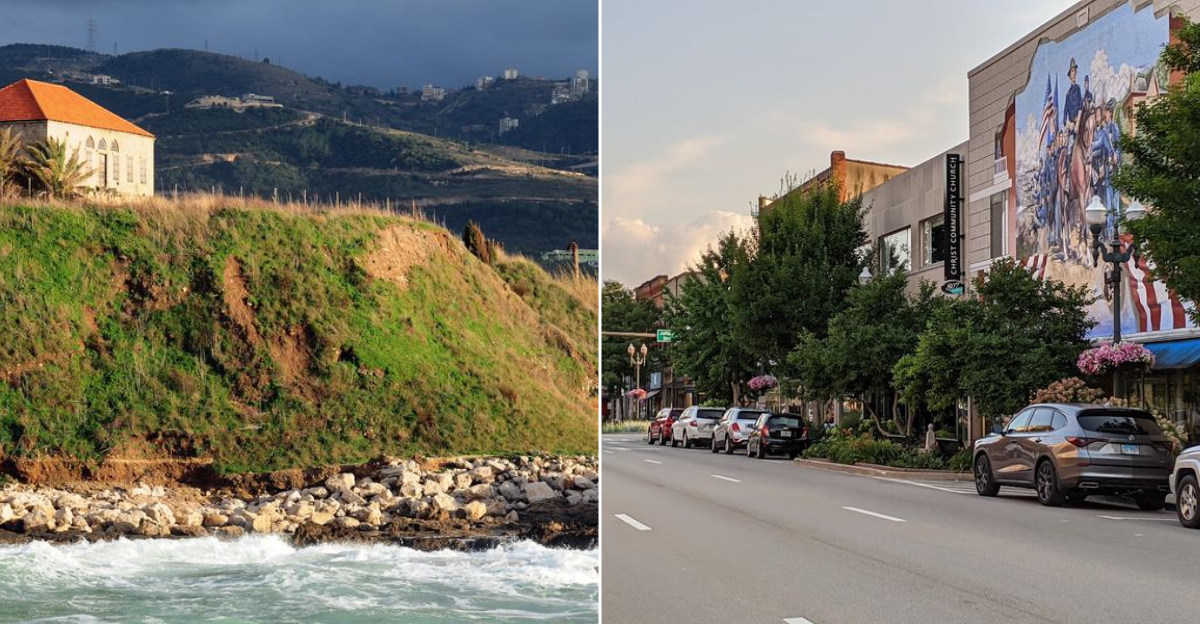
Some towns in Illinois feel like they hit the snooze button a century ago. And honestly, that’s exactly why people should go.
These hidden spots move at their own pace, where vintage storefronts outnumber chain stores, and every corner seems to hide a story waiting to be told.
Visitors stroll past creaky porches, stumble upon diners that serve nostalgia by the slice, and somehow leave with their phones full of pictures and their hearts a little heavier with charm.
In 2026, these towns aren’t relics. They’re invitations: invitations to wander, wonder, and remember that not every great thing has to rush.
For anyone craving a mix of history, quirk, and “how did I not know this existed?” vibes, these towns deliver in spades.
1. Galena
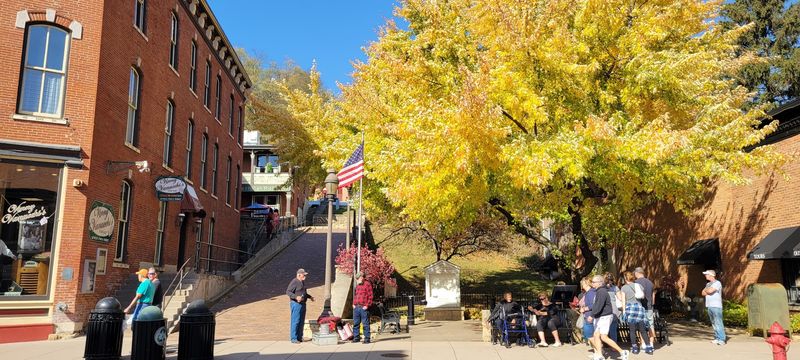
Picture a town so well-preserved that walking down its Main Street feels like stepping directly into a daguerreotype photograph. Galena, tucked into the rolling hills of northwestern Illinois, is exactly that kind of place, and it earns every bit of the attention it gets.
Over 800 buildings from the 1800s still stand here, making the entire downtown area a listed entry on the National Register of Historic Places.
The Ulysses S. Grant Home is the crown jewel of the town, a handsome Italianate house gifted to the Civil War general by grateful citizens in 1865.
The Dowling House, built in 1826 from local limestone, holds the title of Galena’s oldest surviving building and is absolutely worth a slow walk-through.
Beyond the landmarks, the streets themselves tell a story, with independent shops, art galleries, and cafes filling buildings that have stood for generations.
Galena sits at the confluence of history, architecture, and natural beauty, with the Galena River winding quietly nearby. The town once produced more lead than anywhere else in the country, which is literally how it got its name.
Plan a full weekend here because a single afternoon will leave you wanting more.
2. Bishop Hill
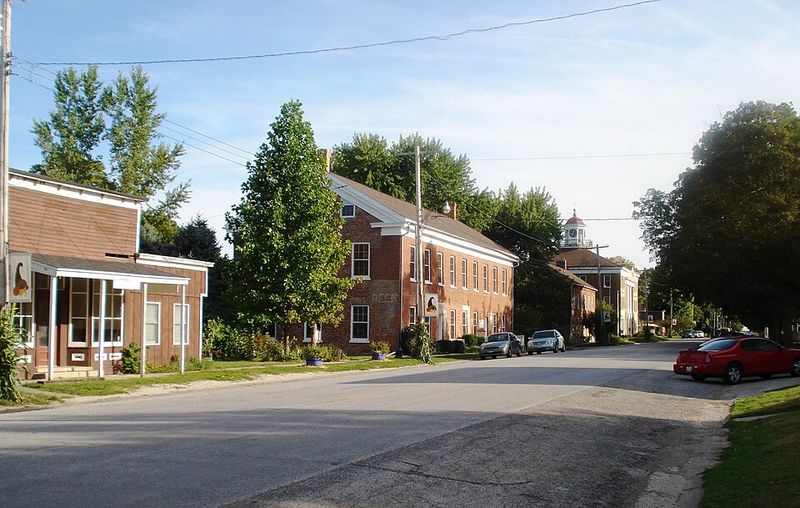
Somewhere in the middle of Henry County, there is a tiny village that feels less like Illinois and more like a postcard from 19th-century Sweden. Bishop Hill was founded in 1846 by Swedish religious reformer Erik Jansson and a group of followers who crossed an ocean in search of a place to practice their faith freely.
What they built here was nothing short of remarkable: a planned utopian community with sturdy brick buildings that still stand proud today.
The colony operated as a communal society for over a decade, sharing everything from food to labor, before eventually dissolving in the 1860s.
But the buildings survived, and many have been carefully restored into museums, galleries, and shops that celebrate the Swedish heritage of the place. The Bishop Hill State Historic Site manages several of these structures, offering guided tours that bring the colony’s fascinating story to life.
Every autumn, the town hosts Jordbruksdagarna, a harvest festival rooted in Swedish tradition that draws visitors from across the Midwest.
The art colony scene here is genuinely thriving, with painters and craftspeople keeping creative energy alive in this otherwise quiet corner of the state. Bishop Hill is small, but it carries an outsized sense of purpose and identity.
3. Nauvoo
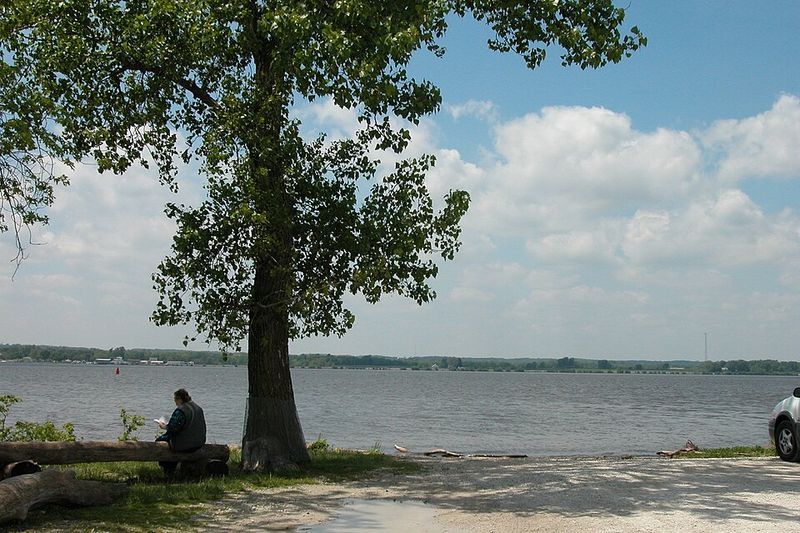
Few towns in Illinois carry as much historical weight as Nauvoo, a quiet city perched on a bend of the Mississippi River in Hancock County. In the early 1840s, this place was actually one of the largest cities in all of Illinois, a booming center of the early Latter-day Saint movement that drew tens of thousands of followers from across the country and even Europe.
The story of Nauvoo is dramatic, complex, and genuinely captivating.
After the community dispersed following intense conflicts in the mid-1840s, Nauvoo entered a long quiet chapter, which ironically preserved much of its original character.
Today, the Nauvoo Historic District features restored homes, craft demonstrations, and open-air sites that paint a vivid picture of 1840s frontier life. The rebuilt Nauvoo Illinois Temple, completed in 2002 on the original foundation, stands as a stunning architectural centerpiece overlooking the river.
Beyond its religious history, Nauvoo also became home to a wave of Icarian settlers in the late 1840s, adding yet another layer of utopian idealism to its already layered past.
The town is surrounded by rolling countryside and river bluffs that make the drive in just as rewarding as the destination itself. Nauvoo rewards patient visitors who take time to read between the lines of its complicated, compelling story.
4. Elsah
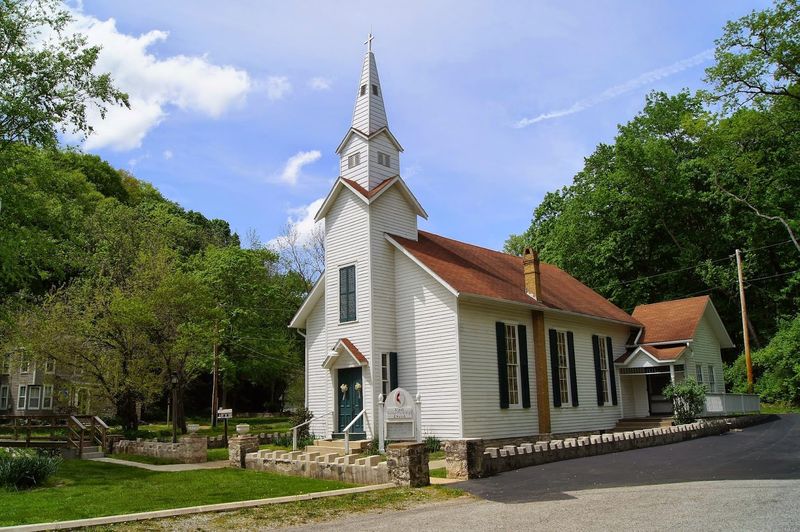
Elsah might be the most quietly extraordinary town in the entire state of Illinois, and most people have never heard of it.
Nestled between dramatic limestone bluffs and the Mississippi River in Jersey County, this village of fewer than 100 residents became the first entire town to be listed on the National Register of Historic Places back in 1973. That is not a small distinction for a place this small.
Walking through Elsah feels genuinely surreal. The stone cottages and Federal-style homes look exactly as they did in the mid-1800s, with no chain stores or modern intrusions to break the spell.
The town was essentially bypassed by industrial development, which turned out to be the greatest preservation gift it ever received. Principia College sits nearby on the bluffs, adding a touch of academic energy to the otherwise serene atmosphere.
The Great River Road runs right past Elsah, making it a natural stop on any Mississippi River road trip. Spring and fall are particularly magical here, when the bluffs erupt in wildflowers or autumn color and the whole place looks like a painting that someone forgot to tell was real life.
Elsah is the kind of town that makes you lower your voice without anyone asking you to.
5. Lebanon
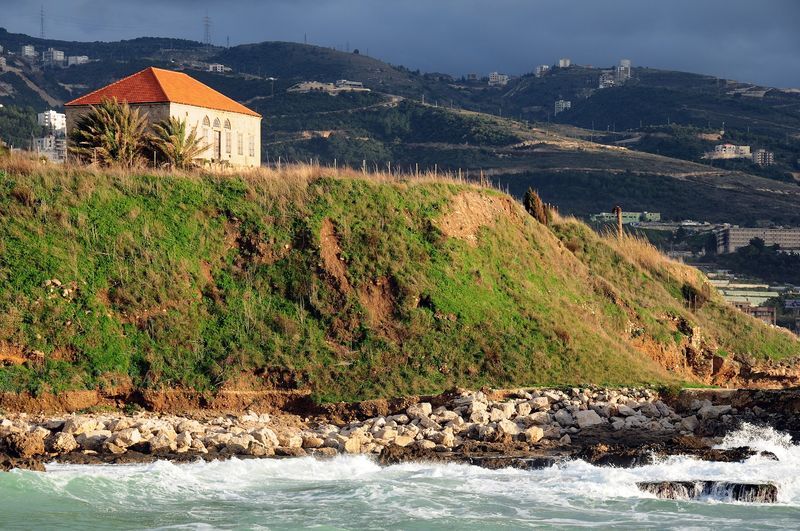
Lebanon has a quiet confidence about it, the kind that comes from knowing your history is genuinely interesting without needing to shout about it.
Founded in 1814 and located in St. Clair County, this small city holds the distinction of being the site of McKendree University, the oldest university in Illinois, established in 1828. That kind of academic pedigree gives the town a certain intellectual warmth that you can feel just by walking around campus.
The Mermaid House, a historic tavern and inn dating back to the early 1800s, once hosted Charles Dickens during his 1842 American tour. Yes, that Charles Dickens.
The building still stands, and knowing that the author of A Christmas Carol once slept there adds a delightfully literary layer to an already charming destination. The downtown area retains much of its 19th-century character with brick storefronts and shaded streets.
Lebanon sits comfortably in the southwestern Illinois region known as the American Bottom, an area with deep Native American and French colonial history that stretches back centuries before American settlement.
The town hosts seasonal events and festivals that bring the community together in ways that feel genuinely rooted rather than manufactured for tourism. Lebanon is proof that the best historical gems are often hiding in plain sight along quiet state highways.
6. Woodstock
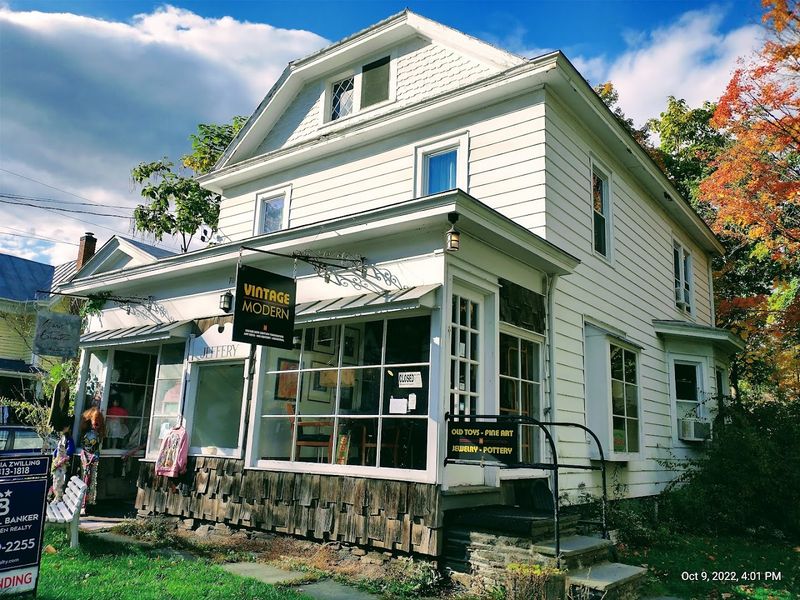
Here is a fun piece of trivia that will make you want to book a trip immediately: the movie Groundhog Day, starring Bill Murray, was filmed almost entirely in Woodstock, Illinois. The town square doubled as Punxsutawney, Pennsylvania, and it did such a convincing job that fans of the film still make pilgrimages to stand on the exact spot where Murray stepped in that famous puddle.
The square even has a plaque marking the location.
Beyond its cinematic fame, Woodstock has genuine historic credentials that stand entirely on their own. The Woodstock Opera House, built in 1889, is a stunning Romanesque Revival structure that continues to host live performances today and is listed on the National Register of Historic Places.
The surrounding Woodstock Square Historic District is filled with Victorian-era architecture that makes every direction you look feel intentional and beautiful.
McHenry County’s seat has a vibrant arts community, a farmers market that runs through the warmer months, and an annual Mozart Festival that draws classical music enthusiasts from across the region. The town manages the rare trick of feeling both lively and unhurried at the same time.
Woodstock is the kind of place that rewards wandering without a plan, because every corner seems to offer something worth stopping for.
7. Jacksonville

Jacksonville carries a genuinely impressive roster of firsts that would make any history enthusiast stop scrolling and start packing.
This Morgan County city was home to Illinois College, the state’s first college, founded in 1829, as well as the Illinois School for the Deaf, established in 1839, and the Illinois School for the Visually Impaired, making it a center of progressive education long before that term existed. The town took its civic responsibilities seriously from the very beginning.
The Jacksonville Area Museum, housed inside a striking Federal-style building, does an excellent job of connecting visitors to the town’s layered past, from its abolitionist roots to its role in Illinois politics during the Lincoln era.
Stephen A. Douglas, Lincoln’s famous debate opponent, practiced law here, and the town’s connection to that period of American history feels tangible rather than distant.
Statesman, reformers, and educators all called Jacksonville home at various points.
The architecture throughout the historic core is genuinely impressive, with grand homes and institutional buildings that reflect the ambition of a town that once punched well above its weight on the national stage.
The Big Eli Ferris wheel, introduced to the public at a local fair in 1900, adds a surprisingly whimsical footnote to an otherwise serious historical record. Jacksonville rewards curiosity at every turn.
8. Princeton
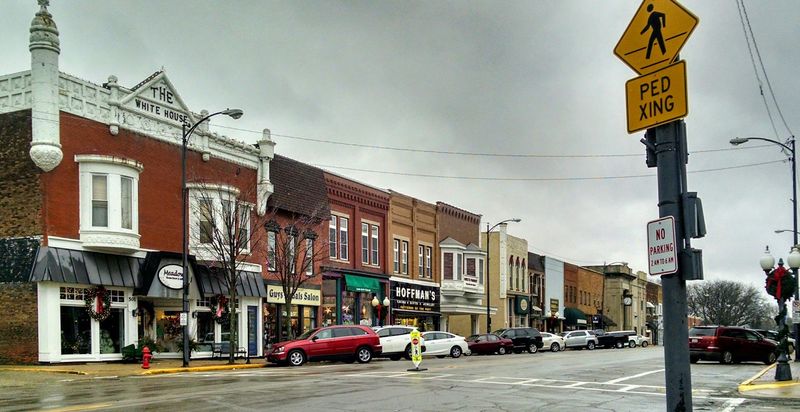
Princeton sits at a crossroads of history that most travelers blow right past on their way somewhere else, and that is genuinely their loss.
The seat of Bureau County in north-central Illinois, Princeton was a major stop on the Underground Railroad, and the Owen Lovejoy Homestead here is one of the best-documented safe houses in the entire network. Lovejoy was a Congregationalist minister and fierce abolitionist who hid freedom seekers in his home for decades before the Civil War.
The homestead is open for tours and offers a moving, honest look at one of the most important moral struggles in American history.
Beyond this landmark, Princeton’s downtown square retains a satisfying collection of 19th-century commercial buildings that give the whole area a well-preserved, walkable character. The Bureau County Historical Society Museum adds additional depth to understanding the region’s agricultural and civic past.
Princeton also holds a notable place in literary history as the birthplace of journalist and author Gene Autry, though the town’s strongest stories are rooted in its abolitionist legacy and its role as a crossroads community during Illinois’s formative years.
The surrounding Bureau County landscape, with its river valleys and open farmland, provides beautiful context for a town that always seemed to know which side of history it wanted to be on.
9. Ottawa
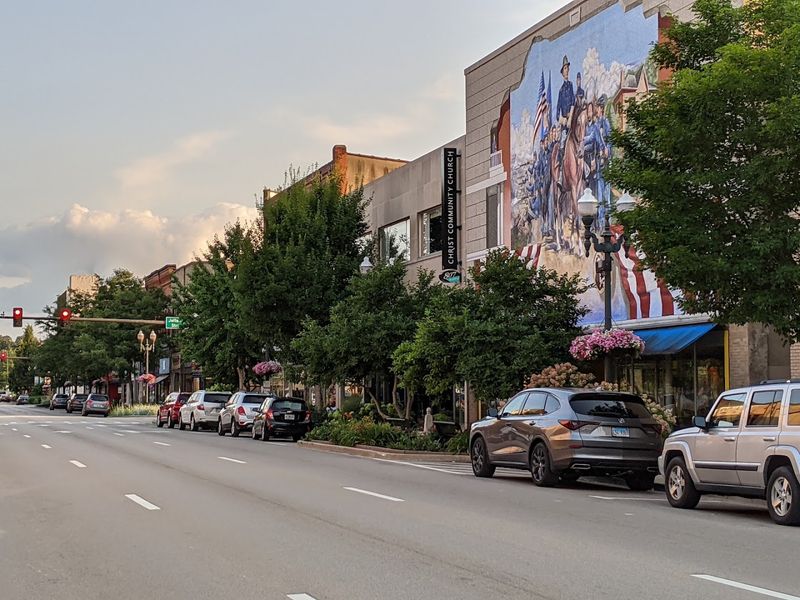
Ottawa is famous for hosting the first Lincoln-Douglas debate on August 21, 1858. Washington Square Park in downtown marks where Abraham Lincoln and Stephen A.
Douglas debated before thousands. Visiting today, you can still sense the excitement of that historic event.
Positioned at the confluence of the Illinois River and the Fox River, Ottawa has a geographic setting that made it strategically important from the earliest days of European settlement in the region. The Illinois and Michigan Canal, which once connected Chicago to the Mississippi River system, passes through Ottawa and is now part of a scenic trail corridor that hikers and cyclists enjoy throughout the warmer months.
The canal’s heritage is celebrated through interpretive sites and preserved lock structures along the route.
The downtown commercial district still features a strong collection of 19th and early 20th-century architecture that reflects Ottawa’s prosperous past as a glassmaking and silica sand production hub. Reddick Mansion, a stunning Italianate home built in 1856, is one of the most photographed buildings in the region.
Ottawa is a town that layers geological, industrial, and political history into one surprisingly compact and rewarding destination.
10. Arthur
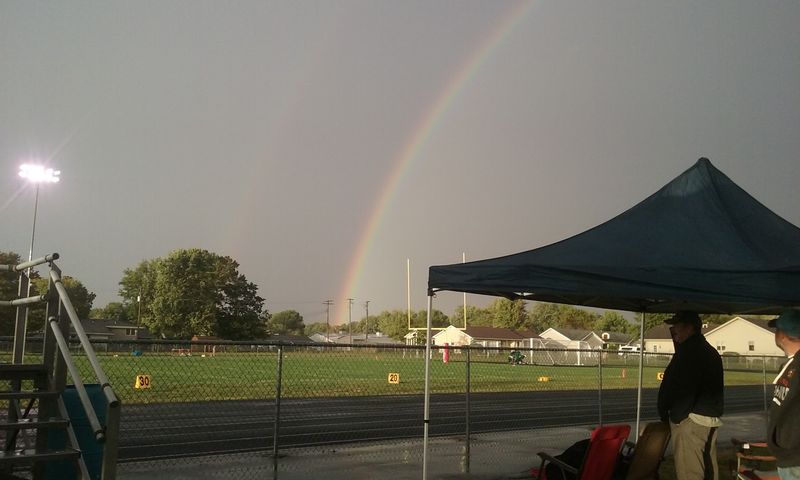
Arthur is the kind of town that makes you instinctively slow down, both literally and figuratively. Located in Douglas County in east-central Illinois, Arthur sits at the heart of one of the largest Amish communities in the entire country, with thousands of Old Order Amish residents living and farming on the surrounding land.
Horse-drawn buggies are a regular part of traffic here, and that is not a tourist gimmick but simply everyday life.
The experience of visiting Arthur is genuinely unlike anywhere else in Illinois. Roadside stands sell handmade quilts, fresh produce, and baked goods that reflect generations of craft and tradition.
The downtown area features shops carrying handcrafted furniture, cheese, and locally produced goods that have earned Arthur a reputation as a destination for anyone who appreciates quality made without shortcuts.
The Amish Interpretive Center offers thoughtful context for visitors who want to understand the community’s history and values with appropriate respect.
Arthur’s annual Amish Country Cheese Festival draws visitors from across the Midwest who come specifically for the artisan cheeses produced in the region, and the town’s calendar is filled with seasonal events that celebrate its agricultural roots.
There is a profound sense of intentionality in Arthur that feels genuinely refreshing in a world that rarely stops moving. This town is a living reminder that a slower pace is not a step backward.
11. Alton
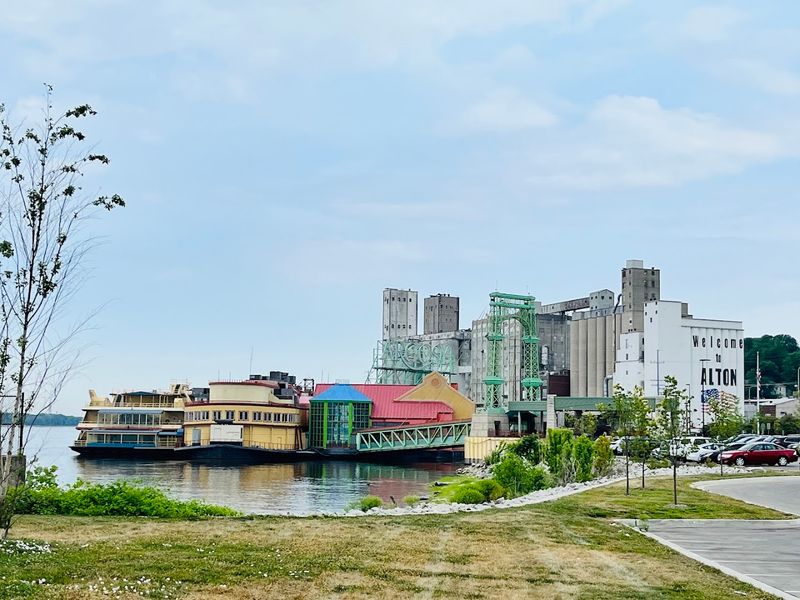
Alton clings dramatically to the limestone bluffs above the Mississippi River in Madison County, and the views alone are worth the drive.
But this town has far more going for it than scenery. Alton is one of the most historically layered cities in all of Illinois, with a story that stretches from prehistoric Native American culture all the way through the Civil War and into the 20th century.
The famous Piasa Bird, a legendary creature depicted in ancient Native American rock paintings along the bluffs, has become the town’s unofficial symbol.
The Lincoln-Douglas debate that took place in Alton in 1858 was the seventh and final in the famous series, giving the city a bookend role in that pivotal chapter of American political history. The Alton Museum of History and Art provides an excellent overview of all these interconnected stories.
The architectural landscape of Alton is extraordinary, with Victorian homes, Gothic churches, and commercial buildings from the 1800s creating a streetscape that photographers absolutely love.
The Great River Road here offers some of the most dramatic river views in the entire Midwest. Alton is not a town you visit once and fully understand; it asks you to come back.
12. Grafton
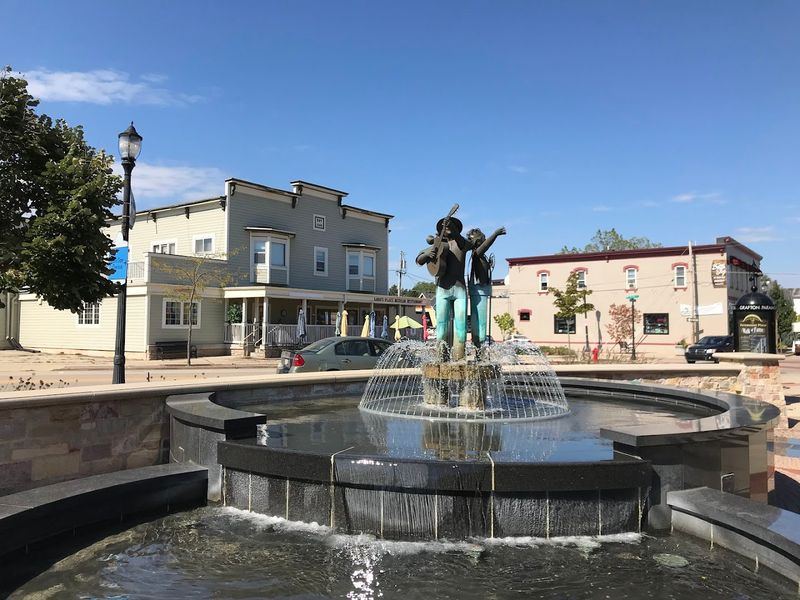
Grafton sits at one of the most dramatic geographical spots in all of Illinois, right where the Illinois River meets the Mississippi, and the scenery here is the kind that makes people pull over their cars and just stare for a while.
This small Jersey County town has been drawing visitors for its natural beauty for generations, but its history runs just as deep as the rivers that frame it. Grafton was platted in 1836 and quickly became a hub for fishing, quarrying, and river commerce.
The Great River Road National Scenic Byway passes directly through Grafton, and the stretch between here and Alton is widely considered one of the most beautiful drives in the entire Midwest. Towering limestone bluffs, lush floodplain forests, and wide river panoramas make every mile feel cinematic.
Pere Marquette State Park, just north of town, is Illinois’s largest state park and offers hiking trails that wind through some genuinely spectacular terrain.
Grafton has experienced its share of challenges, including significant Mississippi River flooding over the decades, but the town has always rebuilt with the same quiet determination that defines river communities throughout the region. The historic downtown retains a collection of 19th-century buildings that give the waterfront area real character and charm.
Grafton is the kind of place that feels like a reward for anyone willing to leave the interstate behind and follow the river instead. Where will the road take you next?