
Experience The Magic Of Hundreds Of Butterflies At This Warm Ohio Escape This March
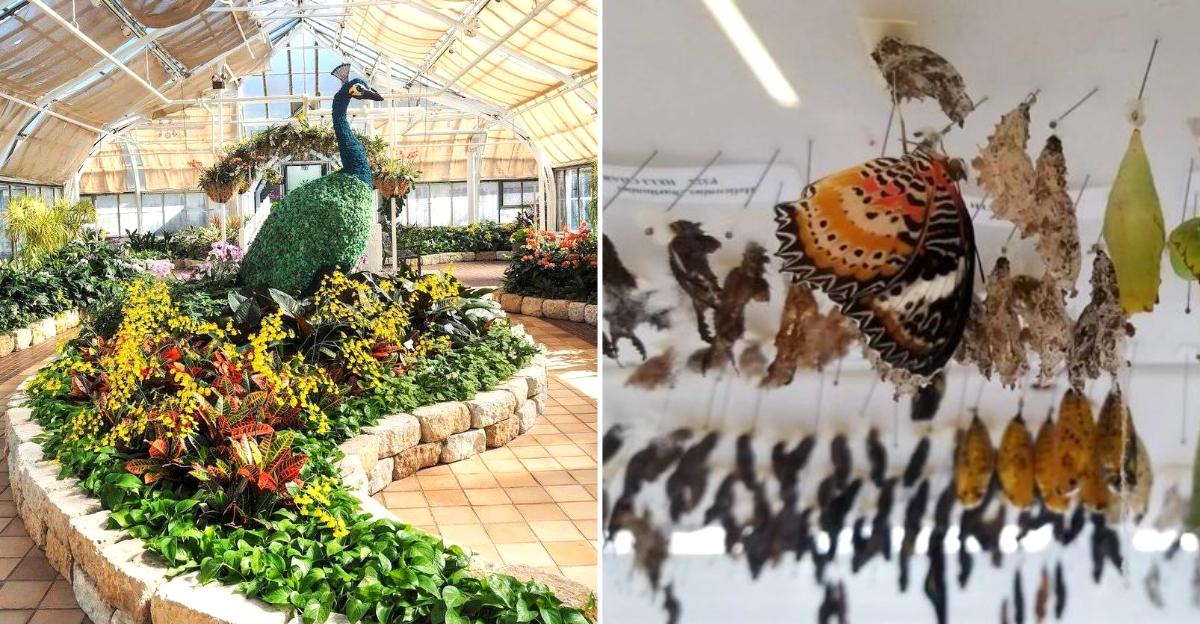
March in Ohio loves to keep people on their toes. One day it hints at spring, and the next it sends a chilly reminder that winter is not quite done packing up.
That is exactly why this spot in Columbus feels so welcome, with warmth, color, and lush plant life waiting inside no matter what is happening outdoors. I spent an afternoon there recently, and I can honestly say it felt like the nicest kind of seasonal reset.
Lush tropical greenery, striking glass art, and room after room of living color make this conservatory far more impressive than you might expect at first glance.
If you have been itching to get out of the house this March, this might be the kind of escape that earns a spot on your list.
A Living Landmark Right in the Heart of Columbus
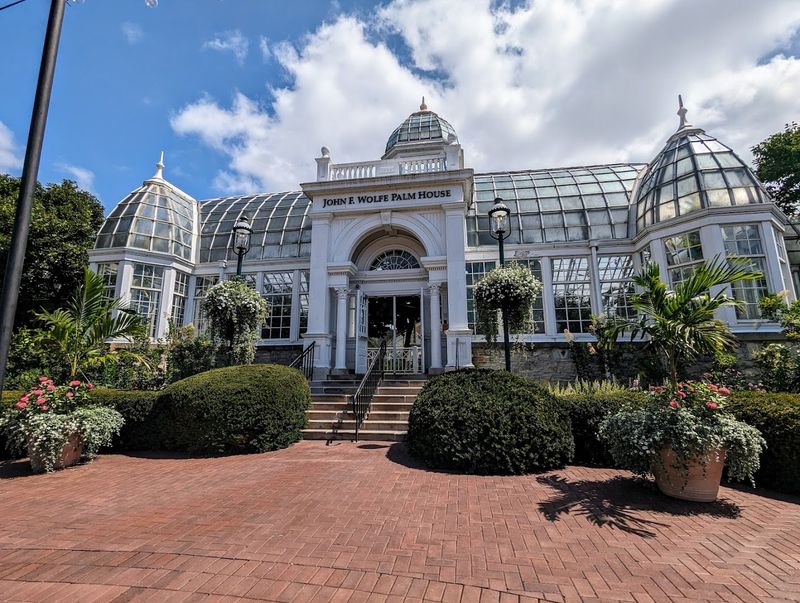
Not every building earns its place in a city’s identity, but this one absolutely has. Franklin Park Conservatory and Botanical Gardens is located close to downtown and is easy to reach by car, with plenty of parking on site.
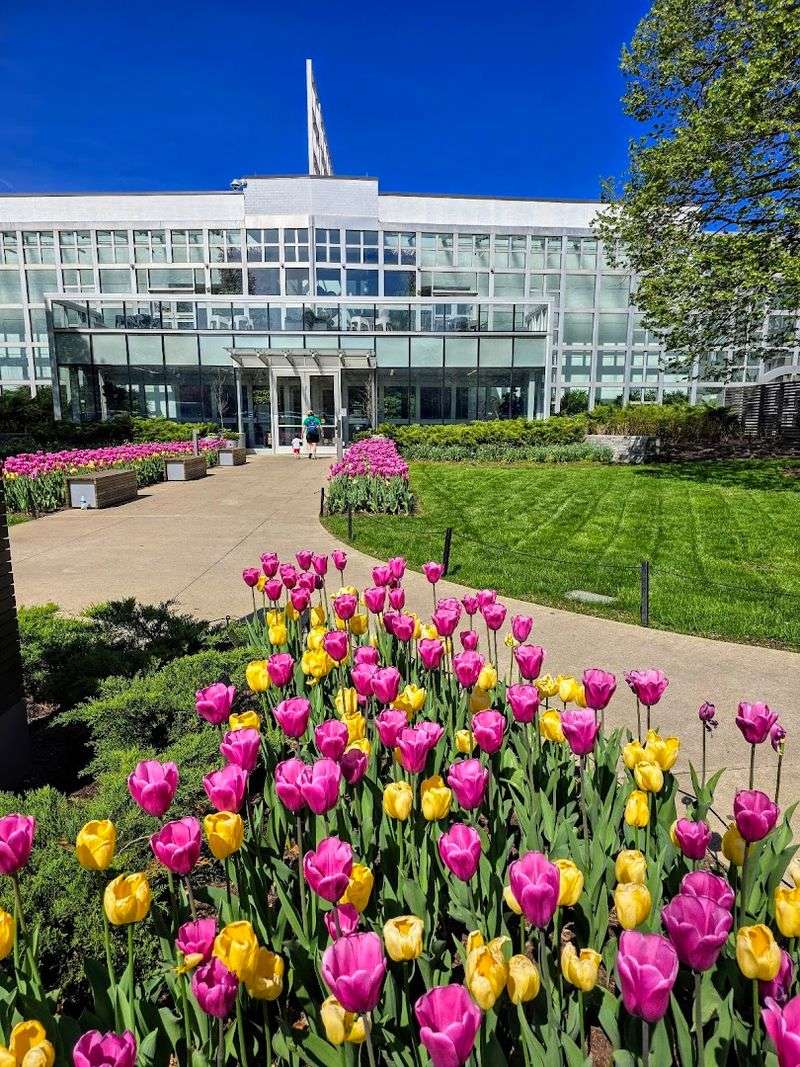
The structure itself is a showstopper before you even walk through the door. The Victorian-style glass greenhouse architecture feels both historic and surprisingly modern at the same time.
Built in 1895, the conservatory has grown into an 88-acre campus that blends indoor and outdoor spaces seamlessly. The grounds include manicured gardens, art installations, and multiple greenhouse biomes.
I pulled into the parking lot expecting something modest and left genuinely impressed by the scale of the place. The main building alone sets the tone for the entire visit.
Hours run daily from 10 AM to 5 PM, and you can reach them at +1 614-715-8000 or visit fpconservatory.org to plan your trip ahead of time.
You can find this mesmerizing place at 1777 E Broad St, Columbus, OH 43203.
Tropical Biomes That Make Ohio Winters Feel Far Away
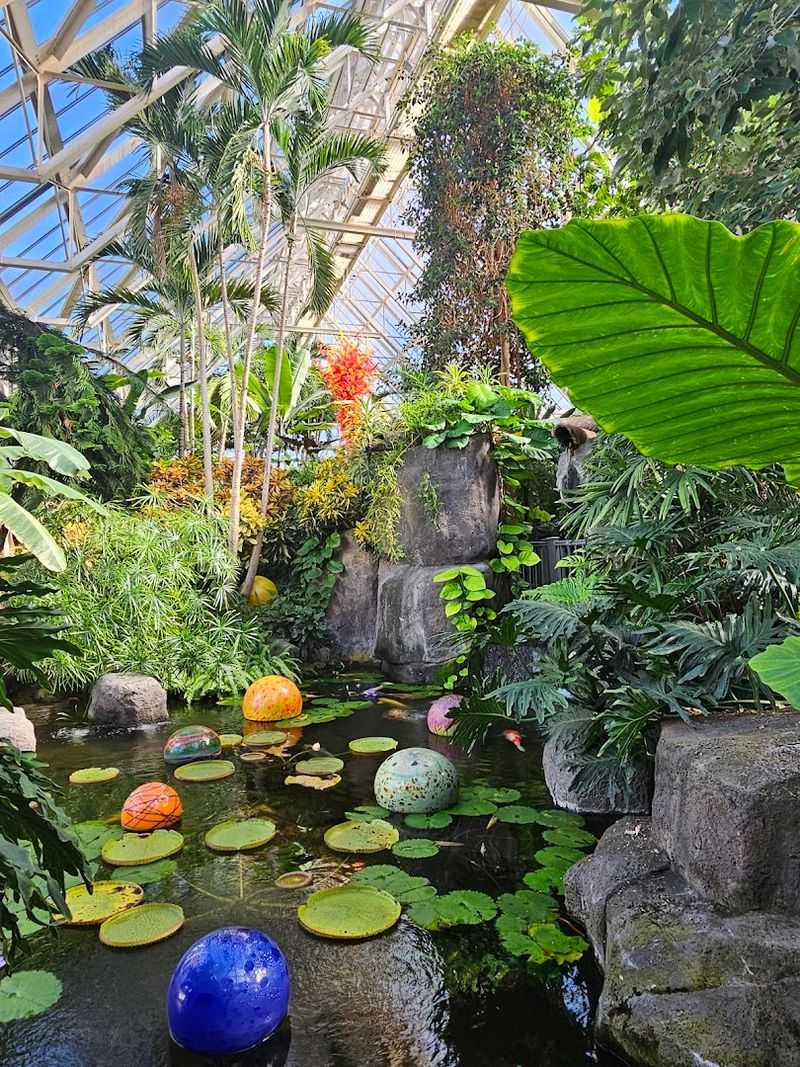
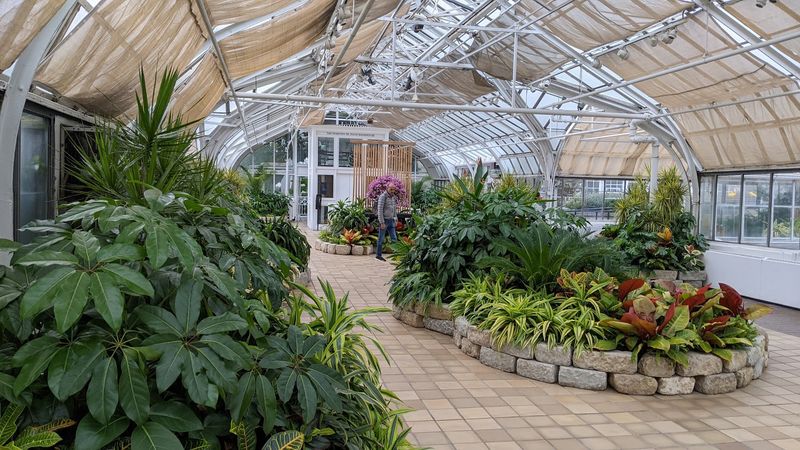
There is something genuinely surreal about walking through a door in Ohio and suddenly feeling like you have been transported to a rainforest. The tropical biomes inside Franklin Park Conservatory do exactly that.
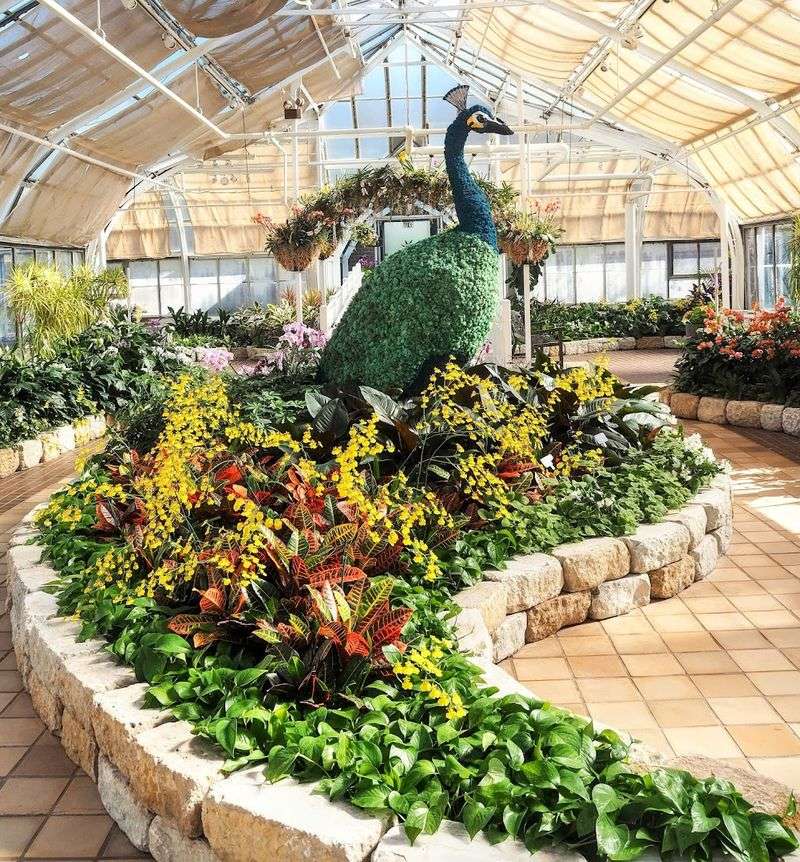
Tall palm trees brush against the glass ceiling, broad-leafed plants crowd the pathways, and the warm, humid air wraps around you the moment you step inside. It is the kind of environment that makes your shoulders drop and your pace slow down naturally.
What surprised me most was seeing plants I recognized from my own home, like monsteras and pothos, growing at a scale I had never seen before. Watching common houseplants thrive in their natural form is oddly thrilling.
The biomes are clearly labeled, which makes the whole experience educational without feeling like a classroom. Kids and adults both seem to find something fascinating around every corner.
March is actually a great time to visit because the contrast between the cold outside and the warmth inside makes the tropical setting feel even more magical.
Dale Chihuly Glass Art Woven Into the Natural World
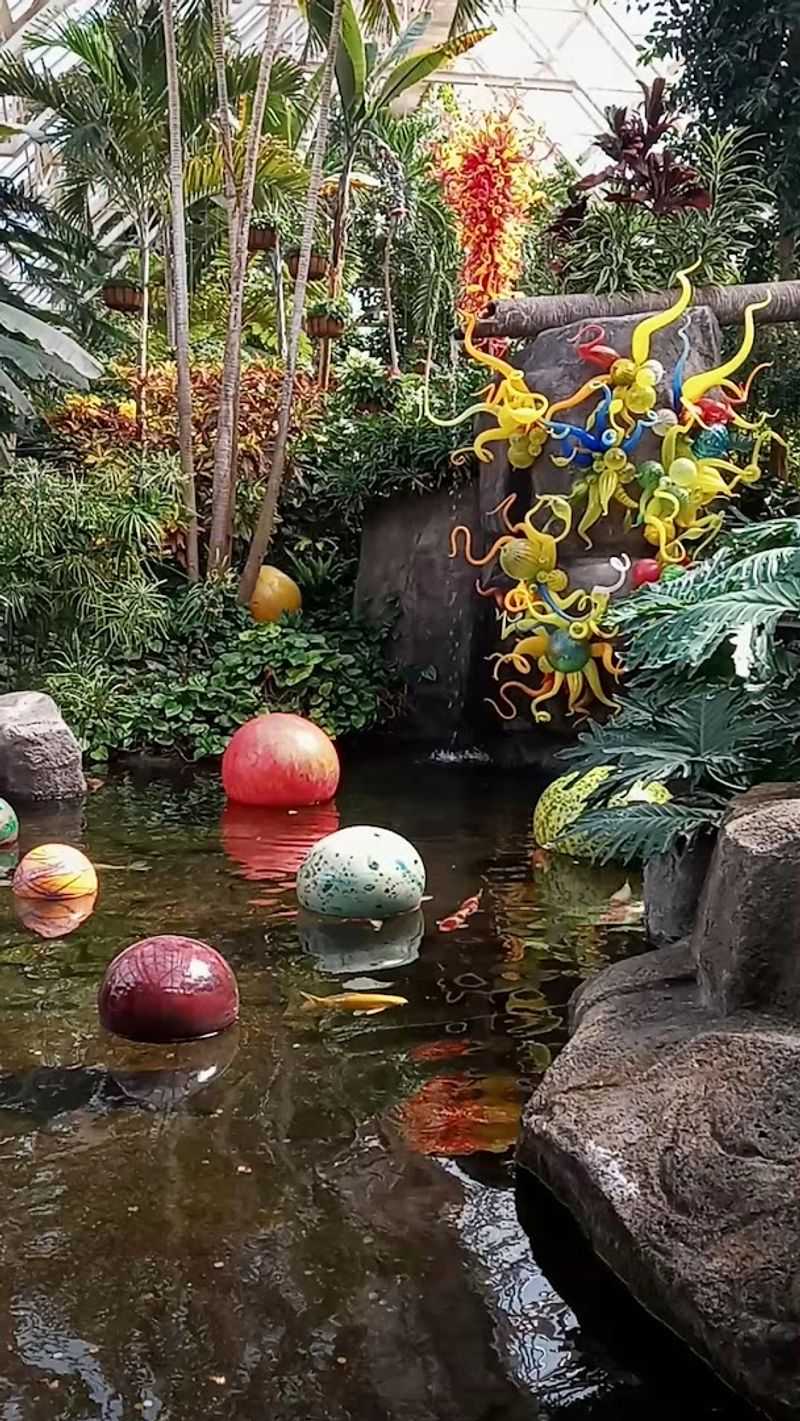
Art and nature do not always play well together, but here they have found a perfect balance. The permanent Dale Chihuly glass collection at Franklin Park Conservatory is one of the most talked-about features of the entire place, and for good reason.
Chihuly’s signature blown glass pieces are placed throughout the conservatory, nestled among plants, reflected in water features, and suspended near glass ceilings where natural light catches every curve and color. The effect is genuinely breathtaking.
I had seen photos online before visiting, but nothing quite prepares you for the real thing. The way the vivid oranges, blues, and greens interact with the surrounding greenery creates moments that feel almost dreamlike.
If you have ever visited Chihuly Garden and Glass in Seattle, you will recognize the style immediately and appreciate seeing it in this entirely different natural context.
The collection feels permanent and purposeful rather than like an add-on attraction. It elevates the entire visit and gives the conservatory a cultural dimension that most botanical gardens simply do not have.
The Butterfly Habitat Is Worth Every Minute
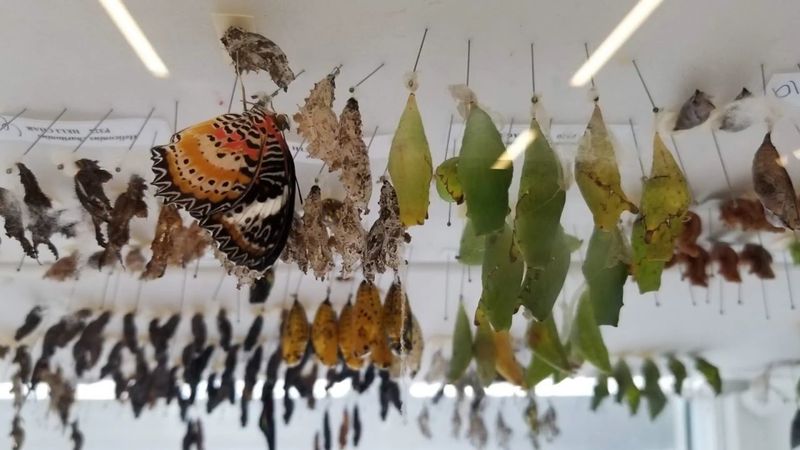
Few things in life are as universally charming as a butterfly landing near your hand, and the butterfly habitat at Franklin Park Conservatory delivers that experience with remarkable consistency. The enclosed space is warm, lush, and filled with dozens of species fluttering freely around visitors.
What makes this area especially memorable is the butterfly lab, where you can actually watch butterflies emerge from their chrysalises in real time. I stood there for a solid ten minutes watching a Swallowtail work its way out, and the room was completely silent except for the occasional whisper of amazement.
The habitat is popular with families, but it never feels overcrowded or rushed. The staff and volunteers in this area are particularly knowledgeable and happy to answer questions without making you feel like you are on a tour.
Children absolutely love this space, but honestly, adults seem just as captivated. There is something about watching live butterflies up close that strips away any pretense of being too cool for nature.
Bonsai Collection That Demands Your Full Attention
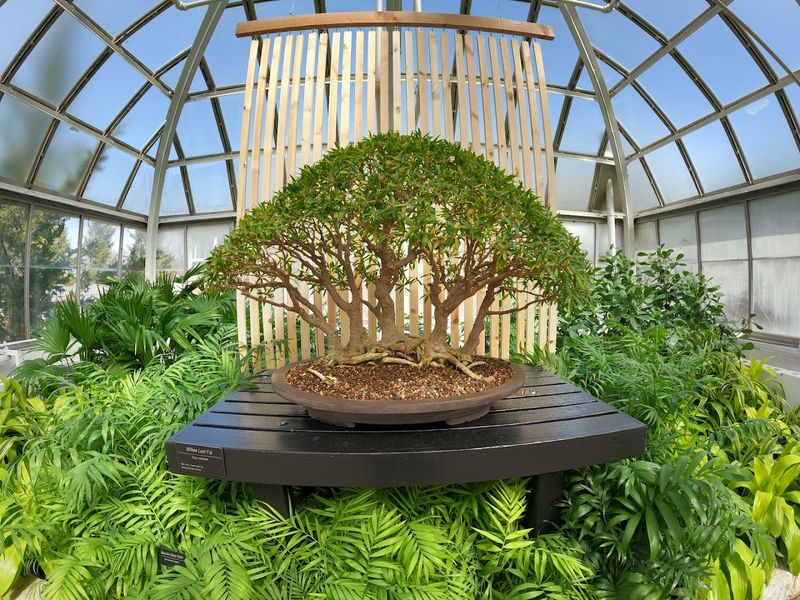
Patience is the real art form behind bonsai, and the collection at Franklin Park Conservatory makes that crystal clear once it goes on display later in March. The exhibit features meticulously trained trees that represent decades of careful cultivation, and each one looks like a miniature world unto itself.
The variety here is impressive. From classic juniper styles to more unusual tropical species, the range gives you a real appreciation for how broad the bonsai tradition actually is.
Each tree comes with a label explaining its species, age, and training style.
I spent more time in this section than I expected to. There is a meditative quality to looking at something that has been shaped over so many years, and the exhibit space itself is calm and unhurried.
Bonsai enthusiasts will find plenty to geek out over, but even total beginners will come away with a new respect for the craft. The conservatory does a good job of presenting the collection in a way that feels accessible rather than intimidating.
It is one of those quiet highlights that does not get as much attention as the butterfly habitat or the glass art, but absolutely deserves your time.
Outdoor Gardens and Grounds That Reward a Slow Walk
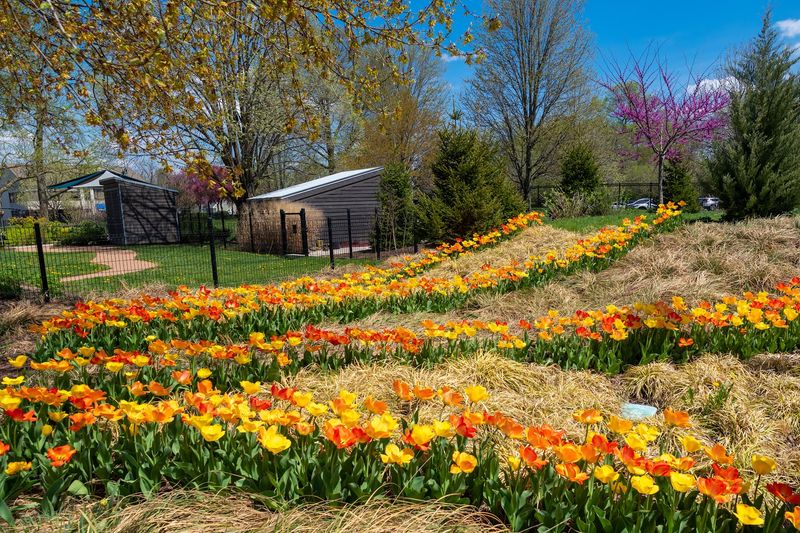
The indoor spaces get most of the attention, but the outdoor grounds at Franklin Park Conservatory are genuinely worth exploring on their own terms. The 88-acre campus includes landscaped garden beds, open lawns, water features, and art installations spread across a well-maintained landscape.
March can be unpredictable in Ohio, but on a mild day, a slow walk through the outdoor areas reveals early spring details that are easy to miss if you rush. Bulbs push up through the soil, bare branches show the first hints of bud, and the garden staff seems to be everywhere, quietly preparing for the season ahead.
The grounds are fully accessible, with clear pathways designed to accommodate strollers and mobility aids. I noticed that the conservatory offers wheelchairs and motorized scooters free on a first-come, first-served basis for visitors who need help covering the distance.
The outdoor kids area is a particular highlight for families when it is open.
It is thoughtfully designed with enough interactive features to keep younger visitors engaged while parents take a breath and enjoy the surroundings at their own pace, though the Children’s Garden is closed March 2 through March 27 and reopens March 28.
The Koi Pond and Water Features Add a Calming Layer
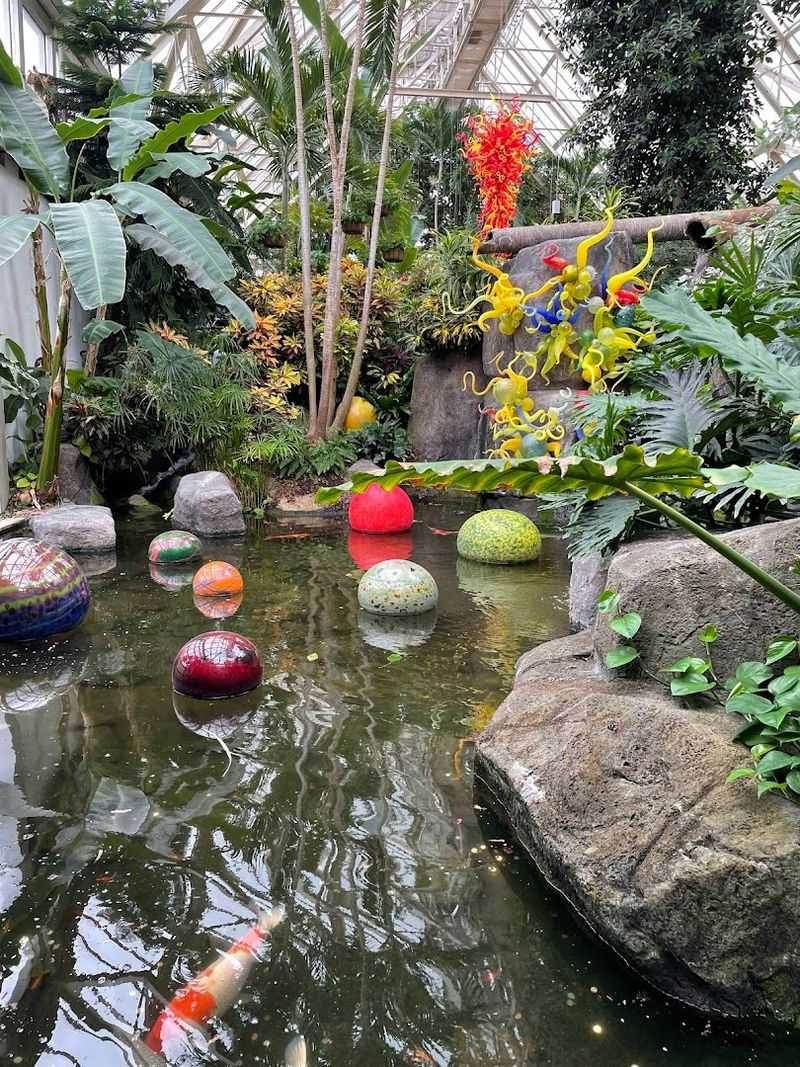
Somewhere between the tropical biome and the main gallery, you will find the koi pond, and it is the kind of spot that makes you stop moving entirely. The water is clear, the fish are large and brilliantly colored, and there is something about watching them glide slowly through the water that resets whatever stress you walked in with.
Kids are absolutely mesmerized by this area. I watched several toddlers press their faces against the railing with the kind of focused intensity that only a colorful fish can produce in a small child.
Parents nearby looked equally relaxed, which is a testament to how well this space is designed.
The water features throughout the conservatory serve a broader purpose beyond aesthetics. They add humidity to the biomes, support aquatic plant displays, and create a layered sensory experience that makes the whole environment feel more alive.
Water has a way of slowing people down, and the conservatory uses that effect deliberately. Whether it is a small reflecting pool or the main koi pond, these features consistently drew my attention throughout the visit.
Seasonal Events and Exhibits Keep Every Visit Fresh
One of the best things about Franklin Park Conservatory is that it never quite looks the same twice. The team behind the programming schedules seasonal events and rotating exhibits throughout the year, which means there is almost always something new to see no matter how often you visit.
Past events have included the beloved Pumpkins A’Glow in autumn, holiday light displays in December, and LEGO sculpture exhibitions that drew visitors from well outside Columbus. The conservatory also hosts glass blowing demonstrations, which are genuinely fascinating to watch.
March tends to be a transitional month for the programming calendar, with winter displays winding down and spring themes beginning to take shape. It is actually a nice time to visit because the crowds are smaller than during peak seasonal events.
The conservatory’s website is the best place to check what is currently on. Events often sell out or have timed entry, so planning ahead is always a smart move, especially if you are visiting with a group or family with young children.
Family-Friendly Features That Actually Deliver
A lot of places claim to be family-friendly, but few actually earn that label as convincingly as Franklin Park Conservatory. From the moment you arrive, the space feels genuinely designed with families in mind rather than just tolerating their presence.
The pathways are wide, smooth, and stroller-friendly throughout. The exhibits are at heights that work for small children, and the butterfly habitat and koi pond provide natural focal points that hold young attention spans without requiring any explanation from parents.
One of the most practical perks is the free admission offered on the first Sunday of every month for residents of Franklin County and the City of Columbus. For local families, this makes the conservatory an affordable and repeatable outing rather than a rare treat.
The children’s garden outside adds an interactive dimension when it is open. Kids can touch, explore, and move around in ways that feel purposeful rather than chaotic, though the Children’s Garden is closed March 2 through March 27 and reopens March 28.
I watched multiple families navigate the space with ease, and the staff seemed genuinely happy to help when anyone looked uncertain about which direction to head next.
Why March Is Actually a Perfect Time to Visit
March in Ohio occupies a strange in-between space where winter has not fully let go and spring is still making promises it may not keep. That makes a heated, plant-filled conservatory feel like an especially smart destination choice this time of year.
The crowds at Franklin Park Conservatory tend to be lighter in March compared to the busy butterfly season in summer or the holiday light events in December. That means more breathing room, shorter waits, and a more relaxed atmosphere overall.
The conservatory’s consistent daily hours of 10 AM to 5 PM make it easy to plan a half-day trip without any complicated scheduling. The indoor nature of most exhibits means weather is essentially irrelevant once you are inside.
March also sits right before the conservatory’s spring programming kicks into higher gear, so visiting now gives you a quieter preview of a place that gets genuinely spectacular as the season builds.
After my visit, I left feeling warmer, calmer, and oddly grateful that Ohio’s unpredictable March weather had nudged me through those glass doors in the first place.