
This 298-Acre Illinois State Park Is A Hidden Gem Most People Don’t Know About
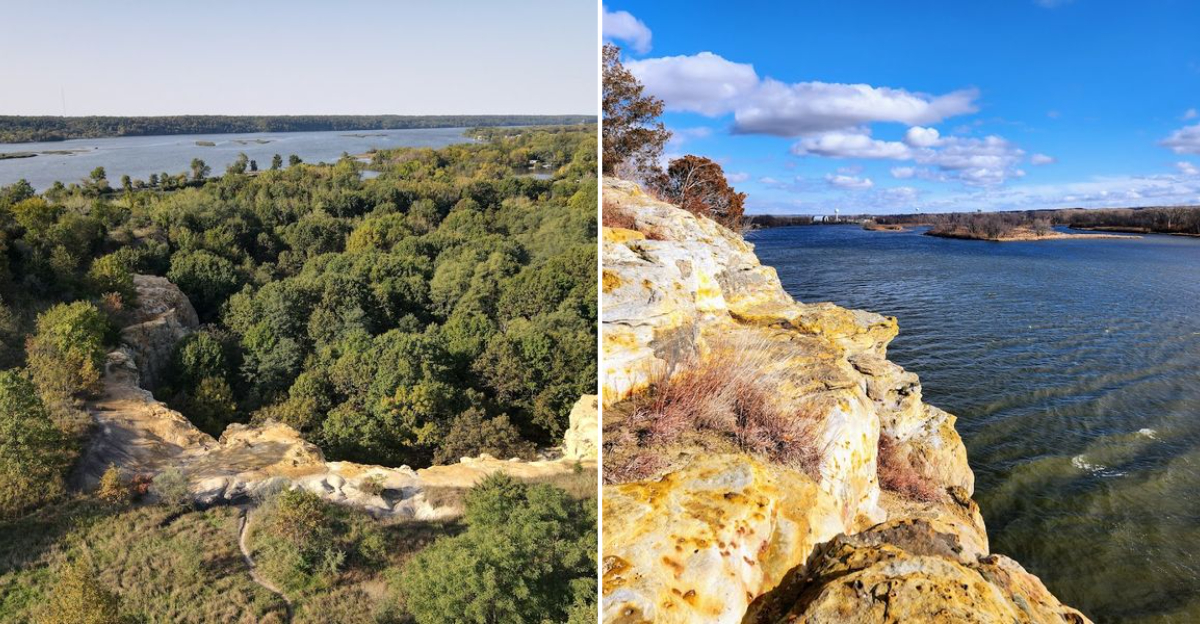
Traffic races past Ottawa on the way to Starved Rock, and few drivers realize what they just missed. A bluff above the Illinois River holds a state park that rarely makes travel lists yet quietly delivers one of the most interesting short outdoor stops in Illinois.
Buffalo Rock State Park spreads across 298 acres of prairie grass, wooded bluffs, and sandstone overlooks that stare straight out over the river valley. The setting feels big, but the park is small enough to explore without committing an entire day.
The surprise comes quickly. A pair of massive American bison graze inside the park.
Just down the trail, enormous animal-shaped earthworks stretch across the landscape like something lifted out of an ancient civilization.
298 Acres Of Diverse Landscape
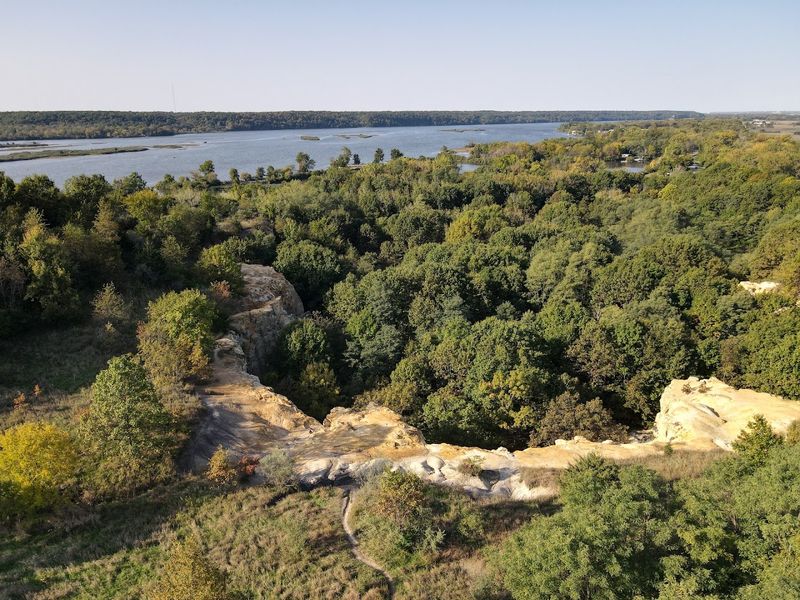
Numbers can be deceiving, and 298 acres might not sound massive at first glance. But once you set foot inside Buffalo Rock State Park, that acreage unfolds into a surprisingly rich mix of terrain that keeps every visit feeling fresh and worth the drive.
The park blends open prairie grasslands, wooded river bluffs, and sandstone outcroppings into one connected landscape. You can walk from a sun-drenched meadow into a shaded trail corridor within minutes, which makes the park feel much larger than its size suggests.
Managed by the Illinois Department of Natural Resources, the park sits along the Illinois River near Ottawa, offering a variety of ecosystems packed into a compact footprint.
Whether you are a casual stroller or a more dedicated hiker, the variety of terrain here means you will rarely feel like you are covering the same ground twice. For a state park of its size, the landscape diversity is genuinely impressive.
American Bison Live Here
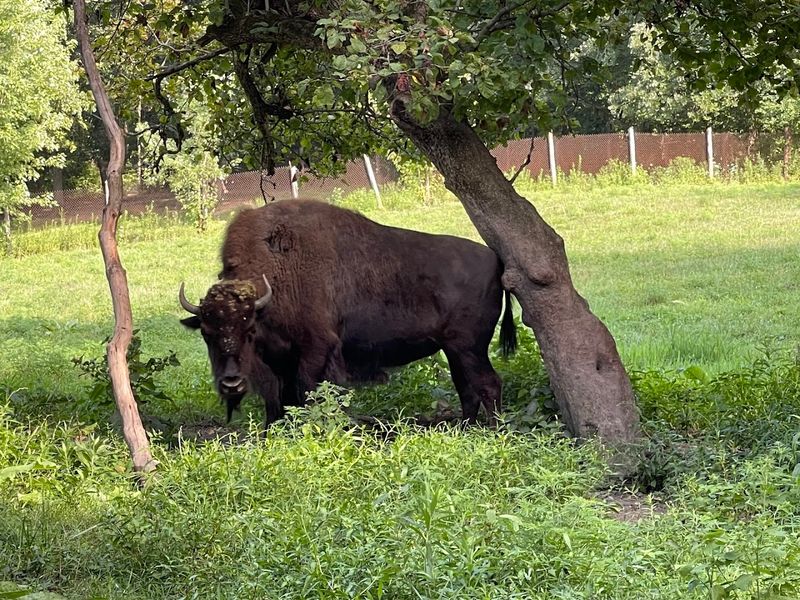
Spotting a bison in Illinois is not something most people put on their weekend plans, yet Buffalo Rock State Park makes it a real possibility. The park keeps two American bison in a fenced enclosure across from the baseball diamond, and seeing these massive animals up close is a genuinely memorable experience.
The bison connection here runs deeper than just a fun attraction. The park’s very name traces back to the distinctive shape of the rocky bluffs as seen from the Illinois River, which early travelers thought resembled a buffalo.
The living animals on site today give that name a whole new layer of meaning.
The presence of bison today highlights the park’s commitment to showcasing wildlife that once roamed the Illinois prairie. Standing near the fence and watching one of these animals graze quietly is one of those moments that reminds you just how wild and wonderful Illinois can be when you look in the right places.
The Effigy Tumuli Land Art
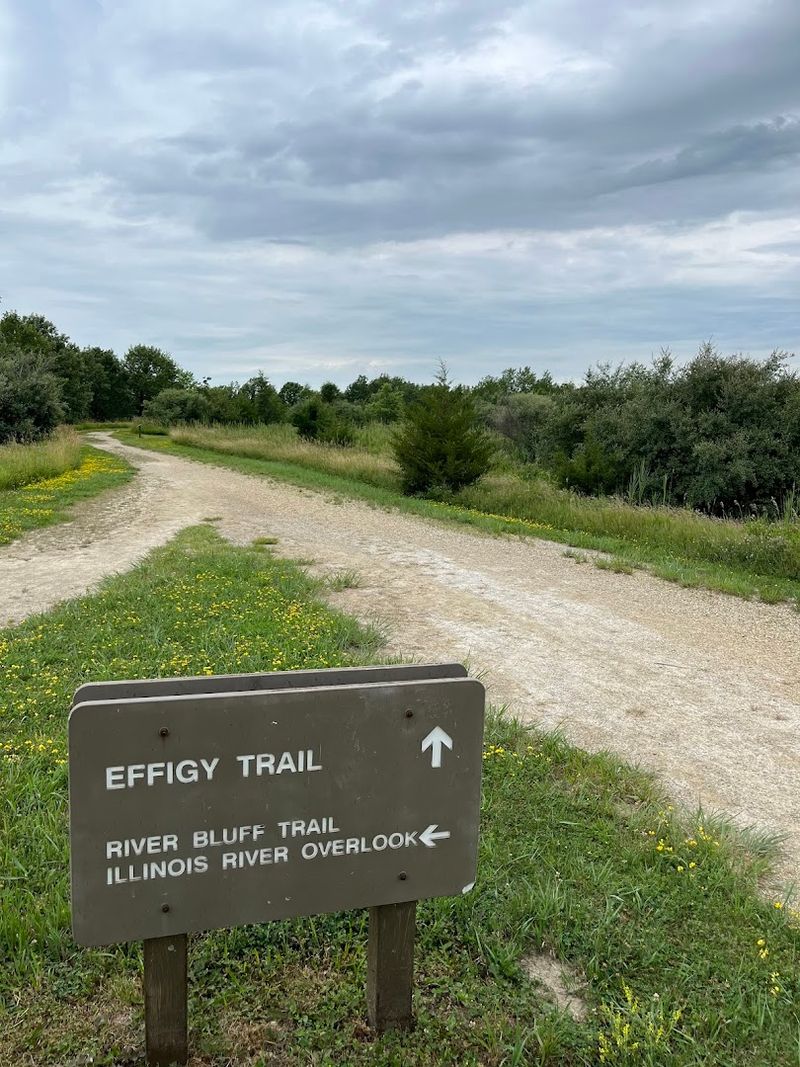
Hidden in plain sight along one of the park’s main trails, the Effigy Tumuli are one of the most unusual outdoor artworks in the entire Midwest.
Created in 1985 by artist Michael Heizer, these five enormous earthen sculptures were built on previously mined land as part of a large-scale land reclamation project.
Each mound is shaped like a native animal, including a turtle, a catfish, a frog, a water strider, and a snake. From ground level, the shapes are subtle and easy to miss if you do not know what you are looking at.
From above, however, the figures become dramatically clear, making drone footage of this trail genuinely jaw-dropping.
The sculptures stretch across the landscape in a way that feels both ancient and modern at the same time. Walking along the Effigy Trail means literally stepping across monumental art, which is a quirky and thought-provoking experience that you will not find at any other Illinois state park.
Illinois River Bluff Views
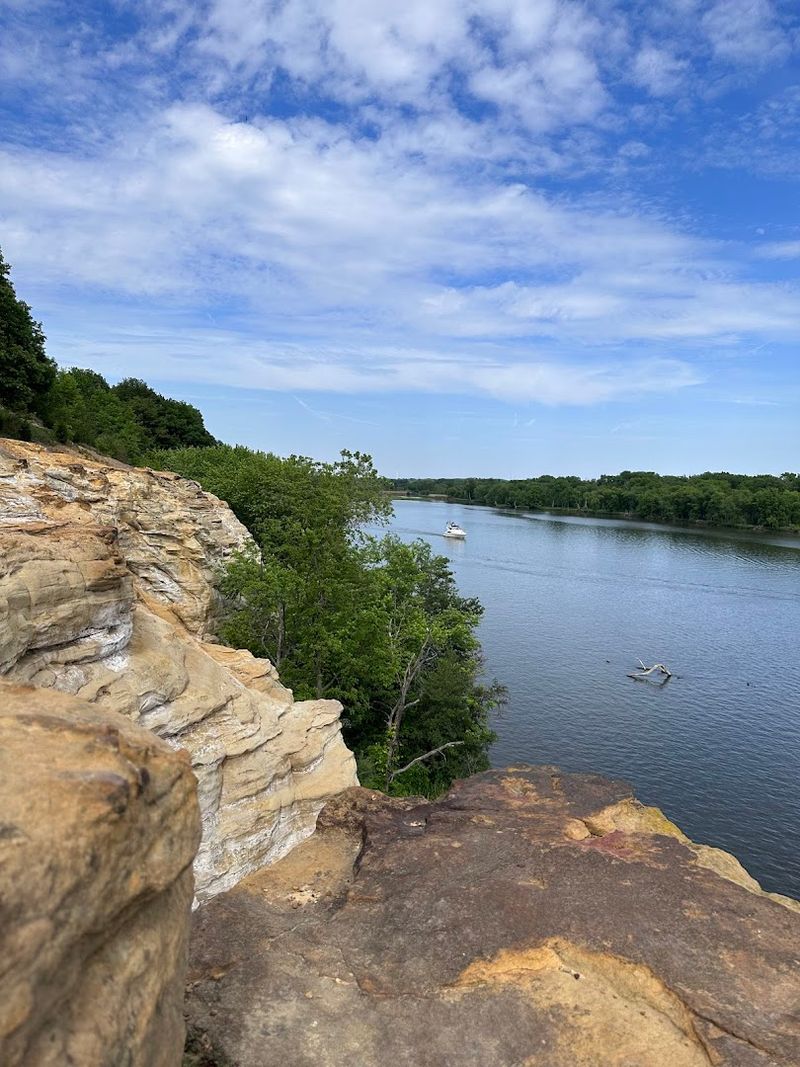
Few trail rewards in northern Illinois compare to cresting the river bluff trail at Buffalo Rock and suddenly seeing the Illinois River stretching wide and silver below you. The sandstone cliffs drop sharply toward the water, and on a clear day the view extends far enough to feel almost cinematic.
The River Bluff Trail winds along the edge of the park’s highest ground and includes two observation decks where visitors can pause and take in sweeping views of the Illinois River.
Some of the overlook areas require a bit of careful footing to reach the best vantage spots, so wearing sturdy shoes is a smart call before heading out.
Fall transforms this trail into something especially striking, when the surrounding trees shift into deep reds and golds against the blue ribbon of river below.
Early morning visits reward patient hikers with mist rising off the water and occasional bald eagle sightings soaring along the bluff line. Honestly, that view alone makes the drive to Ottawa completely worthwhile.
Trails For All Fitness Levels
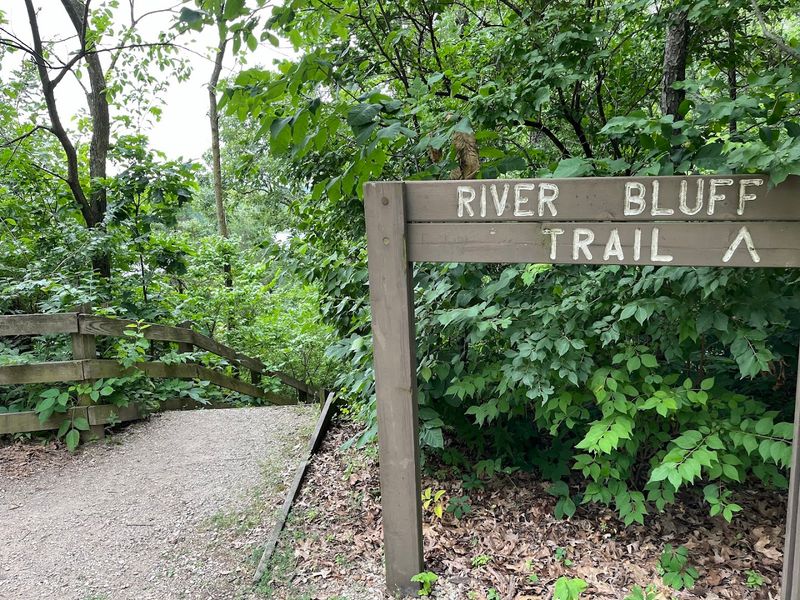
Not every outdoor adventure needs to end with sore knees and a desperate search for a bench. Buffalo Rock State Park thoughtfully offers trails that range from flat and easy to moderately challenging, making it a welcoming destination for families, older visitors, and anyone looking for a lighter hiking day.
The Woodland Trail winds through quieter forested sections of the park on relatively gentle terrain, making it a comfortable choice for visitors who prefer an easier walk. The River Bluff Trail adds more elevation change and delivers those sweeping river views that make the extra effort worthwhile.
The River Bluff Trail leads visitors past scenic overlooks and toward the Effigy Tumuli installation while covering a mix of open and gently rolling terrain.
With roughly three miles of trails total across the park, you can realistically explore everything in a morning or afternoon without feeling rushed. That approachable trail system is part of what makes Buffalo Rock such a satisfying visit for groups with mixed energy levels and abilities.
Picnic Areas And Shelters
There is something deeply satisfying about eating lunch outdoors with a good view nearby, and Buffalo Rock delivers exactly that kind of simple pleasure.
The park features multiple picnic areas with tables scattered throughout the grounds, along with at least one covered pavilion that includes a fireplace for cooler days.
The shelters are well-maintained and provide a comfortable base for groups wanting to spread out, share a meal, and then head out on the trails afterward. Clean restroom facilities are available during the warmer months, which is always a welcome detail when planning a full day outside with family.
A baseball field and a playground add extra layers of fun for younger visitors who might need a break from hiking.
The open green spaces throughout the park are generous enough that families can toss a frisbee, set up lawn chairs, or simply sprawl out in the grass without feeling crowded. Buffalo Rock genuinely earns its reputation as a family-friendly destination in the Ottawa area.
Open Year-Round
Some parks save their best performances for summer, but Buffalo Rock State Park holds its own across every season of the year.
The park is open year-round, with daily hours that generally run from morning until evening, though visitors should check current hours with the Illinois Department of Natural Resources before visiting.
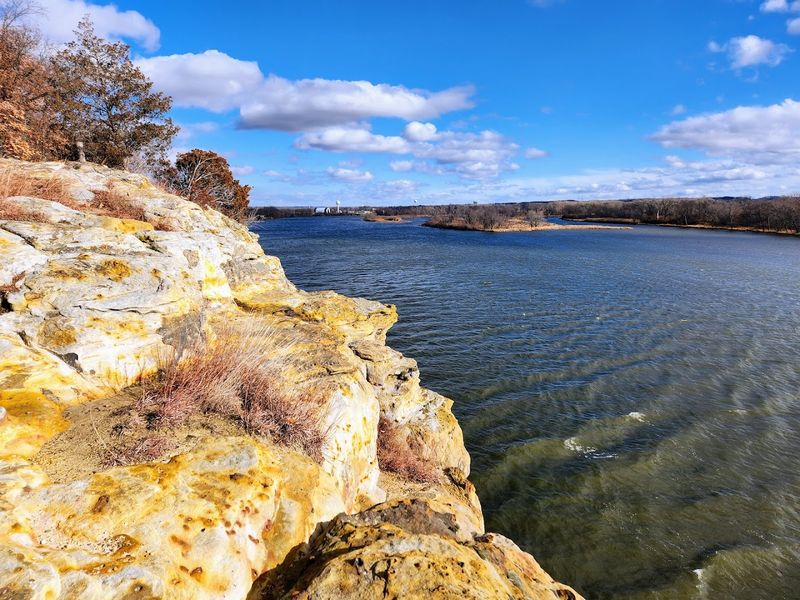
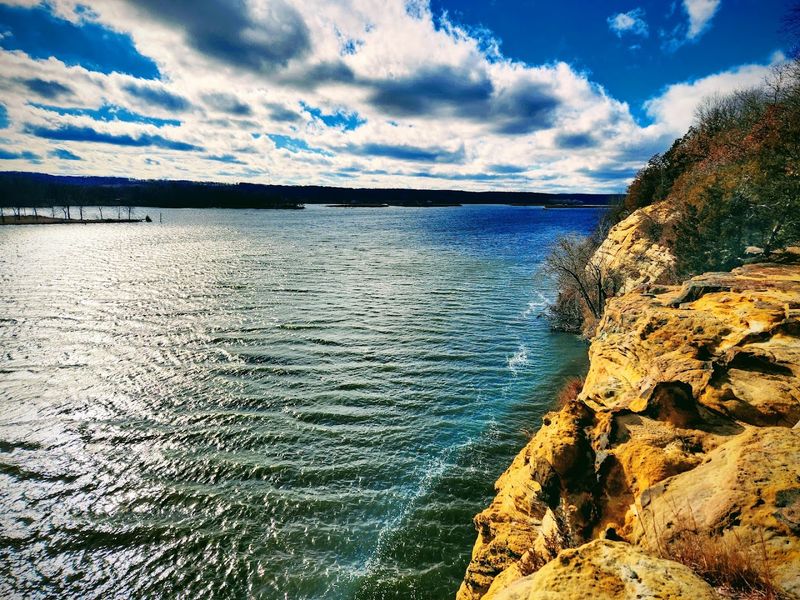
Winter visits have their own quiet magic. The trails empty out significantly, the bare trees open up longer sightlines across the bluffs, and the river takes on a steely, dramatic quality that summer foliage tends to hide.
A mild February afternoon on the bluff trail can feel surprisingly peaceful and almost meditative.
Spring brings wildflowers and returning bird species to the prairie sections, while fall delivers that classic Midwest foliage show along the river corridor. Summer mornings, before the heat builds, offer some of the best birdwatching in the park.
Each season genuinely changes the character of Buffalo Rock enough that returning visitors find something new to appreciate with every trip back.
Great Birdwatching Spot
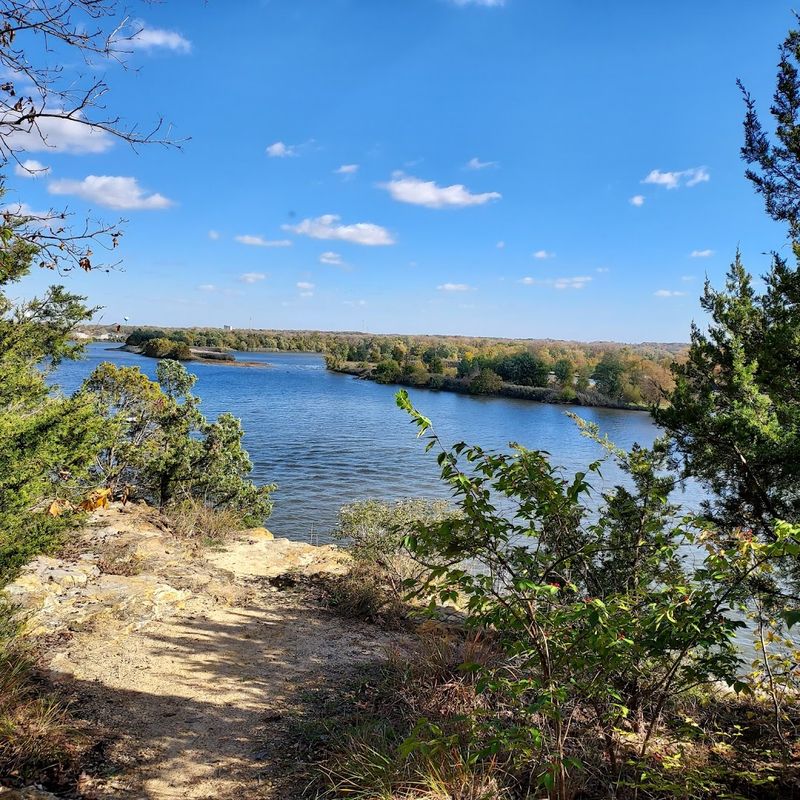
Bringing a pair of binoculars to Buffalo Rock State Park is one of the better decisions you can make before visiting. The park sits along the Illinois River corridor, which serves as a major migratory flyway for dozens of bird species throughout the year, and patient observers are regularly rewarded.
Bald eagles are among the most exciting sightings here, particularly during colder months when they hunt along the river. Spotting one gliding low over the water from the bluff trail is the kind of moment that stops you mid-sentence and makes you forget whatever you were talking about.
Beyond eagles, the park’s mix of prairie, woodland edge, and riparian habitat supports a wide variety of songbirds, woodpeckers, and raptors. White-tailed deer are commonly spotted in the meadow areas, especially during early morning and evening hours.
The wildlife variety at Buffalo Rock adds a genuine element of surprise to every visit, reminding you that Illinois has far more biodiversity than most people give it credit for.
Easy Stop Near Ottawa
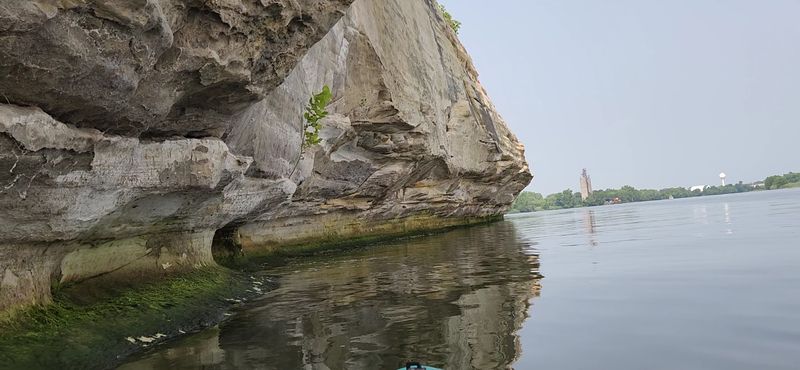
Geography works in Buffalo Rock’s favor in a big way. Sitting just outside Ottawa, the park is conveniently close to both Starved Rock State Park and Matthiessen State Park, making it an easy addition to any northern Illinois outdoor itinerary without adding significant driving time.
On days when the trails at Starved Rock feel overwhelmingly busy, Buffalo Rock offers a quieter, more relaxed alternative just a short distance away.
The park sits on the opposite bank of the Illinois River from Starved Rock, giving visitors a completely different perspective on the same river valley they may have just explored.
Ottawa itself has a pleasant small-town downtown with local shops and restaurants worth exploring after a morning on the trails.
The park’s location along the Illinois River Scenic Byway also means the drive to and from Buffalo Rock passes through genuinely beautiful sandstone bluff country. Planning a full day around this corner of Illinois is surprisingly easy and rewarding.
The Story Behind Buffalo Rock
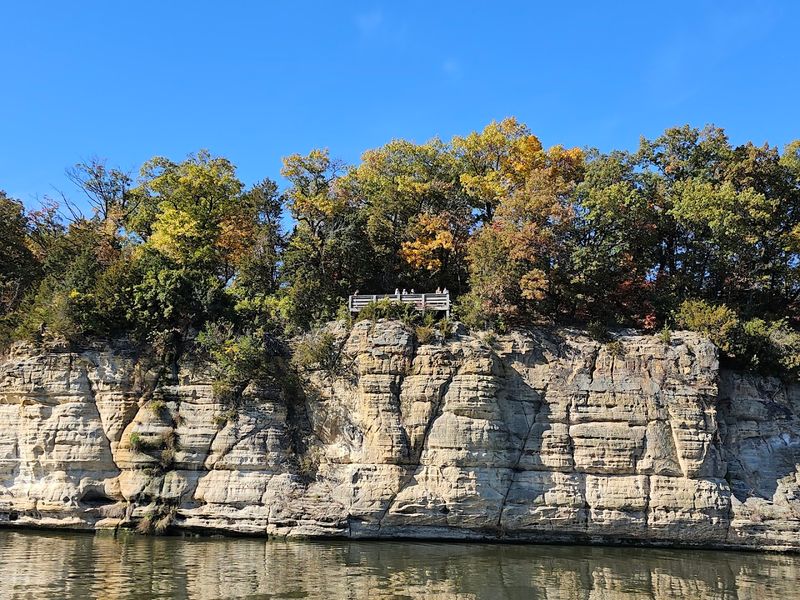
Names often carry stories, and Buffalo Rock is no exception. Local tradition says the park takes its name from sandstone formations along the Illinois River that some early travelers believed resembled the silhouette of a buffalo when viewed from the water.
That image of a stone buffalo rising from the riverbank must have made quite an impression, because the name stuck through generations of local history.
The rocks themselves are part of the same geological story that carved out the canyons at nearby Starved Rock, shaped by glacial meltwater cutting through ancient bedrock thousands of years ago.
Standing on the bluff today and looking back toward the river, it takes only a little imagination to see what those early observers noticed. The sandstone formations add both visual drama and historical depth to a park that might otherwise be described simply as a pleasant green space.
That layered backstory gives Buffalo Rock a character that goes well beyond its modest size and quiet reputation.