
10 Colorado Spring Attractions That Are Even Better Than People Say
Spring in Colorado feels like opening a surprise gift you somehow knew would be amazing, yet it still manages to completely outdo your expectations. As the last traces of winter begin to loosen their grip, the whole landscape starts showing off.
Snow slips away, wildflowers stretch awake, and the air carries that fresh, adventurous energy that makes every drive, trail, and overlook feel full of possibility. It is the sweet spot before the biggest crowds roll in, which means more room to wander, snap photos, and soak up the views without feeling rushed.
Around every bend, there is something dramatic, unexpected, or downright jaw dropping waiting for you. Colorado’s magic is in how it keeps surprising people, even those who think they have already seen it all.
So bring a jacket for the chilly moments, keep your phone ready for the scenery, and prepare for a lineup of unforgettable sights that somehow live up to the hype and then go way beyond it.
1. Garden of the Gods – Colorado Springs
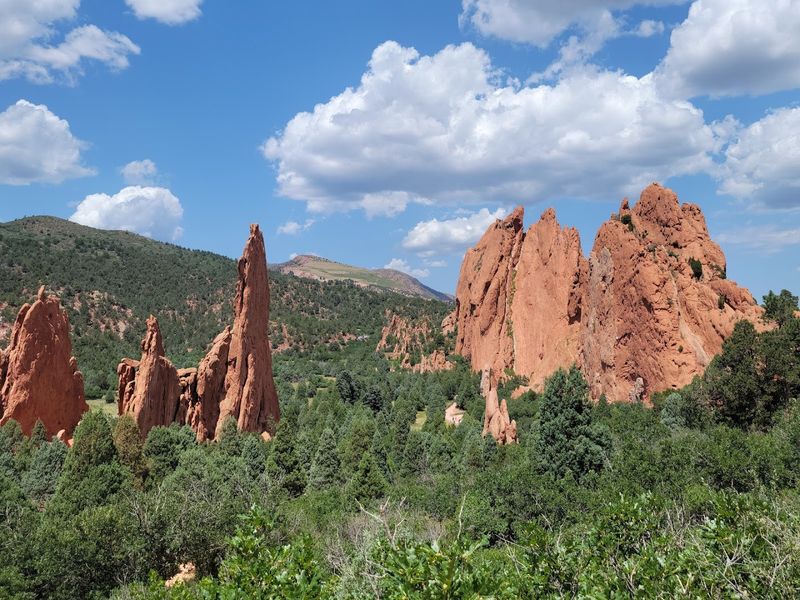
There are places that look better in person than in any photo, and Garden of the Gods is emphatically one of them. Standing at the base of those 300-foot red sandstone fins, you feel genuinely small in the best possible way.
The formations have been here for 300 million years, which puts your Tuesday morning commute in rather sharp perspective.
Located at 1805 N. 30th Street in Colorado Springs, this park is free to enter and open every single day. Spring is the sweet spot – the light is golden, the air is cool, and wildflowers dot the scrubby landscape like nature’s own confetti.
Morning visits reward you with softer crowds and that particular stillness that makes you want to speak quietly.
Paved and unpaved trails wind throughout the park, making it accessible for strollers, casual walkers, and serious hikers alike. Rock climbers treat the formations like a personal jungle gym.
Bring water, wear sunscreen, and plan for at least two hours because you will keep stopping to look up. The visitor center is worth a quick stop for context on the geology and local history before you head out.
2. Royal Gorge Bridge & Park – Cañon City
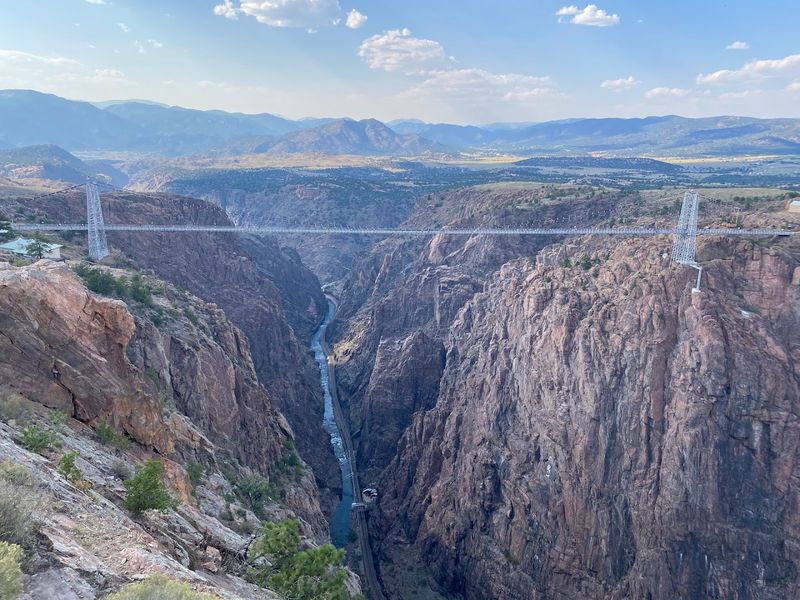
Hanging 956 feet above the Arkansas River, the Royal Gorge Bridge has a flair for the dramatic that no brochure fully captures. You walk out onto the deck, glance down through the metal grating, and your brain takes a brief vacation while your stomach volunteers to go first.
It is thrilling in a way that feels earned rather than manufactured.
The park at 4218 County Road 3A in Cañon City surrounds the bridge with a full lineup of activities — aerial gondola rides, zip lines, a sky coaster, and a narrow-gauge railroad that winds through the gorge. Spring visitors benefit from mild temperatures and fewer summer crowds, which means shorter waits and more room to actually enjoy the views without elbowing strangers.
One underrated move is arriving just after opening when the morning light hits the canyon walls at a low angle and everything turns amber and rust. The gorge itself is jaw-dropping regardless of the season, but that early spring quiet adds something extra.
Budget a half day here easily, and consider pairing it with a stop in Cañon City proper for a meal before the drive home. Open 365 days a year, weather permitting.
3. Great Sand Dunes National Park and Preserve – Mosca
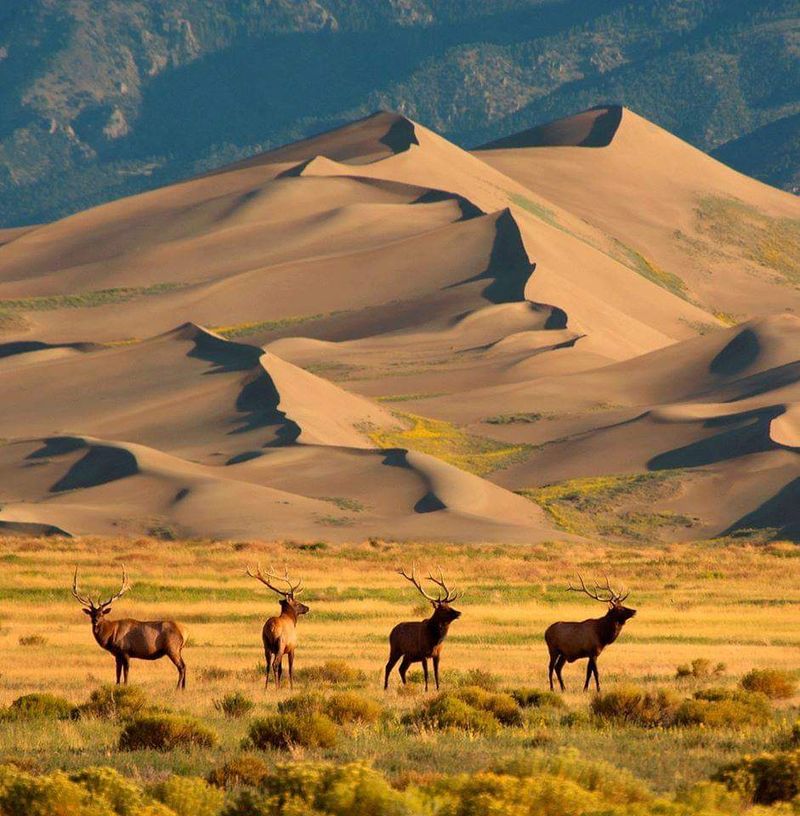
Imagine the Sahara quietly relocated to southern Colorado, then surrounded by snow-capped mountains for maximum visual confusion. That is essentially Great Sand Dunes, and it is one of those places that genuinely makes people stop mid-sentence and just stare.
The dunes rise as high as 750 feet, making them the tallest in North America, which sounds impressive until you are actually standing at the base looking up.
Found at 11999 State Highway 150 in Mosca, the park is open 24 hours a day year-round, which means sunrise and sunset visits are entirely on the table. Spring brings a special bonus: Medano Creek, a seasonal stream that flows along the base of the dunes, creating a shallow wading area that families treat like a pop-up beach.
Kids absolutely lose their minds over it, and honestly so do adults.
Sandboarding and sand sledding are popular here, and rentals are available nearby in town. Climbing the dunes is harder than it looks – the sand shifts underfoot and the summit always seems a little farther than expected.
Start early to avoid afternoon heat, carry more water than you think you need, and wear shoes you do not mind filling with sand for the next six months.
4. Mesa Verde National Park – Mesa Verde
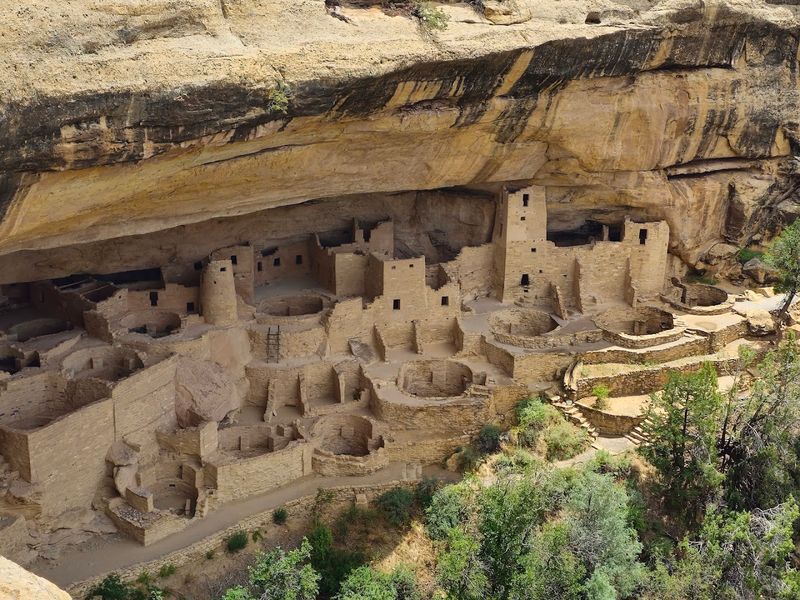
Mesa Verde does not just show you history – it puts you inside it in a way that feels almost uncomfortably intimate. The cliff dwellings tucked into the canyon walls were built by the Ancestral Puebloans over 700 years ago, and standing at the edge of Cliff Palace, you get a strong sense that these were real homes, real neighborhoods, real lives.
That weight hits differently than any museum exhibit ever could.
Located along Highway 160 in Mesa Verde National Park, the site is open daily year-round. Spring is a quietly excellent time to visit because the summer tour crowds have not yet descended, and rangers have more time to talk with you.
Guided tours of the major cliff dwellings are required and absolutely worth booking in advance since spots fill quickly even in shoulder season.
The park sits at elevations between 6,000 and 8,500 feet, so dress in layers and expect cool mornings even in May. The drive along Chapin Mesa Archeological Loop adds context through smaller sites and overlooks that most visitors skip entirely.
Petroglyph Point Trail is a standout hike that winds past ancient rock art before looping back through a canyon. Give yourself a full day – rushing Mesa Verde feels like skimming a great novel.
5. Red Rocks Park and Amphitheatre – Morrison
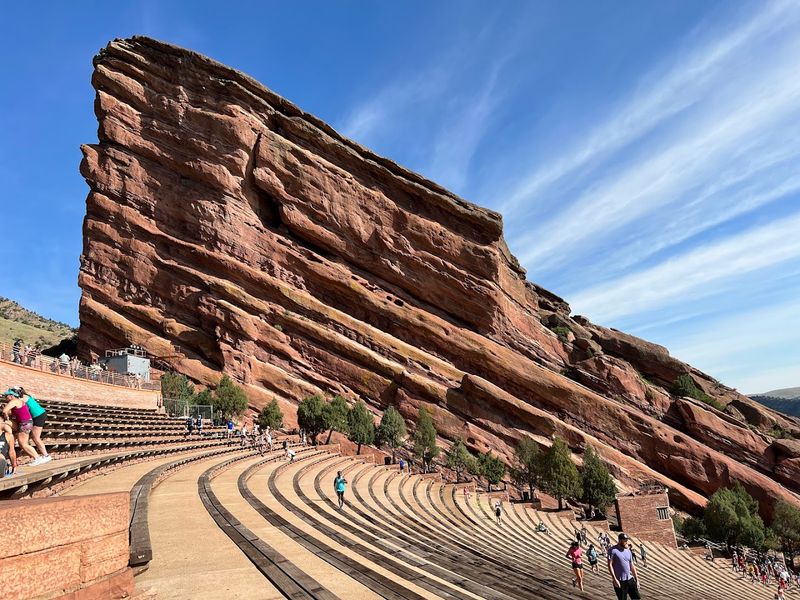
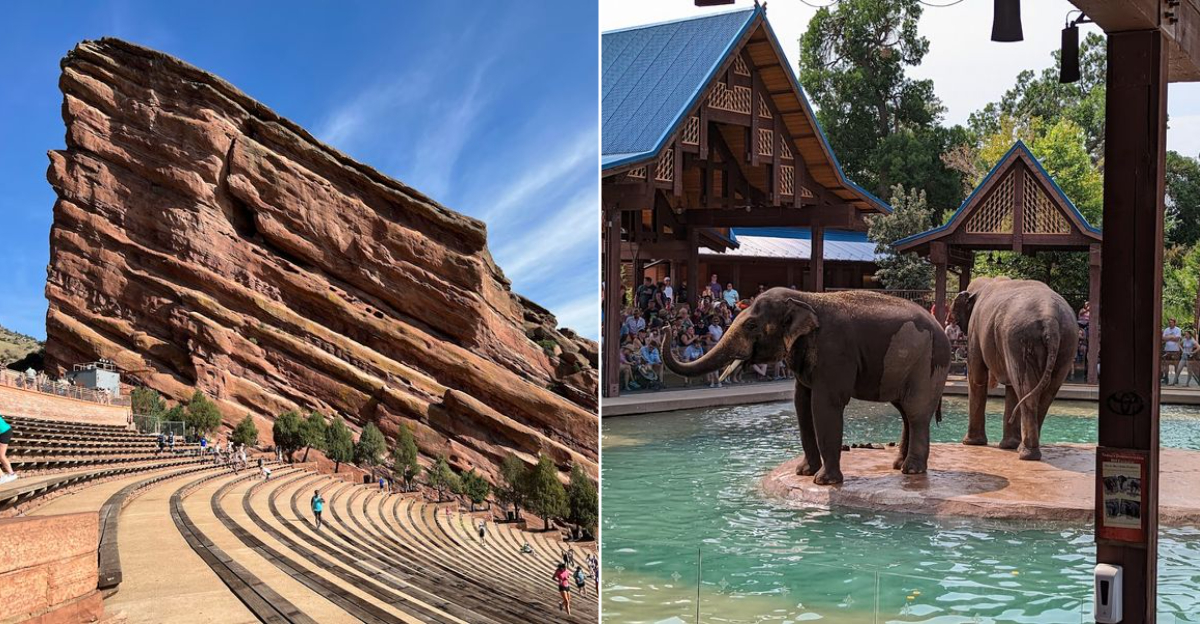
Red Rocks earns its reputation so thoroughly that even people who have never attended a concert there feel a vague sense of reverence toward it. The natural amphitheatre is carved between two 300-foot sandstone monoliths called Creation Rock and Ship Rock, and the acoustics are so remarkable that artists actively compete for dates here.
But here is the part people underestimate: the park itself, minus any concert, is extraordinary.
Situated at 18300 W. Alameda Parkway in Morrison, the park and trails are open daily at no charge.
Spring mornings draw fitness enthusiasts who run the amphitheatre stairs in the cool air, and if you join them, even briefly, you will feel both inspired and appropriately humbled. The Trading Post Trail loops through the surrounding parkland and delivers views that make you forget you are only 15 miles from Denver.
On non-concert days, you can walk right down to the stage and stand where countless legendary acts have performed, which is a strange and wonderful feeling. The visitor center and on-site museum cover the geological and musical history with genuine depth.
Arrive early on spring weekends because the parking fills fast and the walk from overflow lots is longer than it looks on the map.
6. Cheyenne Mountain Zoo – Colorado Springs
Most zoos are flat, sprawling, and exhausting in a very specific way that drains enthusiasm by the third exhibit. Cheyenne Mountain Zoo is built into the side of a mountain at 6,800 feet, which means every path involves either a climb or a descent and the views between animal exhibits include genuine Rocky Mountain scenery.
It is the kind of place that makes you forget you are technically at a zoo.
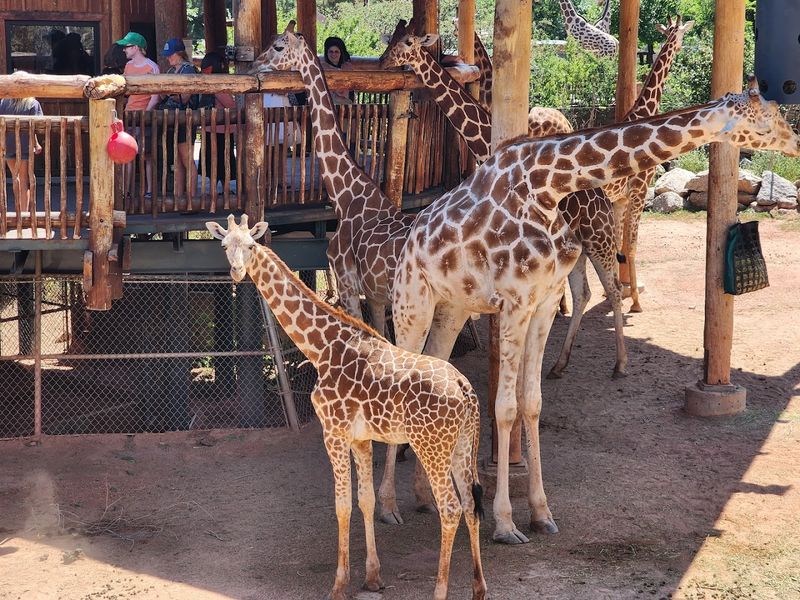
Located at 4250 Cheyenne Mountain Zoo Road in Colorado Springs, the zoo is open daily and consistently ranks as one of the best in the country. The giraffe feeding experience alone justifies the trip — you stand on a platform, hand a cracker to a giraffe at eye level, and feel a particular joy that is very hard to explain to anyone who has not done it.
Spring brings active animals, blooming grounds, and weather that makes long visits genuinely comfortable.
The zoo’s conservation work is serious and well-explained throughout the exhibits, so this is not just a passive experience for kids – it is genuinely educational for adults too. Budget three to four hours, wear comfortable shoes because the terrain is uneven, and bring a light jacket for the upper sections where the mountain air stays cool even on warm days.
7. Denver Zoo Conservation Alliance – Denver
Urban zoos can sometimes feel like afterthoughts surrounded by traffic, but Denver Zoo earns its place in City Park with genuine conviction. The grounds are beautiful, the habitats are thoughtfully designed, and the conservation mission runs through every exhibit with enough substance to make you feel like your admission ticket is actually doing something useful.
Spring is when the whole place blooms, literally and figuratively.
Set at 2300 Steele Street in Denver, the zoo operates with seasonally posted daily hours, so checking ahead is a sensible move. Spring mornings are ideal – the animals tend to be more active in cooler temperatures, and the park fills with a relaxed weekend energy that makes even a slow stroll through the primate exhibits feel like a proper outing.
Denver Zoo has over 3,000 animals representing nearly 500 species, which is genuinely impressive for a city zoo.
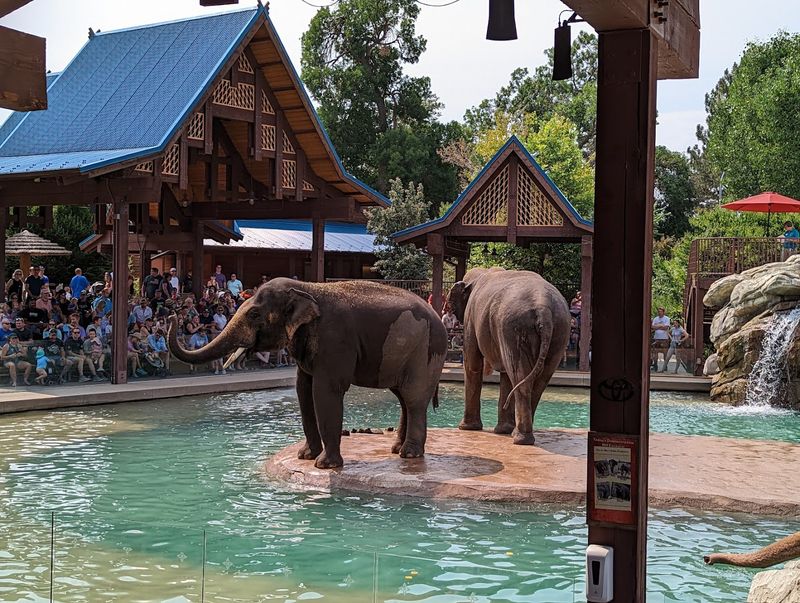
The Toyota Elephant Passage is one of the largest elephant habitats in North America and worth spending extra time around. Families with young children will appreciate how manageable the layout is – nothing feels impossibly far from anything else.
Pair the zoo with a walk around adjacent City Park and a stop at the boathouse for a full, satisfying Denver day that requires almost no advance logistics to pull off successfully.
8. The Broadmoor Manitou and Pikes Peak Cog Railway – Manitou Springs
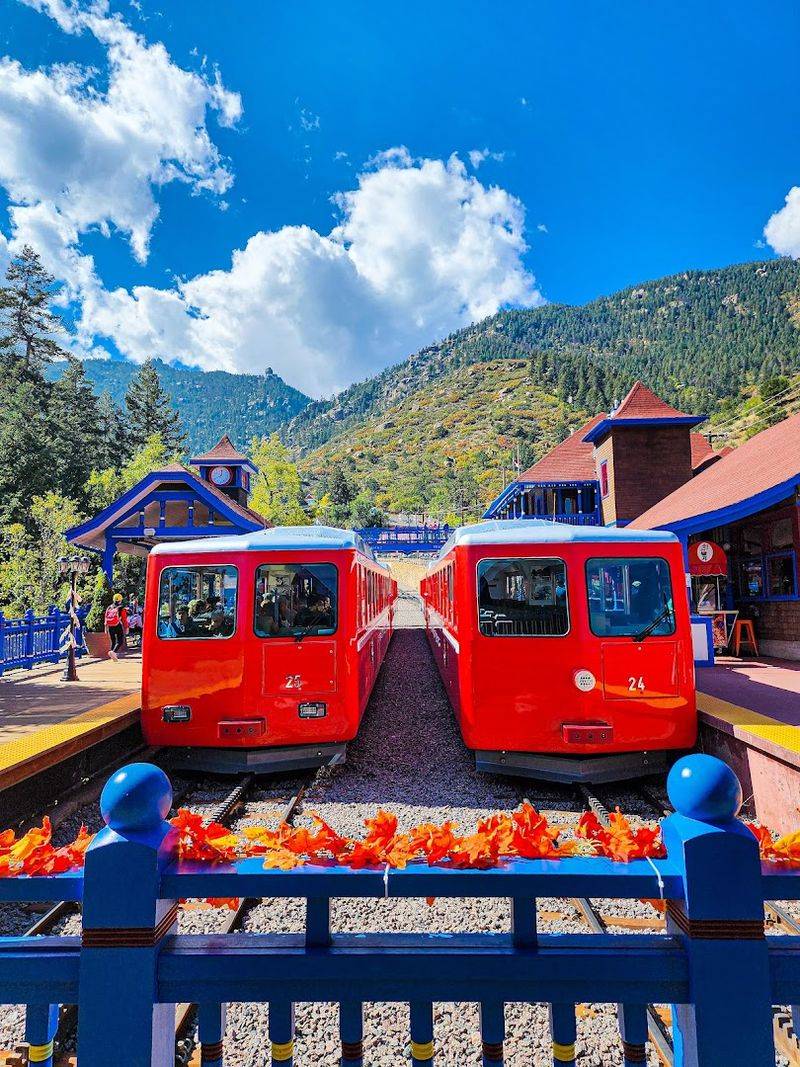
Pikes Peak inspired Katharine Lee Bates to write “America the Beautiful” after visiting the summit in 1893, and standing up there yourself, you understand completely why the view prompted poetry. The Broadmoor Manitou and Pikes Peak Cog Railway gets you to that 14,115-foot summit without requiring crampons, a training plan, or any prior mountain experience.
It is one of the most accessible high-altitude experiences in the country, and it is better than most people expect.
Departing from 515 Ruxton Avenue in Manitou Springs, the railway operates year-round, weather permitting. The round trip takes about three hours, with time at the summit to walk around, take photos, and eat a donut from the famous summit house – a tradition that feels absurd and completely necessary at the same time.
Spring riders are treated to dramatic views of snow-covered peaks contrasted against green lower valleys.
Book tickets well in advance because this railway fills up, especially on spring weekends when the weather cooperates. Dress in proper layers regardless of the temperature in Manitou Springs, because the summit routinely runs 30 to 40 degrees colder.
Altitude sickness is real at this elevation, so drink water steadily, move slowly at the top, and do not let summit enthusiasm override common sense about how you actually feel physically.
9. Georgetown Loop Railroad – Georgetown
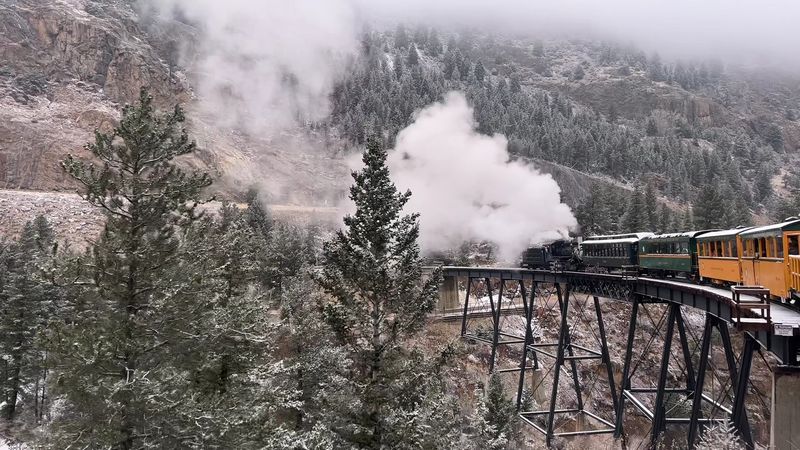
Narrow-gauge railroads have a charm that is almost impossible to manufacture, and the Georgetown Loop Railroad leans into its own history with the kind of confidence that comes from being genuinely interesting. The railroad was an engineering marvel when it opened in 1884, looping back over itself on a high trestle bridge to gain elevation through Clear Creek Canyon – a solution so clever it drew tourists even then.
Operating from 646 Loop Drive in Georgetown, the railroad runs on current seasonal schedules posted online, so a quick check before planning is worth doing. Spring trips reward passengers with snowmelt waterfalls tumbling down canyon walls and the kind of crisp mountain air that makes you glad you brought the extra fleece.
The route covers about 4.5 miles and crosses the reconstructed Devil’s Gate High Bridge, which offers a legitimately vertiginous view down into the gorge below.
Optional mine tours add an extra layer of history for anyone curious about Colorado’s silver mining past, and they pair naturally with the train ride without adding much complexity to the day. Georgetown itself is a well-preserved Victorian mining town worth an hour of wandering after your ride.
The whole outing has a comfortable, unhurried pace that feels like exactly the right speed for a spring Saturday in the mountains.
10. Glenwood Caverns Adventure Park – Glenwood Springs
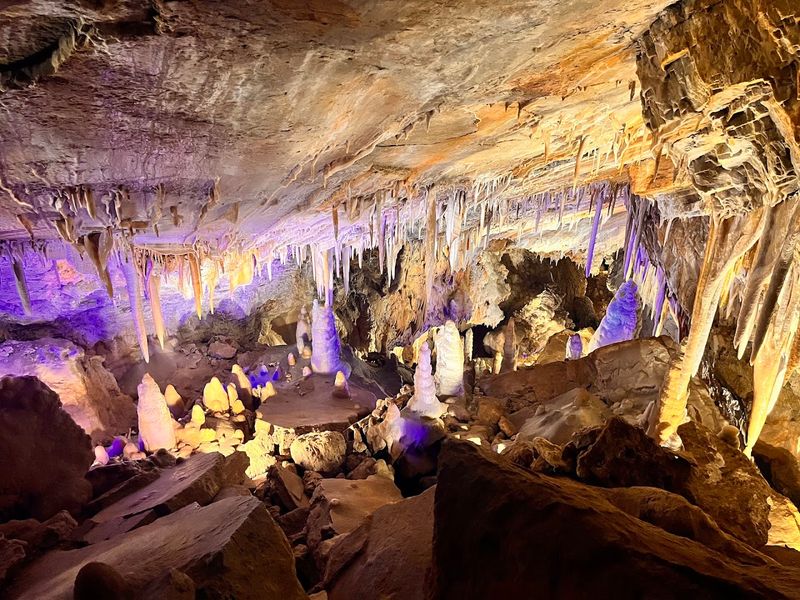
Perched 1,300 feet above Glenwood Canyon on Iron Mountain, Glenwood Caverns Adventure Park combines two things you would not normally think to combine: underground cave tours and a full-blown amusement park dangling over a canyon. The result is one of the most unexpectedly wild experiences in Colorado, and the fact that it remains somewhat under the radar compared to the state’s bigger-name attractions is genuinely baffling.
Found at 51000 Two Rivers Plaza Road in Glenwood Springs, the park posts current hours and seasonal calendars online, so checking before visiting is a smart habit. Getting there requires a gondola ride up the mountain, which is thrilling on its own before you have even done anything else.
Spring visits offer mild temperatures on the mountain, fewer crowds than summer, and the occasional dramatic view of the Colorado River winding through the canyon far below.
Cave tours explore two separate caverns – Fairy Caves and King’s Row – with formations that have been developing for millions of years and look like something from a fever dream in the best possible way. The thrill rides, including a coaster and a giant swing that launches you out over the canyon edge, are optional but hard to resist once you are standing there.
Budget a full day and arrive with an appetite for both geology and mild adrenaline.