
10 Illinois Trails That Are Perfect For Early Spring Hiking This March
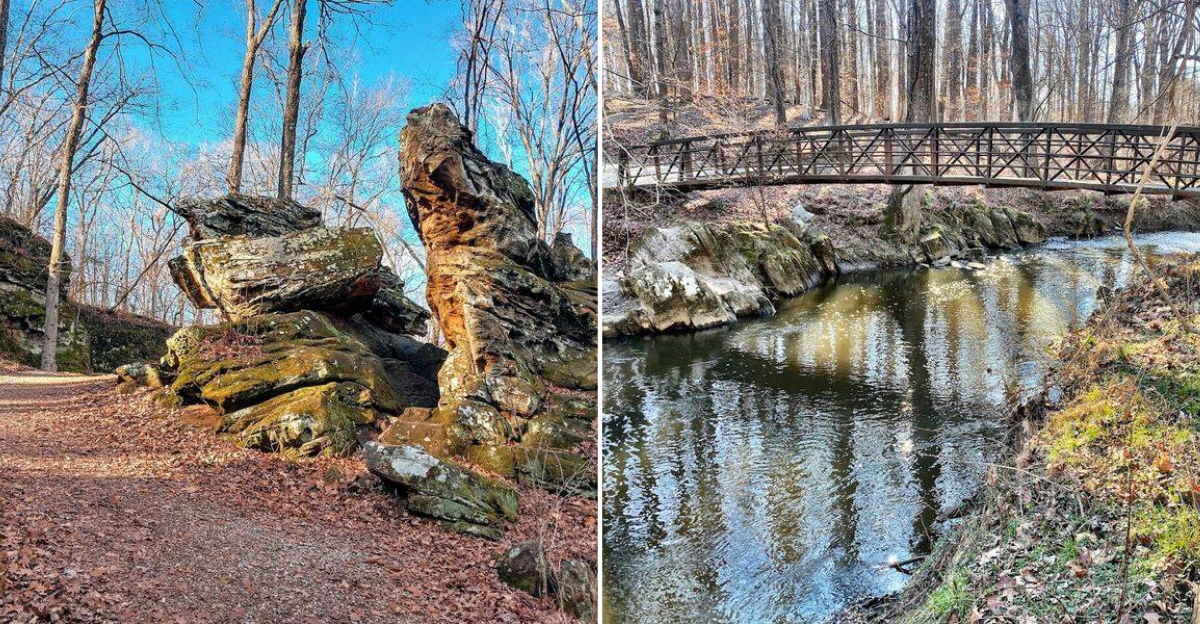
March in Illinois rarely behaves. A winter coat feels essential in the morning, yet by afternoon the sun pushes through bare branches and the air suddenly smells like thawing earth.
That in-between season is actually one of the best times to hit the trails, because the crowds haven’t arrived yet, the air is crisp and energizing, and the landscape is waking up in ways that feel almost magical. I’ve put together a list of ten Illinois trails that reward early spring hikers with stunning scenery, interesting geology, and that rare feeling of having the woods almost entirely to yourself.
Even familiar parks reveal surprises in March: sandstone bluffs glowing in low light, canyon walls dripping with snowmelt, long overlooks unobstructed by leaves. The following trails deliver exactly that moment.
Each one offers something memorable: dramatic geology, moving water, or views that feel bigger than expected in Illinois.
1. Giant City Nature Trail
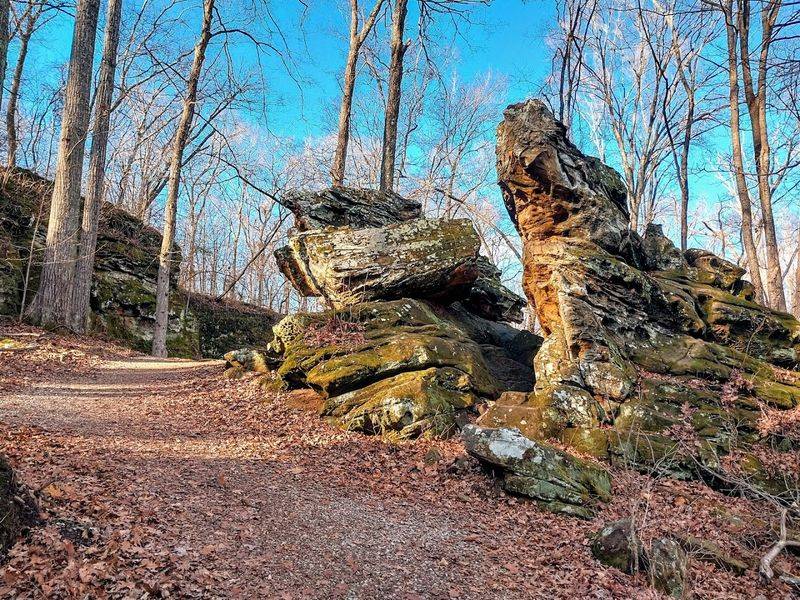
Few trails in Illinois stop hikers in their tracks quite like the Giant City Nature Trail in Giant City State Park near Makanda in southern Illinois.
The trail gets its name from enormous sandstone bluff formations that line the path, creating what looks like the streets of a city shaped by natural forces over thousands of years. The blocks of stone are so large and so precisely arranged that the nickname feels completely earned.
The trail itself is a manageable 1-mile loop, making it a great choice for families or anyone easing back into outdoor activity after a long winter. In early March, the forest floor comes alive with mosses and early wildflowers like spring beauties and hepatica, adding splashes of color against the grey stone.
The bare trees actually work in your favor here, giving you clear sightlines to the dramatic rock formations that thick summer foliage tends to hide.
Giant City State Park also has well-maintained facilities including restrooms and picnic areas, so you can make a full morning of the visit. Wear sturdy shoes because the stone surfaces can be slick after recent rain.
2. Observation Trail at Garden of the Gods
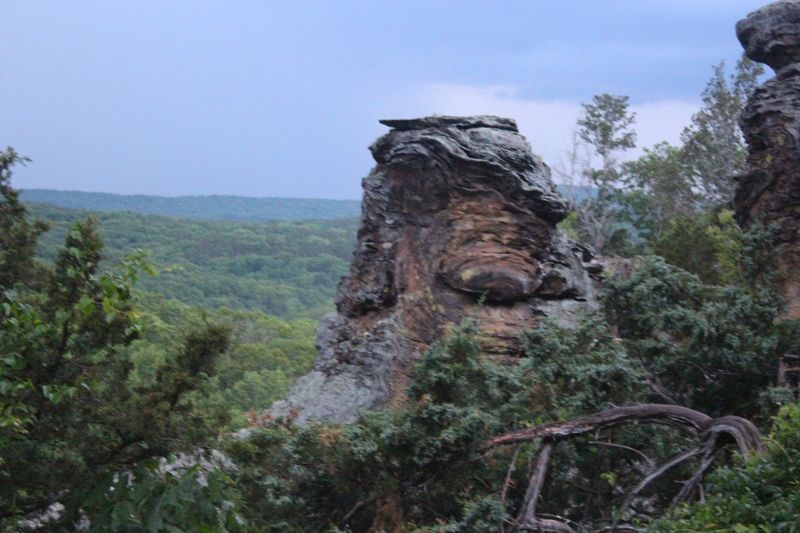
The view from the Observation Trail at Garden of the Gods Recreation Area in Shawnee National Forest is the kind that makes you forget you’re still in Illinois.
Located in the Garden of the Gods Recreation Area near Herod, this short but spectacular 0.25-mile loop delivers panoramic views of rolling forested hills and sandstone formations with names like Camel Rock and Anvil Rock.
March is genuinely one of the best months to visit because the leafless trees open up the horizon in every direction, and the golden morning light plays beautifully across the ancient rock surfaces.
The rocks themselves are estimated to be around 320 million years old, which puts a nice perspective on any Monday morning stress you might be carrying into the woods.
The trail follows a short stone and flagstone path that is relatively accessible, though uneven sections near the rock outcroppings require careful footing. Arrive early on weekends to claim a parking spot, because even in early spring this trail draws visitors from across the region.
Bring a camera because the views change dramatically with the light throughout the day, and every angle of the formations tells a slightly different story.
3. Waterfall Glen Main Trail
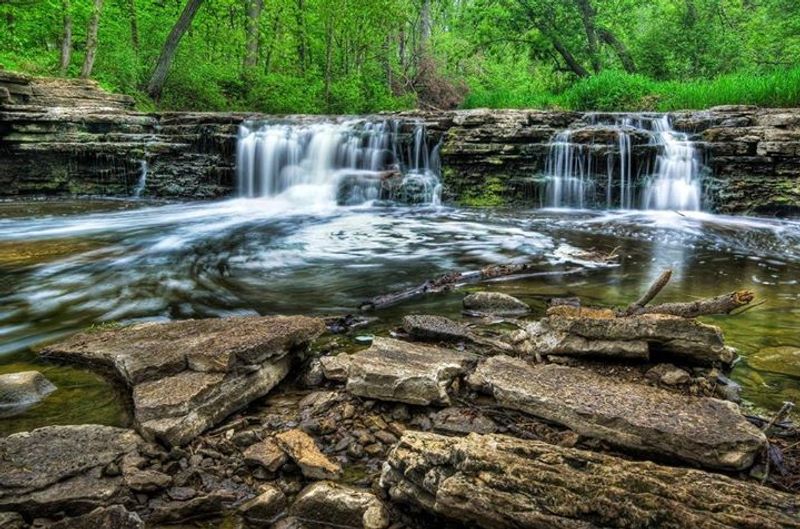
Just southwest of Chicago near Darien and Lemont, Waterfall Glen Forest Preserve offers one of the most satisfying loop hikes in the Chicago metropolitan area.
The main trail runs about 9.5 miles around the Argonne National Laboratory property, passing through a surprisingly diverse range of terrain including oak savannas, rocky ravines, wetlands, and the trail’s star attraction, a lovely waterfall that flows most energetically during the snowmelt of early spring.
That waterfall, known as Rocky Glen Waterfall, is worth the trip on its own in March when the creek runs high and fast with winter runoff. The surrounding ravine is one of the most scenic spots in all of northeastern Illinois, framed by limestone outcroppings draped in moss and early ferns.
Because the trail loops around a secure facility, it feels wonderfully self-contained and safe for solo hikers. The full 9.5-mile loop takes roughly three to four hours at a moderate pace, but you can shorten the route using connector trails.
Early spring also brings migrating birds through the preserve, so packing binoculars adds a rewarding bonus layer to the experience. Parking is available at multiple access points along Cass Avenue.
4. Sag Valley Trail System at Swallow Cliff Woods
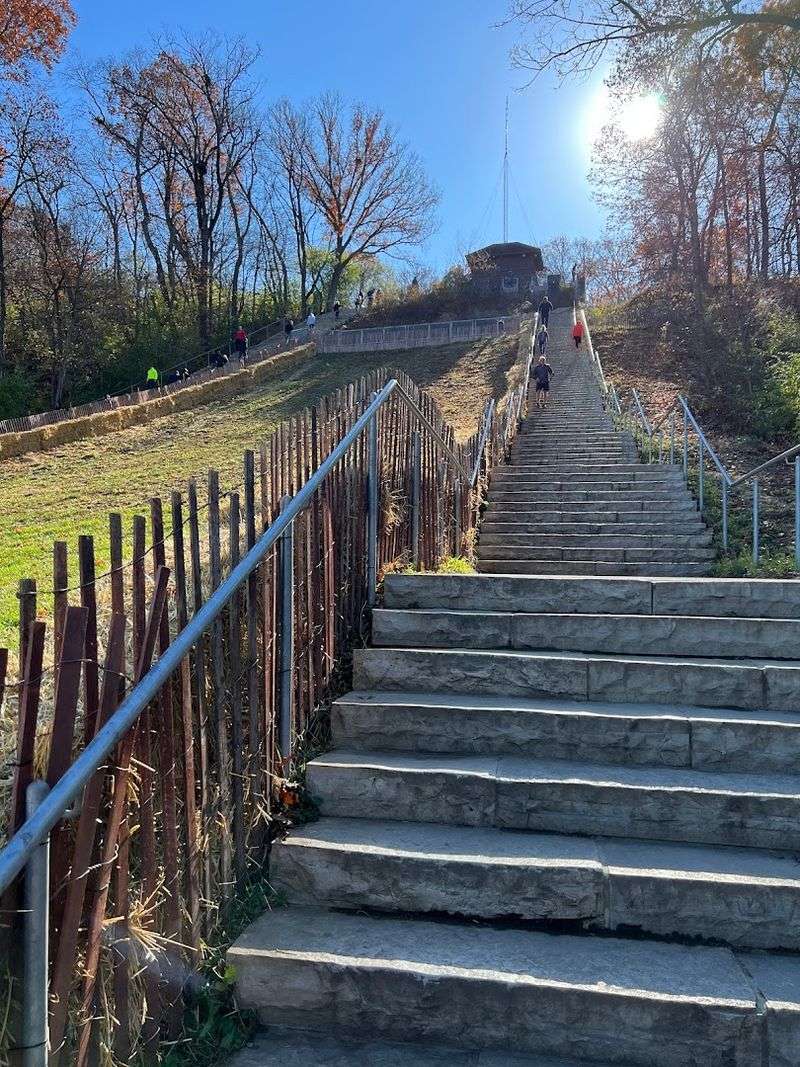
Hikers who want a genuine workout without driving far from the Chicago suburbs should head to the Sag Valley Trail System accessed from Swallow Cliff Woods near Palos Park.
This trail network in the Cook County Forest Preserves includes more than 20 miles of interconnected paths through some of the most rugged terrain in the region.
Swallow Cliff itself is famous for its toboggan slides, but the surrounding trail system is where serious hikers spend their time. In early March, the bare canopy lets filtered sunlight reach the forest floor, illuminating patches of early-emerging plants and creating dramatic shadow patterns across the ravine walls.
The creek corridors are especially atmospheric after rain, when small waterfalls form along the limestone ledges.
Trail conditions can be muddy in early spring, so waterproof boots are strongly recommended. The network offers multiple loop options ranging from two miles to well over ten, so you can tailor the hike to your energy level on any given day.
Maps are available at the parking area near Swallow Cliff Road, and trail junctions are well marked throughout the preserve.
5. Matthiessen Dells/Vermilion River Trails
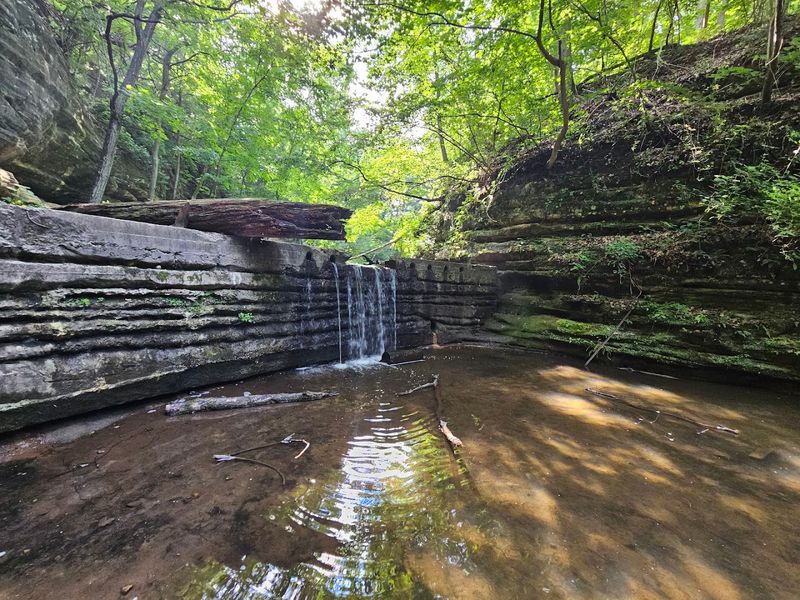
Matthiessen State Park sits just south of the more famous Starved Rock State Park near Utica, and it rewards hikers who seek it out with canyon scenery that rivals anything in the Midwest.
The Dells Area trail follows the Vermilion River through a series of narrow, moss-covered sandstone canyons that feel almost prehistoric in their atmosphere, especially in the quiet of early March before the season’s crowds arrive.
The main trail system through the Dells Area covers about 3.2 miles and includes staircase sections that lead down into the canyon floors. In spring, the canyon walls drip with snowmelt and the river runs with impressive force, creating natural music that echoes off the stone walls in the most satisfying way.
Seasonal waterfalls appear in late winter and early spring that simply don’t exist during drier months.
Because Matthiessen tends to attract fewer visitors than neighboring Starved Rock, the experience feels more personal and unhurried.
The park offers free admission and has parking near the Dells Area off Illinois Route 178, with temporary restroom facilities currently available while the main building undergoes repairs.
Wear layered clothing because the canyon floors stay noticeably cooler than the surrounding uplands even on mild March afternoons.
6. Hawk’s Cave Trail
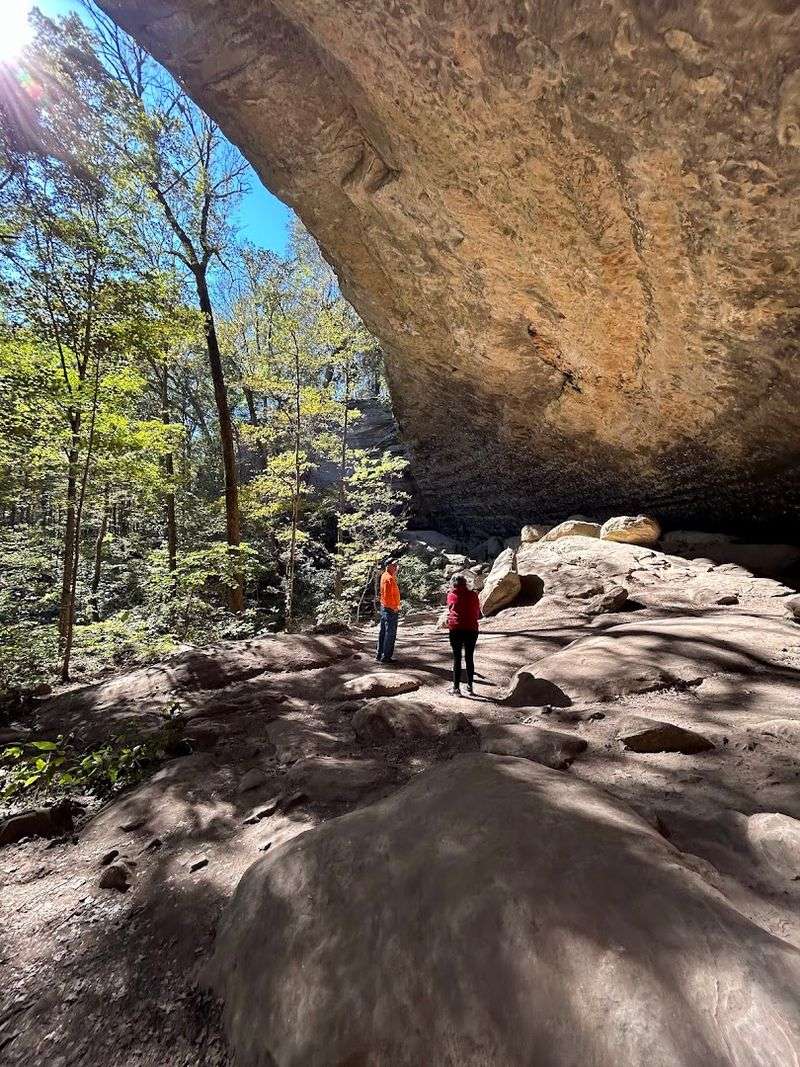
Ferne Clyffe State Park near Goreville in southern Illinois is one of the state’s most scenic canyon parks. Within the park’s trail network, the short route to Hawk’s Cave stands out as a favorite for early spring visits.
The cave itself is a dramatic sandstone alcove carved by centuries of water erosion, and in March it often frames an active waterfall that pours over the rim above in a curtain of snowmelt.
The Hawk’s Cave Trail is an easy 0.5-mile route that leads to a large sandstone alcove carved into the bluff. What makes it especially rewarding in early spring is the combination of canyon intimacy and the raw energy of the seasonal water flow.
The sandstone walls are stained with mineral deposits in shades of orange, red, and cream that photograph beautifully in soft morning light.
Starved Rock gets busy on weekends even in March, so arriving before 9 a.m. on Saturday or Sunday makes a significant difference. Weekday visits offer a noticeably quieter experience.
The park is free to enter, and trail maps and visitor information are available at park facilities.
7. Big Rocky Hollow Trail

Another scenic trail at Ferne Clyffe State Park, Big Rocky Hollow leads hikers through a shaded canyon toward one of the park’s most impressive seasonal waterfalls.
The hollow cuts deep into the sandstone bedrock, creating a narrow corridor with walls that rise dramatically on both sides and channel the sounds of dripping water and birdsong into a natural amphitheater.
In early March, Big Rocky Hollow often still holds remnants of ice formations along its walls, particularly on shaded north-facing surfaces where winter clings a little longer. Watching the transition from ice to flowing water in real time is one of those early spring experiences that feels genuinely rare and special.
The trail can be combined with nearby Ferne Clyffe trails for a longer hike through the park’s canyon and woodland scenery.
The Big Rocky Hollow Trail is about 0.75 mile round trip and leads to a tall seasonal waterfall at the end of the canyon. The terrain includes some uneven rocky surfaces and wooden staircases, so trekking poles are a welcome addition.
The park’s trail map, available at the visitor center, clearly marks the hollow’s location and the connecting routes that make it easy to build a full day of canyon exploration.
8. McAdams Peak Trail
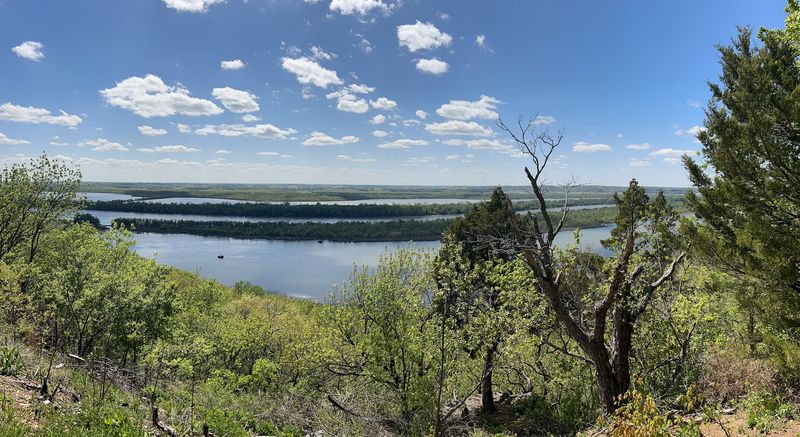
Pere Marquette State Park near Grafton in southwestern Illinois is home to some of the most spectacular ridge hiking in the entire state, and the trail to McAdams Peak is the crown jewel of the park’s trail system. The summit overlooks the Illinois River valley and offers sweeping views of the surrounding bluffs and forests.
The trail to the peak is part of the larger 12-mile trail network within the park and involves a steady climb through an oak-hickory forest that is genuinely beautiful in early spring when the forest floor is carpeted with early wildflowers.
The climb gains about 250 feet of elevation, which is modest by national standards but feels satisfying and purposeful in the Illinois context.
March is a particularly rewarding time to visit because migrating eagles often congregate along the Illinois River corridor during late winter and early spring, and the bare trees make spotting them from the ridge much easier.
Pere Marquette State Park also has a historic lodge with a cozy atmosphere if you want to warm up with a meal after the hike. Parking is free for Illinois residents.
9. Rock Creek Trail
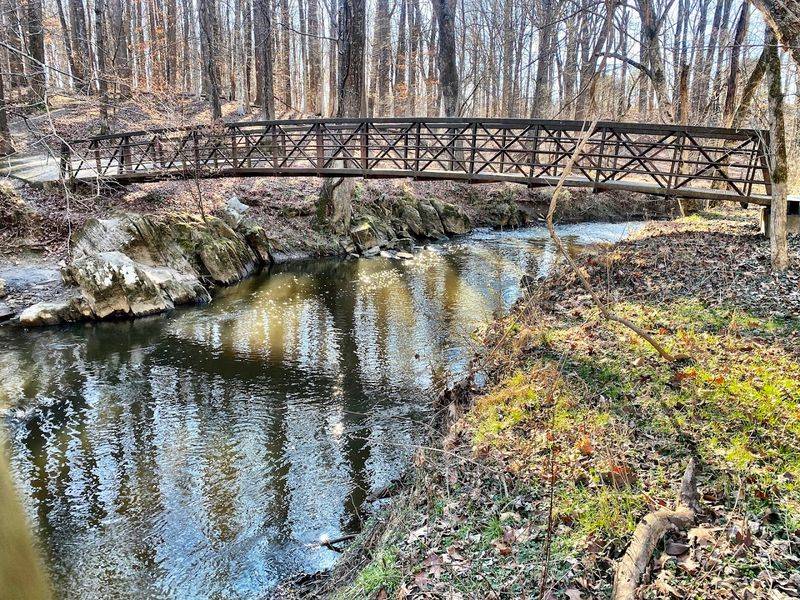
Not every great Illinois trail needs towering canyon walls or panoramic summit views to be memorable. Rock Creek Trail in Kankakee River State Park near Bourbonnais offers something a little different: a gentle, stream-side experience that feels meditative and grounding, perfect for a March morning when you want fresh air and moving water without a strenuous climb.
The creek itself runs clear and cold in early spring, tumbling over limestone ledges and around mossy boulders in a rhythm that encourages a slower pace. The surrounding forest is a mix of cottonwood, sycamore, and silver maple, all showing the first swelling of buds by mid-March, giving the landscape a soft green haze that signals the season’s turn.
Painted turtles begin appearing on sunny logs by late March, and wood ducks are frequently spotted along the quieter stretches of water.
Trails along Rock Creek follow the stream through limestone canyons for several miles, allowing hikers to create shorter or longer out-and-back routes. The surface is mostly natural packed earth with some rocky sections near the water’s edge.
This is a trail where the journey genuinely matters more than the destination, and the steady sound of the creek makes it easy to leave the noise of daily life behind for a few hours.
10. High Point Trail at Mississippi Palisades
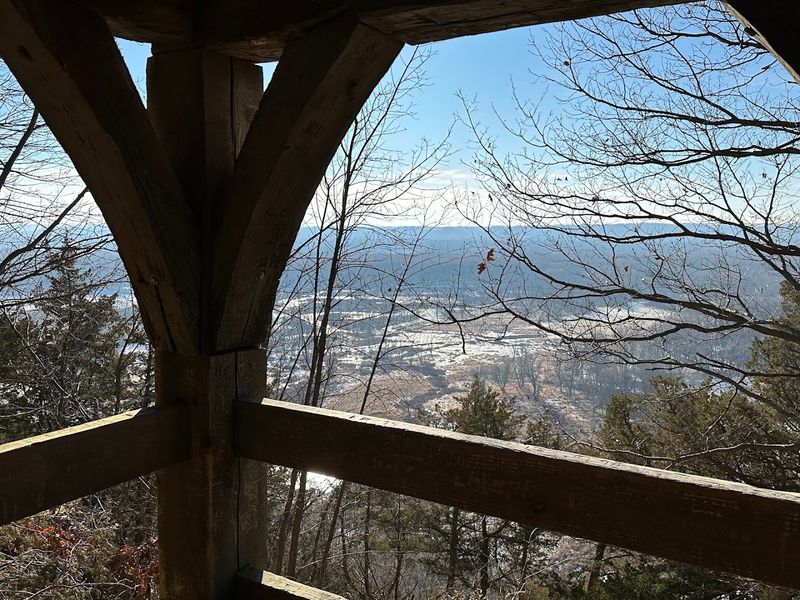
Up in the far northwestern corner of Illinois near Savanna, Mississippi Palisades State Park protects one of the most dramatic stretches of landscape in the state. The High Point Trail earns its name by climbing to an overlook above the Mississippi River that genuinely stops you mid-stride.
The combination of limestone bluffs, river bottomlands, and the wide silver ribbon of the Mississippi spreading out below is the kind of scenery most people don’t expect to find in Illinois.
The trail system covers about 15 miles of interconnected routes through the park, and High Point Trail is about 3.5 miles long and climbs through upland forest to scenic overlooks above the Mississippi River.
Early spring brings a particular bonus here: bald eagles frequently linger along the Mississippi River corridor well into March, and spotting one riding a thermal above the bluffs is a genuinely thrilling experience.
The park also contains Native American effigy mounds dating back thousands of years, adding a layer of historical depth to the natural beauty. Some mounds are visible from the trail with interpretive signage nearby.
Parking and restroom facilities are available near the main park entrance off Illinois Route 84, and the park is open year-round for day use without a reservation.