
Discover Florida’s Untold History At This Incredible Seminole Museum Deep In The Everglades
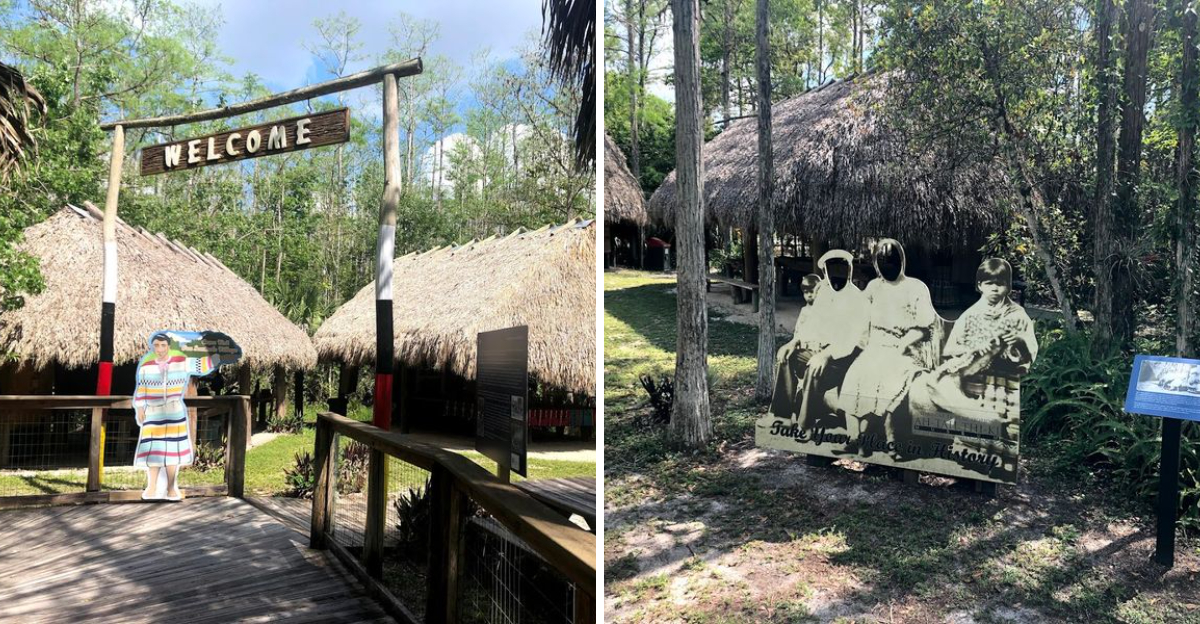
Florida is full of attractions, but here is a question worth asking. What if one of the most powerful cultural experiences in Florida is waiting quietly near Clewiston?
Most visitors think of beaches or theme parks when they imagine exploring Florida. But step into this remarkable museum and the atmosphere immediately shifts.
Stories unfold about the Seminole people, their deep connection to the Everglades, and the generations who fought to preserve their culture and land.
Inside the exhibits, history comes alive through artifacts, photographs, and personal accounts that reveal a side of Florida many travelers never truly see. Outside, a peaceful boardwalk trail stretches through the wetlands, offering a glimpse of the landscape that helped shape this remarkable story.
Places like this remind visitors that Florida’s identity runs far deeper than sunshine and coastlines.
And in Clewiston, that history becomes something you can feel, learn from, and carry with you long after the visit ends.
An Introductory Film That Sets The Stage
Before you even step into the main exhibits, the museum welcomes you with an 18-minute film that completely reframes everything you thought you knew about Florida history. I settled into my seat expecting a typical documentary, but what I got was a powerful narrative told from the Seminole perspective, tracing their journey from the early conflicts with European settlers through forced relocations and into the present day.
The film doesn’t shy away from difficult truths. It explains how the Seminole people resisted removal to Oklahoma, choosing instead to retreat deep into the Everglades where they could maintain their sovereignty and way of life.
Watching this story unfold on screen, I realized how much of Florida’s past had been left out of my school textbooks.
What makes this film special is that it’s created by the Seminole Tribe themselves, ensuring authenticity and respect in every frame. The cinematography captures both the harsh beauty of the swamplands and the strength of the people who call it home.
By the time the credits rolled, I felt prepared to appreciate the exhibits ahead with much deeper understanding and respect for the culture I was about to explore at Ah-Tah-Thi-Ki Museum, 34725 W Boundary Rd, Clewiston, FL 33440.
Authentic Exhibits That Bring History To Life
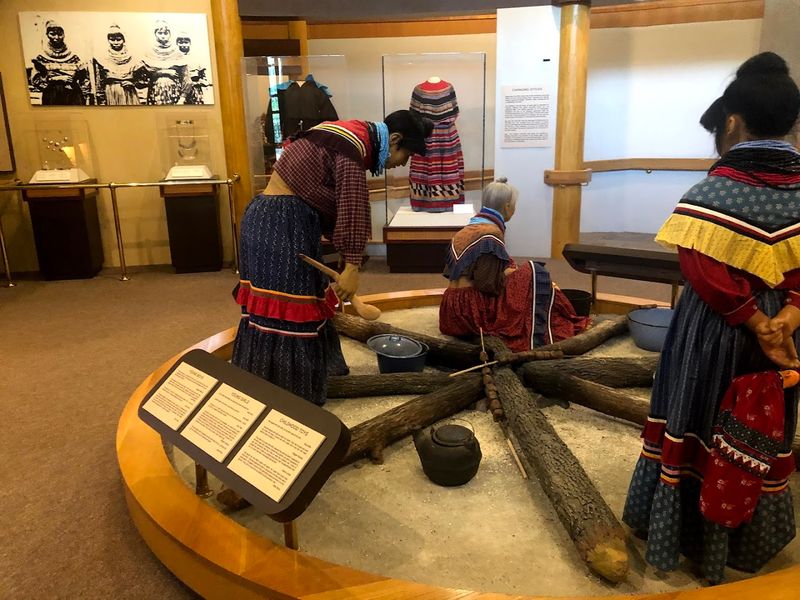
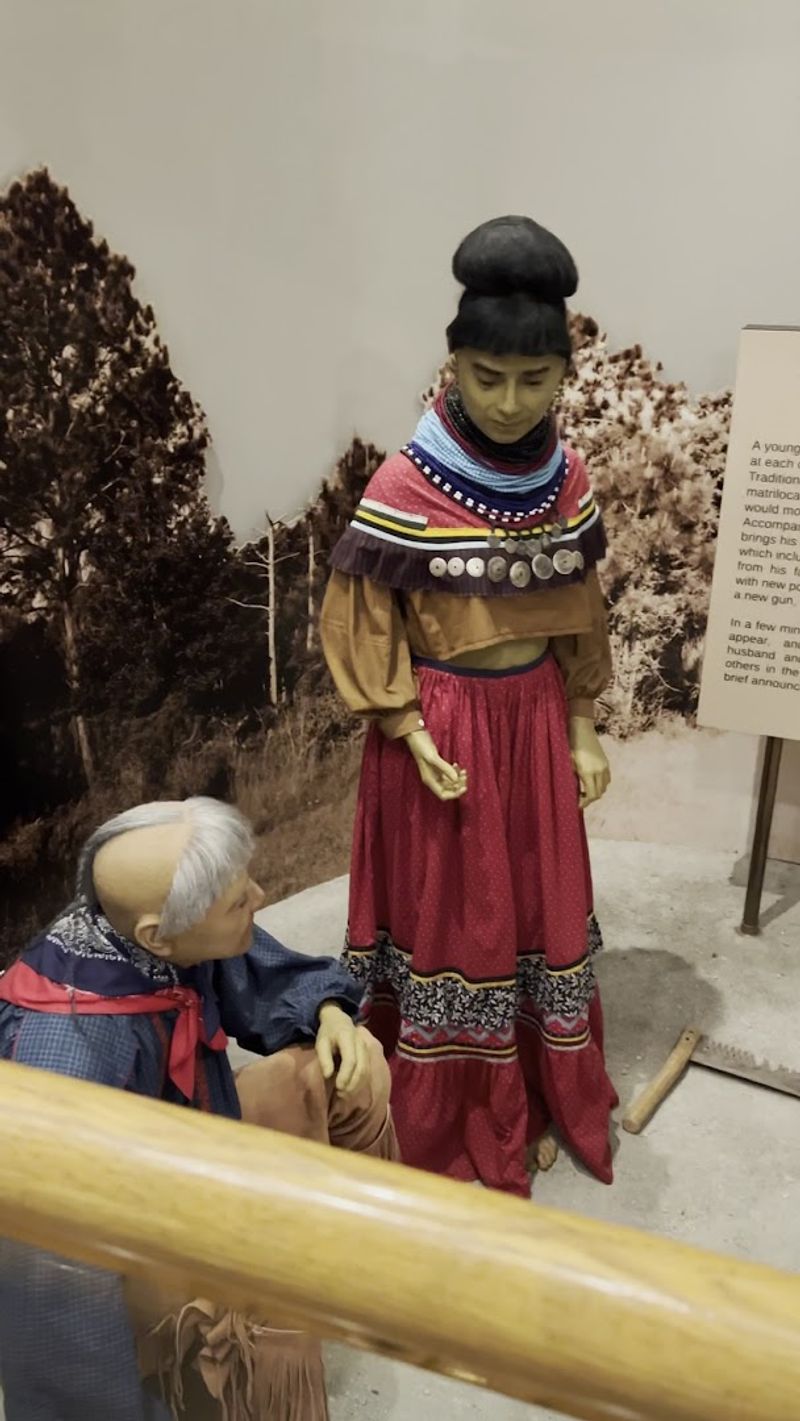
Walking through the four main exhibit halls felt like stepping through time itself. Each display area recreates different aspects of Seminole life with stunning attention to detail, from the intricate patchwork clothing to the tools used for hunting and gathering in the unforgiving Everglades environment.
The mannequins aren’t your typical stiff museum figures. They’re positioned in natural poses that tell stories, whether it’s a family preparing food, craftspeople working on basketry, or hunters demonstrating traditional techniques.
I found myself pausing at each scene, noticing small details like the specific patterns in the patchwork designs, which I learned carry meaning and identify different clans.
One exhibit that particularly moved me showcased the evolution of Seminole clothing over the decades. You can trace how traditional palmetto fiber garments gradually incorporated traded fabrics, eventually leading to the iconic colorful patchwork that defines Seminole fashion today.
The craftsmanship is absolutely breathtaking, with some pieces featuring hundreds of tiny fabric strips sewn together in geometric precision.
What impressed me most was how these exhibits balance education with reverence, presenting Seminole culture not as something frozen in the past but as a living, evolving tradition that continues today.
A Mile-Long Boardwalk Through Untouched Cypress Wetlands
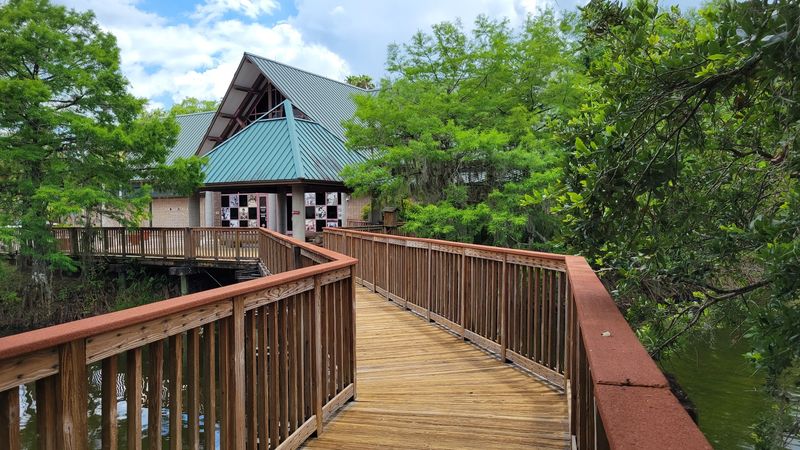
After exploring the indoor exhibits, I stepped outside and found myself at the beginning of a boardwalk that would become the highlight of my visit. This isn’t just a short nature walk, it’s a full one-mile journey that takes you deep into the same cypress dome ecosystem that sheltered the Seminole people for generations.
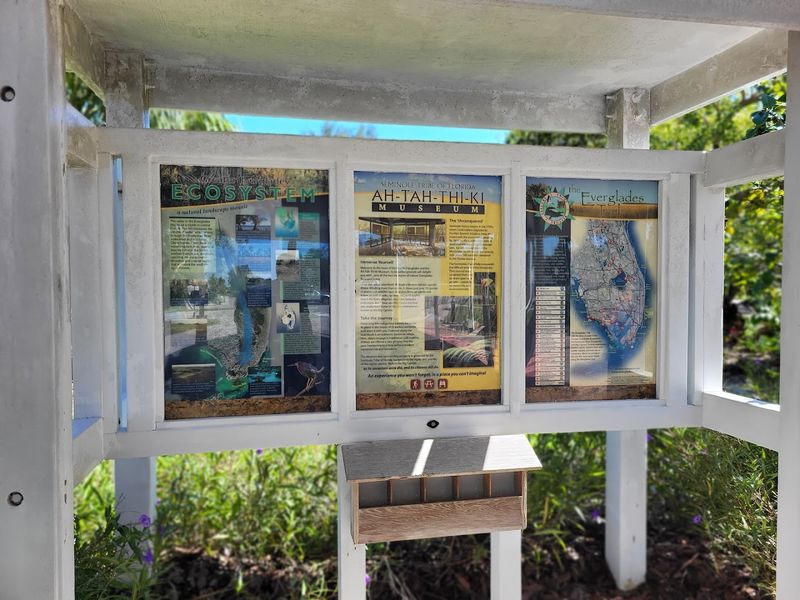
The boardwalk is beautifully maintained and completely accessible, winding through stands of bald cypress draped in Spanish moss. Every few yards, informational plaques explain the significance of different plants and how the Seminole used them for medicine, food, and building materials.
I learned that seemingly ordinary swamp plants had dozens of practical applications, from treating infections to constructing entire homes.
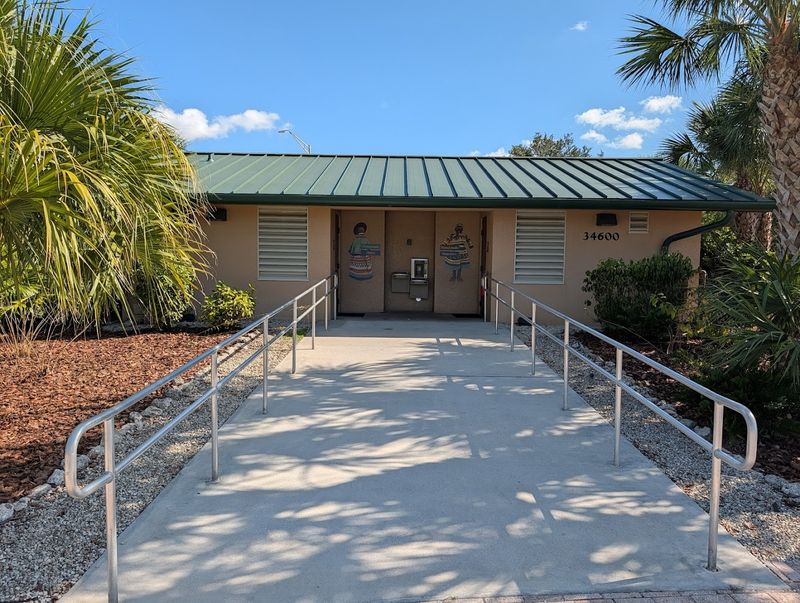
About halfway through, I reached a rest area with bathroom facilities and water fountains, which was a welcome sight on a warm Florida afternoon. The thoughtful design of this trail shows that the museum wants visitors to take their time and truly absorb the environment rather than rush through.
As I continued along the boardwalk, the sounds of modern life faded completely, replaced by bird calls, rustling palmettos, and the occasional splash of something moving through the water below, reminding me why this landscape remains so sacred to the Seminole people.
Living Village Demonstrations Along The Trail
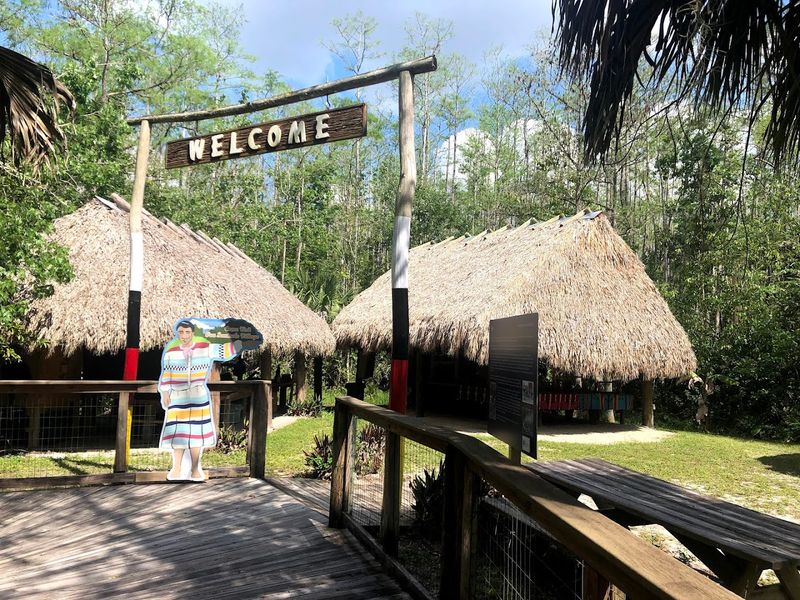
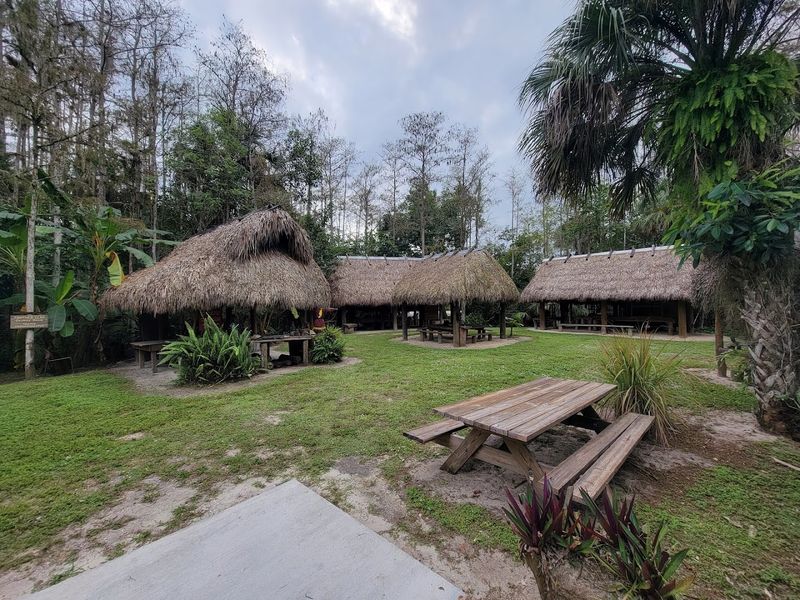
Roughly a third of the way along the boardwalk, I encountered something truly special: a recreated Seminole village with traditional chickee structures and a ceremonial ground. These aren’t just static displays, they’re authentic reconstructions that show exactly how Seminole families lived in harmony with the swamp environment.
The chickees are open-sided structures with palmetto-thatched roofs, raised on platforms to stay dry during the wet season. Standing beneath one, I could feel how the design creates natural airflow, keeping the interior remarkably cool even in Florida’s heat.
The elevated floor and open walls make perfect sense when you consider the humid, mosquito-filled environment these structures were built to withstand.
Near the village, I found a hunting camp display that demonstrates how Seminole men would venture out for days at a time, tracking game through the dense wetlands. The tools and techniques on display reveal an incredible depth of environmental knowledge passed down through countless generations.
The ceremonial ground was particularly moving, a circular clearing that still holds spiritual significance for the Seminole people today. Standing there, I felt the weight of centuries of tradition and the resilience of a culture that refused to be erased despite overwhelming pressure to abandon their homeland and way of life.
Educational Plaques That Teach Ecological Wisdom
Throughout the boardwalk, I must have stopped at two dozen different interpretive signs, and each one taught me something I never knew about the Everglades ecosystem. These aren’t generic nature facts, they’re specific explanations of how the Seminole people understood and utilized every element of their environment for survival.
One plaque explained how saw palmetto berries provided a reliable food source and how the plant’s fibers were woven into everything from baskets to the earliest forms of Seminole clothing. Another described the medicinal properties of various swamp plants, detailing treatments that modern science is only now beginning to validate.
I was genuinely amazed by the sophistication of this traditional ecological knowledge.
What struck me most was learning about the concept of sustainable harvesting. The Seminole people developed practices that allowed them to take what they needed without depleting resources, understanding that their survival depended on maintaining the health of the ecosystem.
This wasn’t just primitive survival, it was sophisticated environmental management that many modern societies still haven’t mastered.
The plaques also identify the various bird species, reptiles, and mammals that call the cypress dome home. I kept my eyes peeled and was rewarded with sightings of several wading birds and even caught a glimpse of what might have been a bobcat moving through the underbrush in the distance.
An Exceptional Gift Shop Supporting Seminole Artisans
I’ll admit, I usually skip museum gift shops, but the one at Ah-Tah-Thi-Ki deserves its own visit. This isn’t a collection of mass-produced souvenirs with generic tribal designs, it’s a carefully curated selection of authentic Seminole crafts, many made by tribal artisans whose names and stories are displayed alongside their work.
The patchwork items were absolutely stunning, from small coin purses to elaborate jackets that represent hundreds of hours of meticulous handwork. I learned that purchasing these pieces directly supports Seminole families and helps keep traditional crafting techniques alive for future generations.
The prices reflect the genuine craftsmanship, and honestly, they’re more than fair for the quality and cultural significance.
Beyond textiles, I found beautiful handmade jewelry incorporating traditional designs, intricately woven sweetgrass baskets that take weeks to complete, and an impressive selection of books covering Seminole history, culture, and language. The dream catchers caught my eye too, each one unique and crafted with obvious care and attention to detail.
The shop also carries adorable animal figurines and other items perfect for children, making it easy to find age-appropriate mementos. Every purchase supports the museum’s mission and the broader Seminole community, turning your visit into a meaningful contribution to cultural preservation rather than just another tourist transaction.
Knowledgeable Staff Who Share Personal Connections
From the moment I walked through the entrance, the staff at Ah-Tah-Thi-Ki made me feel genuinely welcome. The woman at the front desk greeted me with warmth and took time to explain what I could expect during my visit, offering tips about the best route through the exhibits and how long to budget for the boardwalk.
What makes the staff here special is that many are Seminole tribal members themselves, bringing personal perspectives and family stories that no textbook could ever capture. When I had questions about specific exhibits or traditions, I received thoughtful, detailed answers that went far beyond the standard museum script.
These aren’t just employees reciting facts, they’re cultural ambassadors sharing their heritage.
Throughout my visit, I noticed staff members engaging with other guests, patiently answering questions from curious children and providing additional context for adults seeking deeper understanding. Their passion for education and cultural preservation was evident in every interaction.
I overheard one staff member explaining the significance of certain patchwork patterns to a family, and the pride in her voice as she described her grandmother’s work was genuinely moving.
Several reviewers specifically mentioned staff members by name, praising their kindness and knowledge. This personal touch transforms the museum from a simple educational facility into a place of genuine human connection, where visitors leave not just informed but truly touched by the experience.
Special Events That Celebrate Living Culture
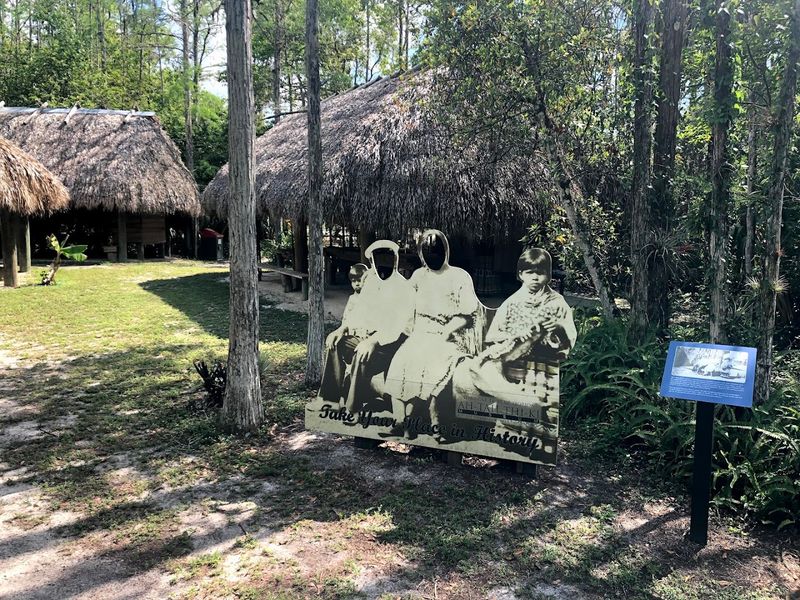
While the permanent exhibits are impressive year-round, I learned that Ah-Tah-Thi-Ki hosts special events throughout the year that bring Seminole culture to life in even more dynamic ways. The American Indian Arts Celebration is apparently a major highlight, drawing families from across the region for demonstrations, performances, and hands-on cultural activities.
One reviewer mentioned bringing their typically rambunctious children to an event and watching them become completely engaged and peaceful, absorbed in the cultural presentations. That speaks volumes about the quality and authenticity of these programs.
When children naturally tune in and pay attention, you know something special is happening.
The museum also opened its doors for free admission during the 2024 solar eclipse, creating a memorable community experience that combined natural wonder with cultural celebration. These kinds of thoughtful gestures show that the museum sees itself as part of the broader community, not just a destination for tourists.
Special events often include opportunities to meet Seminole artists, watch traditional craft demonstrations, hear storytelling from tribal elders, and sometimes even sample traditional foods. These occasions provide layers of experience that go beyond what the static exhibits can offer, creating memories that last long after you’ve driven back home.
I’m already planning my return visit to coincide with their next major celebration.
Perfect Location For A Cross-State Adventure
Getting to Ah-Tah-Thi-Ki requires some commitment, it’s about 17 miles north of Interstate 75 along a scenic but definitely rural route. But that journey is part of what makes the experience so meaningful.
As you drive deeper into Big Cypress Seminole Indian Reservation land, you leave behind the developed coast and enter a landscape that looks much as it did centuries ago.
Multiple visitors mentioned making the trip from Miami, about an hour’s drive, and unanimously agreeing it was worth every mile. One reviewer drove three hours specifically to visit, spending half a day at the museum and leaving with no regrets.
The remote location isn’t a drawback, it’s an essential part of understanding why this land holds such significance for the Seminole people.
There’s a full-service rest area on I-75 that makes a convenient starting point for your journey to the museum. The drive itself offers glimpses of the Everglades ecosystem, with wetlands stretching to the horizon and the occasional wading bird stalking through the shallow water alongside the road.
The museum is open Tuesday through Sunday from 9 AM to 5 PM, and admission is an absolute bargain at around ten dollars for adults. Plan to spend at least two to three hours here, maybe more if you’re a slow walker like me who stops to read every plaque and take way too many photos of the cypress trees.
A Mission That Honors Memory And Education
The name Ah-Tah-Thi-Ki translates to “a place to learn, a place to remember,” and that dual mission permeates every aspect of your visit. This isn’t a museum that treats indigenous culture as something extinct or purely historical.
Instead, it presents Seminole heritage as a living, breathing tradition that continues to evolve while maintaining deep connections to the past.
Walking through the exhibits, I realized how rare it is to encounter indigenous history told from an indigenous perspective. Too often, Native American stories are filtered through outside voices that miss crucial nuances or perpetuate outdated stereotypes.
Here, the Seminole people control their own narrative, deciding which stories to share and how to present them to the world.
The museum serves multiple purposes simultaneously: educating non-Native visitors about Seminole culture, providing a space where Seminole youth can connect with their heritage, and preserving knowledge for future generations. It’s a cultural anchor in an increasingly homogenized world, proving that traditional ways of life can coexist with modern society without being erased or diminished.
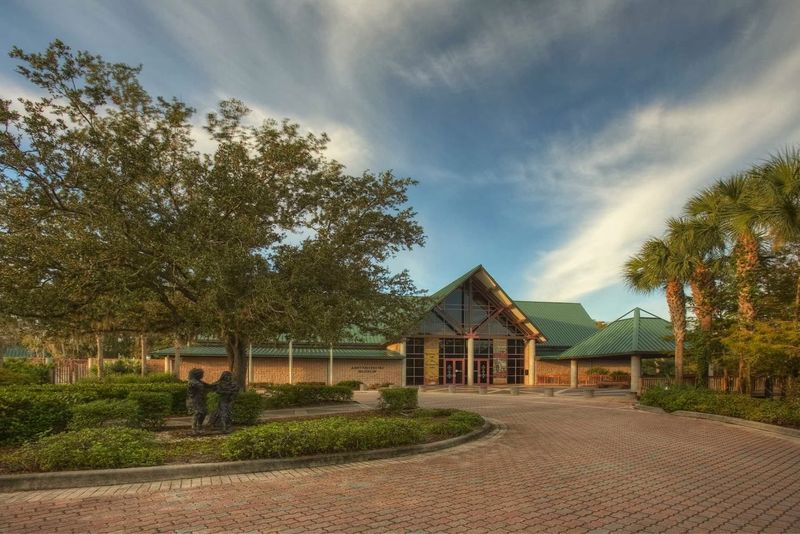
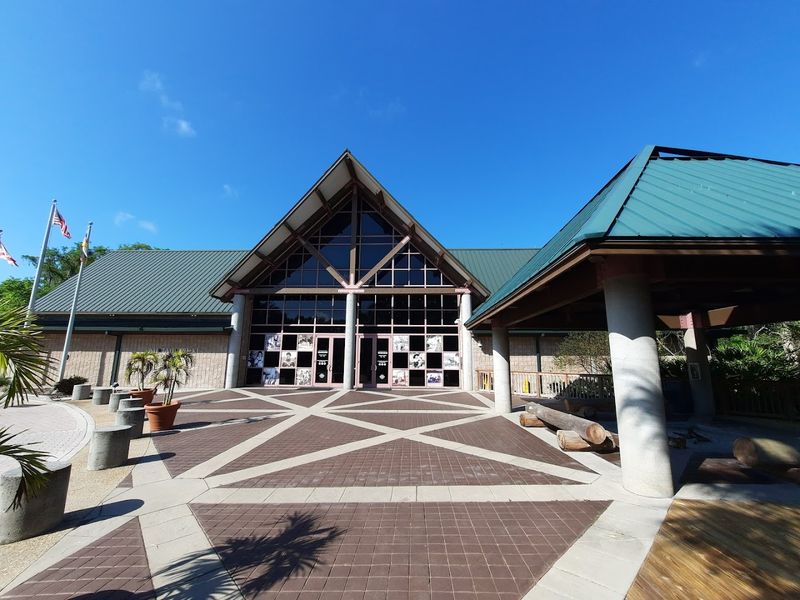
Every element, from the architecture that blends with the natural environment to the careful curation of artifacts and the maintenance of the boardwalk trail, reflects deep respect for both the land and the people. Leaving Ah-Tah-Thi-Ki, I carried with me not just facts and photos, but a profound appreciation for resilience, cultural pride, and the importance of preserving untold histories before they’re lost forever.