
Florida’s Kanapaha Botanical Gardens Is Home To Giant Lilies And The Southeast’s Largest Herb Garden
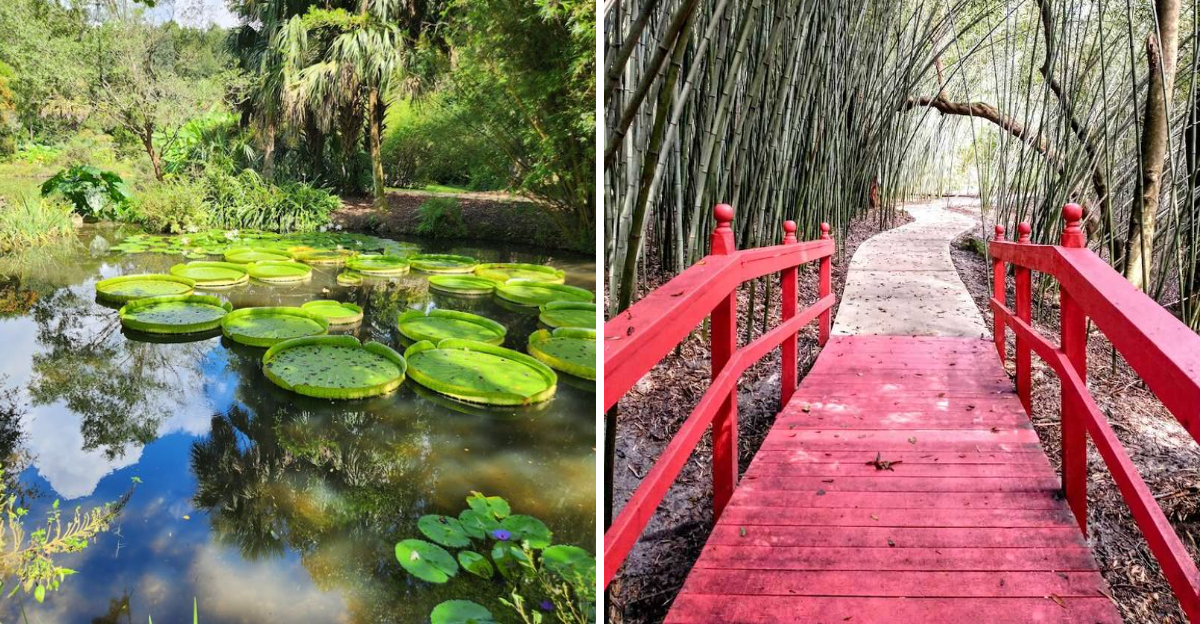
Florida is full of beautiful outdoor escapes, but here is a question worth asking. What if one of the most peaceful places in Florida is quietly waiting in Gainesville?
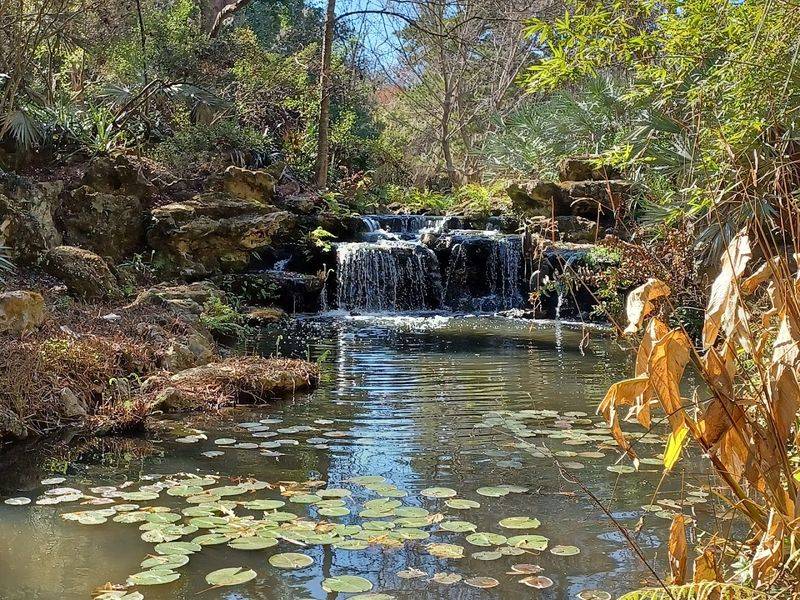
Step into this lush garden sanctuary and the atmosphere changes almost instantly. The noise of the day fades away, replaced by rustling bamboo, birdsong, and the gentle shimmer of water across lily-covered ponds.
Paths wind through acres of carefully designed landscapes where every turn reveals something unexpected. Towering bamboo groves rise overhead.
Giant lily pads float across still water. Seasonal flowers burst into color along shaded trails that seem to stretch endlessly.
It feels less like a simple walk through a park and more like wandering through a living storybook.
And in Florida, discovering a place like this in Gainesville reminds you that some of the most beautiful experiences are the quiet ones hidden in plain sight.
Giant Victoria Water Lilies That Command Attention
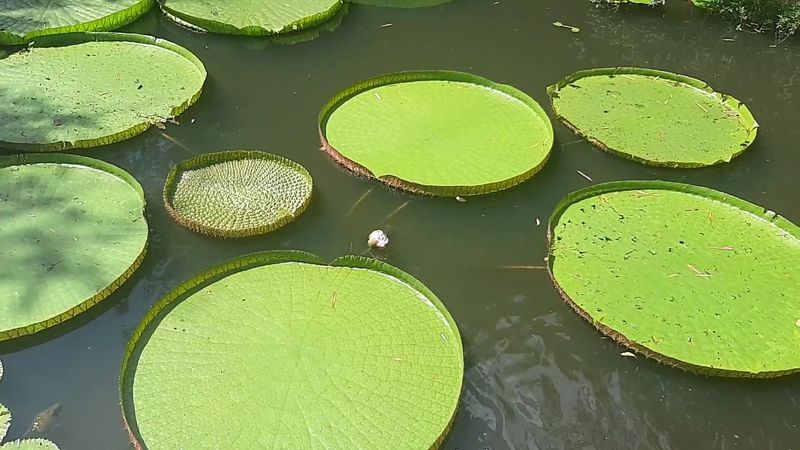
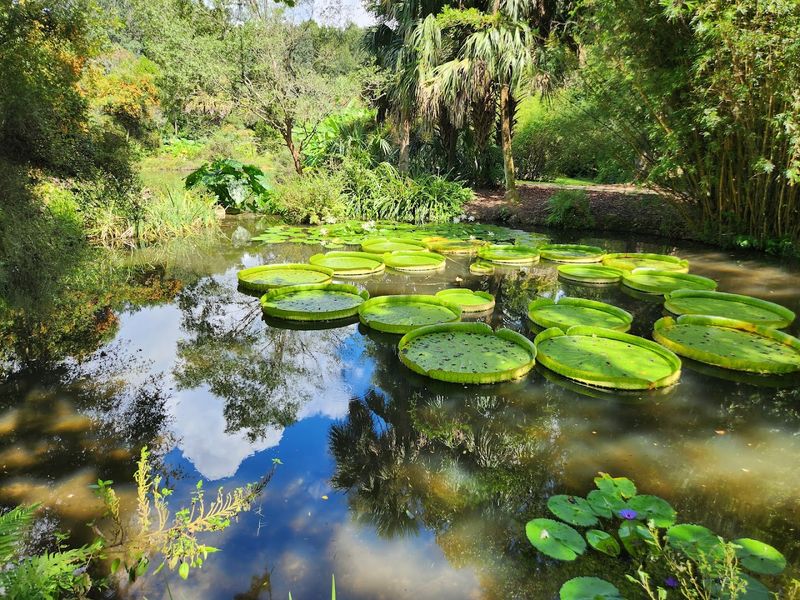
The Victoria water lilies at Kanapaha steal the show with leaves so massive they look like nature’s own floating furniture. These South American natives stretch several feet across, their edges curling upward like shallow bowls resting on the water’s surface.
I watched visitors stop mid-stride when they first spotted these botanical giants, cameras clicking as they tried to capture the sheer scale. The leaves can support surprising weight, and their undersides reveal a network of ribs that would make any engineer jealous.
Peak viewing hits during summer months when the lilies reach full size and occasionally bloom with stunning flowers that open white and shift to pink. Koi fish glide beneath the pads, adding movement to an already mesmerizing scene.
The pond area offers benches where I sat longer than intended, just watching light play across the water and listening to the gentle sounds of the garden. These lilies represent one of the garden’s signature attractions, drawing plant enthusiasts and curious families alike.
Visiting during warmer months maximizes your chances of seeing these aquatic marvels at their most impressive, though the pond remains beautiful year-round with other water plants filling the space.
Southeast’s Largest Herb Garden Collection
Kanapaha’s herb garden sprawls across a dedicated section that puts most kitchen windowsill collections to shame. The Southeast’s largest display of its kind, this area showcases hundreds of varieties ranging from familiar culinary favorites to obscure medicinal specimens.
Walking through the organized beds, I caught whiffs of rosemary, lavender, and mint mixing in the breeze. Plant markers identify each species, turning a simple stroll into an educational experience that had me mentally redesigning my own garden space.
The collection includes herbs used for cooking, healing, dyeing fabrics, and even pest control, demonstrating the incredible versatility of these often-overlooked plants. Some sections feature historical varieties that colonial settlers would have grown, connecting visitors to Florida’s agricultural past.
I noticed several visitors taking notes and photos, clearly planning their own herb projects after seeing what thrives in Florida’s climate. The garden staff maintains everything beautifully, keeping plants healthy and properly labeled throughout the seasons.
Spring and fall offer the best viewing when many herbs flower and the weather makes lingering more comfortable. The herb garden proves that specialized plant collections can be just as captivating as showy ornamental displays.
Towering Bamboo Forest That Transforms Space
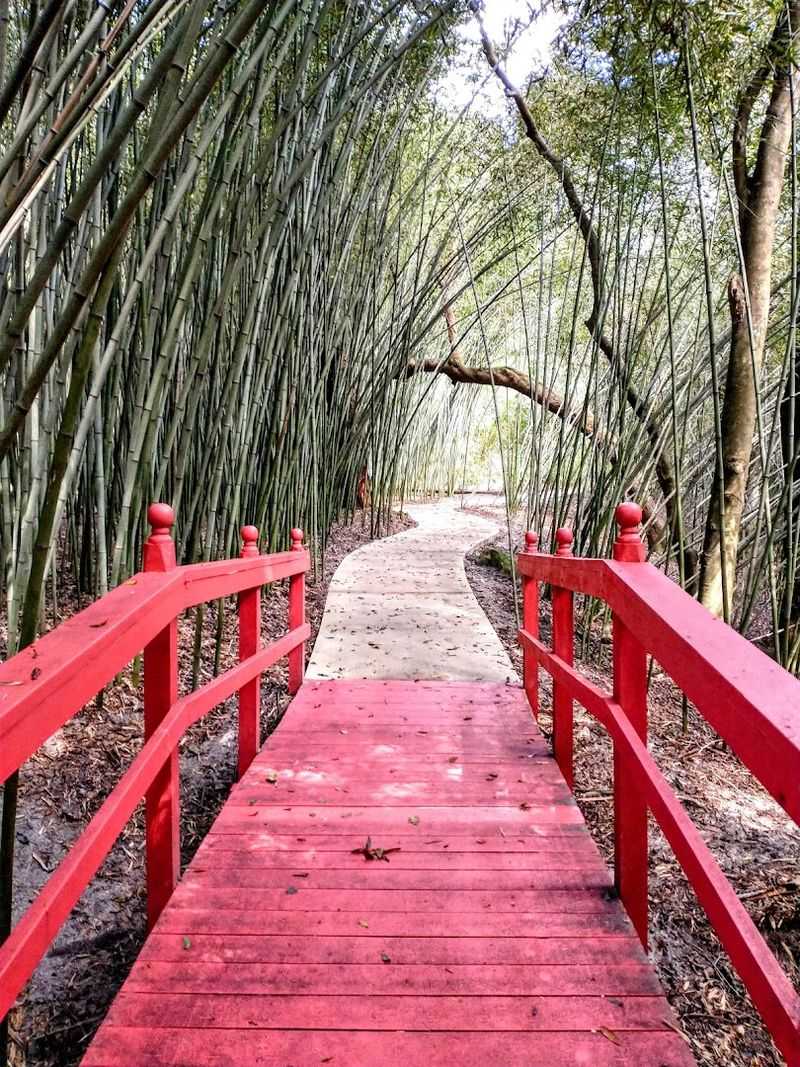
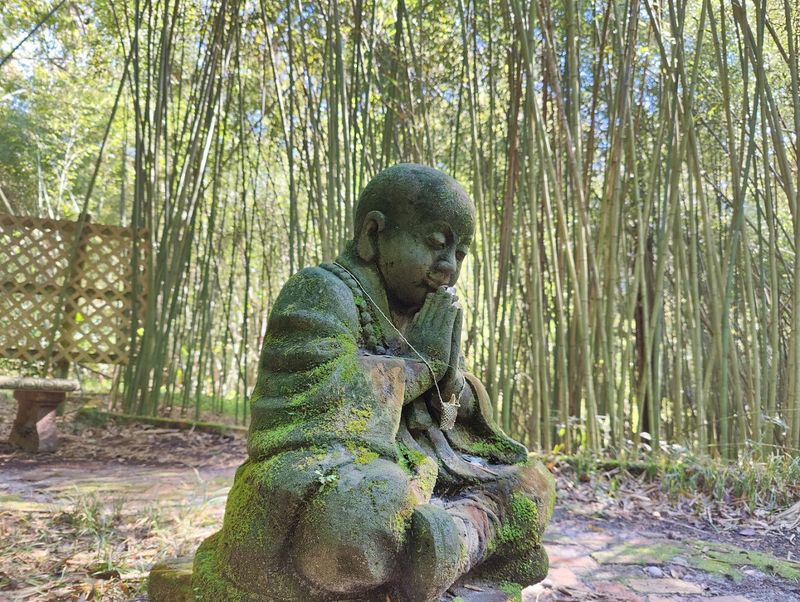
Nothing prepared me for the scale of Kanapaha’s bamboo forest, where stalks shoot upward like natural skyscrapers creating their own microclimate. The density and height transform this section into something that feels transported from Asia, complete with the distinctive rustling sound of bamboo leaves overhead.
Multiple bamboo species grow throughout this area, some with stalks thick as tree trunks and others more delicate and swaying. The temperature drops noticeably under the canopy, offering welcome relief during Florida’s warmer months.
I found myself slowing down here, drawn into the peaceful atmosphere that seems to muffle outside noise and encourage quiet reflection. The path winds through the grove, creating new perspectives around each bend as light filters through at different angles.
Review after review mentions this bamboo forest as a highlight, and I understand why after experiencing it firsthand. The sheer size of some specimens demonstrates what bamboo can achieve when given proper space and care.
Photographers love this spot for its dramatic vertical lines and play of light and shadow. The bamboo grove represents one of those unexpected garden features that exceeds expectations and lingers in memory long after leaving.
Well-Maintained Walking Trails For All Abilities
Kanapaha’s trail system covers roughly two miles of paths that wind through every major garden section without feeling exhausting. Most routes feature paved or brick surfaces that accommodate wheelchairs, strollers, and visitors with mobility concerns, making the gardens genuinely accessible.
I appreciated how the paths create natural loops, allowing visitors to customize their route length based on time and energy. Clear signage appears at major intersections, though I did notice some areas where directional markers could be more detailed.
The trails take you from bright, sun-drenched flower beds into shaded forest sections and back out to open water views, providing constant variety. Benches appear regularly along routes, offering rest spots that often overlook particularly scenic areas.
Some narrower dirt trails branch off for those wanting a more rustic experience, though the main paths handle most traffic comfortably. The garden’s size means you can walk for an hour or more without retracing steps, discovering new corners with each visit.
Staff keeps the trails well-maintained, clearing debris and managing vegetation that might encroach on walking space. This attention to pathway quality makes exploring the expansive grounds feel effortless rather than tiring, encouraging visitors to see more than they might have initially planned.
Themed Garden Sections That Tell Stories
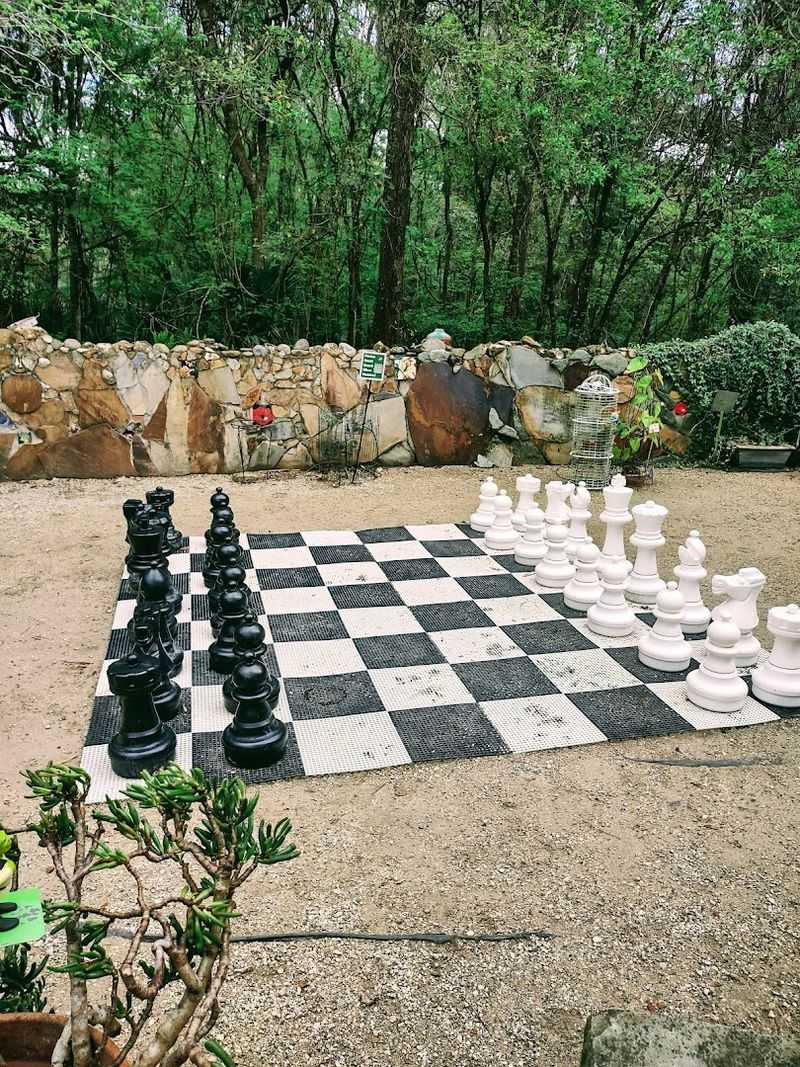
Kanapaha divides its 60-plus acres into distinct themed areas that each offer a different mood and plant focus. Beyond the famous lily pond and herb garden, you’ll encounter sections dedicated to native Florida plants, Asian species, desert specimens, and seasonal color displays.
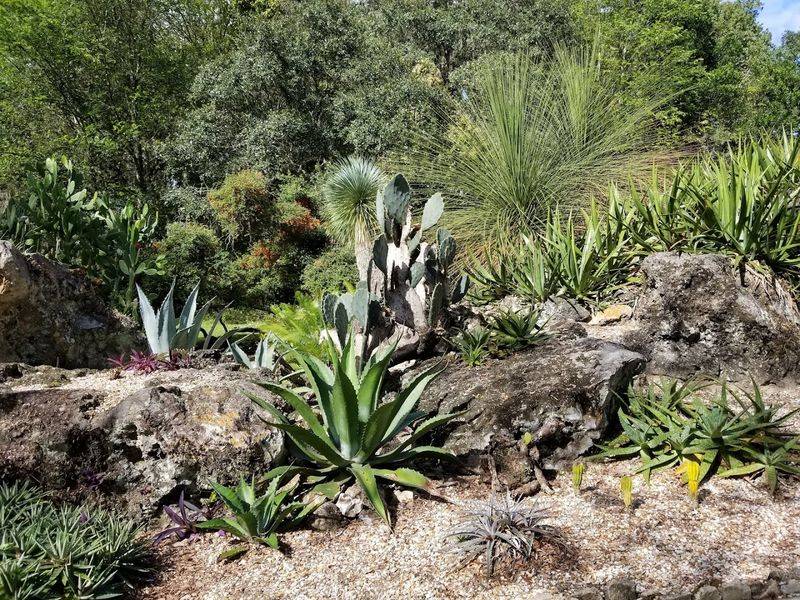
I found myself mentally checking off themes as I explored, appreciating how each area maintains its own character while flowing naturally into the next. The desert garden particularly surprised me with its collection of cacti and succulents thriving despite Florida’s humidity.
Seasonal gardens shift throughout the year, with azaleas and camellias dominating winter months and tropical blooms taking over during summer. This rotating focus means repeat visits reveal different highlights depending on timing.
The native plant section educates visitors about Florida’s original landscape before development, showcasing species that support local wildlife. I watched butterflies and bees work these areas heavily, demonstrating the ecological importance of native plantings.
Each themed section includes informational signage explaining the plants and their relationships to each other or their geographic origins. This educational layer adds depth to what could otherwise be just a pretty walk, turning the gardens into an outdoor classroom that never feels preachy or overwhelming.
Seasonal Blooms That Reward Multiple Visits
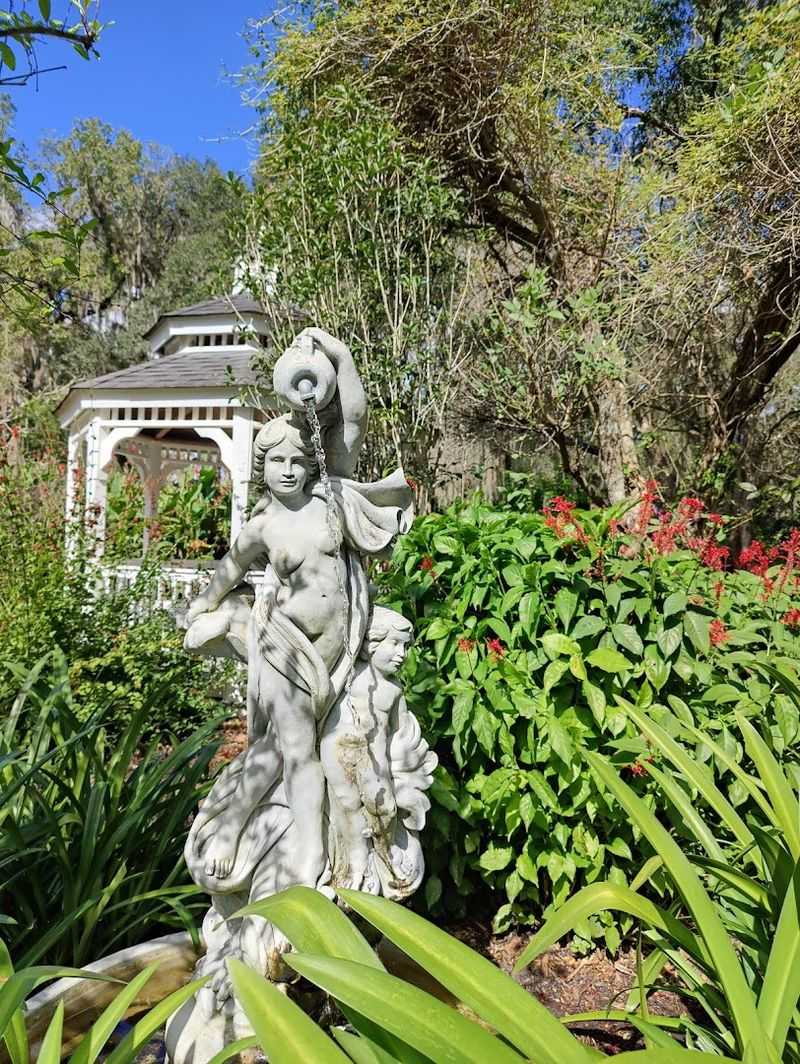
Timing your Kanapaha visit around peak bloom periods turns a nice garden walk into a spectacular show of color and fragrance. Spring brings azaleas, camellias, and early perennials bursting into flower, while summer shifts focus to tropical specimens and water plants reaching their prime.
I visited during December and still found plenty of blooms, though several reviewers noted that spring and summer offer the most dramatic floral displays. Fall contributes its own palette with changing foliage and late-season flowers that attract migrating butterflies.
The garden’s diversity means something is always flowering, preventing any visit from feeling barren or off-season. Even winter months showcase interesting bark textures, evergreen structures, and occasional surprise blooms that brave cooler temperatures.
Plant enthusiasts can time visits to catch specific species at their peak, while casual visitors will find beauty regardless of the calendar. The giant lily pads appear during warmer months, making summer the target season for seeing the garden’s most famous residents.
I left planning a return trip during a different season, curious to see how the same paths would look transformed by different blooming cycles. This seasonal variation adds replay value that keeps locals returning throughout the year rather than treating it as a one-time destination.
Family-Friendly Playground And Open Spaces
Kanapaha includes a dedicated children’s play area that gives younger visitors their own space to burn energy between garden walks. This thoughtful addition transforms the gardens from an adults-only destination into a genuine family outing option where everyone finds something engaging.
Parents appreciate having this release valve when kids reach their limit for plant viewing, and I watched families rotate between exploring gardens and letting children play. The playground equipment appears well-maintained and age-appropriate, fitting naturally into the garden landscape rather than feeling like an afterthought.
Open lawn areas near the playground provide space for picnics and relaxation, though visitors should check current policies about bringing food. The combination of structured play equipment and natural surroundings encourages outdoor activity that doesn’t require constant adult direction.
Several reviews specifically mentioned the playground as a highlight that made their visit more successful with young children in tow. The location allows adults to supervise while still enjoying garden views, creating a win-win situation for families.
This family-friendly approach broadens the garden’s appeal beyond serious plant enthusiasts to include parents looking for educational outdoor activities. The twelve-dollar adult admission and seven-dollar children’s rate make it an affordable family outing compared to many Florida attractions.
Peaceful Atmosphere Away From City Noise
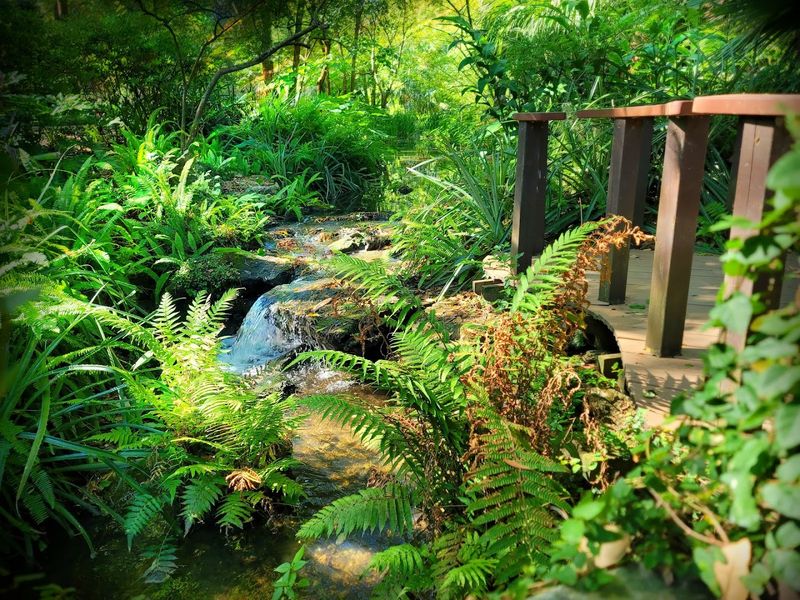
Stepping into Kanapaha creates an immediate sense of separation from Gainesville’s urban energy, as if the garden exists in its own quiet bubble. The combination of water features, dense plantings, and distance from major roads produces a soundscape dominated by rustling leaves, bird calls, and gentle water movement.
I noticed my shoulders dropping and breathing slowing within minutes of starting my walk, responding to the deliberate calm the gardens cultivate. Multiple visitors mentioned this peaceful quality in reviews, using words like “serene,” “tranquil,” and “relaxing” to describe the atmosphere.
The garden’s size helps maintain this quiet by spreading visitors across many acres, preventing crowding even on busier days. I encountered other people regularly but never felt surrounded or rushed, with plenty of space for everyone to find their own pace.
Benches positioned at scenic spots invite lingering rather than hurrying through, and I watched people sitting quietly with books or simply observing the surroundings. This contemplative quality makes Kanapaha valuable as a mental health resource, offering accessible nature therapy without requiring wilderness hiking.
The gardens achieve that rare balance of being cultivated and maintained while still feeling natural and unforced, creating peace without the sterile perfection that can make some formal gardens feel unwelcoming.
Affordable Admission That Welcomes Everyone
Kanapaha’s twelve-dollar adult admission stands out as remarkably reasonable for the experience delivered, especially when compared to Florida’s typical attraction pricing. Children over five pay just seven dollars, and younger kids enter free, making family visits genuinely affordable rather than budget-breaking.
I’ve paid more for parking at some Florida destinations than Kanapaha charges for full admission, a pricing philosophy that prioritizes accessibility over maximum revenue. This approach invites repeat visits since the cost doesn’t require saving up or special occasion justification.
The value becomes even clearer once you start exploring and realize the gardens offer hours of quality time rather than a quick thirty-minute loop. Multiple reviews specifically praised the low admission relative to the garden’s size and quality, with one visitor calling it “a steal.”
This pricing strategy aligns with the garden’s nonprofit mission of education and conservation rather than profit maximization. Local residents can visit regularly throughout the year without financial strain, building deeper connections to the plants and seasonal changes.
The gift shop offers additional revenue opportunities for those wanting to support the gardens beyond admission, selling plants and garden-related items. Affordable access removes barriers that might prevent families, students, or retirees from experiencing quality botanical education and natural beauty.
Knowledgeable Staff Who Enhance The Experience
Kanapaha’s staff receives consistent praise for friendliness and expertise, with one reviewer specifically calling out a team member named Chris for his impressive plant knowledge and willingness to answer endless questions. These interactions transform a self-guided visit into something more educational and personal.
I noticed staff members working throughout the gardens, maintaining plants while remaining approachable for visitor questions. Their visible presence demonstrates the ongoing care required to keep 60 acres looking beautiful, and their expertise shows in the healthy plant specimens and thoughtful design.
The front desk staff provides helpful orientation for first-time visitors, offering maps and highlighting current bloom peaks worth seeking out. This guidance helps people make the most of their time rather than wandering aimlessly or missing key features.
Several reviews mentioned staff going out of their way to assist visitors with mobility devices, ensuring everyone could access as much of the garden as possible. This attentive service reflects organizational values that prioritize visitor experience over efficiency or convenience.
Gift shop staff demonstrate knowledge about plants for sale, helping visitors select specimens likely to thrive in their home conditions. This expertise adds value to purchases and increases success rates for people inspired to start their own gardens after visiting Kanapaha.