
The Florida State Park Where You Can Stroll Under Banyan Trees And Discover Shark Teeth
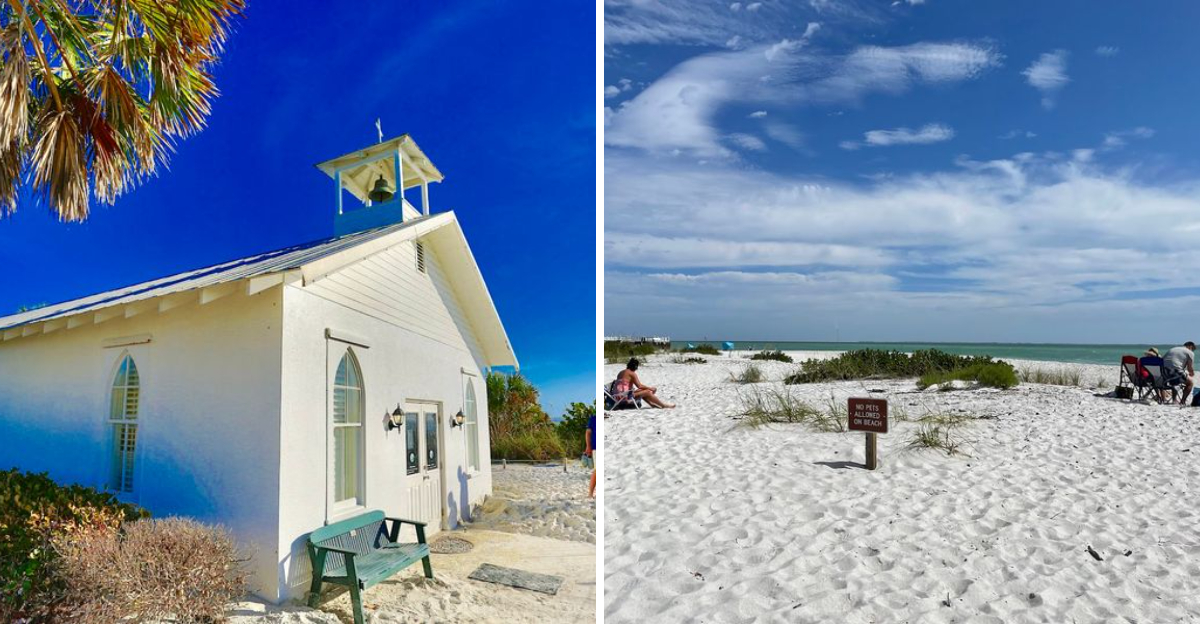
Florida’s Gulf Coast is famous for beautiful beaches, but here is a question worth asking. What if one of the most magical coastal escapes in Florida feels like a place the world somehow forgot?
Somewhere near Boca Grande, a barrier island stretches into the Gulf where time seems to slow down. The water glows turquoise against wide white-sand beaches, seabirds circle above the shoreline, and the quiet rhythm of the waves replaces the noise of everyday life.
Walk a little farther and the surprises keep coming. Historic lighthouses rise above the coast, standing watch over waters that have guided sailors for generations.
Banyan trees spread their enormous branches like natural sculptures, casting shade across sandy paths.
Then there are the treasures hidden right in the sand. Fossilized shark teeth waiting to be discovered by anyone willing to look closely.
In Florida, finding a place that blends wild beauty, history, and adventure this perfectly feels almost like uncovering a secret.
Historic Port Boca Grande Lighthouse
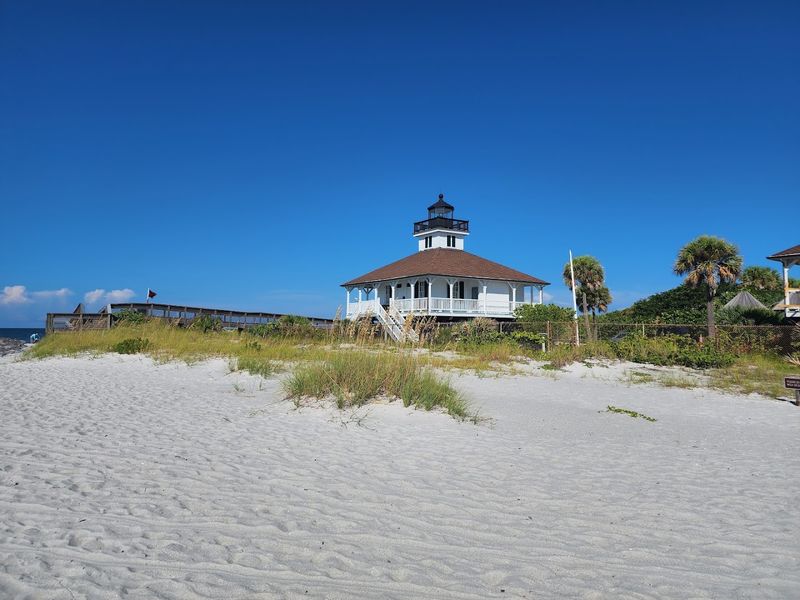
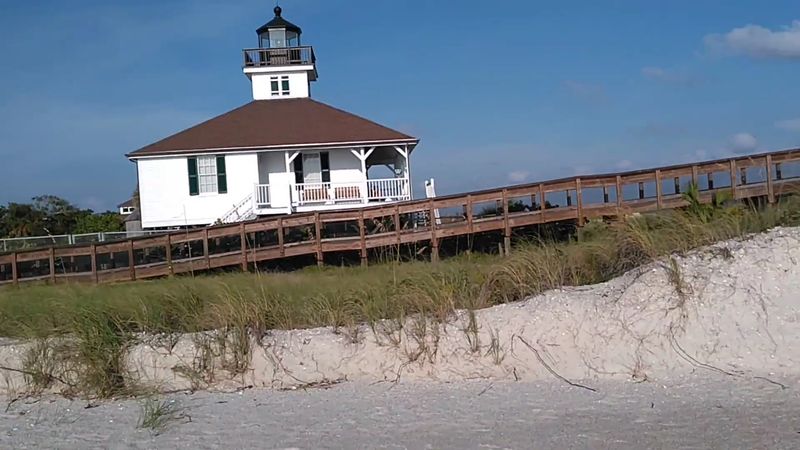
Standing at the southern tip of the island, the Port Boca Grande Lighthouse has been guiding ships since 1890, and I spent an entire afternoon exploring its museum and gift shop. The lighthouse keeper’s quarters now house exhibits that tell stories of the island’s phosphate shipping days, local wildlife, and the families who lived here generations ago.
Climbing around the lighthouse grounds, I noticed how the structure has weathered countless storms while maintaining its classic charm. The museum curator told me about the lighthouse’s original kerosene lamp and how keepers maintained it through hurricanes and tropical heat.
Photography enthusiasts circle this spot constantly, and I understand why after watching the late afternoon sun paint the white tower in golden light. The adjacent beach offers stunning views across the channel to Cayo Costa, creating a backdrop that makes every snapshot look professionally composed.
Visiting during the off-season means you might find different hours than listed online, so I always call ahead now. The lighthouse stands as a reminder of Florida’s maritime heritage, and walking its grounds connects you to over a century of coastal history in a way that feels both educational and deeply personal.
Pristine White Sand Beaches
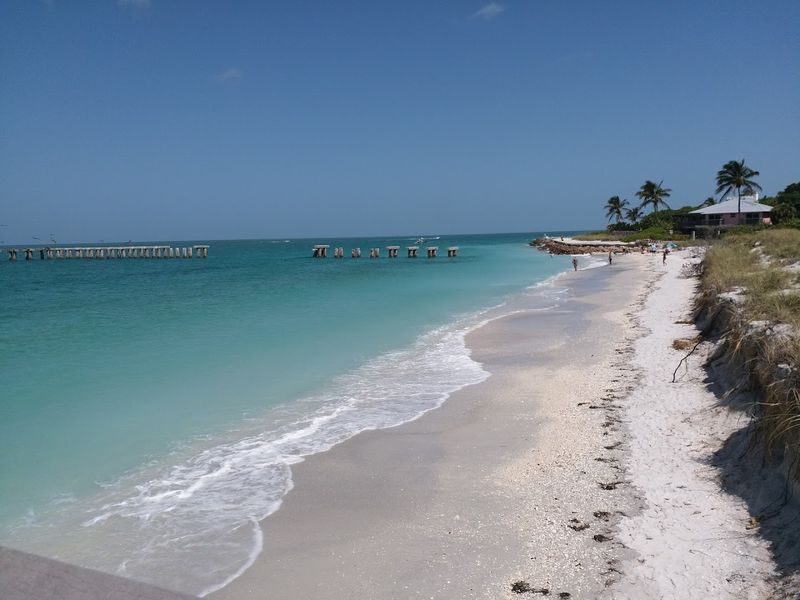
The sand at Gasparilla Island feels different beneath your feet, softer and whiter than most Gulf beaches, and I’ve walked miles of it without ever feeling like I needed to turn back. Unlike crowded tourist beaches, this shoreline stretches endlessly with enough space that you can claim your own piece of paradise without hearing your neighbor’s conversation.
What surprised me most was the water clarity, how I could see straight down to my toes even waist-deep, watching small fish dart between my legs. Locals told me this beach rivals anything in the Keys, and after visiting both, I’m inclined to agree with them.
Strong currents do patrol these waters, especially near the jetty, so I learned to respect the red flags and enjoy the beach for sunbathing and shell collecting instead of swimming. The outdoor shower has low pressure, but it beats tracking sand into your car for the drive home.
Families spread out along the shore with coolers and umbrellas, while solo beachcombers pace the waterline searching for treasures. The $3 parking fee feels like stealing when you consider the pristine conditions and uncrowded atmosphere that greets you every single visit.
Abundant Shark Teeth Hunting
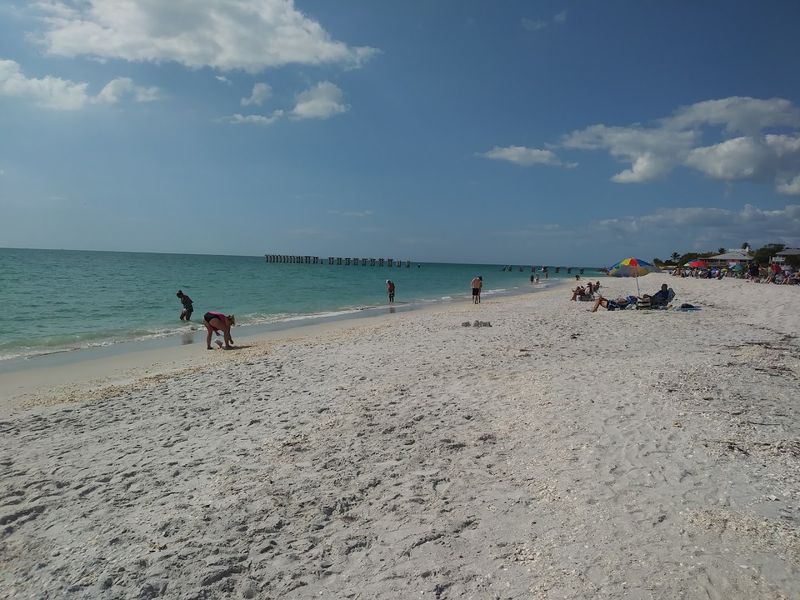
Crouching at the waterline with waves lapping at my knees, I spotted my first shark tooth within minutes, a small black triangle that stood out against the white sand like a tiny prehistoric trophy. Gasparilla Island ranks among Florida’s premier fossil hunting destinations, and on some days the beach practically gifts you these ancient treasures.
The museum hosts a fossil collector every Thursday in January who brings megalodon teeth and other spectacular specimens that make your jaw drop. Seeing those massive teeth in person puts into perspective just how incredible it is to find even the smallest fossilized tooth on the beach.
I developed a technique of scanning the shell line right after high tide, when fresh deposits wash up overnight. Other hunters told me to look for dark spots among the lighter shells, and once your eye adjusts, you start seeing them everywhere.
Kids absolutely love this treasure hunt aspect, turning a beach day into an educational adventure without them even realizing they’re learning about paleontology. I keep my collection in a small jar at home, and every tooth reminds me of the exact spot where I found it, creating memories that last far longer than any souvenir shop purchase.
Spectacular Shelling Opportunities
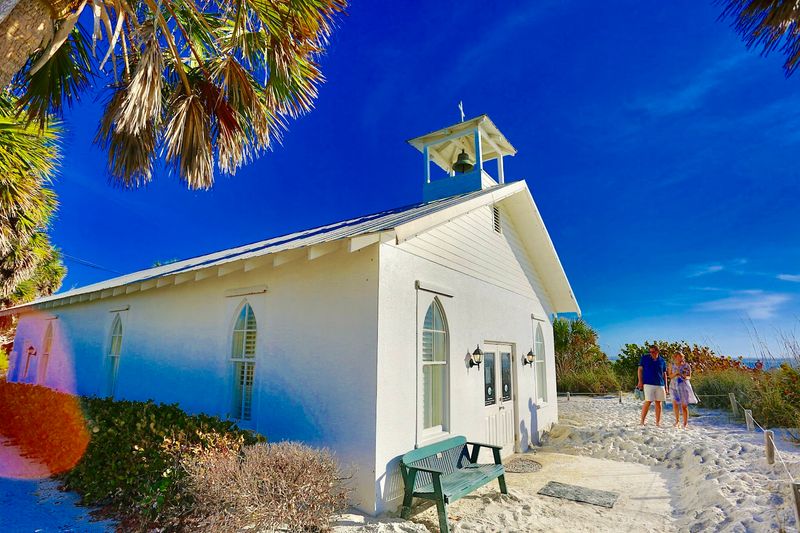
I’ve visited shell-famous Sanibel Island, but honestly, Gasparilla Island delivers just as many beautiful specimens without the elbow-to-elbow crowds fighting over every conch. The Gulf deposits shells here in generous waves, creating natural collections that change with every tide.
My best finds came early morning after storms passed through overnight, when the beach looked like someone had dumped a treasure chest of marine souvenirs along the high tide line. Lightning whelks, scallops, moon snails, and dozens of species I still can’t identify filled my bag within an hour.
The park’s rule about only taking shells without living creatures inside makes perfect sense once you understand the ecosystem. I always check carefully, returning any occupied shells to the water and keeping only the empty ones as mementos.
Serious shellers bring mesh bags and wear water shoes to wade into shallow areas where waves deposit the freshest specimens. I watched one woman fill an entire bucket in thirty minutes, her practiced eye spotting perfect shells I would have walked right past.
Unlike commercial shell shops, finding your own creates stories worth telling, and I still remember the exact wave that delivered my favorite fighting conch shell.
Majestic Banyan Tree Canopy
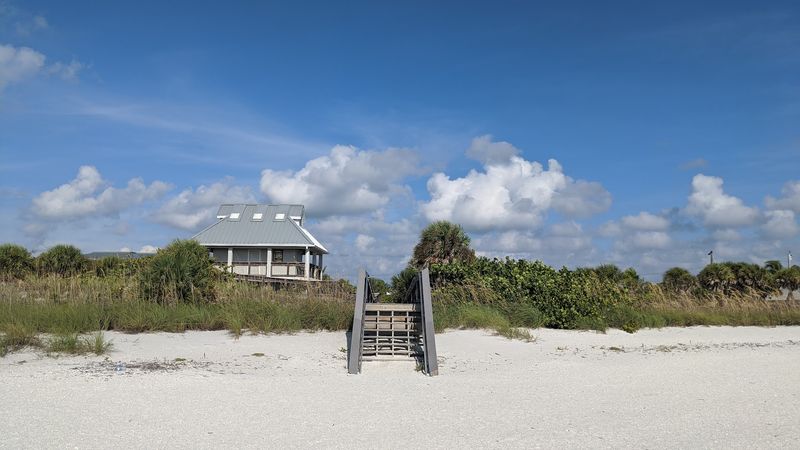
Walking beneath the banyan trees felt like entering a natural cathedral, their aerial roots creating columns that support branches spreading wider than most houses. These magnificent trees transform ordinary paths into shaded sanctuaries where the temperature drops noticeably and the world feels quieter, more peaceful.
I spent one particularly hot afternoon reading under a massive banyan, watching its roots slowly grow downward like nature’s own time-lapse experiment. The trees create such dense shade that even midday sun barely penetrates, making them perfect rest stops during long beach walks.
Photographers love these trees for their dramatic shapes and the way light filters through the leaves in scattered beams. I’ve seen wedding photos taken under these canopies, and I completely understand why couples choose this setting for their most important memories.
The banyans also attract wildlife, and I’ve spotted iguanas sunning themselves on the roots and various birds nesting in the upper branches. These trees represent the tropical side of Florida that many visitors never experience, growing wild and magnificent without any human intervention.
Running my hand along the rough bark, I felt connected to something ancient and enduring, a living landmark that will likely outlive several more generations of visitors.
Magical Manatee Encounters
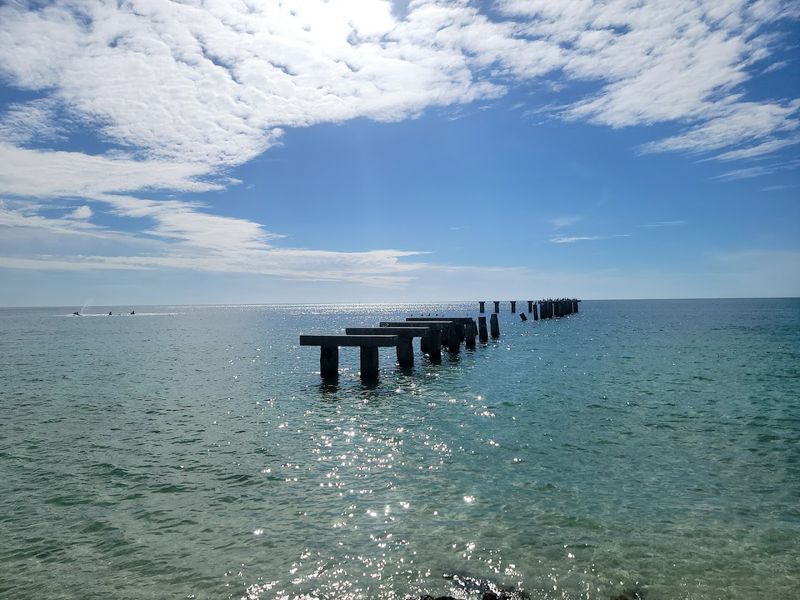
My heart nearly stopped when a manatee surfaced three feet away from me, its whiskered face breaking the water like a curious puppy checking out a stranger. These gentle giants cruise the waters around Gasparilla Island regularly, especially near the old pier pilings where they find shelter and food.
You’re not supposed to touch manatees, but they swim so close that sometimes they bump into you accidentally, their skin feeling surprisingly smooth and warm. I floated motionless, watching this massive creature glide past with its paddle-shaped tail propelling it effortlessly through the crystal-clear water.
The best manatee spotting happens during cooler months when they seek out warmer waters, though I’ve encountered them even during summer visits. Snorkeling around the pier area increases your chances dramatically, and the visibility here makes watching them an absolute joy.
Other visitors gathered along the shore when someone spotted a manatee, everyone pointing and snapping photos of this endangered species thriving in its natural habitat. Park rangers remind people to give them space, but the manatees themselves seem unbothered by human presence, going about their business of munching sea grass and surfacing for air.
That encounter lasted maybe five minutes, but I still think about it every time I visit the park.
Extensive Bike Path Network
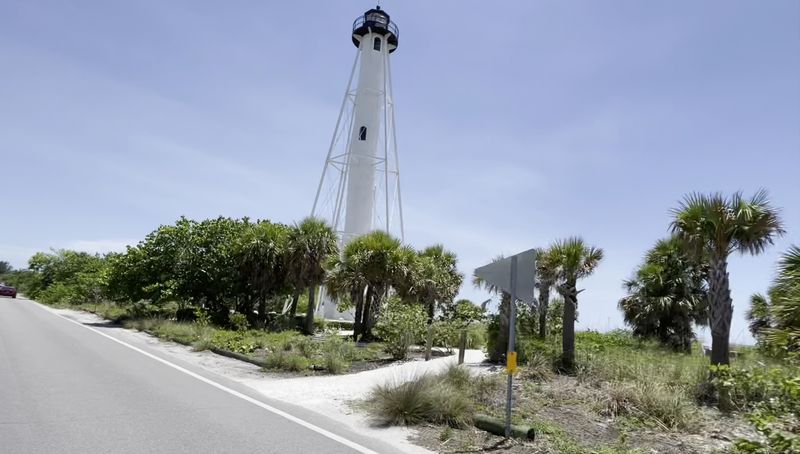
Pedaling the entire length of Gasparilla Island on dedicated bike paths ranks among my favorite Florida experiences, covering miles of scenic routes without ever worrying about car traffic. The paths wind through residential areas, past hidden beaches, and along waterfront stretches where you can stop whenever something catches your eye.
I rented a bike near the state park and spent four hours exploring every corner of the island, working up an appetite that I satisfied at one of the casual spots in town. The flat terrain makes this ride accessible for any fitness level, and I watched families with young children covering the same routes I tackled.
Golf carts and bikes dominate island transportation, creating a relaxed atmosphere where nobody rushes and everyone waves as they pass. The paths connect all the major points of interest, making it easy to visit the lighthouse, beaches, and town without moving your car once.
Shaded sections provide relief during the hottest parts of the day, though I learned to bring extra water because the sun reflects intensely off the pavement. Local bike shops offer rentals by the hour or day, and some places even deliver bikes directly to your accommodation.
Finishing my ride back at the state park, I felt like I’d truly experienced the island rather than just visiting one spot.
Diverse Wildlife Viewing
An iguana the size of a small dog sunned itself on the lighthouse lawn, completely unbothered by the tourists photographing it from six feet away. Gasparilla Island supports an incredible variety of wildlife, and you don’t need binoculars or special tours to spot most of it.
Pelicans dive-bomb the surf constantly, folding their wings at the last second before hitting the water with spectacular splashes. I’ve watched them fish for hours, amazed at their success rate and the way they work in coordinated groups to herd baitfish.
Sea turtles nest on these beaches during summer months, and park rangers mark off protected areas to ensure the eggs remain undisturbed. I visited during nesting season and saw fresh tracks leading from the water to a roped-off section of sand, evidence of the night’s activity.
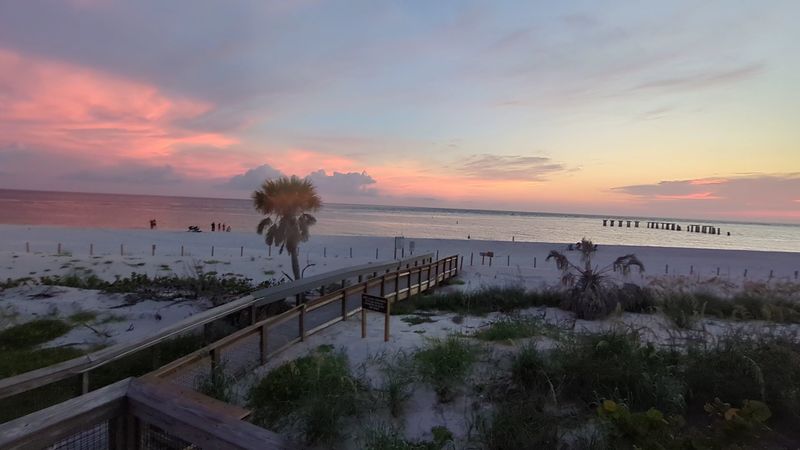
Dolphins cruise past the jetty regularly, their fins cutting through the water in graceful arcs that make you stop whatever you’re doing to watch. The variety of fish species visible in the clear water creates a natural aquarium effect, especially around the old pier pilings.
Every visit reveals something new, whether it’s a rare bird species or just another iguana claiming its territory on the warm sidewalk, reminding you that humans are guests in their home.
Uncrowded Paradise Experience
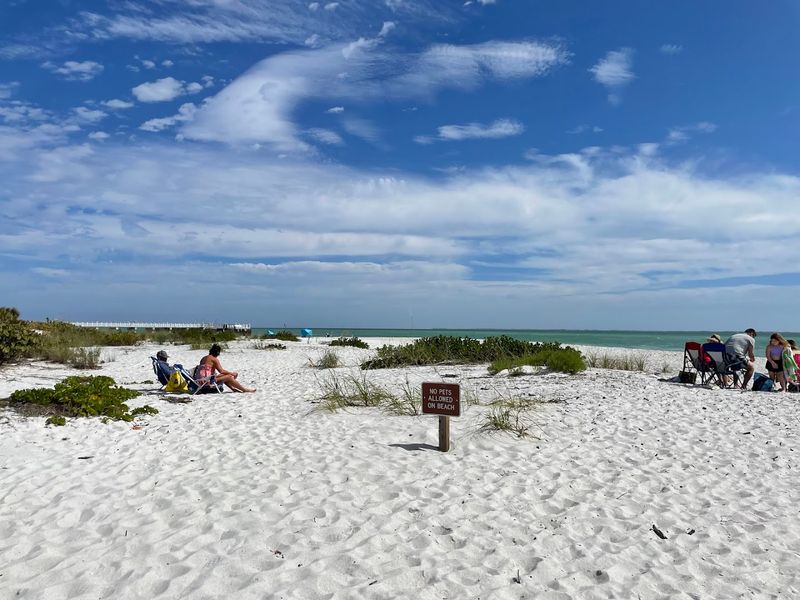
Finding personal space on Florida beaches can feel impossible during peak season, but Gasparilla Island delivers that rare commodity in abundance, even on weekends. I’ve visited dozens of times and never felt crowded, always able to walk until I found a stretch of sand that felt like my own private beach.
The $6 toll to cross the bridge and $3 park entrance fee apparently filter out casual visitors, leaving the island to people who specifically seek this destination. That barrier to entry creates a self-selecting crowd of nature lovers and beach enthusiasts who respect the space and keep it clean.
Unlike commercialized beach towns, Boca Grande maintains a quiet, unhurried atmosphere where golf carts outnumber cars and nobody honks their horn. The island attracts visitors who want to escape rather than party, creating a peaceful vibe that permeates everything.
I’ve watched sunsets here with maybe ten other people scattered across a mile of beach, everyone giving each other space while sharing the same spectacular view. The lack of high-rise hotels and beach bars means the natural beauty takes center stage without competition from human development.
Locals describe Gasparilla Island as what Florida used to be before tourism transformed the coastline, and after experiencing both, I understand exactly what they mean by that nostalgic comparison.
Rich Historical Heritage
The phosphate shipping industry built this island’s economy in the late 1800s, and remnants of that industrial past still dot the landscape like historical breadcrumbs. I spent an hour in the lighthouse museum reading about the railroad that once carried phosphate to waiting ships, imagining the bustling activity that contrasted sharply with today’s peaceful atmosphere.
Native American tribes inhabited these barrier islands long before European contact, and the museum displays artifacts that connect modern visitors to those ancient inhabitants. Shell tools, pottery fragments, and other archaeological finds tell stories of people who recognized this island’s value centuries before tourism existed.
The lighthouse keeper’s log books, preserved behind glass, reveal daily life details that bring history alive in ways textbooks never manage. I read entries about storms, supply deliveries, and routine maintenance tasks, humanizing the keepers who lived isolated lives maintaining this crucial navigation aid.
Old photographs show the island during its phosphate boom, when trains and ships dominated a landscape now returned to natural beauty. That transformation from industrial hub to protected park represents a conservation success story worth celebrating.
Walking the same paths that lighthouse keepers, phosphate workers, and indigenous peoples traveled before me creates a connection across time, making each visit feel like participating in an ongoing story rather than just taking a vacation.